The Perfect 2-Day Yufuin Itinerary: 10 Essential Stops
Plan your yufuin itinerary with this 2026 guide. Includes 10 essential stops, from Lake Kinrin to hidden ryokans, plus transport tips from Fukuoka.
On this page
Yufuin sits at the base of Mount Yufu in Oita Prefecture, roughly two hours from Fukuoka by scenic express train. It is small enough to cover on foot in a day yet rich enough to fill two — boutique shops along a cobblestone street, a mist-shrouded lake, half a dozen ryokans with private open-air baths, and a modern art museum you will not expect to find in a mountain village. For comparison, see our Kumamoto attractions guide for another Kyushu region option. This itinerary was refreshed in 2026 after repeat visits across different seasons.
The honest framing: Yufuin's main street gets crowded fast, especially on weekends when tour buses arrive by 10:00. The town rewards travelers who stay overnight, start early, and wander a few streets off the main drag. A day trip from Fukuoka is feasible but you will spend most of it in queues for croquettes unless you plan carefully.
Oita Prefecture classifies this area as Yufu City, not Yufuin City — Yufuin is a district within Yufu. Keep that in mind when navigating maps and train boards.
At a Glance: 2-Day Yufuin Overview
This summary helps you visualize the two days before diving into detail. The structure minimizes backtracking since most attractions sit along or just off a single road running from Yufuin Station toward Lake Kinrin.
Most shops along Yunotsubo Kaido close by 17:30. Plan your browsing for the morning or early afternoon to avoid missing out on street snacks and boutique stores.
- Day 1: Main street, Floral Village, ryokan check-in, onsen
- 09:00 — Arrive and walk Yunotsubo Kaido before tour groups land
- 11:00 — Yufuin Floral Village (leave before 12:00 as crowds spike at noon)
- 13:00 — Comico Art Museum (reserve tickets online in advance)
- 15:00 — Check into ryokan, use private bath
- 18:30 — Kaiseki dinner at the inn
- Day 2: Lake, hidden museums, departure
- 07:00 — Lake Kinrin for morning mist (best before 08:30)
- 09:00 — Cafe Duo for 3D latte art (arrive at opening or queue)
- 10:30 — Yufuin Showa Museum
- 13:00 — Lunch at Yufu Mabushi Shin or grab toriten near the station
- 15:00 — Catch Yufuin no Mori back to Hakata
| Day / Time | Stop | Key Detail |
|---|---|---|
| Day 1 — 09:00 | Yunotsubo Kaido | Arrive early; street food vendors open from 09:00 |
| Day 1 — 11:00 | Yufuin Floral Village | Free entry; leave before noon to dodge peak crowds |
| Day 1 — 13:00 | Comico Art Museum | ¥1,500; book online; weekend slots sell out days ahead |
| Day 1 — 18:30 | Ryokan kaiseki dinner | Bungo beef multi-course; often included in room rate |
| Day 2 — 07:00 | Lake Kinrin mist walk | Best mist Sep–Feb; torii gate visible from south bank |
| Day 2 — 09:00 | Cafe Duo latte art | ¥700–750 per latte; arrive at 10:00 open or face a wait |
| Day 2 — 10:30 | Yufuin Showa Museum | ¥1,400 adults / ¥500 kids; retro-Japan exhibits 1926–1989 |
| Day 2 — 15:00 | Yufuin no Mori train | ~¥5,000 one-way Hakata; book 30+ days ahead |
How to Get to Yufuin: Train, Bus, or Car from Fukuoka and Beppu
From Fukuoka, the quickest and most memorable option is the Yufuin no Mori Limited Express from Hakata Station. The journey takes about 2 hours 15 minutes and the train features wood-paneled interiors and panoramic windows — it is worth the premium over a regular express. One-way fare runs around ¥5,000 without a rail pass. The train runs only three times per day in each direction so check the JR Kyushu timetable before committing to a departure time.
If you hold a JR Kyushu Rail Pass or the wider JR All-Japan Pass, the Yufuin no Mori is covered — you pay only a seat-reservation fee. Seats sell out quickly on weekends and during autumn foliage season, so you should read the Yufuin No Mori Train: The Complete Sightseeing & Booking Guide and reserve the moment your travel dates are confirmed. The booking window opens one month ahead for non-pass holders purchasing through JR Kyushu's timetable.
The highway bus from Fukuoka Airport (FUK) is the budget alternative: about 1 hour 40 minutes and ¥2,900 per person with no reservation stress. From Beppu, a local bus or rental car takes roughly 30 minutes and makes sense if you plan to combine both onsen towns. Detailed schedules are in the How To Get To Yufuin Travel Guide guide. Walking is the main mode of transport once you arrive — the station, lake, and main street form a compact loop under 2 km across.
Morning: Street Food and Boutique Shopping on Yunotsubo Kaido
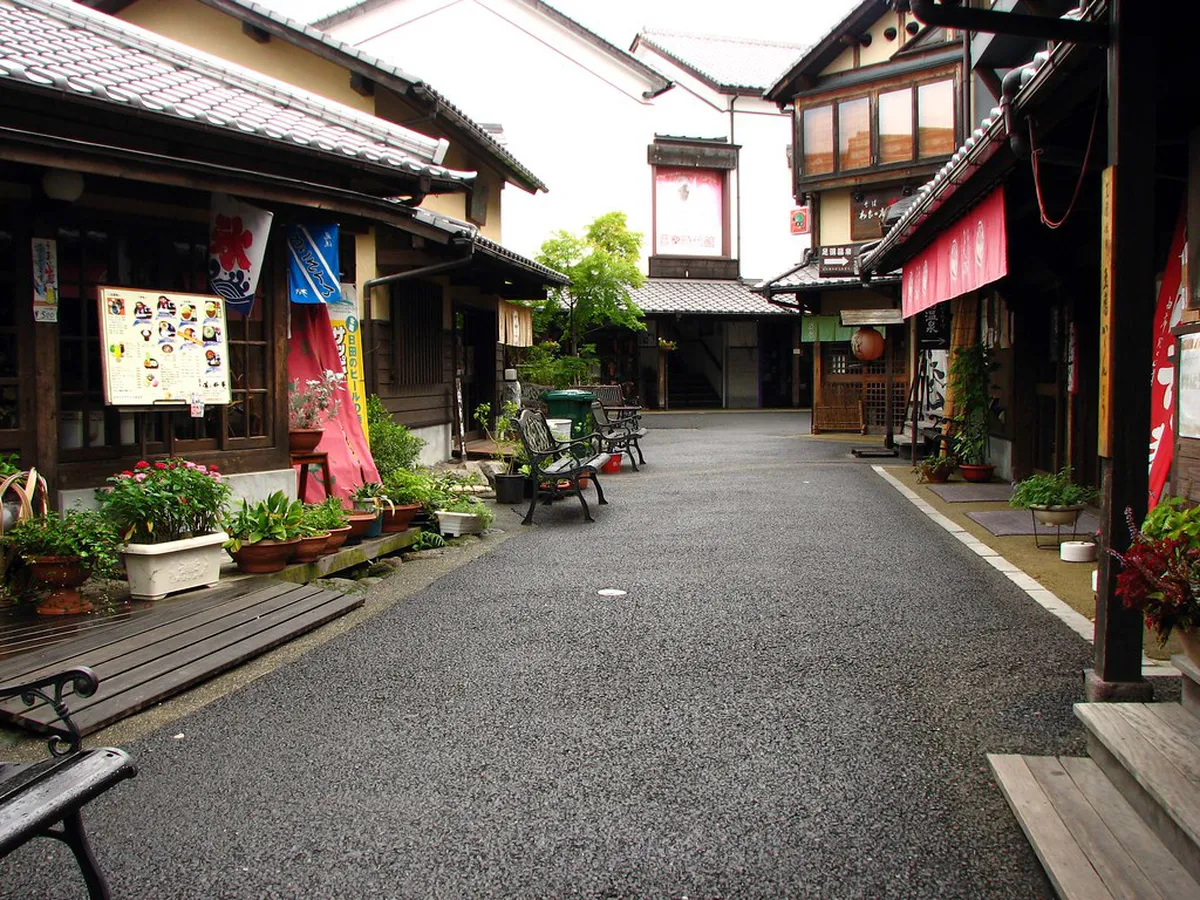
Yunotsubo Kaido is the pedestrian-only shopping street that runs from roughly midway between the station and the lake. It is lined with cafes, handmade craft shops, snack vendors, and an official Studio Ghibli merchandise store called Donguri no Mori. The Ghibli shop draws some of the longest queues in town, with a giant Totoro at the entrance that is almost impossible to walk past without stopping for a photo. For detailed maps and seasonal event listings, check Visit Oita, the official tourism resource.
The street food lineup is the real draw. Look for Bungo beef croquettes (¥250–350 each) fried fresh at several stalls — the crisp coating over wagyu-minced filling is the definitive Yufuin snack. B-Speak, one of Japan's more famous roll-cake shops, sits near the entrance to the street and opens around 09:00. Milch Yufuin sells soft-serve and pudding made from Oita dairy; the pudding in a small glass jar is rich, cold, and portable. Amaou strawberry mochi skewers appear in spring. Toriten — Oita's version of chicken tempura — is available from Fukuya near the station and makes an inexpensive lunch if you pick it up on the way back.
Arrive before 09:30 if possible. By 11:00 on weekends the pavement is shoulder-to-shoulder with tour groups. The shops themselves are narrow, so queuing becomes unavoidable once the buses unload. Weekday mornings (Tuesday through Thursday especially) feel entirely different — you can browse the interior of the Ghibli store without being pressed against a shelf. There is also a small playground opposite the Ghibli store with a clear view of Mount Yufu, useful if you are traveling with young children.
Midday: Exploring the Fairytale Yufuin Floral Village
Yufuin Floral Village sits a short walk from Yunotsubo Kaido and is built to look like a cluster of English-country cottages. Entry is free. The layout is compact — a series of small shops arranged around a central courtyard with ducks, rabbits, and goats in small enclosures that children enjoy. There is a Miffy bakery selling bread shaped like the rabbit character, a Pokemon goods shop, and several Ghibli-adjacent merchandise stores.
The honest assessment most competitors skip: Floral Village has shifted heavily toward mass-produced character goods in recent years. Visitors who remember it from a decade ago may find it disappointing. If you came for handmade crafts or traditional Japanese folk art, those are largely gone. What remains is still photogenic — the cottage architecture photographs well — and good for families with younger children who respond to the characters and animals. You can also try certified Oita wagyu beef at a vendor inside the village.
The Yufuin Floral Village: 10 Best Things to Do and See covers the current shop lineup in detail. For crowd management: arrive before 10:30 to move freely through the alleyways. From noon onwards the courtyard becomes difficult to navigate with a stroller or luggage. Entry to the village itself is free, though some animal exhibits charge around ¥300.
Afternoon: Modern Art and Architecture at the Comico Art Museum
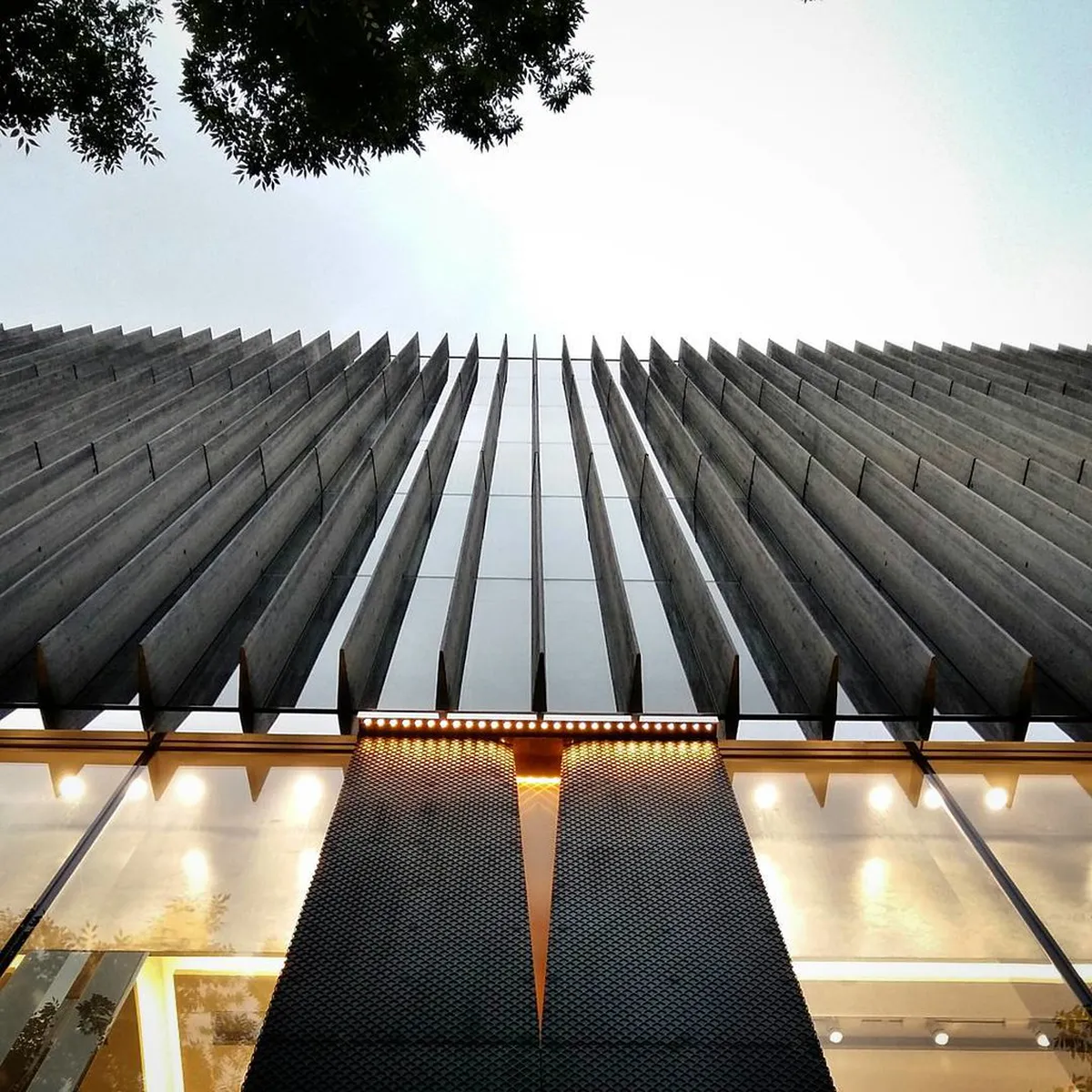
The Comico Art Museum Yufuin sits just off Yunotsubo Kaido and is one of the more unexpected stops in this mountain town. The building itself — low, horizontal, and clad in white panels designed by architect Ryue Nishizawa — sits in contrast to every ryokan and craft shop around it. The collection focuses on contemporary Japanese artists including Yoshitomo Nara and Hiroshi Sugimoto. Admission is ¥1,500 and the rooftop terrace has a clear view of Mount Yufu on good-weather days.
Reservations are strongly recommended. Weekend slots during autumn foliage season (mid-October through November) book out several days in advance. The Comico Art Museum Yufuin Travel Guide explains the online booking process. Weekday afternoons are the easiest entry window without advance planning. The museum closes at 17:00 (last entry 16:30) and is closed on Tuesdays.
Budget around 60–90 minutes inside. The building is as much the attraction as the artworks — the way natural light moves through the galleries changes significantly between morning and afternoon visits. If you can only choose one paid attraction in Yufuin beyond the onsen itself, this is the one most worth the ticket price.
Lake Kinrin: Morning Mist and Walking Paths
Lake Kinrin (Kinrinko) sits at the southern end of the main walking route, about 15 minutes on foot from the station. The lake is fed by geothermal hot springs from below, which keeps the water temperature higher than the surrounding air in cooler months. The result is a low mist that drifts across the surface in the early morning — an effect most dramatic between September and February, and at its most photogenic between 07:00 and 08:30. According to Japan's official tourism guide, this onsen area ranks among the country's top thermal destinations.
The lake is small enough to circumnavigate in 20 minutes. The south bank has a wooden viewing platform that gets busy with tour groups; if you want unobstructed photos, the east side of the lake (slightly off the main path) offers a quieter angle and a view of the small stone torii gate that sits partly in the water. A shrine called Tenso Shrine occupies the far bank and is worth a brief visit. Cafe La Ruche overlooks the water from the north side and opens in the morning — window seats fill quickly on weekends.
The 6 Essential Tips for Visiting Lake Kinrin Yufuin covers the walking route in more detail. If you are visiting only for the mist and the morning atmosphere, time your arrival for Day 2 before the crowds from the previous night's tour groups move through. Day-trippers arriving by the first morning bus from Fukuoka Airport (arriving around 08:00–08:30) can catch the end of the mist on a clear day.
Evening: Ryokan Stays, Onsen Etiquette, and the 3-Month Booking Rule
The overnight ryokan stay is what separates a forgettable day trip from a memorable Yufuin visit. Once the last tour bus departs around 17:00–18:00, the town quiets dramatically. Walking the stone streets in yukata (the cotton robe ryokans provide) is a ritual peculiar to onsen towns — in Yufuin it is common enough that you will not feel out of place wandering to the lake at dusk in one. Most ryokans include kaiseki dinner — a multi-course Japanese meal featuring Bungo wagyu beef, seasonal vegetables, and locally sourced fish — in the room rate when you book a meal plan.
The choice between a private onsen bath (kashikiri-buro) and a shared public bath (sennin-buro) is often framed as a budget question, but it is really a comfort question. Public bathhouses in Yufuin charge ¥500–600 per entry and require bathing without swimwear — mixed-gender bathing rules vary by facility. Private baths at ryokans can be booked by the hour (¥1,000–2,000 extra beyond the room rate at some properties) or are included in the room if you book a room with an in-room rotenburo (open-air bath). For first-timers uncomfortable with shared nudity, booking a ryokan with a guaranteed private bath eliminates the anxiety entirely. The 10 Best Tips and Ryokan for Yufuin with Private Onsen list covers the main options at each price tier.
On the booking window: popular mid-range ryokans in Yufuin — particularly those with private in-room baths and mountain views — fill 60–90 days out for autumn weekends and during Golden Week (late April/early May). The three-month booking rule is real. Ryokan Yuri (budget-friendly, family-run, near the station) and Yawaragi-no-Sato Yadoya (mid-range, close to Yunotsubo Kaido and the lake) can sometimes be booked 4–6 weeks out on weekdays. Yufuin Baien and Ikkoten (luxury, private-villa style) require 90+ days for peak dates. Use the Yufuin Baien Ryokan Booking link to check availability; dates that look open often have last-minute cancellations if the 90-day window has already passed.
Choosing a Private-Bath Villa Ryokan: Room Types and Costs
The ryokans that dominate Yufuin photo feeds fall into three types. Choosing the right one matters more than picking a famous name, because the room type sets both the price and the experience.
Three room types to compare
| Room type | What you get | Typical price per person, 2 meals |
|---|---|---|
| Standard room, shared baths | Tatami room, rotating public or reservable baths | About ¥15,000-25,000 |
| Room with a semi-open-air bath | Private hot spring on the room's terrace, usable at any hour | About ¥30,000-50,000 |
| Detached villa or thatched cottage | Standalone building, private open-air bath, garden, often in-room dining | About ¥50,000 and up |
These are planning ranges. Rates swing with season, so check the inn's own booking page for your dates.
How to pick
- Couples: choose a detached villa or an in-room open-air bath. Several inns around the foot of Mount Yufu, such as Kamenoi Bessou with its thatched-roof buildings, sit in quiet grounds away from the main street. Expect a taxi or a pickup from the station.
- Families with young children: look for a free-to-use family bath (kashikiri or kazoku-buro) rather than a villa. Some inns restrict children under a certain age, so confirm the policy before you book.
- Tattoos: private baths are the simplest solution, since you never share the water with other guests.
Allow a full evening for it. Villa inns usually ask you to arrive by 15:00-16:00 and serve kaiseki between 18:00 and 19:00. Squeezing them between a museum and a late train wastes most of what you pay for. Our best ryokan in Yufuin list compares individual inns, and where to stay in Yufuin covers the town's neighborhoods, including which are within walking distance of the station.
Hidden Gems: Yufuin Showa Museum and the Unagihime Shrine

The Yufuin Showa Museum is the single most underrated stop in town. It documents everyday life during the Showa era (1926–1989) through preserved consumer goods, advertising posters, toys, and domestic interiors reconstructed to period detail. Admission is ¥1,400 for adults and ¥500 for children. Most visitors who skip it do so because the exterior — a squat building near Yunotsubo Kaido — looks unremarkable. Inside, it is genuinely immersive. Allow 45–60 minutes. It is particularly engaging for families; children often respond to the retro toy section regardless of their Japanese cultural background.
The Retro Motor Museum (Yufuin Motor Spirit Museum) is nearby and displays vintage motorcycles and automobiles from the same post-war period, appealing to anyone who finds mid-century Japanese industrial design interesting. Admission is separate, around ¥800. Neither museum appears in most brief Yufuin round-ups despite consistently strong visitor ratings.
Unagihime Shrine (the Eel Princess Shrine) sits off the main tourist circuit entirely. It is a small Shinto shrine with dragon-head water spouts, moss-covered lanterns, and stone statues positioned along a quiet path. The name refers to an eel deity historically associated with the spring water that feeds the surrounding area. No admission fee. Most visitors walk past the entrance without noticing it. It is worth 20–30 minutes if you want to experience Yufuin's religious geography rather than just its shopping street.
Where to Eat: Top Food Stops and Bungo Beef Specialties
Yufuin's food identity runs through Bungo beef — the wagyu cattle raised in Oita Prefecture and served across the town in croquettes, beef sandos, and hot pot. The beef croquette on Yunotsubo Kaido is the entry-level version: ¥250–350, fried to order, eaten while walking. The fuller expression is at Yufu Mabushi Shin, a clay-pot rice restaurant (mabushi-don) a short walk from the main street where the beef is served over rice with dashi broth poured over at the end — similar to Nagoya's hitsumabushi style but with Oita wagyu. Expect a short queue even on weekdays.
For sweets: B-Speak's roll cake (¥300 per slice, whole cakes available) is legitimately worth the stop rather than just the hype. Milch Yufuin's soft-serve and bottled pudding use Oita dairy and are sold near the Floral Village entrance. The soy sauce pudding available from Shoyuya on Yunotsubo Street — a salty-sweet flavor using local Kabosu citrus — is a more unusual regional taste worth trying. Cafe Duo's 3D latte art (¥700–750) is a morning stop: arrive at opening (10:00) to guarantee a table as it fills within 30 minutes. Snoopy Chaya Yufuinten serves matcha and Japanese sweets for fans of that character.
For a sit-down meal, options on Yunotsubo Kaido itself are limited to a handful of teishoku (set-menu) restaurants and yakiniku grills. The best strategy is to graze on street food along the main street in the morning and save the proper restaurant lunch for Yufu Mabushi Shin or one of the kaiseki-style spots near the lake. If you are staying overnight, the ryokan dinner covers the evening meal entirely and is usually the best food you will eat in Yufuin.
Timing Your Visit: Weekdays vs. Weekends and When to Go Where
Yufuin is most enjoyable Tuesday through Thursday. On weekends — particularly Sunday — tour buses from Fukuoka begin unloading at Yufuin Station from around 09:30 onward. By 11:00, Yunotsubo Kaido is at full capacity and Yufuin Floral Village's alleyways become genuinely difficult to navigate. Midday weekends in the April-to-November tourist window are the worst windows for a relaxed visit.
Specific timing that makes a measurable difference: Yufuin Floral Village before 10:30 means you can move freely through the interior shops and get uncluttered photos of the cottage facades. Cafe Duo at exactly 10:00 open (it opens later than most stops, at 10:00) means you get a table without waiting. Lake Kinrin before 08:30 means you catch the geothermal mist before it dissipates and before the first day-trippers arrive. The Comico Art Museum is consistently quieter on weekday afternoons regardless of season because it requires advance booking, which filters out casual visitors. The Showa Museum is almost never crowded at any time — it is a reliable refuge if the main street feels overwhelming.
Seasonally: autumn (mid-October to mid-November) is peak foliage and the most scenic time to visit, but also the most crowded and requires the longest booking lead time for ryokans. Spring (late March to April) brings cherry blossoms and moderate crowds. Summer (July to September) includes typhoon risk — rain is heavy and persistent during the rainy season, though the mountain mist effects are intensified. Winter (December to February) has the most dramatic morning mist at the lake, fewer crowds on weekdays, and the crispest air for open-air bathing. It is an underrated time to visit for solo travelers and couples prioritizing the onsen experience over shopping.
Family Travel: Is Yufuin Worth Visiting with Kids?
Yufuin works well for families with realistic expectations. The animals at Yufuin Floral Village (ducks, rabbits, goats), the carp at Lake Kinrin, and the cat at Cafe Duo are reliable hits with younger children. The Showa Museum's retro toys and reconstructed domestic spaces tend to engage children of elementary school age even without cultural context — the exhibits are tactile and visual rather than text-heavy. The playground on Yunotsubo Kaido (near the Ghibli store) gives children space to burn energy mid-walk.
The challenges: the main street is narrow and crowded on weekends, making strollers difficult to maneuver and toddlers hard to keep track of. The Comico Art Museum is oriented toward adult visitors and has little to engage children under ten. The onsen itself requires supervised bathing in shared spaces, which some families find logistically difficult with very young children. Ryokans with private baths resolve the onsen challenge — you can bathe the whole family together in your own rotenburo at a pace that works for you.
For families, the overnight-stay format makes more sense than a day trip. It reduces the mid-day rush through the main street and gives children time to engage more slowly with each stop. A day trip covering the lake, Floral Village, and one food stop is the minimum viable family itinerary; anything more ambitious risks hitting the crowd windows that make the experience stressful rather than enjoyable.
Beyond Yufuin: Nanzoin Temple, Beppu, and Connecting Onward
Nanzoin Temple sits in Fukuoka Prefecture near Kido-Nanzoin-Mae Station on the Sasaguri Line — about 40 minutes from Hakata by local train. The temple houses the world's largest reclining bronze Buddha, at 41 metres long and 11 metres tall. Admission is free to the grounds; the interior of the Buddha costs ¥200 extra. It is an easily overlooked stop because it is not on the direct Hakata–Yufuin rail line, requiring a short branch-line detour. But it fits naturally into a Yufuin trip: stop at Nanzoin on the way from Hakata to Yufuin, or visit it on the return journey before heading to the airport or Shinkansen. Budget 45–60 minutes on site. Most competitors mention it in passing; none explain the logistics of actually fitting it in.
Beppu is 30 minutes from Yufuin by bus or rental car and is frequently combined as a two-night trip. Beppu is larger, louder, and more commercial than Yufuin — famous for the Jigoku Meguri (Hell Tour) of brightly colored boiling hot spring pools rather than the quiet ryokan culture Yufuin is known for. A Beppu and Yufuin Private Trip from Fukuoka allows you to see both towns in one day if you are constrained on time. Kurokawa Onsen, further west in Kumamoto Prefecture, offers a more rural and less commercialized alternative to both — smaller, with rotenburo bath-hopping tickets across multiple ryokans as the main draw.
For onward travel, the JR Kyushu Pass makes regional connections practical. From Yufuin Station you can reach Kumamoto (for Kumamoto Castle and Aso volcano access) and Nagasaki within a half-day by express train. Saga and its castle town feel quieter if you prefer less well-known stops. The Fukuoka to Yufuin: 8 Essential Travel Tips and Transport Options guide covers the return-journey logistics including luggage forwarding services (takuhaibin) available at Yufuin Station for ¥1,000–1,500 per bag, which is worth knowing if you plan to continue to another city rather than returning to Fukuoka.
Frequently Asked Questions
Is Yufuin worth a day trip from Fukuoka?
Yes, Yufuin is worth a day trip because it is only two hours away by train. You can see the main shopping street and Lake Kinrin in about four hours. However, staying overnight allows you to enjoy the peaceful atmosphere after the crowds leave.
How many days do you need in Yufuin?
I recommend spending two days and one night in Yufuin. This timeframe allows you to experience a traditional ryokan and see all the major sights. You will have enough time to explore the museums and nature paths without feeling rushed.
Can you visit Yufuin onsens without staying overnight?
Many ryokans offer day-use onsen access for a small fee between five hundred and fifteen hundred Yen. These sessions typically take place between 10:00 AM and 3:00 PM. I suggest checking the specific hours of each inn before you arrive in town.
Yufuin remains one of the most rewarding overnight stops in Kyushu — not because the main street is undiscovered, but because the town transforms completely once the day-trippers leave. Time your visit around the morning mist at the lake, book your ryokan three months ahead for peak dates, and leave room in the schedule for the Showa Museum and Nanzoin Temple. Those two stops alone separate a good trip from a great one. Combine this with our Yufuin Onsen guide for a fuller itinerary.
Whether you are coming from Fukuoka for a night or threading Yufuin into a longer Kyushu circuit, the combination of open-air onsen, Bungo beef, and mountain scenery is hard to replicate anywhere else on the island. Book the Yufuin no Mori train early, arrive on a weekday if you can, and let the town reveal itself slowly.
Free guide: Japan's Hidden Gems
12 under-the-radar places beyond Tokyo & Kyoto — with the best season to visit each and a local tip you won't find in the guidebooks.
You might also like
Continue reading
More guides you'll find useful