
Yufuin Floral Village: What to See, Eat & Buy (10 Best)
Ghibli shops, street food and animal cafes in Yufuin Floral Village, plus how to get there from Fukuoka and where to find a private onsen. 10 top picks.
On this page
Tucked away in the mountains of Oita Prefecture, Yufuin Floral Village looks like a scene from a storybook. This charming attraction recreates the beauty of the English Cotswolds right in the heart of Kyushu. Visitors often feel they have stepped into a fairytale as they walk through narrow, flower-lined streets.
The village is famous for its whimsical shops and adorable animal encounters that delight travelers of all ages. You can explore themed boutiques dedicated to beloved European and Japanese characters, or simply enjoy the peaceful mountain backdrop. It serves as a perfect escape for those seeking a mix of European charm and Japanese hospitality.
Planning a visit requires some knowledge of the best spots and transport logistics to avoid the biggest crowds. This guide covers everything from the iconic character-themed shops to the best local snacks and train booking tricks. Get ready to discover why this small village is a must-see stop on any The Perfect 2-Day Yufuin Itinerary: 10 Essential Stops.
Must-See Yufuin Attractions (Including the Floral Village)
The Yufuin Floral Village is the centerpiece of the town's whimsical appeal for many international visitors. It was originally designed to resemble the stone-walled villages of England, providing a unique visual contrast to rural Japan. You will find small cottages housing various specialty shops and even a tiny petting zoo. Check the Yufuin Floral Village Google Maps Location to plan your walking route from the station.
Beyond the Floral Village, the main draw is Yunotsubo Kaido — the pedestrian shopping lane that stretches from the river all the way to Lake Kinrin. This street is lined with boutique cafes, street food stalls, and handmade craft shops. Walking the full length takes about 20 minutes at a leisurely pace, though most visitors double back to revisit stalls they spotted on the first pass. The Comico Art Museum, designed by architect Kengo Kuma, sits just off this street and is worth at least an hour for its rotating contemporary Japanese art exhibitions.
The village does not charge an entry fee, making it an accessible stop for everyone. Most shops are quite small, so visiting early in the morning helps you avoid the tightest squeezes. You can spend about 60 to 90 minutes in the village itself before moving on to Lake Kinrin or one of the town's many small museums.
Entry to Yufuin Floral Village is completely free. Budget only for individual animal enclosures (like the Owl Forest) and any character merchandise you pick up along the way.
Inside the Floral Village: The Ghibli Clarification and What's Actually There
Many people call Yufuin the "Ghibli Village," and the nickname isn't entirely wrong — but it needs some clarification before you arrive. The village is not an official Studio Ghibli theme park. There is no Totoro ride, no Ghibli Museum, and no licensed Ghibli-only zone. What you will find is a collection of European fairytale-themed retail shops set inside Cotswold-style stone cottages, plus one excellent official Ghibli merchandise store called Donguri no Mori.
Donguri no Mori is packed wall-to-wall with official merchandise from Spirited Away, My Neighbour Totoro, Kiki's Delivery Service, and other Ghibli classics. You can find plushies, music boxes, postcards, and limited-edition collector items that are genuinely harder to source outside of Japan. The shop front features a large Totoro figure, and there is usually a crowd outside taking photos or queueing to enter.
Beyond Donguri no Mori, the village also contains dedicated boutiques for Moomin, Peter Rabbit, and Heidi Girl of the Alps. Each shop sells character merchandise and themed gifts specific to those franchises. For families or anyone who grew up with these characters, the variety is genuinely satisfying. Think of the Floral Village less as a Ghibli park and more as a curated European character district — that framing will make it more enjoyable and prevent any disappointment about what it is not.
Crowd Timing: When to Visit the Village and Yunotsubo Street
Yufuin draws a large contingent of day-trippers from Fukuoka, many of them arriving on buses or via the scenic Yufuin No Mori train. The crowds are predictable and manageable if you plan around them. The Floral Village itself gets congested between 11:00 and 14:00, when the first wave of day-trippers from Fukuoka arrives. Arriving before 10:00 gives you the cobblestone paths almost to yourself and lets you take photos without dozens of strangers in the frame.
Yunotsubo Kaido, the main shopping street, follows a slightly later peak. Most food stalls do not open until 10:00, so the street is genuinely quiet before then. The sweet spot for street food without a queue is between 10:00 and 11:30 on weekdays. By 13:00 on weekends the entire stretch can feel shoulder-to-shoulder, especially near B-Speak and the croquette stalls. If you are visiting on a Saturday or Sunday, plan your street food run for mid-morning and spend the busy afternoon hours at the Comico Art Museum, which tends to be calmer.
Weekdays in late January through February and again in June are the quietest periods overall. Spring cherry blossom season (late March to early April) and autumn foliage (mid-October to mid-November) are the most beautiful but also the most crowded. If you can visit on a Tuesday or Wednesday during those seasons, you will see the scenery without the peak-weekend rush.
Museums, Art, and Culture in Yufuin
Yufuin is not just about fairytale cottages; it also boasts a sophisticated art scene that catches many visitors by surprise. The Comico Art Museum is the standout, featuring minimalist wooden architecture that blends seamlessly with the surrounding natural landscape. Inside you will find contemporary works by artists like Yayoi Kusama and Takashi Murakami in an atmosphere that feels genuinely serene rather than institutional. Advance booking is recommended during peak seasons as capacity is limited. The town's cultural identity is equally shaped by its acclaimed Yufuin Onsen mineral springs, which attract wellness seekers alongside art tourists.
Beyond the major museums, the town is dotted with smaller and more eccentric spaces. The Yufuin Showa Museum is packed with retro appliances, posters, and toys from mid-20th century Japan, including recreated period rooms that feel oddly nostalgic even for non-Japanese visitors. The LA RUCHE gallery dedicates itself to works by Marc Chagall. There is also a vintage guitar museum and a stained glass museum housed inside an old church. These stops provide a quiet break from the busy shopping street and show a side of Yufuin most day-trippers miss entirely.
Parks, Gardens, and Outdoor Spots: Beyond the Village

Nature lovers will find plenty to enjoy just a short walk from the main village area. Lake Kinrin is the most famous natural landmark in town, known for its morning mist created by hot springs flowing into the cool mountain water. A walking path circles the lake, offering views of a small Tenso Shrine and surrounding forest. There is also a rustic public onsen at the water's edge — bring a towel and stop in for a quick soak if the timing works.
Mount Yufu towers over the town and provides a dramatic backdrop for all your photos. Experienced hikers can tackle the twin peaks for a panoramic view of the entire valley. The trail is well-marked but steep, so proper footwear is essential. Most visitors prefer to admire the mountain from the many cafes and parks below, where it appears at its most photogenic in the morning light.
Seasonal changes bring different colors to the gardens around Yufuin throughout the year. Cherry blossoms arrive in early April, while autumn leaves turn the hillsides red and gold from mid-October. Winter can bring light snow, turning the entire area quiet and otherworldly. No matter when you visit, the natural scenery remains one of the strongest reasons to spend a night rather than just passing through on a day trip.
Things to Eat in Yufuin: Best Street Food and Cafes
The walk toward the Yufuin Floral Village is paved with some of the best snacks in Kyushu. The Gold Medal Croquettes from Kinsho (around 200 yen each) are a benchmark — hot, crispy outside, and creamy potato inside with several fillings available. Milch is the next essential stop, known for its silky milk pudding and soufflé-style cheesecake that many visitors rank among the best dairy sweets in western Japan. Both spots tend to draw queues by mid-morning, so timing your first pass down Yunotsubo Street early pays off.
For something more substantial, look for restaurants serving Bungo beef — the regional Wagyu from Oita Prefecture. Yufu Mabushi Shin serves this in claypot rice form and typically has a queue before it even opens. Marbled beef sandos are also a popular street option for those who want Wagyu without a sit-down price tag. If you see the line wane at Milch or any of the popular stalls, take it as your cue to stop immediately. You can find more detailed food recommendations in our Yufuin food guide.
Dining in Yufuin runs on an early schedule that surprises most visitors. Most cafes and street stalls close between 17:00 and 18:00. If you are staying overnight, a ryokan kaiseki dinner is the best solution — book it when you reserve your room. Those without a ryokan dinner should make a restaurant reservation well before arrival, as options thin out quickly once the day-trippers leave.
Most Yufuin cafes and street-food stalls close between 17:00 and 18:00. Once day-trippers leave, dining options shrink quickly — book a ryokan dinner or a restaurant table before you arrive.
Yufuin Day Trip from Fukuoka: Logistics and Timing
The most iconic way to reach the town is via the Yufuin No Mori scenic train. This emerald-green limited express runs from Hakata Station three times daily, takes approximately two hours and fifteen minutes, and costs around 5,000 yen including the limited express surcharge. The wooden interior, large panoramic windows, and onboard snack bar make the journey itself feel like part of the attraction. Tickets sell out fast — you need to book exactly 30 days in advance, and seats go on sale at 10:00 AM JST on the JR Kyushu website. Mark the date in your calendar, log in early, and have your payment details ready.
If the Yufuin No Mori is fully booked, the Yufu limited express runs the same route with fewer frills but similar journey time. Highway buses from Hakata Bus Terminal or Tenjin are the budget-friendly fallback, running more frequently and costing around 3,250 yen. Journey time by bus is about two hours depending on traffic. Local train transfers via Kurume exist but take significantly longer and are best treated as a last resort rather than a first choice.
For those who prefer a guided experience, a Dazaifu, Yufuin, and Beppu Day Tour covers multiple Kyushu highlights in one day without any transit management on your part. You get free time in each location to explore independently. This works especially well if you only have a few days based in Fukuoka and want to see the Floral Village alongside Dazaifu Tenmangu Shrine and Beppu's geothermal hells in a single efficient loop.
How to Get Around and Plan a Smooth Yufuin Day
One of the best practical tips for a stress-free visit is the luggage delivery service at JR Yufuin Station. For a small fee, you can drop your bags at the tourist information center directly inside the station and have them transported to your ryokan before you arrive. This means you can start exploring the Floral Village and Yunotsubo Street immediately after the train pulls in, without dragging suitcases through the crowds or hunting for a locker. It is particularly useful if you are arriving on the Yufuin No Mori mid-morning when the main street is already busy.
The layout of Yufuin is walkable and essentially linear. Think of it as a single curving path from the station to Lake Kinrin, with the Floral Village sitting just before the lake. Most of the town's highlights lie along or just off this axis, and getting from one end to the other takes about 20 minutes on foot at a relaxed pace. Free public foot baths (ashiyu) are positioned near the station and at a few points along the shopping street — they are ideal for resting tired feet mid-walk. Bring a small towel.
Knowing How To Get To Yufuin Travel Guide efficiently is the first step in a successful plan. Aim to arrive before 10:00 to beat the midday surge. If you are day-tripping, leave by 16:00 at the latest to avoid the evening bus and train rush back to Fukuoka. Overnight stays allow you to experience the famous misty morning atmosphere at Lake Kinrin and the quiet town that emerges once all the day-trippers have gone.
Visiting Nanzoin Temple: A Worthy Stop from Fukuoka
Travelers heading from Fukuoka to Yufuin should consider a detour at Nanzoin Temple. This site is home to a massive bronze reclining Buddha said to be as long as a jumbo jet — one of the largest in the world. To get there, take the JR Sasaguri Line and disembark at Kido Nanzoin-mae Station. The temple entrance is a two-minute walk from the station exit.
Allow at least 60 to 90 minutes to fully explore the grounds and the surrounding statues. Keep in mind that limited express trains do not stop at this small local station, so you will need to catch a local or rapid train to and from Kido Nanzoin-mae. Factor the additional transit time into your schedule — the detour adds roughly two hours to your day before you even reach Yufuin. Plan it as a morning stop and aim to arrive in Yufuin no later than early afternoon to still have time for the Floral Village and Yunotsubo Street.
The temple observes a dress code; shoulders and knees should be covered during your visit. There are no luggage lockers at the small station, so this stop works best when you travel light or have already sent your bags ahead to Yufuin using the station delivery service. Maintain a quiet and respectful demeanor throughout the grounds — it is a working sacred site, not just a photo backdrop.
Ryokan with a Private Onsen: Traditional Hospitality Tips
Staying in a ryokan with a private onsen is the ultimate way to experience local hospitality. Many high-end inns offer rooms with their own outdoor hot spring baths overlooking Mount Yufu, providing a private environment without shared bathing facilities. Even mid-range ryokans often have reservable family baths — private soaking rooms that can be booked by the hour at check-in. This is a cost-effective way to experience the mineral-rich waters without paying for a full private-room onsen.
When booking, pay attention to whether meals are included. Traditional kaiseki dinners are a highlight of any Yufuin stay, featuring multiple courses of seasonal and local ingredients. These are often served in your room or a private dining hall. Communicate any dietary restrictions well in advance — most ryokans can accommodate requests given enough notice, but last-minute changes are difficult in small inns.
The best ryokans book up several months ahead, especially for weekend stays and autumn foliage season. Properties close to Yunotsubo Street and Lake Kinrin fill fastest because of their walkability. If you cannot get a private onsen room in your budget, ask whether the inn offers shared open-air baths (rotemburo) that can be used late at night when they are essentially empty. The late-night soak after the day-trippers have all left is one of those Yufuin experiences that makes overnight stays genuinely worth the premium over a day trip.
History of the Yufuin Onsen Town
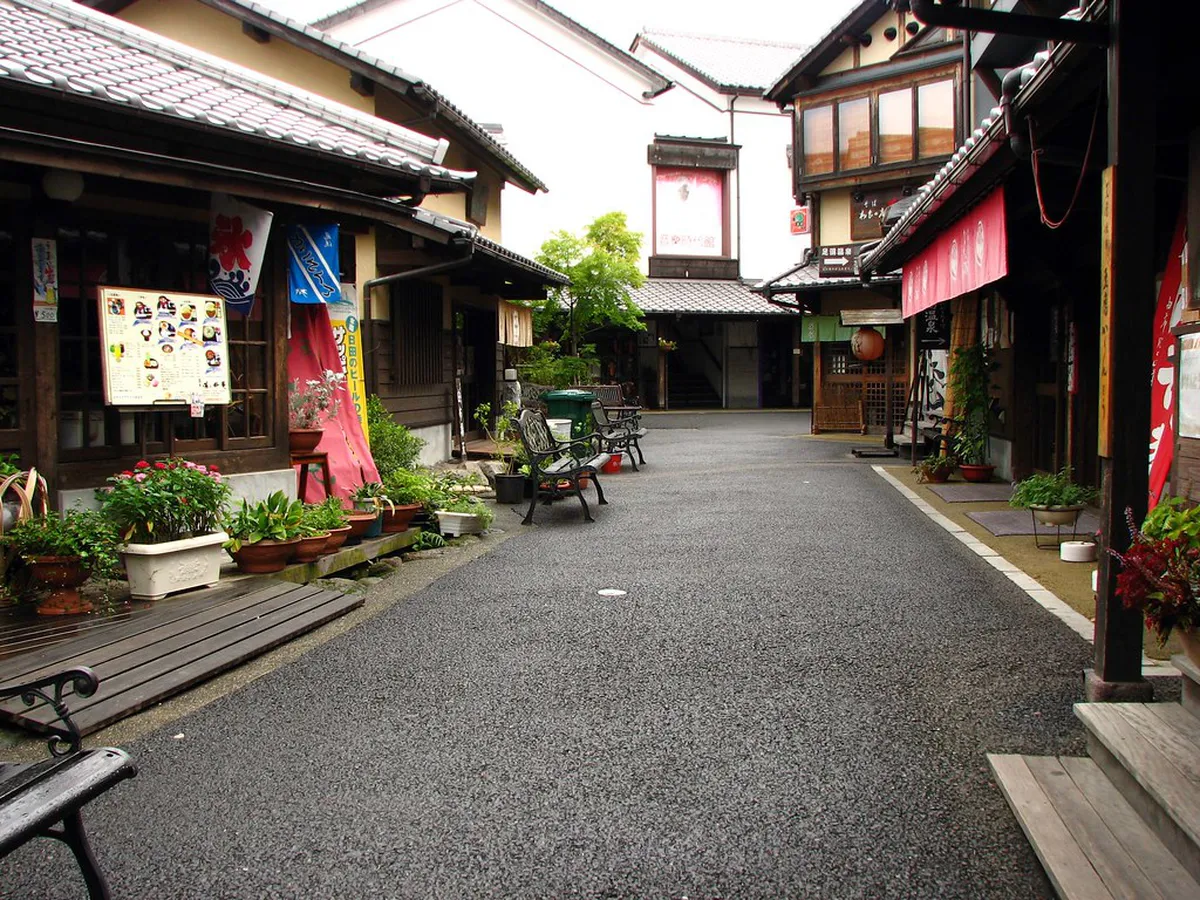
Yufuin was once a quiet farming village before transforming into a premier hot spring destination. Evidence of onsen use in the area dates back to the Heian period, but it was the opening of Yufuin Station in 1915 that triggered the shift toward tourism. Unlike nearby Beppu, which developed into a sprawling resort town, Yufuin's leaders deliberately kept things smaller and quieter. They restricted building heights to ensure Mount Yufu remained visible from every corner of town — a decision that has shaped the town's entire aesthetic identity.
Things accelerated in the 1980s when artists, writers, and craftspeople from across Japan began moving to the area. This influx of creative energy led to the galleries, museums, and artisan workshops that now define the town alongside its onsens. The Yufuin Floral Village was a later addition that helped solidify the town's reputation for whimsical tourism. It successfully blended European character themes with the existing Japanese hot spring culture in a way that proved irresistible to both domestic and international visitors.
Today the town continues to balance tradition with modern amenities. Horse-drawn carriages still trot through the streets, and you can still find local families running the same ryokans their grandparents opened. The community remains committed to sustainable growth that protects the mountain views, the quiet streets, and the mineral-rich springs that made Yufuin worth visiting in the first place.
Frequently Asked Questions
When is the best time to visit Yufuin Floral Village?
The Best Time To Visit Yufuin Travel Guide is during the spring or autumn months for mild weather. April brings cherry blossoms, while November offers stunning fall foliage across the mountains. Avoid weekends if possible to escape the largest crowds in the narrow village streets.
How long should I spend at the Floral Village?
Most visitors find that 60 to 90 minutes is enough time to explore the shops and see the animals. If you plan to visit the themed cafes or take many photos, you might stay longer. It is best combined with a walk to Lake Kinrin and lunch on Yunotsubo Street.
Is there an entrance fee for Yufuin Floral Village?
No, there is no general entrance fee to walk through the village and browse the shops. However, certain attractions like the Owl Forest or the cat cafe require a small separate admission fee. Most people spend their budget on the unique character merchandise and local street food snacks.
Can I visit Yufuin as a day trip from Fukuoka?
Yes, many travelers take a Beppu Onsen and Yufuin Spa Town One Day Private Trip from Fukuoka. The journey takes about two hours each way by train or bus. Arriving early ensures you have enough time to see the village, the lake, and enjoy an onsen soak.
Are there official Studio Ghibli attractions in the village?
While there is a dedicated 'Donguri no Mori' shop selling Ghibli merchandise, the village is not an official Studio Ghibli theme park. It features a mix of various European fairytale characters like Moomin and Peter Rabbit. It still captures the magical atmosphere that Ghibli fans tend to love.
Yufuin Floral Village offers a unique blend of European fairytale charm and traditional Japanese beauty. From the whimsical character shops to the serene views of Lake Kinrin, there is something for every traveler to enjoy. Whether you are a fan of Studio Ghibli or just looking for a peaceful mountain escape, this town delivers a memorable experience in 2026.
By planning your transport early — booking the Yufuin No Mori exactly 30 days out at 10:00 AM JST — and using local services like luggage delivery, you can make the most of your visit. Don't forget to try the local street food and soak in a relaxing hot spring before you leave. Yufuin remains one of the most enchanting destinations in Kyushu for a reason.
Free guide: Japan's Hidden Gems
12 under-the-radar places beyond Tokyo & Kyoto — with the best season to visit each and a local tip you won't find in the guidebooks.
You might also like


Continue reading
More guides you'll find useful