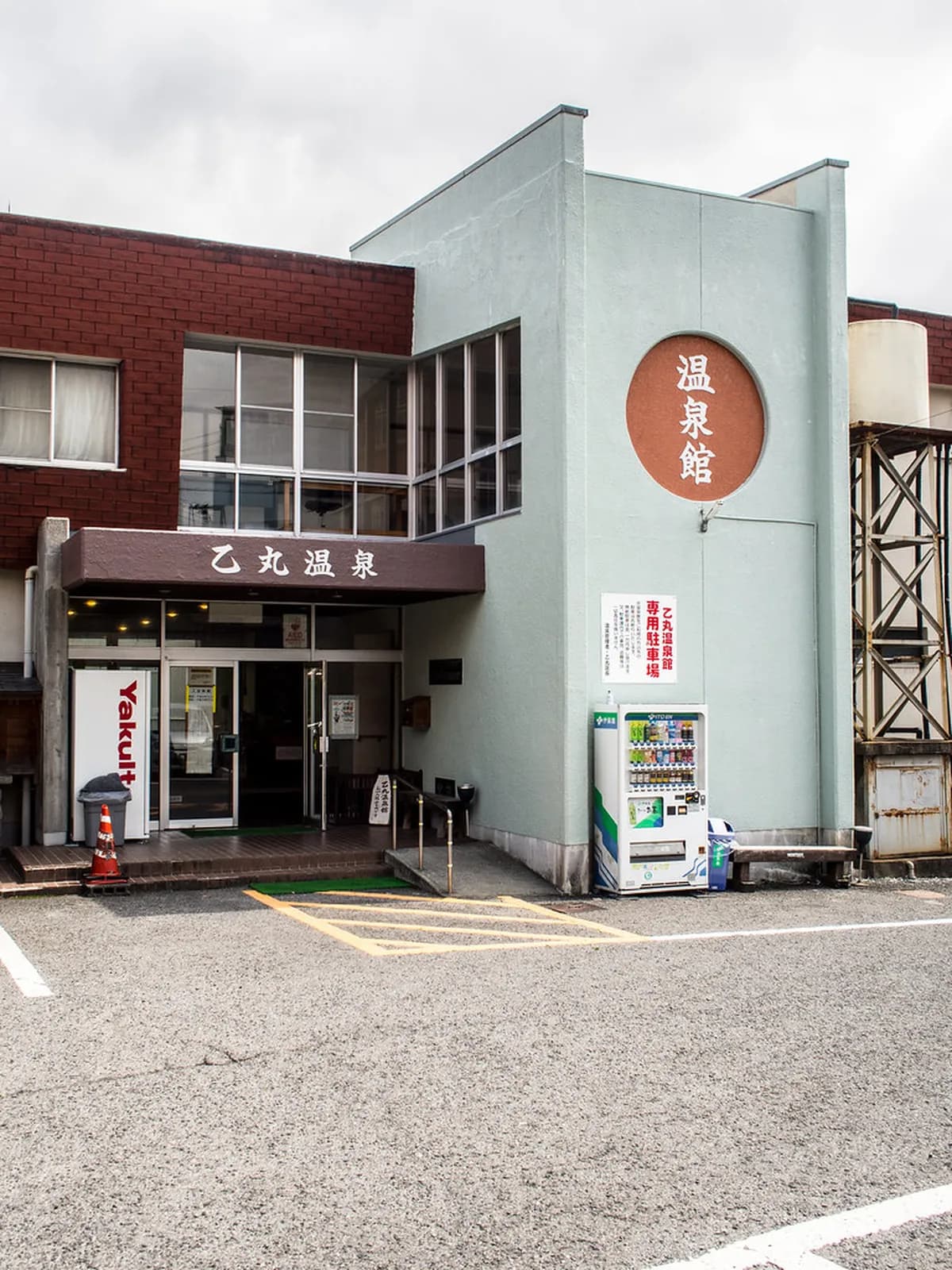
Best Time To Visit Yufuin Travel Guide
Plan the best time to visit Yufuin with our guide on weather, crowds, and events. Discover the perfect month for your Kyushu onsen escape today!
On this page
The best time to visit Yufuin is during the late autumn months of mid-November to early December. This period offers crisp air and vibrant red maple leaves against the mountain backdrop. I visited in late November and the morning mist at Lake Kinrin was truly unforgettable. The town sits in a mountain basin in Oita Prefecture on Kyushu island, and the geography shapes every season in a distinct way. Visitors from Tokyo and Osaka often include Yufuin as a multi-city onsen escape.
Spring is another fantastic choice for travelers seeking mild weather and cherry blossoms. Late March to mid-April brings soft pink hues to the valley and pleasant walking temperatures. Summer offers a cooler escape from the intense heat of coastal cities like Fukuoka, though the typhoon season (July to October) brings unpredictable rain. Winter turns Yufuin into a snowy wonderland and delivers the most atmospheric hot spring experiences of the year.
Choosing the right month depends on whether you prefer snowy landscapes, festival energy, or lush greenery. Planning ahead ensures you get the most out of your The Perfect 2-Day Yufuin Itinerary: 10 Essential Stops and secure ryokan rooms before peak periods sell out.
Mid-November to early December is widely regarded as the single best window to visit Yufuin — crisp air, vibrant red maple leaves against the mountain backdrop, and the unforgettable morning mist drifting across Lake Kinrin.
Season Comparison: When to Go
Yufuin experiences four distinct seasons, each offering a unique atmosphere for visitors. Temperatures can fluctuate significantly because the town sits in a mountain basin at around 500 metres elevation. Spring temperatures usually range from 10–20°C / 50–68°F during the day, with cool evenings that require a light jacket even in late April. For detailed Oita's seasonal weather patterns, check the official prefecture guide. Rainfall is highest in June and July during the seasonal monsoon period, so check forecasts carefully if visiting those months.
Summer brings warmer weather, typically hovering around 22–30°C / 72–86°F. While Kyushu is humid in summer, Yufuin often feels fresher than the coastal lowlands. Autumn is widely considered the peak travel window for both local and international tourists — daytime highs of 12–22°C / 54–72°F make it perfect for long strolls around the town and lake. For real-time peak foliage timing, consult the autumn foliage forecast from LIVE JAPAN. Winter is the coldest time, with temperatures often dropping to -2–8°C / 28–46°F, and snow is common in January and February.
| Season | Weather | Crowds | Prices | Events | Best for |
|---|---|---|---|---|---|
| Late March to mid-May | 10–20°C / 50–68°F | High | High | Cherry Blossoms | Flowers & scenery |
| June to August | 22–30°C / 72–86°F | Medium | Moderate | Yufuin Ongaku-sai (Music Festival) | Festival-goers |
| Mid-Sept to Nov | 12–22°C / 54–72°F | Very High | Peak | Autumn Leaves | Photography |
| Dec to early March | -2–8°C / 28–46°F | Low | Lower | Frosty Mists | Onsen lovers |
How to Get to Yufuin
The easiest way to reach Yufuin from Fukuoka is by train from Hakata Station on the Yufu Line, arriving at Yufuin Station in approximately 2 hours and 15 minutes. The fare is around ¥7,000 for a reserved express seat. If you hold a JR Kyushu Rail Pass or a full JR Japan Pass, the seat reservation is free — only the reservation fee applies. The pass options that cover this route include the JR Kyushu Rail Pass (covers the entire island) and the JR Sanyo-San'in-Northern Kyushu Area Pass for travelers coming from western Honshu.
The most memorable way to arrive is aboard the Yufuin no Mori Limited Express Train, a heritage-style tourist train with wooden interior paneling and panoramic windows. It runs three times a day from Hakata and seats sell out fast, especially on weekends and during autumn foliage season. Book seats as early as possible, ideally a month ahead for November travel.
From Beppu, the journey is shorter: Bus 36 departs from Beppu Station and reaches Yufuin in under 55 minutes for ¥1,100, which is faster and cheaper than the train connection via Oita Station. If you prefer flexibility, renting a car gives you the freedom to stop at viewpoints along the mountain road and explore rural areas outside the main town.
Things to Do in Yufuin
The main artery of the town is Yunotsubo Kaido (湯の坪街道), a pedestrian-friendly shopping street roughly 1.2 km long that leads from Yufuin Station down to Lake Kinrin. Along the way you pass boutique craft shops, food stalls selling local snacks like Yufuin Kinsho Croquettes and Purindora (dorayaki with pudding filling), and the official Studio Ghibli merchandise store, Donguri no Mori — a must if you are a Ghibli fan. The street is picturesque with Mount Yufu framing the backdrop on clear days.
Lake Kinrin (金鱗湖) sits at the far end of Yunotsubo Kaido and is one of Yufuin's most iconic sights. The lake is fed partly by hot spring water, which causes a photogenic mist to rise off the surface on cold mornings. It is most spectacular in winter and late autumn. Walk around the lake past the torii gate at Tenso Shrine, then follow the small canal back toward the river for views of rice paddies and cranes — it takes about 45 minutes at a relaxed pace.
The Yufuin Floral Village is a charming English Cotswolds-inspired mini park with an owl forest, cat cafe, and Ghibli merchandise shop. Entry to the village grounds is free; individual attractions inside charge a small fee. Other cultural attractions worth checking include the Yufuin Showa Museum, the Yufuin Stained Glass Museum, and the Trick 3D Art Museum. Horse-drawn carriage rides depart from near the station and cover a scenic circuit of the main streets — expect to pay around ¥2,000 per adult for a 20-minute ride.
For hiking, Mount Yufu (由布岳) dominates the skyline and is climbable year-round on clear days. The round trip from the Makinoto Pass trailhead takes around 4 hours and rewards you with views across Oita Prefecture. Spring and autumn offer the best visibility; summer trails can be slippery after rain. Always check the weather forecast before heading up.
Where to Eat in Yufuin: Street Snacks, Mabushi and Soba
Food shapes when you want to be on Yunotsubo Kaido, so it helps to plan meals around the season. In late autumn and winter, hot snacks from the street stalls work well. In the warmer months, a sit-down lunch gives you a break from the humidity.
- Yufuin Kinsho Croquettes: the best-known street snack on the main street. They are sold hot from the counter and are easy to eat while walking. Expect a queue at midday, especially on weekends in peak foliage season.
- Bakudan Yaki Hompo: a stall-style shop known for its "bomb" fried rice balls. It is a cheap, filling stop if you are walking the street rather than booking a long lunch.
- Yufu mabushi: a local rice dish topped with Bungo beef, which is Oita's regional wagyu. It is the meal to book if you want one proper dinner or lunch in town. The Bungo beef and yufu mabushi guide covers where to find it.
- Soba and set lunches: small restaurants away from the main street tend to be quieter and cheaper. The budget lunch and soba guide lists options.
For a lakeside coffee or sweets stop after your walk around Lake Kinrin, see the Lake Kinrin cafe guide.
Timing tip: if you are staying at a ryokan with kaiseki dinner included, eat your street snacks in the afternoon and skip a large lunch. Dinner is usually served early evening, so you will arrive hungry enough to enjoy it.
Ryokan and Onsen Experience: Where to Stay
Yufuin's hot springs have the second highest water flow of any onsen town in Japan. The waters are believed to help with neuralgia, myalgia, arthritis, and fatigue. Most ryokans offer private open-air baths (rotenburo) in addition to shared indoor baths, and booking a room that includes a private onsen is the standard expectation for visitors coming here specifically for the hot spring experience.
For a mid-range stay within easy walking distance of Yunotsubo Kaido and Lake Kinrin, Yawaragi-no-Sato Yadoya (2717-5 Yufuincho Kawakami, Yufu) is consistently well-reviewed, offering both Japanese-style and Western rooms with private and shared onsen options. A step up in budget, Yufuin Baien (2106-2 Yufuincho Kawakami) has private onsens in most rooms, views of Mount Yufu from the shared outdoor bath, and includes a traditional kaiseki dinner and breakfast in its meal plans. It is further from the station — about 20 minutes on foot — so consider a taxi if you have heavy luggage.
At the luxury end, Ikkoten (302-7 Yufuincho Kawakami) provides private villa-style rooms each with their own open-air bath set among the forest. It is located away from the town center and suited entirely to guests who want immersive nature and privacy rather than easy access to the shopping street. Meals are served in a private dining room and staff can arrange transport. For budget travelers, Ryokan Yuri (2968-10 Yufuincho Kawakami) near the station is family-run, clean, and good value — every room has mountain and river views and the optional breakfast is traditional Japanese style.
Book at least two months ahead for autumn foliage season (October to mid-November) and at least six weeks ahead for the Golden Week period in late April and early May. Many ryokans require full payment on booking during peak periods and have strict cancellation policies.
Best Time of Day: Beating the Yufuin Crowds
The month you choose matters, but the hour often matters more in Yufuin. Many visitors come as day-trippers from Fukuoka or Beppu, so the town changes character through the day.
- Early morning (before about 9:00): this is the best window for Lake Kinrin. On cold mornings in late autumn and winter, steam rises off the spring-fed surface. The shopping street is quiet, and many shops have not yet opened.
- Late morning to mid-afternoon: Yunotsubo Kaido is at its busiest, and the croquette and sweets stalls have their longest queues. This is a good time to be inside a museum, a cafe or a public bath.
- Late afternoon and evening: day-trippers head back to the station, and the town is much calmer. Overnight guests get the streets and the onsen almost to themselves.
This is the main reason an overnight stay beats a day trip in peak autumn. You see the lake mist at its best and avoid the midday crush. If you plan to stay, the guide to where to stay in Yufuin compares areas by distance from the station and the lake. For baths you can use without a ryokan booking, see the best public onsen baths in Yufuin.
Check the last return train or bus before you plan an evening stroll. Services back to Hakata and Beppu thin out in the evening, and the Yufuin no Mori train seats sell out early.
The One Reason to Visit in Summer: Yufuin Ongaku-sai
Every competitor guide warns against visiting Yufuin in summer because of typhoon risk and humidity. What they consistently leave out is the Yufuin Ongaku-sai (湯布院音楽祭), the town's annual chamber music festival held across three or four days in late July or early August. The festival has taken place continuously since 1975, making it one of Japan's longest-running chamber music events held outside a major city. Performances take place in small venues around town, including the Tsukahara arts space, and many are sold out months in advance. For a broader look at Kyushu autumn spots and foliage viewing, consider regional alternatives if the festival doesn't align with your travel dates.
If you are a classical music fan and happen to visit in late July 2026, this alone justifies the trip. Summer crowds in Yufuin are lighter than autumn and prices at ryokans are noticeably lower, roughly 20–30% below peak autumn rates. The tradeoff is that typhoon season runs through September, so travel insurance covering weather-related cancellations is essential. July rainfall is higher but actual typhoon landfall near Oita is statistically uncommon — most storms track west of Kyushu or pass north of the island. The practical advice is to build a buffer day into your itinerary and keep rail connections flexible.
Brief History of the Yufuin Onsen Town
Yufuin is a district within the City of Yufu in Oita Prefecture. The area has been known for its hot springs since the Heian period, when locals used the thermal waters for healing. The region sits on a geothermal zone at the base of Mount Yufu, and steam rising from the ground has long been part of the landscape. Unlike nearby Beppu, which developed into a sprawling resort during the same early 20th-century railway boom, Yufuin deliberately chose a quieter path — preserving rice fields, mountain views, and a small-town atmosphere rather than building large commercial bath complexes.
Yufuin Station opened in 1915, bringing visitors from across Kyushu. The real influx of cultural identity came in the 1980s, when artists and writers began using the town as a retreat. That decade saw the emergence of the Yufuin Floral Village, local museums, artisan craft shops, and a stronger emphasis on private onsens and seasonal kaiseki cuisine at ryokans. This creative reputation is why Yufuin today feels more like a boutique cultural destination than a traditional mass-tourism hot spring resort.
What to Pack for Your Yufuin Trip
The mountain basin environment means sudden temperature shifts between morning and afternoon are common. Mornings near Lake Kinrin can be several degrees cooler than the town center even in spring. Comfortable walking shoes are essential for covering Yunotsubo Kaido (1.2 km) and the lake circuit. Many travelers take the Yufuin no Mori scenic train to arrive in style — dress for a cool carriage interior even in summer.
If you plan to use public baths, bring a small hand towel. Most ryokans provide robes and larger towels, but some public foot baths along the main street require you to supply your own. A compact umbrella is useful year-round — autumn rain showers arrive quickly in the mountains. Slip-on shoes make onsen transitions faster and are far more practical than lace-up boots.
- Spring and autumn: light layers, windbreaker, compact umbrella
- Summer: sunscreen, foldable hat, rain-proof layer for typhoon season
- Winter: heavy coat, gloves, heat-tech base layers, slip-on onsen-ready footwear
- Year-round: small daypack, portable battery bank, IC card for transit
Is Winter Too Cold for a Visit?
Winter in Yufuin is cold but rewarding for hot spring enthusiasts. The contrast of freezing air and steaming hot water is the defining sensory experience of an onsen stay here. The morning mist at Lake Kinrin is most dramatic in winter, when warm spring water meets the cold mountain air and creates thick fog across the water's surface. Expect temperatures between -2–5°C / 28–41°F during January and February, with icy patches on roads occasionally slowing progress.
Fewer tourists visit in February, making it one of the quietest and most affordable periods of the year. Ryokan prices drop significantly compared to autumn peak season. Most major attractions stay open, though some small family-run cafes on side streets take a winter break in January. Outdoor rickshaw tours may pause during heavy snowfall, and the scenic train schedule occasionally changes for track maintenance — always confirm times before you travel. Hot seasonal street snacks like steamed buns and warming soups are a genuine highlight of a winter visit.
Explore best time to visit in other cities
Frequently Asked Questions
What is the best month to visit Yufuin for autumn colors?
November is the best month for autumn foliage. The peak colors usually appear in the middle of the month. You will see vibrant reds and oranges throughout the valley.
Does it snow in Yufuin during the winter?
Yes, Yufuin often receives snow in January and February. The town is located in a mountain basin, making snow likely. This creates a beautiful setting for hot spring bathing.
Is Yufuin crowded during the cherry blossom season?
Late March and early April are very busy periods. Many tourists visit to see the blossoms along the river. It is best to book your ryokan several months in advance.
Yufuin is a destination that truly shines in every season of the year. Whether you want autumn leaves, winter snow, cherry blossoms, or even a classical music festival in summer, the town offers something distinct with each visit. Plan during the shoulder seasons for the best balance of weather and availability. A stay in this onsen paradise will leave you feeling genuinely refreshed. See our Yufuin Onsen guide to plan the rest of your trip.
Remember to book your accommodation early if you choose the peak autumn months — ryokans fill up fast. The unique mountain climate means every trip feels like a new discovery. Enjoy the steam rising from the ground, the mist over Lake Kinrin at dawn, and the warm Kyushu hospitality that makes Yufuin unlike anywhere else in Japan.
Free guide: Japan's Hidden Gems
12 under-the-radar places beyond Tokyo & Kyoto — with the best season to visit each and a local tip you won't find in the guidebooks.
You might also like


Continue reading
More guides you'll find useful