Yufuin Day Trip Guide: 1-Day Itinerary & Essential Tips
Plan the perfect Yufuin day trip with our 1-day itinerary. Discover Lake Kinrin, Floral Village, and the best street food on Yunotsubo Kaido.
On this page
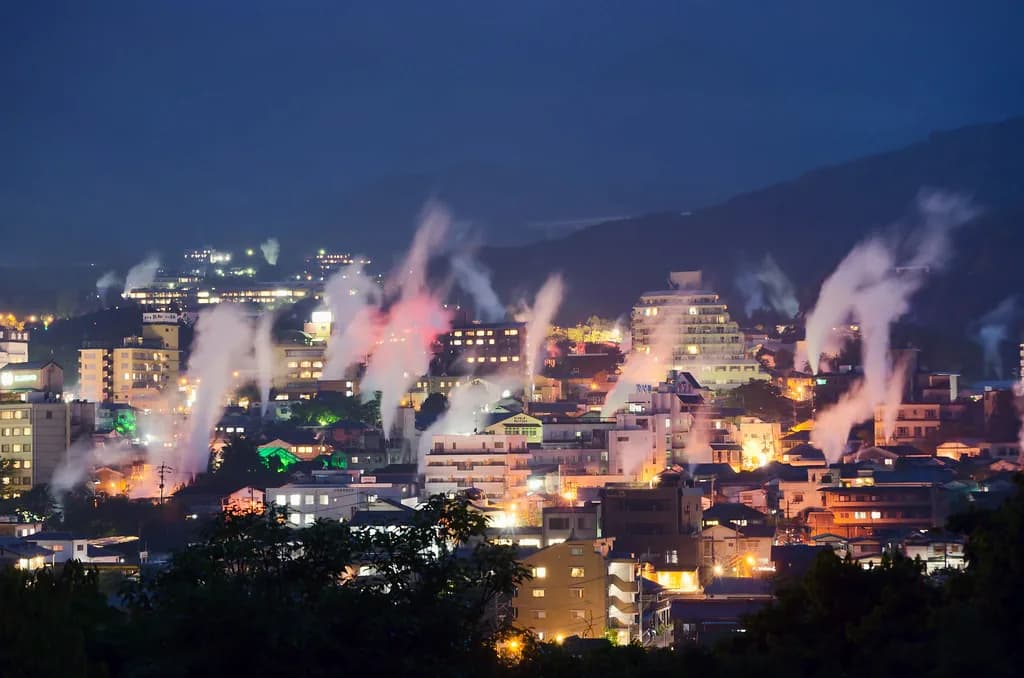
Yufuin sits in a lush valley beneath the twin peaks of Mount Yufu, about two hours from Fukuoka by train. The town is famous for its morning mist over Lake Kinrin, its fairytale shopping street, and an abundance of hot springs. This guide covers every section of a well-paced day trip, from which train to take to where to soak before you head home. Read the full Yufuin itinerary if you are staying overnight — this page is built for day-trippers.
One honest note before you plan: Yufuin gets genuinely crowded. Tour buses from Fukuoka and Beppu begin arriving around 10:00–10:30 AM on weekdays and earlier on weekends. If you visit on a Tuesday to Thursday and reach Lake Kinrin before 09:30, you will see a completely different town from the one that fills up by midday. That timing detail shapes every recommendation in this guide.
How to Get to Yufuin from Fukuoka or Beppu
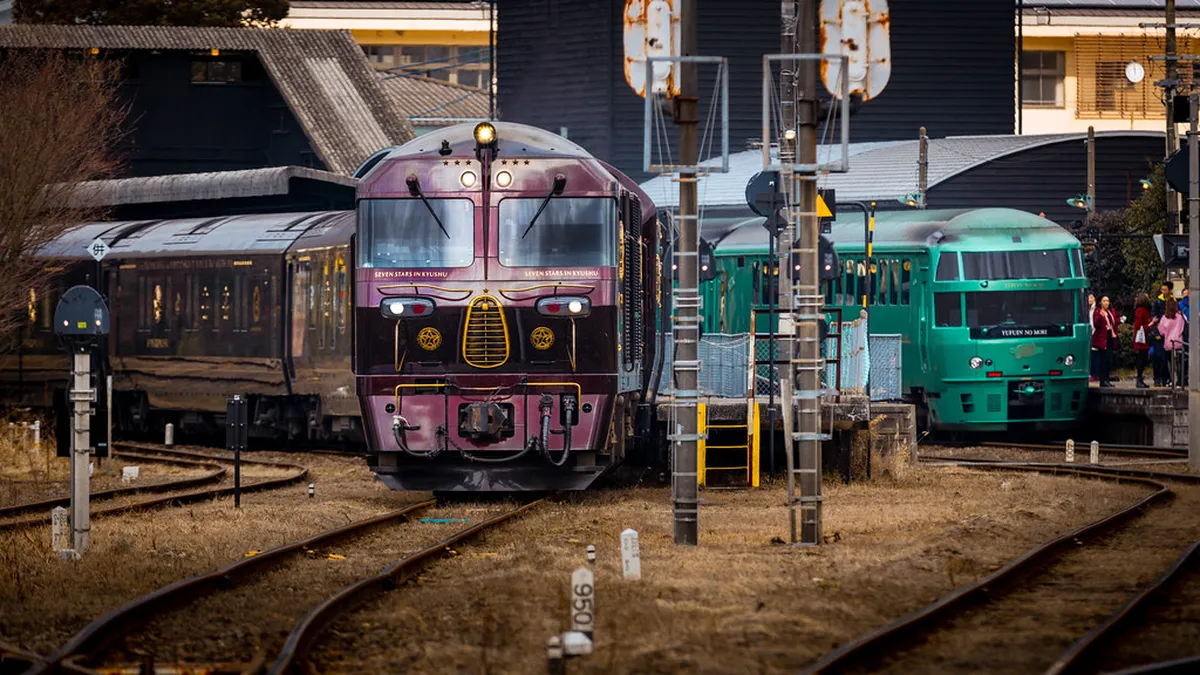
From Hakata Station in Fukuoka, the most comfortable option is the Yufuin no Mori scenic train. According to JR Kyushu, this Limited Express "reflects the many charms of Yufuin" and runs three times daily, taking about 2 hours 15 minutes. The wooden-panelled interior with panoramic windows makes the ride an attraction in itself — book at least 30 days ahead because seats sell out consistently. If the Yufuin no Mori is full, the regular Limited Express Yufu covers the same route and accepts the JR Kyushu Rail Pass, the JR Northern Kyushu Area Pass, and the nationwide JR Pass.
Highway buses from Hakata Bus Terminal are cheaper and take a similar 2 hours 15 minutes but drop you near Yufuin Station without the scenic experience. From Fukuoka Airport, a direct highway bus runs about 1 hour 40 minutes to Yufuin — useful if you are arriving into Fukuoka on the same day. From Beppu, a local bus across the mountain pass reaches Yufuin in about 50 minutes and is the most scenic road option. You can also book a private day trip from Fukuoka if you prefer a guided format with transport included.
At Yufuin Station, store your heavy luggage in the coin lockers before you set off. Lockers cost 300–500 yen depending on size; the larger ones fit a standard backpack. Going hands-free is essential on the narrow Yunotsubo Kaido, and some visitors miss this practical step and regret it. The station also has tourist maps and an information desk on the ground floor.
| Route | Mode | Duration | Notes |
|---|---|---|---|
| Hakata → Yufuin | Yufuin no Mori (JR) | ~2 hrs 15 min | Book 30+ days ahead; JR Pass accepted |
| Hakata → Yufuin | Limited Express Yufu (JR) | ~2 hrs 15 min | JR Pass accepted; no advance booking needed |
| Hakata → Yufuin | Highway bus | ~2 hrs 15 min | Cheapest option; no JR Pass |
| Fukuoka Airport → Yufuin | Highway bus (direct) | ~1 hr 40 min | Useful for same-day arrivals |
| Beppu → Yufuin | Local bus | ~50 min | Scenic mountain pass route |
Beppu vs. Yufuin: Which Should You Visit?
Many visitors to Kyushu ask whether to base themselves in Beppu or Yufuin, or which town deserves a day trip. They are genuinely different experiences. Yufuin is compact, walkable, boutique-focused, and built around one peaceful valley. The atmosphere is deliberately quiet — no large commercial hotels near the center, no pachinko parlours, no chain restaurants on the main street. According to the Kyushu Tourism Organization, Yufuin is "a highly walkable resort town, with shopping streets, cafes and galleries, and a wide choice of hot springs and hotels." Beppu is a city: noisier, more urban, famous for the striking "Hells" (jigoku) geothermal pools that Yufuin does not have. Beppu offers far more variety in hot spring types, including sand baths and communal public bathhouses dating back decades.
For a day trip from Fukuoka, Yufuin is the easier choice because the entire town is walkable in a single day. Beppu rewards visitors who have time to explore multiple neighborhoods and onsen districts. If you can only pick one, choose Yufuin for charm, lake views, and boutique shopping; choose Beppu for hard-core onsen culture and a wider spread of geothermal attractions. If you have two days in Kyushu, do both: visit Yufuin during the day and stay overnight in Beppu, or vice versa, since the bus between them takes 50 minutes.
- Yufuin: best for fairytale atmosphere, walkable town center, upscale ryokan, Lake Kinrin, Yunotsubo Kaido shopping
- Beppu: best for varied onsen types (sand baths, mud, steam), the Hells tour, larger city amenities, multiple neighborhoods
- Crowd level: Yufuin is quieter in the early morning and on weekdays; Beppu is consistently busy but larger so the crowds spread out more
- Day-tripper fit: Yufuin is purpose-built for day trips; Beppu is better suited to an overnight or multi-night stay
The Ultimate 1-Day Yufuin Itinerary
The sequence below is designed around the crowd timeline. Tour buses pull in between 10:00 and 10:30 AM, so the entire morning section prioritises the most popular spots before that window. Start at Yufuin Station, store your luggage, then walk 20 minutes south to Lake Kinrin. Arrive by 09:00 to see the thermal mist rising off the water before the viewing platform fills up. After the lake, loop back north along Yunotsubo Kaido for cafes and snacks. Save the Floral Village and Onsen for the afternoon when crowds on the street have slightly thinned again after the lunch rush.
- 08:30 — Arrive Yufuin Station; store luggage in coin lockers
- 09:00 — Lake Kinrin: morning mist walk, torii gate, carp-watching (allow 30–45 min)
- 10:00 — Cafe Duo or Cafe La Ruche: 3D latte art or lake-view breakfast (arrive at opening to avoid queue)
- 11:00 — Yunotsubo Kaido: street food, snacks, Ghibli shop, local crafts
- 12:30 — Lunch at Yufumabushi Shin (clay-pot rice; arrive early or queue) or toriten fried chicken from Fukuya near the station
- 14:00 — Yufuin Floral Village: Ghibli merchandise, rabbit and duck enclosure, Miffy bakery
- 15:00 — Comico Art Museum or Yufuin Showa Museum (see below for details)
- 16:30 — Day-use onsen soak (allow 60–90 min including changing time)
- 18:00 — Return to station; check last express departure time before soaking
Most boutique shops on Yunotsubo Kaido close by 17:00. The last Limited Express trains back to Fukuoka typically depart before 19:00. Check the JR Kyushu timetable the morning of your visit, as schedules vary by season. Walking from the station to Lake Kinrin and back along the main street covers roughly 4 km in total — comfortable flat terrain, no hills required.
Must-See Attractions: Lake Kinrin and Yufuin Floral Village
Lake Kinrin (Kinrinko) is the town's most photographed landmark. Hot spring water feeds into the lake from underground, which means the surface temperature stays warmer than the surrounding air — this produces the famous white mist that drifts across the water in the early morning, especially on cool autumn and winter days. According to Japan National Tourism, the mist phenomenon is created because "fresh water and hot springs flow into the lake, and the water temperature is high throughout the year." The mist is most dramatic from October through February and is essentially absent in mid-summer when temperatures equalise. Even without mist, the lake is beautiful: clear water reveals carp swimming below, a small wooden torii gate stands in the shallows, and a Shinto shrine sits on the far bank similar to those found in Nara. Visit the shrine side for quieter photos and a different angle of Mount Yufu in the background.
Yufuin Floral Village sits about a 10-minute walk from Lake Kinrin toward the middle of town. The cluster of English-cottage-style buildings was modelled loosely on the Cotswolds and feels visually distinctive among Japanese tourist attractions. Most shops now sell Ghibli merchandise, Pokémon goods, and Moomin items, alongside a Miffy-shaped bread bakery and a small animal area with rabbits, ducks, and a goat pen. Families with young children tend to linger here longer than adults travelling without kids. If Ghibli merchandise is not your priority, a 20-minute walk-through is enough. The Floral Village is still worth seeing for its architecture and the certified Oita Wagyu beef stall near the entrance.
Arrive at Lake Kinrin before 09:30 to see the morning mist and avoid tour groups. By 10:30 AM the viewing platform and surrounding paths are significantly more crowded, especially on weekends.
Yunotsubo Kaido: A Guide to Yufuin's Best Street Food
The Yunotsubo Kaido is the main pedestrian street running from the Floral Village area north toward Yufuin Station. Most shops open daily at 10:00 and close by 17:00. The street is about 800 metres long and lined with snack vendors, boutique souvenir shops, independent cafes, and a handful of artisan craft stores. Budget roughly 1,500–3,000 yen per person for snacks if you plan to graze properly.
The hot cheesecakes at Milch are a signature stop — buy one fresh and eat it warm. Further along, the Yufufu shop sells roll cakes and soft-serve in seasonal flavours. Amaou strawberry mochi on a stick appears in spring and is worth trying. For a more substantial snack, toriten — Oita Prefecture's tempura-battered fried chicken — is available at Fukuya near the station end of the street. The Donguri No Mori official Ghibli shop is located near the southern end close to the B-Speak cake shop; the queue outside is a reliable landmark. Most vendors accept IC cards (Suica, ICOCA) as well as cash; designated waste bins are positioned at regular intervals, and eating while walking is generally accepted here unlike in many Japanese city centres.
Cafe Duo, a short walk off the main street near Lake Kinrin, offers the town's most photographed experience: 3D latte art featuring animals and Ghibli characters for 700–750 yen per cup. Arrive at 10:00 opening to get a table — the cafe is full within 30 minutes. You cannot request a specific character; the owner decides based on the conversation. The cafe has a resident cat, which particularly delights families with children. Shoyuya, a soy sauce and dressing shop unique to Oita and Okinawa, lets you taste-test dressings before buying — the local kabosu citrus dressing and soy sauce pudding are both worth picking up as edible souvenirs.
Exploring Yufuin's Art and Culture Scene
The Comico Art Museum Yufuin stands out for being entirely unlike the rest of the town. The building is a bold piece of contemporary architecture — white concrete and glass — designed by Kazuyo Sejima. Inside, works by artists including Yoshitomo Nara and Hiroshi Sugimoto are displayed in rooms that feel more like a private home than a gallery. Entry requires an advance timed reservation; tickets typically go on sale about one month before your visit and cost around 1,800 yen per adult. Book via the official museum website before your trip. Afternoon slots are preferable because morning light creates glare on some of the glass installations.
The Yufuin Showa Museum is the more accessible alternative if Comico is full or you prefer not to book ahead. Entry costs 1,400 yen for adults and 500 yen for children. The museum recreates everyday Japanese life from the Showa era (1926–1989) through an enormous collection of vintage toys, appliances, posters, and shop interiors. It is unexpectedly absorbing — most visitors who hesitate at the entrance fee report it as their favourite stop in Yufuin. Allow 45–60 minutes. The exterior is interesting enough on its own to warrant a look even if you skip the entry.
A quieter off-the-beaten-path stop is Unagihime Shrine (Eel Princess Shrine), a small Shinto shrine set back from the main tourist trail. It features a dragon-spout water fountain, moss-covered stone lanterns, and a small carp pond. Most tour groups skip it entirely, which means the atmosphere is calm even on busy weekend mornings. It is a 10-minute walk from the Floral Village and a useful detour for anyone who finds the main street too crowded.
The Onsen Experience: Day-Use Baths and Etiquette
Yufuin has more than 800 registered hot spring sources — the second-highest concentration in Japan after Beppu. Day-use entry (higaeri nyuyoku) at most facilities costs 500–1,200 yen per adult. The town specialises in private family baths (kashikiri buro) that you book by the hour, which is particularly practical for day-trippers or families. Yama no Hotel Musouen offers multiple free private open-air baths for staying guests; Yufuin Akarinoyado also accepts day-use reservations. Check the facility's website the morning of your visit, as day-use slots can fill quickly on weekends.
Basic onsen etiquette applies everywhere in Yufuin. Rinse your body thoroughly at the shower stations before entering any shared bath. Remove all swimwear — public baths are used without clothing in Japan. Tattoos are still prohibited at most traditional facilities; some newer boutique baths are more flexible, so check in advance. Tie long hair up to keep it out of the water. Do not take photographs inside the bathing areas. Avoid drinking alcohol before entering the water, as the heat raises blood pressure and the combination can cause heatstroke. Bring a small towel (tenugui); many facilities rent one for 100–200 yen if you forget.
For day-trippers, timing the onsen soak is critical. Start soaking no later than 16:30 to allow 60–90 minutes and still reach the station comfortably before the last express services. The public onsen baths in Yufuin closest to the station include Shitanyu and Kuboyu, both small traditional baths that cost around 200 yen and close in the early evening. These have no lockers or elaborate facilities but give an authentic neighbourhood onsen experience away from the tourist circuit.
The last Limited Express trains back to Fukuoka typically depart before 19:00. Check the current JR Kyushu timetable before you start your onsen soak so you don't miss the final service.
Crowd Management and Luggage Logistics
Yufuin's main challenge for day-trippers is crowd timing, and no competitor guide gives a precise timeline. Here is the honest picture for 2026. Tour buses from Fukuoka begin arriving at around 10:00–10:30 AM on weekdays. On Saturdays and Sundays, buses start pulling up from 09:30 onward. The viewing area at Lake Kinrin, the Floral Village entrance, and the southern end of Yunotsubo Kaido all become noticeably congested from 10:30 until about 13:30. Between 14:00 and 15:30, many tour groups leave for their next stop, and the street feels calmer again. The practical takeaway: see Lake Kinrin and Cafe Duo before 10:30, do your shopping mid-afternoon rather than at midday, and leave the onsen for late afternoon when the biggest crowds have departed.
Luggage logistics matter because Yunotsubo Kaido is a narrow, often crowded footpath. Rolling suitcases are impractical and annoying for other pedestrians. Use the coin lockers at Yufuin Station (300 yen for small, 500 yen for medium, 700–800 yen for large) before you start walking. The station has a reasonable number of lockers but they fill up quickly on weekend mornings — arrive before 09:30 if you need a large size. Some accommodation providers and tour operators offer baggage forwarding (takuhaibin) directly from the station, which allows you to send your bag ahead to your next hotel for a flat fee of around 1,000–1,500 yen; ask at the station's information desk.
Is Yufuin Worth Visiting? Honest Pros and Cons
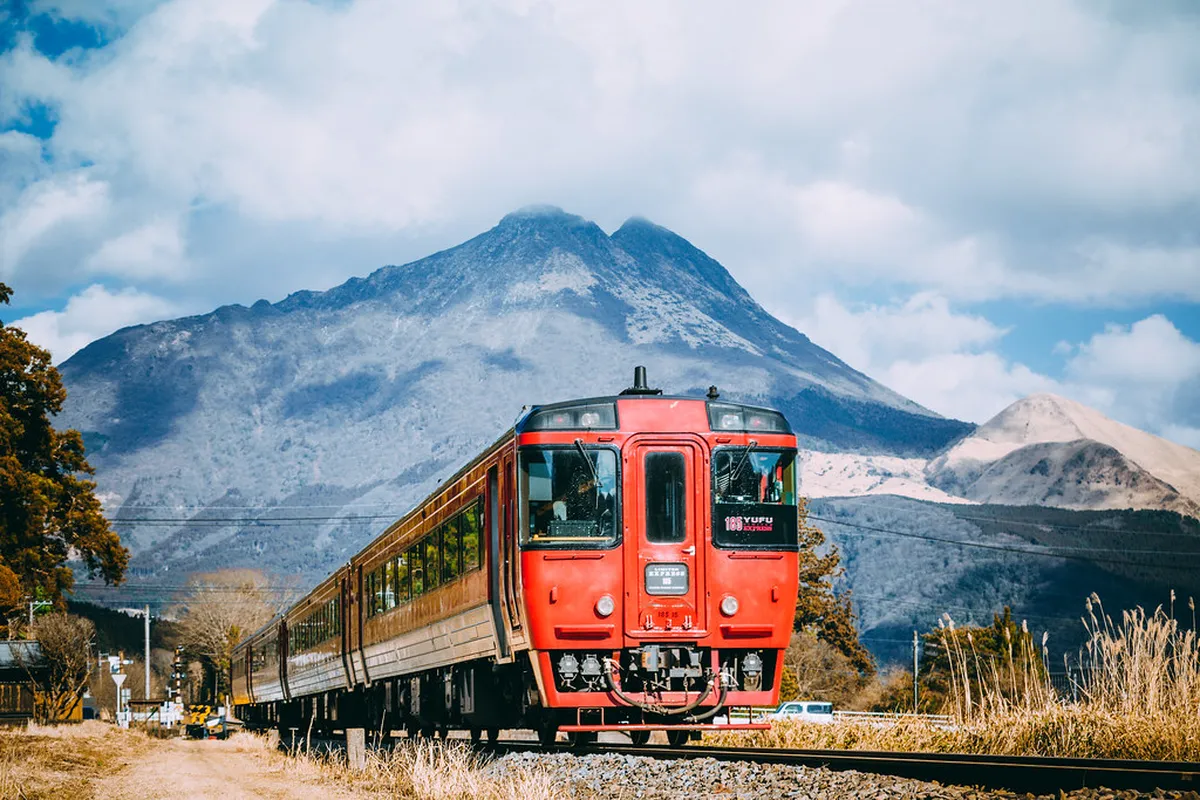
Yufuin is genuinely charming, but it is also genuinely touristy. The fairytale atmosphere that makes it famous is real — the mountain backdrop, the misted lake, the cottage-style shops, the quality of the onsen water — but it exists alongside coachloads of visitors, souvenir shops selling mass-produced Ghibli goods, and a main street that can feel overwhelming at peak hours. Knowing this going in makes the trip much better.
- Pros: extraordinary natural setting, walkable in a single day, excellent onsen quality, wide range of price points for food and cafes, easy access from Fukuoka
- Cons: very crowded on weekends and from 10:30 AM onward on weekdays, Floral Village has become heavily commercialised, limited restaurant options at lunch without a queue, most shops close by 17:00
- Best for: first-time visitors to Kyushu, couples and solo travellers who enjoy boutique shopping and hot springs, families with young children who will appreciate Floral Village and Cafe Duo
- Consider skipping if: you dislike tourist-heavy atmospheres, want a deep historical or cultural experience, or are visiting on a weekend in high season without an early start
Travelers who find the main street disappointing often report the side streets and the outlying ryokan areas as the highlight. Renting a bicycle at Yufuin Station (around 500–700 yen per hour) and riding out into the surrounding rice-paddy valleys and mountain roads gives a completely different impression of the town — one that most day-trippers miss entirely.
Traveling with Kids: Is Yufuin Family-Friendly?
Yufuin is manageable with children but works better as an overnight trip than a packed sightseeing day. The whole town is flat and pushchair-accessible, though Yunotsubo Kaido is narrow and congested enough on busy mornings that a wide double stroller becomes genuinely difficult to manoeuvre. A compact single stroller or a baby carrier is a much more practical choice on this street.
Specific stops that children tend to enjoy: the carp and ducks at Lake Kinrin, the resident cat at Cafe Duo, the rabbit and goat enclosure at Floral Village, the playground along Yunotsubo Kaido with a view of Mount Yufu, and the interactive exhibits at the Yufuin Showa Museum (which families consistently rate as their unexpected favourite). The Comico Art Museum is reservation-only and better suited to adults; skip it if you have young children. Private kashikiri baths at ryokan are far more practical for families than shared public baths, since there is no need to worry about younger children's behaviour in a communal setting.
For food, the street snacks on Yunotsubo Kaido are universally appealing to children: fresh cheesecakes, mochi, latte art, Amaou strawberries. Toriten fried chicken is another reliable child-friendly option. Bring cash for small purchases since not every vendor accepts cards. Plan for a rest break in the early afternoon — the Yunotsubo Kaido playground is perfectly positioned for this — before continuing to the onsen or museum portion of the day.
Bonus Stop: Nanzoin Temple and the Reclining Buddha
If you are travelling from Fukuoka on the JR network, Nanzoin Temple in Sasaguri makes a worthwhile add-on before reaching Yufuin. Take the JR Sasaguri Line from Hakata Station to Kido-Nanzoin Mae Station (about 20–25 minutes, covered by the JR Kyushu Rail Pass). The temple's main attraction is the world's largest bronze reclining Buddha statue — 41 metres long and weighing 300 tonnes. The temple grounds are free to enter and cover several hillside paths with additional smaller statues. Allow 45–60 minutes. After Nanzoin, return to Hakata and board the Limited Express Yufu or Yufuin no Mori toward Yufuin, arriving around 10:30–11:00 — later than ideal for Lake Kinrin's mist, but still early enough to enjoy the afternoon programme.
A Rickshaw Experience in Yufuin is another worthy add-on once you arrive in town. Guides show hidden lanes and explain local history on 30- to 60-minute tours. This is particularly good for anyone who wants to understand the town beyond the main tourist strip and is willing to pay around 3,000–5,000 yen per person for that context.
Frequently Asked Questions
How long do you need in Yufuin?
A single day is enough to see the main highlights like Lake Kinrin and the Floral Village. Most visitors spend about six to eight hours exploring the shops and baths. If you want a deep soak, stay overnight.
Is Yufuin better than Beppu?
Yufuin is better for a cute, boutique atmosphere and easy walking. Beppu offers more variety in hot spring types and a larger city feel. Choose Yufuin for charm and Beppu for unique onsen experiences.
Can you do a Yufuin day trip from Fukuoka?
Yes, it is a very popular day trip from Fukuoka. The train or bus takes about two hours each way. Start early to maximize your time in the mountain town before the shops close.
Yufuin is a magical destination that offers a break from Japan's busy cities. Whether you come for the food or the views, it will leave an impression. We hope this guide helps you plan the perfect mountain getaway. Enjoy your time in this fairytale corner of Kyushu. See our Yufuin Onsen guide to plan the rest of your trip.
Free: The Fukuoka Essentials guide
Top things to do, where to stay, a perfect day plan, getting around, and the best time to go — a Fukuoka mini-guide you can take offline.
You might also like

Continue reading
More guides you'll find useful