10 Best Things to Do in Beppu on a Rainy Day (2026)
Discover things to do in beppu on a rainy day with our guide to indoor onsens, museums, and covered markets. Plan your 2026 trip with expert local tips.
On this page
Rain in Beppu is not bad luck — it is actually ideal timing. The cooler, moist air intensifies the contrast with the volcanic hot springs, making steam plumes rise higher and baths feel deeper and more restorative. This is the only place in Japan where a downpour genuinely improves the core experience. Local residents know this, which is why you will find the city's public bathhouses busiest on gray weekday mornings, not sunny weekends.
This guide covers the best top things to do in Beppu that thrive in wet weather — indoor onsens, steam-cooking kitchens, covered hells, mud baths, sand baths, craft halls, and more. All pricing is in Japanese yen (JPY) as of 2026. Most locations are reachable by bus from Beppu Station without a long walk in the rain.
Why Rain Actually Makes Beppu Better
Beppu produces more hot spring water than almost anywhere else on earth — around 83,000 kiloliters per day across eight thermal zones. When the air temperature drops during a rainstorm, the temperature contrast between body and bath water increases sharply. You feel the warmth more acutely, the mineral scent deepens, and the therapeutic effects (reduced muscle tension, improved circulation) are measurably stronger in cooler ambient conditions. Beppu onsen culture is documented by Japan's official tourism board as one of the nation's most distinctive thermal traditions.
There is also a practical bonus: crowds drop. The famous Jigoku (Hells) touring route is significantly quieter in the rain, and popular public baths like Hyotan Onsen see shorter queues at the indoor pools. Beppu locals practice an extended bathing tradition called toji — therapeutic soaking across multiple baths over several hours. Rainy days are when locals do their longest toji circuits, precisely because the tourist bustle thins out. Joining them is one of the most authentic experiences this city offers.
Visibility concerns apply mainly to mountain viewpoints like the ropeway. The city's core districts — Kannawa, Myoban, and the Station area — remain fully navigable. A sturdy umbrella and waterproof shoes are all you need to move between the dense cluster of indoor experiences described below.
| Activity | Location / District | Cost (¥) | Time | Rain-Proof |
|---|---|---|---|---|
| Hyotan Onsen Baths | Kannawa | ¥1,000–¥1,500 | 1–2 hours | Fully indoors |
| Hoyoland Mud Bath | Myoban | ¥900–¥1,100 | 30 min | Fully indoors |
| Beach Sand Bath | Shoningahama | ¥1,500 | 45 min | Retractable roof |
| Jigoku Mushi Cooking | Kannawa | ¥800–¥2,500 | 45 min–1 hour | Fully covered |
| Bamboo Craft Workshop | Kannawa | ¥300 + ¥500–¥1,000 | 1–2 hours | Fully indoors |
| Covered Hells Tour | Kannawa | ¥2,000 | 2–3 hours | Mostly covered |
| Station Market | Beppu Station | ¥400–¥600 | 30–45 min | Fully covered |
Soak in the Indoor Pools at Hyotan Onsen
Hyotan Onsen in the Kannawa district is the most complete indoor hot spring complex in the city. It holds seven different bath types under one roof: waterfall baths, sand baths, steam rooms, cold pools, and a jet-water bath, all fed directly by geothermal springs. Entry for the standard indoor baths costs around ¥1,000 per adult (2026 rates). The sand bath is a separate ticket at approximately ¥1,500 and is highly recommended on a rainy day — you are buried up to your neck in warm volcanic sand for 10–15 minutes while steam rises around you.
The facility operates daily from 09:00 to 01:00 the following morning, making it one of the few baths reliable for both early-morning arrivals and late-evening wind-downs. Changing rooms are clean and well-maintained. Bring a small towel or rent one at the counter for ¥200. This is the single most efficient stop for a rainy day because you can work through multiple bath types without ever stepping outside.
For a full breakdown of what to expect inside, including which pools to prioritize and how to navigate the different areas, read our Beppu onsen guide before your visit.
Try the Mud Bath at Beppu Hoyoland
Beppu Hoyoland in the Myoban district offers the most unusual bathing experience in the city: soaking in warm, thick volcanic mud. The mud baths are entirely indoors, divided into separate sections for men and women. Admission is around ¥900–¥1,100 per person in 2026. You spend 5–10 minutes submerged to the waist in cloudy, mineral-rich mud at roughly 42°C, then rinse off in adjacent hot spring showers. The mud leaves skin noticeably softer and is particularly popular with Japanese visitors for its perceived joint and skin benefits.
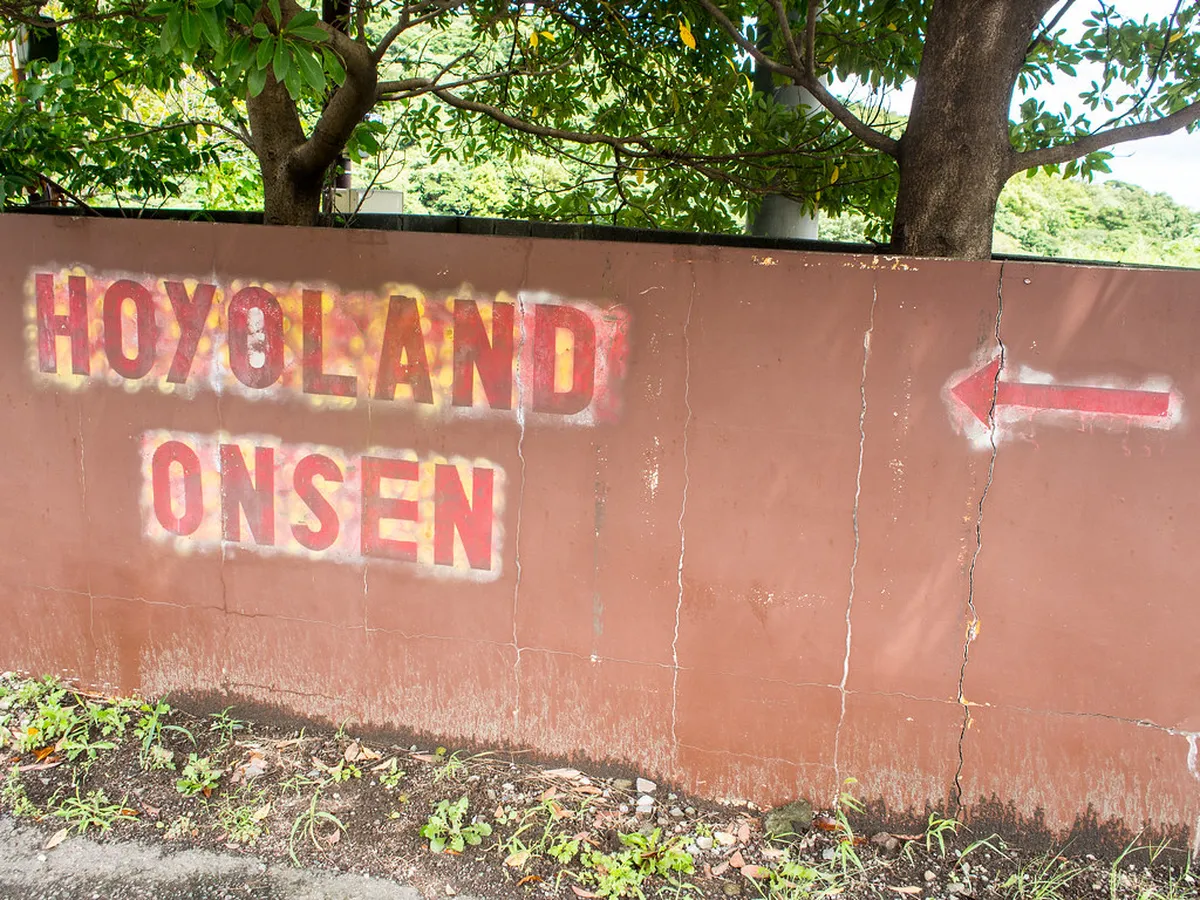
The Myoban district is also home to the yunohana workshops — roofed thatched huts where sulfur crystals form naturally from rising steam. These are visible from the street with no charge and provide a striking visual backdrop even in rain. Hoyoland opens from 10:00 to 18:00 most days, so plan to arrive before 16:00 to allow full time for bathing and rinsing. Getting there requires a short bus ride from Kannawa or Beppu Station on the Kamenoi Bus network.
Volcanic mud baths are entirely indoors and separated by gender. The warm mineral-rich mud at 42°C softens skin noticeably and is particularly popular for joint and skin benefits. Sessions last only 5–10 minutes, so combining it with Hyotan Onsen or another bath on the same day maximises your experience.
Sunamushi: The Beach Sand Bath Experience
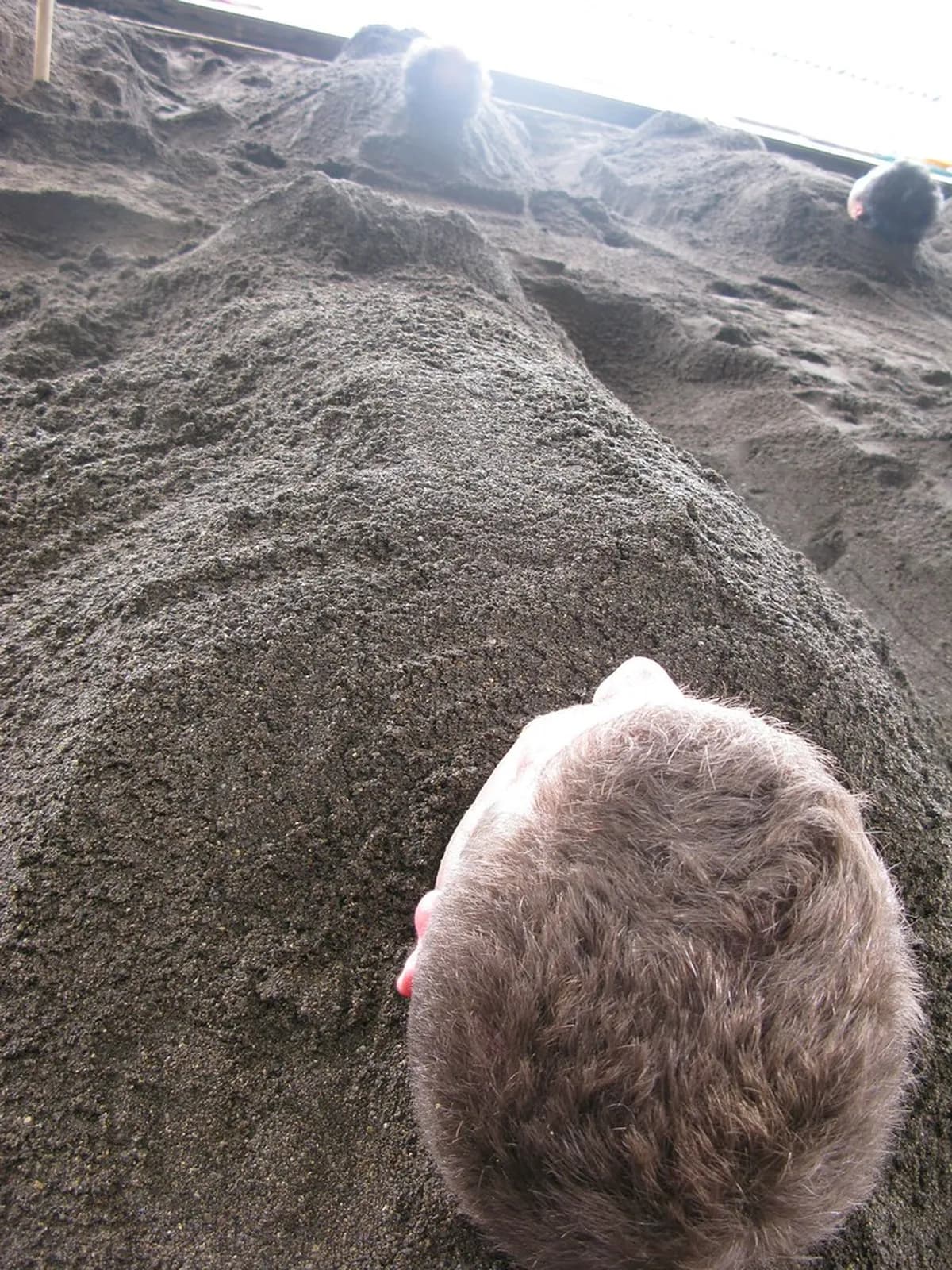
The beach sand bath at Beppu's Shoningahama Beach — Beppu Kaihin Sunamushi Onsen — is one of the most distinctive experiences in all of Japan. You lie fully clothed in a yukata on the beach while attendants shovel warm volcanic sand over you up to your neck. The session lasts about 10 minutes and is followed by a hot spring rinse inside the adjacent building. Admission is ¥1,500 per adult (2026) and includes the yukata rental and shower access.
Crucially, this experience operates in rain. The sand bath area has a retractable roof installed precisely for wet weather, so light to moderate rain is not a reason to skip it. In fact, the cooler air temperature on rainy days makes the buried-sand sensation even more enveloping. The indoor shower and changing facilities are immediately next to the sand area, so you are protected from the moment you step out. Read the full details in our the Beppu beach sand bath before booking.
Cook Your Own Meal at Jigoku Mushi Kobo Kannawa
Jigoku Mushi (hell-steaming) is Beppu's most original dining tradition. At Jigoku Mushi Kobo Kannawa, you purchase ingredients from on-site vending machines — local vegetables, eggs, pork, seafood — and lower them into a steamer powered by natural 100°C volcanic steam. Cooking takes 10–20 minutes depending on the ingredient. A standard meal costs ¥800–¥2,500 depending on your ingredient selection. The cooking stations are covered, and the dining area is fully indoors.
Operating hours run from 10:00 to 20:00 (last order 19:30), closed on Tuesdays. The sweet potatoes and steamed eggs are the standout items — both absorb the sulfurous mineral content of the steam during cooking, which produces a richer flavour than conventional boiling or baking. If you want a deeper look at the full menu and tips for first-timers, check our guide to unique hell-steamed food in Beppu. This is one of the few genuinely interactive food experiences in the city and works perfectly as a midday anchor on a rainy itinerary.
Hell-steaming (Jigoku Mushi) uses pure 100°C volcanic steam to cook ingredients in 10–20 minutes. The steam imparts a distinctive sulfurous mineral flavour absent from boiled or baked foods. Vending machine purchases mean no ordering anxiety for non-Japanese speakers — just select ingredients and place them in the steamer. Most meals cost ¥800–¥2,500 depending on what you choose.
Which of Beppu's Hells to Visit When It Rains
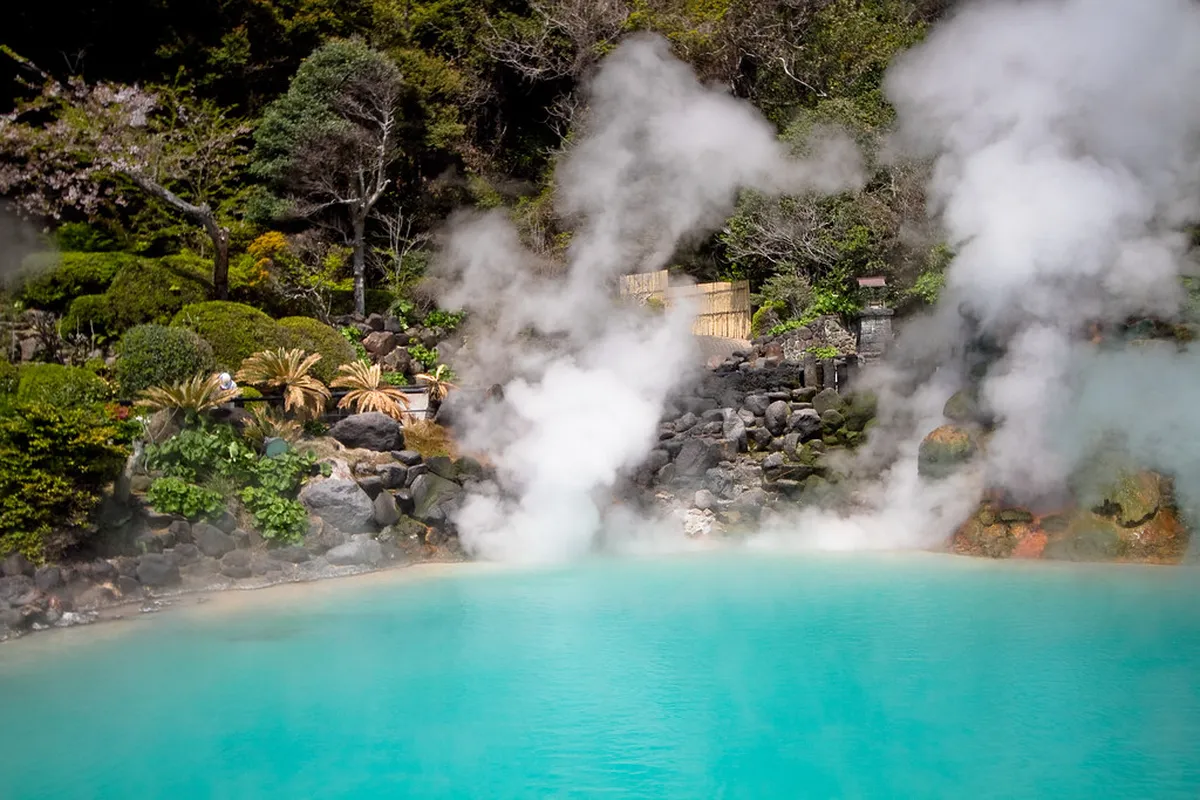
The seven Hells of Beppu are typically outdoor experiences, but some are significantly more rain-friendly than others. Jigoku Meguri showcases these distinctive geothermal attractions. Umi Jigoku (Sea Hell) is the top pick in wet weather: the cobalt-blue pool sits in a large landscaped garden with extensive covered walkways and a substantial indoor section featuring tilapia ponds and lotus greenhouse displays. The aquatic plants are heated by the spring water and bloom year-round. Admission to the grouped hell ticket (six hells) is ¥2,000 per adult in 2026.
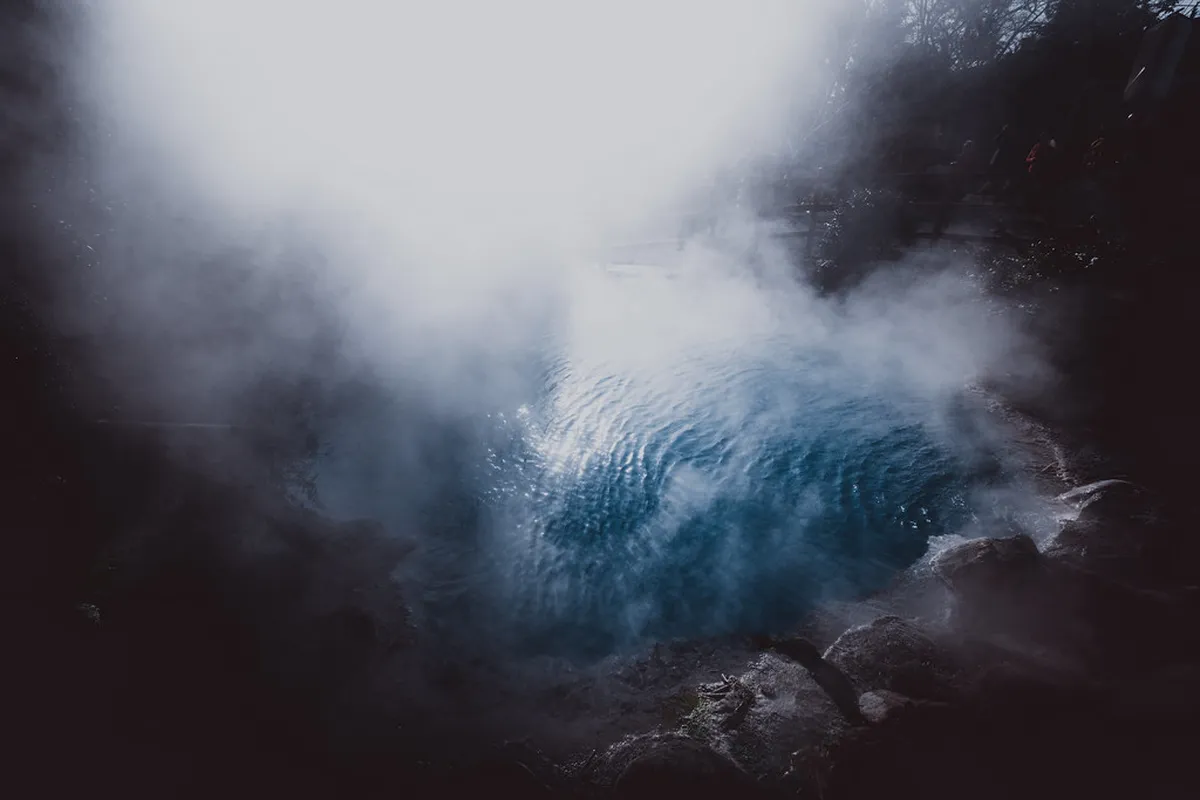
Shiraike Jigoku (White Pond Hell) also has a covered observation deck. Kamado Jigoku (Cooking Hell) offers multiple small indoor demo areas where you can taste foods cooked in the steam. These three together make a workable rain circuit inside the main Kannawa hell cluster, all within 10 minutes' walk of each other. Chinoike Jigoku (Blood Pond Hell) and Tatsumaki Jigoku (Waterspout Hell) are harder to enjoy in heavy rain as their best views are from exposed outdoor platforms. Skip those two if the forecast is severe.
The combined ticket for all six covered-cluster hells (valid for two days) is the most cost-effective option. Purchase online in advance to avoid queues at the ticket gate. Our overview of the top things to do in Beppu page has the current entrance fee breakdown for each hell individually.
Bamboo Craft: Beppu's Premier Indoor Cultural Stop
Beppu is the center of Japanese bamboo craft production, and the Beppu City Bamboo Craft Traditional Industries Hall is the best place to understand why. The museum traces the 1,200-year history of Oita bamboo weaving through rotating exhibits of baskets, furniture, lamp shades, and sculptural works. Admission is ¥300 for adults and ¥150 for children. It is open Tuesday to Sunday, 09:00 to 17:00.
The real draw on a rainy day is the hands-on workshop. For an additional ¥500–¥1,000, you can try basic bamboo weaving under the guidance of a resident craftsperson. Sessions last 45–60 minutes and you keep the item you make — typically a small coaster or tray. The gift shop stocks a curated range of certified Beppu bamboo goods, from small woven keyrings (¥500) to full tea sets (¥15,000+). For a preview of what is available before you visit, see our dedicated page on Beppu's bamboo crafts.
The hall sits a short walk from the Kannawa bus terminal. It is quiet, unhurried, and genuinely interesting even if you have no prior interest in craft. Spending 1.5–2 hours here is a realistic plan for a rainy afternoon.
The Covered Station Market and Local Toriten
The market arcade running beneath and alongside Beppu Station is free to enter and stays dry throughout. Stalls sell local produce, pickled vegetables, dried yuzu, and a range of Oita specialty products. Most operate from 09:00 to 18:00. The main draw for food lovers is toriten — Oita-style fried chicken seasoned with ginger and served with a citrus ponzu sauce. Several stalls here sell it fresh for ¥400–¥600 per portion, and it is significantly better than the airport versions.
This is a practical logistics stop as well: coin lockers at the station (¥400–¥600 per day depending on size) let you store wet gear or heavy bags while you explore lighter. The station also has a small tourist information desk where English-language maps and bus schedules are available at no cost. Spending 30–45 minutes here before or after a main attraction is the easiest way to stay dry while covering a key local food experience.
The Rain-Day Toji Circuit: What Locals Actually Do
Beppu residents treat rainy days as prime bathing time. The traditional practice of toji — extended therapeutic soaking across multiple springs over an afternoon — is done most seriously when the weather discourages casual tourism. If you want the most authentic Beppu experience possible, build your rainy day around a self-guided toji circuit using the city's public komon (communal) baths. These small neighbourhood facilities charge ¥100–¥200 per entry, require no advance booking, and contain a single gender-segregated pool of natural spring water. They are used exclusively by locals.
The Motoyumi area near the station has several approachable komon baths that welcome respectful visitors. Shibaseki Onsen on the Kannawa periphery is another that accepts non-residents. The etiquette is straightforward: wash thoroughly at the shower station before entering the pool, keep quiet, and do not bring large towels into the water. Most sessions last 10–15 minutes per bath. A complete circuit of three baths over two hours costs well under ¥1,000 total and is the single experience that most clearly separates a first-time tourist visit from a genuine immersion in Beppu's thermal culture.
This circuit is not listed in most guidebooks and none of the major SERP travel sites describe it in practical detail. If you want guidance on etiquette before entering a public komon bath, our page on Beppu onsen etiquette and access covers the key rules in full.
Getting Around Beppu in the Rain
The Kamenoi Bus network covers all major attractions including Kannawa, Myoban, the beach sand bath, and the main hell clusters. A 1-day Kamenoi Bus free-pass costs ¥1,400 per adult and is sold at Beppu Station. It covers unlimited rides on nearly all routes for 24 hours and is the most cost-effective transport option when you are moving between districts. Single fares per zone average ¥200–¥400.
Use coin lockers at Beppu Station (¥300–¥600 per day) to store bags you don't want to carry into bathhouses. Most onsen facilities provide plastic umbrella sleeves at the entrance to keep floors dry. Waterproof shoes matter more than a heavy rain jacket, as paths around the hell clusters and Kannawa district can be slippery from ambient steam even on dry days. For a comprehensive Beppu travel guide, consult the official city tourism site before your visit. Keep your bus schedule on your phone — the Kamenoi Bus app has an English-language route finder.
Cluster your activities by neighbourhood to minimise outdoor transit. A practical sequence: arrive at Kannawa by 10:00 for Jigoku Mushi lunch and bamboo craft, walk to Hyotan Onsen by 14:00, then bus to the beach sand bath by 16:00, and return to the station by 18:00 for toriten at the market. That itinerary requires only three short bus legs and stays almost entirely under cover.
What to Skip on a Rainy Day
The Beppu Ropeway is not worth the ticket price in poor visibility. Even light cloud cover can reduce the summit view to near-zero, and the ride lasts only four minutes. Save it for a day with clear skies and views across Beppu Bay. Similarly, the African Safari park in neighbouring Bungotakada is an outdoor, bus-through experience that loses most of its appeal when you can't open windows properly in heavy rain.
Chinoike Jigoku (Blood Pond Hell) and Tatsumaki Jigoku are primarily outdoor viewing sites with minimal covered space. The iconic red water of Blood Pond Hell is genuinely dramatic, but the viewpoint requires standing in open rain for several minutes. Unless you are committed to completing the full hell circuit, these two are better saved for dry weather. Walking tours of the Myoban hillside paths are also risky in heavy rain — the moss-covered stone stairs become slick and are genuinely hazardous without proper footwear.
Frequently Asked Questions
Can I still visit the Hells of Beppu in the rain?
Yes, you can visit the Hells, but some offer better protection than others. Shaven Ice Hell and Sea Hell have significant indoor or covered areas. Others are mostly outdoors, so bring a sturdy umbrella and waterproof shoes.
Is the Beppu Ropeway open during rainy weather?
The ropeway usually operates in rain unless there are high winds. However, visibility at the top is often very poor when it is cloudy. It is generally better to skip this activity until the weather clears up.
What is the best way to get around Beppu when it rains?
The Kamenoi Bus system is the most reliable and dry way to navigate the city. Purchase a day pass at the station to save money and avoid fumbling with cash. Most major attractions have bus stops nearby.
Rain in Beppu is far from a deal-breaker for a 2026 trip. The city's thermal infrastructure — indoor onsens, mud baths, sand baths, steam kitchens, covered hells, and craft halls — is purpose-built for wet weather. The cooler air actually intensifies the bathing experience, and the thinner crowds make the whole city feel more intimate and authentic.
Prioritise the Hyotan Onsen indoor baths, the Hoyoland mud bath, the beach sand bath (rain-proof with its retractable roof), and Jigoku Mushi steam cooking. Add the bamboo craft hall for a dry cultural interlude and finish at the station market with a plate of toriten. For more dining inspiration when the weather clears, explore our where to eat in Beppu guide. Pack waterproof shoes and a bus pass, and Beppu will deliver one of the most memorable days of your Japan trip — storm clouds and all.
Free: The Beppu Essentials guide
Top things to do, where to stay, a perfect day plan, getting around, and the best time to go — a Beppu mini-guide you can take offline.
You might also like

Continue reading
More guides you'll find useful