

Yufuin Station Travel Guide: Transport, Trains, and Tips
Master your visit to Yufuin Station. Learn how to book the Yufuin no Mori train, reserve gourmet bento boxes, and find the famous platform footbath.
On this page
Yufuin Station serves as the charming gateway to one of Japan's most beloved hot spring towns.
This station is famous for its striking black timber architecture designed by the renowned Arata Isozaki, featuring a soaring 12-meter high lobby ceiling that sets an immediate resort mood.
Travelers often arrive here on the iconic Yufuin no Mori scenic train to begin their mountain retreat, though understanding your transport options before you book makes the trip far smoother.
The Google Maps Review - Station Atmosphere highlights the unique, welcoming feel of this transit hub.
Getting to Yufuin Station: Transport Options from Hakata and Beyond
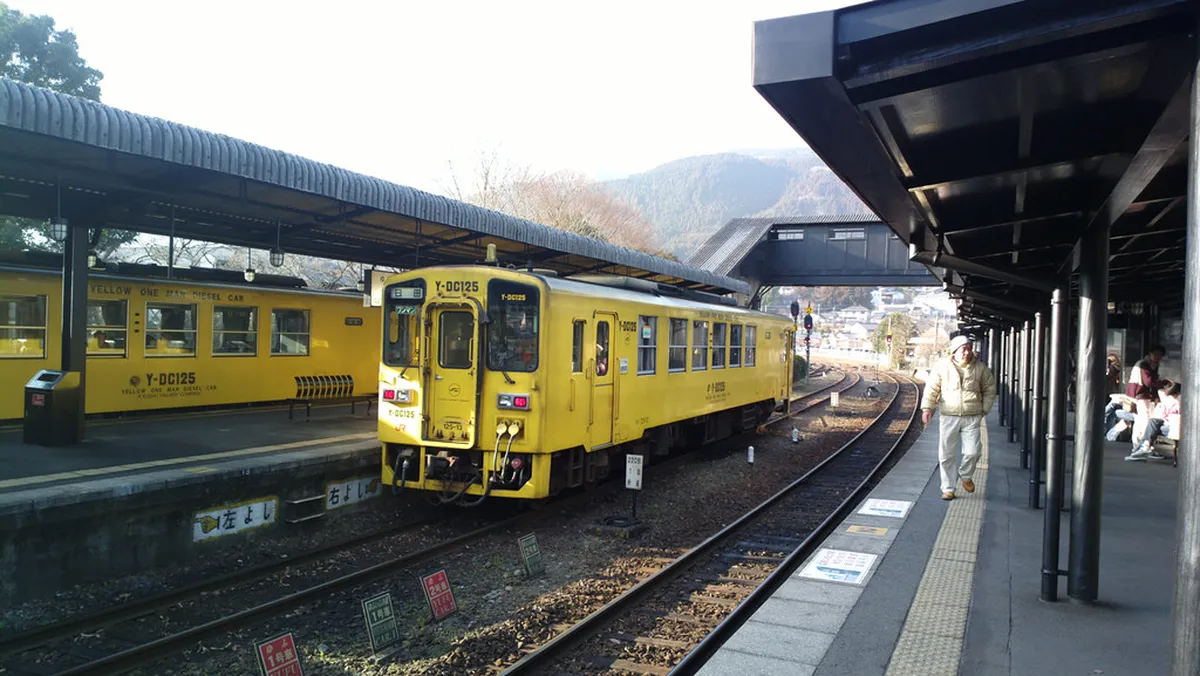
Most visitors arrive from Hakata (Fukuoka) by train. The two main options are the Yufuin no Mori sightseeing train and the Limited Express Yufu. Both depart from Hakata Station and take approximately 2 hours 15 minutes to reach Yufuin. The journey passes through mountain valleys and rural Oita countryside, making the ride itself part of the experience. From Beppu you can also reach Yufuin via a scenic local bus or train service.
The Yufuin no Mori runs two to three times daily from Hakata. As of 2026, JR Kyushu operates services numbered 1 through 6: odd-numbered trains (1, 3, 5) travel from Hakata toward Yufuin, while even-numbered trains (2, 4, 6) return toward Hakata. Yufuin no Mori 3 is the only service that continues past Yufuin to Beppu. Departure times from Hakata are 09:17 (No. 1), 10:11 (No. 3), and 14:38 (No. 5).
The Limited Express Yufu is the practical fallback when the Yufuin no Mori is fully booked — which happens frequently during peak seasons and Golden Week. Unlike the sightseeing train, Yufu offers non-reserved seats, meaning you can travel on a JR Pass without paying an additional reservation fee. If you are traveling in a group during busy periods, reserving seats even on the Yufu is worthwhile to guarantee seating together. For a fuller breakdown of How To Get To Yufuin Travel Guide from airports and other cities, see the dedicated access guide.
Travelers coming from Oita Airport can take a highway bus or a taxi to Oita Station, then transfer to a limited express toward Yufuin. From Beppu, the quickest option is the local bus that runs directly between the two resort towns. The Highway Bus Center at Yufuin Station also handles long-distance routes from Fukuoka (Tenjin Bus Center) and Kumamoto — a cheaper though slower alternative to the train.
Yufuin no Mori vs. Limited Express Yufu: Which Train to Book
The Yufuin no Mori is a purpose-built resort train with forest-green livery, wooden interior fixtures, and a bar counter selling bento lunches and regional desserts. Every seat is reserved — there are no standby options. The reservation surcharge (on top of the base fare) is ¥1,500 per ticket as of 2026. For the latest Yufuin no Mori train details, check the official JR Kyushu site. Seats consistently sell out days or weeks ahead during holidays, so book as soon as the 30-day reservation window opens.
The Limited Express Yufu uses a conventional express carriage and does not have an on-board bar counter or lounge. It is fully covered by JR Kyushu passes without an additional reservation surcharge when using non-reserved seats. Comfort is good but the atmosphere is closer to a standard express than a resort experience. If the sightseeing element matters to you, prioritize the Yufuin no Mori; if your budget or schedule forces a choice, the Yufu is a perfectly solid alternative.
One practical difference worth knowing: the Yufuin no Mori uses a double-decker configuration on some car numbers, with narrow internal walkways of approximately 550mm. This can make passage difficult with large rolling suitcases, and the train is not wheelchair accessible without prior arrangement with JR staff. If you or a travel companion requires wheelchair access, contact JR Kyushu before booking — this detail is missing from most travel blogs and can catch visitors off guard.
Bento Reservations on the Yufuin no Mori
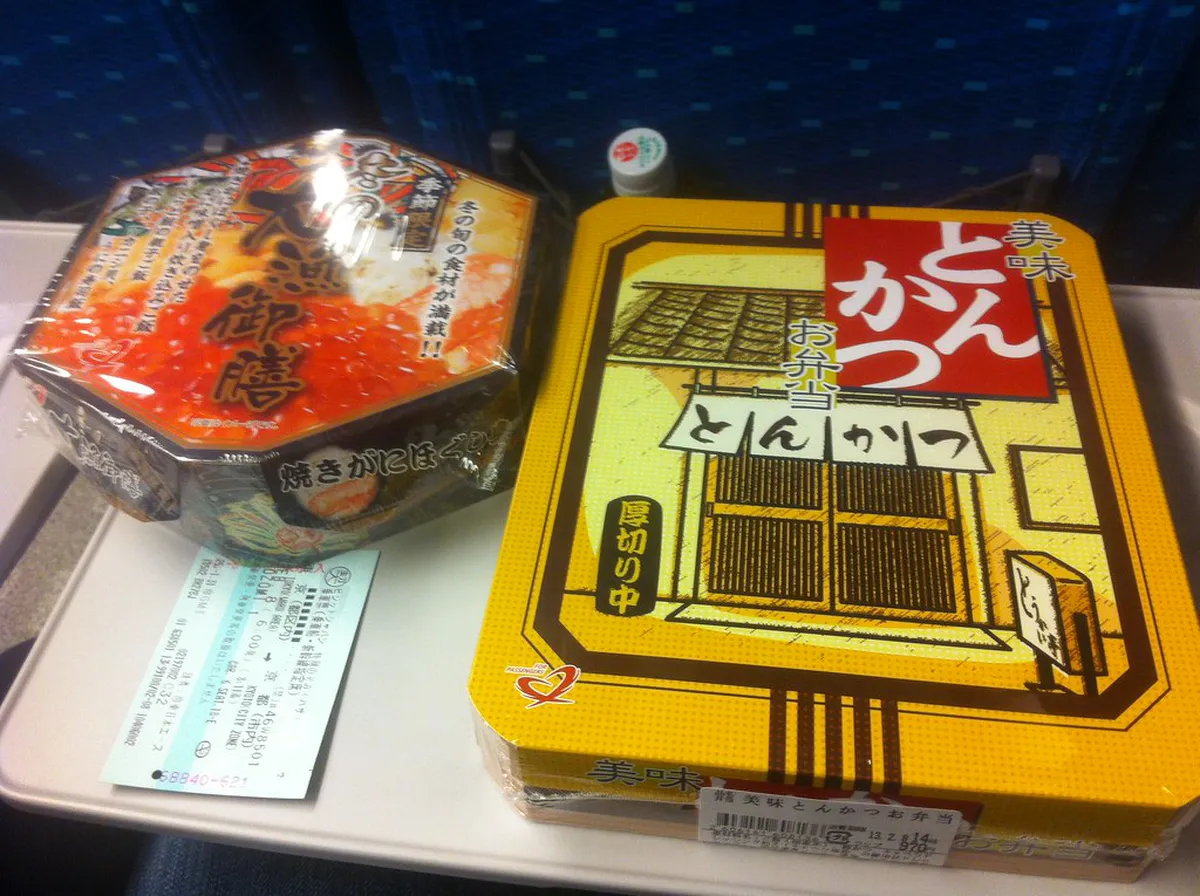
Eating a gourmet bento on board is a core part of the Yufuin no Mori experience. The most sought-after option is the Oita wagyu beef bento, which regularly sells out before the train departs. The JR Kyushu Official Yufuin no Mori Guide lists the current bento menu and links to the online reservation system. Pre-ordering online is strongly recommended — reservations must be placed at least five days before your travel date.
If you miss the online window, the bar counter on board sometimes stocks a small number of bento boxes, but selection is limited and the popular items disappear quickly after departure. Another option is the Yufuin Wappa bento — a colourful box containing four varieties of temari onigiri rice balls with Bungo chicken and Oita cured ham — which is occasionally available without pre-ordering. Pair it with the Kase Kuchen milch cheesecake (around ¥320), a Yufuin specialty made with 100% local milk and sold exclusively on the train.
Bento reservations for the Yufuin no Mori must be placed at least five days in advance via JR Kyushu's online system. The Oita wagyu bento in particular sells out fast — leaving it to the day of your trip is a reliable way to miss out.
If you are taking the regular Limited Express Yufu instead, the station shops inside Yufuin Station lobby stock a rotating selection of local bento boxes every morning. Arrive early for the best choice of seasonal rice and vegetable sets. These make a decent alternative, though they lack the novelty of eating on board a resort train.
Seat Selection Tips for the Best Views
Choosing the right seat on the Yufuin no Mori can significantly improve your journey. The most prized view is Jion-no-taki Falls, a waterfall you pass after Amagase Station. Traveling from Hakata to Yufuin, the falls appear on the right side of the train — so select seats in the C or D column to face them directly. On the return journey toward Hakata, they appear on the left side, meaning C and D seats still give you the best view regardless of direction.
The Yufuin no Mori No. 3 and 4 service is particularly notable because Car 4 carries a special forest-themed interior with distinctive seat prints. The open lounge area on these trains fills up quickly after departure, so get there early if you want to stand by the panoramic windows. Booth seats with a table are available on some car numbers and require advance reservation — they suit groups of three to four and sell out ahead of single seats.
The train slows down near Jion-no-taki Falls to give passengers a longer view, and the C/D seats on that side routinely book first. If the seats you want are unavailable, the lounge section offers a similar view and is accessible to all passengers.
Station Facilities and Arrival Logistics
Understanding the station layout saves time on arrival. The JR Station building and the Highway Bus Center are two separate structures located adjacent to each other across a small plaza. If you are arriving by train and departing by highway bus (or vice versa), the transfer between them takes under five minutes on foot. Signage is available in English and Japanese throughout the plaza area.
The station footbath sits on Platform 1 and is one of the most satisfying ways to transition from travel mode to onsen town mode. A separate ticket costs approximately ¥160 and includes a souvenir towel. You can soak your feet while watching arriving trains framed against Mount Yufu in the distance. The footbath uses natural hot spring water drawn directly from the source — a genuine onsen experience before you even leave the station.
For luggage, the station offers two options. Coin lockers inside and outside the building handle day-trippers and same-day visitors. For overnight guests, the "Hands-Free Travel" luggage delivery service lets you drop bags at the station counter for delivery directly to your ryokan, typically for ¥600 to ¥1,000 per bag. This is worth every yen on the hilly backstreets between the station and many ryokans. Bicycle rentals — both standard and electric — are available near the exit for those who want to cover more ground quickly.
The platform footbath at Yufuin Station costs just ¥160 and the entry fee includes a souvenir towel — a bargain way to sample the town's famous hot spring waters before you even leave the station.
Must-See Yufuin Attractions from the Station
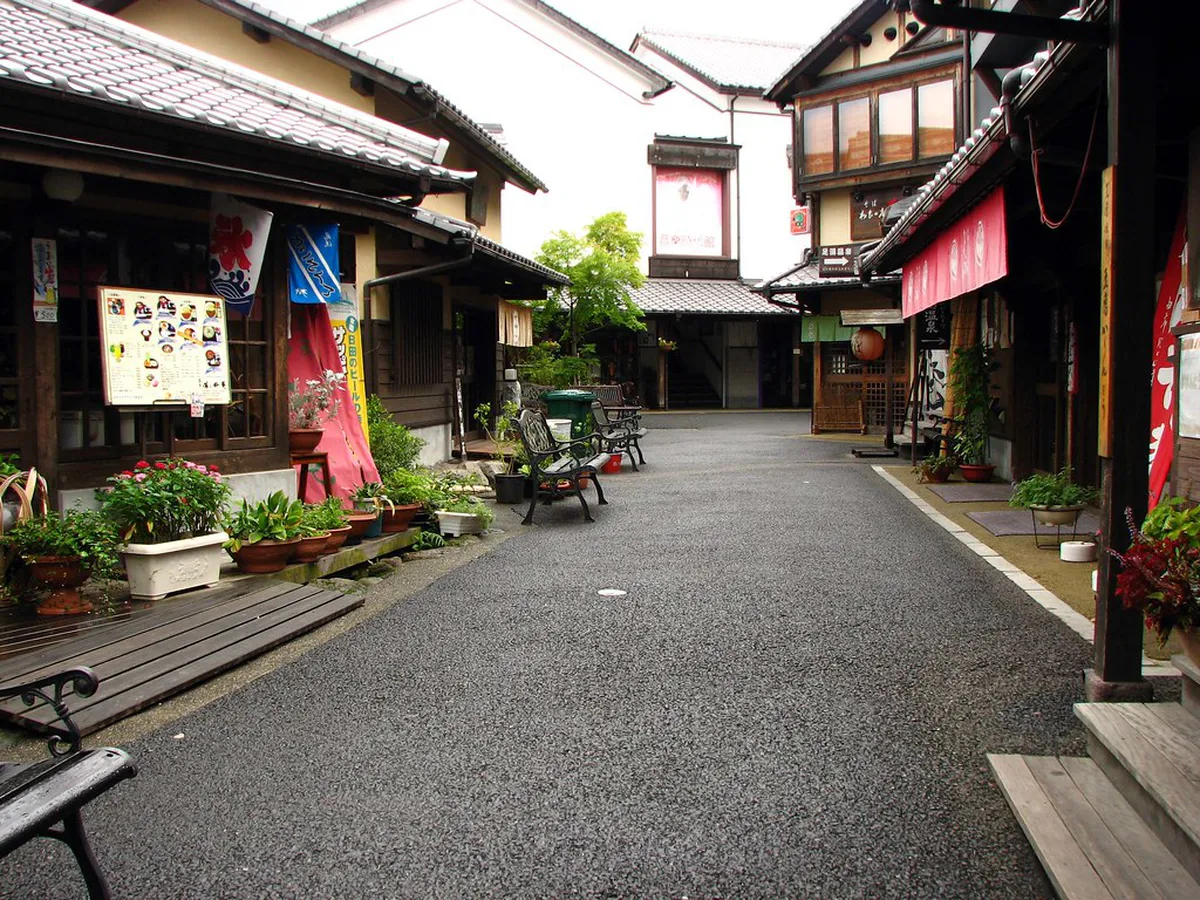
The journey through town begins the moment you step outside the station doors. Yunotsubo Kaido is the main shopping street that leads directly toward the mountains. You will find dozens of boutique shops, snack stalls, and local craft vendors lining this vibrant path. The Yunotsubo Kaido street offers authentic local charm, or explore the Yunotsubo Yokocho shopping street for the highest concentration of Yufuin souvenirs and regional food samples. Most visitors spend at least an hour browsing before they reach the lake.
Walking further along the road brings you to the peaceful Lake Kinrin area, about 20 minutes on foot from the station. The lake is famous for its morning mist and the small torii gate standing in the water. You can enjoy a scenic stroll around the perimeter while taking in the forested hills. The lake also produces natural hot spring water from its bed, creating gentle steam that rises above the surface in cooler months.
If you prefer a slower-paced start, horse-drawn carriages near the station entrance offer a tour of the local countryside and rice paddies. These follow a set route passing through quiet residential neighborhoods and often sell out before noon. Booking or joining the queue early in the day is strongly recommended.
Museums, Art, and Culture in Yufuin
Yufuin takes its cultural identity seriously, and the station itself is the first exhibit. The Yufuin Art Hall occupies the main lobby beneath those 12-meter timber beams, displaying rotating works from local and regional artists throughout the year. Arata Isozaki, the Pritzker Prize-winning architect who designed the building, employed distinctive cross-vault architecture to make the station feel like a public gallery as much as a transit hub. Take a few minutes to look up before you head into town.
Art lovers should also visit the Comico Art Museum Yufuin located a short walk away. This facility showcases contemporary works in a building designed by Kengo Kuma, whose use of natural materials echoes the surrounding landscape. Check the official website for current exhibition schedules and admission fees before you go, as they change seasonally. Several smaller private galleries — stained glass studios and artisan craft shops — are tucked into the side streets near the station for those who want to explore further.
Weather, Seasons, and What to Pack
Yufuin sits at a higher elevation than Fukuoka and coastal Oita, which means temperatures run five to ten degrees cooler year-round. In practical terms, a day trip from Fukuoka in summer still calls for a light jacket for the evening, and winter visits to this Yufuin Onsen Travel Guide town require proper layering and waterproof footwear — light snow is possible from December through February.
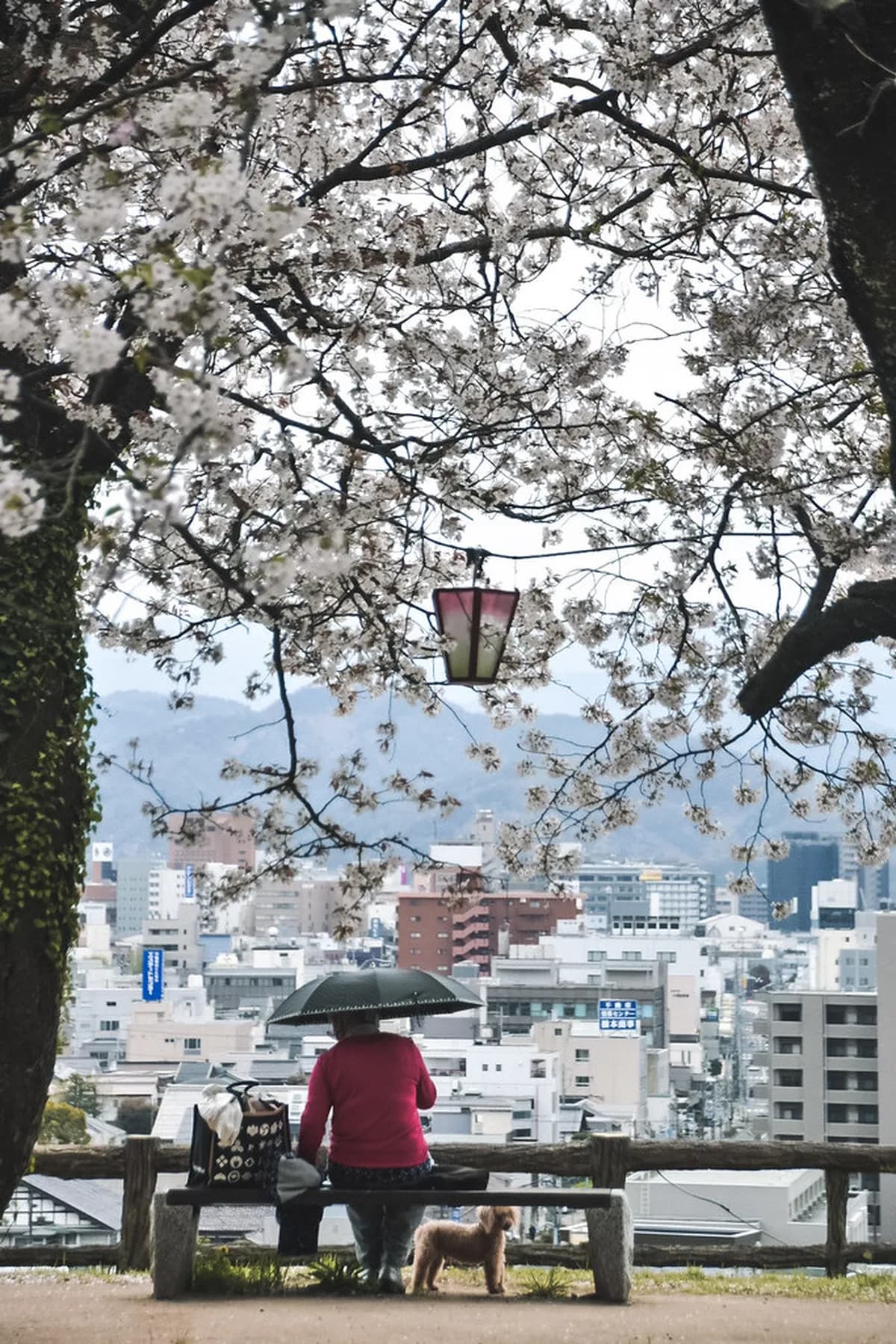
Spring (March to May) and autumn (October to November) offer the most comfortable walking conditions and the most photogenic backdrops. Cherry blossoms line the Oita River paths near the station in late March, and the maple foliage around Lake Kinrin peaks in mid-November. These are also the busiest periods, so booking train seats and ryokans well in advance is essential — the 30-day Yufuin no Mori reservation window fills within hours during autumn leaf season.
Summer remains pleasant for walking but the rainy season (June) brings persistent drizzle. Carrying a compact umbrella is wise in any season. Mountain weather can shift quickly, and afternoon thunderstorms are common in July and August even when mornings look clear.
How to Plan Your Day Around Yufuin Station
A short layover of three hours is enough to walk Yunotsubo Kaido, reach the lake, and return to the station in time for a departing train. Start with the footbath on Platform 1 the moment you arrive, then follow the main street toward the mountains. Buy your street snacks — croquettes, soft serve, and purin pudding cups — as you walk rather than backtracking. The lake is the natural turning point before you head back.
A full day allows you to add the Comico Art Museum, a sit-down lunch at one of the lake-side cafes, and a slow return via the riverside paths. If you stay overnight, the early morning mist at Lake Kinrin is a must-see — most ryokans are within a 15-minute taxi or bicycle ride from the station. Check the transport guide for the bus schedules back to Hakata if you plan to return by highway bus rather than train.
The "Golden Route" from Hakata remains the most popular structure for a day trip: take the morning Yufuin no Mori train (No. 1, departing Hakata 09:17, arriving Yufuin 11:31), spend the afternoon exploring, and return by the Yufuin no Mori No. 6 (departing Yufuin 17:17, arriving Hakata 19:27). This gives you roughly six hours in town without a hotel stay.
Station Layout and Getting Oriented
Understanding the station footprint avoids confusion on arrival. The JR Station and the Highway Bus Center are in separate buildings located across a small plaza from each other — the bus center handles long-distance routes to Fukuoka, Beppu, and Kumamoto, while the JR building manages train departures and the luggage counter. Look for the 8-2 Yufuincho Kawakita, Yufu, Oita 879-5114, Japan address for the main entrance.
Most local taxis wait directly in front of the JR Station exit. The main shopping street, Yunotsubo Kaido, begins directly across from the station plaza and is clearly signposted in both English and Japanese. The tourist information center inside the station building stocks free paper maps and can help you locate your ryokan's shuttle bus stop. Staff there speak enough English for most practical questions.
Frequently Asked Questions
Is the Yufuin Station footbath worth it?
Yes, the footbath is a great way to experience the town's hot springs for a low price. It costs about 160 yen and includes a souvenir towel. You can enjoy the warm water while watching the trains arrive on the platform.
How do I get from Yufuin Station to Kinrinko Lake?
The walk from the station to the lake takes about 20 minutes. You simply follow the main road, Yunotsubo Kaido, toward the mountains. The route is filled with shops and cafes, making it a very pleasant stroll.
Can I leave my luggage at Yufuin Station?
Yes, there are coin lockers of various sizes available at the station. You can also use the luggage delivery service to send your bags to your ryokan. This service allows you to start your sightseeing immediately without any heavy bags.
What is the difference between the JR Station and the Bus Center?
The JR Station serves trains like the Yufuin no Mori, while the Bus Center handles highway buses. They are located in separate buildings right next to each other. Both are easy to find in the main station plaza area.
Yufuin Station is much more than a simple transit point for travelers. Combine this with our Yufuin Onsen guide for a fuller itinerary. For related Yufuin deep-dives, see our The Perfect 2-Day Yufuin Itinerary: 10 Essential Stops and Yufuin Floral Village: 10 Best Things to Do and See guides.
Its beautiful design and unique amenities like the footbath make it a destination itself.
Planning your arrival and luggage logistics here ensures a stress-free start to your trip.
Enjoy the scenic train ride and the artistic atmosphere of this wonderful mountain town.
Free guide: Japan's Hidden Gems
12 under-the-radar places beyond Tokyo & Kyoto — with the best season to visit each and a local tip you won't find in the guidebooks.
You might also like

Continue reading
More guides you'll find useful


