Daikanbo is the highest point on the northern outer rim of the Aso caldera, sitting at 936 meters in Yamada, Aso City, Kumamoto Prefecture. From this single vantage point you can take in the Aso Five Peaks, the vast caldera floor, and on clear days the distant Kuju Mountain Range all at once. No other spot in the region gives you the full scale of one of the world's largest calderas in a single glance.
The name itself carries history. Literary figure Sōhō Tokutomi, who wrote extensively about the Meiji and Taisho eras, is credited with coining the word "Daikanbo" for this lookout — a detail that deepens the impression when you stand there in 2026 and realize travelers have been making the same journey for well over a century.
This guide covers the panoramic views, seasonal phenomena, photography approach, grassland etiquette, access options, and nearby sites worth combining on the same day. Every section is written to help you make decisions on the ground, not just admire the scenery from afar.
Daikanbo Overview: Location, Significance, and What to Expect
Daikanbo occupies the highest peak on the north somma (outer rim) of the Aso caldera, part of Aso-Kuju National Park. The 936-meter elevation places you above the caldera floor, giving a panorama that sweeps roughly 360 degrees across the Aso Valley, the five central peaks, and the broad grasslands of the northern rim. The scale hits differently from up here than it does looking at a map: the caldera runs about 25 kilometers north to south and 18 kilometers east to west.
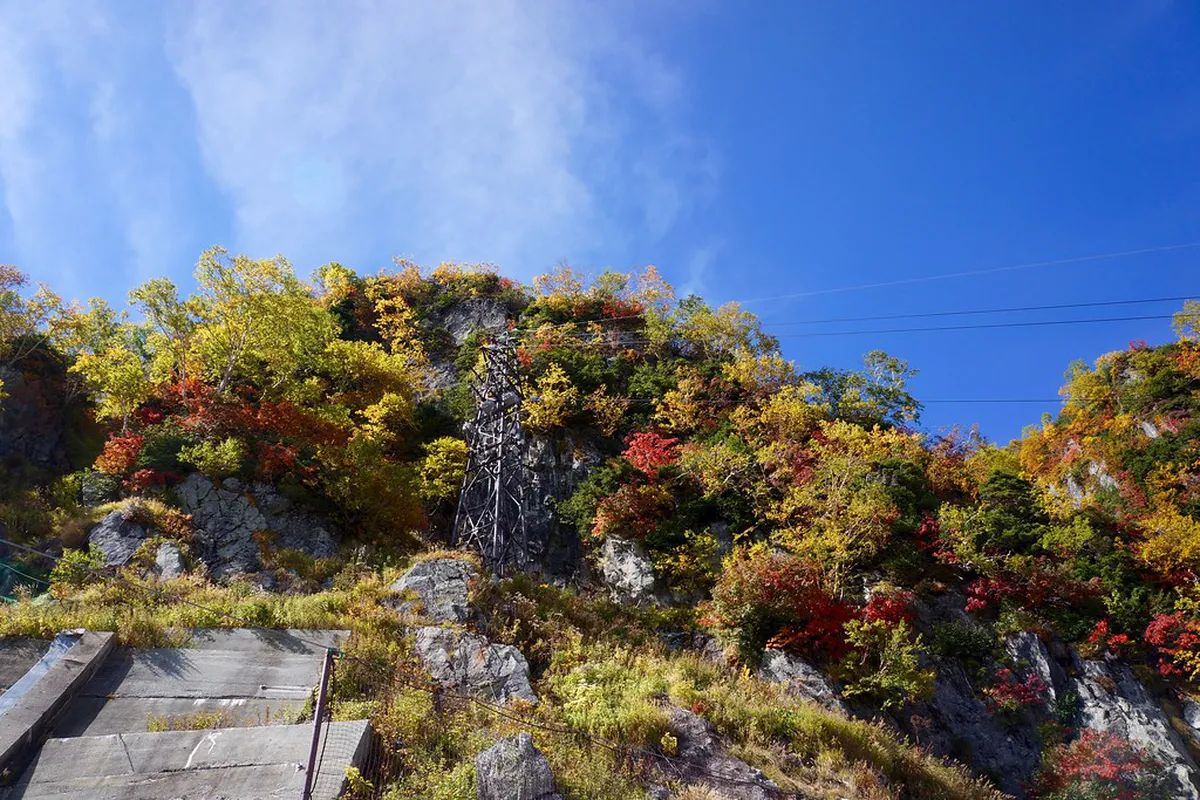
A footpath about 10 minutes from the parking lot leads to the main observation deck. Along the way a concrete esplanade opens onto a viewpoint where a headland of mountain juts into the valley like a cape. Past the paved area, unpaved paths continue into the grassland for those who want to walk further. Plan at least 60–90 minutes to take in the view without rushing, and longer if you plan to walk the grassland paths.
The Daikanbo teahouse next to the parking area sells soft ice cream, frankfurters, and light snacks using local Aso ingredients. A restroom and small souvenir shop are also on site. Operating hours for the teahouse can vary, so carry water and a snack as backup, especially on early-morning visits targeting the sea of clouds.
Because the lookout is open and exposed, expect wind and a noticeable temperature difference from the caldera towns below. Even in summer, a light jacket is worth bringing. In winter the paths can be icy and snowfall is possible, so check road conditions before driving up.
Daikanbo: A Lookout with Panoramic Views of Aso's Caldera
The headline view from Daikanbo is the Aso Five Peaks — Nekodake, Takadake, Nakadake, Kishimadake, and Eboshidake — arranged along the southern horizon. Viewed together from this angle the connected ridgeline resembles a reclining human figure, which is why locals call it "Nehanzō" (the Reclining Buddha). Rather than trying to identify each peak individually on your first visit, let your eye trace the entire ridgeline slowly from east to west and the figure emerges naturally.
The Aso Valley spreads out below the peaks: farmland, small towns, and roads that look tiny against the caldera walls rising 300–500 meters above the floor. This bird's-eye perspective is what makes Daikanbo different from any viewpoint inside the caldera — you're looking down into the whole system at once, not standing inside it. On very clear days the Kuju Mountain Range appears on the northeastern horizon as an additional layer of depth.
Cloud behavior adds constant variety. When light breaks through overcast skies it casts moving shadows across the valley floor and mountainsides, producing depth that a flat blue-sky day can't match. The outlines of the Aso Five Peaks shift with every cloud that passes, so even two visits an hour apart can look different.
The Sea of Clouds and Seasonal Scenery at Daikanbo
Daikanbo is one of Aso's most reliable sea-of-clouds spots. The phenomenon tends to appear on early mornings in early summer and from autumn through winter — specifically on calm, cold mornings after strong overnight radiative cooling when a significant temperature gap exists between the valley floor and the rim. The Aso Valley fills with white cloud and the Aso Five Peaks float above it like islands. It is striking, but it is not guaranteed: plan with the mindset that you will be lucky if you see it and satisfied by the view regardless.
The Aso Regional Tourism Federation operates a live camera pointed at Daikanbo. Check it before you leave for the lookout — it shows current visibility and whether cloud is already forming in the valley. Even so, conditions change during a 40-minute drive, so treat the live feed as a guide rather than a promise. Search "Daikanbo live camera" to find the current feed.
Beyond the sea of clouds, each season brings a distinct character. Spring shows the grasslands beginning to green after the traditional controlled burns (noyaki) in late February and March. Summer brings full lush cover and the longest clear-day windows. Autumn colours the susuki (Japanese pampas grass) to silver and gold, framing the peaks. Winter can bring snow to the rim and a stark, desolate atmosphere that photographers find compelling. Cloudy and misty days are not wasted visits: the atmosphere is often more dramatic than a cloudless afternoon.
How to Photograph the Aso Five Peaks and Grasslands
The key compositional challenge at Daikanbo is the horizontal spread of the landscape. The Aso Five Peaks chain is wide, so a horizontal frame works better than a portrait one for the full ridgeline. Include a generous band of sky to communicate the openness, or include the Aso Valley floor to convey the caldera's depth — both approaches work, but mixing them in the same shot often splits the eye's attention.
Adding the foreground grassland creates depth and grounds the image in Daikanbo's specific character. The undulations of the northern rim grassland in the foreground, with the peaks continuing beyond the valley, read clearly even to viewers who have never been to Aso. Early morning and late afternoon light rakes across the grass and the caldera walls at a low angle, picking out texture that midday light flattens out.
For sea-of-clouds shots before sunrise, a tripod is essential. Longer exposures (1–4 seconds) at ISO 400–800 smooth the slow-moving cloud surface without blowing out the sky. Bring a remote shutter release to avoid camera shake. If you photograph at the observation deck with a tripod, check the on-site signs — some days the deck fills quickly and a bulky setup blocks other visitors' views. Set up near the edges and stay aware of foot traffic.
When including other people for scale, position yourself so they are in front of the peaks rather than overlapping the ridgeline, and ask before framing strangers. Avoid blocking the path or the concrete railing sections where visitors line up for unobstructed views.
Manners That Protect Aso's Grasslands at Daikanbo
Daikanbo sits inside Aso-Kuju National Park and the surrounding grasslands include bokuya — pastures where cattle and horses graze. Entering a bokuya is not just trespassing; it can introduce disease to livestock. Stick to marked paths and paved areas, and step off the path only where there is no fencing or posted restriction. The dividing line between free-access grassland and bokuya is not always obvious to first-time visitors, so staying on the path is the safest default.
The noyaki controlled burns that happen each spring are managed by local farmers to maintain the grassland ecosystem and prevent encroachment by forests. The burnt-black stubble in early spring can look severe, but within weeks it becomes some of the freshest green of the year. Do not mistake burnt areas for land that has been cleared for foot traffic — they are actively managed grazing land.
Litter rules follow national park standards: carry out everything you carry in. On windy days at 936 meters, paper cups and wrappers blow away easily — hold packaging until you reach a bin inside the teahouse. Open flames and smoking are prohibited outside designated areas. In dry seasons the grassland fire risk is real and the noyaki burns are intentionally timed; an accidental fire from a visitor has consequences for the entire ecosystem.
Contemplate Mounts Aso and Kuju from the Road
The drive to Daikanbo along the Milk Road (prefectural route through the northern rim) offers multiple pull-off points where the grassland panorama opens to both the Aso caldera and the Kuju Range in the opposite direction. These road-side viewpoints are less visited than the main lookout and often free of crowd pressure, making them worth a stop for photography without the competition for a good angle at the deck.
From stretches of the Milk Road on a clear day, you can see the Kuju peaks to the northeast and the Aso Five Peaks to the south simultaneously. The rolling grassland between those two sets of mountains is the full Aso-Kuju volcanic field in one glance. This mid-route perspective does not appear in most visitor itineraries yet it is one of the strongest compositions in the area.
If you are driving, use designated pull-off bays rather than stopping on the road itself. Traffic on the Milk Road is light but moves quickly, and the shoulder is narrow in places. Arriving at Daikanbo from the Milk Road direction rather than from the main town also means you approach the lookout from the west and catch the peaks at a slightly different angle on the way in.
Oshido Stone: A Power Spot with Astronomical Alignment
About 30 minutes northwest of Daikanbo in Minamioguni-machi, Oshido Stone (Oshidoishi) is a hilltop grouping of roughly 300 megaliths scattered across grassland on the northern somma. The site is thought to be ancient remains where people intentionally arranged the stones — the alignment has never been fully explained, which is part of what draws visitors who have done a little reading before arriving.
The central megalith stands 5.5 meters tall with a circumference of 15.3 meters and is known locally as "Oni no Oshidori." It is magnetic: borrow a compass from the reception desk and walk close to it, and the needle rotates noticeably. The alignment of two stones frames the summer solstice sunrise and the winter solstice sunset respectively, and Polaris sits directly above the central stone's apex at night. These are not fabricated tourism claims — you can verify the compass effect on-site and the solstice alignments are documented by local archaeologists.
From the Oshido Stone hilltop the 360-degree grassland panorama extends to both the Aso Five Peaks and the Kuju Range, a view comparable to Daikanbo itself but with no crowd and no commercial infrastructure. The walk from the parking area takes about 15 minutes on a gentle path. Combine it with Daikanbo as either a morning or afternoon addition — the two sites together make a half-day loop of the northern somma that most Aso itineraries overlook entirely.
How to Get to Daikanbo: Access, Transport, and Nearby Sightseeing
By car, Daikanbo is approximately 26 minutes from Michi no Eki Aso (the road station on the caldera floor). The drive from central Aso City takes a similar time via the Milk Road route. Parking at Daikanbo is free and sized for passenger cars and tour buses. In the mountainous area at 936 meters elevation, weather diverges sharply from the city: fog, rain, or snow can change conditions within 30 minutes. Check road and weather conditions via the Kumamoto Prefecture road information service before you leave, particularly in winter when routes can be icy.
By public transport, a route bus operates from the bus stop in front of JR Aso Station to Daikanbo. The journey takes approximately 40 minutes. Critically, this bus runs only on Saturdays, Sundays, and public holidays — there is no weekday service. Verify the current timetable before your trip, as seasonal schedules apply. Travelers without a car or on a weekday visit will need to factor in a taxi from JR Aso Station, which takes a similar amount of time at a higher cost.
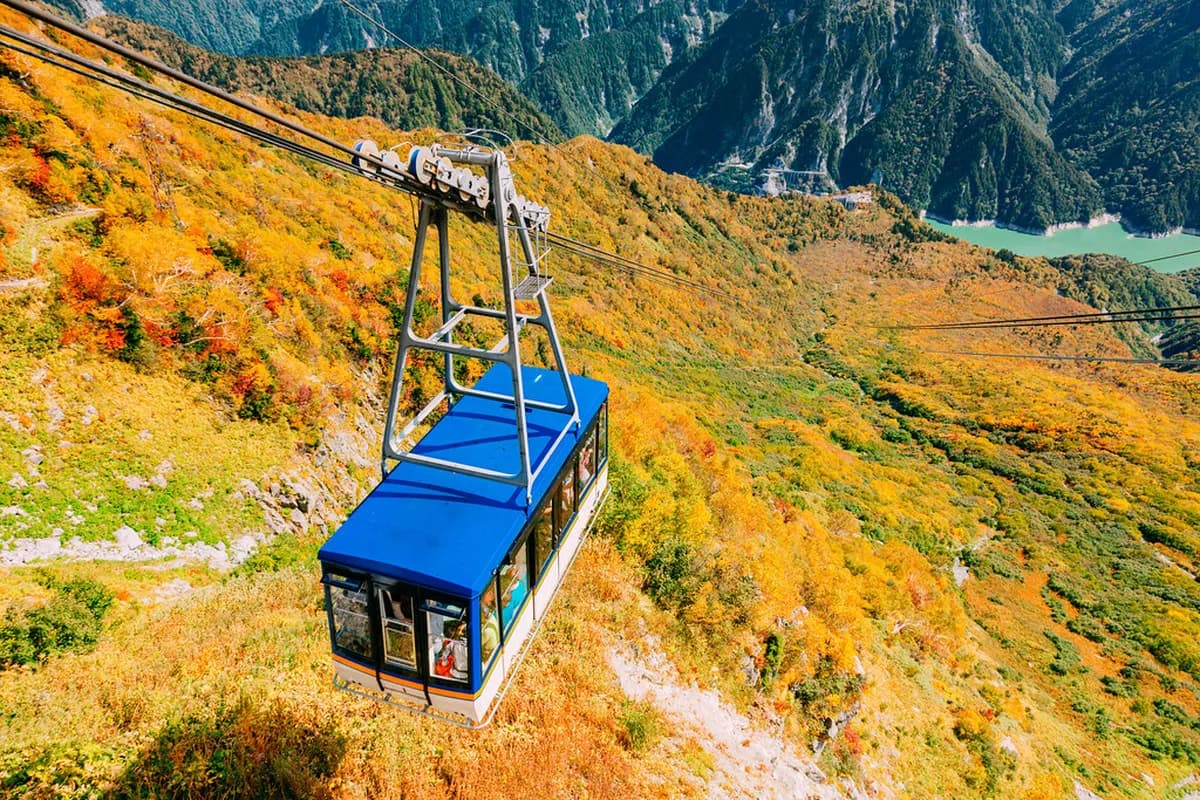
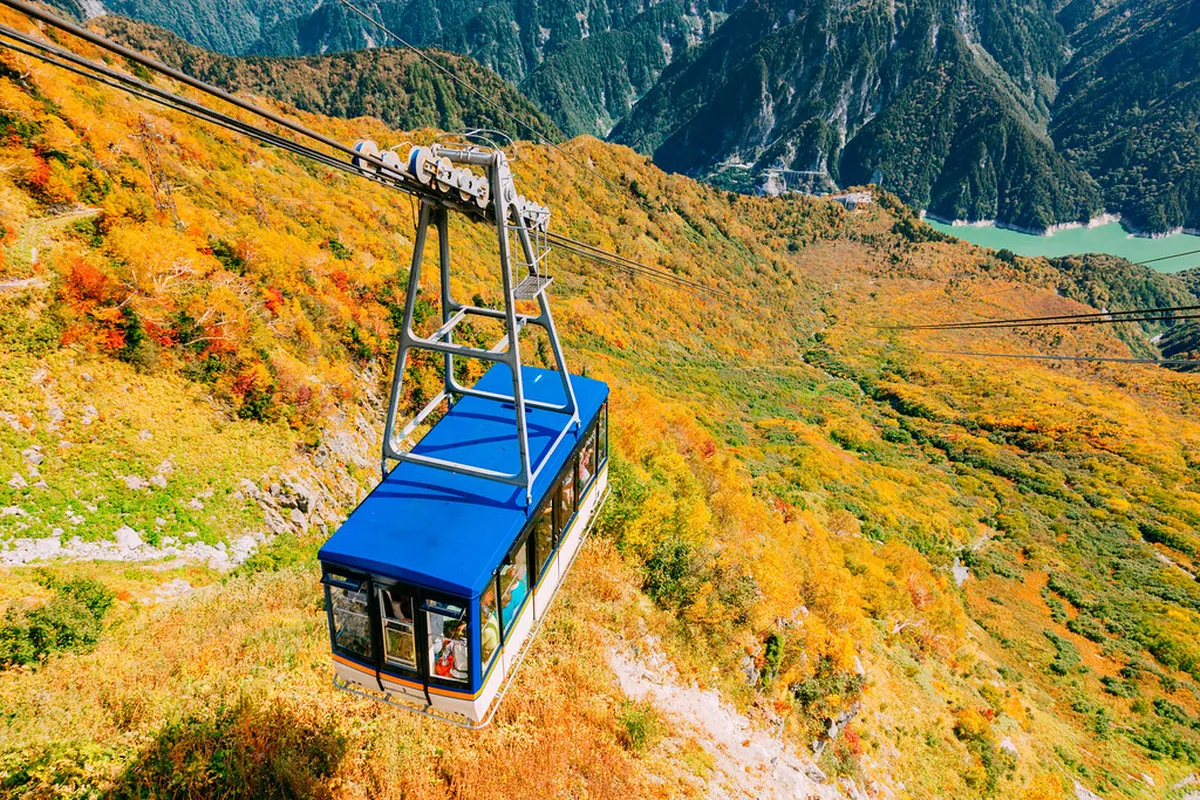
For a car-based day, Daikanbo pairs well with the Aso volcano summit crater area (subject to volcanic activity and entry restrictions — check the Aso Volcanic Level before going) and Uchinomaki Onsen, a hot-spring town roughly 20 minutes from the lookout. You can explore more about volcanic scenery along the Tateyama-Kurobe Alpine Route for comparison with Japan's other mountain landscapes.
The 32-minute figure sometimes cited from "bus stop to lookout" in visitor guides refers to walking time from an intermediate stop, not the direct bus terminal time. Confirm at JR Aso Station which stop serves Daikanbo directly to avoid confusion.
Combining Your Visit: Daikanbo and Kokonoe "Dream" Suspension Bridge
The Kokonoe "Dream" Suspension Bridge (Kokonoe Yume Otsurihashi) sits across the Oita Prefecture border in Kokonoe-machi, about one hour by car from Daikanbo. At 390 meters long and 173 meters above the Naruko River valley, it holds the distinction of being Japan's highest pedestrian suspension bridge. From the walkway you look down into forested gorge, across to the 83-meter Shindo-no-taki waterfall (one of Japan's 100 great waterfalls), and out to the Kuju Mountain Range. The experience is visually opposite to Daikanbo's wide-open caldera panorama, which makes the two sites complement each other well in a single day.
Admission to the bridge costs 500 yen for adults (2026). Two entrance areas exist: the Nakamura Area on the west side (prefectural highway side, with a bus stop, tourist information, and restaurants) and the North Area on the east side. Weekends and the autumn leaf season in late October and November are the busiest periods — the colored leaves filling the Naruko valley gorge are the bridge's most photographed condition. If combining with Daikanbo on the same day, visit Daikanbo in the morning for potential sea-of-clouds and proceed to Kokonoe in the afternoon when the bridge queues are also shorter than at opening.
Summary: Tips for Calmly Enjoying Aso's Scenery at Daikanbo
Arrive in the first hour after dawn if you want the best chance of sea-of-clouds conditions, and check the live camera beforehand. Bring a jacket regardless of the season — the wind at 936 meters reads stronger than forecasts suggest at caldera level. Comfortable shoes with grip are sufficient for the 10-minute paved path to the observation deck; full hiking boots are only needed if you plan to walk further into the grassland.
Set your expectations to the weather you find rather than the weather you wanted. Cloudy and overcast visits are not failed visits: the shadows, the mist, and the occasional break of light produce scenery that clear-sky shots from Instagram cannot replicate. The grassland's sound and the wind itself are part of the site; take time after photographs to simply stand and take in the scale before heading back to the car.
Keep the Oshido Stone site in mind as a secondary stop — it sits off most standard itineraries and adds a genuinely different dimension (cultural, historical, quietly eerie) to a half-day on the northern somma. Budget an additional 45–60 minutes if you go there from Daikanbo. For a full day out from Aso City, the Daikanbo–Oshido Stone–Kokonoe route covers three distinct types of landscape and avoids the crowds at the volcano summit area if access is restricted. You can also compare mountain-route planning with our guide to the Yuki no Otani Snow Wall for a different side of Japan's alpine scenery.
Frequently Asked Questions
How much time should you plan for a Daikanbo visitor guide experience?
Plan to spend at least 1-2 hours at Daikanbo itself. This allows ample time to take in the panoramic views, visit the shops, and enjoy a snack. If you plan to explore nearby attractions, allocate more time for your overall trip.
When is the best time to see the sea of clouds at Daikanbo?
The sea of clouds is most often seen in autumn and winter mornings, especially after rain and during clear, still weather. Visiting before sunrise significantly increases your chances. Check local forecasts and live cameras for optimal conditions.
Are there facilities available at Daikanbo lookout?
Yes, Daikanbo lookout features a visitor center with restrooms, souvenir shops, and a cafe. You can purchase local Aso products and enjoy light refreshments while admiring the views. Parking is also available for cars and buses.
What are the rules for protecting the grasslands at Daikanbo?
To protect the grasslands, visitors should always stay on marked paths and avoid littering. Open fires and smoking are strictly prohibited outside designated areas. These rules help preserve the delicate ecosystem and prevent wildfires. Learn more about Tateyama-Kurobe travel for similar natural preservation efforts.
Can you see Mount Kuju from Daikanbo?
Yes, on clear days, you can see the Kuju Mountain Range in the distance from Daikanbo. These majestic peaks form a beautiful backdrop to the Aso caldera. The panoramic view encompasses both the Aso Five Peaks and the Kuju range.
Daikanbo delivers a view of the Aso caldera that no other spot in the region matches — the full scale of the volcanic system, the Aso Five Peaks arranged as the Reclining Buddha, and the living grassland of Aso-Kuju National Park. The view changes hour by hour with cloud, light, and season, so no two visits are identical.
Practical preparation is straightforward: check the live camera and road conditions before leaving, bring a jacket, plan for 60–90 minutes on site, and consider the northern somma loop (Milk Road pull-offs, Oshido Stone, and optionally Kokonoe bridge) as a framework for a full day. The bus runs only on weekends and holidays, so weekday visitors need a car or taxi from JR Aso Station.
Whether you come for the sea of clouds at dawn, the autumn susuki, or simply the scale of the Aso caldera, Daikanbo earns its reputation as one of Kyushu's essential natural viewpoints.
For the latest official information, see the Daikanbo on Wikipedia and Daikanbo official site.