
Romantic Things To Do In Fukuoka For Couples Travel Guide
Plan romantic things to do in fukuoka for couples with top picks, neighborhood context, timing tips, and practical booking advice for a smoother trip.
On this page
Fukuoka is one of Japan's most underrated cities for couples. Its mix of seaside parks, ancient shrines, yatai stalls, and modern art spaces gives you a full range of romantic settings without the crowds of Tokyo or Kyoto. Whether you have a long weekend or a full week in 2026, the city rewards couples who venture beyond the obvious landmarks.
This guide covers the most romantic spots in Fukuoka, from iconic viewpoints to a secluded pair of sacred stones on the Itoshima coast that most visitors miss entirely. Each section gives you timing advice, practical access notes, and enough context to decide whether it fits your trip.
Must-See Romantic Attractions
A handful of spots in Fukuoka consistently draw couples for good reason. They offer dramatic settings, easy access, and memorable shared moments that hold up on a second or third visit.
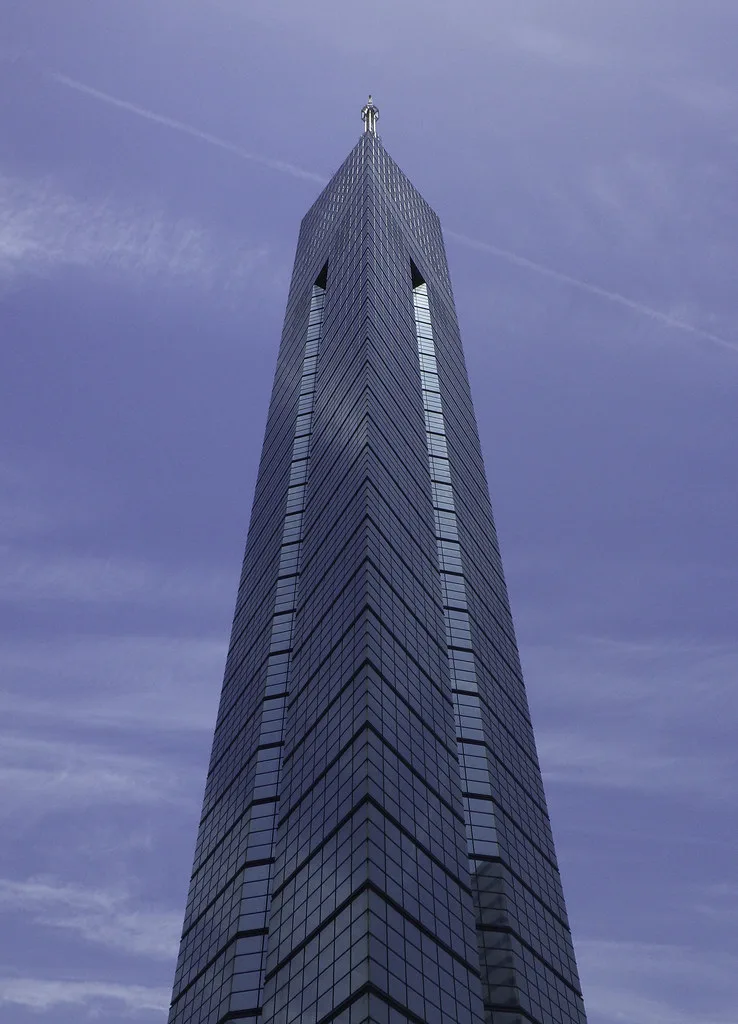
Fukuoka Tower is the single best sunset spot in the city. The observation deck sits 123 metres up and looks out over Hakata Bay and the Momochi shoreline. Arrive 30 minutes before sunset for the full transition from gold to neon. Adult tickets cost ¥800 and there is no pre-booking required, though weekend evenings can be busy. Check the Fukuoka Tower visitor guide for current opening hours.
Canal City Hakata is easy to dismiss as just a shopping centre, but its canal-side walkways and hourly fountain shows make it a genuinely pleasant place to spend an evening. The shows run on the hour from 10:00 to 22:00, and the waterside terrace restaurants fill up after 19:00. Discover more about Canal City Hakata before you visit so you can pick a table with a view of the show.
Nokonoshima Island is a 10-minute ferry from Meinohama Port and feels completely removed from the city. The island park charges ¥1,200 entry and has seasonal flower fields — cosmos in October, poppies in April — set against views of the Genkai Sea. The ferry schedule is roughly every 30 minutes; last return is around 17:00, so plan accordingly.
Sakurai Futamigaura's Couple Stones
The most distinctly romantic single spot in the Fukuoka area is not in the city centre — it is on the Itoshima coast, about 35 minutes west of Hakata by JR Chikuhi Line to Chikuzen-Maebaru station, then a 20-minute taxi or 40-minute bus ride. Sakurai Futamigaura features two large rocks standing just offshore, connected by a sacred shimenawa rope strung between them. In Shinto tradition, paired rocks like these represent a man and a woman bound together. The site is formally enshrined and the rope is ceremonially replaced every year.
The beach around the rocks is quiet on weekdays. The best time to visit is around low tide in the late afternoon, when the light catches the rope against the water and the rocks appear to float above the reflections. There is a small torii gate set in the shallows nearby, which photographs well at any hour but is at its most dramatic at sunrise. Local couples visit to pray for a lasting relationship at the adjacent Futamigaura Shrine.
None of the main travel sites cover this spot with practical detail, yet it ranks among the top places recommended by Fukuoka-based travel advisors for couples. Combine it with the wineries and cafes of Itoshima's Shima Peninsula for a full day out. The area is also popular for its fresh oysters from November to March — the roadside oyster huts charge around ¥1,000 for a generous plate, and many have open-flame grills you use yourself.
Parks, Gardens, and Outdoor Spots
Fukuoka's green spaces are unusually accessible and varied for a city of its size. Most are free or very cheap and sit directly on the subway network.
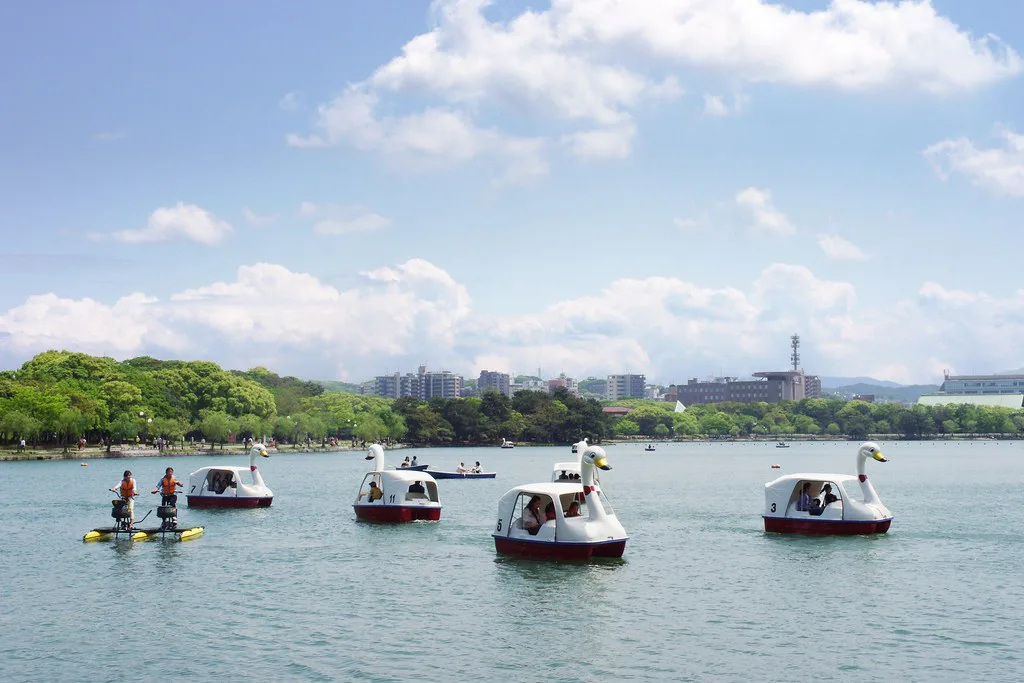
Ohori Park is the default choice for a romantic morning walk. The large central pond is ringed by a wide path popular with joggers and couples. You can rent a rowing boat or swan pedalo for about ¥700 per 30 minutes. The park connects directly to Fukuoka Art Museum, so a half-day loop of park, museum, and the Starbucks overlooking the water makes an easy, low-cost date. The museum's collection spans Japanese Buddhist art through Western impressionism and is free on the last Monday of each month.
Maizuru Park, immediately east of Ohori Park, surrounds the ruins of Fukuoka Castle. In late March and early April, around 1,300 cherry trees bloom across the castle grounds and moats, and the park fills with picnicking couples. At other times it is uncrowded and makes a pleasant 45-minute loop walk with good views back toward the city. Explore the Fukuoka Castle Ruins for historical context before your walk.
Yusentei is a classic stroll garden in Minami Ward that most tourists skip entirely. Entry is ¥200, and the garden centers on a traditional villa used by the Kuroda clan. A tea ceremony can be arranged on site for around ¥500. It is quieter than any of the central parks and has a genuinely unhurried atmosphere. Visit Yusentei's official site to check opening days, as it closes on Mondays.
Uminonakamichi Seaside Park spans the narrow peninsula east of the city and requires around half a day. Couples can rent bicycles inside the park for ¥500 per hour and ride through flower meadows, past a small zoo, and out to views of Hakata Bay. The park is at its best in April (cosmos) and May (roses). Learn more about Uminonakamichi Seaside Park to plan your route.
Nakasu Yatai and Romantic Dining
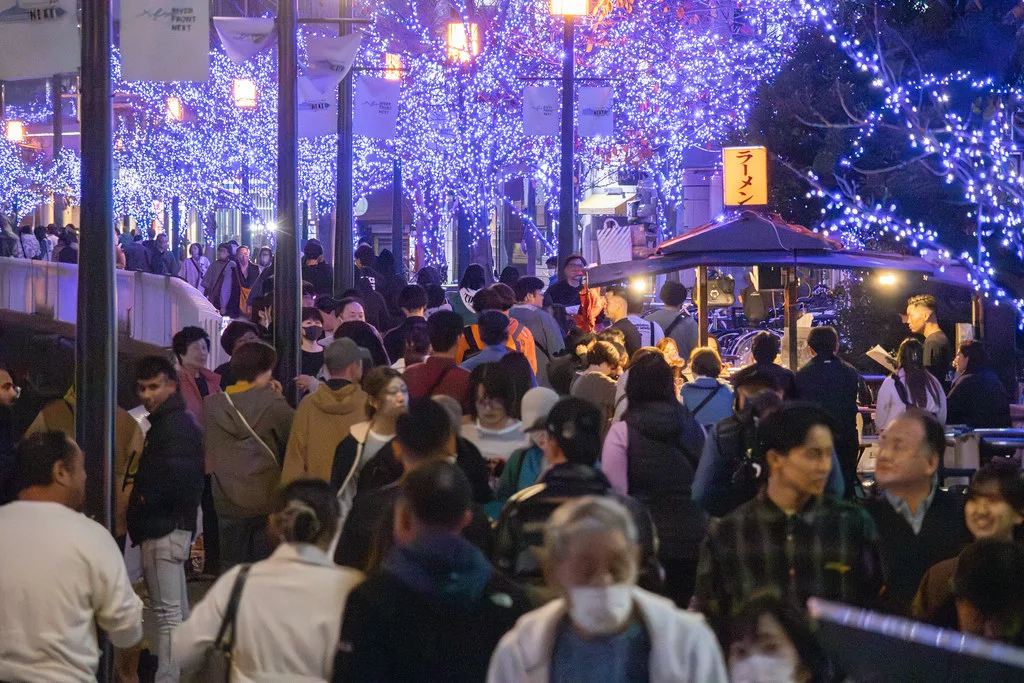
The yatai — open-air food stalls — are Fukuoka's most intimate dining format and one of the best ways to spend an evening as a couple. Rows of small stalls set up along the Naka River in Nakasu from around 18:00 each night, each seating perhaps eight to twelve people under a canvas awning. You sit close together, share dishes with whoever is next to you, and watch the river while the cook works in front of you. It is unhurried and genuinely local.
Most stalls serve tonkotsu ramen, grilled skewers, and oden. Expect to spend around ¥2,000–3,000 per person for a full meal with drinks. Payment is cash only at most stalls. The best time to go is a Tuesday or Wednesday evening when weekend crowds are absent. A handful of stalls near Tenjin also operate along Watanabe-dori if Nakasu is full. Discover how to visit Fukuoka's Yatai street food stalls for stall-by-stall recommendations.
For a more formal dinner, the basement food hall of Hakata Riverain (connected to the Fukuoka Asian Art Museum building) has counter-seat sushi and robatayaki at moderate prices. The area near Keigo-dori in Daimyo is the city's quieter, more design-forward dining neighbourhood, with small bars and kaiseki-style restaurants suited to couples who prefer something less touristy.
Museums, Art, and Culture
Fukuoka has a stronger contemporary art scene than its modest international profile suggests. Several venues are compact enough to visit comfortably in two hours, making them easy to fit between lunch and dinner.
The Fukuoka Asian Art Museum focuses exclusively on modern and contemporary work from across Asia. It sits on the 7th and 8th floors of Hakata Riverain, with large windows looking out over the Naka River. Entry is ¥200 for the permanent collection. Visit their official website for current special exhibitions, which often run from regional artists across Southeast and East Asia.
Fukuoka Art Museum sits directly within Ohori Park and houses both Japanese works and a European collection including some Dalí and Miró pieces. The combination of the park setting and the intimate gallery scale makes it well-suited to a slow afternoon. Check Fukuoka Art Museum's site for the current exhibition calendar before visiting.
The Hakata Traditional Craft and Design Museum near Canal City is small but worth 45 minutes. It displays Hakata-ori silk weaving, Hakata Ningyo clay dolls, and decorative komachi beni lip cosmetics that have been made in this district for centuries. Entry is free, and the shop sells genuinely craft-made souvenirs at reasonable prices.
Hakata Old Town Area
The Hakata Old Town district sits between Hakata Station and the Naka River and is the most walkable historic area in the city. Its narrow lanes hold ancient temples and workshops that have operated in the same location for three and four centuries. It contrasts sharply with the surrounding glass towers and feels like a genuinely different city.
Kushida Shrine is the spiritual heart of the district and is free to enter at any hour. The shrine is famous as the home of the Hakata Gion Yamakasa, Fukuoka's biggest summer festival, and one of the enormous festival floats is kept permanently on display inside the shrine grounds. Tochoji Temple, a short walk away, houses the largest wooden seated Buddha in Japan — a striking sight in an otherwise compact, quiet building. Discover more about Fukuoka's must-visit temples to build a walking route through the area.
In the late morning, the lanes around Tochoji fill with the smell of bakeries and small coffee shops. Several traditional craft workshops here still produce Hakata Ningyo dolls by hand — you can watch the process through street-level windows without entering. The whole circuit from Kushida to Tochoji and back through the market street near Canal City takes about 90 minutes at a comfortable pace.
Check the Fukuoka festival calendar for 2026 if you want to time your visit to the Yamakasa (early July) or one of the smaller autumn shrine festivals that animate the district with lanterns and food stalls.
Budget-Friendly Romantic Options
Fukuoka is meaningfully cheaper than Tokyo or Osaka for couples. A romantic day in the city is achievable for well under ¥10,000 per person if you plan around its free and low-cost highlights.
Ohori Park, Maizuru Park, and Hakata Old Town are all free. The Fukuoka Asian Art Museum's permanent collection costs ¥200. A yatai dinner for two runs ¥4,000–6,000 total including drinks. The Free Things to Do in Fukuoka, Japan guide covers a full day itinerary without paid entry anywhere.
Transport is the main variable cost. A day pass on the Fukuoka City Subway covers the central lines for ¥640 and reaches most of the spots in this guide. The Fukuoka City Subway Pass vs Tourist City Pass comparison explains which option works best depending on whether you plan to leave the subway network for bus routes to Itoshima or Nokonoshima.
For accommodation, the Hakata and Tenjin districts have the best density of mid-range business hotels. Rooms near Hakata Station run around ¥8,000–15,000 per night for a double in 2026, with the higher end getting you better soundproofing and a higher floor. Booking 3–4 weeks in advance is sufficient outside of Golden Week and the Yamakasa festival in early July.
How to Plan a Romantic Day in Fukuoka
The city is compact enough that you can combine three or four different romantic spots in a single day without feeling rushed. A standard romantic day runs: morning walk at Ohori Park or Yusentei → lunch in Daimyo or Canal City → afternoon museum or Hakata Old Town → sunset at Fukuoka Tower → yatai dinner in Nakasu. That loop stays on the subway and costs around ¥5,000–8,000 per person including meals.
If you are making a day trip to Itoshima for the Couple Stones, leave Hakata by 09:00 to arrive at the coast before the afternoon crowds. The JR Chikuhi Line from Hakata to Chikuzen-Maebaru takes about 35 minutes and trains run roughly every 30 minutes. From the station, taxis to Sakurai Futamigaura cost about ¥1,500 and take 20 minutes. Combine the beach with lunch at one of the Itoshima Peninsula's farm-to-table cafes, then return to the city in time for a yatai dinner.
Booking ahead is only essential for a few things: tea ceremonies at Yusentei (call or email the day before in English), popular Nakasu yatai stalls on Friday and Saturday nights (arrive by 18:30 to claim seats before they fill), and any specialty kaiseki restaurants. Most attractions in Fukuoka do not require advance tickets. Check the Best Time to Visit Fukuoka, Japan guide to match your trip to the seasonal highlights that matter most to you.
The Fukuoka City Subway one-day pass (¥640) covers every major romantic spot on the central loop — Ohori Park, Hakata Old Town, Canal City, and the Nakasu yatai strip — with no additional transit cost. Buy it at any station ticket machine on arrival. If you plan a day trip to Itoshima's Couple Stones, switch to JR for that leg (¥560 one-way from Hakata to Chikuzen-Maebaru); the subway pass does not cover JR lines.
Fukuoka Zoo and Botanical Garden
The Fukuoka Zoo and Botanical Garden sits at the southern end of Ohori Park and is easy to tack onto a morning at the park. Entry costs ¥600 per adult, which covers both the zoo and the botanical garden on the same ticket. It is a genuinely pleasant half-day option for couples who enjoy a relaxed, unhurried pace.
The botanical garden is the stronger draw for couples. Its rose garden peaks in late April and again in October, with varieties organised by colour and fragrance. There is a quiet greenhouse section with tropical plants that stays warm in winter. Benches are scattered throughout and the crowd is almost entirely local families and elderly visitors — it has none of the tourist-crowd energy of the central parks.
The zoo section has a well-maintained African savanna enclosure and a large bird aviary you walk through. It is compact enough to complete in 90 minutes without feeling rushed. Pack a picnic from one of the convenience stores near Ohori-koen Station to eat on the botanical garden lawns and avoid the on-site restaurant. Check the official website for seasonal event dates and any temporary closures.
Hakata Riverain and the Waterfront
Hakata Riverain Mall, anchored by Takashimaya, occupies the same building complex as the Fukuoka Asian Art Museum. The combination makes it one of the few places in Fukuoka where you can see a serious contemporary art exhibition and then have a relaxed dinner in the same 100-metre stretch.
The mall levels below the museum have a good range of restaurants with riverside windows. The Naka River runs directly past the building, and some of the terrace tables on the lower floors look out over the water and the Nakasu neon signs. Dinner here is slightly more expensive than the yatai but more sheltered — useful on rainy evenings when outdoor stalls are uncomfortable.
Hakata Port is a short taxi or bus ride from the Riverain and offers views across the bay toward Nokonoshima. The Hakata Port Tower is free to enter and provides a 70-metre elevated view of the container terminal and the sea. It is less famous than Fukuoka Tower but has no queues and is equally impressive on a clear evening. The adjacent Bayside Place Hakata has a small seafood market and ferry terminal for boats to Nokonoshima and Iki Island.
Pair this with our complete Fukuoka attractions guide to plan the rest of your trip. For related Fukuoka planning, see our Fukuoka Hidden Gems Travel Guide and Rainy Day Things To Do In Fukuoka Travel Guide guides.
Frequently Asked Questions
What's the weather like in Fukuoka?
Fukuoka experiences four distinct seasons. Summers are hot and humid, while winters are mild with occasional light snow. Spring and autumn offer pleasant temperatures, making them ideal for outdoor activities. Always check the forecast before your visit to pack appropriately.
Looking for day-by-day itineraries in Fukuoka?
Yes, several itineraries cater to different interests and durations. For a comprehensive trip, consider a 5-day itinerary covering landmarks, food, and nature. If you have less time, a 1-day itinerary can help you see key highlights. These plans provide structure for your romantic adventure.
How Many Days in Fukuoka Should You Spend?
Most couples find 3 to 5 days ideal for exploring Fukuoka's main attractions and enjoying its romantic spots. A shorter trip (1-2 days) allows you to see highlights, but a longer stay provides more relaxed exploration. This gives time for day trips and deeper cultural experiences. Consider your interests and pace.
Is Fukuoka Worth Visiting?
Absolutely. Fukuoka offers a fantastic blend of delicious food, rich history, modern amenities, and natural beauty. It is less crowded than Tokyo or Kyoto, providing a more relaxed and intimate experience for couples. The city's welcoming atmosphere and diverse attractions make it highly worthwhile.
Is Fukuoka expensive?
Fukuoka is generally more affordable than major Japanese cities like Tokyo or Osaka. Accommodation, dining, and transportation costs are often lower. Couples can enjoy romantic experiences without overspending. Budget-friendly options are readily available throughout the city. Plan your Fukuoka travel budget carefully.
Fukuoka rewards couples who look slightly beyond the central sightseeing circuit. The city's most memorable romantic moments — a yatai dinner on the Naka River, the paired rocks at Itoshima, a slow morning in Yusentei's gardens — are all achievable without large crowds or large budgets. Plan around the season that matches you, use the subway to keep logistics simple, and leave at least one afternoon unscheduled.
Whether you are here for a long weekend or using Fukuoka as the start of a wider Kyushu trip, the city offers a depth of romantic options that consistently surprises first-time visitors. Start with a sunset at the tower and let the rest follow.
Free: The Fukuoka Essentials guide
Top things to do, where to stay, a perfect day plan, getting around, and the best time to go — a Fukuoka mini-guide you can take offline.
You might also like

Continue reading
More guides you'll find useful


