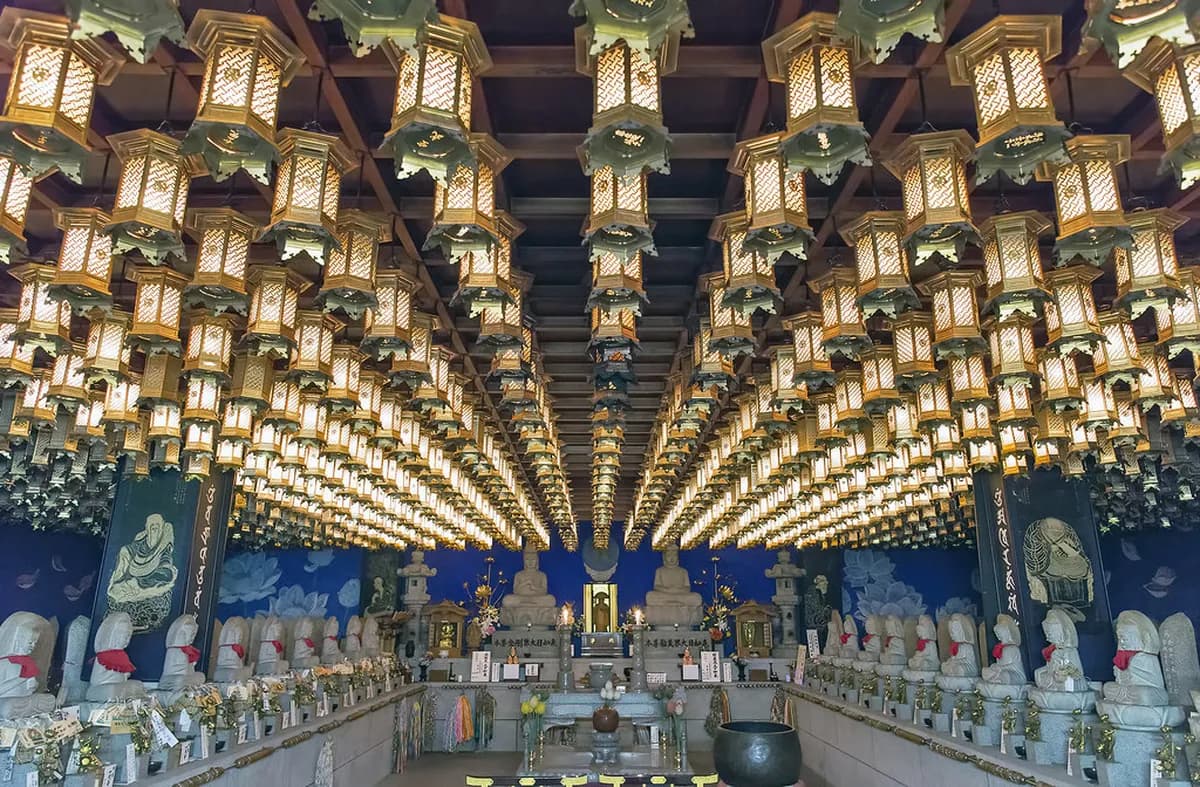
Miyajima Sake Brewery Tasting Guide
Plan miyajima sake brewery tasting guide with top picks, neighborhood context, timing tips, and practical booking advice for a smoother trip.
On this page
Miyajima island is best known for its floating torii gate and roaming deer, but the broader Hiroshima region surrounding it sits at the center of one of Japan's most storied sake traditions. Saijo, just 40 minutes east of Hiroshima by JR Sanyo Line, packs eight active breweries along a single walkable street. The island itself offers tasting shops steps from the ferry pier. Together they make a compelling two-part sake itinerary for any visitor based in Hiroshima in 2026.
Hiroshima prefecture pioneered soft-water brewing in the late 19th century, a technique that transformed Japanese sake production nationwide. Understanding that history turns a pleasant afternoon of tastings into something genuinely memorable. This guide covers the specific breweries, seasonal timing, regional context, and practical logistics you need to get the most from your visit.
Why Visit a Sake Brewery?
Reading a sake label tells you very little about what is actually in the bottle. A brewery visit changes that permanently. You see how soft water from mountain sources shapes fermentation, taste koji mold at work in a warm, humid room, and sample nama sake — unpasteurized and freshly pressed — that never reaches retail shelves. These are experiences a restaurant or bottle shop cannot replicate.
There is also the human dimension. Premium sake requires weeks of hands-on work: washing and soaking rice by the kilogram, monitoring fermentation tanks around the clock, and adjusting temperature by feel as much as by instrument. Watching a brewer carry steaming rice before dawn recalibrates your sense of what a quality bottle actually represents. Many visitors describe the first time they enter a working kura as the moment sake stopped being a drink and became a craft.
Practical benefits add up too. Breweries routinely offer limited seasonal releases and brewery-only labels that never appear in shops. Tasting fees are typically low — ¥500–¥1,500 for a flight of four to six pours — and many facilities are free. The Hiroshima region in particular has invested in English-language signage and guided tours, making it one of the most accessible sake destinations in Japan for international visitors.
Japan's Four Major Sake Regions: An Overview
Japan has over 1,200 active breweries spread across nearly every prefecture, but four regions define the country's sake identity: Niigata, Fushimi (Kyoto), Nada (Hyogo), and Saijo (Hiroshima). Each produces a fundamentally different style, determined primarily by water source and local rice. Understanding the differences helps you choose where to spend your time and what to expect in the glass.
Niigata in the north produces crisp, clean, dry sake — the style known as tanrei karakuchi — using snowmelt water so soft it is almost mineral-free. Fushimi in southern Kyoto draws on medium-soft spring water from the district's legendary "Seven Wells," yielding sake that is mellow, rounded, and gently sweet. Nada along the Kobe coast uses hard, mineral-rich miyamizu water from the Rokko mountains to create bold, structured sake traditionally called otoko-zake. Saijo, the region most relevant to Miyajima visitors, uses Hiroshima's exceptionally soft water to produce sake that is smooth, slightly sweet, and exceptionally food-friendly.
| Region | Water Type | Style | From Miyajima |
|---|---|---|---|
| Saijo (Hiroshima) | Exceptionally soft | Smooth, slightly sweet | ~75 min |
| Fushimi (Kyoto) | Medium-soft spring | Mellow, gently sweet | Day trip possible |
| Nada (Hyogo) | Hard, mineral-rich | Bold, dry (otoko-zake) | Via Kobe |
| Niigata | Ultra-soft snowmelt | Crisp, clean, dry | Separate journey |
For travelers based on Miyajima or in Hiroshima city, the natural starting point is Saijo. It is the only major sake region reachable as a day trip from the island without an overnight stay. Fushimi and Nada are both worthwhile extensions if your itinerary includes Kyoto or Kobe. Niigata requires a separate journey north.
Region: Saijo, Hiroshima — The Soft Water Pioneer
Saijo is the sake district that Miyajima visitors are best positioned to visit. The town sits along the JR Sanyo-Honsen Line: take the JR ferry from Miyajima to Miyajimaguchi, then transfer to Kyoto Station and board an eastbound rapid to Saijo. Door to door, the journey takes roughly 75 minutes from the island's ferry pier. Return trains run until late evening, making a same-day trip straightforward.
The town's compact Saijo Sakagura-dori (Brewery Street) concentrates eight breweries within a ten-minute walk of Saijo Station. Each kura opens a tasting room during standard visiting hours (typically 09:00–17:00). The brick chimneys that punctuate the skyline are the district's visual signature — look for the tall nishiki-gura storehouses that have stood since the Meiji era. Kamotsuru Sake Brewery is the most established stop, with a sake brewing museum area and a tasting room where you can try their flagship junmai alongside seasonal releases. Raifuku and Hakubotan offer more intimate experiences with smaller crowds.
The Saijo Sake Festival in October draws over 200,000 visitors across two days and opens most breweries to free outdoor tastings. If your travel dates are flexible and you visit in autumn, this is one of the best sake events in Japan. Outside festival season, weekday mornings in Saijo are quiet and breweries are more attentive to individual visitors.
When to Visit: The Brewing Season Advantage
You can visit sake breweries year-round — tasting rooms and museum spaces operate on regular schedules regardless of season. But if you want to see active sake production, you need to arrive between December and March. During these cold winter months the kura come alive: steam rises from rice steamers, koji rooms hold fragrant warmth, and fermentation tanks bubble audibly. The sensory difference between a working brewery in January and the same space in July is enormous.
The Saijo Sake Festival in October draws over 200,000 visitors across two days and opens most breweries to free outdoor tastings. Limited-edition festival-only bottles are sold exclusively at each kura's booth and never appear in regular retail — buy one per brewery if you have luggage space.
Spring visits (April–June) offer a middle ground. Brewing winds down but fresh shiboritate sake — newly pressed and often unpasteurized — is at its peak availability. The weather is considerably more comfortable than winter, and tasting rooms tend to stock their widest seasonal range. Autumn brings hiyaoroshi, a once-pasteurized sake that has aged through summer and is released in September and October; it is one of the most sought-after seasonal styles and easy to find in Saijo during the festival period.
Summer is the least rewarding time for brewery visits but not without value. Museums are fully staffed, gift shops are well stocked, and queues are shorter than in any other season. If Hiroshima and Miyajima are on your summer itinerary, a Saijo morning is still worth the train ride — just lower your expectations for seeing production in progress. Book guided tours at smaller kura in advance regardless of season, as production spaces accommodate limited visitor numbers per day.
Tasting on Miyajima Island Itself
Miyajima does not have a dedicated sake brewery, but several shops along Omotesando shopping street stock a curated selection of Hiroshima regional sake and offer standing tastings. These are not full brewery experiences, but they are convenient and genuinely well-stocked. Look for shops specializing in local Hiroshima producers — Kamotsuru, Hakubotan, and Saijotsuru labels appear frequently. A flight of three to four pours typically costs ¥500–¥800.
The best time for island tastings is mid-afternoon, after the main shrine crowds thin out. Many shops near the pier close by 17:00, so plan to finish your Hiroshima attractions sightseeing before late afternoon if you want unhurried time at tasting counters. Pairing sake with Hiroshima's local oysters — available grilled at street stalls on Omotesando — is a combination that every regional food guide recommends for good reason. The mineral and umami notes in a local junmai cut the richness of the oyster cleanly.
For families or travelers who prefer not to visit a full brewery, island tastings are the lowest-commitment option. Children can browse shops and sample Momiji manju (maple-leaf cakes) nearby while adults taste. Budget around ¥1,000–¥2,000 per person for a relaxed sampling stop, significantly less than a guided tour in Saijo.
Notable Breweries Beyond Saijo: Extending Your Journey
If your itinerary extends to Kyoto, Fushimi is the most accessible and visitor-friendly sake district in Japan. The Gekkeikan Okura Sake Museum in the Fushimi district charges ¥600 admission and covers the full arc of sake history through original Meiji-era brewing tools, period photographs, and three pours in the tasting room. Fushimi's walking circuit along the Horikawa canal covers six or more breweries in a three-to-four-hour loop entirely on foot. It is the only major sake district where English signage is consistent throughout, making it the easiest solo option for international visitors.
In Kobe's Nada district, the Hakutsuru Sake Brewery Museum offers free admission and self-guided tours through realistic dioramas of the traditional brewing process. Nada produces roughly a quarter of all sake in Japan, and the scale of the operations is apparent even in the museum format. The district is accessible from Kobe's Hanshin rail network and pairs well with a Kobe Harborland visit. For travelers interested in the bold, dry otoko-zake style, Nada provides a pronounced contrast to Hiroshima's softer regional character.
Asahi Dassai Shuzo in Iwakuni, Yamaguchi Prefecture, is a notable addition for travelers who have already visited Miyajima — Iwakuni is 40 minutes southwest of Hiroshima by shinkansen, in the opposite direction from Saijo. Dassai produces some of Japan's most exported premium daiginjo sake and runs tours by reservation for small groups. Iwakuni is also home to the famous Kintai Bridge, making it a practical combined day trip from Hiroshima.
Sake Kasu and Beyond: What Else to Bring Home
Bottles are the obvious souvenir, but they are not the only one worth considering. Sake kasu — the lees left over after pressing — has been used in Japanese skincare for centuries. Brewery workers who handle the mash daily are observed to have notably soft, youthful hands, an effect attributed to the kojic acid and amino acids in fermented rice. Sake kasu-based soaps, face masks, and skin bars are sold at most Saijo brewery shops and at specialist stalls on Omotesando. They are light, easy to pack, and make more distinctive gifts than bottled sake for recipients who do not drink.
Sake lees are also used in Hiroshima cuisine. Kasujiru — a warming soup made with sake kasu, root vegetables, and miso — is a local winter dish available in Saijo restaurants near the brewery district. Trying it alongside a tasting flight gives you the full picture of how deeply sake production is woven into regional food culture, not just the drink itself.
For travelers visiting during the Saijo Festival in October, limited-edition bottles produced for the event are sold exclusively at each kura's festival booth. These are not available online or in standard retail. Pick up one bottle per brewery if you have luggage space — they are consistently well-priced relative to their quality and carry the year of the festival on the label.
Brewery Tour Etiquette and Practical Tips
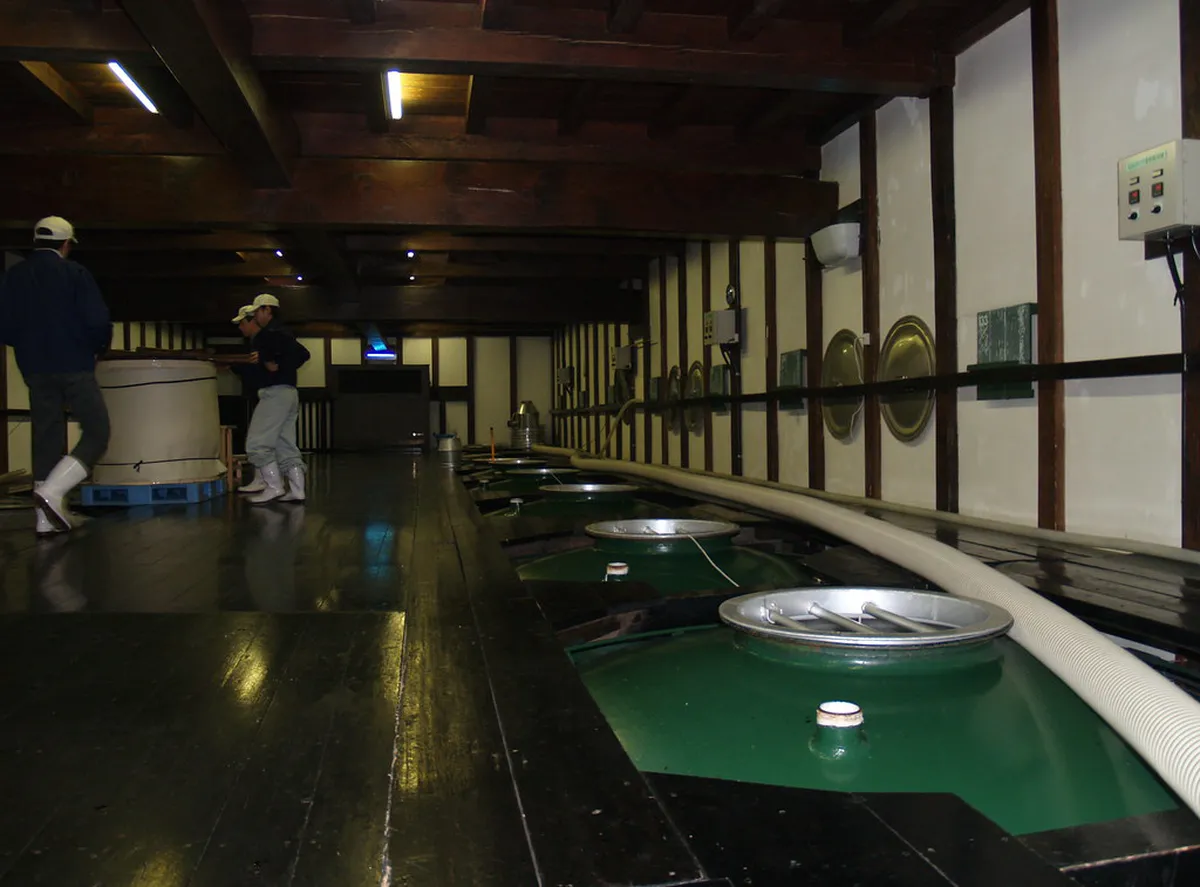
Remove fragrances before a brewery visit. Strong perfume or cologne interferes with the delicate aromas in tasting rooms and is considered inconsiderate in most kura. Wear comfortable, closed-toe shoes — brewery floors are often wet, uneven, or covered in fine rice dust. In winter, dress in layers: the interior of a working kura is intentionally cold (sometimes 5°C or below in production areas), but the koji room can spike to 35°C. Removing and replacing a jacket multiple times during a tour is entirely normal.
Smaller breweries in Saijo often do not accept credit cards at tasting counters. Carry ¥5,000–¥10,000 in cash to cover tastings, a bottle purchase, and lunch comfortably. Photography in production areas during active brewing season is usually restricted — ask before pointing a camera at fermentation tanks.
Photography policies vary. Most museum spaces permit photography of exhibits and tasting rooms. Production areas during active brewing season are often restricted — ask before pointing a camera at fermentation tanks or koji rooms. Toji (head brewers) are typically willing to explain their work in detail if approached respectfully, but avoid touching equipment or stepping outside the designated tour route.
Carry cash. Smaller breweries in Saijo and on Miyajima often do not accept credit cards at tasting counters. ¥5,000–¥10,000 in small bills covers a comfortable day including tastings, a bottle purchase, and lunch. The Miyajima deer guide is worth checking before your island day — the deer have learned that food bags are interesting, and an open shopping bag from a brewery gift shop will attract attention quickly on the walk back to the pier.
Combining Sake Tours with Other Japanese Drink Experiences
Hiroshima's drink culture extends beyond sake. Local craft beer producers have expanded rapidly since 2018, and several Saijo breweries now operate small craft beer taprooms alongside their sake tasting rooms. Trying both styles in a single afternoon — a light Saijo junmai followed by a Hiroshima pale ale — illustrates how water quality shapes fermented drinks across traditions. The contrast is instructive and genuinely enjoyable.
Japanese whisky distilleries are a natural pairing for sake enthusiasts. The nearest established whisky experience to Miyajima is Togouchi Whisky in Akiota, about 90 minutes north of Hiroshima by road. It is not practical as a same-day addition to a sake tour but works as a separate day trip for travelers spending multiple nights in the region. Green tea farms in the Hiroshima hinterland offer a third option for those interested in the full spectrum of regional agricultural drink traditions.
The most practical combination for a Miyajima-based traveler is pairing a morning on the island — shrine, deer, Momijidani Park foliage, and Daisho-in Temple — with an afternoon in Saijo. The ferry back from Miyajimaguchi and the JR ride to Saijo leave enough time to visit three or four breweries before the last comfortable train returns to Hiroshima. This is the standard routing most local guides recommend, and it works cleanly as a single long day without requiring an overnight in Saijo.
Frequently Asked Questions
Which miyajima sake brewery tasting guide options fit first-time visitors?
First-time visitors should start with tasting flights along the Omotesando shopping street. These cozy spots offer small, affordable pours of premium Hiroshima drinks. It is an easy way to learn your preferences. You can find excellent options near the main ferry terminal.
How much time should you plan for miyajima sake brewery tasting guide?
Plan to spend about two to three hours for a relaxed tasting experience. This allows you to walk between different shops and enjoy local snacks. It also fits perfectly into a full-day island itinerary. Be sure to check store hours before arriving.
What should travelers avoid when planning miyajima sake brewery tasting guide?
Avoid visiting during the busiest midday hours when crowds are largest. Many small tasting rooms have limited standing space. It is best to plan your tastings for the late afternoon. Always drink responsibly and respect local shop rules.
The Hiroshima region gives sake visitors something rare: world-class breweries within easy reach of one of Japan's most spectacular island destinations. Saijo's Brewery Street, Miyajima's tasting shops, and the nearby Dassai operation in Iwakuni form a coherent three-point itinerary that rewards careful planning. Whether you come in winter to see active brewing or in autumn for the festival, the soft-water style of Hiroshima sake is distinctive enough to anchor an entire trip around it.
Free: The Hiroshima Essentials guide
Top things to do, where to stay, a perfect day plan, getting around, and the best time to go — a Hiroshima mini-guide you can take offline.
You might also like


Continue reading
More guides you'll find useful