Best Cafes in Kamakura: Historic Houses & Seaside Coffee
Remove your shoes in a century-old kominka cafe, then find seaside coffee roasters. 10 Kamakura picks with what to order and how to dodge crowds.
On this page
Kamakura's cafe scene is its best-kept secret. Most visitors sprint through Kotoku-in and Hasedera, then catch the next train back to Tokyo — missing the real reason to linger. The city's signature experience is the 'kominka' cafe: a century-old wooden house converted into a quiet dining room where you remove your shoes at the door and sit on tatami while a garden view unfolds outside the window. No chain coffee shop replicates this. Japan's official tourism guide recognizes Kamakura's historic cafe culture as a cornerstone of the visitor experience. Our editors have reviewed every neighborhood in 2026 to find the ten spots that justify a slower visit.
Kamakura is also a serious food destination beyond the atmosphere. The city is famous nationwide for two specialties: Shirasu (tiny whitebait harvested fresh from Sagami Bay) and Wagashi traditional confectionery. Sweets guides covering Tokyo, Kyoto, and Kamakura are printed every season, placing this coastal town firmly in the top tier of Japanese cafe culture. You should pair your coffee with local specialty dishes and seasonal sweets whenever the menu allows. This guide moves neighborhood by neighborhood — from Kamakura Station toward Hase, then out to Shichirigahama and Enoshima — so you can plan a logical route without backtracking.
Specialty Foods of Kamakura: What to Order at Every Stop
Before you sit down at any of these cafes, understand the two flavors that define Kamakura food culture. Shirasu — tiny translucent whitebait fish — is served raw (nama-shirasu) or lightly boiled over rice. It is caught just offshore in Sagami Bay and arrives at restaurants the same morning. You will see it on menus at Tsubame Cafe as a side to their curry teishoku, and at BREAD, ESPRESSO & as a topping on their signature quarter-loaf plate. Eating Shirasu here is different from ordering it in Tokyo: the freshness is audibly different, with a clean oceanic sweetness rather than a salty brine.
Wagashi, the traditional Japanese sweets category, takes a different form in Kamakura than in Kyoto. Here the focus is on earthy, textured confections: anmitsu (agar jelly with sweet red bean paste), shiruko (warm red bean soup with mochi), and seasonal shaved ice topped with house-made syrups. Mushinan is the benchmark for this category. Mont Blanc chestnut desserts are a separate local obsession — freshly extruded chestnut cream squeezed directly over meringue and eaten immediately. Printed Kamakura sweets maps at the tourist office near the station exit list seasonal variations worth tracking.
Medicinal cuisine — called 'yakuzen' — is a third angle unique to Kamakura's cafe scene. Tsubame Cafe is the clearest example: every dish is built around ingredients chosen for their restorative properties, from warming root vegetables in winter to cooling green herbs in summer. This is not a marketing angle; the owner-chef trained formally in yakuzen philosophy before opening. It is the type of meal that makes you feel genuinely better after eating rather than just full.
Yoridocoro's ASA morning set is capped at exactly 50 servings per day and typically sells out within 30–60 minutes of opening at 07:00. Arrive at Inamuragasaki Station by 06:45 on weekdays or 06:30 on Saturday to secure a spot.
Neighborhood Cafe Guide: Which Station to Use
Kamakura's best cafes cluster around four Enoden line stops. Understanding this geography saves significant walking time. The Enoshima-Kamakura Freepass (purchased at Shinjuku or Odawara) covers unlimited Enoden rides plus the Odakyu line segment from Tokyo, making it the cheapest way to hop between areas. The Hakone Kamakura Pass extends this coverage further if your trip includes Hakone. Buy either pass before you leave Tokyo — station kiosks in Kamakura sometimes run out on busy weekends.
Kamakura Station (East Exit, Omachi neighborhood): Tsubame Cafe, Mont Blanc Stand, Sahan. This area suits morning visits before the Komachi-dori shopping street crowds arrive. Walk ten minutes east from the station past the quiet residential blocks to reach Tsubame Cafe. Mont Blanc Stand sits on a side street just off Komachi-dori — easy to combine with temple visits. Sahan is on the second floor of a building near the West Exit, better reached mid-afternoon when the lunch rush clears.
Hase and Yuigahama Stations: Tenugui Cafe Ichigeya (5 minutes from Hase Station), Mushinan and BREAD, ESPRESSO & (both near Wadazuka Station, between Hase and Yuigahama), Matsubara-an (3 minutes from Yuigahama Station). This is the most concentrated stretch for a cafe walk — you can cover all four on foot in under 90 minutes if wait times cooperate. Jika Baisen Coffee Gen also sits roughly 12 minutes from the main station toward the Hase district, making it a logical cap to the route.
Inamuragasaki Station: Yoridocoro. This is the furthest Enoden stop with a cafe on this list and the one that requires the most timing strategy (see the wait-time section below). Visitors combining Yoridocoro with a Shichirigahama beach walk should take the Enoden west from Hase rather than doubling back to the main station. Shichirigahama Station is one stop beyond Inamuragasaki and worth a quick detour for the Shonan coast views even if you are not eating there. Enoshima Island (Shima Cafe Enomaru) sits at the end of the line — add it as a half-day extension via the Enoshima day trip guide.
The 'Kominka' Experience: Historic Houses Turned Cafes
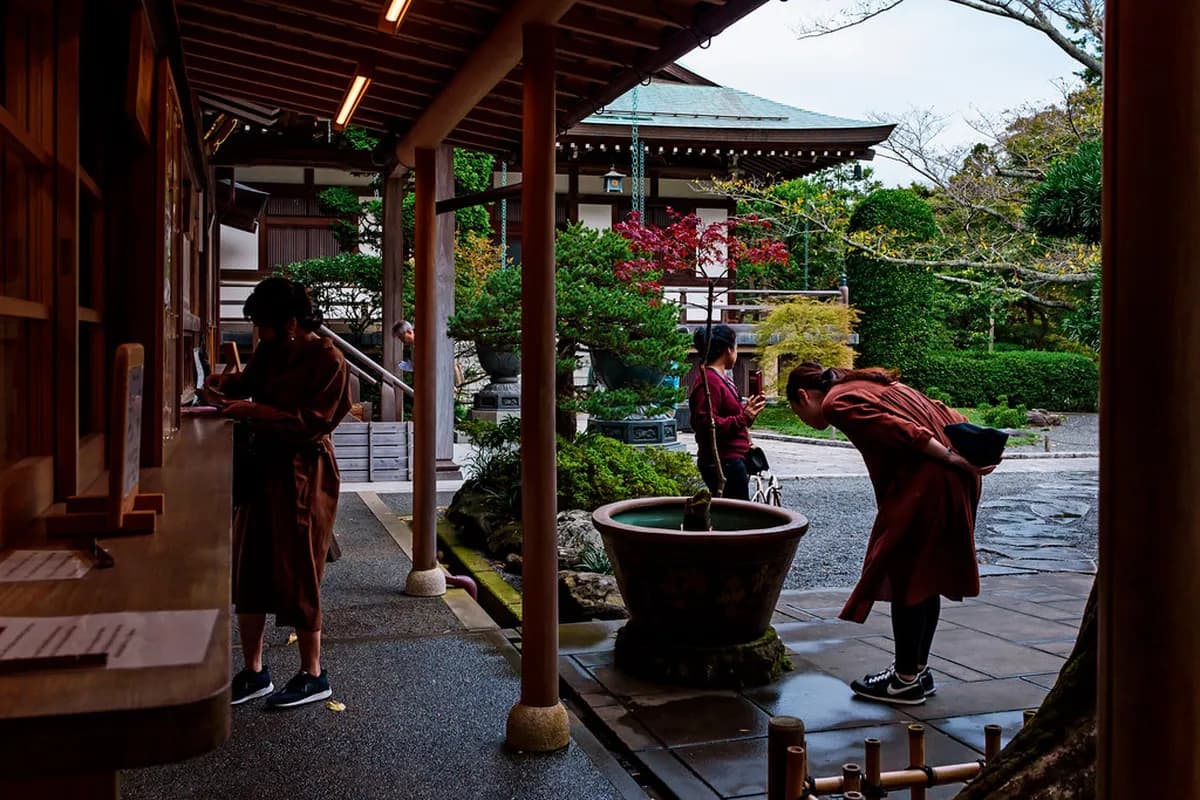
The defining feature of Kamakura's cafe culture is the kominka renovation. Many wooden townhouses and former private residences in this area date from the early Showa period (1930s–1950s) and were built in a style that combined Japanese traditional joinery with Western-influenced floor plans. When new owners convert these buildings into cafes, they typically preserve the tatami flooring, retro glass-pane windows, low chabudai tables, and the tokonoma alcove where seasonal decorations are displayed. Travel guides rate kominka houses as among the most authentic cultural experiences in Japan. The result is an atmosphere that no amount of interior design budget can manufacture — it has to be genuinely old.
Tsubame Cafe (90 years old), Mushinan (approximately 100 years old), and Tenugui Cafe Ichigeya (85-year-old structure) are the three clearest examples of this tradition on this list. Each requires removing shoes at the entrance and adjusting to the pace of a private home. Conversations are quiet, phones stay on silent, and the staff typically seat guests according to the flow of the tatami room layout rather than queuing order. Arriving in a large group can result in a longer wait because the rooms seat small parties naturally. Solo travelers and pairs move through these cafes fastest.
BREAD, ESPRESSO & takes a different renovation approach — it converted a former liquor store and residence into a bright, Western-leaning bakery. The cigarette sales corner and red postbox from the original shop remain as landmarks outside. This is a kominka renovation in spirit but not in atmosphere: it is louder, faster, and more suitable for a quick breakfast before a temple walk than a slow sit-down afternoon. The contrast makes it useful — it fills the gap when you need coffee before 9:00 and the tatami-floored houses are not yet open.
Mont Blanc Stand assembly is slow (2–3 minutes per order) despite a short-looking queue. Visit between 10:00–11:00 on your way to Hasedera temples to avoid 30–45 minute waits that peak between 13:00–15:00 on weekends.
The 10 Cafes
The entries below are ordered roughly by neighborhood, moving from Kamakura Station toward the Hase-Yuigahama stretch, then out to Inamuragasaki and Enoshima. All prices are in JPY unless noted. Most of these cafes are cash-only or prefer cash — carry at least 3,000–5,000 yen per person. Check official social media accounts for seasonal hour changes before visiting, particularly in winter and on national holidays. A complete day trip plan tying these cafes into a temple route is covered in our Kamakura day trip itinerary.
- Tsubame Cafe: Medicinal Cuisine in a Showa-Era House
- A 90-year-old wooden house serving yakuzen medicinal cuisine in the quiet Omachi neighborhood, 10 minutes east of Kamakura Station's East Exit.
- The owner is a former Italian chef who pivoted to medicinal cooking; the signature medicinal curry set comes with three generous side dishes and is the most requested item on the menu.
- Full set meals cost approximately 1,500–2,200 yen per person. Open 11:00–22:00; closed Tuesdays and the 3rd and 5th Wednesdays of the month.
- Vegetarian and vegan dishes are available — a rarity among Kamakura's historic cafes. Arrive at 11:00 on weekdays for the best seat selection; the garden-facing tatami window seats fill first.
- A small stream runs alongside the building and Mount Gion (53 meters high) is directly behind, providing a short optional hiking detour after your meal.
- Tenugui Cafe Ichigeya: Organic Dining Near the Great Buddha
- Located at 18-5 Sakanoshita, 5 minutes on foot from Hase Station, surrounded by Kotoku-in Temple (Great Buddha), Hasedera, and Goryo Shrine.
- The 85-year-old early-Showa building retains its original tatami floors and veranda; guests remove shoes and sit at low chabudai tables overlooking the garden.
- The lunch menu centers on colorful rice ball sets with seasonal vegetables and a medicinal brown-rice curry. All items are organic and good for the body. Open 10:30–17:30; closed Tuesdays and Wednesdays.
- The front section sells hand-dyed tenugui towels and owner-selected ceramics — among the most practical souvenir options near the Great Buddha.
- Budget approximately 1,200–1,800 yen for lunch. Carries cash only; no card payments accepted.
- Matsubara-an: Soba and Sweets in a Coastal Auberge
- Set in a historic early-Showa mansion in the Yuigahama area, 3 minutes from Yuigahama Station and a short walk to Yuigahama Beach.
- Specializes in hand-made Nihachi soba (80% buckwheat, 20% wheat) with Edomae-style dipping broth; a la carte dishes feature local Kanagawa seafood and vegetables.
- Full lunch sets run 2,000–4,000 yen. Open 11:00–21:30 daily (no regular closing day). English and Chinese menus available — uncommon among historic Kamakura restaurants.
- Garden terrace seating is available in good weather; book ahead for dinner to secure a table near the pine grove with evening lighting.
- The affiliated HOTEL AO KAMAKURA in Koshigoe, near Enoshima, serves the same soba with sea views — worth knowing if you are staying overnight on the coast.
- Mushinan: Traditional Japanese Sweets in a Hidden Garden
- Immediately in front of Wadazuka Station on the Enoden line; enter the garden by crossing the active train tracks — the only cafe on this list with a railway-crossing entrance.
- Approximately 100 years old and one of the oldest active kominka cafes in Kamakura. The interior tatami room faces a moss garden where hanging scrolls and seasonal flower arrangements change monthly.
- Menu focuses entirely on traditional Wagashi: anmitsu, shiruko, matcha with sweets, and seasonal shaved ice in summer. Most desserts cost 800–1,500 yen. Open 10:00–17:00; closed Thursdays.
- Chazuke (broth-poured rice) in four varieties — plum, kelp, seaweed, salmon — is available for those who need a savory option alongside sweets.
- Photographers: position yourself outside the garden gate and wait for the green Enoden train to pass before you enter. The track-crossing shot with the wooden gate is the most-photographed scene in Kamakura's cafe world.
- BREAD, ESPRESSO &: A Modern Bakery in a Historic Liquor Store
- At 1-10-5 Yuigahama, 10 minutes on foot from Kamakura Station. The building is a renovated 100-year-old liquor store and residence; the original cigarette sales corner and red postbox remain outside as landmarks.
- Opens at 08:00 — earlier than any other spot on this list — making it the right choice for pre-temple breakfast. The interior uses exposed wood throughout and has both indoor and open terrace seating in a converted warehouse annex.
- Signature item: a quarter-loaf plate paired with Shirasu topping, approximately 1,400 yen. Espresso drinks are well-pulled. Closed on irregular holidays; check social media the night before a visit.
- The store also sells picture postcards, eco bags, and daily necessities — continuing the community-store tradition of the original liquor shop.
- Weekend mornings see waits of 20–30 minutes for the terrace seats. Arrive at 08:00–08:30 on Saturdays to avoid queuing.
- Shima Cafe Enomaru: Retro Taisho Vibes on Enoshima Island
- Located at 2-3-37 Enoshima, Fujisawa City, on Oiwayado Street between Samuel Cocking Garden and Enoshima Iwaya Cave. Approximately 20 minutes from Katase-Enoshima Station on the Odakyu line.
- Built during the Taisho era (1912–1926); original glass doors, antique furniture, and vintage lighting create a cozy retro atmosphere. All furniture is for sale, so the interior changes subtly over time.
- Most popular item: the handmade banana cake, made with coarsely mashed bananas for a dense, sweet texture. Coffee and cake sets cost approximately 1,000–1,500 yen. Open 11:00 until sunset; closed on irregular Wednesdays and Tuesdays.
- The adjacent Japanese miscellaneous goods shop and gallery make Shima Cafe Enomaru a natural 90-minute stop for shopping, eating, and browsing rather than a quick coffee break.
- Take the Enoden from Kamakura to Enoshima and use the Enoshima-Kamakura Freepass to avoid buying a separate island ticket.
- Yoridocoro: Breakfast and Coffee by the Enoden Tracks
- At 1-12-16 Inamuragasaki, 2 minutes from Inamuragasaki Station. Converted from an early-Taisho building; the Enoden train passes directly in front of the outdoor seating area.
- The ASA morning set — carefully selected dried and grilled fish (Japanese jack mackerel or mackerel) with rice and raw egg whipped to a meringue-like texture — is limited to 50 servings per day and typically sells out within the first hour of the 07:00 opening.
- Full meals cost approximately 1,000–2,500 yen. Open 07:00–18:00; closed Tuesdays. A second branch near Yuigahama Station exists for those who miss the Inamuragasaki original.
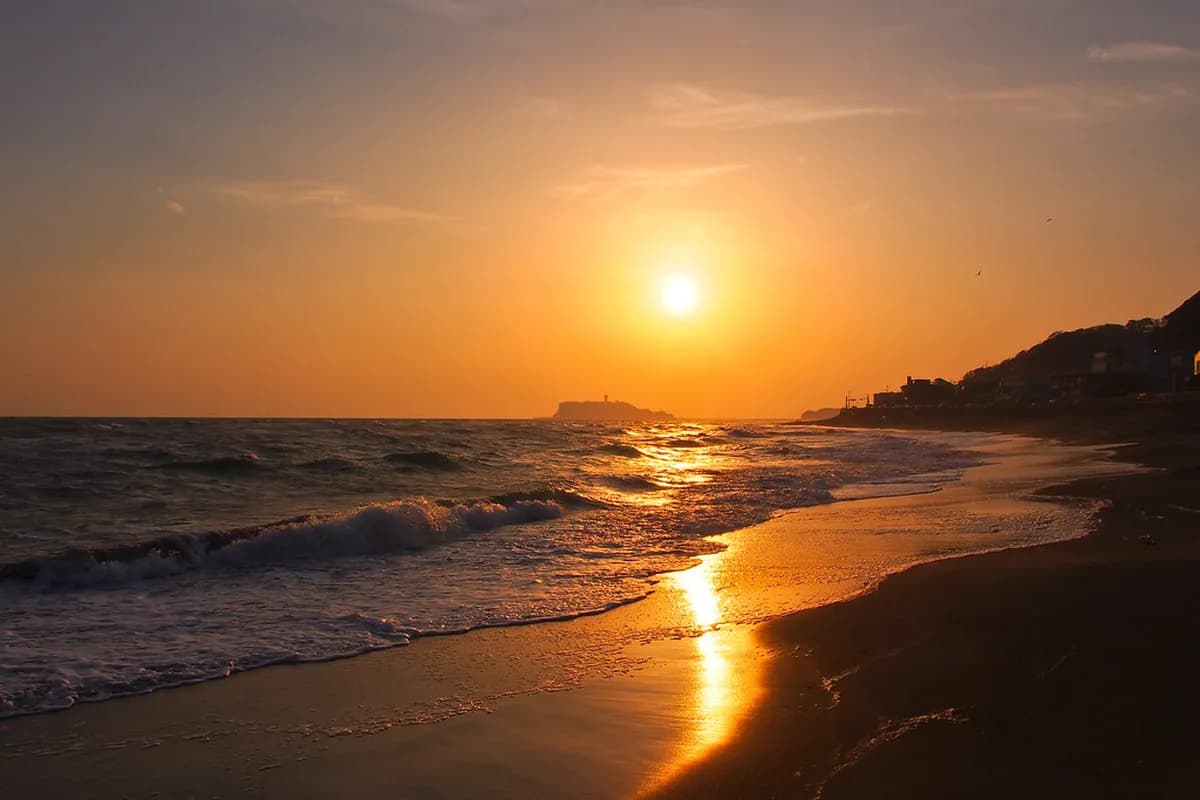
- Kamakura Seaside Park, a 2-minute walk from the cafe, is on Japan's list of 100 best Mt. Fuji viewpoints — the sunrise angle over Enoshima with Fuji in the background is best in December through February on clear mornings.
- Wait times for the morning set often run 90 minutes to over 2 hours on weekends. See the timing guide below for the best strategy.
- Mont Blanc Stand: Freshly Made Chestnut Desserts
- On a side street just off Komachi-dori near Kamakura Station. This minimalist stand serves a single product: fresh Mont Blanc — chestnut cream extruded over a crisp meringue base, assembled to order.
- The meringue softens within 5–10 minutes of assembly. Eat it standing at the wooden counter immediately; do not attempt to carry it to a nearby bench. This is structural, not a preference.
- Each dessert costs approximately 500–1,000 yen. Open approximately 10:00–17:00 (or until sold out). No indoor seating.
- Chestnut cream flavors rotate seasonally — peak season is September through December for classic chestnut; spring and summer bring lighter fruit-based variations. Check the stand's social media before visiting for the current week's rotation.
- Weekday mid-morning (10:00–11:30) sees the shortest wait: typically under 10 minutes versus 30–45 minutes on weekend afternoons.
- Sahan: Minimalist Teishoku and Artisanal Pottery
- At 13-38 Onarimachi (Hagiwara Building, 2F), near Kamakura Station's West Exit. A quiet second-floor space with modern minimalist decor and a view over the train tracks.
- The rotating teishoku lunch sets — braised proteins, seasonal vegetables, miso soup, salad, and rice — are served on beautiful locally made artisanal pottery. The menu changes frequently, sometimes weekly.
- Lunch costs approximately 1,200–2,200 yen. Open 11:30–17:00. This is one of the rare cafes on this list that does not derive atmosphere from its building age — it earns its place through the quality and presentation of the food alone.
- Solo travelers find Sahan especially suitable: the second-floor setting, the quiet atmosphere, and the counter-facing seats provide a reflective break mid-itinerary.
- The restaurant is credited by regular visitors as the starting point of a serious interest in Japanese pottery — several local ceramicists sell their work here informally.
- Jika Baisen Coffee Gen: Expertly Roasted Coffee in a Quiet Setting
- Approximately 12 minutes on foot from Kamakura Station toward the Hase district, in a quiet residential street. Jika Baisen means "self-roasting" — the owner roasts small batches daily on the premises for maximum freshness.
- This is the best option on this list for serious coffee drinkers who want to taste the difference between roast profiles. Ask the barista for a recommendation based on preferred roast level; they will tailor the cup.
- A premium hand-drip coffee costs approximately 600–1,200 yen. Open 11:00–18:00. No food menu beyond light accompaniments — this is not a lunch stop.
- The shop is small and quiet. It works best as either the first stop of the morning before crowds arrive, or the final stop of the afternoon after the Hase temple circuit.
- Single-origin beans from the current roast are available to purchase by the bag — a practical souvenir that travels well.
Beating the Crowds: Wait Time Reality Check
Two cafes on this list require specific timing strategies that competitors consistently gloss over. Getting these wrong wastes the best hours of your Kamakura day.
Yoridocoro: The morning dried-fish ASA set is capped at exactly 50 servings per day. The cafe opens at 07:00 and the sets are gone — consistently — within the first 60 minutes on weekdays and within 30–40 minutes on weekends from March through November. A sign-up system operates informally: the first group in line takes a slip and waits nearby. If you want the famous breakfast, arrive at Inamuragasaki Station no later than 06:45 on weekdays or 06:30 on Saturdays. Check Yoridocoro's official site for seasonal hour changes before your visit. If you miss the morning set, the cafe serves coffee and lighter items until 18:00 without a significant wait — an afternoon coffee with the Enoden passing at eye level is a reasonable consolation. The second branch near Yuigahama Station is a useful backup but does not serve the same dried-fish set.
Mont Blanc Stand: The queue looks short because there is no indoor waiting area — people stand directly in front of the counter. A line of 15 people moves slowly because each Mont Blanc is assembled to order and takes 2–3 minutes per customer. At peak weekend afternoon hours (13:00–15:00) this produces a 35–50 minute wait for what is a 10-minute eating experience. The solution is simple: visit on your way from Kamakura Station to the Hasedera temples, between 10:00 and 11:00, before the mid-morning tour groups arrive from Tokyo. The chestnut cream is also at its best in the cooler morning air — heat softens the meringue faster.
Mushinan draws quieter but consistent afternoon crowds. A short queue at the gate is normal on weekends between 13:00 and 16:00. The tatami rooms seat small groups naturally — arriving as a pair or solo almost always results in a shorter wait than arriving in a group of four or five. Thursdays are the closing day, which redistributes the week's demand to Wednesday and Friday afternoons.
How to Plan Your Kamakura Cafe Hopping Day
The Enoden line is the backbone of an efficient cafe day. Purchase the Enoshima-Kamakura Freepass (available at Shinjuku, Odakyu Line stations, or Odawara) for unlimited Enoden rides plus the inbound journey from Tokyo. The pass pays for itself after three Enoden trips. Our Kamakura transportation guide covers the current 2026 fares and where to buy each pass type.
A practical morning sequence: arrive at Kamakura Station by 09:00 on weekdays. Start at Mont Blanc Stand before the queue builds (10:00–10:30 window). Walk to Sahan for lunch (11:30 opening, arrive just before). Take the Enoden toward Hase for Tenugui Cafe Ichigeya as a mid-afternoon stop, then walk to Mushinan and BREAD, ESPRESSO & in the Wadazuka area. Finish at Jika Baisen Coffee Gen before it closes at 18:00. This route covers five cafes without significant backtracking and uses the Enoden only once between Kamakura and Hase.
If your primary goal is the Yoridocoro breakfast, restructure the entire day around an early start. Catch the first or second Enoden departure from Kamakura toward Inamuragasaki (trains begin around 07:00). After breakfast, ride back east to cover the Hase cluster in mid-morning before the 10am train crowds arrive from Tokyo. Many of the quietest seats in the tatami cafes are found between 09:30 and 11:00 on weekdays — a window that rewards early planning. A complete temple-and-cafe routing is in our Kamakura day trip itinerary.
Keep planning your trip with our complete Kamakura attractions guide, and explore Kamakura's local food and specialty dishes and Kamakura's hidden gems next.
Frequently Asked Questions
What is the best time of day to visit cafes in Kamakura?
Early morning is ideal for breakfast spots like Yoridocoro, while mid-afternoon is best for traditional tea houses. Most cafes get very crowded between 12pm and 3pm on weekends. If you visit on a weekday, you will find much shorter wait times at popular locations.
Are cafes in Kamakura expensive?
Prices are generally reasonable, with coffee and cake sets costing between $8 and $15. Full lunch sets in historic 'kominka' houses typically range from $12 to $25. Seaside locations may charge a slight premium for the view, but they remain more affordable than Tokyo counterparts.
Do I need to make reservations for these cafes?
Most cafes in Kamakura operate on a first-come, first-served basis and do not accept reservations. For high-end spots like Matsubara-an, booking a table in advance is highly recommended. For smaller shops, arriving 15 minutes before opening is the best way to ensure a seat.
Kamakura's cafe scene rewards patience and early starts. The kominka houses slow everything down by design — the tatami floors, the low tables, the garden views — and that is exactly the point. Taking the Enoden between neighborhoods, following the Shirasu or Mont Blanc to whichever corner it leads, is a better use of a day here than ticking off another temple. Start early, carry cash, and save the Yoridocoro breakfast for a weekday if you can.
We hope this 2026 guide helps you find your new favorite spot along the Shonan Coast. Remember to respect the quiet atmosphere of the kominka houses and always check for seasonal hours. Enjoy the culinary journey through one of Japan's most atmospheric and delicious coastal towns.
Free: The Kamakura Essentials guide
Top things to do, where to stay, a perfect day plan, getting around, and the best time to go — a Kamakura mini-guide you can take offline.
You might also like


Continue reading
More guides you'll find useful