11 Best Hotels and Travel Tips for Kamakura (2026)
Discover the best hotels in Kamakura, from luxury oceanfront resorts to historic stays. Plan your overnight trip with our expert guide to the Shonan coast.
On this page
Only 1.5% of the 20 million people who visit this coastal city annually choose to stay for the night. After my third visit to Kamakura, I realized that the true magic happens only after the final Tokyo-bound train departs. I finally stayed near the coast and discovered a quiet, spiritual side of the city that day-trippers never see.
Choosing where to stay in Kamakura depends heavily on whether you crave ocean sunrises or temple morning bells. This guide covers the 11 best hotels across every budget and travel style, a hotel comparison table, booking tips for the peak seasons, and the access information you need to plan a smooth trip in 2026.
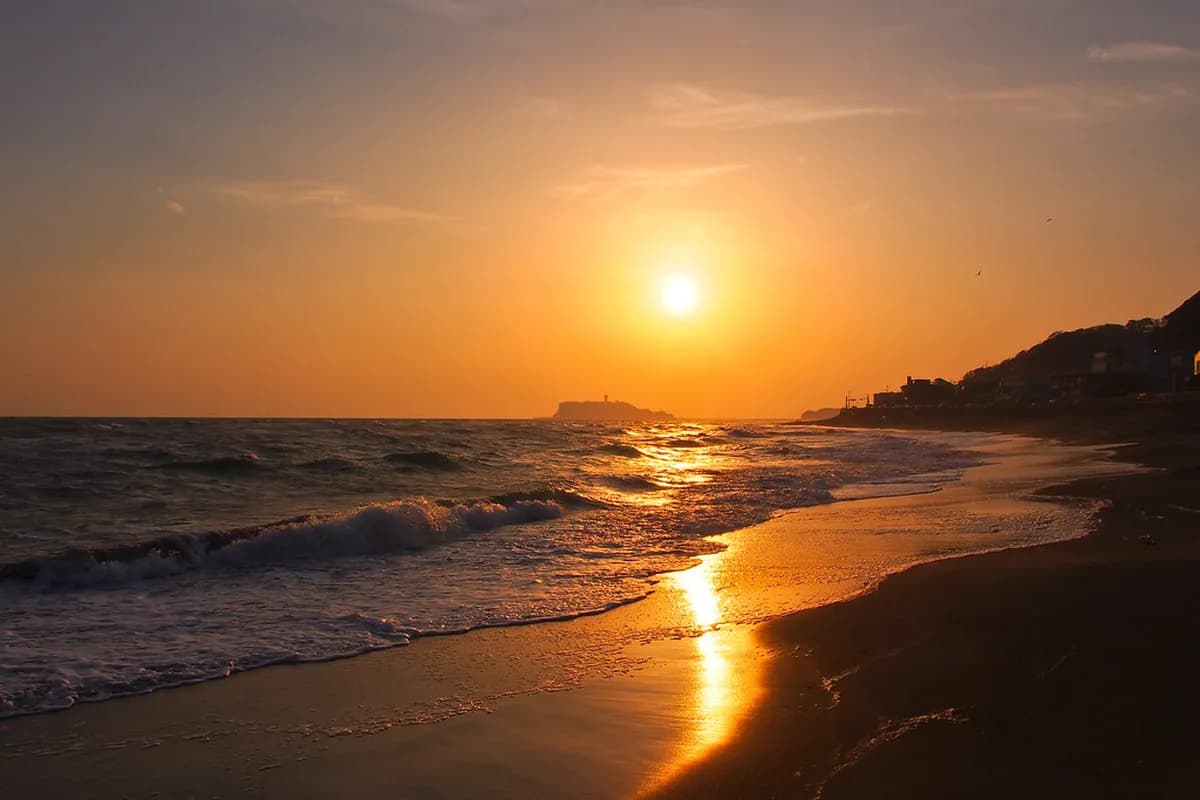
Staying overnight allows you to witness the sunset at Inamuragasaki Cape without rushing back to the station. The evening air brings a different energy to the ancient streets near the Great Buddha. You will find that the best hotels in Kamakura offer more than just a bed — they provide a gateway to Zen culture.
Why Stay Overnight? The Benefit of Kamakura After Dark
Most visitors treat this historic capital as a quick stop on a Kamakura itinerary from Tokyo. This rush means they miss the serene atmosphere of the temples during the early morning hours. By staying overnight, you can reach the most popular sights before the midday crowds arrive from the capital. The local restaurants also transform into intimate spaces where residents gather for fresh Shonan seafood.
The 1.5% statistic mentioned earlier highlights how exclusive the evening experience feels for those who stay. Walking through the Hasedera district at dusk feels like stepping back into a quieter era of Japanese history. One of the most memorable experiences is watching the moon rise over the Pacific with almost no one else on the beach. These moments of solitude are the primary reason to book a room rather than a return ticket.
Local festivals and evening illumination events are another major draw for overnight guests. Many temples host special night viewings during the autumn leaf and hydrangea seasons that end after the last tour buses leave. You can enjoy a leisurely dinner without checking your watch for the next JR Yokosuka Line departure. This relaxed pace is essential for truly absorbing the samurai history and Zen traditions of the region.
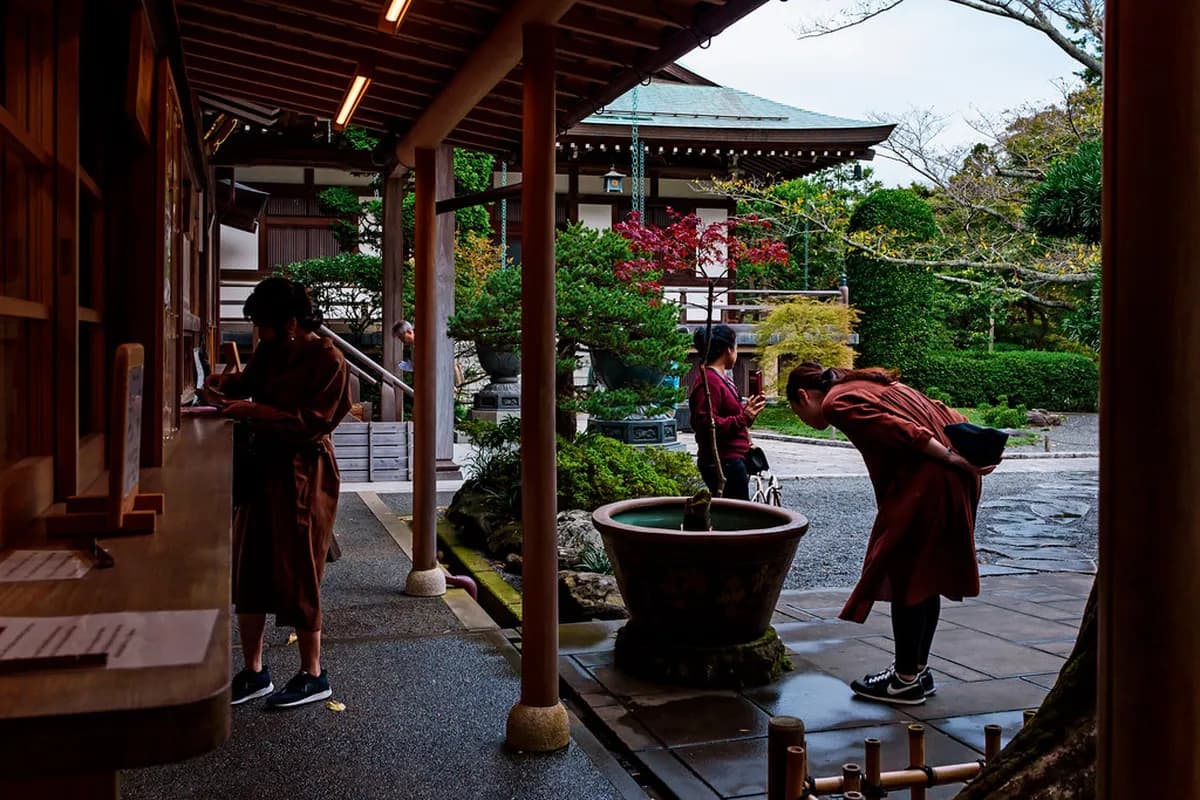
One experience that only overnight guests can realistically access is the early-morning zazen meditation session at Engakuji temple. The session starts at 06:00 and takes place in a perfectly quiet temple hall as the world shifts from darkness to light. Day-trippers arriving on the 09:00 train miss this by several hours. If waking early in a sacred space sounds appealing, position your accommodation near the Kita-Kamakura side of the city.
How to Choose the Perfect Hotel in Kamakura
Selecting the best area to stay in Kamakura is the most important decision for your trip. The Station area around the East and West exits is ideal for those who want to maximize their sightseeing time at major temples. You will be within walking distance of Komachi-dori street, Tsurugaoka Hachimangu Shrine, and the JR lines back to Tokyo. However, this area can feel quite busy during the day when tour groups arrive in large numbers.
The Coastal area, particularly near Yuigahama, Zaimokuza, and Shichirigahama, offers a much more relaxed, resort-like atmosphere. These hotels are ideal for couples looking for romance or families who want easy beach access. You will need to use the Enoden train or a rental bike to reach the inland historic sites from here. This area is best for people who prioritize ocean views and sunset visibility over proximity to temples.
Consider the specific amenities that matter most to your travel style. Kamakura has seen a significant boom in wellness-focused hotels offering private sauna experiences, mist saunas, and natural hot springs. If you are traveling with children, look for hotels like WeBase that offer larger family rooms and beach access. Always check if the hotel provides luggage storage, especially if you arrive before the standard 15:00 check-in time — Kamakura Station has coin lockers on both exits as an alternative.
Timing also matters for your budget. Hydrangea season (mid-June to early July) and autumn leaf season (mid-November to early December) are the two peak periods when nightly rates at popular properties can rise 30 to 40% above average and availability disappears weeks in advance. Book three to four months ahead if your trip falls in either window. Weekday stays throughout the year are consistently cheaper and less crowded than weekends.
Peak-season rates can jump 30–40% above standard pricing during hydrangea season (mid-June to early July) and autumn leaf season (mid-November to early December). Book 3–4 months in advance to secure availability in these windows.
Luxury vs. Historic Stays: Knowing the Difference
Kamakura's hotel market splits cleanly into two categories. The first is modern coastal luxury: purpose-built boutique hotels and villa rentals that prioritize ocean views, infinity pools, in-room saunas, and high-end design. HOTEL AO KAMAKURA, THE HARBOR TERRACE, and THE FLOW KAMAKURA all belong here. These properties opened between 2020 and 2021 and represent Kamakura's deliberate push to attract high-spend overnight visitors.
The second category is heritage hospitality. Kamakura Kokon is the standout example — a 160-year-old traditional house in a quiet residential neighborhood, restored into just two suites. Unlike the modern luxury properties, Kokon does not compete on amenities. It competes on authenticity. The on-site Restaurant COCON serves Italian cuisine made from Kamakura-grown vegetables and Sagami Bay seafood, which surprises guests expecting purely Japanese food and turns out to be one of the city's best dining experiences.
The Zen & Bed temple stay option represents a third, more austere path. You participate in mandatory morning zazen, sleep on futons in traditional rooms, and eat a vegetarian monk's breakfast. This is not comparable to a luxury stay — it is a short immersion in monastic life, and it suits travelers whose primary purpose is spiritual rather than recreational. Nightly rates around ¥12,000 to ¥20,000 (approximately $80 to $130) make it the most affordable option among the culturally distinctive properties.
Wellness Stays: Sauna, Onsen, and Mist Bath Compared
Kamakura's wellness hotel scene is more varied than a casual search reveals. Three properties offer sauna experiences, and they are meaningfully different from each other. KAMAKURA HOTEL's tea-themed private sauna uses fragrant tea instead of water to create steam — a Japanese take on the Finnish löyly tradition that is genuinely unlike anything in Tokyo. The sauna must be reserved in advance and books up on weekends; confirm your slot at the time you book your room, not at check-in.
BREATH HOTEL installs mist saunas directly in each guest room, combined with micro-nano bubble baths and bathroom televisions. The experience is softer and more passive than the KAMAKURA HOTEL sauna — better for guests who want relaxation woven into the room rather than a dedicated sauna ritual. BREATH also arranges surfing lessons with local instructors, which makes it a good fit if you want to pair wellness with some activity in the Shonan surf.
THE HARBOR TERRACE offers a poolside sauna positioned next to its rooftop infinity pool. The appeal here is the visual: you alternate between the sauna heat and the pool while looking out at the Sagami Bay and, on clear days, Mt. Fuji. It is the most theatrical of the three options. Hayama Umino Hotel rounds out the wellness picture with the Horizon Onsen — an artificial hot spring with panoramic ocean and mountain views. Aim to be in the water at least 30 minutes before sunset for the full effect.
Quick Comparison: 8 Top Hotels in Kamakura
Use this table to match each property to your travel style before reading the full descriptions below. Prices are approximate starting rates per room per night in standard season and will be higher during peak periods.
| Hotel | Location / Area | Price Band | Standout Feature |
|---|---|---|---|
| HOTEL AO KAMAKURA | Coastal, Koshigoe | ¥22,900+ per person | All-ocean-view, gourmet dining |
| KAMAKURA HOTEL | Station area, central | ¥9,000+ per person | Private tea-themed sauna (advance booking) |
| THE FLOW KAMAKURA | Coastal, Zaimokuza | ¥16,000+ per person | Full kitchen, rooftop terrace, 20s to beach |
| Hotel Metropolitan Kamakura | Station area, central | ¥7,000+ per person | 2-min walk to station, workation-ready |
| Kamakura Kokon | Residential, quiet | ¥43,000+ per person | 160-year-old house, Italian restaurant |
| BREATH HOTEL | Coastal, Kugenuma | ¥10,000+ per person | In-room mist sauna, surfing lessons |
| THE HARBOR TERRACE | Coastal, Zushi | ¥12,000+ per person | Infinity pool, poolside sauna, Mt. Fuji views |
| Hayama Umino Hotel | Coastal, Hayama | ¥21,000+ per person | Horizon Onsen, sunset-view hot spring |
HOTEL AO KAMAKURA: A Modern Oceanfront Retreat
Opened in March 2021, HOTEL AO KAMAKURA sits a three-minute walk from Koshigoe Station on the Enoden Line. The hotel's name means "blue" in Japanese, and the calming color is woven throughout the 16 guest rooms, every one of which faces the Shonan Sea. If you book a higher floor, the ocean view is expansive enough to watch surfers work morning swells from your bed.
The on-site dining room, "Kamakura Matsubara-an Ao," is produced by the long-established local restaurant Matsubara-an and serves dishes built around locally sourced ingredients and fresh coastal seafood. This is the most food-focused hotel in Kamakura, making it a strong choice for travelers who treat dining as the centerpiece of a trip. Rates start from approximately ¥22,900 per person (two people sharing), rising considerably on peak weekends.
The main trade-off is location. Koshigoe is a short ride along the Enoden from central Kamakura, meaning you will rely on the train or a rental bike to reach the main temple circuit. For guests who plan to spend most of their time near the coast or at Enoshima, this is not a problem. Book via the HOTEL AO KAMAKURA Agoda page for the most current seasonal rates.
KAMAKURA HOTEL: Relaxation with a Unique Tea-Themed Sauna
KAMAKURA HOTEL opened in November 2020, one minute on foot from the West Exit of Kamakura Station. The location is hard to beat for anyone who wants to walk to temples and shopping without a transit connection. Rooms blend modern comfort with traditional Japanese aesthetics and feel deliberately calm given the busy station surroundings outside.
The headline attraction is the private sauna designed around a tea ceremony theme. Rather than water on hot stones, staff use fragrant Japanese tea to produce steam — an experience that has no real equivalent in Tokyo's larger wellness hotels. Reserve the sauna when you make your room reservation, not at check-in; weekend slots are typically gone within hours of becoming available. After the sauna, the hotel's breakfast of premium rice balls made with natural spring water is worth staying in for, and refills are complimentary.
Starting rates are approximately ¥9,000 per person (two sharing). The sauna costs extra and requires advance booking. This property suits travelers who want central access to the historic temple circuit combined with a genuinely distinctive wellness ritual that rewards people who plan ahead.
KAMAKURA HOTEL's tea-themed sauna must be reserved when booking your room, not at check-in. Weekend time slots typically sell out within hours of opening, so confirm your sauna slot immediately after securing your room reservation.
THE FLOW KAMAKURA: A Luxurious Villa for Seaside Living
THE FLOW KAMAKURA is a mansion-style vacation rental just 20 seconds from Zaimokuza Beach, accessible with a nine-minute walk from Wadazuka Station on the Enoden. The property offers two exclusive suites, with the "SORA SUITE" on the upper floors featuring a rooftop terrace with direct ocean views. Each suite has its own living room, full kitchen, and bedroom, creating a residential experience that standard hotel rooms cannot replicate.
The kitchen is one of the most underused assets in Kamakura accommodation. Guests at THE FLOW can visit the nearby Kamakura Farmers' Market, pick up locally grown vegetables and fresh fish, and prepare their own meals at home prices. Alternatively, the property can arrange a private chef. This self-catering flexibility makes THE FLOW the strongest choice for families or small groups on multi-night stays.
Rates start from approximately ¥16,000 per person (two sharing) and climb significantly for the full villa on peak weekends. Book via the THE FLOW KAMAKURA Agoda page to check current availability. The main limitation is that reaching central Kamakura by train or bike requires planning, which suits guests who want the beach as their primary destination.
Hotel Metropolitan Kamakura: The Perfect Base for Sightseeing
Hotel Metropolitan Kamakura opened in April 2020 and sits two minutes on foot from the East Exit of Kamakura Station. For any traveler who wants to walk to Tsurugaoka Hachimangu Shrine, Komachi-dori shopping street, and the main bus stops without effort, no property in this list matches its convenience. Free Wi-Fi throughout and rental webcams and keyboards make it a legitimate workation option for remote workers looking to combine productivity with a coastal backdrop.
The ground-floor Café & Meal MUJI opens at 06:30, which is an unusually early breakfast for the area and aligns well with guests planning to catch the first Enoden trains to popular spots before the crowds. The hotel also sells packaged attraction tickets at the front desk, including bundles for Enoshima Aquarium, saving the small administrative friction of buying them separately online. Rates from approximately ¥7,000 per person (two sharing) make this the best value among the city-centre options.
Visit the Hotel Metropolitan Kamakura Agoda page for current rates and early-bird discounts. The trade-off is that the station area is busy and noisy by day, and the hotel itself does not offer any distinctive wellness feature. For guests who treat the room as a base rather than a destination, that trade-off is easy to accept.
Kamakura Kokon: An Exclusive Stay in a 160-Year-Old House
Kamakura Kokon is the most distinctive property on this list. A 160-year-old traditional Japanese house in a quiet residential neighborhood, it has been restored into just two couple suites — both maisonette (two-story) layouts that blend historic Japanese timber architecture with modern plumbing and bedding. With only two rooms, there is never a crowd in the corridors, and the entire experience feels closer to staying in a private residence than a commercial hotel.
The on-site Restaurant COCON is a genuine surprise. Guests sit at a counter facing an open kitchen, watching the chef prepare Italian cuisine made from Kamakura-grown vegetables and seafood drawn directly from Sagami Bay. The Italian format using local Japanese ingredients is unexpected and works exceptionally well — it has become one of the most talked-about dining experiences in Kamakura. It is worth noting that Kokon is a ten-minute taxi ride from Kamakura Station, so access is deliberate rather than spontaneous.
Rates start from approximately ¥43,000 per person (two sharing) and typically include meals. Booking several months in advance is not optional — this property is perpetually in demand for anniversaries and significant occasions. If you are planning a special trip to Japan in 2026, Kamakura Kokon should be reserved before you finalize any other part of the itinerary.
BREATH HOTEL: A Wellness-Focused Retreat with Mist Saunas
BREATH HOTEL is built around a single proposition: every room faces the ocean and every room contains an in-room mist sauna, a micro-nano bubble bath, and a bathroom television. There are no shared wellness facilities to book in advance; the wellness experience is entirely private and available at any hour of your stay. The hotel also employs a full menu of spa and esthetic services for guests who want professional treatment on top of the in-room amenities.
BREATH is situated near Kugenuma Beach, accessible with a 15-minute walk from either Kugenuma Kaigan Station (Odakyu Enoshima Line) or Shonan Kaigan Koen Station (Enoden). This places it slightly outside the main Kamakura temple circuit but squarely in the surf culture of the broader Shonan coast. The hotel arranges surfing lessons for beginners, which makes it a natural fit for couples where one person wants wellness and the other wants water sports. Starting rates are approximately ¥10,000 per person (two sharing).
THE HARBOR TERRACE: Infinity Pool and Ocean Views
THE HARBOR TERRACE opened in July 2021 in the Zushi area, bordering southern Kamakura. The rooftop infinity pool is the anchor feature — positioned so the water meets the horizon of the Shonan Sea visually, with Mt. Fuji visible on clear winter mornings. A poolside sauna adjacent to the rooftop lets guests alternate between heat and the pool, a pairing that the competitors with indoor saunas cannot replicate. All eight rooms include sea-view baths.
The property functions as a vacation rental with apartment-style rooms featuring full kitchens, which suits longer stays or groups who want to cook. The secluded Zushi location is roughly a ten-minute taxi ride from Kamakura Station and provides a quieter beach experience than the more central Yuigahama area. Rates start from approximately ¥12,000 per person (two sharing). Check the THE HARBOR TERRACE page for specific pool access rules and seasonal pricing.
Hayama Umino Hotel: Sunset Views from the Hot Spring
Hayama Umino Hotel opened in March 2020, set directly on the Hayama coastline a short walk from the Seijoji bus stop (Keikyu Bus from Zushi Station). Every detail of the design references the sea — from the ocean-view guest rooms to the lobby lounge where the SANDBAR serves original cocktails and desserts. Private rooms start from approximately ¥21,000 per person (two sharing), with a small selection of upscale dormitory options available at a lower price point.
The standout facility is the Horizon Onsen: an artificial hot spring with panoramic views of the ocean horizon and Mt. Fuji. Soaking while the sun descends behind the mountain is genuinely spectacular, and the hotel recommends arriving in the water at least 30 minutes before the scheduled sunset time to secure a good position and allow your body to fully warm up. Check the sunset time on a weather app the morning of your visit and plan accordingly — this single experience justifies the trip out to Hayama for many guests.
Budget and Mid-Range Options Worth Knowing
Not everyone visiting Kamakura is chasing a luxury experience. WeBase Kamakura sits steps from Yuigahama Beach and combines hostel and hotel formats under one roof. A large "Ship's Cat" sculpture marks the entrance, and the property offers yoga classes, a clean shared kitchen, and family rooms. Dorm beds start from approximately ¥5,000, while private rooms range from ¥15,000 to ¥25,000 — making it one of the few genuine beach-proximity options at a budget price.
Tosei Hotel Cocone Kamakura is the most reliable mid-range choice. It sits near the West Exit and provides clean modern rooms, a public bath, and a breakfast buffet mixing Japanese and Western dishes. Rates typically fall between ¥13,000 and ¥21,000 per room. The hotel offers free coffee throughout the day and a noteworthy selection of pillow types for a better night's sleep — a small detail that regular travelers notice.
For something entirely different at the lower end of the price scale, the Zen & Bed temple stay near Kita-Kamakura allows you to participate in morning zazen, sleep in simple traditional rooms, and eat a vegetarian monk's breakfast. Nightly rates are approximately ¥12,000 to ¥19,000 including breakfast. Participation in meditation sessions is typically mandatory, so confirm the schedule before booking. This option suits solo travelers and couples looking for cultural depth rather than comfort.
Traveling to Kamakura: Essential Access Information
The most efficient way to reach the city from Tokyo is via the JR Yokosuka Line from Tokyo Station or Shinagawa. This direct journey takes approximately 55 to 60 minutes and is fully covered by the Japan Rail Pass. The fare is approximately ¥940 one way. Alternatively, the Shonan-Shinjuku Line offers direct service from Shinjuku and Shibuya in about 60 to 65 minutes at the same fare. Consult a Kamakura transportation guide for specific platform and timetable details.
Once you arrive at Kamakura Station, the Enoden electric railway is the most iconic way to move along the coast toward Enoshima. The train runs roughly every 12 minutes and can get extremely crowded on peak weekends — travel during the early morning or late afternoon to avoid standing the entire journey. A one-day Enoden pass (¥800) is cost-effective if you plan to make more than three stops along the line.
Rental bikes are a practical alternative for exploring the flat coastal roads and connecting the main temple clusters. Several rental shops outside both station exits charge approximately ¥1,000 to ¥1,500 per day. Electric-assist bikes are available for the steeper northern routes toward Engakuji and Kencho-ji at a modest surcharge. For luggage, Kamakura Station has coin lockers on both the East and West exit sides, which are useful if you arrive before hotel check-in time and want to explore unencumbered.
Keep planning your trip with our complete Kamakura attractions guide, and explore our Kamakura accommodation guide and the best areas to stay in Kamakura next.
Frequently Asked Questions
Is it worth staying overnight in Kamakura?
Yes, staying overnight is highly recommended because it allows you to experience the city after the day-trip crowds depart. You can enjoy quiet mornings at the temples and beautiful sunsets at Yuigahama Beach without rushing back to Tokyo.
Which area is best for first-time visitors?
The area around Kamakura Station is best for first-time visitors who prioritize easy access to temples and shopping. However, the coastal Yuigahama area is superior for those seeking a relaxing beach atmosphere and ocean views.
How much do hotels in Kamakura typically cost?
Standard hotels range from $150 to $300 per night, while luxury villas can exceed $800. Budget options like hostels or guesthouses are available for $50 to $120 depending on the season.
Staying in one of the best hotels in Kamakura transforms a standard sightseeing trip into a deeply relaxing coastal escape. The city's unique blend of samurai history and modern beach culture is best enjoyed at a slow, deliberate pace. Whether you choose a minimalist boutique or a 160-year-old house, the evening tranquility will be the highlight of your visit.
Plan your 2026 journey with a focus on wellness and local immersion to get the most out of the Shonan coast. By joining the 1.5% of visitors who stay overnight, you unlock a side of Japan that most travelers completely overlook. Use the comparison table above to shortlist two or three options before checking availability, and book as early as possible if your trip falls during hydrangea or autumn leaf season.
Free: The Kamakura Essentials guide
Top things to do, where to stay, a perfect day plan, getting around, and the best time to go — a Kamakura mini-guide you can take offline.
You might also like


Continue reading
More guides you'll find useful