9 Best Areas to Stay in Kamakura: Neighborhood Guide (2026)
Discover the best area to stay in Kamakura with our 2026 guide. Explore top neighborhoods, hotel picks, and expert tips for a perfect coastal Japan stay.
On this page
Choosing the right base in Kamakura changes your entire experience. Most travelers rush through on a day trip, but staying overnight lets you see temples before the crowds arrive and catch sunset views of Mount Fuji that no commuter ever sees. This guide identifies the best area to stay in Kamakura based on your travel style, budget, and which landmarks matter most to you. All recommendations have been reviewed for 2026 with current hotel pricing and transport logistics. For more comprehensive Kamakura tourism information, consult the official destination guide.
Deciding where to stay in Kamakura depends on whether you want historic temple walks, modern beach vibes, or a quiet Zen retreat in the hills. The city is more spread out than it looks on a map, and the neighborhood you pick determines how much you walk versus ride. The Enoden railway line connects most coastal areas and is the single most useful tool for multi-area stays.
Is It Worth Staying Overnight in Kamakura?
Many visitors wonder is one day enough in Kamakura when planning their Kanto region itinerary. While you can see the major sights in eight hours, the town transforms into a peaceful sanctuary once the last tourist trains depart. Staying overnight gives you sunrise access to Yuigahama Beach before surfers even arrive, and evening walks at Inamuragasaki Cape offer some of the best Mount Fuji silhouettes in all of Japan.
Early morning access to the Great Buddha or Hasedera Temple is the single biggest advantage of booking a local room. Most day-trippers arrive after 10:00, meaning you can have the most iconic zen gardens nearly to yourself for two hours. An overnight stay also makes it practical to follow a full Kamakura itinerary without exhaustion from the commute. Two nights is the sweet spot for most travelers — one day for the temples, one for the coast and Enoshima.
Best Areas to Stay in Kamakura
Kamakura divides naturally into three zones: the temple-dense interior around the central station and Kita-Kamakura, the coastal strip running from Hase southwest to Enoshima, and the quieter eastern hills around Jomyoji. Each zone suits a different traveler. The Enoden Line links the coastal areas seamlessly; the JR Yokosuka Line connects Kita-Kamakura and central Kamakura to Yokohama and Tokyo.
The most popular choices are the Kamakura Station area for sheer convenience, Hase for the balance of culture and coast, and Yuigahama Beach for families and surf-town atmosphere. But the lesser-known neighborhoods — Koshigoe, Inamuragasaki, and Jomyoji — reward travelers willing to look beyond the obvious picks. The sections below break down what each area offers and who it suits best.
The Enoden Line (¥800 all-day pass) links all coastal areas seamlessly. Even staying at a western beach outpost like Koshigoe or Enoshima puts you within 20–25 minutes of the Great Buddha on a single train.
Kamakura Station Area
The area around Kamakura Station is the most convenient base in the city, with excellent transport links and the widest range of accommodation at every price point. From here you can walk to Tsurugaoka Hachimangu Shrine in ten minutes, catch the Enoden Line to Hase or the coast, or board the JR Line north to Kita-Kamakura. The main commercial street, Komachi-dori, is packed with street food vendors, souvenir shops, and izakayas within a few minutes' walk of the platforms.
Hotel rates here run from around ¥12,000 per night for budget business hotels up to ¥30,000 for premium properties. The Hotel Metropolitan Kamakura on Booking.com sits directly next to the station exit and is the most polished modern option in this zone — rooms are spacious by Japanese standards and the in-house restaurant is solid for breakfast. The Tosei Hotel Cocone Kamakura on Booking.com is a few minutes' walk away and offers communal bath facilities at a lower price point.
This area is ideal for first-time visitors and anyone arriving with heavy luggage, since the station acts as the city's main interchange. The downside is noise: Komachi-dori is crowded from 10:00 to 18:00 and the streets around the east exit stay lively into the evening. If you want quiet, choose a hotel on the west side of the station or consider Kita-Kamakura instead.
Kita-Kamakura Station Area
Kita-Kamakura is just one stop north of the main station on the JR Yokosuka Line, but it feels like a separate, forested village. The neighborhood is surrounded by wooded hills and home to two of Japan's most prestigious Zen temples: Engakuji (founded 1282, admission ¥300, open 08:00–16:30) and Kenchoji (Japan's oldest Zen training monastery, admission ¥500, open 08:30–16:30). Both temples are walkable from the station, and the trails between them pass through mossy cedar forests that are spectacular in November and December.
Accommodation options are limited here compared to the central station area, and most properties are boutique guesthouses or small ryokan-style inns in the ¥15,000–¥28,000 range. Book at least two months ahead, especially for autumn foliage season. Most local restaurants and cafes close by 18:00 or 19:00, so this neighborhood suits travelers who prefer an early start and a quiet evening over nightlife.
Kita-Kamakura is the best choice for solo travelers and couples who want a meditative, deeply traditional atmosphere. The quiet streets are lined with small art galleries and restaurants serving Buddhist-influenced shojin ryori cuisine. It is also the most practical starting point for the Gionyama Hiking Course, which connects through the forest toward the central temple district.
Hase Sightseeing Area
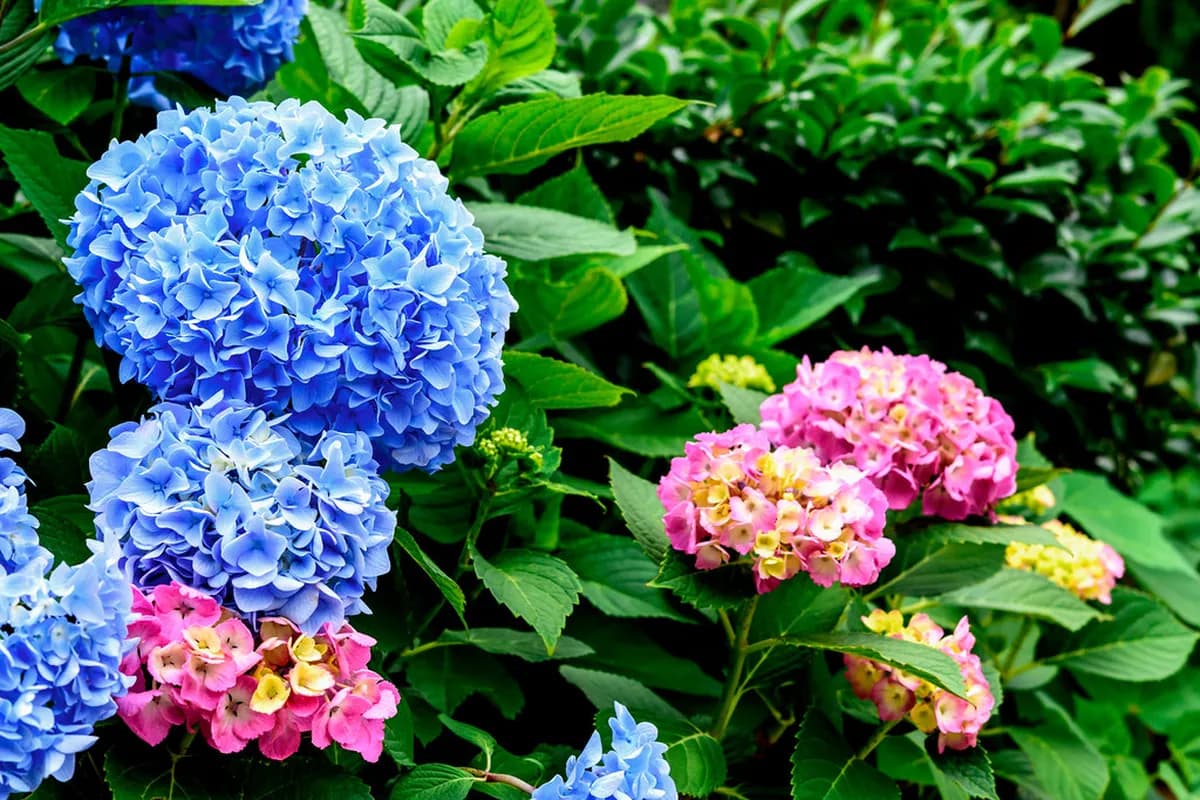
Hase is Kamakura's most popular sightseeing zone and offers the best balance of cultural landmarks and coastal access. The Great Buddha (Kotoku-in) is a 10-minute walk from Hase Station — open daily 08:00–17:30, admission ¥300. Hasedera Temple, famous for its 9.18-metre wooden Kannon statue and terraced hydrangea gardens, is five minutes away (admission ¥400, open 08:00–17:30). The 11th-century Goryo Shrine and several traditional craft shops are also in the immediate area.
Accommodation in Hase ranges from small guesthouses around ¥10,000 per night to traditional ryokan and boutique hotels at ¥25,000–¥40,000. Many of the best ryokan in Kamakura are found in the quiet side streets of this district. The WeBase Kamakura on Booking.com serves the hostel and budget end of the market well, while AKAMA Kamakura — a boutique hotel in a former historic residence — caters to guests looking for a high-end design-focused experience.
Hase works well as a base for families, culture-focused travelers, and anyone who wants to start and end each day within walking distance of major sights. The beach at Yuigahama is also reachable on foot in about 15 minutes. One practical note: hydrangea season in June brings very heavy crowds to this district, so book accommodation at least three months ahead if you plan to visit then.
| Area | Best For | Vibe | Transport Access |
|---|---|---|---|
| Kamakura Station | First-time visitors, heavy luggage | Busy, urban, commercial | JR Yokosuka Line, Enoden Line hub |
| Kita-Kamakura | Solo travelers, temple focus | Quiet, forested, meditative | JR Yokosuka Line (1 stop north) |
| Hase | Families, culture seekers | Balance of culture and coast | Enoden Line (central) |
| Yuigahama Beach | Families, surfers, beach lovers | Relaxed coastal, flat terrain | Enoden Line (5 min to sand) |
| Inamuragasaki Cape | Photographers, couples | Scenic, upscale, romantic | Enoden Line (Mount Fuji views) |
| Jomyoji (Eastern Hills) | Temple immersion, nature walks | Quiet, traditional, photogenic | Bus routes 23/24/36 (10 min) |
Best Hotels Near Hase
The Hase neighborhood consistently comes up as the top pick for first-time visitors because it puts you within walking distance of the two most iconic landmarks — the Great Buddha and Hasedera Temple — while keeping the beach and Enoden Line connections close. Options range from the budget end to high-end ryokan, so every type of traveler has a viable choice. Prices remain relatively stable outside of June hydrangea season and the Golden Week holiday in late April and early May.
For the best value in the area, WeBase Kamakura offers a modern hostel experience with a mix of private rooms and dormitories starting around ¥5,000–¥8,000 per person. At the mid-range level, the Kamakura Park Hotel near Yuigahama Beach provides full-service facilities including Japanese and Western dining. At the premium end, AKAMA Kamakura and Kaihinso Kamakura — the latter a historic Meiji-era villa near Yuigahama Beach — offer tatami rooms, traditional kaiseki dining, and a level of hospitality that modern business hotels cannot match.
When booking near Hase, look for properties that specify proximity to Hase Station rather than just "near Kamakura." The two stations are only a short Enoden ride apart but the walk between them is 25 minutes and hilly. Checking in early at a Hase property also lets you reach the Great Buddha by 08:30 — before the first day-tripper buses arrive from Tokyo.
Yuigahama Beach Area
Yuigahama is Kamakura's most popular beach and a natural draw for families, surfers, and travelers who want a relaxed coastal atmosphere alongside their temple visits. The beach itself stretches roughly one kilometer and is lined with seasonal beach huts selling food and drinks from mid-June through early September. Yuigahama Station on the Enoden Line puts you five minutes from the sand and fifteen minutes by train from the Great Buddha.
This area has a wider range of accommodation than Hase, including luxury resort hotels, mid-range options, and budget guesthouses. HOTEL AO KAMAKURA is a standout beachfront property with ocean-view rooms, modern interiors, and an on-site restaurant focused on local ingredients — rates typically start around ¥25,000. Families tend to prefer this neighborhood for the flat walking terrain, playground access, and proximity to Kamakura Park.
Outside summer the beach atmosphere is low-key and pleasant without the crowds. Winter walks along Yuigahama on clear days offer unobstructed views of Mount Fuji, which is often more visible from November through March when the air is driest. This is the one zone where weather significantly affects the experience, so pack a rain layer even in summer.
Zaimokuza Beach Area
Zaimokuza sits east of Yuigahama and offers a quieter, more residential stretch of coastline. The beach is popular with local families and day swimmers who want to avoid the denser crowds of Yuigahama. The major cultural draw in this zone is Komyoji Temple, known for its large autumn garden and unusual view of the sea framed through temple gates. The tranquil atmosphere makes it a good fit for travelers who find the central station area too hectic.
One practical caveat: Zaimokuza is not served by any train line. You need to take the Keikyu bus (routes 鎌40 or 鎌41) from Kamakura Station, which takes about 15 minutes. This adds a small logistical overhead compared to Enoden-connected areas. Accommodation here is mostly guesthouses, holiday apartments, and a handful of mid-range resort hotels, with nightly rates typically between ¥8,000 and ¥18,000. Budget travelers who want a beachside stay without paying Yuigahama prices will find good value here.
Inamuragasaki Cape and Shichirigahama Beach Areas
Inamuragasaki Cape sits at the western end of Yuigahama Beach and is one of the best-known photography spots in the entire Shonan coastline. On clear days — most reliably from October to March — the cape frames a direct view of Mount Fuji over the ocean. The cape park is free to enter and is served by Inamuragasaki Station on the Enoden Line. A small number of luxury villas and boutique accommodation sit near the cape, generally in the ¥20,000–¥40,000 range per night.
A short distance west along the Enoden Line, Shichirigahama is Kamakura's longest beach and carries a well-earned reputation as the upscale surf and dining zone. Locals often refer to this stretch as the "California of Japan" because of the palm-lined road, surf shops, and terrace cafes. Shichirigahama is popular for surfing and windsurfing but has strong rip currents that make it unsuitable for casual swimming. The Kamakura Prince Hotel, a hillside resort overlooking Sagami Bay with an outdoor swimming pool (summer only), is the flagship accommodation in this area.
These two sub-areas suit romantic couples and photographers more than families with young children. The dining scene around Shichirigahama is the most sophisticated in Kamakura — several brunch spots here have attracted food media coverage and long weekend queues. Arriving before 09:00 for coffee with an ocean view is one of the more underrated pleasures of staying overnight in this city.
Koshigoe Beach Area
Koshigoe sits between Shichirigahama and Enoshima Island and is the quietest of the western beach neighborhoods. The beach is calmer and better suited for swimming than Shichirigahama. It is also within walking distance of Enoshima's main attractions, making it an efficient base if you plan to spend a significant amount of time on the island. Koshigoe Station is just one stop from Enoshima Station on the Enoden Line.
The accommodation range here is surprisingly broad — luxury hotels, mid-range properties, guesthouses, ryokan, and holiday apartments all sit close to the station. UMITO Kamakura Koshigoe is the premium choice, a boutique oceanfront hotel with private terraces and panoramic sea views. Budget and mid-range travelers will find comfortable guesthouses from around ¥7,000 per night. This is the best area for visitors who want to combine a beach-focused stay with a day trip to Enoshima without getting on and off the Enoden Line too many times.
Enoshima Resort Area
Enoshima Island lies at the far western end of the Enoden Line, about 25 minutes from Kamakura Station and 20 minutes from Hase. Technically in neighboring Fujisawa City, it is close enough to serve as a viable base for exploring Kamakura, particularly for travelers who want a full resort atmosphere. The island hosts Enoshima Shrine (spread across three locations), the Iwaya sea caves, Samuel Cocking Garden, and the Enoshima Sea Candle observation tower. On clear days, the tower offers a striking elevated view of Mount Fuji across the water.
Accommodation on the island and the adjacent mainland covers a wide range. Iwamotoro, a long-established hilltop ryokan on the island itself, is famous for its ocean panoramas and traditional kaiseki dining — rates reflect the premium location. The mainland near Enoshima Station has more affordable mid-range hotels and guesthouses starting around ¥10,000 per night. The Kamakura Hotel on Booking.com is another option for travelers weighing properties in this broader coastal zone.
The island involves a significant amount of stair climbing to reach the upper shrines and observation tower. If mobility is a concern, the paid Enoshima Escalator system (Enopass, ¥360) covers the main ascent. Note that the island gets extremely crowded on summer weekends; the viewing conditions for Mount Fuji are actually better in winter. Staying on the island during a weekday in autumn or winter gives you a strikingly quieter experience than most guides describe.
Jomyoji Area
The Jomyoji district occupies the eastern hills of Kamakura and is centered on Jomyoji Temple — the fifth of the city's "Five Great Zen Temples" (admission ¥100, open 09:00–16:30). The famous bamboo grove of Hokokuji Temple is also in this zone (admission ¥400, open 09:00–16:00; tea and sweet set ¥500). This is one of the most photogenic corners of Kamakura, but it sees fewer visitors than the western temple circuit, which means a calmer and more authentic atmosphere even on busy weekends.
There is no train station in this area. You reach it by taking bus routes 23, 24, or 36 from Kamakura Station's east exit to the Jomyoji bus stop — about 10 minutes and ¥200. Bicycles rented from shops near the main station are another good option and make the eastern temple circuit more enjoyable. Accommodation here consists mostly of traditional ryokan, guesthouses, holiday homes, and apartments in the ¥15,000–¥35,000 range. This area suits travelers who want a deep immersion in traditional Japan and are happy to sacrifice direct transport links for atmosphere.
Kamakura vs Tokyo, Yokohama and Enoshima as a Base
Many travelers weigh sleeping in Kamakura against staying in a bigger city and visiting by train. The right answer depends on how much of Kamakura you plan to see and how much you value early and late hours.
| Base | Typical train time to Kamakura | Best for | Trade-off |
|---|---|---|---|
| Kamakura (Station, Hase or Kita-Kamakura) | 0 minutes | Temples before 10:00, sunset on the coast | Fewer restaurants after 20:00; limited nightlife |
| Yokohama | About 25-30 minutes on the JR Yokosuka Line | Mixing Kamakura with city sights and dining | Daily commute eats into the early-morning advantage |
| Tokyo (Shinagawa or Tokyo Station) | About 55-65 minutes on the JR Yokosuka Line | First-time visitors covering several cities | Roughly two hours of round-trip travel each day |
| Enoshima | About 25 minutes on the Enoden Line to Kamakura Station | Beach days, island views, and sunset | Resort-style, busy on summer weekends |
When a Kamakura base wins
If your main goal is the Great Buddha and Hasedera before the day-trip crowds arrive, sleeping in Hase or Kamakura Station is the better choice. You also avoid the last-train problem: the final departures toward Tokyo leave Kamakura around midnight, which cuts short an evening meal on the coast.
When a bigger city wins
If you are in Japan for only a few days and want nightlife, department stores, or a wide choice of dinner options, a Tokyo or Yokohama hotel with a single Kamakura day works well. Our Yokohama Station area guide covers the neighborhood if you want a calmer, cheaper alternative to central Tokyo with a direct line to Kamakura.
For a longer Kanto trip, a common plan is two nights in Kamakura, then onward to your next stop. If you are also heading west, compare the neighborhood logic in our best area to stay in Kyoto guide, since Kyoto and Kamakura both reward staying near the sights rather than commuting in.
Quick List: Best Hotels in Kamakura
These are the properties that consistently stand out across different traveler profiles in 2026. The Hotel Metropolitan Kamakura on Booking.com is the best pick for travelers who want a modern, high-end experience directly next to the JR station — spacious rooms, good views, and an on-site restaurant. For budget-conscious visitors who want a comfortable and well-located central stay, Tosei Hotel Cocone Kamakura on Booking.com hits the sweet spot with communal bath facilities and a five-minute walk to the station.
Families looking for a beach option should consider Kamakura Park Hotel near Yuigahama, which offers multiple dining options and easy access to the sand. Couples who want a dramatic coastal setting will find the Kamakura Prince Hotel near Shichirigahama — with its hillside ocean views and seasonal outdoor pool — a strong choice. Solo travelers on a budget should look at WeBase Kamakura in the Hase area, which combines a good hostel atmosphere with proximity to the Great Buddha. All of these properties provide easy access to the Kamakura transportation guide points for exploring further afield.
The Enoden Pass: The Strategic Tool Most Visitors Miss
Every guide mentions the Enoden Line. Very few explain the Enoden All Day Pass (¥800 as of 2026), which makes it genuinely free to hop between any station on the 10-kilometer coastal route as many times as you want. A single ride costs ¥200–¥360 depending on distance, so if you plan to move between even four stations in a day — say, Kamakura to Hase, Hase to Inamuragasaki, and back — the day pass pays for itself immediately.
The pass is sold at Fujisawa Station, Enoshima Station, and Kamakura Station ticket machines. It covers the full route from Fujisawa through Koshigoe, Enoshima, Inamuragasaki, Shichirigahama, Hase, and Yuigahama to Kamakura. This is directly relevant to choosing a base: if you stay at Inamuragasaki or Koshigoe instead of central Kamakura, the perceived inconvenience of being "off-center" vanishes entirely when you hold a day pass. The Enoden also runs through street-level sections where the train shares the road with cars, which is one of the more unusual and photogenic rail experiences in the Kanto region.
One caveat: the Enoden gets very crowded on summer weekends and holidays, particularly at Kamakura and Hase stations. On busy days, passengers queue for 20–40 minutes to board. If you are based at a station further along the line (Koshigoe or Enoshima), you often board an emptier train heading toward Kamakura rather than fighting the crowds at the terminus. This is a meaningful practical advantage of the less-obvious western bases that no competitor article maps out explicitly.
Stay at Koshigoe or Enoshima instead of central Kamakura and you board uncrowded trains heading toward the main station. On busy summer weekends, this saves 20–40 minutes of platform queuing at Kamakura and Hase.
How to Plan a Smooth Kamakura Stay
Planning a trip to this historic city requires more foresight than a standard Tokyo excursion. Check the things to do in Kamakura list before picking your hotel so you can minimize transport time between sights. Most major temples open at 08:00–09:00 and close their gates promptly by 16:30–17:30. An overnight stay lets you split sightseeing naturally: morning for temples, afternoon for the coast.
For transport, the Enoden Line is charming but packs out on weekends and holidays. Use the local bus system for the eastern temples like Jomyoji to avoid the crowded main platform. A smart itinerary starts in Kita-Kamakura (temples early), works down to the station area and Hase (mid-day), and ends at the coast for sunset. This flow moves mostly downhill and west, which is much easier on your feet than backtracking.
Skip the main Komachi-dori street between 13:00 and 15:00 — it becomes a bottleneck where walking is difficult and the queued snacks rarely justify the wait. Use that window to explore the quieter forest hiking trails or the lesser-visited eastern temples. Budget travelers should note that convenience stores near the station stock good prepared meals at a fraction of restaurant prices and are completely normal to use for lunch in Japan.
Keep planning your trip with our complete Kamakura attractions guide, and explore our Kamakura accommodation guide and the best hotels in Kamakura next.
Frequently Asked Questions
How many nights should you stay in Kamakura?
Two nights is the ideal duration for most travelers. This allows one full day for the major temples and another for the beaches and Enoshima Island. You can enjoy the town's peaceful evenings without rushing back to Tokyo.
Is it better to stay near Kamakura Station or Hase?
Stay near the station for convenience and dining variety. Choose Hase if you want a more traditional atmosphere closer to the Great Buddha. Both areas are connected by a quick five-minute train ride on the Enoden line.
What is the best time of year to stay in Kamakura?
Late spring and autumn offer the most comfortable weather and stunning scenery. June is famous for hydrangeas but brings heavy rain and large crowds. October and November provide crisp air and beautiful fall foliage across the temple grounds.
Choosing the best area to stay in Kamakura ultimately depends on whether you value convenience, culture, or coastal views. By staying overnight, you unlock a side of the city that day-trippers never get to see — quiet sunrise temples, local izakayas, and sunset Fuji views from the cape. Pick your neighborhood based on the trade-offs above, grab an Enoden day pass, and you will spend less time commuting and more time in the places that make Kamakura worth the trip.
Free: The Kamakura Essentials guide
Top things to do, where to stay, a perfect day plan, getting around, and the best time to go — a Kamakura mini-guide you can take offline.
You might also like


Continue reading
More guides you'll find useful