9 Best Tips and Areas: Which Area of Okinawa to Stay In (2026)
Discover which area of Okinawa to stay in with our 2026 guide. We cover 6 top neighborhoods, car rental hacks, and the best time to visit for families.
On this page
After exploring the Ryukyu islands over four separate trips, I have learned that Okinawa is much larger than most visitors realize. Choosing the right base is the difference between a relaxing beach holiday and spending six hours a day behind the wheel. Okinawa's main island stretches over 100 kilometers from tip to tip, and different areas suit entirely different travel styles. This guide has been refreshed for 2026 to reflect current pricing, transport rules, and the areas where travelers are actually staying.
Many visitors arrive in Naha and assume they can see the entire island using public buses and the monorail. The most stunning beaches and the famous Churaumi Aquarium are located two hours or more to the north. This guide breaks down the best areas based on your priorities — urban convenience, resort beaches, remote nature, or island-hopping — and explains clearly who each area suits best.
Naha: Best Area If You Are Not Renting a Car
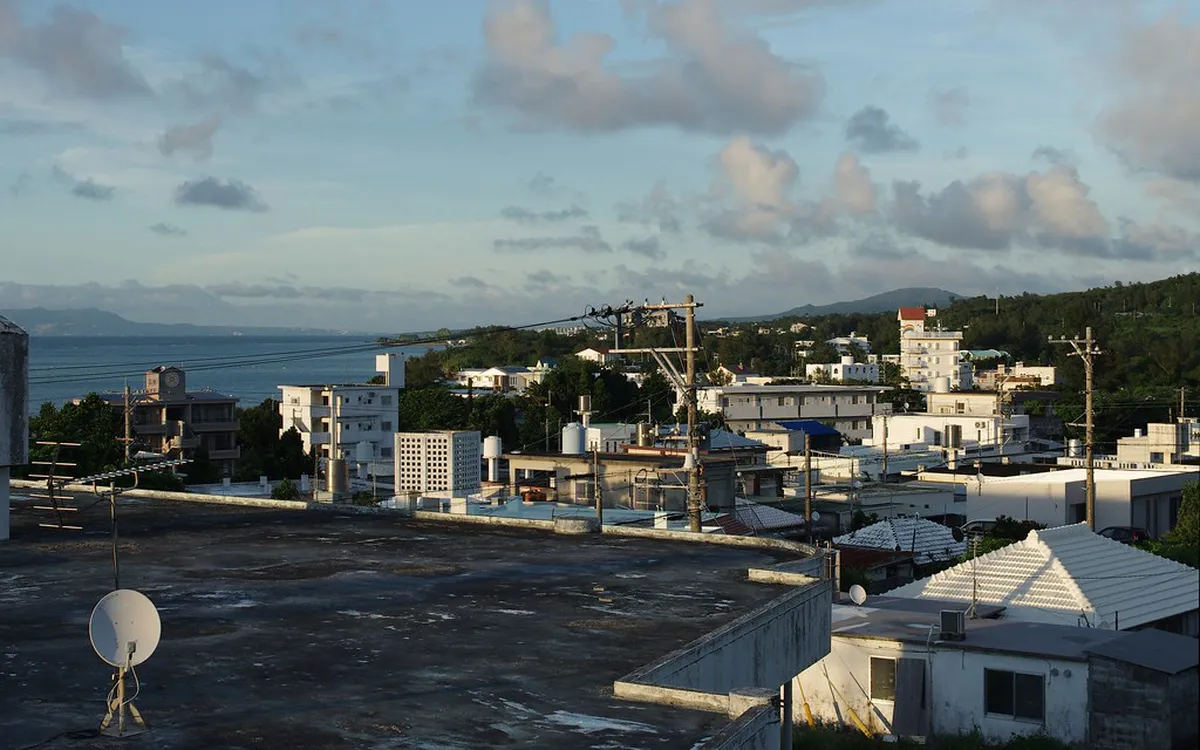
Naha is the capital of Okinawa and the only area where you can genuinely get by without a vehicle. The Yui Rail monorail runs from the airport through the city center to Shuri Castle, operating from 06:00 until midnight. Kokusai Dori, the main shopping street, is walkable from most hotels in the Makishi and Matsuyama districts. For first-time visitors on short trips of three nights or fewer, Naha is the easiest and most convenient base.
The historic Shuri Castle district is a 15-minute monorail ride from the city center and worth an afternoon even in 2026, as reconstruction of the main hall continues and the surrounding UNESCO-listed stone paths are fully accessible. The Makishi Public Market reopened in a modernized form in 2023 and now has a food court floor above the market stalls where vendors cook purchases on the spot. Budget guesthouses near Matsuyama start from ¥3,000 per night, while business hotels in the Izumizaki area run ¥8,000–¥15,000. Check our the best Naha neighborhoods guide for street-by-street hotel recommendations.
The main drawback of basing yourself in Naha is the commute to beach areas. Getting to the Blue Cave at Cape Maeda takes 75 minutes by car or over two hours by bus. If beaches are your priority, Naha works best as a first or last night stop combined with a more central or northern base for the bulk of your trip.
The Yui Rail monorail operates from 06:00 until midnight and is the most practical public transport in Okinawa. Budget guesthouses near Matsuyama start from ¥3,000 per night, making Naha the most affordable base if you are comfortable without a car.
Onna and Yomitan: The Central Resort Coast
The stretch of coastline between Yomitan Village and Onna-son is where the majority of Okinawa's large beach resorts are concentrated. This 30-kilometer corridor puts you within 20 minutes of the Blue Cave snorkeling site at Cape Maeda, 30 minutes from Chatan's American Village, and roughly 50 minutes from Churaumi Aquarium. A rental car is essential here, but the location eliminates the extreme long-distance driving that Northern Okinawa requires. Most travelers visiting for beach relaxation combined with some sightseeing should consider this their home base.
Onna-son and Yomitan suit different budgets and styles despite sitting next to each other. Onna-son is dominated by large international brand resorts — the ANA InterContinental Manza Beach, Marriott Iheyajima, and Renaissance Okinawa all sit on or near its private beaches. Nightly rates run ¥25,000–¥80,000 depending on season, and these properties include water sports, multiple pools, and beach access. Yomitan sits just to the south and has a quieter atmosphere shaped by its pottery village culture. The Yachimun no Sato kiln district along Route 12 is one of the best places on the island to buy Ryukyu stoneware directly from working potters, and smaller boutique hotels here run ¥12,000–¥30,000 per night. Families with young children who want resort facilities should lean toward Onna-son; couples and culture-focused travelers get more value in Yomitan.
Both areas require a car for all practical movement — there are no meaningful bus routes connecting resort hotels to nearby attractions. Book your rental before arriving in Okinawa, especially for July and August visits when demand outstrips supply. The expressway toll between Naha Airport and the central coast is approximately ¥630 one-way.
Chatan and American Village: Central Base with Evening Energy
Chatan sits roughly in the center of the main island and hosts the American Village, a seaside entertainment complex built around a former US military base. The area runs active until 22:00 with restaurants, bars, clothing shops, and a Ferris wheel overlooking the sunset coast. It is the most convenient central base for travelers who want both beach access and evening options without driving back to Naha. Mid-range hotels here cost ¥10,000–¥25,000 per night and sit within walking distance of the waterfront.
The strategic position of Chatan makes it a strong choice for road-trippers doing the whole main island in one trip. From Chatan you can reach Naha in 35 minutes, the Blue Cave in 30 minutes, and Churaumi Aquarium in 70 minutes. Many organized day-trip tours from central Okinawa hotels also use Chatan as a pick-up point, which helps travelers without cars access northern sites. The large public car park near Sunset Beach is free and removes the parking stress of driving into crowded resort compounds.
Northern Okinawa and Motobu: Best for Nature and Churaumi Aquarium
The Motobu Peninsula and the surrounding Yanbaru forest region occupy the northern third of the main island. This is where Churaumi Aquarium sits alongside Emerald Beach, the Ocean Expo Park, and some of the island's most intact mangrove coastline. Staying in the north means arriving at Churaumi before the day-trip crowds from the south, which become very thick between 10:00 and 14:00. Small resort hotels and guesthouses in the Motobu area run ¥10,000–¥25,000 per night, considerably less than equivalent rooms on the Onna resort coast. For official island maps and seasonal event calendars, the Okinawa Convention & Visitors Bureau publishes comprehensive travel planning resources.
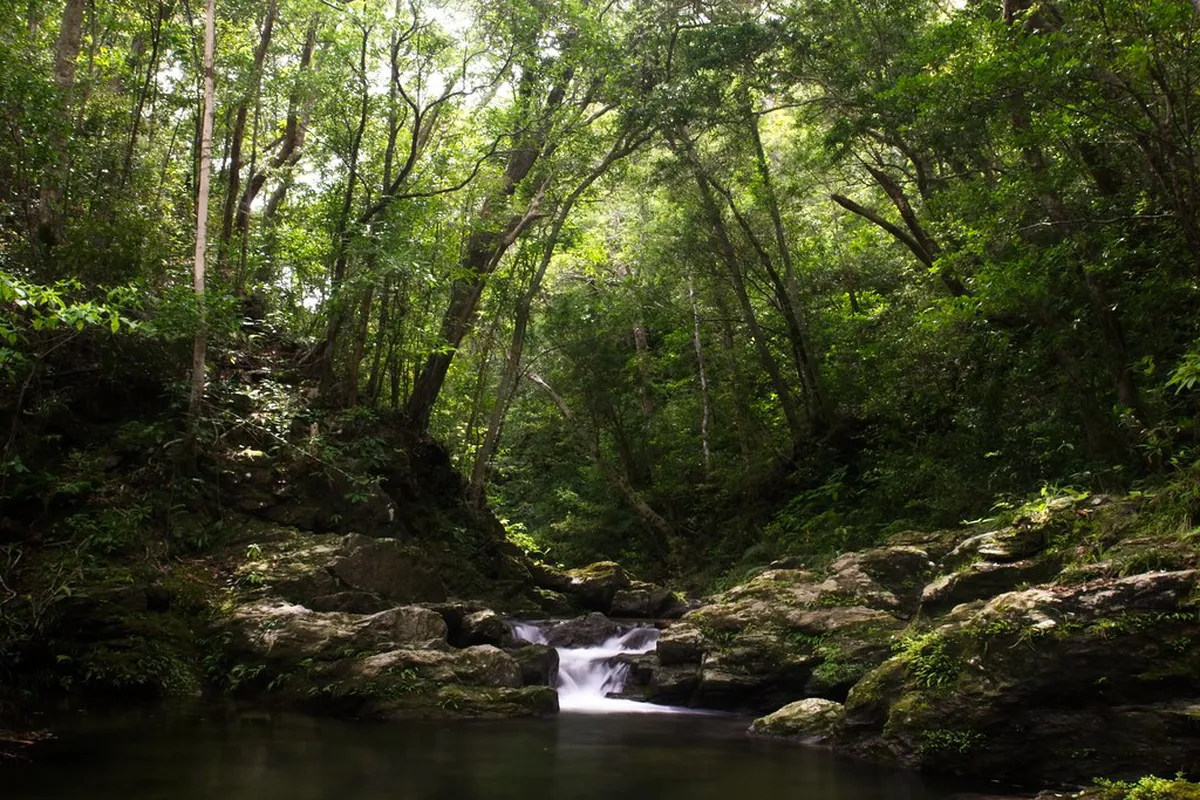
The trade-off is isolation. Most northern restaurants close early — by 20:00 in many villages — and the convenience store network thins out north of Nago City. Driving from northern Okinawa to Shuri Castle or central beach zones takes 90 minutes each way. Our northern Okinawa stays guide covers the best guesthouses near Motobu and the Yanbaru National Park entry points. We recommend the north for nature travelers, divers doing the Kerama-to-north circuit, and anyone spending four or more nights on the main island who wants to split a stay.
Churaumi Aquarium adult tickets cost ¥2,180 in 2026 and can be purchased at Lawson convenience stores for a small discount. The aquarium opens at 08:30 and last entry is at 17:30. Staying locally means a 10-minute drive versus a 100-minute slog from Naha, which alone justifies one or two nights based in Motobu for aquarium-focused itineraries.
Miyako Island: Best for Serious Beach Seekers
Miyako is a separate island 300 kilometers southwest of the main island, reachable by a 45-minute flight from Naha or a roughly 5-hour ferry. It has consistently topped Japanese travel polls for beach quality, largely because of Yonaha Maehama, a 7-kilometer white sand beach that faces shallow turquoise water ideal for swimming and paddleboarding. The pace of Miyako is noticeably slower than even Northern Okinawa. Miyako Island's geography includes several protected scenic areas and coral environments perfect for water sports. Travelers who have been disappointed by the crowd levels on the main island's beaches reliably find Miyako meets their expectations.
A rental car or scooter is effectively mandatory on Miyako — the island has no public transport system. The main town of Hirara has the bulk of the restaurants and convenience stores. Hotels range from ¥8,000 guest houses to ¥40,000 boutique resort villas overlooking Maehama. Our Miyako Island hotels guide breaks down the best areas and specific properties for different budgets. Flights from Naha to Miyako on Peach or Jetstar regularly sell for under ¥5,000 one-way if booked six to eight weeks out.
Ishigaki Island: Best for Diving and Remote Island-Hopping
Ishigaki is the southernmost city in Japan and the gateway to the Yaeyama Islands. The water clarity around Ishigaki and neighboring Iriomote regularly ranks among the top dive sites in Asia, with manta ray aggregations at Manta Scramble running reliably from June through November. Ishigaki serves as the political center of the Yaeyama Islands region. Unlike Miyako, which is relatively flat, Ishigaki has inland mountain trails and a working city center with a proper restaurant and bar scene around Misaki-cho. It suits travelers combining diving, snorkeling, and multi-island exploration.
Ferry connections from Ishigaki Port reach Taketomi Island in 15 minutes and Iriomote in 40 minutes, making Ishigaki the obvious base for a Yaeyama multi-island trip. Kabira Bay on the northwest coast is the island's postcard image — glass-bottom boat tours run from here because swimming is prohibited in the pearl farm waters, at ¥1,050 per adult. Scooter rental (¥2,500–¥3,500 per day) is the most practical way to explore the coast. For hotel options and neighborhood advice, see our Ishigaki Island stays guide.
Why Yomitan Gets Better Value Than Onna for Most Travelers
The resort coast is almost always described as a single zone, but Onna-son and Yomitan deliver noticeably different experiences. Onna-son prices are set by the large international chains — the Marriott, the Hilton, the ANA InterContinental — whose 2026 peak-season rack rates sit at ¥40,000–¥80,000 per night. These hotels have private beach stretches, multiple pools, and full resort programming, which justifies the price for families wanting an all-inclusive style trip without leaving the property. If you plan to spend most of your time at your hotel, Onna-son earns its premium.
Yomitan is just 10 minutes south but operates at a different register. The Yachimun no Sato pottery village is one of the few places in Okinawa where the Ryukyu craft tradition is genuinely alive rather than museum-ized. Potters fire work in wood kilns, sell directly from their studios, and occasionally run short workshops for visitors who arrange in advance. Hotels here are smaller and more locally run, sitting ¥12,000–¥28,000 per night. The beaches — particularly Toguchi Beach — are wide and clean but lack the resort infrastructure of Onna. For self-driving travelers who want real beaches, good food, and a cultural anchor beyond just snorkeling, Yomitan consistently delivers more for less money. This trade-off rarely appears in general Okinawa guides, which tend to lump the two areas under the single label "resort coast."
| Area | Best for | Notes |
|---|---|---|
| Naha | Non-drivers, short trips, city culture | ¥3,000–¥15,000/night; monorail access; walkable city center; 75 min to Blue Cave |
| Onna | Resort families, all-inclusive experiences | ¥25,000–¥80,000/night; private beaches; pools; 20 min to Blue Cave |
| Yomitan | Culture travelers, budget-conscious couples | ¥12,000–¥28,000/night; pottery village; quiet; good local food |
| Chatan | Road-trippers, evening activity seekers | ¥10,000–¥25,000/night; American Village; 35 min to Naha; 30 min to Blue Cave |
| Motobu (North) | Nature lovers, early aquarium visits, divers | ¥10,000–¥25,000/night; Churaumi Aquarium; Yanbaru forest; 90 min to Naha |
| Miyako Island | Serious beach seekers, 7-km Yonaha Maehama devotees | ¥8,000–¥40,000/night; 45 min flight from Naha; slower pace; turquoise water |
| Ishigaki Island | Divers, multi-island explorers, manta rays | ¥8,000+/night; best June–November diving; gateway to Yaeyama Islands; mountain trails |
Car Rentals, IDPs, and Getting Around Okinawa
Driving is the primary way to explore Okinawa beyond Naha, but the legal requirements are strict for foreign visitors. You must hold an International Driving Permit issued under the 1949 Geneva Convention to rent any vehicle in Japan. Drivers from the UK and Australia frequently bring the wrong permit type — their countries issue under the 1968 Vienna Convention, which is not accepted at Japanese rental counters. Apply for the correct IDP from your national motoring association at least two weeks before travel. Consult our the Naha transport guide guide for local transport alternatives within the capital.
UK and Australian drivers: your national motoring association issues IDPs under the 1968 Vienna Convention, which Japanese rental counters do NOT accept. You must apply for a 1949 Geneva Convention permit at least two weeks before your trip.
The Yui Rail monorail is reliable for navigating Naha but does not extend into beach resort areas. Buses exist for longer distances, though schedules are infrequent and journey times can run two to three times longer than driving. A small K-car is usually sufficient for two travelers and makes parking in tight village spots far easier. Driving is on the left, speed limits are enforced by roadside cameras, and the expressway toll from Naha to Nago runs about ¥1,200 one-way.
If you cannot drive, staying in Naha or Chatan is the sensible choice — both areas have organized day-trip tours with hotel pick-up that cover the northern aquarium and the Blue Cave. Taxis are available but become expensive for journeys beyond 20 minutes. Many cave snorkeling tour operators pick up from Chatan and Naha hotels for trips to Cape Maeda, making it possible to reach the best main-island snorkeling without a rental car.
When to Visit: Seasons, Typhoons, and Crowds by Area
May and October offer the best combination of warm water, manageable crowds, and lower accommodation prices. Rainy season (tsuyu) runs approximately late May through late June — it is warm enough to swim but the grey skies reduce beach appeal. July and August are peak season: water temperatures reach 29°C, prices across all areas double, and domestic tourists fill both the northern nature spots and the resort coast simultaneously. Book accommodation at least four months ahead for July and August stays.
Typhoon season peaks between August and October. A strong typhoon can cancel all ferry services to Miyako and Ishigaki for two to four days and ground short-haul flights from Naha. Travel insurance covering weather-related disruptions is a practical necessity for outlying island trips in this period. January and February see daytime temperatures around 15–17°C — comfortable for sightseeing but too cold for casual swimming. Winter is, however, the best season for whale watching: humpback whales migrate through the Kerama waters from January through March, and dedicated boat tours operate from Zamami and Tokashiki islands.
The Golden Week holiday in late April and early May and the Obon period in mid-August see the largest domestic travel surges. During these windows, the Blue Cave queues extend past two hours, the expressway backs up, and even northern guesthouses sell out months in advance. If your dates are flexible, the last week of October and the first two weeks of November are among the quietest and most pleasant on the island.
Frequently Asked Questions
Do I need a car to explore Okinawa?
Yes, renting a car is highly recommended because public transport is limited outside of Naha. The buses are infrequent and the monorail only covers the capital city area. You will save hours of travel time by driving yourself to northern attractions.
Is Okinawa expensive compared to Tokyo?
Okinawa is generally more affordable than Tokyo for food and local transportation. However, high-end beach resorts in Onna or Motobu can be just as pricey as luxury hotels in the capital. Expect to spend $100–$150 per day for a mid-range experience.
How many days is enough for Okinawa?
We recommend spending at least five to seven days to see both the historical sites in the south and the beaches in the north. This timeframe allows for a few day trips to the Kerama Islands or the Churaumi Aquarium. Shorter stays often feel rushed due to travel times.
Choosing which area of Okinawa to stay in comes down to two decisions: whether you are renting a car, and whether the main island or the outer islands match your beach ambitions. Naha works without a car; everywhere else requires one. The central resort coast between Yomitan and Onna suits most first-timers, while Miyako and Ishigaki reward travelers willing to add a short flight for dramatically better water. Secure your International Driving Permit before departure, book accommodation at least three months ahead for peak summer dates, and consider a split-stay if you have six or more nights — it removes the exhausting daily commute between the cultural south and the natural north.
For the full city overview, see our Naha attractions guide. For more on planning your trip, explore the Onna accommodation guide and northern Okinawa stays.
Choosing where to stay is part of planning a wider trip — start with our Okinawa things-to-do guide for the full picture.
Free: The Naha Essentials guide
Top things to do, where to stay, a perfect day plan, getting around, and the best time to go — a Naha mini-guide you can take offline.
You might also like
Continue reading
More guides you'll find useful