Where to Stay in Onna Okinawa: 7 Areas, Tips & Blue Cave Access
Onna sits about 60km north of Naha Airport on Route 58. Compare Manza Cape's calm bays to the resort strip, plus Blue Cave access and rental-car tips.
On this page
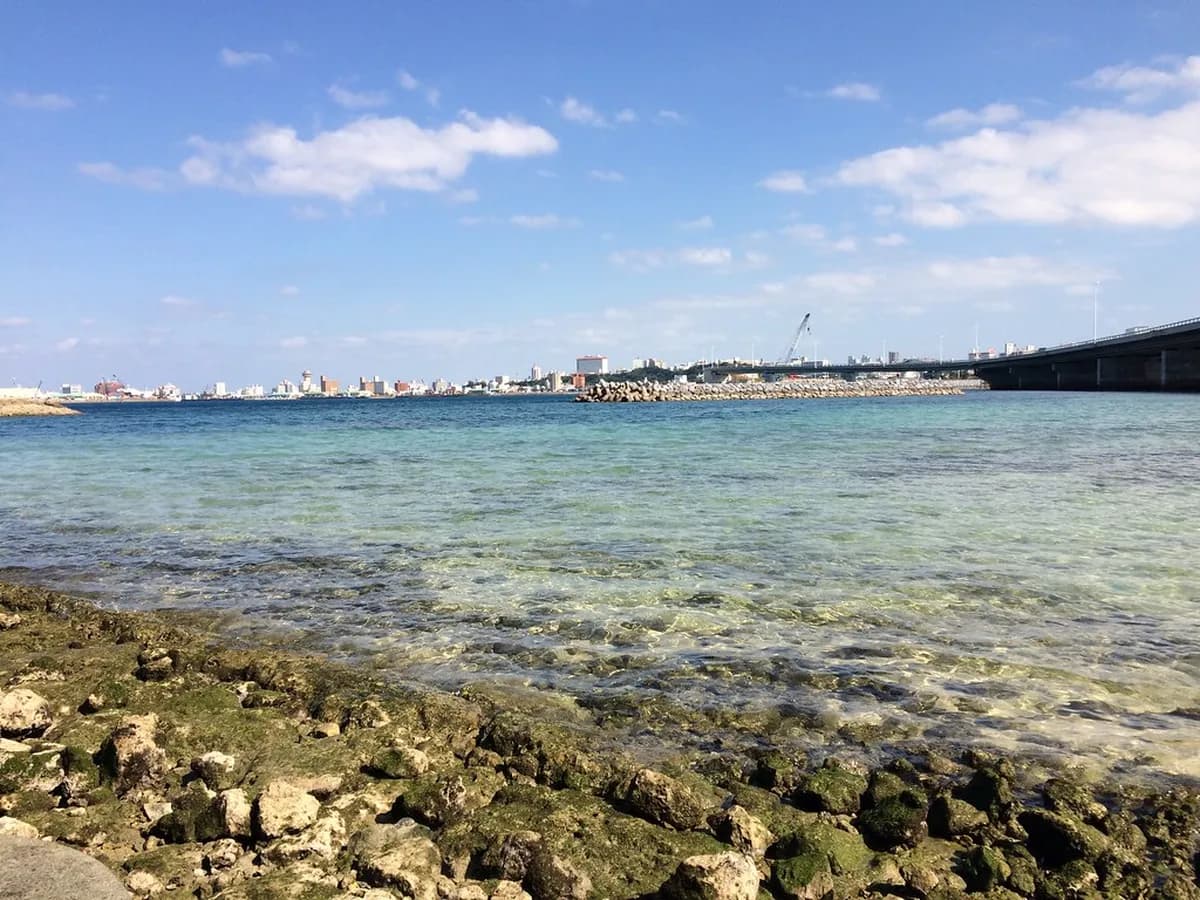
Choosing where to stay in Onna Okinawa defines your entire trip. The village sits at the heart of the central-west resort coast, roughly 60 km north of Naha Airport along Route 58. It offers the island's finest beaches, the Blue Cave snorkel site, and a string of luxury resorts that most visitors associate with "Okinawa beach holiday." But the details matter: the northern end of Onna around Manza Cape delivers calmer bays and easy access to Cape Maeda; the southern stretch near Moon Beach is closer to Chatan and better for those who want both beach and nightlife within reach. For broader travel context, see Japan Travel for the national tourism overview. This guide — updated for 2026 — covers the key areas, specific hotel picks across every budget tier, and the practical decisions (car rental, booking windows, split-stay timing) that determine whether the trip goes smoothly.
The short answer: stay in Onna Village if your priority is the beach, snorkeling, or a luxury resort. Split your stay — two nights in Naha first, then three or four nights in Onna — if you want the full Okinawa experience without committing all your transport time to one zone. Families considering an aquarium focus should factor in Motobu on the northern peninsula.
Onna Village: North End vs. South End — Which to Book
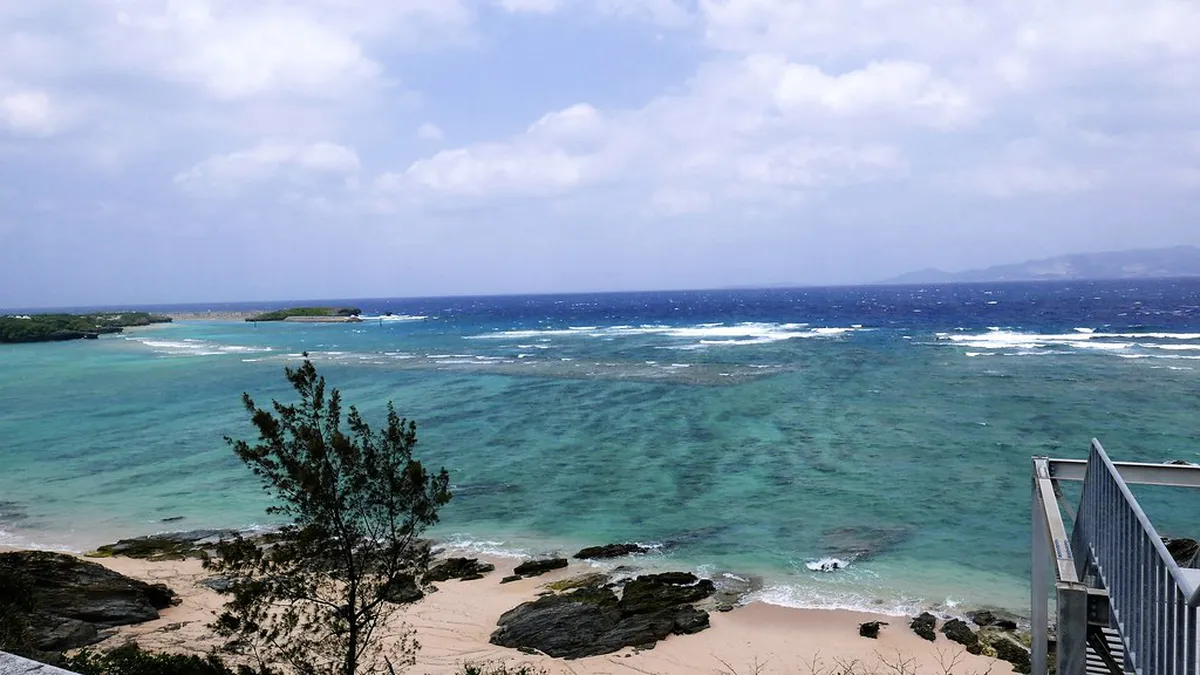
Most guides treat Onna Village as one place. In practice it divides into two distinct zones with different strengths. The northern end, anchored by the ANA InterContinental Manza Beach Resort and Halekulani Okinawa near Seragaki, sits closest to Cape Manzamo and Cape Maeda. The water here is calm enough for confident snorkelers and the drive to the Blue Cave entrance at Cape Maeda takes roughly 10 minutes by car. For detailed information on the Blue Cave experience, check the Onna village official site, which covers local attractions and marine access. Book the northern end if diving or snorkeling is your main activity.
The southern end — near Moon Beach Museum Resort and Hotel Monterey Okinawa — is about 15 minutes closer to Chatan by car. That matters if you plan evening excursions to American Village or want a sunset dinner near the Sunabe Seawall. The southern cluster also has the highest density of independent restaurants within a short walk of the hotels, which helps break the resort-bubble pricing problem. Families who want marine activities in the morning and a lively dinner strip at night often find the southern Onna stretch the better trade-off.
Both ends sit on the same strip of Route 58, so guests at any Onna resort can reach the other within 20–25 minutes. The distinction matters most for those who want to minimize daily driving. If you are undecided about choosing your Okinawa base in overall, this north-south split within Onna is worth thinking through before booking.
7 Best Hotel Picks in Onna Village for 2026
The following seven properties span the full range from high-end luxury to budget-friendly social stays. Prices reflect average nightly rack rates in high season (July–August 2026) and will be 20–40% lower in May, June, or October. All properties below have private or semi-private beach access. Book at least three to four months ahead for summer dates — many Onna resorts sell out by April for August arrivals.
Halekulani Okinawa is the benchmark luxury option, set directly on Seragaki Beach in northern Onna. The pool complex features a famous mosaic of 1.5 million tiles and the service standard matches its Hawaiian sister property. Expect to pay ¥60,000–¥130,000 per night (roughly $400–$900). Request check-in no earlier than 15:00 and reserve restaurant slots on arrival day — the popular Shiroux restaurant fills fast in peak weeks.
ANA InterContinental Manza Beach Resort sits on a private peninsula overlooking Cape Manzamo, with a professional dive centre on site. Standard room rates run ¥35,000–¥85,000 per night, usually with breakfast. Ask for higher-floor rooms on the west wing for unobstructed East China Sea sunsets. The marine desk operates 08:30–17:00 and handles Blue Cave bookings directly.
Renaissance Okinawa Resort is the top family pick at the southern end of the village. It has an indoor water park, dolphin encounter programs, and a dedicated kids' club. Nightly rates range from ¥40,000–¥100,000. The Teppanyaki restaurant requires a reservation — make it on check-in day for a harbour-view table. The marine desk closes at 17:00, so pre-book any next-morning water activities the day before.
Hoshino Resorts BEB5 Okinawa Seragaki is the standout mid-range option. Rooms are apartment-style with kitchenettes, the 24-hour lounge serves food and drinks all night, and rates average ¥17,000–¥35,000 — significantly below the surrounding luxury blocks. It suits solo travellers, couples on a moderate budget, and groups who want a long Okinawa stay without resorting to dormitory hostels. The shared bicycles are useful for reaching the roadside restaurants along Route 58.
The Busena Terrace sits just north of Onna village proper near Nago City, but operates as part of the same resort corridor. The estate features an underwater observatory and a glass-bottom boat ride included in the resort fee. Rates run ¥55,000–¥110,000. It is quieter than the Onna cluster and draws a slightly older demographic who prioritise calm over nightlife access. The Terrace Gallery is one of the better spots on the coast to buy genuine Ryukyuan lacquerware.
Moon Beach Museum Resort anchors the mid-market southern end. It has a crescent-shaped natural beach — one of the few in the area not artificially constructed — and an open-air atrium lobby with tropical plantings. Rates of ¥20,000–¥50,000 make it one of the most affordable options with genuine beach frontage. The surrounding streets have the best concentration of independent restaurants within walking distance of any Onna hotel.
Hotel Monterey Okinawa Spa and Resort offers colonial-style rooms and a multi-pool complex including a wave pool for young children. Direct access to Tiger Beach is a bonus for families. Standard ocean-view rooms start at ¥28,000 and top out around ¥70,000 in peak season. Book a Monterey Floor room for complimentary lounge and spa access, which substantially raises the value of the stay. The spa operates 06:00–23:00 for guests with a paid day-pass option.
| Area / Hotel | Price tier | Best for |
|---|---|---|
| Halekulani Okinawa (North) | ¥60,000–¥130,000 | Luxury benchmark, Hawaiian hospitality, mosaic pool |
| ANA InterContinental Manza (North) | ¥35,000–¥85,000 | Dive centre on-site, professional Blue Cave bookings |
| Renaissance Okinawa (South) | ¥40,000–¥100,000 | Families, indoor water park, dolphin programs |
| Hoshino BEB5 Seragaki (Mid) | ¥17,000–¥35,000 | Budget couples & groups, kitchenettes, 24-hour lounge |
| The Busena Terrace (North) | ¥55,000–¥110,000 | Quieter escape, underwater observatory, Ryukyuan crafts |
| Moon Beach Museum (South) | ¥20,000–¥50,000 | Natural crescent beach, walkable restaurants |
| Hotel Monterey Spa (South) | ¥28,000–¥70,000 | Families with young kids, wave pool, Tiger Beach access |
Budget and Mid-Range Options in and Around Onna
Onna Village has almost no true budget accommodation — no hostels, no capsule hotels, no guesthouses under ¥10,000 per night on the beach. If you are travelling on a tight budget, the practical options are to stay in Nago (20 km north) or Chatan (25 km south) and day-trip into the Onna resort corridor rather than paying resort rates. Nago has several business hotels and guesthouses in the ¥6,000–¥12,000 range that are useful for northern Okinawa road trips.
Within Onna, BEB5 Seragaki (above) is the closest thing to an affordable beach stay. A second option is booking one of the self-catering villas scattered along the inland hills — a 10-minute drive from the coast. These typically accommodate four to six guests at ¥8,000–¥14,000 per person per night, which undercuts resort rates for groups. Airbnb and Rakuten Travel list several options near Seragaki and Manza. Confirm the exact distance to the beach before booking — "near Onna" covers a wide range.
For families or groups who want to cook their own meals using local market ingredients, the self-catering route is also the best way to avoid the resort food markup. The Nago supermarkets (MaxValu, SAN-A) stock Okinawan ingredients including fresh goya, sea grapes, and locally caught fish. Most villa rentals include a full kitchen. Driving from an inland villa to the beach takes 10–15 minutes depending on which beach you target.
Book Onna resorts at least three to four months in advance for summer dates. Many properties sell out by April for July–August arrivals, with rack rates 20–40% lower in May, June, and October.
The Route 58 Food Corridor: Breaking the Resort Bubble
Every Onna guide mentions the "resort bubble" — the problem of paying ¥2,500 for a bowl of soba inside the hotel when the same bowl costs ¥700 at a roadside shop. What most guides skip is that Route 58, the coastal road running through the entire village, is lined with independent restaurants that sit 5–10 minutes by car from any Onna resort. You do not need to drive all the way back to Naha to eat locally.
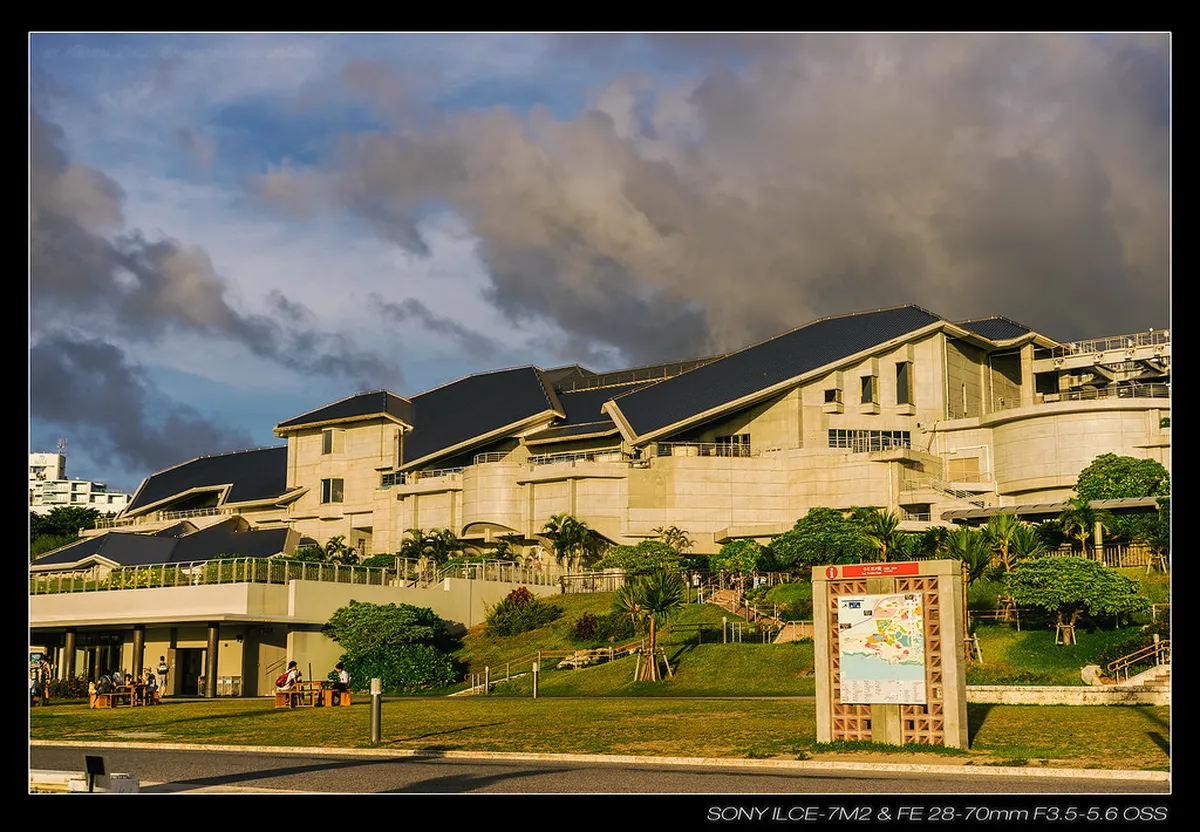
The stretch of Route 58 between Moon Beach and Manza contains a cluster of Okinawa soba shops, taco rice stands, champuru lunch counters, and izakayas aimed at local workers and residents rather than resort guests. Prices average ¥700–¥1,500 per person for a full meal. A few standout places are clustered near the Onna Village Fisheries Cooperative building, where fresh local fish is sometimes sold directly at the dock. Arriving before 12:00 avoids the post-beach lunch rush from nearby resorts.
This food corridor is also the fastest way to experience Aguu pork — the lean Okinawan heritage breed served at roadside tonkatsu and shabu-shabu restaurants that do not appear in most tourist itineraries. If you have a rental car (essential for Onna — see below), a simple dinner strategy is to pick one roadside soba shop for lunch and one Route 58 izakaya for dinner, keeping two of your three daily meals out of the resort price tier. The cumulative saving on a four-night stay is significant.
Should You Start in Naha Before Moving to Onna?
Most first-time visitors to Okinawa benefit from spending the first two nights in Naha before transferring to Onna. The capital city allows you to explore Shuri Castle, the Kokusai Dori market, and the Tsuboya pottery district without a car — useful when you have not yet oriented yourself to Okinawan road layout. See the the best Naha neighborhoods guide for the best neighbourhood breakdown. Many visitors also take the best Naha day trips to the southern battlefield sites and Gyokusendo Cave before heading north.
The Naha-to-Onna transfer is straightforward once you pick up a rental car. Drive north on Route 58 or the Okinawa Expressway (toll: roughly ¥700 from Naha IC to Onna/Nakadomari IC) and you reach the resort corridor in about 75 minutes in normal traffic. Alternatively, the Okinawa Airport Limousine Bus operates an Onna/Manza Beach stop route — it runs twice daily in each direction and takes about 100 minutes. Reserve seats in advance during peak season as it sells out.
The split-stay strategy works particularly well for couples who want a cultural day or two followed by pure beach relaxation. Two nights in Naha covers the historical south; three to four nights in Onna covers the central coast and northern day trips. Understanding the Naha transport guide during the first leg also helps you calibrate how much driving confidence you want before heading to the less sign-posted northern roads.
Chatan: Best for Nightlife, Sunsets, and Surfers
Chatan is the most vibrant area in central Okinawa, roughly 25 km south of Onna Village. The American Village entertainment complex draws an international crowd with its ferris wheel, oceanfront cafes, and dozens of restaurants open past midnight. You can find several of the beaches around Naha in this area, including Sunset Beach, which catches the full western horizon at dusk. The atmosphere is distinctly American-Japanese fusion — a legacy of the nearby US military bases that has transformed into a genuine dining and nightlife destination.
The Sunabe Seawall dive site just north of the complex is one of the most accessible shore dives in Okinawa. Certified divers can enter directly from the seawall without a boat, making it unusually cheap and flexible. The wall also serves as a casual sunset walk route with several coffee shops positioned to face west along its length. Surfers find the beach breaks around Sunset Beach manageable for intermediate skill levels from April through October.
Staying in Chatan rather than Onna suits travellers who want both beach and evening activity without committing to the full luxury resort experience. The La'gent Hotel Okinawa Chatan is within walking distance of American Village and most of the seawall cafes. Rates run ¥15,000–¥30,000 per night — competitive for what is effectively a beach-adjacent central-Okinawa base. Parking can be tight inside the American Village complex itself; hotels with dedicated guest spaces are worth the small premium.
Motobu: Best for Families and the Aquarium
The Motobu Peninsula, 35 km north of Onna, is the gateway to Okinawa Churaumi Aquarium — one of the largest in the world and home to whale sharks and manta rays in a single open-ocean tank. Families often prefer this area for its quieter beaches, including Sesoko Beach, which is connected to the mainland by a short bridge and consistently calmer than the central Onna strip. Staying on the peninsula gives you gate-opening access to the aquarium at 08:30, before the large tour buses from Naha arrive around 10:30.
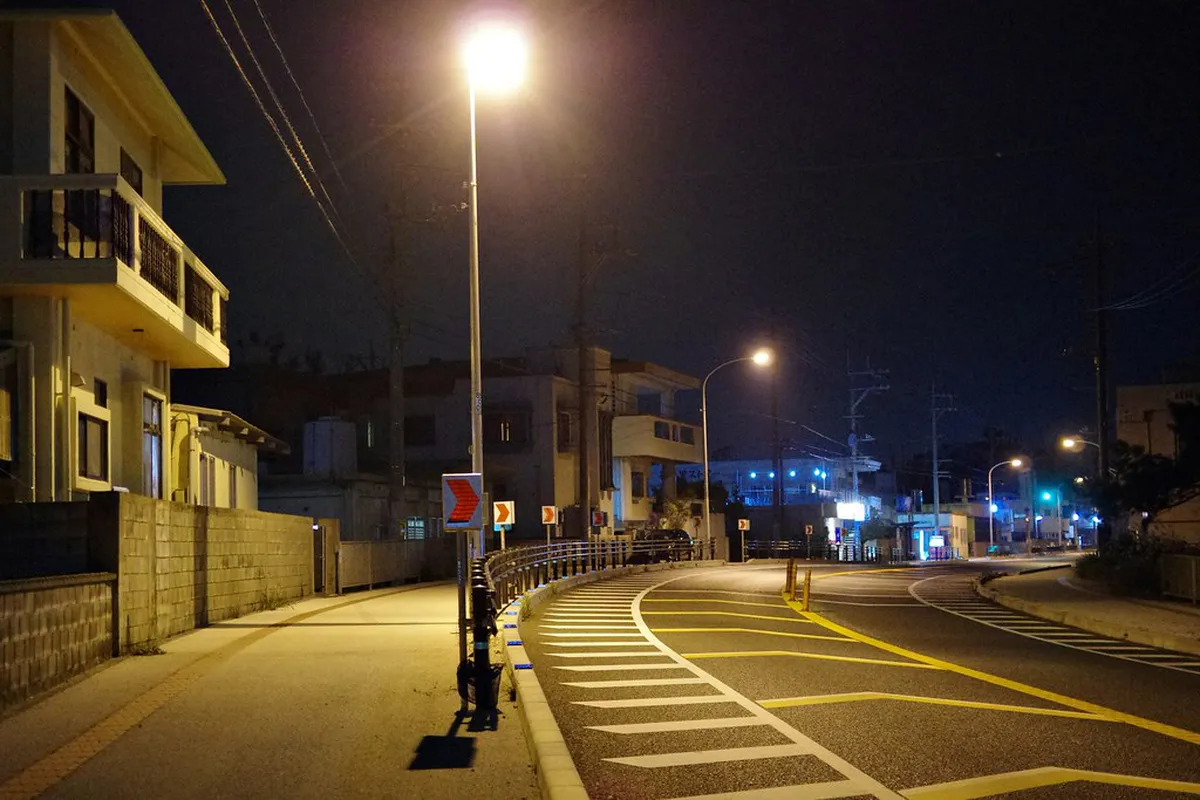
Accommodation here spans a wider budget range than Onna. The Okinawa Motobu Guest House offers a local, wallet-friendly experience. The Yukurina Resort Okinawa nearby provides villa-style self-catering for larger groups. Neither property is luxury, but both give you direct access to the peninsula's hidden-cafe circuit and the scenic Bise Fukugi Tree Path — a tunnel of ancient Fukugi trees running through a traditional Ryukyuan village that most day-trippers skip entirely.
This area requires a car for virtually all movements. The attractions are spread across the peninsula, bus frequency drops sharply north of Nago, and the aquarium itself sits 5 km from any central bus stop. Families travelling without a rental car should reconsider Motobu as a base — the logistics become frustrating. For everyone else, the drive around the cape at dusk, with Ie Island silhouetted against the western sky, is one of the genuinely memorable Okinawa experiences.
Nago: Best Strategic Base for Northern Road Trips
Nago City is the commercial hub of northern Okinawa, 30 km north of Onna Village, and the most affordable base in the region. Business hotels and guesthouses in the city centre cluster around ¥6,000–¥12,000 per night — roughly half the cost of Onna's cheapest beach-adjacent options. Nago suits travellers whose priority is the Yanbaru subtropical forest, the northern cape viewpoints, or multi-day exploration of the far north where resort prices do not exist.
The city's practical amenities make it useful as an anchor. Several large supermarkets (MaxValu and SAN-A on Route 58) stock everything you need for self-catering. The Orion Happy Park offers a free brewery tour and tasting session, and the 21st Century Forest Park provides a free public beach ideal for observing local daily life away from the tourist strip. Nago Pineapple Park is a colourful option for families with younger children, though it skews toward a commercial experience rather than a natural one.
Using Nago as a base for day trips into Onna is viable if you are willing to drive the 30-minute Route 58 stretch each morning. The reverse — staying in Onna and day-tripping to the Yanbaru north — is slightly more common among resort guests who want the occasional escape from the beach. Either way, morning traffic on Route 58 between Nago and Onna is light; the southbound return in the late afternoon can back up near the Onna Village stretch in peak season.
Do You Need a Rental Car in Onna?
Yes — a rental car is close to essential for any stay in Onna Village. The airport limousine bus covers the Onna/Manza route twice daily, which works for the transfer in and out, but not for daily movement. Local buses on Route 58 run roughly once per hour and stop at major hotels, but they do not reach most restaurants, beaches, or attractions off the main road. Without a car you will either pay resort prices for every meal or spend most of your time waiting at bus stops in 30°C heat.
Driving in Okinawa is low-stress. Roads are well-maintained, traffic moves politely, and English GPS is standard in rental cars. Book your car in advance through the Naha Airport rental counters (OTS, Times, Orix, and Budget all operate there) — summer availability disappears quickly, and walk-up prices in July–August can be 50% higher than pre-booked online rates. Review the basic essential Naha tips section on driving before you land to understand toll-road versus scenic-route trade-offs. The Okinawa Expressway between Naha and Onna saves 20 minutes but costs around ¥700 each way.
If you genuinely cannot drive, your most realistic option is booking a resort with a good shuttle programme and supplementing with taxis and Uber for evening restaurant runs. Taxis in Okinawa are metered and generally reliable; the fare from Moon Beach to the nearest Route 58 restaurant cluster runs around ¥600–¥800 one way. Pocket Wi-Fi or a local SIM from the airport is worth getting regardless of transport choice — Google Maps navigation is more accurate than in-car GPS for finding smaller cafes and parking entrances.
Do not visit the Blue Cave between 11:00 and 14:00—same-day bus tours from Naha create dangerously crowded snorkel conditions. Northern winds above force 5 close the cave entirely; always check sea conditions the evening before your visit.
One practical tip that none of the resort brochures mention: avoid the Blue Cave between 11:00 and 14:00. The snorkel area at Cape Maeda becomes dangerously crowded with same-day bus tours from Naha during those hours. Book the 08:00 or 08:30 slot offered by most tour operators — the light is at its best for underwater photography and you finish before the morning rush arrives. Northern winds above force 5 close the cave to all visitors; check sea conditions the evening before.
Frequently Asked Questions
How many days should I stay in Onna?
Most travelers find that five nights is the perfect duration to explore the central and northern regions of the island. This allows for two days of beach relaxation in Onna and three days of road trips to Nago and Motobu. If you plan to visit the outer islands, consider extending your stay.
Is it better to stay in Naha or Onna?
Choose Naha if you want nightlife, shopping, and easy access to public transport without a car. Stay in Onna if your priority is luxury beach resorts, snorkeling, and a relaxing tropical atmosphere. Many visitors split their stay between both locations to experience the best of the island.
What is the best month to visit Onna Okinawa?
The best time to visit is during the shoulder seasons of May and October when the weather is warm but not oppressive. These months offer clear waters for snorkeling and lower hotel prices compared to the peak summer holidays. Avoid the late summer if you want to stay clear of the typhoon season.
Choosing where to stay in Onna Okinawa in 2026 comes down to which activity you are optimising for. The luxury resort corridor between Seragaki and Manza Cape delivers the island's best beach access and snorkeling proximity to Cape Maeda. Chatan serves the nightlife crowd. Motobu is the family aquarium base. Nago is the road-tripper's anchor. And a Naha-first two nights sets up any itinerary with cultural context before the beach phase begins.
Whatever you book, reserve your rental car before your flight and target the Route 58 food corridor at least twice per stay. The resort bubble is real, but it is entirely optional with a car and fifteen minutes of driving. Okinawa's hospitality — inside and outside the resort gates — will leave you planning the return trip before you have left.
For the full city overview, see our Naha attractions guide. For more on planning your trip, explore which area of Okinawa to stay in and northern Okinawa stays.
Free: The Naha Essentials guide
Top things to do, where to stay, a perfect day plan, getting around, and the best time to go — a Naha mini-guide you can take offline.
You might also like

Continue reading
More guides you'll find useful