12 Best Free Things to Do in Naha (2026)
Discover the best free things to do in Naha, Okinawa. From the Tomarin Building views to hidden shopping arcades and scenic parks, plan your budget trip today.
On this page
My first walk down Kokusai Dori years ago taught me that Okinawa's capital is surprisingly accessible for those watching their yen. While many travelers focus on the paid museum entries, the most authentic Okinawan moments often happen in the narrow back alleys and public parks. This guide highlights the best the Naha attractions guide that cost absolutely nothing to enjoy.
Naha combines Ryukyu kingdom history, Chinese garden design, and a distinctly subtropical island pace into one walkable city. Most of its free highlights cluster in three zones: the Kokusai Dori shopping belt, the Shuri historic district, and the coastal strip near the cruise terminal. You can link all three in a single day on foot or by Yui Rail without spending more than a few hundred yen on transport.
Whether you are arriving by cruise ship or staying locally, Naha's free attractions offer a deep dive into Ryukyu culture without a price tag. This guide was refreshed in 2026 to confirm opening hours and free access rules, which can change seasonally.
Must-See Naha Attractions
Kokusai Dori, the city's two-kilometre main street, is free to walk and best experienced on a Sunday afternoon. Between 13:00 and 18:00 every Sunday the road closes to traffic and Eisa drum-dance troupes perform traditional Okinawan folk dances in the street — an experience you will not find anywhere else in Japan at no cost. The Okinawa Tourism Board publishes event schedules for these performances. On regular days, start your walk at Kencho-mae Station and head toward Makishi; the palm-lined stretch is open daily with most shops running 10:00–22:00. Branching off Kokusai Dori, Heiwa Dori and Shijo Hondori are covered arcades where the souvenirs are cheaper and the atmosphere feels genuinely local rather than tourist-polished.
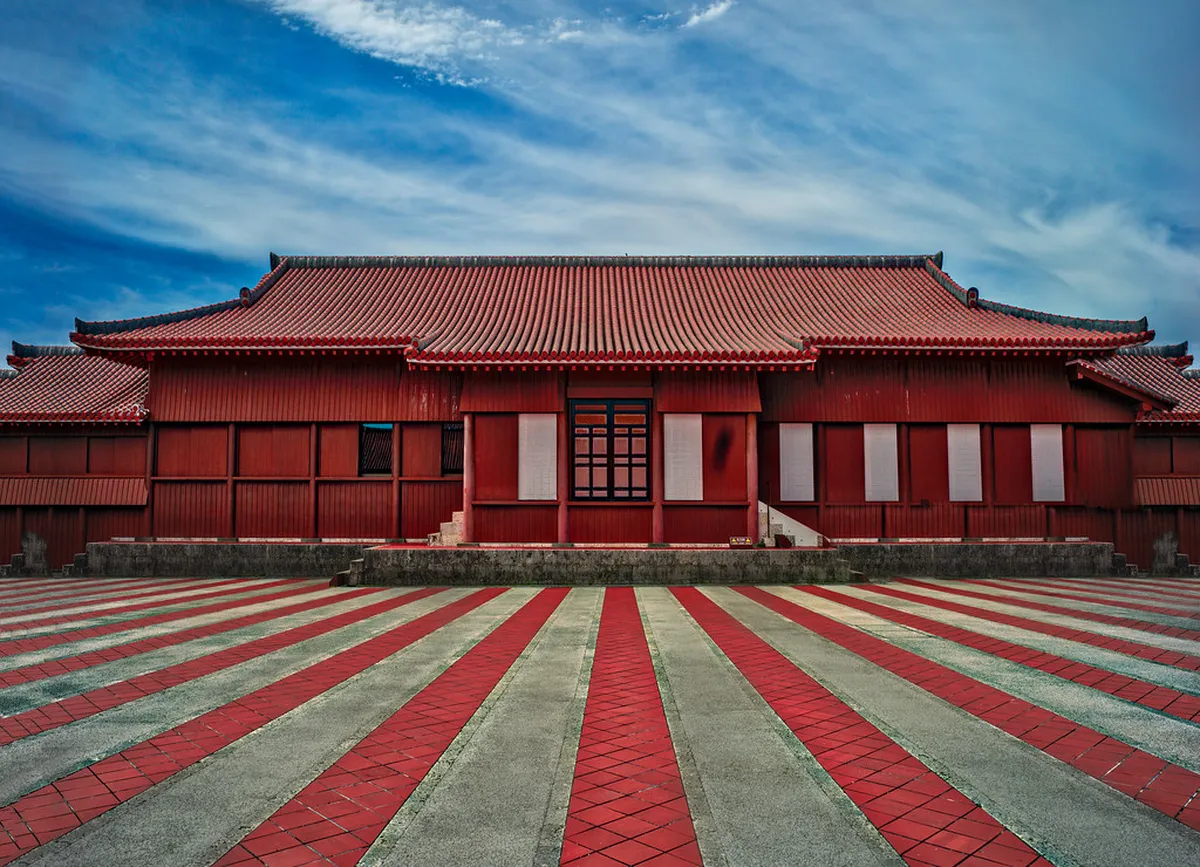
Shuri Castle, the former seat of the Ryukyu Kingdom, is the city's most iconic landmark and a UNESCO World Heritage Site. The inner sanctum is undergoing reconstruction after the 2019 fire, with a full reopening slated for late 2026, but the outer castle grounds are free to walk daily (08:00–19:30 in summer, 08:00–18:30 in winter). The massive Shureimon Gate, the stone-paved approach, and the West Lookout — which frames a panorama stretching toward the Kerama Islands on clear days — are all accessible without a ticket. Plan at least 90 minutes to cover the perimeter walls and the surrounding Kinjocho stone-paved streets, which are equally free.
Naminouegu Shrine sits atop a dramatic coral cliff above Naminoue Beach, roughly ten minutes on foot from the main cruise terminal. The shrine is open daily 09:00–17:00 and free to enter; it is recognised as one of the nationally significant Ryukyuan Shinto shrines. Walk down either side of the cliff to the beach below for one of the most photographed sea-level views in central Naha. Mornings are coolest and least crowded, with the sea breeze off the East China Sea keeping temperatures comfortable even in summer.
Fukushūen Garden: Naha's Most Overlooked Free Attraction
Fukushūen Garden is the single most valuable free stop in Naha that most visitor guides underplay. Built in 1992 to mark the friendship between Okinawa and Fuzhou, China, it is the only full-scale Chinese classical garden in the entire Ryukyu archipelago. Entry is free, and the garden is open Tuesday through Sunday from 09:00 to 18:00 (closed Mondays). At roughly 0.4 hectares, it packs koi ponds, a pavilion-topped island, carved stone bridges, and a miniature waterfall into a single beautifully managed space just a ten-minute walk from Kencho-mae Station.
Fukushūen is the only full-scale Chinese classical garden in the Ryukyu archipelago, making it a culturally significant tribute to the region's historical ties with China. Visit between 09:00–10:00 for the quietest experience and best photography light.
The garden reflects the strong Chinese cultural influence that shaped the Ryukyu Kingdom before its annexation by Japan in 1879. That historical context makes it far more interesting than a typical municipal park — you are effectively walking through a diplomatic monument. Visit in the late afternoon when low angle light catches the red lacquered pavilion against the dark stone. Photography is free and the backdrop is better than most of the paid gardens in Kyoto.
Typhoon season (July–September) can cause temporary closures without notice. Call ahead or check the Naha City website before visiting during these months.
Fukushūen is positioned between Naminouegu Shrine and the Makishi market district, making it an easy midday stop on a walking circuit of the Kokusai Dori belt. No competitor guide consistently recommends it, which means you will share the space with a fraction of the crowd that lines up at Shuri Castle.
Museums, Art, and Culture in Naha
The Tsuboya Pottery District is Naha's most rewarding free cultural walk. The stone-paved lanes between Makishi and Tsuboya have been the production centre of Okinawan ceramics for over 300 years. Most of the district is open-air: you can walk past working kilns, observe potters through studio windows, and examine the large Shisa lion statues guarding each building entrance between roughly 10:00 and 18:00 on any day of the week without paying anything. The Shuri Castle guide connects this district to the broader Ryukyu heritage trail if you want to extend the cultural context.

Makishi Public Market reopened after a renovation and remains a free sensory experience on its lower floor. Visit around 10:00 to see the freshest tuna, exotic reef fish, and vivid purple benimo sweet potatoes laid out on ice by local vendors. The market is open daily 08:00–21:00, and window shopping here gives you a better read on Okinawan food culture than any museum panel. Head upstairs to the communal dining area to watch locals share trays of sashimi over lunch.
Public art fills the gaps between these major sites. The massive Shisa statues in Tsuboya, the stone carvings at Wakasa Seaside Park, and the ornamental dragon pillars at the cruise-port promenade are all free to examine at any hour. Spending a slow afternoon hunting these landmarks across different neighbourhoods is one of the most enjoyable ways to cover ground in Naha without a fixed schedule. These free Naha spots pair perfectly with paid Okinawa-wide attractions when budgeting a longer island trip.
Parks, Gardens, and Outdoor Spots in Naha
Manko Waterbird and Wetland Center is a Ramsar-listed wetland right in the middle of the city — free to enter and open 09:00–17:00 Tuesday through Sunday. The elevated wooden boardwalk runs above tidal flats where mudskippers climb the mud and fiddler crabs wave their over-sized claws at every passing visitor. Winter (November through March) is the prime season for migratory birds, when species including golden plover and dunlin stop here during their trans-Asian migration. For detailed ecological context on Naha's maritime heritage, the city's wetlands play a crucial role in regional bird conservation. Borrow binoculars at the front desk for closer looks at the shallows without extra charge.
Sueyoshi Park is the city's best-kept green secret: a forest park with ruins of an old Ryukyu shrine hidden inside its trail network. Unlike the manicured lawns of Onoyama Park, Sueyoshi feels genuinely wild — shaded paths, large banyans, and almost zero tourists even in peak season. Onoyama Park is the practical choice for families, with open lawns, a well-maintained playground, vending machines, and the Okinokingu Shrine all accessible free, 24 hours. Both parks are within reach of the Yui Rail.
Wakasa Seaside Park, close to the cruise terminal, offers the best sunset vantage point on the western shore. The illuminated dragon pillars are visible after dark, and the promenade stays open all night. Yogi Park is worth a detour in late January for Naha's Sakura Festival — Okinawa's cherry blossoms bloom weeks earlier than mainland Japan, usually peaking between late January and early February, and admission to the park remains free throughout. A decommissioned steam locomotive parked near the entrance is permanently on display for children.
Family-Friendly and Budget-Friendly Options in Naha
Traveling with children in Naha is easier than in most Japanese cities because the major free sites are flat, shaded, or covered. The Manko Waterbird Center is the strongest dedicated family option: interactive displays explain the tidal ecosystem in kid-friendly language, and spotting mudskippers from the boardwalk keeps most children engaged for 45–60 minutes. Bring insect repellent in summer; the wetland fringe can be buggy at dusk.

The covered shopping arcades — Heiwa Dori, Taiheidori, and Shijo Hondori — are excellent rain-day retreats. They are pedestrian-only and well-lit, removing the main stressor of managing children near traffic. The sensory overload of colourful Okinawan snacks, sanshin music filtering from tiny shops, and stalls selling giant shisa statues keeps younger visitors entertained without requiring a single purchase. Most stalls run 09:00–20:00.
The Yogi Park steam locomotive is a reliable ten-minute stop that costs nothing. Onoyama Park has a large playground that local families use on weekends; arrive before 10:00 to beat the lunchtime rush and claim a picnic spot under the trees. Public restrooms in these parks are clean, free, and well-signposted in multiple languages — a genuine practical advantage for families managing unpredictable schedules.
How to Plan a Smooth Naha Attractions Day
The Yui Rail one-day pass costs ¥800 in 2026. Calculate your route before buying: if you are only covering Kokusai Dori, Fukushūen, and Tsuboya, the single fare from the airport to Kencho-mae is ¥270 each way, which means walking between those three sites and riding once each direction saves you ¥260 over the day pass. The day pass only breaks even if you make five or more separate journeys. For most free-attraction itineraries, buying individual tickets is cheaper. Read our full guide on the Naha transport guide for route-specific fare tables.
Typhoon season runs July through September and can strand ferries and close outdoor sites with little warning. Build a rainy-day backup list before you arrive: the covered arcades (Heiwa Dori, Shijo Hondori, Taiheidori) stay open in heavy rain and give you hours of free shelter, market browsing, and people-watching. The Tomarin Building observation areas on the upper floors of the Tomari Wharf ferry terminal are another free indoor refuge during downpours, open approximately 08:00–20:00.
Language support at free sites is stronger than most visitors expect. Major free landmarks — Shuri Castle outer grounds, Naminouegu Shrine, Manko Center, and all Yui Rail stations — carry English, Chinese, and Korean signage. Download the Naha City free Wi-Fi map before your trip; hotspots cover Kokusai Dori and major park entrances. Check our essential Naha tips page for updated offline map recommendations for 2026.
Sample Zero-Yen Naha Day Trip Itinerary
Start at 08:30 at the Tomarin Building on the Tomari Wharf to watch the morning ferries depart for Zamami and Kerama. The upper-floor windows frame the harbour with no entry fee. From there it is a 15-minute walk west to Naminouegu Shrine for the clifftop sea view — arrive before 09:30 to beat tour groups from the nearby cruise terminal.
By 10:00, head south along the coast road to Fukushūen Garden for a 40-minute circuit of the Chinese classical pavilions and koi pond. This is the least crowded hour of the day in the garden. Continue east on foot (12 minutes) to reach Kokusai Dori by 11:00. Use the midday hours to explore the market-end of the street, dip into Heiwa Dori for shade, and browse the Makishi Public Market ground floor around 11:30 when the fresh catch is still on display.
After lunch, take the Yui Rail one stop from Makishi to Tsuboya for the pottery district walk (13:00–15:00). If your visit falls on a Sunday, return to Kokusai Dori by 13:00 to catch the Eisa dance performances before the 18:00 street reopening. Close the day at Wakasa Seaside Park for sunset around 19:00 in summer, or at Yogi Park in winter if the sakura are in bloom. A full our Naha itinerary planner with timed maps covers the connections between these stops in more detail.
Frequently Asked Questions
Is Naha worth visiting for free?
Yes, Naha is highly rewarding for budget travelers because many of its cultural landmarks and scenic viewpoints cost nothing. You can experience the Ryukyu history and vibrant market culture without spending a single yen on entry fees. The city's walkable layout makes it easy to connect these free sites.
Are there free museums in Naha?
While most formal museums charge a small fee, the Tsuboya Pottery District functions as a free open-air museum. You can also visit the Manko Waterbird Center at no cost to learn about local nature. Many historical sites in Shuri Park also offer free educational signage and displays.
Which free attractions are near the Naha cruise port?
Wakasa Seaside Park and Naminouegu Shrine are both within easy walking distance of the main cruise terminal. The Tomarin Building observation deck is also nearby, offering great views of the harbor. These spots are perfect for cruise passengers looking for a quick, no-cost excursion.
Exploring Naha on a budget is not just about saving money; it is about discovering the city's most authentic corners. From the high cliffs of Naminouegu to the quiet alleys of Tsuboya, the best experiences often require no ticket at all. I recommend mixing these free stops with a few Naha's hidden corners to create a truly unique Okinawan adventure.
Remember to check the local weather and wear comfortable shoes, as Naha is a city best explored on foot. Whether you are here for the history, the nature, or the markets, Naha's free attractions provide a wealth of memories. Plan your route carefully, stay hydrated, and enjoy the incredible hospitality of the Ryukyu Islands.
For the full city overview, see our Naha attractions guide. For more on planning your trip, explore Naha's hidden corners and the monthly weather breakdown.
Free: The Naha Essentials guide
Top things to do, where to stay, a perfect day plan, getting around, and the best time to go — a Naha mini-guide you can take offline.
You might also like


Continue reading
More guides you'll find useful