Naha Weather by Month: Best Time to Visit Guide
Plan your trip with our Naha Weather by Month guide. Discover the best times for beaches, festivals, and avoiding the rainy season in Okinawa.
On this page
For most travelers, the best time to visit Naha is from late October to November or mid-March to mid-April. These windows deliver comfortable temperatures between 20–24°C, low humidity, and minimal typhoon risk. Naha sits in a humid subtropical zone, so its climate runs warmer and wetter than mainland Japan year-round — understanding that gap is the key to packing right and planning well.
Naha records roughly 1,880mm of rainfall annually — about 25% more than Tokyo — with June being the wettest month at 228mm and November the driest at around 110mm. That rainfall profile shapes every month differently, from the long Tsuyu rainy season in May–June to the brilliant, dry days of November that locals call the city's secret season.
Naha Weather by Month: Season and Rainfall Comparison
Spring in Naha arrives early by Japanese standards. March temperatures average 17–20°C and April climbs to 20–23°C, with beach season officially opening at many resort beaches by late March. Rainfall is moderate — around 130–160mm per month — and the days feel crisp compared to the heat that follows. This is when the city's parks and castle grounds look their best before summer crowds descend.

Summer is long and dominated by heat and humidity. June through August sees temperatures of 27–32°C with near-constant moisture in the air. June is the statistical peak for rainfall at 228mm, driven by the Tsuyu front that stalls over the island for four to six weeks. Once Tsuyu lifts around mid-June, conditions become sunnier but not less hot. Domestic tourists flood in for school holidays in July and August, pushing accommodation prices to their annual high.
Autumn is Naha's sweet spot. September still carries typhoon risk and highs near 29°C, but October and November cool sharply. By November the average high sits around 23–25°C with humidity dropping to comfortable levels. Rainfall falls to its annual low in November. The sea remains warm enough for snorkeling well into October. December through February sees mild 14–19°C days that feel cold only when the Karakaze — the northerly wind off the Asian continent — blows in. Wind chill rather than temperature is the real factor in winter.
| Season | Months | Avg Temp | Rainfall | Crowds | Best for |
|---|---|---|---|---|---|
| Spring | Mar–May | 17–26°C / 63–79°F | 130–228mm | Moderate | Sightseeing, beaches opening |
| Summer | Jun–Aug | 27–32°C / 81–90°F | 180–228mm | High | Diving, festivals |
| Autumn | Sep–Nov | 21–29°C / 70–84°F | 110–165mm | Moderate | Hiking, cultural events |
| Winter | Dec–Feb | 14–19°C / 57–66°F | 115–130mm | Low | Whale watching, cherry blossoms |
| Month | High/Low | Rainfall | Sea Temp |
|---|---|---|---|
| January | 17–19°C | 120mm | 21°C |
| February | 17–19°C | 115mm | 20°C |
| March | 20–23°C | 130mm | 21°C |
| April | 23–26°C | 160mm | 24°C |
| May | 26–27°C | 195mm | 27°C |
| June | 27–28°C | 228mm | 28°C |
| July | 29–32°C | 195mm | 29°C |
| August | 29–32°C | 180mm | 30°C |
| September | 27–30°C | 165mm | 29°C |
| October | 25–27°C | 140mm | 28°C |
| November | 23–25°C | 110mm | 25°C |
| December | 19–21°C | 125mm | 22°C |
Okinawa Weather: Quirks and Seasonal Patterns
The Tsuyu rainy season is the single most important weather factor for trip planning. It typically runs from mid-May to late June and brings persistent grey skies and humidity rather than all-day downpours. Many days have sunshine between showers. The Okinawa Tsuyu ends about three weeks before the mainland rainy season, so Naha transitions to full summer earlier than Tokyo. For detailed rainfall forecasts during this window, the Japan Meteorological Agency publishes live seasonal data and alerts.
Typhoons are the second major hazard. The peak risk window runs from August through September, with October occasionally producing late-season storms. Typhoon-related flight cancellations in Naha happen several times per year — always check your airline's typhoon waiver policy before booking non-refundable flights in this window. Modern Okinawan buildings are typhoon-rated, so your hotel will be safe; it is transport that becomes unreliable.
Typhoon season peaks from July through September. Always check airline typhoon waivers before booking flights, as cancellations are common during this window.
Winter brings the Karakaze winds off the Asian continent. Temperatures rarely fall below 10°C but the wind makes exposed spots like Shuri Castle's outer walls or the Naha harbor waterfront feel noticeably colder. A windbreaker outperforms a heavy coat in these conditions. Visibility, however, is often exceptional in winter — the dry, clear air is the best the city sees all year for photography.
Japan's Earliest Cherry Blossoms and Sea Temperatures Worth Knowing
No competitor page covers this: Naha and the surrounding Okinawa region hosts Japan's earliest cherry blossom season, typically peaking in late January to mid-February. The blossoms here are Kanhizakura, a deep-pink variety that looks quite different from the pale Somei Yoshino that blooms on the mainland in late March. Nakijin Castle Ruins, about 90 minutes from Naha by car, is the most celebrated spot, attracting visitors well before the mainland crowds have booked a single trip. The Okinawa Prefecture Wikipedia article provides detailed geographic and climate context for the region's subtropical ecosystem and seasonal patterns.
This means late January and February offer a rare dual draw that no other Japanese city can match in winter: cherry blossoms at 14–17°C with comfortable walking weather. If your travel budget is a priority, combine this with the low-season accommodation prices that January and February bring — rates in Naha can drop 30–40% versus August peaks.
Sea temperature is the deciding factor for swimmers and divers, and it varies more than most guides acknowledge. The sea is warmest from July to October, averaging 28–30°C. By February it drops to around 21°C — still swimable in a wetsuit and comfortable for experienced divers, but cold for casual beach swimming. Snorkeling at Kerama Islands (roughly 35km west of Naha) remains productive year-round because visibility is often better in the cooler, less-turbulent months.
The sea is warmest and safest for casual swimmers from July to October, with peak temperatures of 28–30°C ideal for beach days and reef snorkeling.
Must-See Naha Attractions and the Best Season for Each
The weather significantly shapes how you experience the top the Naha attractions guide. Shuri Castle sits on a hill with limited shade — summer afternoons are punishing, but a November morning offers crisp air and golden light through the restored lacquered gates. The castle complex takes two to three hours to explore properly and the hilltop breezes in autumn are genuinely pleasant.
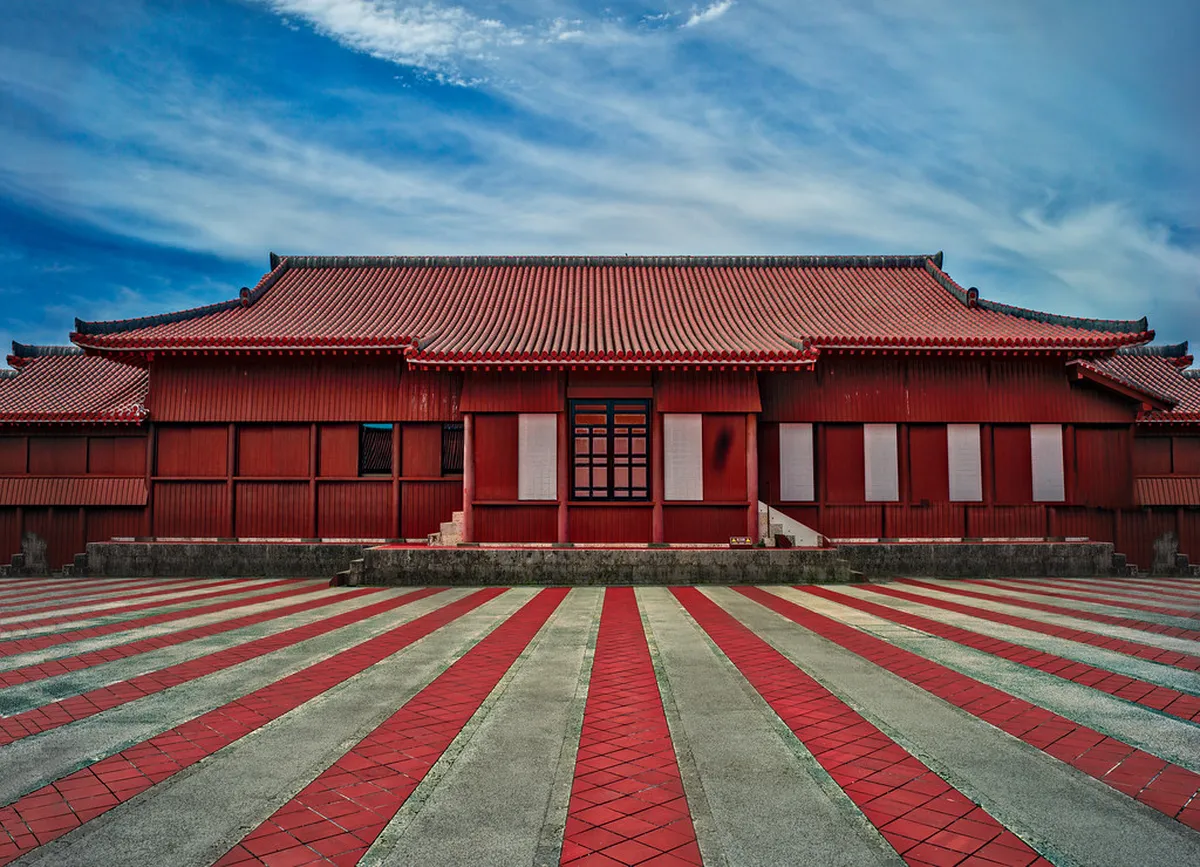
Kokusai Dori, Naha's main shopping street, is practical in any weather because the arcades that branch off it — particularly the Heiwa-dori and Mutsumi-dori covered markets — provide full shelter from both rain and sun. A June afternoon in the markets is actually ideal: you avoid the heat outside and discover the freshest local produce under cover. For beach access, the beaches near Naha are best visited from late March through October, with peak conditions in July and August when the water is warmest and clearest.
Museums, Art, and Culture: What to Do on Rainy Days
Indoor cultural spots are Naha's best asset during the Tsuyu rainy season and summer afternoon heat. The Okinawa Prefectural Museum and Art Museum in Omoromachi offers climate-controlled galleries covering Ryukyu Kingdom history, indigenous Okinawan textiles, and rotating art exhibitions. Allow two to three hours. It is free on certain days for prefectural residents but charges 530 JPY for general admission — a very affordable half-day during a rainy June afternoon.
The Tsuboya Pottery District, a short walk from Kokusai Dori, clusters working studios and small galleries along a quiet lane. Many studios run hands-on yachimun pottery workshops that can be booked without advance notice on weekday mornings. This is one of the Naha's hidden corners that shelters visitors and offers a genuinely local craft experience regardless of the weather outside. Rainy mornings feel especially atmospheric on the traditional tiled rooftops of the district.
Parks, Gardens, and Outdoor Spots by Season
Naha's best outdoor spaces reward careful timing. Shikinaen Garden — a restored Ryukyu royal garden in southern Naha — is most beautiful in spring when the water lilies bloom and temperatures stay below 25°C. Admission is 400 JPY and the garden is compact enough to cover in 45 minutes. October visits combine comfortable temperatures with autumn color in the trees surrounding the central pond.
The Makishi area near the public market offers a dense network of covered shopping arcades ideal for humid afternoons. For those willing to travel 30 minutes south by car, Cape Kyan provides dramatic cliff scenery above the East China Sea — best visited from November to March when the air is clear and wind-driven sea spray creates a memorable spectacle. Avoid it in July and August when the exposed headland becomes dangerously hot with no shade.
Kerama Islands day trips from Naha port depend heavily on sea conditions. From December through February, rough winter swells regularly cancel ferries, making underwater activities unreliable without a flexible schedule. The April–June and September–November windows offer calmer seas and are statistically more dependable for day-trip diving and snorkeling excursions from Naha.
Family-Friendly and Budget-Friendly Options by Season
Families with young children typically do best in late March or late October. Both windows avoid the worst heat and humidity, school holiday crowds have thinned, and accommodation prices drop from their August peak. Late March adds the bonus of beach season opening, giving families access to the shallow-water beaches near Naha where the gradual entry points are safe for small children.
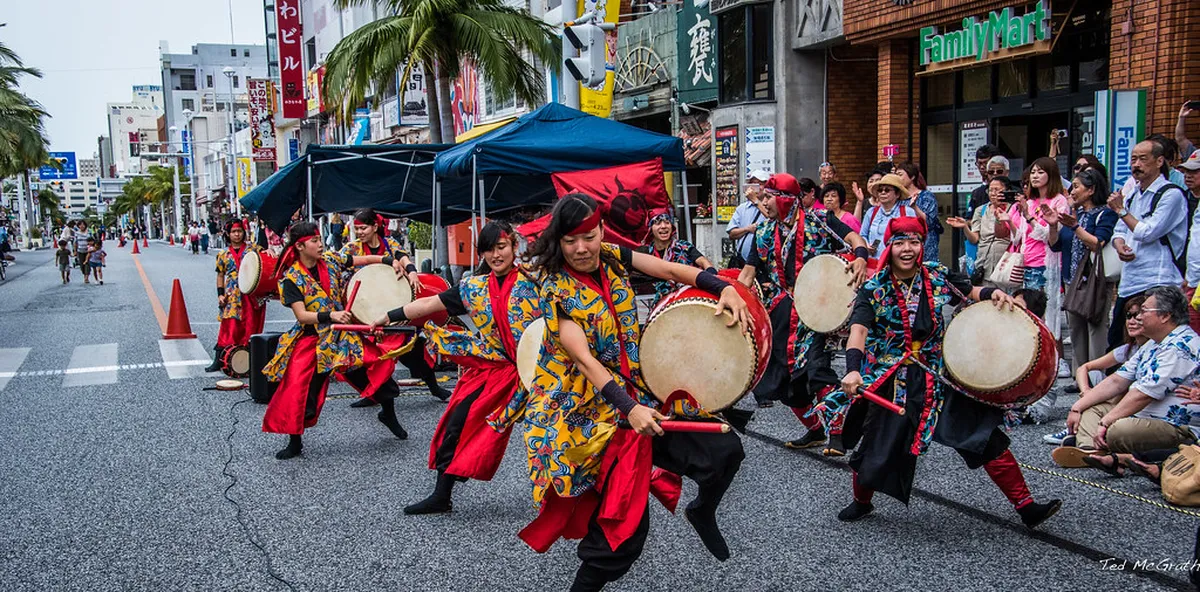
Budget travelers should target January and February for the lowest prices across flights, hotels, and tours. Okinawa's cheapest accommodation window runs from mid-January to the week before Golden Week (late April). A mid-range hotel in central Naha that costs 12,000–15,000 JPY per night in August can drop to 7,000–9,000 JPY in February. The trade-off is cooler sea temperatures and the possibility of wind — pack a windbreaker and the savings are substantial.
May sits in an interesting position for budget travelers. It falls after Golden Week (which ends around May 5–6) and before the main summer rush. Prices drop noticeably from the Golden Week peak, temperatures are warm but not yet oppressive, and Tsuyu has not fully arrived in Naha until mid-May most years. A mid-May trip often delivers near-summer conditions at spring-shoulder prices.
How to Plan a Weather-Smart Day in Naha
Structure your Naha days around the heat curve. In summer (June–September), outdoor sightseeing is best done before 10:00 and after 16:00. The midday block from 11:00 to 15:00 is ideal for covered markets, museum visits, or a long lunch in air-conditioned Okinawan restaurants. Many locals follow this exact pattern. The what to eat in Naha highlights the best lunch spots in the Makishi and Tsuboya areas where you can shelter and eat well simultaneously.
Check the Japan National Tourism Organization weather and seasonal planning guides for typhoon alerts and regional forecasts, as local conditions can shift within 24 hours. If a typhoon watch is issued, your best immediate step is to confirm your hotel's policy on stays extended by weather delays — most major Naha hotels have no-charge extension clauses during declared typhoon periods, but you need to ask at check-in, not after the storm arrives.
For winter visitors, the daily temperature swing between morning and afternoon can reach 7–8°C. A layered outfit — thin base, light fleece, windbreaker — handles a January morning walk along the harbor and a warmer early afternoon exploring the lower-elevation Kokusai Dori without the need for heavy luggage. Check the the Naha transport guide guide for bus and monorail options that reduce time spent outside on colder or rainier days.
Naha Rainfall Data and World Comparison
Naha records 1,880mm of rainfall annually — classified as heavy by Japanese meteorological standards and notably higher than Tokyo's 1,500mm. The wettest month is June at 228mm, followed closely by September at around 165mm. The driest month is November at approximately 110mm. Rainy days (days with more than 0.2mm of precipitation) are distributed fairly evenly through the year, but the June and September peaks bring sustained rain rather than brief showers.
To put that in global context: Naha receives roughly the same annual precipitation as Bangkok (1,668mm) and considerably more than New York City (1,276mm) or Melbourne (690mm). Unlike Bangkok, which concentrates its rain in a short monsoon window, Naha spreads its rainfall more evenly — which means no month is completely rain-free, but equally, no month is a washout if you plan with indoor fallbacks. The historical precipitation data from 1976 to 2026 confirms this pattern has been consistent across decades, with only minor year-to-year variation in the June and September peaks.
What to Pack for Naha by Season
Packing for Naha requires moisture management in summer and wind-awareness in winter. Lightweight, quick-dry fabrics are essential from May through October. A UV-protection umbrella doubles as both a rain shield and a sun shade — it is one of the most common items you will see locals carrying on Kokusai Dori in summer. High-SPF sunscreen is non-negotiable from April onward; the subtropical sun at this latitude is significantly stronger than in Tokyo or Osaka.
Rainy season visitors (May–June) should add a waterproof phone pouch to their kit. The Tsuyu rain often arrives sideways in light wind and regular bags offer inadequate protection for electronics. Winter visitors need a windbreaker more than a coat — temperatures rarely demand the latter, but the Karakaze winds make exposed coastal spots feel much colder than the thermometer suggests.
- Summer (Jun–Sep): quick-dry clothing, UV umbrella, SPF 50+ sunscreen, polarized sunglasses, reusable water bottle
- Rainy season (May–Jun): waterproof phone pouch, compact umbrella, waterproof sandals or shoes
- Winter (Dec–Feb): light fleece, windbreaker, long trousers, comfortable walking shoes
- Year-round: comfortable walking shoes, portable charger, Japan Meteorological Agency app for typhoon alerts
Choose Okinawa in the Japan packing-list generator to calculate a Naha checklist from your exact dates, rainfall normals, beach plans and laundry schedule.
Frequently Asked Questions
When is the cheapest time to visit Naha?
The cheapest time is usually from mid-January to February. Flights and hotels drop in price after the New Year holidays. You will find fewer crowds and very affordable rates during this winter window.
Is Naha too hot in August?
August is very hot with temperatures reaching 32°C / 90°F. High humidity makes it feel much warmer than the thermometer suggests. Plan indoor activities for the midday heat to stay comfortable.
Does it snow in Naha during winter?
Snow is extremely rare in Naha due to its subtropical location. Temperatures stay well above freezing even in the dead of winter. You can expect mild, breezy days instead of icy conditions.
Naha offers a unique climate that rewards travelers who plan around the seasons. Whether you want summer beaches or mild autumn walks, there is a perfect month for every type of trip. The key insight is that Naha runs warmer, wetter, and earlier than mainland Japan — its cherry blossoms peak in January, its beach season opens in March, and its calmest weather arrives in November when most visitors have already gone home.
Use the rainfall and temperature data in this guide to anchor your decision, then check the essential Naha tips for practical logistics that vary by season. Each month brings its own festivals, flavors, and conditions worth experiencing in this remarkable subtropical city.
Free: The Naha Essentials guide
Top things to do, where to stay, a perfect day plan, getting around, and the best time to go — a Naha mini-guide you can take offline.
You might also like

Continue reading
More guides you'll find useful