Where to Stay in Ishigaki Island: 8 Best Areas and Planning Tips
Discover the best areas to stay in Ishigaki Island. From the convenient City Center to scenic Kabira Bay, compare neighborhoods, transport options, and top hotels.
On this page
Ishigaki Island offers a stunning mix of tropical beaches and vibrant local culture. Finding the right base is essential for a successful trip to this Okinawa gem. Most travelers choose between the busy city center or quiet coastal resorts. This guide breaks down every major area so you can decide where to stay in Ishigaki Island before you book.
Selecting your location directly shapes how easily you can explore the surrounding Yaeyama Islands. Ishigaki is much larger than many first-time visitors expect — roughly 229 square kilometres — and public transport is limited. A one-hour bus journey between the southern city and Kabira Bay in the north can stretch to 90 minutes during summer traffic. We cover all eight zones so you can match your accommodation to your itinerary, budget, and travel style.
Understanding Ishigaki's Layout Before You Book
Ishigaki is the administrative and transport hub of the Yaeyama Islands in Japan's far southwest. The island stretches roughly 30 km from its southern port area to the northern highlands around Mt. Omoto. Most accommodation falls into three belts: the southern urban cluster around Ishigaki Port, the mid-island resort corridor between Fusaki and Maezato, and the scenic north coast around Kabira Bay and Yonehara.
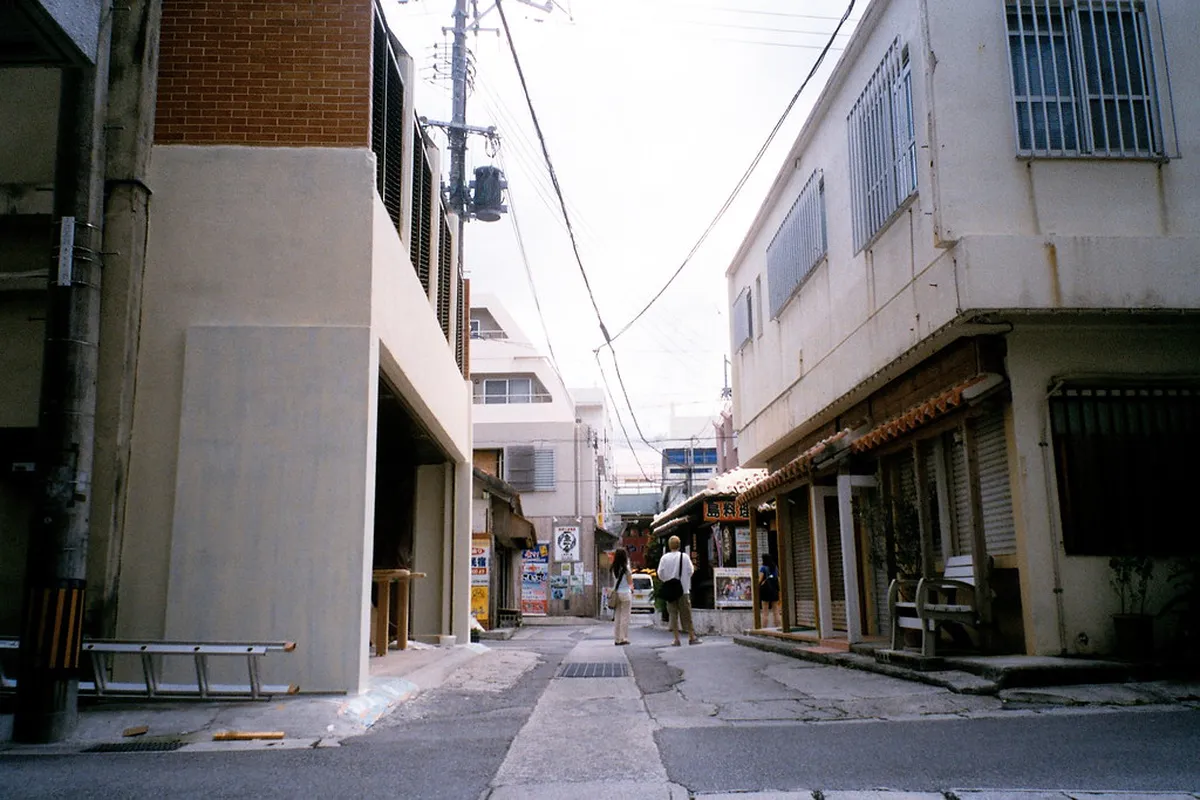
Ishigaki New Port Airport sits at the island's northeastern edge. Taxis from the airport to the city center run about ¥2,000–¥2,500 and take 20 minutes. To reach Fusaki Resort on the mid-island coast, a taxi costs ¥1,500–¥2,000 and takes around 15 minutes. Budget an extra 40 minutes and ¥4,000 if you are heading all the way to Kabira Bay. Understanding these distances prevents the common mistake of booking a north-coast resort only to discover that every ferry to Taketomi or Iriomote departs from the southern port, requiring a car or a long bus ride each morning.
Comparing these regions is similar to choosing choosing your Okinawa base in during a broader trip. Both decisions hinge on the same trade-off: urban logistics versus natural surroundings. The key difference on Ishigaki is that the transport gap between north and south is more punishing than on the main Okinawa island.
Ishigaki City Center: Best for First-Timers and Island Hoppers
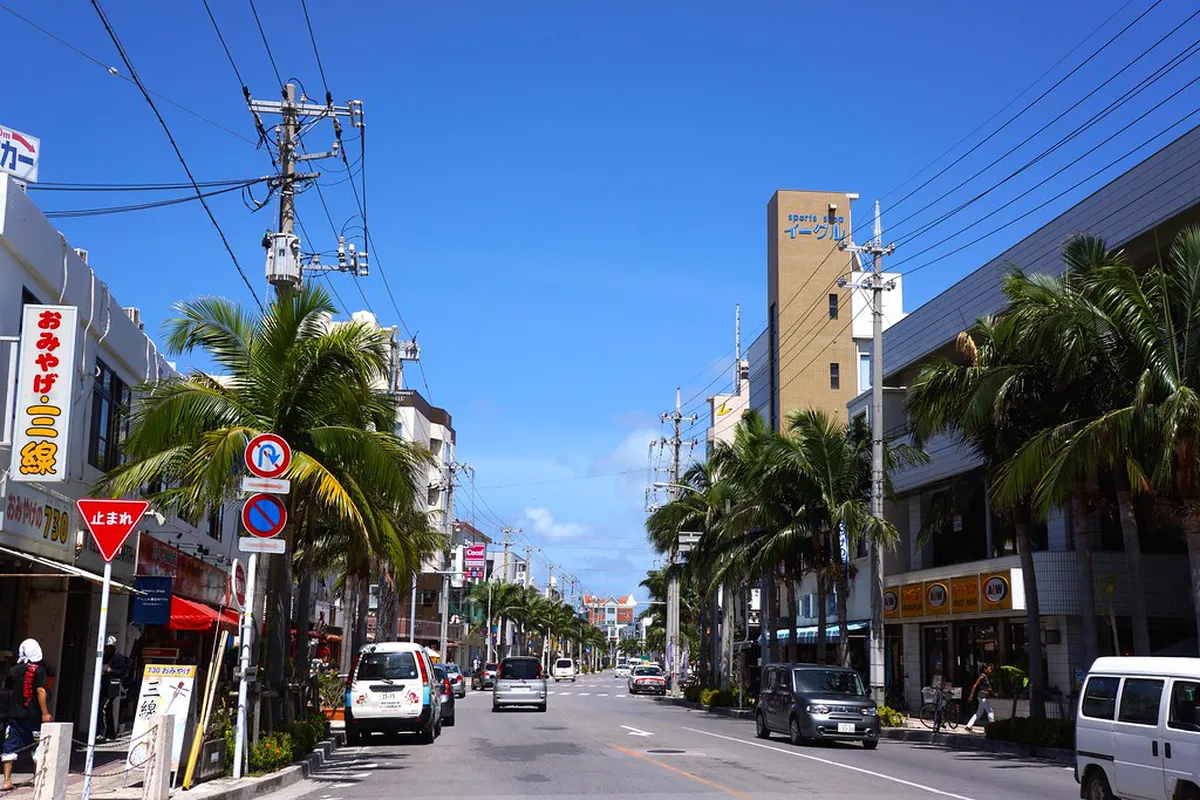
The City Center is the island's most convenient base and the clear first choice for first-time visitors. Staying here puts you within a 10-minute walk of Ishigaki離島ターミナル (the離島 Ferry Terminal), where boats depart for Taketomi, Iriomote, Kohama, Hatoma, and Kuroshima throughout the day. The first ferries leave at around 07:30 and run until late afternoon; being close to the terminal means you can catch an early boat without scrambling for a taxi.
The city center's Misaki-cho and Okawa areas are lined with restaurants, izakayas, and supermarkets. You can eat Ishigaki beef (石垣牛) yakiniku for ¥3,000–¥6,000 per person, or grab a bowl of Okinawa soba from a lunch spot for under ¥1,000. Convenience stores — FamilyMart and Lawson — are open 24 hours and stock sunscreen, snorkeling rash guards, and cash ATMs that accept foreign cards. Most of these practical resources disappear north of the mid-island resort belt.
Hotel options range from budget guesthouses at ¥4,000–¥7,000 per night to mid-range business hotels at ¥10,000–¥18,000. The Aloha Terminal Hotel and Ishigaki City Hotel are perennially popular choices near the port. If you are arriving from Naha, this area feels like a smaller version of the capital, with a similar walkable density. Families with children who plan heavy island hopping should almost always base themselves here.
Fusaki and Maezato: Best for Families and Resort Stays
The southwest coast between Fusaki and Maezato is Ishigaki's main resort belt and the area most visitors picture when they imagine a Japanese tropical holiday. Two flagship properties anchor this zone: Fusaki Beach Resort (フサキビーチリゾート) and ANA InterContinental Ishigaki Resort. Both offer private beaches, multiple pools, kids' clubs, and jellyfish safety nets that make summer swimming safe for young children. Nightly rates at these resorts typically run ¥30,000–¥80,000 for a standard room in peak season, dropping to ¥15,000–¥35,000 outside July and August.
Fusaki's beach faces west and delivers some of the island's best sunset views without any driving. The resort strip sits only 15 minutes by taxi from the city center, which means you can reach the ferry terminal reasonably quickly for day trips. Shuttle buses also run between the major resorts and the port on a fixed schedule — check the hotel concierge desk on arrival, as timing changes seasonally. This balance of beach access and ferry convenience makes the Fusaki-Maezato belt the pragmatic middle ground for families who want a proper pool-and-beach holiday but still want to see Taketomi or Iriomote.
Budget travelers will find this zone expensive unless they camp at Maezato-Ryuhi Park Campground, which charges around ¥500 per person per night and sits steps from a protected swimming beach. The campsite is basic — bring your own gear — but the location is hard to beat. Surfboard and kayak rentals are available at the beach hut adjacent to the site.
Fusaki's beach faces west, which produces exceptional sunset views but exposes the area to seasonal swell. Check surf conditions before booking if you plan calm-water swimming.
Kabira Bay: Best for Scenic Retreats and Photography
Kabira Bay is arguably Ishigaki's most photographed spot, with shallow waters that shift between turquoise, emerald, and deep blue throughout the day. Swimming inside the bay is prohibited due to strong currents and black pearl cultivation nets — signs make this clear — but glass-bottom boat tours run from ¥1,500 per person and last about 30 minutes. The tour operators are stationed directly at the bay's small tourist strip and typically operate from 09:00 to 16:30. More details about this iconic destination are available on the official Japan travel guide.
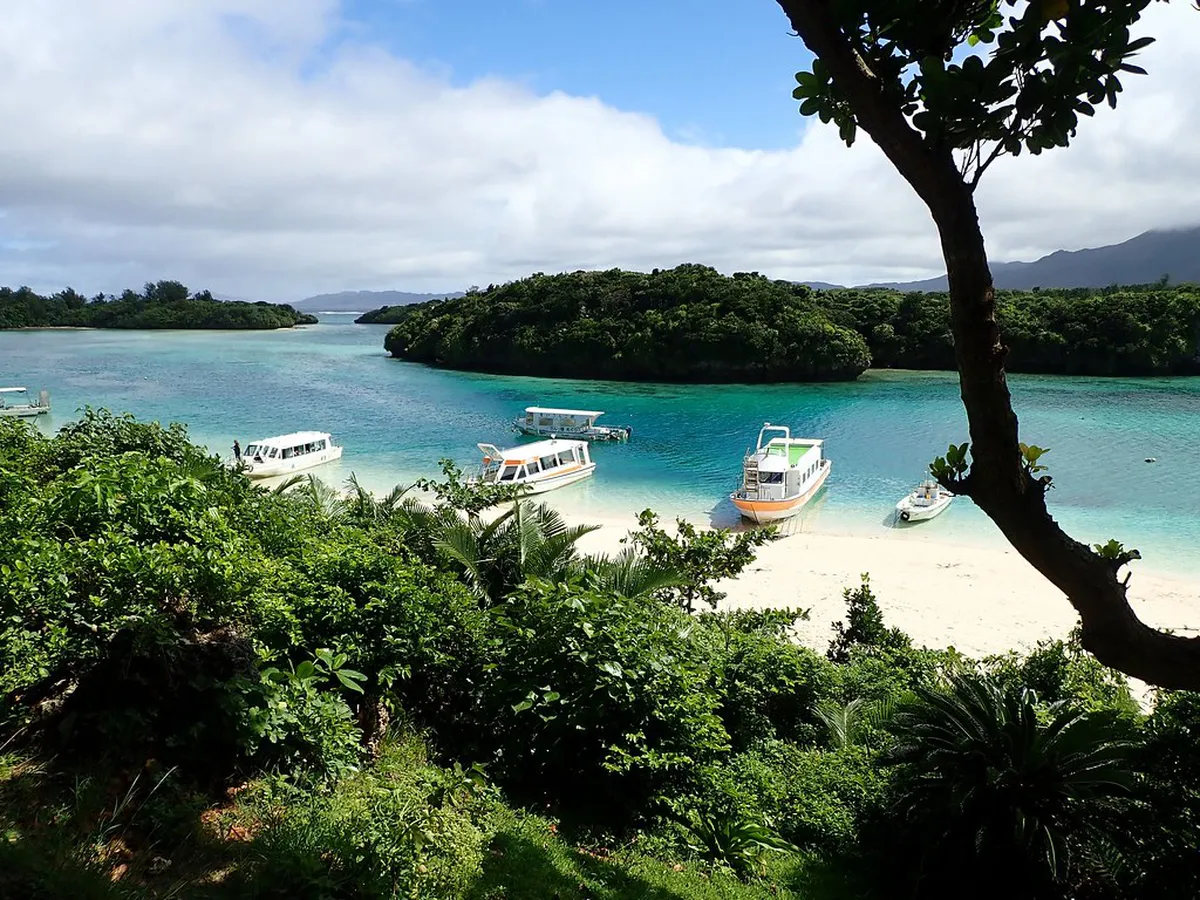
Accommodation around Kabira is limited to a small number of boutique guesthouses and one or two larger resort-style hotels. Privacy and quiet are genuine selling points; the day-trip crowds thin out by 17:00, leaving the bay almost entirely to guests staying nearby. Couples and solo photographers who prioritize atmosphere over convenience should consider this area. Rates at Kabira-area guesthouses run roughly ¥8,000–¥15,000 per night for a double room with breakfast.
The trade-off is transport dependence. There is no realistic way to base yourself at Kabira without a rental car or a significant budget for taxis. The bus (Route 9, Kabira Line) runs from Ishigaki Bus Terminal to Kabira Bay about six times daily, and the journey takes 55–65 minutes and costs ¥730 one way. If you miss the last return bus, a taxi back to the city costs around ¥4,500–¥6,000. Dining options near the bay are limited to a handful of restaurants along Highway 79 — most close by 20:00.
Yonehara Beach: Best for Snorkeling and Budget Stays
Yonehara Beach sits on Ishigaki's north coast and offers walk-in snorkeling access to one of the healthiest shallow coral reefs on the island. The reef begins just five to ten metres from shore, and neon parrotfish, sea turtles, and hawksbill turtles are commonly spotted in the mornings before tour boats arrive. This is genuinely one of the most accessible snorkeling spots in all of the Yaeyama Islands — no boat required.
Accommodation near Yonehara is mostly small guesthouses and camp sites charging ¥3,000–¥8,000 per night. The surrounding area is lush with Yonehara Palm Beach — a protected grove of fan palms — and walking trails into the island's forested interior. Shops are scarce; the nearest convenience store is a 15-minute drive away, so arrive with supplies. Most guesthouses here rent snorkeling gear for ¥500–¥800 per day.
The atmosphere at Yonehara skews young and adventure-focused. It is popular with divers who want easy access to nearby dive sites off the north coast, and with travelers doing a self-drive loop of the island who want an overnight stop midway. A car is essentially mandatory. If you plan to combine Yonehara with day trips to Kabira Bay — only 15 minutes away by car — this is the most efficient base for a north-coast-focused itinerary.
Shiraho Village: Best for Culture and Reef Ecology
Shiraho Village on the southeastern coast sits closest to the airport — about 10 minutes by car — and is famous for the Shiraho Seabed Blue Coral (青サンゴ) reef, one of the few remaining large-scale blue coral ecosystems in Japan. The reef is protected and can only be accessed via guided tours; several local operators run half-day snorkeling and glass-bottom boat trips for ¥3,000–¥5,000 per person.
The village itself preserves traditional Ryukyuan architecture: stone walls, red-tiled roofs (赤瓦), and modest family homes. Staying in a local minshuku here costs ¥5,000–¥9,000 per night with two meals included, which is exceptional value by Ishigaki standards. Home-cooked meals feature soki soba (pork rib noodle soup), goya champuru (bitter melon stir fry), and seasonal fish. This is not a resort experience — it is an immersion in everyday Yaeyama life.
Shiraho is quiet in the evenings and lacks nightlife entirely. Travelers who want to drink and explore after dark will find the village too remote. But for those who prioritize cultural depth over party convenience, Shiraho rewards patience. The village holds several small festivals during summer and autumn that most tourists never attend because they are staying elsewhere on the island.
Accommodation Types: Resorts, Guesthouses, and Ryokan
Ishigaki's accommodation landscape breaks into four clear tiers. At the top are international chain resorts — ANA InterContinental and Fusaki Beach Resort — where rates in summer 2026 exceed ¥50,000 per night but include pool complexes, buffet breakfast, and beach equipment. Mid-range business hotels in the city center offer clean, functional rooms for ¥10,000–¥20,000 and are the best value for guests who plan to spend most of their time outside the room.
Guesthouses (ゲストハウス) and minshuku are the island's budget backbone, scattered across all areas from Shiraho to Yonehara. Double rooms start at ¥4,000–¥6,000 per night; some include a simple Japanese breakfast. Many guesthouses are run by long-term residents who can recommend specific dive sites, local restaurants, and free events. This local knowledge is often more valuable than any guidebook. Hostels with dormitory beds are available in the city center from around ¥2,500 per night.
Ryokan-style accommodation is less common on Ishigaki than on the main Okinawa island, but a small number of traditional inns operate on the island with tatami rooms, shared onsens (fed by natural spring water), and kaiseki-style dinners. These typically cost ¥15,000–¥25,000 per person with two meals. Booking ryokan well in advance is critical — they have fewer rooms than resorts and fill up months ahead of peak season.
| Area | Accommodation Type | Price Range (per night) | Best For |
|---|---|---|---|
| City Center | Business hotel | ¥10,000–¥18,000 | Convenience, ferry access |
| Fusaki-Maezato | Resort | ¥15,000–¥80,000 | Families, pools, beach |
| Yonehara | Guesthouse | ¥3,000–¥8,000 | Snorkelers, budget travelers |
| Kabira Bay | Boutique guesthouse | ¥8,000–¥15,000 | Photography, quiet retreats |
| Shiraho | Minshuku (with meals) | ¥5,000–¥9,000 | Cultural immersion, reef access |
When to Book: Ishigaki's Compressed Peak Season Window
Ishigaki has the most compressed accommodation booking window of any major Okinawa destination, and most travel guides fail to quantify this clearly. The root cause is airport capacity: Ishigaki New Port Airport handles a limited number of daily flights from Tokyo Haneda, Osaka Itami, and Naha. When flights sell out, the island effectively caps its tourist intake — and the island's limited room inventory fills shortly afterward. For Golden Week (late April to early May 2026), hotels and resorts were reporting full occupancy as early as January. For Obon (mid-August), popular resorts in the Fusaki belt and Kabira area routinely fill 5–6 months in advance.
The most comfortable time to visit is mid-September to late November. The summer crowds and typhoon risk have passed, sea temperatures remain warm enough for snorkeling (around 26°C), and room prices drop by 30–50% compared to peak rates. March and early April also offer good conditions — comfortable temperatures (22–26°C), lower occupancy, and access to the spring diving season before coral bleaching risk peaks in July.
Travelers on a budget who must visit in July or August should book guesthouses and campgrounds — they sell out later than resorts and are less likely to implement minimum-stay requirements. If you find a resort available in peak season with no minimum-stay requirement, check the cancellation policy carefully: last-minute availability at popular properties often means a non-refundable booking someone else dropped.
Book flights to Ishigaki before accommodation. Ishigaki New Port Airport's limited daily capacity fills faster than any hotel inventory — a sold-out flight makes even the most available guesthouse unreachable.
Getting Around: Cars, Buses, and the ¥1,000 Day Pass
A rental car is the most effective way to explore Ishigaki, particularly outside the city center. The island's main roads are well maintained and traffic moves slowly. Parking is free at virtually all beaches and tourist sites. Book your vehicle at least three months in advance for July and August travel — inventory from Nissan, Toyota, and Times Car rental outlets at the airport depletes quickly. International driving permits are required; secure yours before leaving your home country as Japanese offices cannot issue them.
For those who prefer not to drive, the Yaeyama Bus Day Pass (¥1,000 per day, valid on all Kanto Bus routes on Ishigaki) offers unlimited rides and covers routes to Kabira Bay, Yonehara, and Shiraho. Day passes are sold at the Ishigaki Bus Terminal in the city center. The bus network does not reach every beach, but it covers the major named destinations. Bus frequency is roughly every 1–2 hours on main routes, so plan each day's schedule around the timetable posted at each stop.
Driving on the island is relaxed compared to the Naha transport guide, where urban traffic and parking costs add complexity. Japan's strict 0% blood alcohol limit means that anyone staying in a remote resort who wants to drink during dinner must either eat at the hotel, order a taxi both ways, or designate a non-drinking driver. This is the one operational reality that trips up independent travelers who choose north-coast or mid-island resort bases. Plan your drinks and driving before you check in.
For island hopping, bicycles and e-bikes are available for rent near the ferry terminal in the city center (approximately ¥500–¥1,500 per day). Taketomi Island, a 10-minute ferry ride from Ishigaki Port, is flat enough to be explored entirely by bicycle in a half day — one of the most enjoyable low-cost day trips in the Yaeyama chain.
Island Hopping: Day Trips from Ishigaki Port
Ishigaki Port is the ferry hub for the entire Yaeyama archipelago, and most visitors treat the island as a base for exploring neighboring islands rather than a destination unto itself. Anei Kanko and Yaeyama Kanko Ferry operate boats throughout the day. Ferry fares are fixed: Taketomi costs ¥700 each way (10 minutes), Kohama ¥1,050 (25 minutes), Iriomote (Ohara port) ¥1,580 (35–40 minutes), and Hatoma ¥1,840 (1 hour). Children's fares are roughly half price.
Taketomi Island is the most visited and the easiest day trip: a preserved Ryukyuan village with white sand lanes, water buffalo cart rides, and the famous Kondoi Beach with its star-shaped sand. Iriomote is the more adventurous choice — 90% jungle, crisscrossed by mangrove rivers, and home to the endangered Iriomote wildcat. Full-day trekking and SUP tours on Iriomote typically cost ¥8,000–¥15,000 per person including guide and lunch. Book these tours from Ishigaki rather than waiting until you arrive on Iriomote, especially in summer.
Your choice of base on Ishigaki directly affects how practical island hopping becomes. City center guests walk to the terminal; Fusaki-belt resort guests need a 15-minute taxi (¥1,500–¥2,000) or shuttle; Kabira Bay guests face a 40-minute drive or a 90-minute bus. If you plan more than one or two inter-island day trips, the city center or Fusaki belt will save both time and money over the course of a week.
Practical Tips Before You Arrive
Box jellyfish (ハブクラゲ) are present in nearshore waters from May through October. Fusaki Beach and Maezato-Ryuhi Beach maintain safety nets during this period, but most wild beaches do not. Wearing a full-body rash guard or wetsuit top is the safest approach at unprotected beaches. Vinegar stations are posted at some beaches for treating stings — do not use freshwater on a box jellyfish sting.
Sunscreen is essential year-round on Ishigaki. Bring reef-safe (no oxybenzone or octinoxate) sunscreen from home; Japanese pharmacies stock it, but supply at island stores is inconsistent. Carry cash — many small guesthouses, market stalls, and rural restaurants do not accept credit cards. The post office ATM in Ishigaki city center and 7-Eleven ATMs accept international cards reliably.
Check the travel tips for broader Okinawa trip planning before your Ishigaki leg. Booking internal flights to Ishigaki early matters more than booking accommodation — once flights are full, no accommodation decision will help. Japan Airlines and ANA both operate multiple daily flights from Haneda; Skymark and Peach Aviation offer cheaper fares from Osaka and Naha, though baggage allowances are more restrictive. A pocket Wi-Fi or local SIM card is essential for real-time navigation on island roads and checking ferry status updates during typhoon season.
Frequently Asked Questions
Which Ishigaki area is best for first-time visitors?
The Ishigaki City Center is the best area for first-time visitors. It offers the most dining options and easy access to the ferry terminal for island hopping. You can find a variety of accommodation styles similar to those in other major Okinawan hubs.
Do I need a car to stay in Ishigaki?
Yes, a rental car is highly recommended for most travelers. While buses exist, they are infrequent and do not reach every scenic spot. Having a car allows you to explore remote beaches and restaurants at your own pace without stress.
Is it better to stay in Ishigaki City or near the beach?
The choice depends on your travel goals. Stay in the city if you want convenience, nightlife, and easy ferry access. Choose a beach area like Kabira or Yonehara if you prefer a quiet, nature-focused retreat with immediate access to the water.
What are the best family-friendly hotels in Ishigaki?
Resorts like Fusaki Beach Resort and ANA InterContinental are excellent for families. These properties offer jellyfish safety nets, kids' clubs, and multiple swimming pools. They provide a secure environment for children to enjoy the tropical waters of Ishigaki Island.
Ishigaki Island is a diverse destination that caters to every type of traveler. Choosing the right base will significantly enhance your overall experience in 2026. Whether you prefer city convenience, a mid-island family resort, or a quiet north-coast guesthouse, the island has a match for your priorities. Take the time to consider your transport options and island-hopping plans before making a final booking — those two factors narrow your best area faster than any other consideration.
Remember to book your flights before your accommodation; Ishigaki's airport capacity is the true bottleneck. Use our travel tips to prepare for your journey to the Yaeyama region. With proper planning, your stay in Ishigaki will be a highlight of your Japan trip.
For the full city overview, see our Naha attractions guide.
Ishigaki is part of planning a wider trip — start with our Okinawa things-to-do guide for the full picture.
Free: The Naha Essentials guide
Top things to do, where to stay, a perfect day plan, getting around, and the best time to go — a Naha mini-guide you can take offline.
You might also like

Continue reading
More guides you'll find useful