

Naha Travel Tips: The Ultimate Travel Guide
Plan your Naha travel tips with top picks, neighborhood context, timing tips, and practical booking advice for a much smoother trip to Okinawa today.
On this page
Naha serves as the vibrant gateway to Okinawa and offers a fascinating blend of ancient history and modern island life. Visitors often start their journey here before exploring the wider archipelago and its stunning turquoise waters. Understanding the local layout and cultural nuances helps you maximize every moment in this unique subtropical city. These essential tips ensure your first steps in the Ryukyu islands are both smooth and memorable.
Must-See Naha Attractions
Kokusai Dori stands as the most famous street in Naha and stretches for nearly two kilometers through the city center. You will find endless shops selling local snacks, colorful crafts, and unique Okinawan clothing along this bustling strip. On Sunday afternoons, the street closes to traffic and street performers take over. It is the perfect place to start your exploration and pick up purple sweet potato tarts for the road.
Just a short walk from the main street lies the Makishi Public Market, often called the kitchen of Okinawa. This market provides a raw look at local ingredients like bitter melon, sea grapes, and fresh tropical fish. You can buy seafood on the first floor and have it cooked for you upstairs at a very reasonable cost. It offers an authentic dining experience that most traditional restaurants cannot replicate. Read the the Kokusai-dori shopping street for the best spots tucked behind the main drag.
The Tsuboya Pottery District offers a quieter escape into the artistic history of the city. Walking down these limestone-paved streets feels like stepping back in time to the Ryukyu era. You can browse high-quality ceramics, pick up traditional Shisa lion figures as gifts, or try your hand at making one yourself. Entrance to the district is free and the walk from Kokusai Dori takes under ten minutes.
Museums, Art, and Culture in Naha
The Okinawa Prefectural Museum and Art Museum is an architectural marvel designed to resemble a traditional Okinawan castle. Inside, detailed exhibits cover the natural history and cultural evolution of the Ryukyu Kingdom, including its distinct language, religion, and maritime trade networks. The art section features works by local artists that highlight the unique island identity. Admission is 530 yen for the permanent collection.
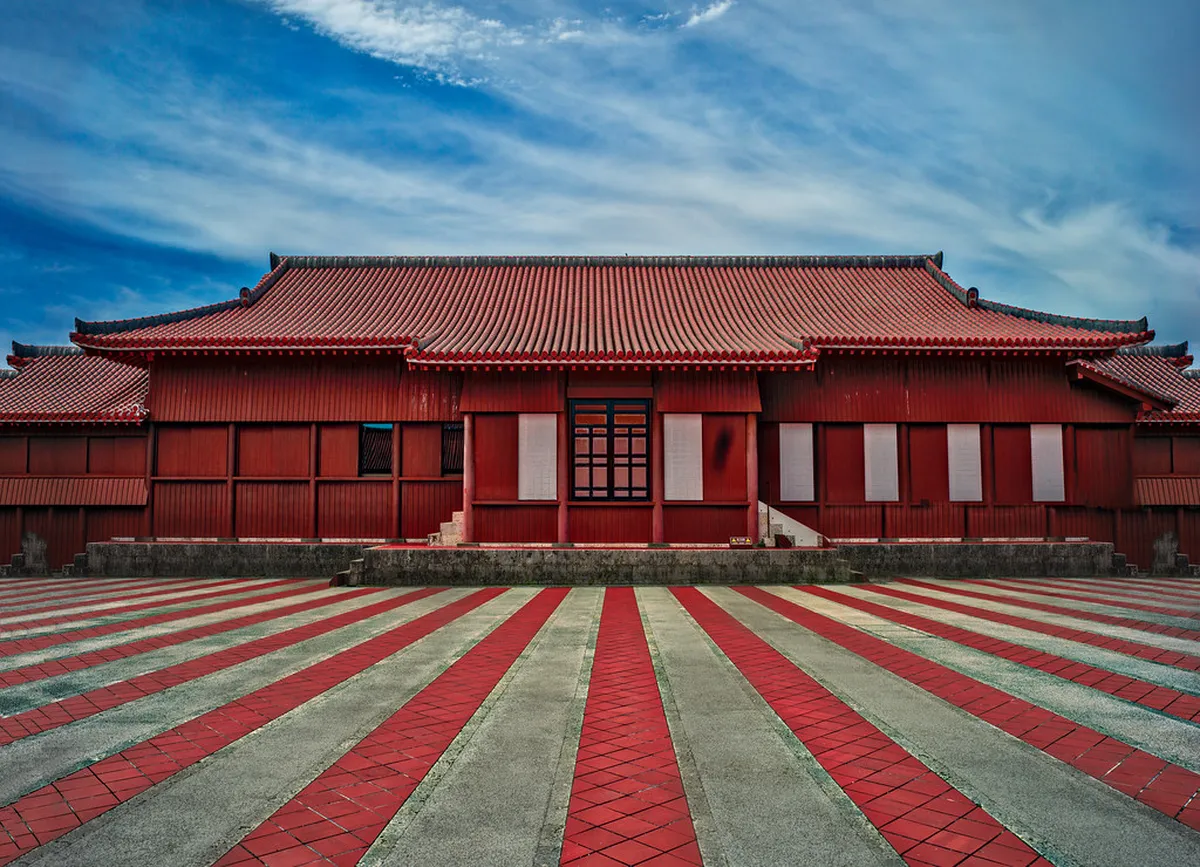
Shuri Castle remains the crown jewel of Naha despite the tragic fire that occurred in 2019. As of 2026, the reconstruction of the main hall is progressing and visitors can observe the restoration work up close from designated viewing platforms. The massive stone walls and ceremonial gates are fully accessible and still deeply impressive. Check the visiting Shuri Castle for current access maps and which areas have reopened.
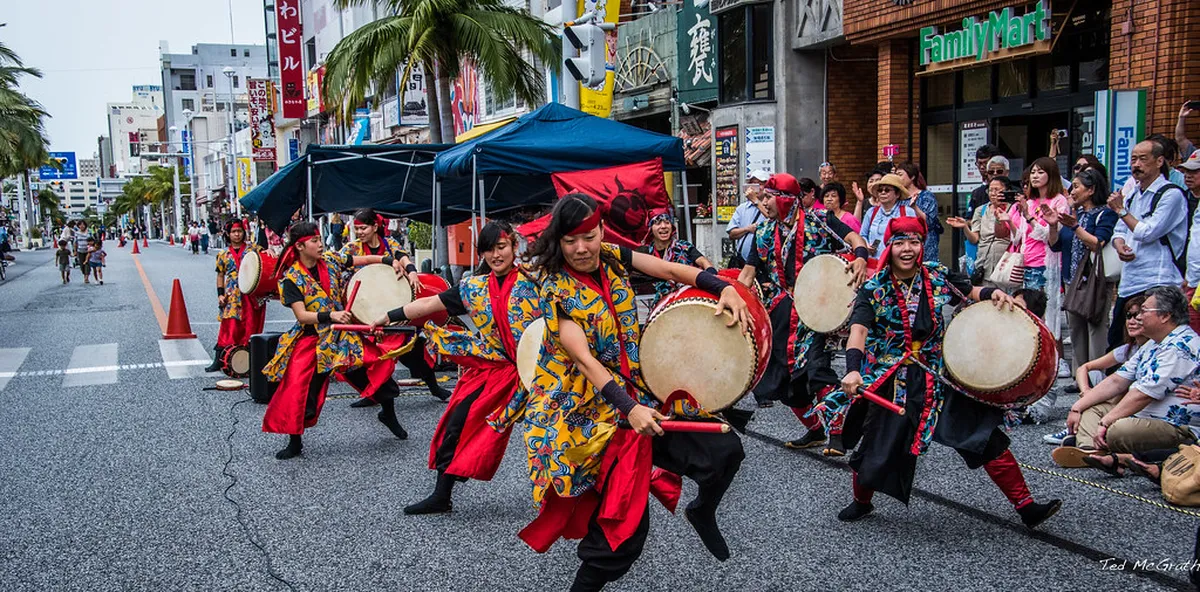
Cultural performances like Eisa drum dancing often take place at festivals and community events throughout the city. These high-energy dances showcase the spirit and resilience of the Okinawan people and are a world away from mainland Japanese performing arts. Sanshin, the three-stringed Okinawan lute, is played live in many small restaurants along the Sakaemachi Arcade in the evenings. Seeking these sounds out is worth an extra night in the city.
Parks, Gardens, and Outdoor Spots in Naha
Shikinaen Garden served as the second residence for the Ryukyu kings and features a beautiful circular path around a central pond. The landscape design blends Japanese gardening techniques with Chinese influences and local Okinawan flora. It is a peaceful retreat away from the city noise, and the walk from Shuri station takes about 25 minutes. The garden is particularly photogenic in spring when subtropical flowers begin to bloom.
Fukushuen Garden is a traditional Chinese-style garden built to celebrate the historical ties between Naha and Fuzhou. All materials and designers were brought from China during construction, giving it a distinctly non-Japanese feel. The garden features intricate stone carvings, a small waterfall, and a koi pond and admission is completely free. It is easily reached on foot from the center of Naha, making it the more convenient of the two gardens.
Naminoue Beach is the only swimming beach located directly within the Naha city boundaries. The water is surprisingly clear despite the highway overpass overhead, though the beach is small and better suited to a quick afternoon dip than a full beach day. A shrine sits on the cliff directly above the sand, creating a striking backdrop for photos at sunset. The beach is free to use and staffed with lifeguards during summer months.
The Best Time to Visit Naha
April, May, and October are the sweet spot for visiting Naha. Temperatures sit between 22°C and 28°C, the rainy season has not yet started or has just ended, and crowds are thinner than during the peak summer holidays. Cherry blossoms bloom in Okinawa from late January to early February, which is earlier than anywhere else in Japan and gives Naha a quieter draw in winter.
Avoid visiting between late May and mid-June if rain disrupts your plans. Okinawa's rainy season (tsuyu) typically drops 200–300 mm of rainfall over this period. September is typhoon month and carries real risk of cancelled ferries and grounded flights to the outer islands. Travel insurance is strongly recommended if your visit falls between July and October.
Winter (December to March) is the most divisive time to visit. Average temperatures drop to 15–18°C and several days of grey drizzle are common. The upside is significantly cheaper hotels and half the foot traffic at Shuri Castle. If your trip is focused on culture and food rather than beaches, winter is a viable and affordable option that most first-time visitors overlook.
Where to Stay in Naha
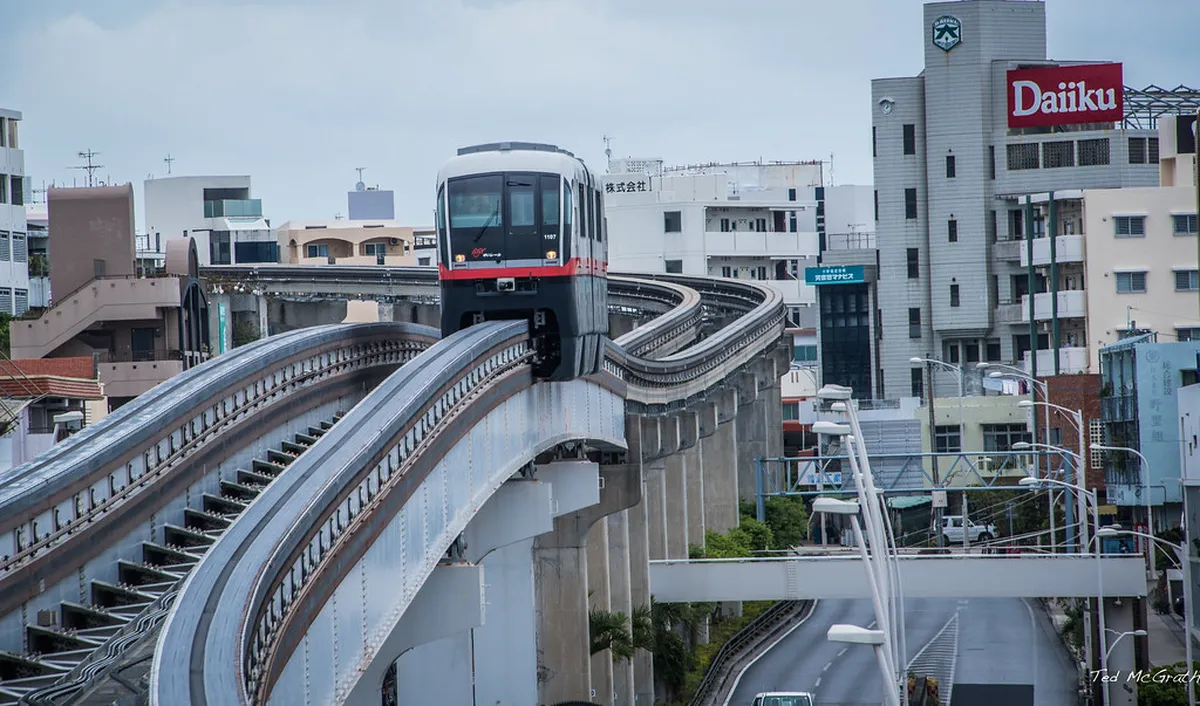
Staying within walking distance of the Yui Rail monorail is the single most practical decision you can make for accommodation. The line runs from Naha Airport to Shuri Castle, passing through the Kokusai Dori area at Makishi station. Neighborhoods clustered around Kencho-mae, Makishi, and Miebashi stations offer the widest range of hotels, guesthouses, and izakayas within easy walking distance. You do not need a car if you are based here.
Budget travelers will find clean guesthouses and business hotels in the 4,000–8,000 yen per night range near Asahibashi station. This area is slightly south of the tourist center but just two stops from the airport and quiet at night. Mid-range city hotels along Kokusai Dori run 10,000–18,000 yen and provide the most convenient base for sightseeing. Read the the best Naha neighborhoods guide for specific property picks by budget.
Beach resort accommodation is not really Naha's domain. If an oceanfront resort is your priority, the Onna Village area on the west coast of the main island is about 90 minutes north by car. For most visitors spending three to five days exploring the city and its day trips, a centrally located city hotel is more practical and considerably cheaper.
Money, Connectivity, and What to Pack for Naha
Cash is still king in Naha, particularly at small izakayas, local markets, and Tsuboya pottery shops. The most reliable ATMs for foreign cards are inside 7-Eleven convenience stores, which are available 24 hours and accept Visa, Mastercard, and Maestro. Okinawa's official tourism board confirms Japan Post offices also have international ATM counters, open during business hours on weekdays. Carry at least 10,000–15,000 yen in cash on any given day to avoid being caught short at a cash-only restaurant.
7-Eleven ATMs accept foreign Visa, Mastercard, and Maestro cards 24 hours. Withdraw 10,000–15,000 yen daily for safe coverage at cash-only restaurants.
For connectivity, a Japan eSIM purchased before departure is the most friction-free option. Major providers like IIJmio and Mobal offer plans from around 1,500 yen for 3 GB of data, which is enough for a week in Naha using maps and messaging. Physical SIM cards are available at the airport arrivals hall from counters run by Docomo and SoftBank. Pocket Wi-Fi rental is a good fallback if you are traveling with multiple devices.
| Provider | Type | Price (approx) | Data / Duration |
|---|---|---|---|
| IIJmio | eSIM | ¥1,500 | 3 GB / 7 days |
| Mobal | eSIM | ¥1,500–2,500 | 3–5 GB / 7 days |
| Docomo | Physical SIM | ¥2,000–3,000 | 2–5 GB / 7 days |
| SoftBank | Physical SIM | ¥2,000–3,000 | 2–5 GB / 7 days |
| Pocket Wi-Fi rental | Device | ¥1,000–1,500/day | Unlimited / per day |
Pack light linen or moisture-wicking clothes for summer visits, as humidity in July and August pushes above 85 percent. A compact rain jacket is essential year-round, and reef-safe sunscreen is worth buying before you arrive as local convenience stores rarely stock it. Comfortable closed-toe shoes matter more than you might expect: the Tsuboya streets, Shuri hill, and Shikinaen Garden all involve uneven stone paths that punish sandals. A refillable water bottle saves money and reduces waste, since vending machines are ubiquitous but single-use plastic cups add up.
Family-Friendly and Budget-Friendly Options in Naha
Families traveling with children will find several parks and interactive spaces throughout the city. Miebashi Park offers playground equipment and space for kids to run while parents take a break. Many local museums also offer discounted rates for students and younger visitors. If you are traveling visiting Naha with children, consider the interactive exhibits at the Prefectural Museum, where children can handle replica artifacts and try on traditional Ryukyu clothing.
Budget travelers can save money by taking advantage of the many free viewing spots and free-entry attractions in the city. Walking through the historical districts like Tsuboya costs nothing and provides hours of entertainment. Fukushuen Garden, Naminoue Beach, and the exterior of Shuri Castle grounds are all completely free. Affordable meals start at around 700 yen for a bowl of Okinawa Soba at a no-frills local shop.
The Yui Rail one-day pass costs 800 yen for adults and 400 yen for children, allowing unlimited rides and providing entry discounts at several major attractions including the Prefectural Museum. Planning your daily route around the monorail line avoids taxis entirely. Local supermarkets like San-A and Union are excellent for affordable bento lunches, fresh fruit, and cheap local snacks that save money without sacrificing quality.
How to Plan a Smooth Day in Naha
The Yui Rail monorail is the most efficient way to navigate the city and avoid traffic. It connects Naha Airport directly to major hubs like Kokusai Dori and the Shuri Castle area. Most trains run every six to ten minutes during daytime hours, making it very easy to stay on schedule. You can learn more about the Naha transport guide to master the local transit system.
Start your day early at the Shuri Castle area to beat the midday heat and larger tour groups. Early morning light is better for photographing the stone fortifications and the garden grounds are quieter before 09:00. After exploring the hills, head back down to the city center for lunch at Makishi Market. This flow avoids the midday crush at both sites and keeps your energy up for the afternoon.
Wear comfortable closed-toe shoes and keep a refillable water bottle with you to stay hydrated in the humid subtropical climate. Many of Naha's best features are tucked away in narrow alleys where the monorail does not reach. Small convenience stores are everywhere if you need a quick break, a cash ATM, or a cheap snack between attractions.
My Favorite Things to Do in Okinawa
Eating your way through Naha is perhaps the most rewarding experience for any visitor. You must try Okinawa Soba, which features thick wheat noodles in a savory pork-based broth that is closer to Chinese ramen than mainland Japanese soba. Taco Rice is another local staple born from the American military presence and widely available along Kokusai Dori. Our what to eat in Naha highlights the best local spots for an authentic meal at every price point.
Exploring the hidden backstreets of the Sakaemachi Arcade offers a glimpse into local life after dark. This area transforms from a quiet daytime covered market into a lively collection of tiny bars and eateries from around 18:00. It is much less touristy than Kokusai Dori and feels very welcoming to adventurous travelers. You can find some of the best gyoza and locally distilled Awamori liquor in these narrow paths for well under 1,000 yen a dish.
For those with more time, the Kerama Islands are just 35 minutes by high-speed ferry from Naha's Tomari Port. The water clarity in the Keramas ranks among the best in Asia, and snorkeling requires no special experience or license. Day trips depart daily and cost around 3,500 yen return. This is the one activity that takes Naha from a very good city trip to a genuinely remarkable island experience.
Planning a Trip to Japan?
When planning a trip to Japan, Naha is a highly accessible destination thanks to frequent domestic flights. Major cities including Tokyo, Osaka, and Fukuoka offer multiple daily connections to Naha Airport, and low-cost carriers like Peach and Jetstar regularly sell fares under 10,000 yen each way. International flights from Seoul, Taipei, and Hong Kong also connect directly to Naha, making it a convenient entry point for visitors coming from neighboring countries. You can read more about getting to Naha for specific airline and route advice.
Consider spending at least three days in Naha to see the main sights before heading to other islands. This allows enough time to explore Shuri Castle, the main markets, and at least one traditional garden at a relaxed pace. If you have more time, Naha makes an excellent base for day trips to the Kerama Islands or for renting a car to drive north along the main island toward Nakijin Castle.
Naha is among the most relaxed cities you will encounter in Japan. The atmosphere is slower, the locals are famously friendly, and the blend of American influence and traditional Ryukyu heritage creates a cultural landscape found nowhere else in the country. A few words of Okinawan dialect go a long way: greet people with "Haisai" (men) or "Haitai" (women) and you will almost always get a warm smile in return. Check the when to visit Naha to align your trip with the most favorable weather window.
Frequently Asked Questions
Does Okinawa get cold in the winter?
Okinawa remains much warmer than mainland Japan, but temperatures can drop to around 15°C (59°F) in January. You will need a light jacket, especially when the sea breeze is strong. While it is rarely freezing, the humidity can make the air feel cooler than the thermometer suggests.
Do you tip in Okinawa?
No, tipping is not a part of the culture in Okinawa or anywhere else in Japan. Excellent service is included in the price of your meal or hotel stay. Attempting to leave a tip might even cause confusion or lead to the staff following you to return the money.
Do not tip in Okinawa—staff may be confused and return the money. Service charges are included in meal and hotel prices.
What is the best area to stay in Okinawa?
For first-time visitors, staying near Kokusai Dori in Naha is highly recommended for easy access to transport and dining. If you want a beach resort experience, the Onna Village area is a better choice. Check our guide on the best Naha neighborhoods for specific hotel recommendations.
Is Naha Travel Tips worth including on a short itinerary?
Yes, Naha is worth at least a two-day stay even on a short trip to Japan. It offers a completely different cultural experience compared to Honshu. The city is compact and easy to navigate, making it perfect for a quick but meaningful island detour.
Naha is a city that rewards those who take the time to look beyond the main tourist streets. From the historical heights of Shuri to the bustling stalls of the public market, there is always something new to discover. By following these Naha travel tips, you are well-prepared for an incredible Okinawan adventure. Pack your walking shoes and get ready to experience the unique hospitality of the Ryukyu islands.
For the full city overview, see our Naha attractions guide.
Free: The Naha Essentials guide
Top things to do, where to stay, a perfect day plan, getting around, and the best time to go — a Naha mini-guide you can take offline.
You might also like


Continue reading
More guides you'll find useful


