10 Naha Hidden Gems Travel Guide (2026)
Discover 10 Naha hidden gems including secret beaches, pottery lanes, and island day trips. Plan your Okinawa adventure with local tips and practical maps.
On this page
After visiting Naha four times over the last decade, I have realized the best spots are rarely on the main tourist maps. While Shuri Castle is iconic, the true soul of Okinawa hides in the narrow pottery lanes and retro markets. This guide helps you escape the crowds of Kokusai Dori to find authentic local experiences.
Our editors have reviewed every neighborhood to curate this list of essential Naha attractions and secrets. Last refreshed in June 2026, this article includes updated pricing and transportation tips for the modern traveler. You will discover everything from somber historical tunnels to turquoise island waters reachable by a short ferry ride.
Naha serves as the vibrant gateway to the Ryukyu Islands, blending Japanese and indigenous Okinawan traditions. Finding these hidden gems requires a bit of walking, but the reward is a deeper connection to the island. Keep reading to plan your perfect off-the-beaten-path adventure in this subtropical paradise.
Must-See Naha Hidden Attractions
Exploring the hidden side of Naha means moving beyond Kokusai Dori into the quieter wards where locals actually live. Most visitors spend the bulk of their time on the main shopping street and miss the real layers of this city. The selections below represent a mix of historical weight, artistic beauty, and natural wonder that are all reachable without a rental car.
One common mistake is rushing through Naha just to reach the northern resorts. Staying at least three nights lets you appreciate the slower pace of neighborhood spots and still squeeze in an island day trip. Check the our Naha itinerary planner to see how to group these locations by proximity for a logical walking route.
- Tsuboya Pottery District (Yachimun-dori) — This historic district features limestone-paved streets lined with traditional pottery workshops and charming cafes. Expect to pay around ¥600–¥3,000 for a handmade ceramic cup. Most shops open daily from 10:00 to 18:00 and sit a short walk from Makishi Station. Look for the small Tsuboya Pottery Museum at the end of the street (admission ¥350) to learn about Ryukyu ceramic history.
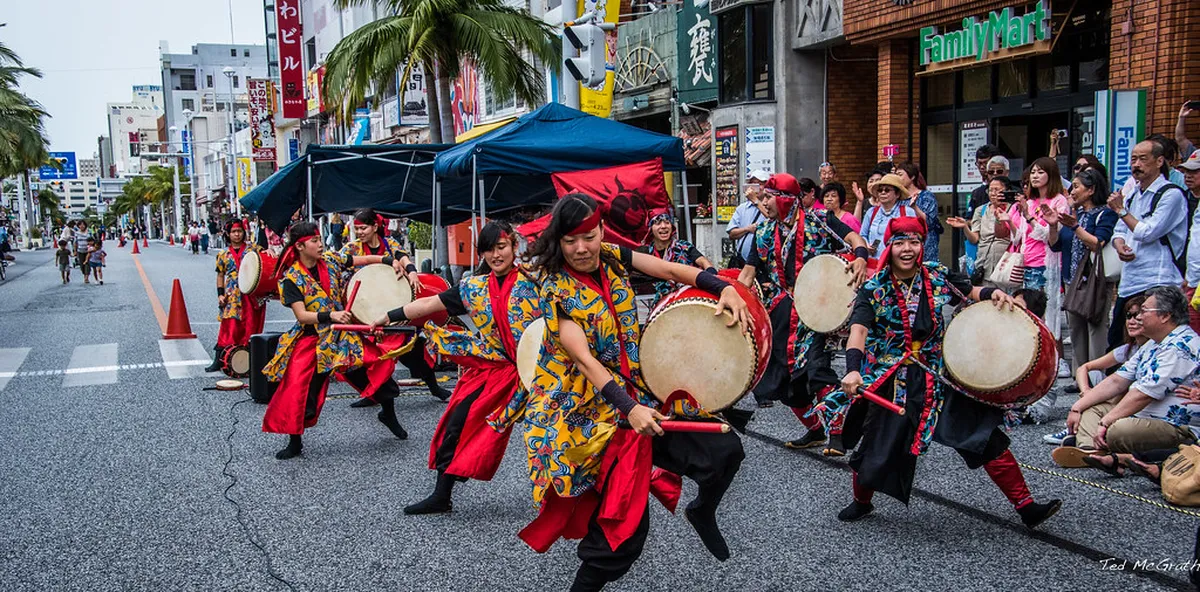
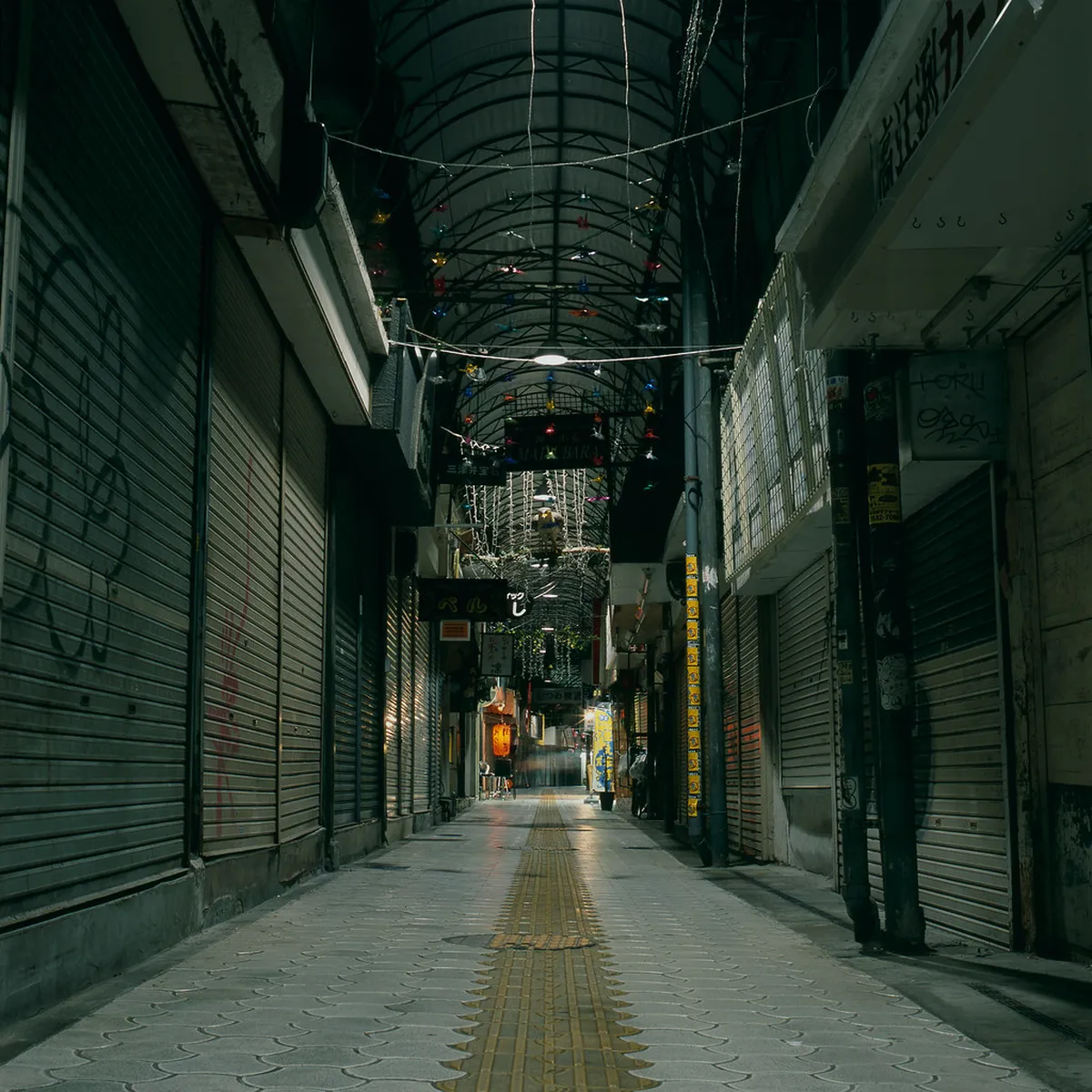
- Sakaemachi Market Retro Nightlife — This daytime produce market transforms into a vibrant maze of tiny bars and izakayas after sunset. Small plates and drinks typically range from ¥500 to ¥1,200 per serving. The market is most active from 18:00 until midnight, located just north of Asato Station. Try the local goat soup or champuru stir-fry at one of the standing bars for an authentic taste.
- Shikinaen Garden Royal Villa — This UNESCO World Heritage site served as the secondary residence for the Ryukyu kings and foreign envoys. Adult admission is ¥400, open 09:00–17:30, closed Wednesdays. Take the number 2 or 5 local bus from Naha Bus Terminal. Visit the hexagonal wooden pavilion for the best view of the stone bridge and tranquil pond.
- Former Japanese Navy Underground Headquarters — These hand-dug tunnels offer a somber look at the Battle of Okinawa through preserved command rooms. Entry costs ¥600 per adult; open daily 09:00–17:00. The site is located in Tomigusuku, accessible by bus from Onoyama Park Station (奥武山公園駅) followed by a 10-minute walk. Wear comfortable shoes — the stairs drop 20 meters underground and are steep and narrow.
- Fukushuen Garden Chinese Oasis — This walled garden celebrates historical ties between Naha and Fuzhou, China, with waterfalls and pagodas. Tickets are ¥220 per adult; gates stay open 09:00–21:00 daily. The garden sits in the Kume district, a 10-minute walk from Kencho-mae Station. Visit after dark when lanterns and structures are beautifully illuminated.
- Naminoue Shrine and City Beach — This striking red shrine sits atop a coral cliff overlooking a small, protected swimming beach. Access to the shrine and beach is free; lockers and showers have a small fee. The beach is open for swimming April through October, located in the Wakasa neighborhood. Walk across the nearby road bridge for a perfect postcard photo of the cliffside shrine.
- Okinawa Prefectural Museum and Art Museum — The building resembles a traditional Okinawan fortress and houses extensive natural history and art galleries. Permanent exhibition tickets cost ¥530; open 09:00–18:00, closed Mondays. Located in the modern Omoromachi district, it is a 10-minute walk from Omoromachi Station on the Yui Rail. The outdoor traditional house replica shows how locals lived before the modern era.
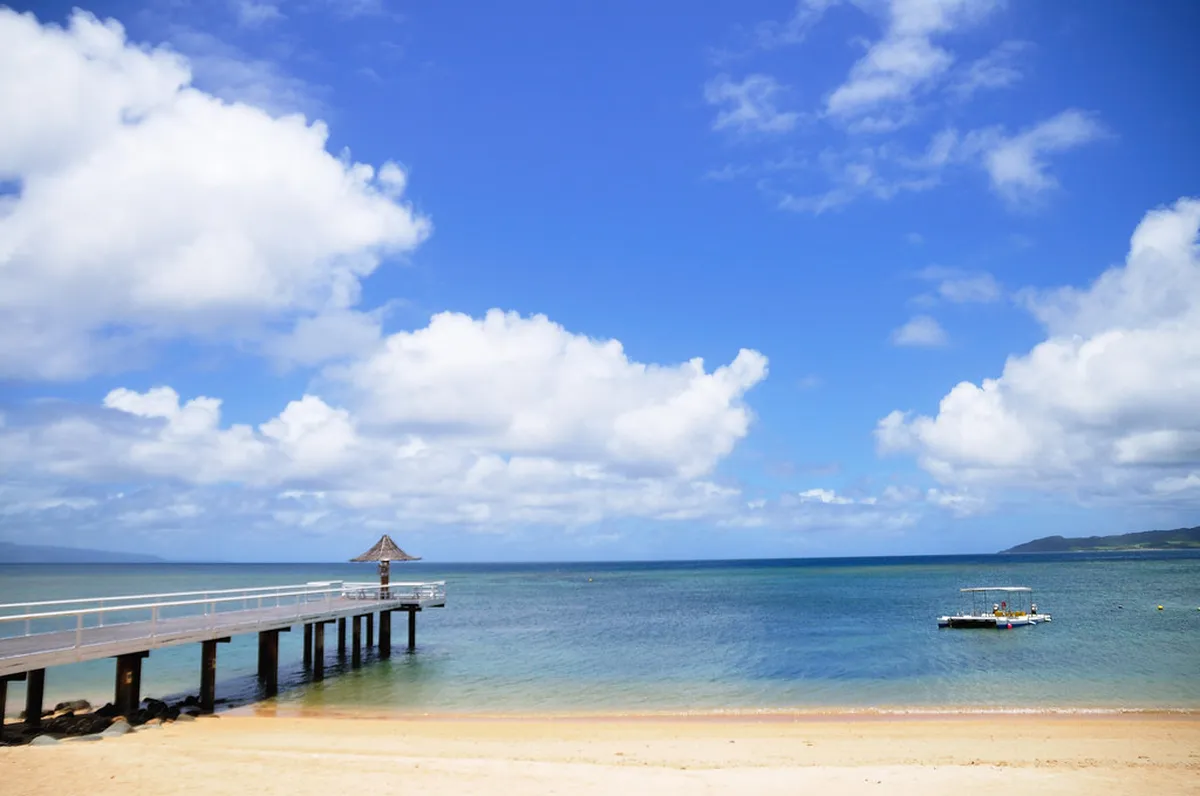
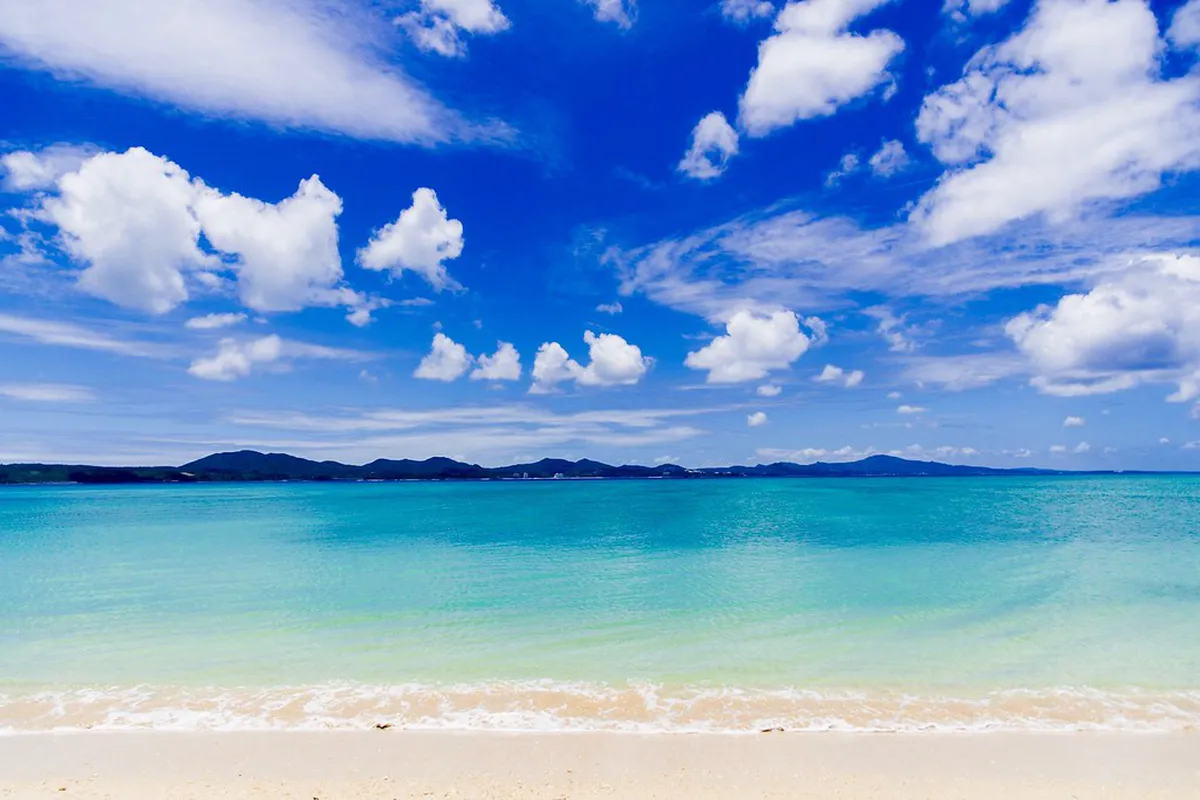
- Aharen Beach on Tokashiki Island — This stunning beach features crystal-clear Kerama Blue water and is famous for sea turtle sightings. Round-trip ferry tickets from Tomari Port cost ¥3,200–¥4,200 depending on boat speed. Ferries depart Naha in the morning and return by late afternoon; check the Official Naha City Tourism site for updated schedules. Rent a snorkel set for ¥1,000–¥1,500 to explore the coral reefs just offshore.
- Sueyoshi Park Forest Trails — This sprawling park contains a hidden shrine and dense subtropical forest perfect for a morning hike. Entry is free and the park is always open, though daylight hours are safest for exploring. It sits right next to Shiritsu-byoin-mae (市立病院前) Station on the monorail line. Keep an eye out for the giant Okinawan fruit bats that frequent the trees at dusk.
- Makishi Public Market Backstreets — While the main market is famous, the surrounding alleys hide tiny specialty shops and cheap local eateries. You can find Sata Andagi donuts for under ¥100 per piece. Most vendors operate 09:00–20:00, though some close on the fourth Sunday monthly. Take your purchased fresh fish upstairs to the second-floor kitchens to have it cooked for a small fee.
Museums, Art, and Culture in Naha
The cultural landscape of Naha is defined by its resilience and unique Ryukyuan identity. Visiting the Okinawa Prefectural Museum and Art Museum provides the necessary context for the rest of your trip. The building at 3-1-1 Omoromachi is itself worth photographing — its fortress-like stone facade echoes the Gusuku castle ruins scattered across the island.
Families will particularly appreciate the Hands-on Experience Room on the museum's ground floor, where children can try on traditional Ryukyuan court dress and handle replica pottery. This interactive section is free with the base admission of ¥530 and runs throughout the day without advance booking. I found it more engaging for younger visitors than the glass-case exhibits upstairs.
For those drawn to darker chapters of history, the Former Japanese Navy Underground Headquarters in Tomigusuku deserves careful preparation. The tunnels run 20 meters underground, and the command rooms are preserved exactly as they were found — including blast marks on the walls of the Staff Room where officers took their own lives as Okinawa fell in 1945. The experience is genuinely sobering, and the steep laddered stairs mean it is not suitable for visitors with mobility limitations or young children in arms. Give yourself at least 90 minutes and consider visiting in the morning when the tunnels are cooler and less crowded. After emerging, the adjacent memorial park overlooking the city offers a quiet place to reflect.
The Navy Underground Headquarters stairs are narrow and steep with a 20-meter descent. The site contains graphic historical content and is emotionally intense. Not recommended for families with very young children or visitors with mobility challenges.
Many cultural centers in Naha also offer workshops for weaving or Bingata textile dyeing. These hands-on sessions are often more memorable than viewing artifacts behind glass and can be booked in advance through local tourism offices.
Parks, Gardens, and Outdoor Spots in Naha
Naha offers several peaceful retreats that feel worlds away from the busy city traffic. Shikinaen Garden is the crown jewel of these green spaces with its unique blend of Chinese and Ryukyuan garden design. The circular path around the main pond was deliberately engineered to make the garden feel far larger than its actual footprint.
Fukushuen Garden provides a different aesthetic, celebrating the historical exchange between Naha and its Chinese sister city Fuzhou. The sound of the artificial waterfall creates a serene backdrop for a quiet afternoon, and the late-evening opening until 21:00 means you can visit after dinner when the lanterns cast golden light across the koi ponds. It is one of the few places in Naha where you can find traditional Chinese architecture without traveling to the mainland.
For a more rugged experience, the forest trails at Sueyoshi Park are excellent for birdwatching. The park is far less manicured than the royal gardens, offering a glimpse of the island's natural subtropical jungle. Bring mosquito repellent if you plan to explore the deeper forest paths, and time your visit for early morning to catch the endemic Okinawa rail if you are lucky. The park is one of the few green spaces in central Naha that sees almost no tourists.
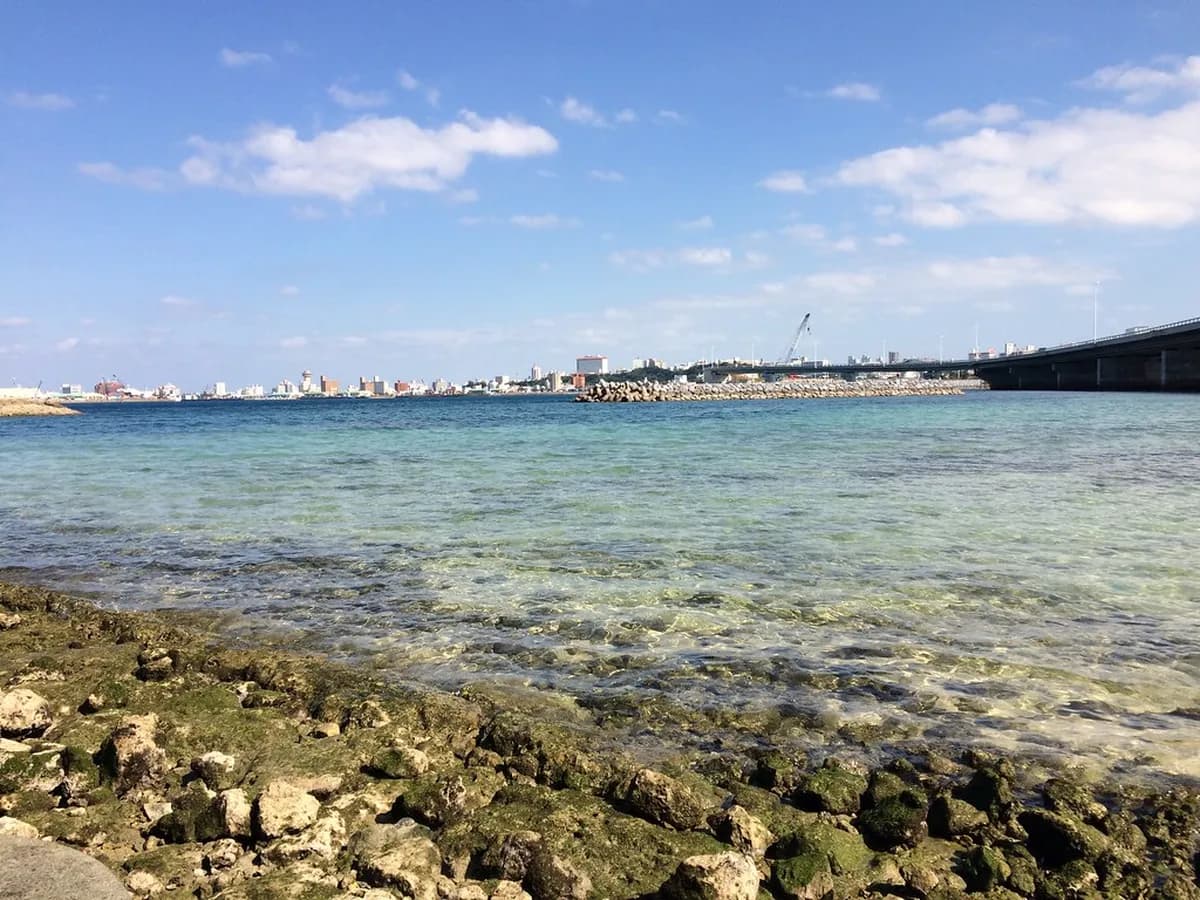
Naminoue Beach stands apart as the only urban swimming beach within Naha city limits. While the water here is calmer and cleaner than you might expect for a city beach, it cannot compare to the remote island beaches. Think of it as a convenient afternoon dip rather than a postcard destination, and save your beach ambitions for a Kerama Islands ferry day.
Family-Friendly and Budget-Friendly Options in Naha
Travelers often worry about the cost of Japan, but Naha is surprisingly accessible for families on a budget. Many of the best essential Naha tips involve using the city's free natural assets. Naminoue Beach costs nothing to enter and is safely lifeguarded during swimming season from April through October — a rare perk for a city beach in Japan.
The local markets are another great way to eat well without spending much. Pre-made bento boxes drop to under ¥500 at the end of the day, and vendors at Makishi routinely offer free samples of local tropical fruits to curious visitors. Sata Andagi fried donuts, the signature Okinawan street snack, cost less than ¥100 each and make a perfect snack between sights.
For families with children, the Okinawa Prefectural Museum's Hands-on Experience Room is a highlight that no competitor guide seems to mention. Kids can try on replica Ryukyuan royal garments and handle facsimile pottery pieces — all included in the ¥530 adult ticket, with children under 18 entering free. The museum also has wide corridors and accessible lifts throughout, making it one of the more stroller-friendly cultural sites in the city.
Consider purchasing a one-day Yui Rail pass (¥800 adult / ¥400 child) if you plan to visit multiple spots in one day. The pass pays for itself after three rides and comes with discount vouchers at several attractions near each station. This is the most efficient way to see the city without the expense of a rental car.
The Yui Rail one-day pass includes bundled discounts at 30+ attractions, often saving ¥100–¥300 per site. Museums, gardens, and the aquarium all participate in this discount network.
How to Get Around Naha Without a Car
The Yui Rail monorail is the backbone of car-free travel in Naha and the most practical tool for reaching hidden gems efficiently. The line runs from Naha Airport (那覇空港駅) all the way to Tedako-Uranishi (てだこ浦西駅), stopping at 15 stations including Kencho-mae for Fukushuen Garden, Omoromachi for the Prefectural Museum, and Shiritsu-byoin-mae for Sueyoshi Park. A single ride costs ¥230–¥370 depending on distance; the day pass at ¥800 breaks even after three trips.
For spots the monorail cannot reach, the local bus network fills the gap reliably. The number 2 and number 5 buses from Naha Bus Terminal (那覇バスターミナル) serve Shikinaen Garden in roughly 15 minutes. For the Navy Underground Headquarters in Tomigusuku, take any bus to Onoyama Park Station and then a 10-minute walk — or catch bus route 33 directly. All buses accept Suica and PASMO cards in 2026, which eliminates the need for exact change.
Walking ties everything together in the central neighborhoods. From Makishi Station it takes about eight minutes on foot to reach Tsuboya Pottery District along the limestone-paved Yachimun-dori lane. From Tsuboya, Sakaemachi Market is a further 12-minute walk north through Asato. This compact triangle — Makishi Station → Tsuboya → Sakaemachi — works well as a half-day car-free itinerary that costs nothing in transport.
I suggest starting your day early to avoid the midday heat and the largest tour groups. Most attractions open by 09:00, which gives you a head start on the crowds. Always carry a small reserve of yen, as some smaller shrines and island ferries do not accept cards reliably. Checking the our Naha itinerary planner in advance will help you sequence stops to minimize backtracking on the monorail.
Naha's Cherry Blossoms: Winter Sakura That Surprises Visitors
Cherry blossom season in Okinawa is a unique phenomenon that catches many mainland travelers completely off guard. Unlike the rest of Japan where sakura blooms in late March and April, Naha's Hikanzakura trees peak in late January and early February. This makes Okinawa the earliest sakura destination in the entire country, roughly eight weeks ahead of Tokyo.
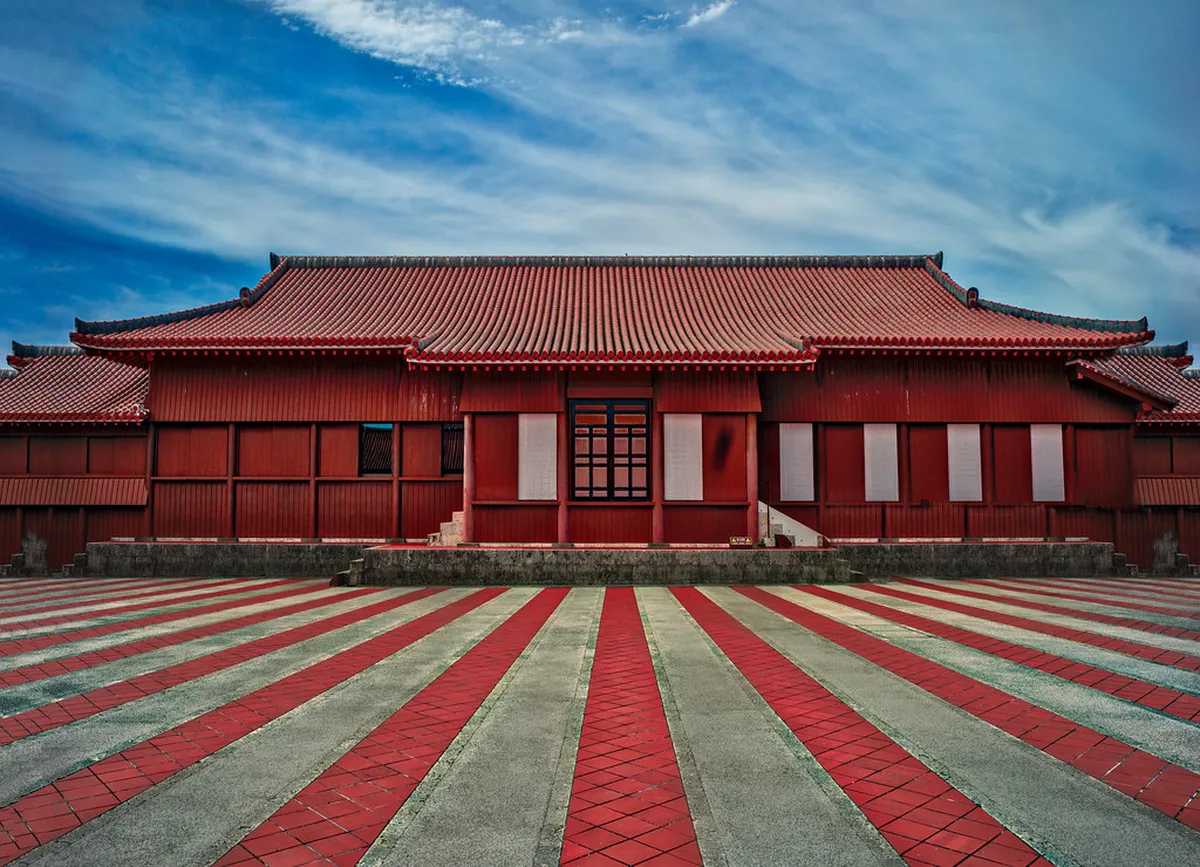
The local Hikanzakura variety features deep, vivid pink flowers with a downward bell-shape that is quite different from the pale, cloud-like Somei Yoshino petals seen on the mainland. The contrast is striking — where mainland sakura feels ethereal and fleeting, Okinawa's blossoms look almost tropical in their intensity. The ruined grounds near Shuri Castle are one of the best viewing spots in Naha, and the cool January air makes outdoor viewing far more comfortable than the spring crowds further north.
Be aware that Hikanzakura petals do not drift in the wind the way mainland sakura does. Instead, the entire flower head drops intact to the ground when it finishes blooming, creating pink clusters on the stone paths of city parks. Yogi Park (世界公園) near Yogi Station is a quieter alternative to the busy castle grounds and sees far fewer tourists during the bloom period.
For those comparing Okinawa's bloom with Tohoku's late-blooming varieties: the timing difference is almost three months. Okinawa peaks in January–February while northern Tohoku can see cherry blossoms as late as late April or even early May. If you want to chase sakura in Japan across multiple regions, starting in Naha in late January and finishing in Tohoku in late April creates a natural sakura road trip through the country.
DMM Kariyushi vs. Churaumi: Which Aquarium Is Right for You?
Choosing between Naha's two major aquarium options depends primarily on how much time you have and whether you are driving. DMM Kariyushi Aquarium sits inside the iias Okinawa Toyosaki Mall in Toyosaki, roughly 20 minutes south of Naha by car or monorail. It is operated by the same company behind Tokyo's teamLab Planets, and the experience shows — expect immersive digital light displays, glowing jellyfish rooms, and interactive projection tanks rather than a traditional aquarium layout. Budget 1–2 hours and plan on spending around ¥2,000–¥2,500 per adult.
Churaumi Aquarium in northern Okinawa is a fundamentally different proposition. The main tank, which once held the record for largest in the world, contains three whale sharks and large manta rays visible from multiple floors. Getting there requires roughly a two-hour drive from Naha, or a long bus journey of around 2.5 hours on the express route. Factor in the surrounding Ocean Expo Park with its dolphin shows, manatee pool, and tropical botanical garden, and you are looking at a full-day commitment. Adult tickets cost ¥2,180 in 2026.
For travelers without a rental car, DMM Kariyushi is clearly the more practical choice and still delivers a genuinely memorable experience. For families or first-timers with a full day to spare and a vehicle, Churaumi is worth the journey — the scale of the main tank is unlike anything else in Japan. A common approach among repeat Okinawa visitors is to do DMM Kariyushi on a rainy city day and save Churaumi for a dedicated northern Okinawa road trip.
Foodie Highlights Around Naha and Onna
The culinary scene in Okinawa blends tropical flavors, Southeast Asian influences, and a history of American military presence into something entirely its own. Our what to eat in Naha highlights the central role of pork and seaweed in the local diet, but the real education happens at Sakaemachi Market after dark. The alley bars here are so narrow that patrons often spill out onto the street — find a standing spot at one of the no-name izakayas and order the champuru (Okinawan stir-fry) and a glass of awamori, the local rice spirit distilled at up to 43 percent.
A local secret worth knowing: the best value meal in Sakaemachi is not at the tourist-facing shops at the market entrance but in the side alleys running perpendicular to the main lane. Look for handwritten menus on A4 paper taped to the door — these family-run spots often serve a full set dinner including soup and rice for ¥800–¥1,200 and close when they sell out rather than at a fixed time.
If you venture north to Onna Village, the roadside garlic shrimp trucks along Route 58 are a local institution. The shrimp is caught in local waters and served butter-fried with a view of the East China Sea. This area is also famous for umi budō (sea grapes), a crunchy seaweed that pops on the tongue and is eaten fresh with ponzu dressing — you can buy a small bag at most Onna roadside stalls for about ¥500.
Back in central Naha, do not leave without trying Okinawan soba. Despite the name, it uses thick wheat noodles rather than buckwheat, topped with braised pork belly and served with a pork-based broth. There is a tiny shop near the Tsuboya Pottery District that has been running the same recipe for over forty years, and the lunch queue begins forming before 11:30.
Island Day Trips from Naha by Ferry
Some of the best Naha hidden gems are actually found just off the coast. The Kerama Islands are reachable via ferry from Tomari Port (泊港) in central Naha, about a 15-minute monorail ride from the airport and a 10-minute walk from Miebashi Station. Taking the best Naha day trips is the easiest way to see pristine coral reefs without committing to an expensive northern resort stay.
Tokashiki Island is the closest Kerama option and the most popular for day-trippers. The high-speed ferry (高速船) takes 35 minutes and costs ¥2,150 one way; the slower car ferry takes 70 minutes at ¥1,690. A small bus meets each ferry at the port and runs to Aharen Beach in about 10 minutes for ¥200. Aharen offers some of the clearest water in Japan — snorkel gear rents for ¥1,000–¥1,500 on the beach, and coral visibility frequently exceeds 30 meters. One practical note: only cash is accepted on the island, so withdraw yen in Naha before departing. Book ferry tickets at least a week in advance during July and August as the summer sailings sell out.
Zamami Island, about 50 minutes by high-speed ferry (¥3,240 one way), offers a calmer village atmosphere and is the better choice from January to March when humpback whales gather in the surrounding channel. Both islands have small buses that meet the ferries to take you to the main beaches. If you want more than a day, simple guesthouses on both islands charge around ¥6,000–¥10,000 per night including breakfast.
Mihama American Village and a Beautiful Sunset
For a change of pace, Mihama American Village (美浜アメリカンビレッジ) offers a colorful, seaside entertainment experience unlike anything else on the island. The architecture is inspired by American roadside culture of the 1950s and 1960s, but the shops sell Okinawan crafts, local Blue Seal ice cream (famous for the purple beni-imo sweet potato flavor), and military surplus goods that filter in from the nearby bases. It is a genuinely strange and charming cultural artifact of Okinawa's postwar history.
The sunset view from the boardwalk adjacent to Araha Beach is considered one of the finest on the main island. Locals and tourists gather on the sea wall every evening to watch the sun drop below the horizon of the East China Sea, and the light is reliably spectacular between 18:00 and 19:00 in summer. The village address is 9-1 Mihama, Chatan-cho, and the nearest monorail stop is Asahibashi Station, from which local buses run directly to Chatan. The journey takes about 40 minutes by bus from Naha Bus Terminal.
If you stay for dinner, the village lights up with neon signs and a festive open-air atmosphere. For a more local alternative to the tourist-oriented restaurants inside the village complex, the Japan Rail Club travel community recommends CC's Chicken N' Waffles in the residential streets northwest of the village — a tiny spot that serves only one dish but has built a devoted following among Okinawa residents. It is a perfect way to end a day of exploring the more traditional side of the city before heading back to Naha on the evening bus.
Frequently Asked Questions
How many days should you stay in Naha?
I recommend staying at least three days to see the main sights and one hidden gem. This allows time for a day trip to the Kerama Islands and evening exploration of the local markets. If you plan to visit northern Okinawa, five days is a better choice.
Can you get around Naha without a car?
Yes, you can easily navigate Naha using the Yui Rail monorail and local buses. The monorail connects the airport to most major tourist districts and historical sites. For hidden gems further out, the local bus system is reliable and affordable for most travelers.
Is Naha worth visiting or should I stay elsewhere?
Naha is definitely worth visiting for its unique culture, historical depth, and vibrant food scene. While the northern resorts offer better beaches, the capital provides a more authentic Okinawan experience. It serves as an excellent base for island hopping and cultural tours.
Naha is a city of layers, where modern convenience meets ancient Ryukyu traditions. By stepping off the main tourist path, you can discover a side of Okinawa that most visitors miss. Whether you are exploring pottery lanes or snorkeling in Kerama Blue water, the city offers endless surprises without requiring a rental car or a big budget.
I hope this guide to Naha hidden gems helps you plan a more meaningful and local adventure. Remember to respect the local customs, carry cash for market vendors and island ferries, and take your time to soak in the subtropical atmosphere. Enjoy your journey through this beautiful island gateway in 2026 and beyond.
For the full city overview, see our Naha attractions guide. For more on planning your trip, explore free Naha activities and essential Naha tips.
Free: The Naha Essentials guide
Top things to do, where to stay, a perfect day plan, getting around, and the best time to go — a Naha mini-guide you can take offline.
You might also like
Continue reading
More guides you'll find useful