10 Best Free Things To Do In Kumamoto (2026)
Discover the best free things to do in Kumamoto. From the Kumamon statues at Yatsushiro Port to the CAMK art library and scenic Mt. Aso viewpoints.
On this page
After three visits to Kumamoto over five years, I have discovered that this city is a paradise for travelers who want to save their yen for ramen. While the iconic castle often dominates the travel brochures, many of the most authentic experiences here do not cost a single cent. The city manages a perfect balance between high-tech mascot culture and ancient samurai history that remains accessible to everyone.
Kumamoto is one of seven prefectures on Kyushu Island, situated south of Fukuoka and west of Oita. Its most prominent feature is Mt. Aso, the largest active volcano in Japan, towering over the ancient Aso caldera. This guide covers both the city centre and the wider prefecture, so you can plan a multi-day visit without worrying about entry fees.
Many visitors wonder Is Kumamoto Worth Visiting? A Guide to Japan's Land of Fire if you are on a strict budget compared to Fukuoka. The answer is a resounding yes, as the density of free shrines, public art galleries, and observation decks is surprisingly high. By following these Kumamoto Travel Tips: The Ultimate Guide to Kyushu's Castle City, you can navigate the city like a local and find hidden gems that most tourists overlook.
Must-See Free Kumamoto Attractions
Kumamoto's best free sights are concentrated near the castle district, making it easy to cover several in a single morning on foot. The tram network connects the main clusters, and a single adult journey costs ¥170 — affordable, but walking between nearby stops saves money you can spend on tonkotsu ramen instead. Most central attractions open between 09:00 and 17:00, so arriving early gives you unobstructed views before tour groups fill the lanes.
Start at the Kumamoto City Hall 14th Floor Observation Deck. This free viewpoint delivers a panoramic look at the entire castle complex and the ongoing reconstruction, which continues through the late 2020s. The deck is open on weekdays from 08:30 to 22:00 and is a five-minute walk from the Kumamoto-jo/Shiyakusho-mae tram stop. Photography from here beats any angle available from inside the paid main keep.
Sakura-no-baba Johsaien sits at the base of the castle and recreates the atmosphere of an Edo-period townscape. The outdoor streets, lantern-lit from around 17:00, and the central performance stage are free to enter daily from 09:00 to 19:00. Occasional samurai street shows run on weekends with no ticket required. Walking its lanes gives you a sense of old Kumamoto that the castle interior, now a modern museum, cannot fully replicate.
Honmyoji Temple stands on a hillside west of the city and is the final resting place of the samurai lord Kato Kiyomasa, who built Kumamoto Castle. The long stone staircase lined with cherry trees is free to climb from dawn to dusk. From the top you get one of the best free elevated views of the castle and, on clear days, the Kyushu Shinkansen sweeping past below. Take the tram to Honmyoji-bashi and allow 10 minutes for the ascent.
Museums, Art, and Culture in Kumamoto
The Contemporary Art Museum Kumamoto (CAMK) is the city's cultural flagship, and a significant portion of it is free. The Media Channel — a corridor of rotating digital art installations — and the Art Library, which holds thousands of international art books and design magazines, are both open to the public without charge. The facility opens daily from 10:00 to 20:00, closed Tuesdays. It is located on the upper floors of the Bipuresu Kumanichi Building near the Torichosuji tram stop.
The art library is particularly useful for budget travelers on a hot or rainy afternoon. It is air-conditioned, stocked with English-language publications, and completely unrushed — most tourists walk straight past it on the way to the paid gallery floors. Spending an hour here costs nothing and provides genuine context for the contemporary Japanese art scene beyond Tokyo.
Aoi Aso Shrine in Hitoyoshi is designated a National Treasure, one of only a handful of shrine buildings in all of Japan to hold that status. Its distinctive thatched-roof architecture follows the Kuma regional style, which predates the standardised shrine forms seen elsewhere in the country. The grounds are free to enter at any hour, and the main hall is best photographed in morning light. Hitoyoshi is reached by a scenic JR Kyushu train journey of around 90 minutes from Kumamoto Station — a pleasant ride through the Kuma River valley.
Religious sites throughout Kumamoto's city centre are active places of worship open to respectful visitors at no cost. The covered shopping arcades of Shimodori and Kamidori are 24-hour public thoroughfares lined with small shrines tucked into residential side alleys. These hidden street-level altars, easily overlooked, are worth seeking out for a few minutes of quiet between the commercial noise.
Parks, Gardens, and Outdoor Spots
While the famous Suizenji Garden charges an entry fee, Kumamoto's free outdoor spaces offer equally rewarding scenery across different seasons. Kikuchi Park, around 60 minutes north of the city centre by bus from Sakuramachi Terminal, covers several hectares of forest and riverside paths. It is best known for cherry blossoms in late March and early April, but remains pleasant for picnics and walking throughout the year. Local families treat it as their standard weekend park, which keeps the atmosphere relaxed even on busy spring weekends.
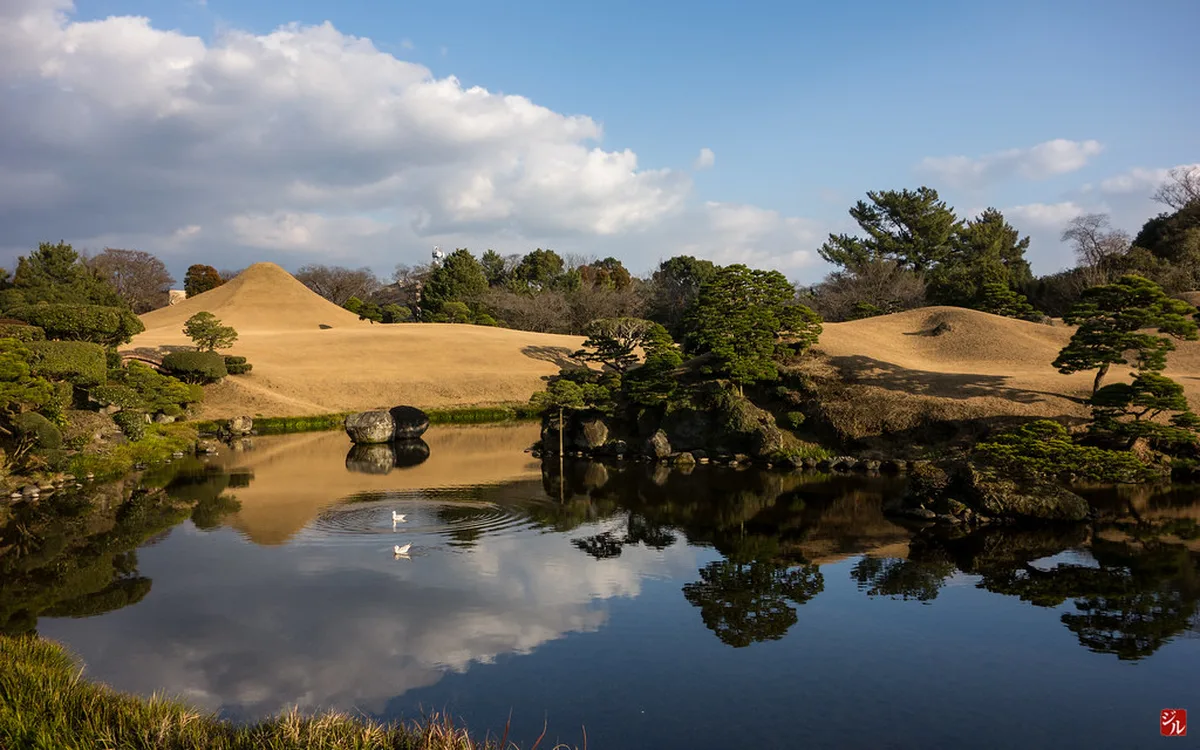
Isshingyo Park presents a timing trade-off worth understanding before you go. During the one week of cherry blossom peak — typically late March to early April — it is spectacular, with a dense row of sakura trees reflecting in the park's central pond. Outside that narrow window, it is a flat open field with little to hold your attention. If you are visiting outside blossom season, Kikuchi Park is the more consistent alternative for greenery and tree cover.
The Daikanbo Peak observation point on the rim of the Aso caldera is the premier spot for seeing the five volcanic peaks form the silhouette of a sleeping Buddha. Parking and the viewing platform are completely free. On clear mornings, a sea of clouds often fills the caldera basin below, creating one of the most dramatic natural panoramas in Japan. There is no direct public bus to the peak, so a rental car is the practical choice. It is a highlight of any Kumamoto Day Trip Itinerary: 10 Best Things to Do in One Day focused on nature, and the souvenir shop at the viewpoint sells local snacks if you need a break.
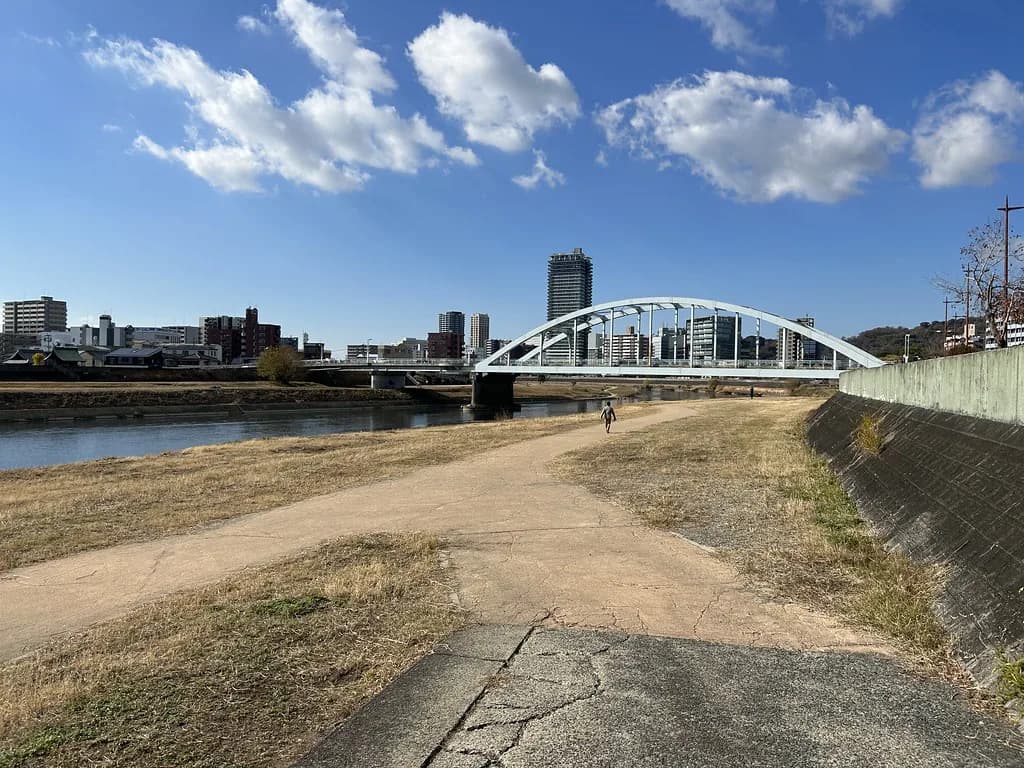
The banks of the Shirakawa River running through the city centre provide a maintained walking and cycling path that connects several neighbourhoods. The trail is free and open at all hours. A sunset walk along the water lets you see the city lights reflect off the surface without competing with traffic noise or crowds.
The Kumamoto City Hall 14th Floor Observation Deck and Honmyoji Temple viewpoints offer the best free elevated views of Kumamoto Castle and the surrounding city. Both are completely free and open daily. The City Hall deck has extended evening hours (until 22:00 on weekdays), perfect for sunset photography.
Family-Friendly and Budget-Friendly Options
Kumamon Square is the official office of Japan's most commercially successful regional mascot, and entry is free. The space includes Kumamon's desk, display cases of merchandise, and a small performance area where the bear makes regular appearances. The facility opens daily from 10:00 to 19:00. Performance times vary, so check the official Kumamoto guide for his schedule online before visiting — he is frequently away on official regional business and the calendar changes month by month. Arrive at least 30 minutes before a listed performance to secure standing space in the viewing area.
Kumamon Port Yatsushiro is a cruise terminal park south of the city that holds 84 Kumamon statues in various sizes, including a 6-metre centrepiece. The park also contains a Japanese garden and is open daily from 09:00 to 17:00, free of charge. Getting there requires either the JR Kyushu local line to Yatsushiro Station (around 40 minutes from Kumamoto) or a Shinkansen for a faster but costlier trip. Check the cruise ship docking schedule before you go, as the park fills quickly when a large vessel is in port.
Jagatani Park in the eastern part of Kumamoto City is one of the most genuinely family-specific free spots in the prefecture and is consistently overlooked by travel guides. The park features large outdoor slides built into a hillside, rope obstacle courses, and open picnic lawns — all maintained by the city and free to use. It is not a major tourist attraction, which means it rarely appears in published itineraries, but local families with young children rank it among the best afternoon options in the city. Take the Kumamoto City Streetcar to Kaijin-bashi and walk around 10 minutes east.
Jagatani Park is free for all ages and offers activities that keep families entertained for hours — outdoor slides, climbing equipment, and wide picnic areas. Bring a convenience store lunch or snacks, as there are no commercial vendors on site. It stays open from dawn to dusk and is far less crowded than paid family attractions, making it ideal for a relaxed afternoon without the typical tourist crowds or entry fees.
The Shimodori and Kamidori shopping arcades provide free, weather-proof entertainment for all ages. The covered walkways run for several city blocks and connect to restaurants, a branch of Don Quijote, and dozens of specialty stores. Even without spending money, walking the full length with children is a solid hour of entertainment. The side alleys contain street art, small shrines, and occasional buskers that vary week to week.
How to Plan a Smooth Kumamoto Day Trip
Efficiency matters when you are combining city-centre free sights with outlying destinations. Group your central activities together first. Start at the City Hall observation deck for orientation, then walk to CAMK's art library and the Kumamon Square office — all three are within 15 minutes on foot from Torichosuji tram stop. This cluster takes a focused morning and costs nothing except tram fare from your accommodation.
If you plan to visit Kumamon Port Yatsushiro or Kikuchi Park, dedicate a full afternoon to the journey and back. The JR local line to Yatsushiro is reliable but takes 40 minutes each way, and the park itself warrants at least 90 minutes. Packing convenience store snacks before leaving the city is wise — prices at tourist-adjacent shops near the port terminal are significantly higher than at a city centre FamilyMart or Lawson.
For a nature day trip to Daikanbo Peak and the Aso caldera, a rental car from Kumamoto Station is the most practical option. Nissan Rent-A-Car and Toyota Rent-A-Car both have city-centre branches, with compact car rates starting around ¥6,000–7,000 per day in 2026. The drive from the city to Daikanbo takes roughly 80 minutes via Route 57. Leave by 08:00 to catch the morning cloud inversion effect in the caldera before it burns off by mid-morning.
Tram Day Passes (¥500 for adults, ¥250 for children as of 2026) are available from the tram drivers and make financial sense if you are riding more than three times in a day. The tram covers the castle district, Honmyoji-bashi, and the central shopping arcades, which together account for most city-centre free attractions. For routes beyond the tram network, the Kumamoto Sakuramachi Terminal serves intercity buses to Kikuchi and other outlying areas.
Is Kumamoto Worth Visiting for Budget Travelers?
Kumamoto is often overshadowed by its larger neighbour Fukuoka, but it offers a far denser concentration of free historical and cultural experiences. The city integrates its samurai-era assets into public spaces — the castle moats, the hillside temple, the Edo-period streetscape at Johsaien — rather than locking them behind ticket offices. A full day of city-centre sightseeing can realistically cost under ¥2,000 including tram fares and lunch at one of the arcade's cheaper lunch sets.
Dining stays affordable if you avoid the tourist-facing restaurants inside Johsaien. A bowl of Kumamoto ramen at a local shop typically costs ¥800–1,000, and bento boxes from department store basement food halls run ¥500–700. Kumamoto ramen differs from Hakata ramen in its use of thick noodles and a lighter blended chicken-pork broth, often finished with burnt garlic oil (mayu) or fried garlic chips — the garlic character is what distinguishes it most clearly from other Kyushu styles.
If you are looking for 12 Kumamoto Hidden Gems Locals Recommend, many are the unmarked small shrines in the shopping arcade side alleys, or the riverside cycling path along Shirakawa. The city's commitment to public art means street corners near the castle district are regularly decorated with rotating sculptures and installations. For travelers routing through Kyushu, Kumamoto works well as a low-cost base with train connections to Fukuoka (40 minutes by Shinkansen), Aso, and Kagoshima.
Frequently Asked Questions
Can you see Kumamoto Castle without paying?
Yes, you can view the castle's impressive exterior and massive stone walls from the surrounding public park and moats for free. For the best elevated view, visit the 14th-floor observation deck of Kumamoto City Hall across the street.
Where can I see Kumamon for free?
You can see Kumamon for free at Kumamon Square, his official office in the city center. Check the online schedule for his performance times, as he often travels for official business and is not always present.
Is public transport free in Kumamoto?
Public transport is not free, but the tram system is very affordable with a flat fare for adults. To save money, many visitors choose to walk between the central attractions which are clustered near the castle and shopping arcades.
Kumamoto proves that you do not need a large budget to experience the heart of Japanese culture and history. By mixing iconic viewpoints like the City Hall deck with quirky stops like Kumamon Square, you get a well-rounded view of the city. The natural beauty of the surrounding prefecture, from the Aso peaks to the Yatsushiro coast, adds even more value to your visit.
Remember to check the Kumamoto Castle Tickets: How to Book & Visit if you eventually decide to go inside the main keep. Otherwise, enjoy the freedom of exploring this resilient and welcoming city without the pressure of entry fees. For broader travel planning context, the Japan National Tourism Organization offers additional resources. Kumamoto remains one of my favourite stops in Kyushu precisely because it feels so accessible to every type of traveler.
Free: The Kumamoto Essentials guide
Top things to do, where to stay, a perfect day plan, getting around, and the best time to go — a Kumamoto mini-guide you can take offline.
You might also like



Continue reading
More guides you'll find useful