12 Kumamoto Hidden Gems Locals Recommend (2026 Guide)
Discover Kumamoto hidden gems, from quiet gardens and cave temples to scenic local neighborhoods, with practical transit tips and easy 1-day route ideas.
On this page
After my third visit to Kumamoto in five years, I discovered that the city's true soul hides in its quiet alleys. Most travelers focus solely on the massive fortress at the center, missing the spiritual caves and merchant districts nearby. This guide highlights the secret corners that offer a more intimate look at Kyushu's history and natural beauty.
Updated for 2026 with verified entry fees, seasonal hours, and transport times for every location. We have confirmed access details directly against official sources to ensure your planning stays accurate. Following these local recommendations will help you avoid the largest tour groups while finding authentic cultural experiences.
While the primary landmarks are impressive, these smaller sites provide a much-needed break from the typical tourist crowds. You can find more information through the Official Kumamoto travel information site for specific seasonal events. Let us dive into the twelve spots that define the quieter side of this historic prefectural capital.
Why Visit Kumamoto Beyond the Famous Landmarks
Many visitors treat this city as a quick stopover on their way to the volcanic peaks of Mount Aso. Exploring the backstreets reveals a rich history of samurai culture and merchant traditions that survived the centuries. Deciding Is Kumamoto Worth Visiting? A Guide to Japan's Land of Fire often depends on whether you look beyond the primary tourist loop.
The Kumamoto Castle official site highlights the fortress, but the surrounding neighborhoods hold the real secrets. Ancient water springs and moss-covered shrines are tucked away just minutes from the busy modern shopping streets. Taking the time to slow down allows you to appreciate the subtle details of the city's architectural heritage.
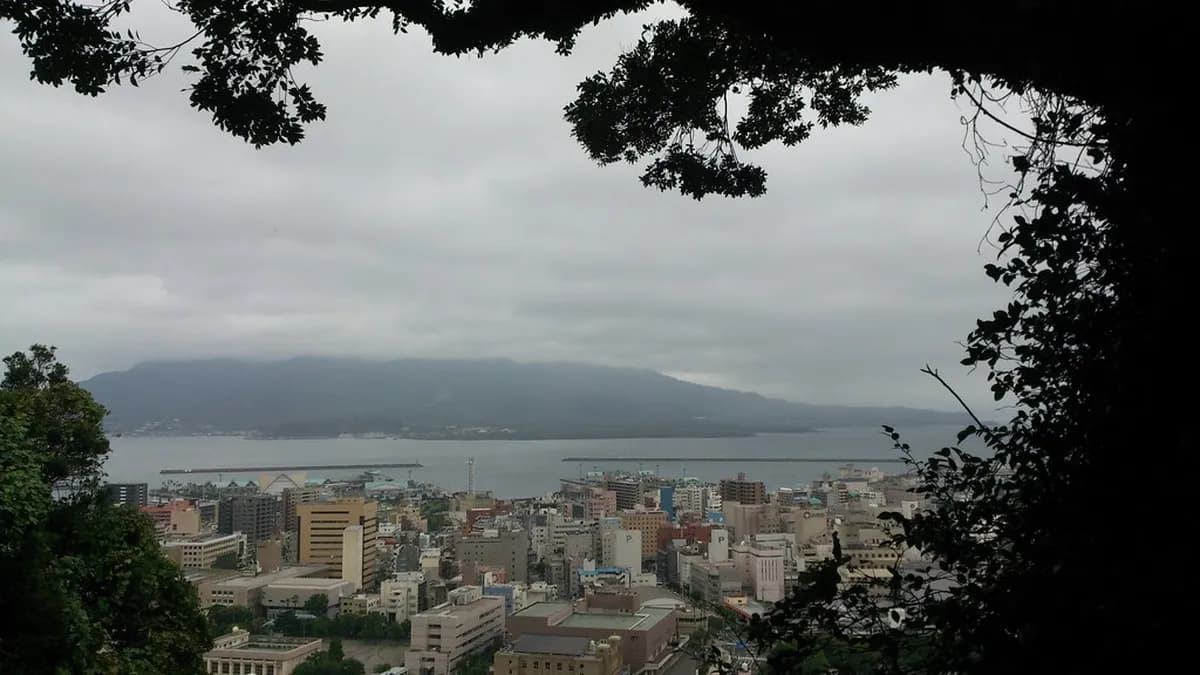
Understanding the local layout is essential for finding the best Kumamoto Castle reconstruction context and nearby gems. I remember climbing the stairs to a hidden temple at dusk as the city lights began to twinkle below. These moments of quiet reflection are what make a trip to Kumamoto truly memorable and unique.
Quick Area Guide: Where Kumamoto Hidden Gems Are Located
The city's hidden gems cluster into three distinct zones. The central historic district — roughly bounded by the castle to the north and Shirakawa River to the south — holds most of the walkable temple and merchant-district spots. The tram network covers this zone completely, so you do not need a car.
A second zone sits 30 to 60 minutes north of the city by bus or car and covers the Kikuchi Valley gorge trails and the quieter reaches of the Aso-Kuju National Park. This zone rewards early starts and a packed lunch. The third zone extends further west into the mountains where Nabegataki Falls and the Oguni highland villages sit, requiring a rental car or a dedicated tour.
Knowing which zone each gem belongs to makes itinerary planning much easier. Mixing zones on the same day rarely works well: city gems pair naturally together, while nature spots need their own half-day or full day. The itinerary section below lays out two route-ready combinations for each zone pairing.
Historic and Cultural Hidden Gems in Kumamoto City
The city's best kept cultural secrets are a short tram or walk from the castle, yet most visitors walk straight past them. Start with Honmyo-ji Temple on the hillside northwest of the center. This is the resting place of Kato Kiyomasa, the castle's architect, and the stone staircase summit gives the best free rooftop view of the city skyline. The grounds are free; the small treasure museum costs 300 yen and is worth twenty minutes. Take the B-line tram to Honmyoji-guchi, then walk fifteen minutes uphill.
The Shimada Museum of Arts houses a private collection of Miyamoto Musashi manuscripts and related samurai artifacts in a wooded compound that feels like a private estate. Admission is 700 yen, open 09:00–17:00, closed Tuesdays. A short taxi from the city center costs around 900 yen. The on-site cafe has floor-to-ceiling windows overlooking a traditional garden — go for coffee even if you skip the museum proper.
Fujisaki Hachimangu Shrine is central to local life but largely off the international tourist radar. The approach is lined with traditional shops and a series of massive stone torii gates. Entry is free and the grounds stay open from dawn to dusk. Take the Kumamoto Electric Railway to Fujisaki-gu-mae — fifteen minutes from the city center — and arrive mid-morning before the local crowds thin.
The Shinmachi historic district preserves its Edo-period merchant layout with narrow lanes, old warehouse facades, and a handful of confectionery shops selling sweet potato dango. Most exterior walking is free; some restored buildings charge 100–200 yen. The Shinmachi tram stop on the B-line drops you at the district entrance. Pair this with a thirty-minute detour across the river to Furumachi, where converted kura storehouses now hold galleries and small cafes hidden behind sliding wooden doors.
Nature Hidden Gems Near Kumamoto: Falls, Caves, and Trails
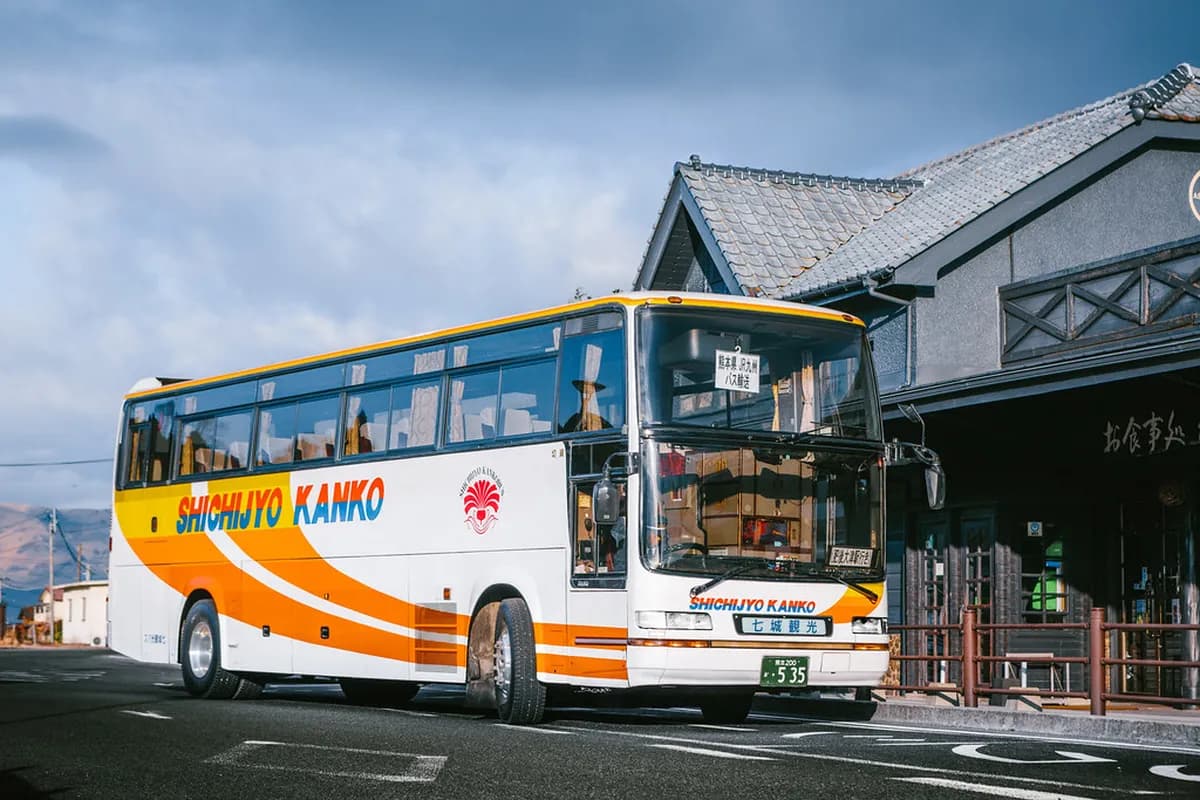
Reigando Cave is the most historically charged of the nature-adjacent spots. Miyamoto Musashi spent his final years here, writing The Book of Five Rings in the cave's silence. Hundreds of weathered stone Rakan statues line the hillside path leading to the entrance, and the mist that settles in the morning gives the site a genuinely otherworldly quality. Entry is 200 yen; open daily 08:00–17:00. Take the Sanko Bus from the city center toward Iwato Kannon — about thirty minutes — and arrive before 09:00 to get the mist without other visitors. You can read more detail in our Reigando Cave: 8 Things to Know Before You Visit guide.
Kikuchi Valley, sixty minutes north of the city by car, delivers a series of cascading waterfalls and crystal-clear pools inside a broadleaf forest whose canopy blocks most of the summer heat. The valley floor stays noticeably cooler than the city all through July and August. A small conservation fee of 100–200 yen applies at peak season. Arrive before 08:30 to catch the famous light beams that pierce the canopy in summer mornings — they disappear once the sun rises past the ridge.
Nabegataki Falls in the Oguni district is the only spot on this list that lets you walk behind a waterfall into a large mossy cavern. The green glow from sunlight filtering through the curtain of water makes it one of the most photogenic sites in Kyushu. Admission is 300 yen; open 09:00–17:00. Reaching it requires a rental car or a two-transfer bus journey from the city — budget ninety minutes each way. Wear shoes with grip because the path behind the falls stays permanently slippery.
Lake Ezu is the easiest nature escape within the city limits. The lake is fed by volcanic spring water and the clarity is striking — you can watch carp moving among underwater plants from the bank. The park is free and open around the clock. The Shiritsutaiyukan-mae tram stop puts you five minutes from the water's edge. Rent a rowboat for 1,000 yen to get onto the lake in the late afternoon, when the light turns gold and most day-trippers have left.
Local Food and Market Stops Most Visitors Miss
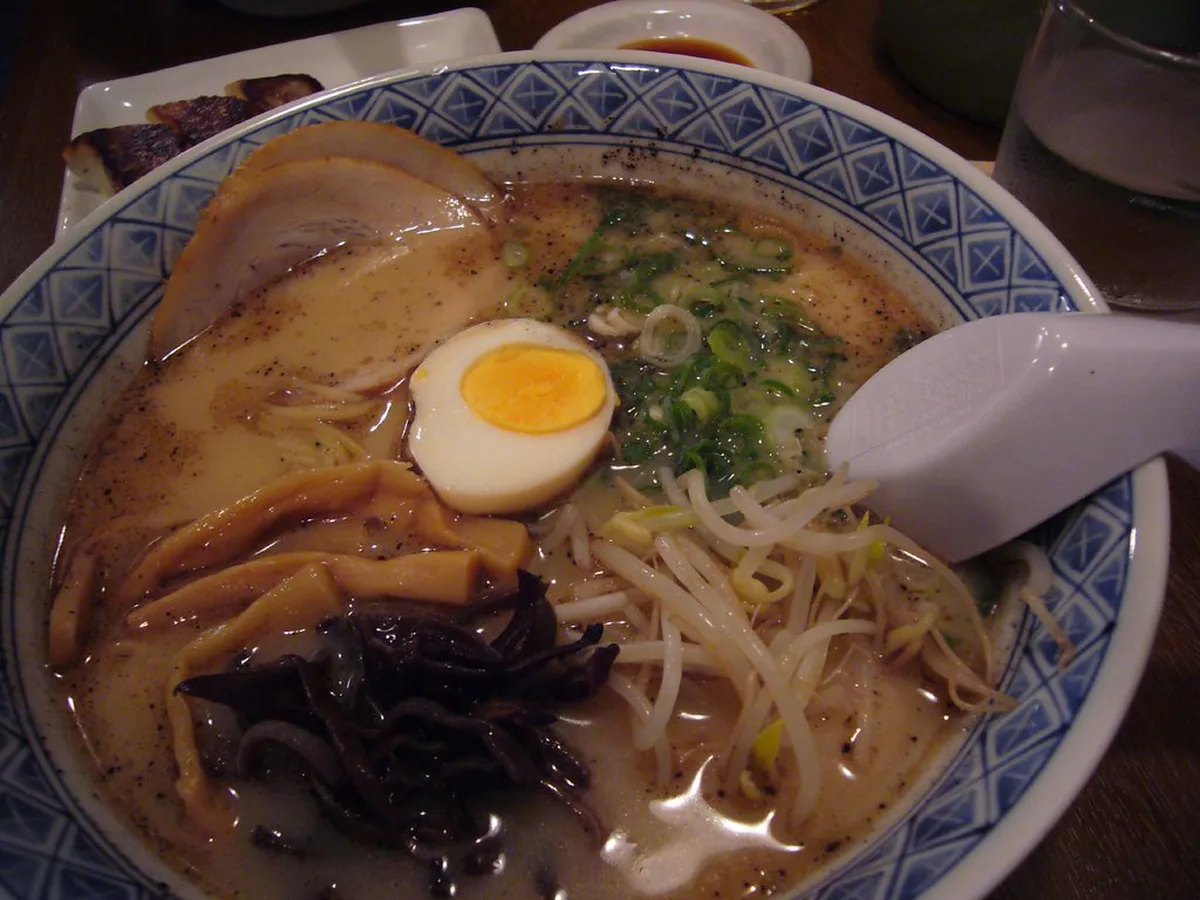
Kumamoto's food identity goes well beyond its famous basashi (raw horse meat) and the thick tonkotsu ramen found on every tourist menu. The local akaushi wagyu beef — raised on the volcanic grasslands of the Aso caldera — appears in small izakayas around the Furumachi and Kawaramachi neighborhoods, often as a simple yakiniku plate with no English menu in sight. These spots open from around 18:00 and fill quickly with office workers; arrive right at opening to get a seat without a wait.
Karashi renkon — lotus root stuffed with mustard miso and deep fried — is the city's most overlooked local specialty. You will find it in the prepared food section of Tsuruya Department Store's basement food hall (chika-ichi), which is itself a hidden gem for grazing. The department store is in the Shimotori arcade area, open daily 10:00–20:00. This is also the best place in the city to buy Kumamoto matcha sweets, local sake, and sudachi citrus products without paying souvenir shop markups.
Sakuranobaba Josaien, the castle-town recreation district near the castle's north gate, gets busy in the late morning but quiets by mid-afternoon when tour groups depart. The back corners of the complex hold a small workshop where a local artisan demonstrates traditional ironwork. No admission charge for the workshop area itself. Pair it with a bowl of Kumamoto-style ramen at one of the smaller stalls in the western end of the complex, which locals favor over the restaurant-facing tourist entrances.
Hidden Onsen and Slow-Travel Spots for Relaxing Days
Kurokawa Onsen, ninety minutes from Kumamoto city by car through the Aso highland road, is arguably the best slow-travel day trip in the prefecture. The village sits in a river gorge and consists almost entirely of small, traditional ryokan inns with private outdoor baths carved into the rock. A day-use bath passport (nyuto tegata) costs 1,500 yen and lets you access three baths of your choice across the village — a far more honest onsen experience than the large resort complexes near the expressway. Weekday mornings are nearly empty even in peak season.
Buy your onsen passport at the Kurokawa Onsen village entrance booth. Winter (December–February) is the best time to visit: outdoor baths are empty on weekday mornings, and the steam rising into crisp mountain air creates a serene atmosphere that peak-season crowds can never match. Arrive before 10:00 AM for the quietest experience.
Within the city, Tatsuda Nature Park offers the onsen-adjacent experience of total quiet without leaving the urban boundary. The park holds the ruins of a Hosokawa clan temple with moss-covered stone lanterns under ancient camphor trees. Entry is 200 yen; open 08:30–17:00. A bus from the city center drops at the Tatsuda Shizen Koen-mae stop. Walk the tea garden circuit in the late afternoon — it takes forty minutes and you are unlikely to meet more than one or two other visitors.
Yusentei Park, a former Hosokawa villa garden with a central pond and winding paths, receives far fewer visitors than Suizenji despite being a comparable garden. The Suizenji Garden gets the tourist buses; Yusentei gets the local retirees. Entry is minimal. Spend the mid-morning here and you have the teahouse largely to yourself for a matcha set. The spring and autumn foliage seasons elevate the pond reflections considerably.
1-Day and 2-Day Kumamoto Hidden Gems Itineraries
Car-free city day (1 day, tram-based): Start at Honmyo-ji Temple at 08:30 before the morning light hits the stone stairs. Descend and take the B-line tram to Shinmachi by 10:00 for a slow walk through the historic district; pick up a dango snack from one of the confectionery shops. Cross to Furumachi by 11:30 for coffee in a converted kura storehouse. Take the tram south to Kawaramachi for lunch at a local ramen shop, then walk to Lake Ezu by 14:00 for a rowboat hour. Return to the city center by tram by 16:30 and finish with the akaushi izakayas in Furumachi that open at 18:00. Budget: roughly 3,000–4,000 yen for transport and entry fees, excluding meals.
Mixed city and nature day (2 days): Day one follows the car-free city itinerary above. On day two, pick up a rental car before 07:30 and drive north on National Route 387 to Kikuchi Valley for the morning light beams (arrive by 08:30). Spend ninety minutes on the valley trails, then drive west toward Oguni to reach Nabegataki Falls by 11:30 for the midday curtain-of-water light. Start the return by 13:30 and stop at a roadside Aso akaushi beef restaurant for lunch. Back in the city by 16:00, leaving time for Tatsuda Nature Park before it closes at 17:00. Budget: car rental plus 600–900 yen total in entry fees across both nature sites.
Budget at a Glance: Free, Low-Cost, and Mid-Range Gems
Free entry: Fujisaki Hachimangu Shrine, Lake Ezu Park (walking), Furumachi street walk, Hanaokayama Park viewpoint behind the station, and Honmyo-ji Temple grounds (excluding the treasure museum). These sites account for a full half-day without spending a yen on entry.
Low cost (100–300 yen): Reigando Cave at 200 yen, Nabegataki Falls at 300 yen, Tatsuda Nature Park at 200 yen, Honmyo-ji treasure museum at 300 yen, and Kikuchi Valley conservation fee at 100–200 yen. This tier covers the best nature and spiritual sites for under 1,500 yen combined.
Mid-range (700 yen and above): The Shimada Museum of Arts at 700 yen, a Lake Ezu rowboat rental at 1,000 yen, and the Kurokawa Onsen nyuto tegata at 1,500 yen represent the clearest value-for-time propositions in this category. The onsen passport in particular delivers a half-day of genuine slow travel at a price well below any city spa equivalent.
Transport Tips: Trams, JR Lines, Buses, and Car Access
Checking the Kumamoto City transportation overview will help you master the two main tram lines. The A-line runs east to west, connecting the JR Kumamoto Station with Suizenji Garden. The B-line runs north to south through the castle and shopping arcade areas, passing the Honmyoji-guchi, Shinmachi, and Kawaramachi stops relevant to most hidden gems. A single tram ride costs 150–170 yen; an all-day pass is 500 yen and worth buying if you plan to ride more than three times in one day.
Using a Kumamoto bus pass helps with hillside temples and parks that the tram does not reach. The Sanko Bus to Reigando Cave and the Tatsudayama bus for Tatsuda Park both depart from stops near Kumamoto Station and Torichosuji. Check the IC card compatibility — Suica and Icoca work on trams but not on all local bus routes, so carry 500–1,000 yen in coins as backup.
Many of these Things to Do in Kumamoto: 20+ Top Attractions & Travel Guide are reachable within thirty minutes from the main JR station by public transit. Renting a car is only necessary for Kikuchi Valley, Nabegataki Falls, and Kurokawa Onsen. Car rental agencies cluster around Kumamoto Station's east exit; book at least two days in advance during Golden Week, Obon, and the autumn colour season when availability drops sharply. Always carry cash: smaller temples, rural bus routes, and the Kikuchi Valley conservation booth do not accept cards.
Bring 500–1,000 yen in small coins (100 and 50 yen pieces) for rural bus routes and park entrance fees. Most nature sites and local buses don't accept IC cards (Suica, Icoca) or contactless payment. ATMs at Kumamoto Station are readily accessible, but remote areas like Nabegataki Falls and Reigando Cave have no machines nearby.
Seasonal Advice: Best Hidden Gems by Time of Year
Spring (late March to early May) is the clearest choice for the castle-adjacent cultural sites. Honmyo-ji's cherry blossom approach is far less crowded than the castle grounds and equally photogenic. Kikuchi Valley in late April has fresh green growth on the broadleaf canopy that filters the light beautifully without the summer heat.
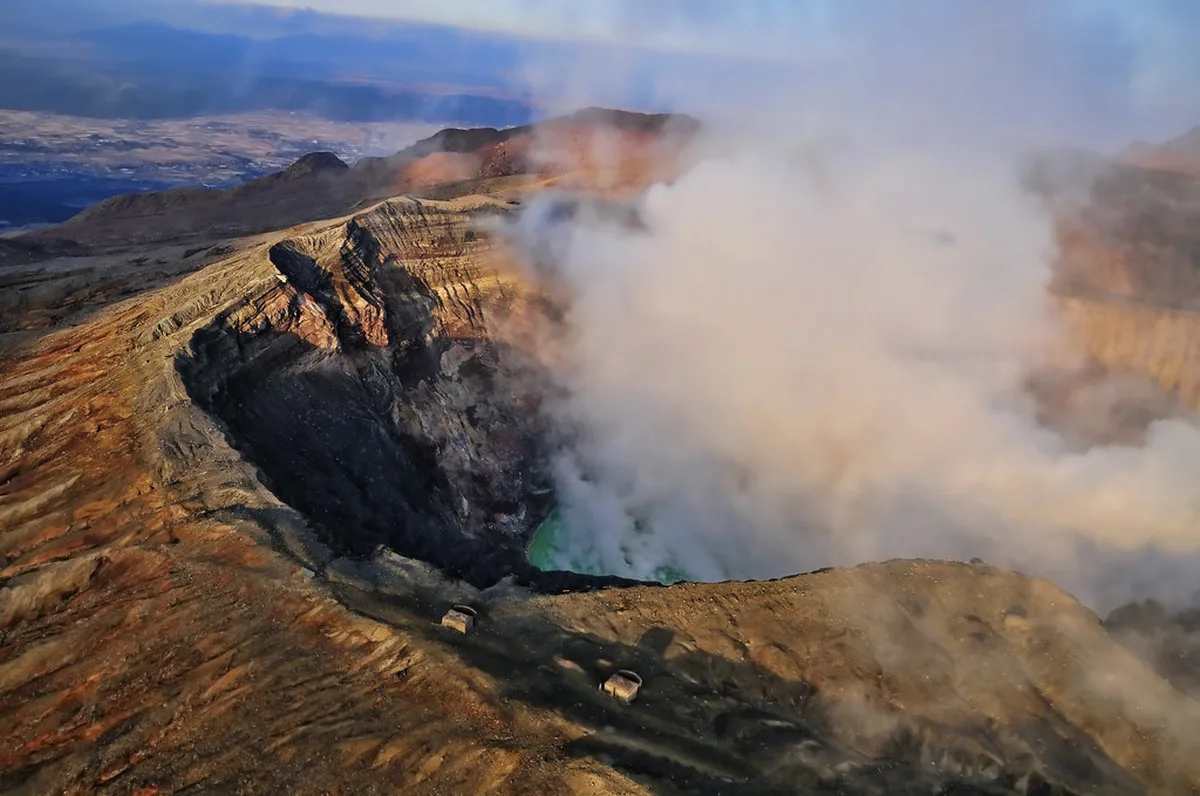
Summer (June to August) makes the shaded forest trails and volcanic springs the priority. Kikuchi Valley's morning light beams peak in late June and July. Lake Ezu stays cool in the early morning even when the city center hits 35°C. Rainy season in June adds a moody, moss-heavy atmosphere to Reigando Cave that makes the stone Rakan statues look as if they have been standing for centuries longer.
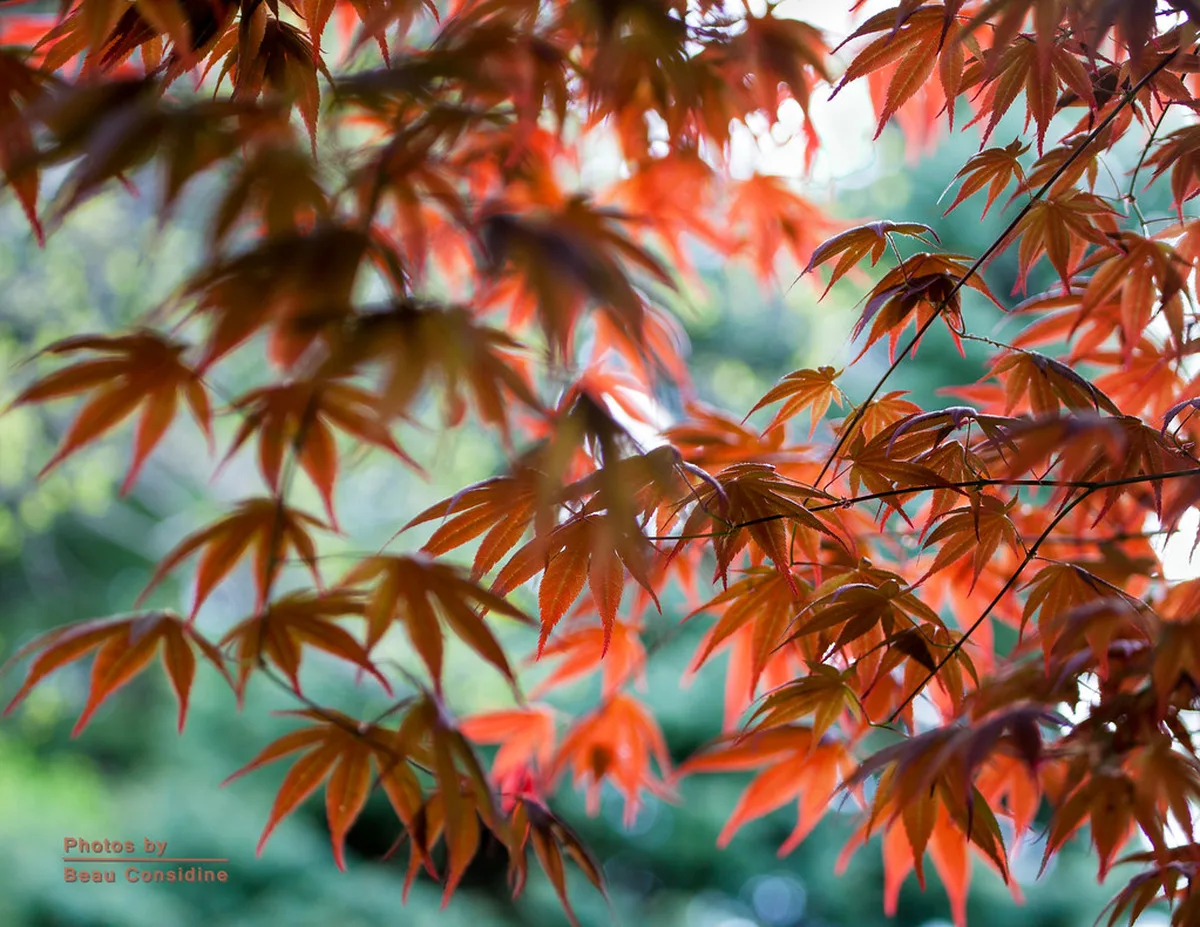
Autumn (October to November) transforms the gardens. Tatsuda Nature Park's camphor and maple trees turn first, followed by Yusentei Park's pond-side maples by early November. Both sites see their smallest visitor numbers in mid-November, which is the best window to visit before the year-end school excursion season begins.
Winter (December to February) is quiet across all sites, with crisp air ideal for walking the historic districts. Reigando Cave's stone statues collect frost on cold mornings, creating an unusually stark atmosphere. The Kurokawa Onsen nyuto tegata is at its best value in winter: the outdoor baths are empty on weekday mornings and the steam from the baths rises into cold mountain air rather than disappearing in summer humidity.
Frequently Asked Questions
Are Kumamoto hidden gems easy to reach by public transport?
Most of these secret spots are accessible via the city tram or local buses within thirty minutes. The two main tram lines cover the central historic districts, while local buses reach the hillside temples and parks. Checking the official transportation guide helps with timing.
Is Reigando Cave worth adding to a 1-day trip?
Reigando Cave is absolutely worth the trip for anyone interested in samurai history or quiet meditation. It takes about two hours including travel time from the city center. The unique atmosphere and stone statues make it a highlight for many travelers.
Can I see multiple hidden gems in a single day?
Travelers can see several city-center gems in one day by following a Kumamoto Day Trip Itinerary: 10 Best Things to Do in One Day focused on the historic districts. Most of these sites are located within a short tram ride of each other, making a combined tour very efficient.
Kumamoto offers far more than just its iconic castle for those willing to explore the quieter corners of the city. From the spiritual depths of Reigando Cave to the slow-travel rhythm of Kurokawa Onsen, these hidden gems reveal a multifaceted destination with real depth. Step off the main path and discover the local stories that make this city genuinely worth the detour.
Planning your visit with these secret spots in mind will create a much richer and more authentic Japanese travel experience. Whether you are a history buff, a nature lover, or someone who measures a trip by the quality of its quiet moments, these recommendations provide a solid foundation for your time in Kumamoto. Safe travels as you uncover the many wonders hidden within the beautiful landscape of Kyushu.
For more Kumamoto planning, see our budget-friendly Kumamoto attractions and Day Trips from Kumamoto: 3-Day Travel Guide guides.
Free: The Kumamoto Essentials guide
Top things to do, where to stay, a perfect day plan, getting around, and the best time to go — a Kumamoto mini-guide you can take offline.
You might also like


Continue reading
More guides you'll find useful