
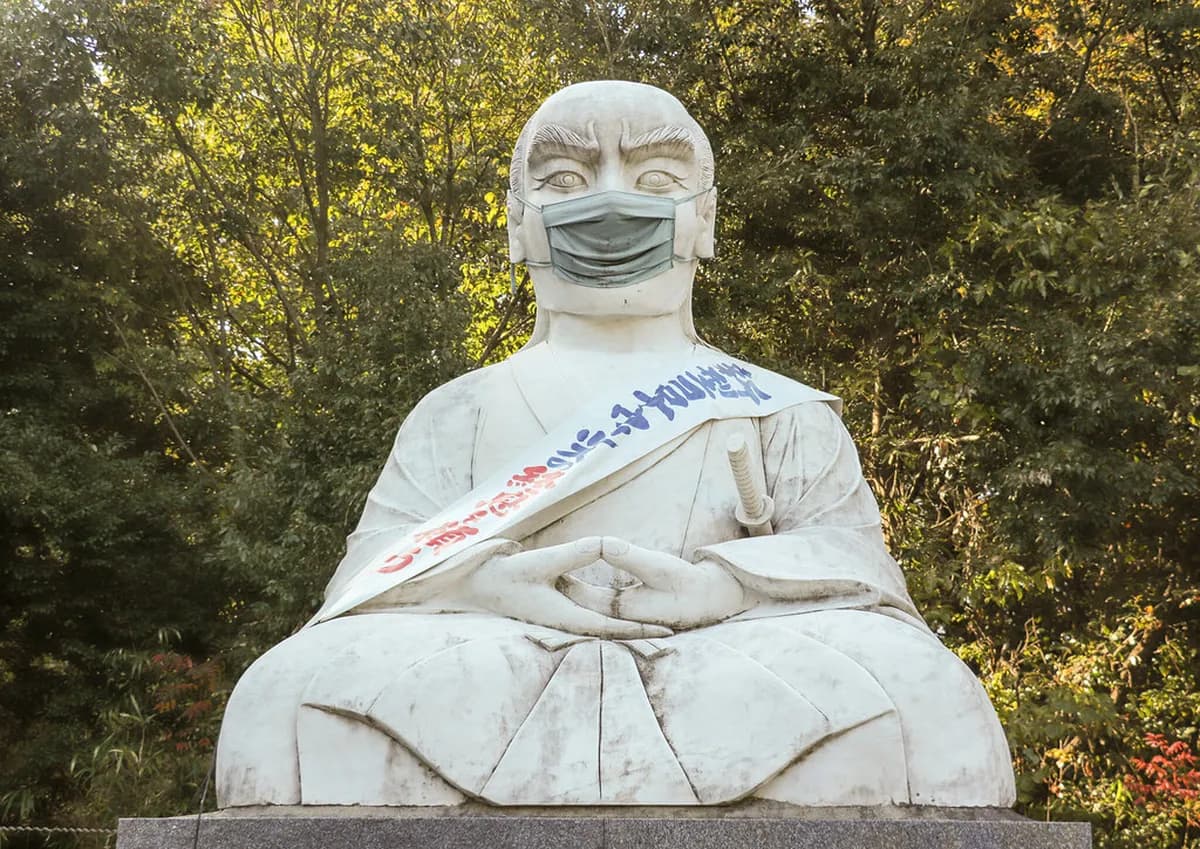
Reigando Cave: 8 Things to Know Before You Visit
Plan your visit to Reigando Cave with our guide to Miyamoto Musashi's meditation spot, Unganzenji Temple, the 500 Rakan statues, and essential transport tips.
On this page
Reigando Cave is a sacred site where history and spirituality meet in the mountains of Kumamoto. This hidden gem attracts visitors who want to walk in the footsteps of the legendary Miyamoto Musashi. Exploring this quiet sanctuary allows you to discover the profound cultural heritage of the Kyushu region. You will find that the atmosphere here remains unchanged since the famous samurai completed his final masterpiece.
The site offers more than just a historical landmark for martial arts fans. It serves as a peaceful retreat for anyone looking for the best things to do in Kumamoto during their trip. Lush forests and ancient stone carvings surround the cave, creating a sense of timeless wonder. Planning your visit requires some preparation due to its secluded location on the slopes of Mount Kinpo.
The Spiritual Significance of Reigando Cave
The cave name literally translates to Spirit Rock Cave and dates back to the 14th century. Pilgrims have visited this site for centuries to seek mental clarity and spiritual peace among the rocks. Local monks still maintain the grounds to ensure the sanctuary remains a place of quiet reflection. You may feel a sense of calm as you approach the moss-covered entrance of this ancient formation.
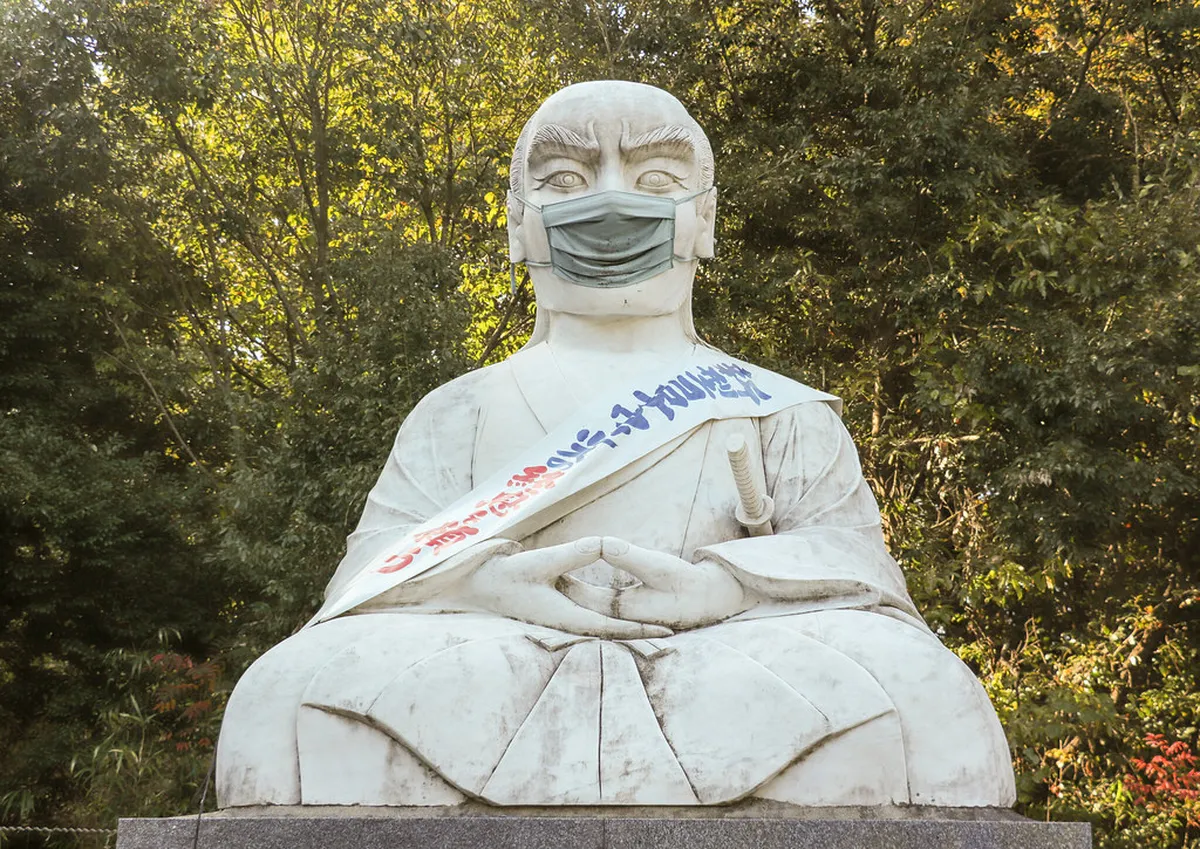
Geological features of the cave provide a natural cooling effect even during the humid Japanese summers. Many visitors describe the air inside as having a distinct energy that aids in deep meditation. This spiritual reputation made it the perfect choice for Musashi when he sought isolation for his writing. The cave remains a cornerstone of Kumamoto culture and local Zen traditions.
The History of Unganzenji Temple
Unganzenji Temple was founded by the Chinese monk Toryo Eiyo during the 14th century. It belongs to the Soto sect of Zen Buddhism and emphasizes the practice of seated meditation. The temple grounds act as the gateway to the cave and house several important religious artifacts. Walking through the main gate feels like stepping back into a much older version of Japan.
The architecture reflects the simple and functional style common to mountain retreats in the Kyushu region. Staff members at the temple provide brochures that explain the various buildings and their historical roles. You can see traditional altars where locals still offer prayers for health and success. Every corner of the temple reflects a commitment to preserving the heritage of the Mount Kinpo area.
Miyamoto Musashi and the Book of Five Rings
Miyamoto Musashi spent his final years in Reigando Cave while writing his masterpiece, the Book of Five Rings. This text remains one of the most influential works on strategy and philosophy in the world today. Musashi chose the cave for its absolute silence and lack of worldly distractions. He lived a simple life here until his death in 1645, focusing entirely on his martial philosophy.
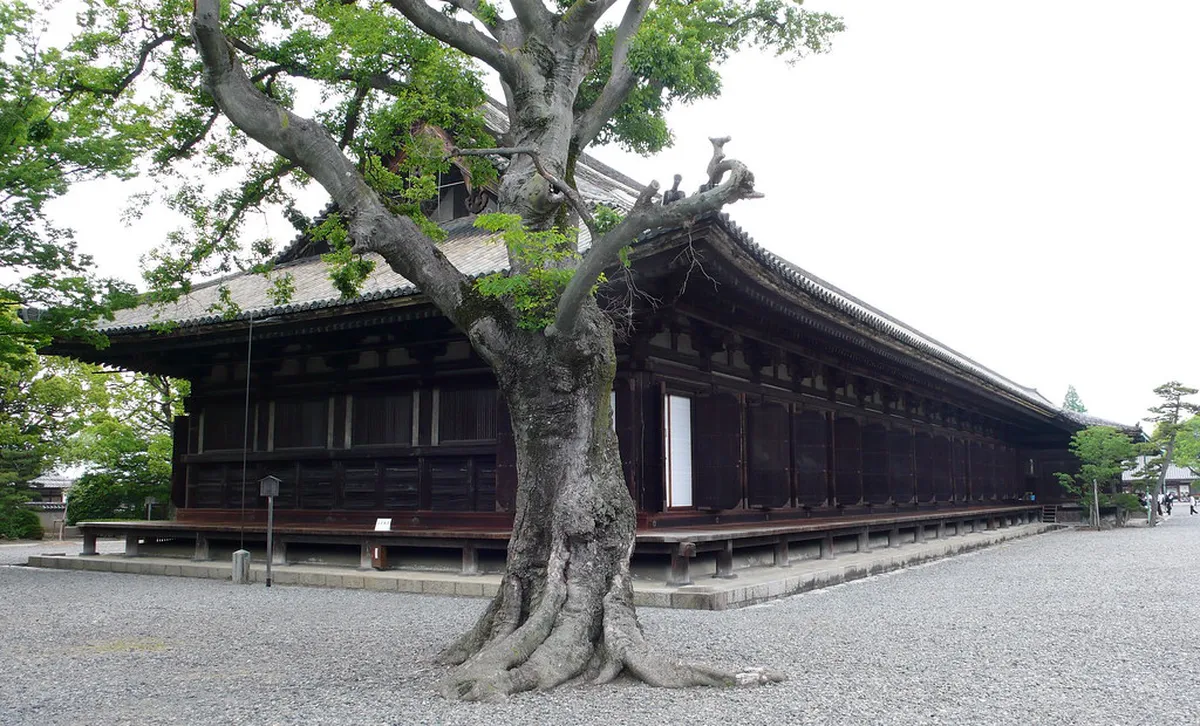
Visitors can view a wooden sword relic attributed to Miyamoto Musashi that is carefully kept at the temple. This artifact serves as a physical connection to the man who fought over sixty duels without a single loss. You can pair this visit with a trip to Kumamoto Castle for a full day immersed in samurai heritage. Understanding Musashi's history makes the visit to the cave much more meaningful for martial artists.
The cave itself contains a small altar where Musashi is said to have sat during his writing process. Many people find inspiration in the discipline it took to produce such a complex work in these conditions. His teachings on the five elements continue to resonate with business leaders and athletes alike. Standing in the spot where he meditated provides a powerful sense of historical continuity.
The 500 Rakan Statues (Gohyakurakan)
The path leading to the cave is lined with hundreds of stone statues known as the Gohyakurakan. These figures represent the 500 disciples of Buddha and each one features a unique facial expression. A local merchant commissioned these carvings in the 18th century as a gesture of religious devotion. Seeing the sheer number of statues scattered across the hillside is a highlight for many travelers.
You will notice that many of these statues are missing their heads or show signs of heavy damage. This resulted from the anti-Buddhist movement known as Haibutsu Kishaku during the 1880s. Some damage also occurred during past earthquakes that shook the Kumamoto region over the years. These weathered faces tell a story of resilience and the changing tides of Japanese history.
The statues are often dressed in red bibs or hats placed there by local residents as a sign of respect. Moss and ferns grow around the stone bases, blending the art naturally into the mountain environment. Photographers enjoy capturing the contrast between the grey stone and the deep green forest. Take your time walking this path to appreciate the individual details of each carving.
How to Get to Reigando Cave from Kumamoto
Cellular service is very spotty near Mount Kinpo — download offline maps before leaving Kumamoto City, and note the return bus schedule immediately upon arrival to avoid a long wait.
Reaching the cave requires a bit of planning as it is located on the western side of Mount Kinpo. Public buses run from the Kumamoto Sakuramachi Terminal, but the service is relatively infrequent. You should check bus timetables in advance to see if your transport card covers this route. Missing the return bus can lead to a long wait in a very quiet area.
Renting a car or a bicycle offers much more flexibility for your daily schedule. The drive from the city center takes about 30 minutes through winding mountain roads with beautiful views. Cyclists should be prepared for steep inclines that require a good level of physical fitness. Parking is available near the temple entrance for those who choose to drive themselves.
- Public Bus Option
- Route: Iwato Line
- Duration: 45 minutes
- Frequency: Every 2 hours
- Cost: 600 yen
- Rental Car Option
- Route: Highway 28
- Duration: 30 minutes
- Parking: Free on-site
- Flexibility: Very high
| Transport | Route | Duration | Cost | Frequency |
|---|---|---|---|---|
| Public bus | Iwato Line from Sakuramachi Terminal | ~45 min | ¥600 | Every 2 hours |
| Rental car | Highway 28 from city centre | ~30 min | Car hire varies | Flexible |
The natural rock steps leading to the cave can be slippery when wet — wear sturdy non-slip footwear and use the metal handrails on the path, especially near the 500 Rakan statues.
Essential Visitor Tips: What to Bring and Costs
The entrance fee for Unganzenji Temple and the cave is currently 300 yen for adults. Most visitors spend about one to two hours exploring the grounds and taking photos. You should bring small coins like 5-yen or 10-yen pieces for traditional offerings at the altars. These small gestures are a common part of the visiting experience in Japanese temples.
Cellular service can be very spotty in the western Mount Kinpo area because of the dense forest. It is wise to download your maps for offline use before leaving Kumamoto City. You might find it difficult to call for a taxi if you do not have a pre-arranged pickup. Having a physical map or a clear itinerary will help you stay on track.
Good walking shoes or sneakers are essential because the natural rock steps can be quite uneven. The metal handrails along the path provide support but can become slippery when it rains. Watch your step carefully as you move between the statues and the cave entrance. Safety should be your priority while navigating this rugged mountain terrain.
The Best Time of Year to Visit
Spring and autumn are the most pleasant times to visit the cave due to the mild weather. Cherry blossoms in late March add a touch of color to the mountain landscape. Fall foliage in November creates a stunning backdrop of red and gold leaves around the statues. These seasons offer the best conditions for walking the outdoor paths comfortably.
Summer can be quite humid, but the cave provides a natural escape from the intense heat. You should bring insect repellent as mosquitoes are common in the forested areas during July and August. Winter is quiet and peaceful, though some paths may become icy after a rare snowfall. Always check the local forecast before heading out to the Mount Kinpo region.
Is There Anything Else Near Reigando?
You can easily combine a trip to the cave with other local attractions, including the vibrant Sakuranobaba Josaien cultural village near the castle. Honmyoji Temple is a nearby site that offers impressive views of the city and more samurai history. The Shimada Museum of Art houses many personal belongings of Miyamoto Musashi for those who want deeper insight. These locations help round out your understanding of the region's warrior heritage.
For relaxation after your hike, consider visiting the Kusamakura Onsen Tensui for a soak with a view. This hot spring facility overlooks the Ariake Sea and provides a perfect way to end the day. You might also enjoy the Yuhoen Fruits Land if you are traveling with family during the harvest season. Deciding whether Kumamoto is worth visiting becomes easy when you see how much variety the area offers — explore more at our Kumamoto attractions guide.
Frequently Asked Questions
Where did Miyamoto Musashi write the Book of Five Rings?
Miyamoto Musashi wrote his famous strategy book, the Book of Five Rings, while living in Reigando Cave. He spent his final years there in meditation and reflection. You can find more details about Kumamoto's samurai heritage in our Kumamoto Castle guide.
How much is the entrance fee for Unganzenji Temple?
The entrance fee for Unganzenji Temple and the cave area is 300 yen for adults. This fee helps maintain the historic grounds and the ancient statues. It is a very affordable price for such a significant cultural landmark in Kumamoto.
How do I get to Reigando Cave by bus?
You can take the Iwato Line bus from the Sakuramachi Terminal in central Kumamoto. The ride takes approximately 45 minutes to reach the Reigando stop. Be sure to check the return schedule immediately upon arrival to avoid missing the last bus.
What should I wear to visit Reigando Cave?
Wear sturdy walking shoes or sneakers with good grip for the natural rock steps. The path can be slippery and uneven, especially near the statues. Comfortable clothing suitable for light hiking is recommended for the mountain environment.
Who carved the 500 Rakan statues?
A local merchant named Fuchigami Yahei commissioned the 500 Rakan statues in the late 18th century. He spent over 20 years having them carved as an act of religious devotion. Each statue was designed to have a unique expression and personality.
Reigando Cave stands as a testament to the enduring legacy of Miyamoto Musashi and Zen philosophy. Visiting this site provides a rare chance to connect with Japanese history in a truly natural setting. Whether you are a martial artist or a casual traveler, the cave offers a unique and memorable experience.
Free: The Kumamoto Essentials guide
Top things to do, where to stay, a perfect day plan, getting around, and the best time to go — a Kumamoto mini-guide you can take offline.
You might also like


Continue reading
More guides you'll find useful


