Visiting Kumamoto Castle: Reconstruction and History Guide
Explore Kumamoto Castle's history and its 2021 reopening after the earthquake. Get access tips, tour highlights, and visitor etiquette in our guide.
On this page
Kumamoto Castle stands as a powerful symbol of resilience in the heart of Kyushu. This massive fortress has survived centuries of battles and natural disasters. Travelers visit today to witness the incredible progress of its recent reconstruction. Understanding its deep history makes every stone wall and wooden beam more meaningful.
The castle grounds offer a unique blend of ancient engineering and modern technology. Visitors can explore the grand main keep which reopened to the public in 2021. This guide helps you navigate the complex site while respecting its historical value. Prepare for a journey through time as you walk the paths of legendary samurai.
What Is Kumamoto Castle? A Famous Fortress
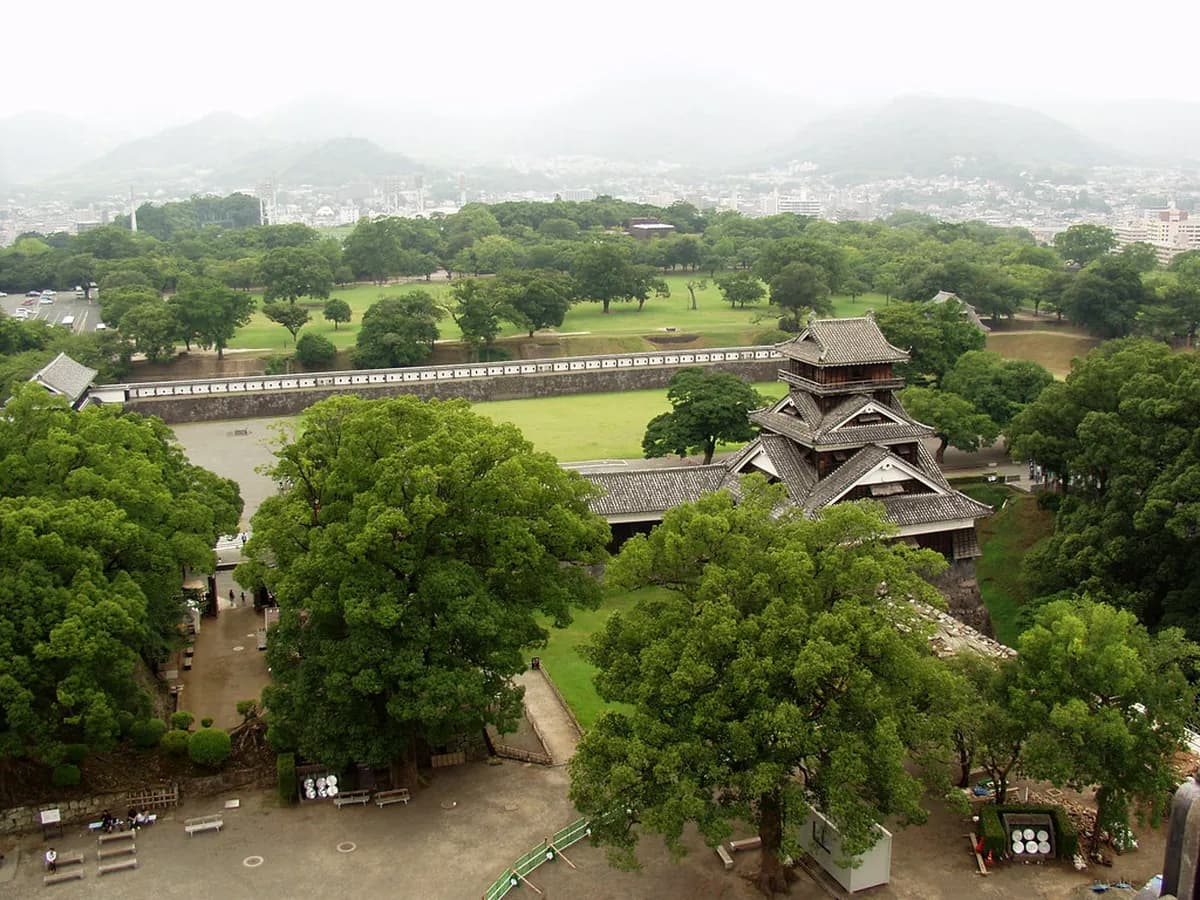
Lord Kato Kiyomasa built this impressive stronghold at the start of the 17th century. He was a master architect known for creating nearly impregnable defensive structures. The castle served as a strategic military base during the Edo period. Its black-and-white exterior remains one of the most photographed sights in Japan.
Historians rank this site among the three premier castles in the entire country. The fortress covers a vast area with multiple keeps and dozens of turrets. It represents the peak of samurai architecture and defensive planning. Deepen your knowledge of the region by exploring Kumamoto's local culture during your visit.
The castle played a vital role during the Seinan Rebellion in 1877. It withstood a fierce 50-day siege by rebel forces led by Saigo Takamori. This event proved the effectiveness of the original design even centuries later. Modern visitors still marvel at the scale of the surrounding moats and walls.
The 2016 Earthquake and the Symbol of Reconstruction
A series of powerful earthquakes struck the region in April 2016. The tremors caused severe damage to the castle's foundation stones and roof tiles. Many historic turrets collapsed and the iconic stone walls suffered major breaches. Local citizens viewed the damage as a heartbreaking blow to their cultural identity.
Reconstruction efforts began almost immediately to restore this beloved landmark. The project focuses on using traditional methods combined with modern seismic technology. Engineers carefully number every fallen stone to return them to their original spots. This meticulous process ensures the castle maintains its authentic historical appearance.
The 2021 grand unveiling of the main keep marked a major milestone for the city. It served as a beacon of hope for the entire Kumamoto community. While the main tower is open, work continues on many other sections of the grounds. The full restoration is expected to take several decades to complete entirely.
Visitors can see the ongoing work from specially designed viewing platforms. These areas provide a rare look at traditional Japanese masonry techniques. Witnessing the repair process adds a layer of appreciation for the site's survival. The castle has truly become a global symbol of earthquake recovery and strength.
Kumamoto Castle Highlights: Top Things to See
The Main Keep, or Tenshu, is the primary attraction for most international travelers. Inside, you will find a modern museum detailing the castle's long history. The top floor offers a panoramic view of the city and distant mountains. Plan to spend at least an hour exploring the exhibits on each level.
The Honmaru Goten Palace features stunning gold-leaf paintings and ornate wooden ceilings. This reconstruction provides a glimpse into the lifestyle of high-ranking samurai lords. The 'Underground Passage' is another unique feature that leads into the palace. These architectural details showcase the wealth and power of the Kato clan.
Digital museum exhibits use augmented reality to show the 2016 earthquake damage. These displays help you visualize how the structures looked before the disaster. Interactive screens explain the engineering secrets behind the 'Musha-gaeshi' stone walls. This technology makes the history accessible and engaging for all age groups.
- The Main Keep Observation Deck
- Location: Top floor of tower
- View: Panoramic city views
- Access: Stairs and elevators available
- Highlight: 360-degree photography spots
- The Famous Musha-gaeshi Stone Walls
- Design: Curved defensive slopes
- Purpose: Repelling enemy samurai
- Height: Over twenty meters tall
- Fact: Impossible for ninjas to climb
- The Digital Museum Experience
- Feature: Virtual reality tours
- Focus: Earthquake damage analysis
- Language: Multi-language support included
- Cost: Included in general admission
A Detailed Look at the Kumamoto Castle Tour Experience
Most visitors begin their journey at the Sakura no Baba Josaien village. This area is filled with souvenir shops and local snack stalls. You can find many Japan travel activities starting from this central hub. However, the crowds here can be quite dense during peak afternoon hours.
Use the 'Bypass Strategy' if you want to focus strictly on history. Follow the side ramp near the entrance to skip the shopping village entirely. This direct path leads you straight to the main ticket gates in minutes. It is a great way to maximize your time inside the actual castle walls.
A new elevated walkway allows visitors to see the ruins safely. This path provides a bird's-eye view of the ongoing reconstruction work. It connects different parts of the grounds while protecting fragile archaeological sites. The walkway is fully accessible for visitors with strollers or wheelchairs.
Photography enthusiasts should look for the designated 'Restoration Viewing Points'. These spots offer the best angles of the scaffolding and the main keep. Morning light is usually best for capturing the contrast of the black walls. Check the Official Kumamoto Castle Site for current closure updates.
Visitor Etiquette and Tips for Touring Kumamoto Castle
Adult admission is approximately ¥850 and includes the main grounds and main keep with its digital museum. The castle is open 9:00 AM to 5:00 PM daily. Use the new elevated walkway to see the ongoing reconstruction from above — it is fully accessible for strollers and wheelchairs and provides bird's-eye views of the stone wall repair work.
Standard adult tickets cost approximately ¥850 for entry to the main grounds. The castle is generally open from 9:00 AM until 5:00 PM daily. Always verify the latest hours on the official website before you travel. Buying tickets in advance can help you avoid long lines at the gate.
Photography is permitted in most areas but tripods are strictly banned. Selfie sticks are also prohibited inside the main keep for safety reasons.
Tripods and selfie sticks are strictly prohibited inside the main keep and on narrow walkways. While the main keep and key viewing areas are fully open, many turrets and sections of the stone walls remain under active reconstruction following the 2016 earthquake — full restoration is not expected until around 2052.
Comfortable walking shoes are essential for exploring the sprawling castle grounds. Expect to walk several kilometers if you plan to see every major turret. Some historical areas have steep stairs that require careful navigation. Drink plenty of water, especially when visiting during the humid summer months.
How to Get to Kumamoto Castle (Access)
| Highlight | Location | Notable Feature |
|---|---|---|
| Main Keep (Tenshu) | Top floor observation deck | Panoramic city views; modern museum on each floor |
| Honmaru Goten Palace | Inner enclosure | Gold-leaf paintings; ornate wooden ceilings |
| Musha-gaeshi Stone Walls | Surrounding the keep | Curved defensive slopes over 20 m tall |
| Digital Museum | Inside the main keep | AR displays of 2016 earthquake damage |
| Elevated Walkway | Above reconstruction zones | Bird's-eye view of ongoing stone wall repair |
The most convenient way to reach the castle is by city tram. Take the tram from Kumamoto Station toward the Kumamoto-jo/Shiyakusho-mae stop. The ride takes about 15 minutes and costs a flat fare. Consult Google Maps: Route from Kumamoto Station for live transit times.
The 'Shiromegurin' loop bus is another excellent option for tourists. This bus stops at several major attractions around the castle perimeter. It is a helpful choice if you want to minimize walking between sites. A one-day pass offers great value for those visiting multiple city landmarks.
Walking from the downtown Shimotori area takes roughly ten to fifteen minutes. This route allows you to see the castle rising above the city skyline. Drivers will find several paid parking lots located near the Josaien entrance. Public transport remains the most efficient choice during busy festival seasons.
Best Things to Do Near Kumamoto Castle
Suizenji Jojuen Garden is a short tram ride away from the castle. This traditional landscape garden features a miniature version of Mount Fuji. It offers a peaceful atmosphere that contrasts with the castle's military history. You can enjoy matcha and traditional sweets at the lakeside teahouse.
The Kumamoto City Museum is located right within the castle park grounds. It covers the natural history and archaeology of the entire prefecture. This is a great indoor activity if you encounter rainy weather. Families often enjoy the planetarium and the interactive science exhibits.
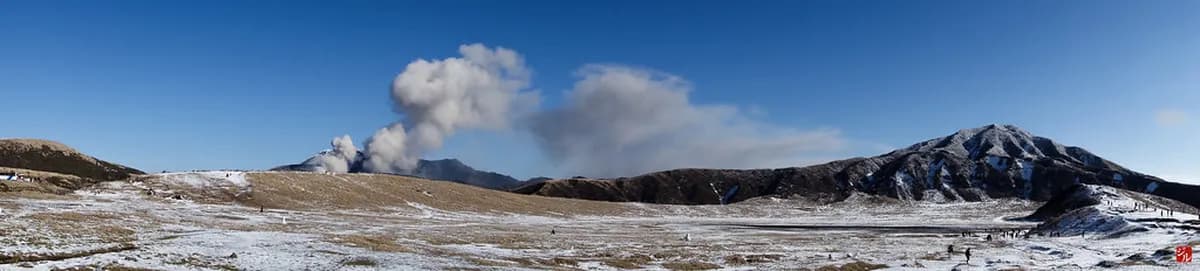
Many travelers use the city as a gateway to UNESCO Global Geoparks like Mount Aso. The volcanic landscapes provide a stunning backdrop to the regional history. You can find more regional tips on the Visit Kyushu Official Website. Combining the castle with a nature trip creates a perfect Kyushu itinerary.
Frequently Asked Questions
Is Kumamoto Castle fully open to the public in 2026?
The main keep and several key viewing areas are fully open to the public. However, many smaller turrets and sections of the walls remain under reconstruction following the 2016 earthquake. You can still enjoy the museum and observation decks while witnessing the restoration progress from safe walkways.
How much does it cost to visit Kumamoto Castle?
Adult admission for the castle grounds and main keep is approximately ¥850. There are discounts available for children and large groups. You might also find combined tickets that include entry to the nearby Kumamoto City Museum for a better overall value during your stay.
Can I use a tripod for photos inside Kumamoto Castle?
No, the use of tripods and selfie sticks is strictly prohibited inside the main keep and on narrow walkways. This rule ensures the safety of all visitors and protects the historic structures. You are welcome to take handheld photos in most areas unless signs indicate otherwise.
How long does a typical tour of Kumamoto Castle take?
A standard visit usually takes between 1.5 to 3 hours. If you plan to explore the museum in depth and walk the entire perimeter, allow for at least 4 hours. This gives you enough time to see the Kumamoto culture exhibits and the observation deck.
Visiting Kumamoto Castle offers a unique perspective on Japanese history and resilience. The site successfully balances its ancient samurai roots with a modern recovery story. You will leave with a deep respect for the craftsmen restoring this grand fortress. Plan your trip today to see this legendary landmark return to its former glory.
Pair this with our broader Kumamoto attractions guide for the full city overview, or see our Kumamoto Castle tickets & tips and best time for Kumamoto Castle cherry blossoms for related deep-dives.
Free: The Kumamoto Essentials guide
Top things to do, where to stay, a perfect day plan, getting around, and the best time to go — a Kumamoto mini-guide you can take offline.
You might also like


Continue reading
More guides you'll find useful