12 Best Free Things to Do in Nara (2026)
Discover the best free things to do in Nara for 2026. Explore UNESCO sites, sacred deer, and hidden gardens without spending a yen. Plan your budget trip now!
On this page
After exploring Nara three times over the last decade, I am still amazed by how much you can see here without spending a single yen. While many Japanese cities charge high entry fees for every temple, Nara remains a sanctuary for budget-conscious travelers and history buffs alike. Our editors have walked every trail and backstreet to ensure this guide helps you maximize your time in Japan's first permanent capital.
This guide was last refreshed for the 2026 season to reflect the latest opening hours and access rules. Whether you are coming on a Nara Day Trip from Kyoto: The Ultimate 1-Day Itinerary or staying longer, these free sites offer deep cultural immersion. I personally found that the best moments in Nara often happen away from the paid ticket counters and crowded gift shops.
Nara is home to several UNESCO World Heritage sites that offer free access to their main grounds and surrounding forests. You will encounter sacred deer, ancient wooden architecture, and meticulously maintained gardens that rival the paid attractions in Kyoto. Follow this guide to build an incredible itinerary that keeps your wallet full while providing world-class experiences.
Nara Park and the Sacred Deer
Nara Park is the natural starting point for any budget visit, and it costs nothing to enter at any hour of the day. Spanning over 500 hectares according to the official Nara Park website, it contains Tōdai-ji, Kasugataisha Shrine, Kōfuku-ji, and the deer all within a single walking loop. Most visitors spend at least four hours here without paying a single admission fee. If you want to explore lesser-known attractions beyond the main park, see our guide to Nara's hidden gems.
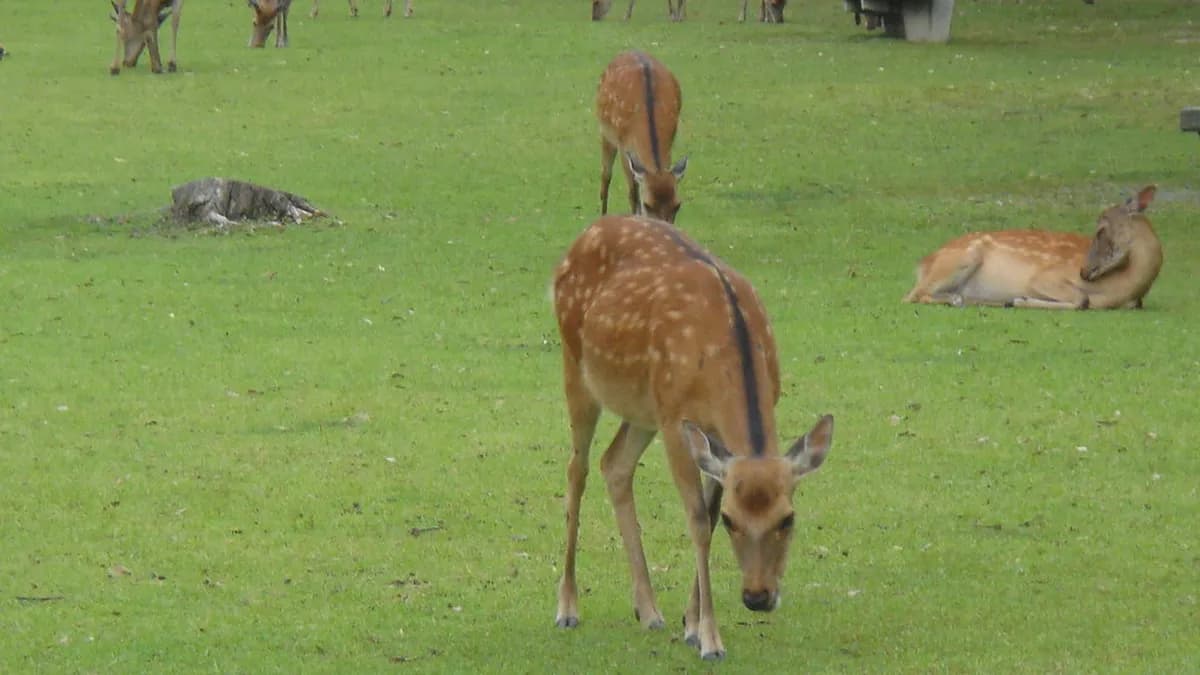
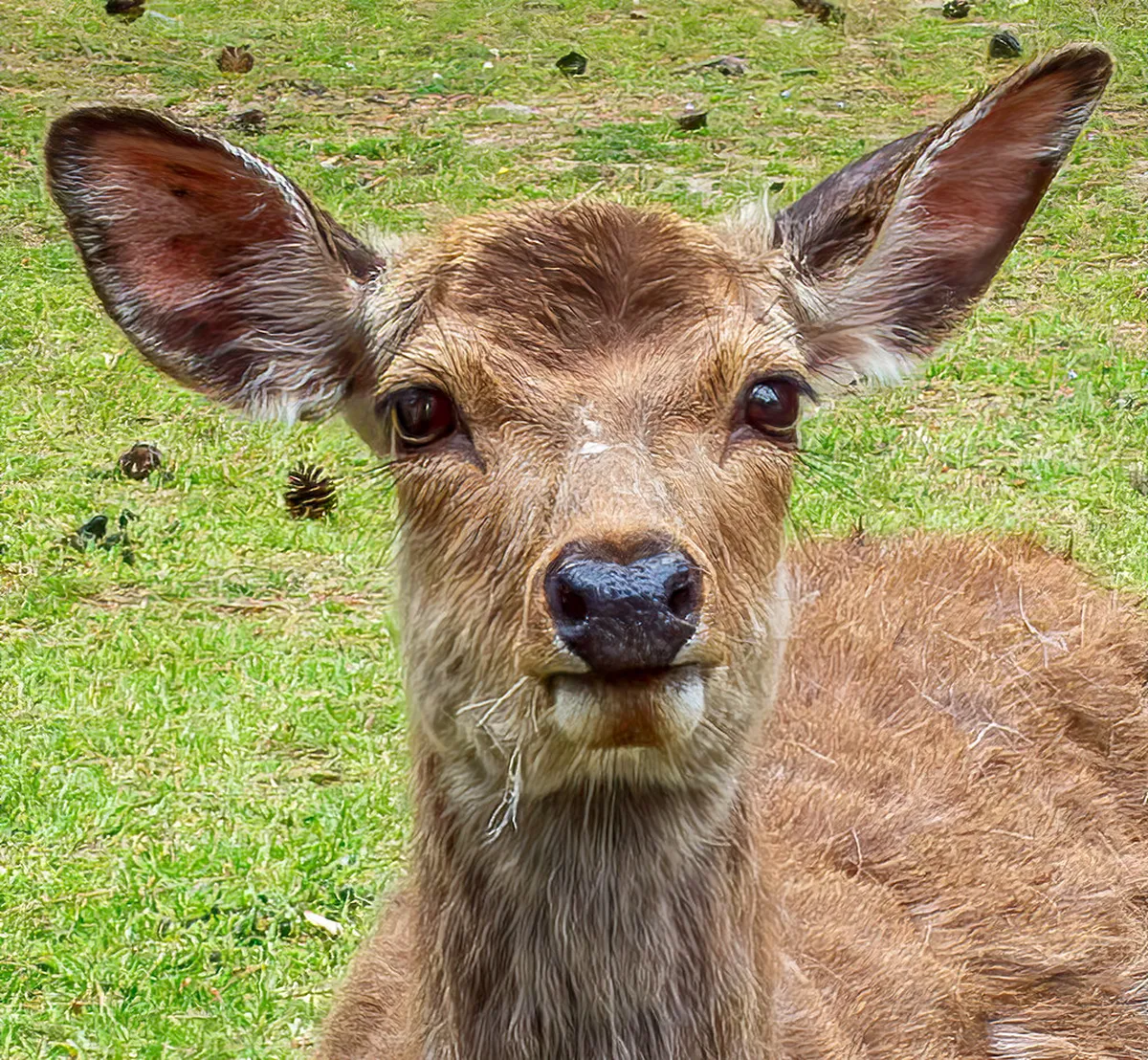
The sika deer are considered sacred messengers of the gods in Shintō tradition and roam freely through every corner of the park. Packs of deer crackers (shika senbei) cost ¥200 at stalls near the main gates — just watching the deer bow in anticipation before you hand one over is worth the trip. Keep bags firmly closed and do not hold food visibly: a determined deer will investigate pockets and camera straps without hesitation.
The park's paths connect every major free attraction, making a logical walking loop easy to design. Start at Kintetsu-Nara Station, follow the shopping street to Kōfuku-ji, then cut east through the park toward Kasugataisha before looping back via Nigatsu-do and the pond. The whole circuit takes two to three hours at a relaxed pace and costs nothing.
Nigatsu-do Temple Balcony
Nigatsu-do is a sub-complex of Tōdai-ji established in 752 and it offers one of the finest free views in the entire Kansai region. The wooden veranda stretches across the hillside and looks out over the Nara basin, the Kōfuku-ji pagoda, and on a clear day as far as Mt. Ikoma on the border with Osaka prefecture. Entry to the balcony is free and access is 24 hours a day.
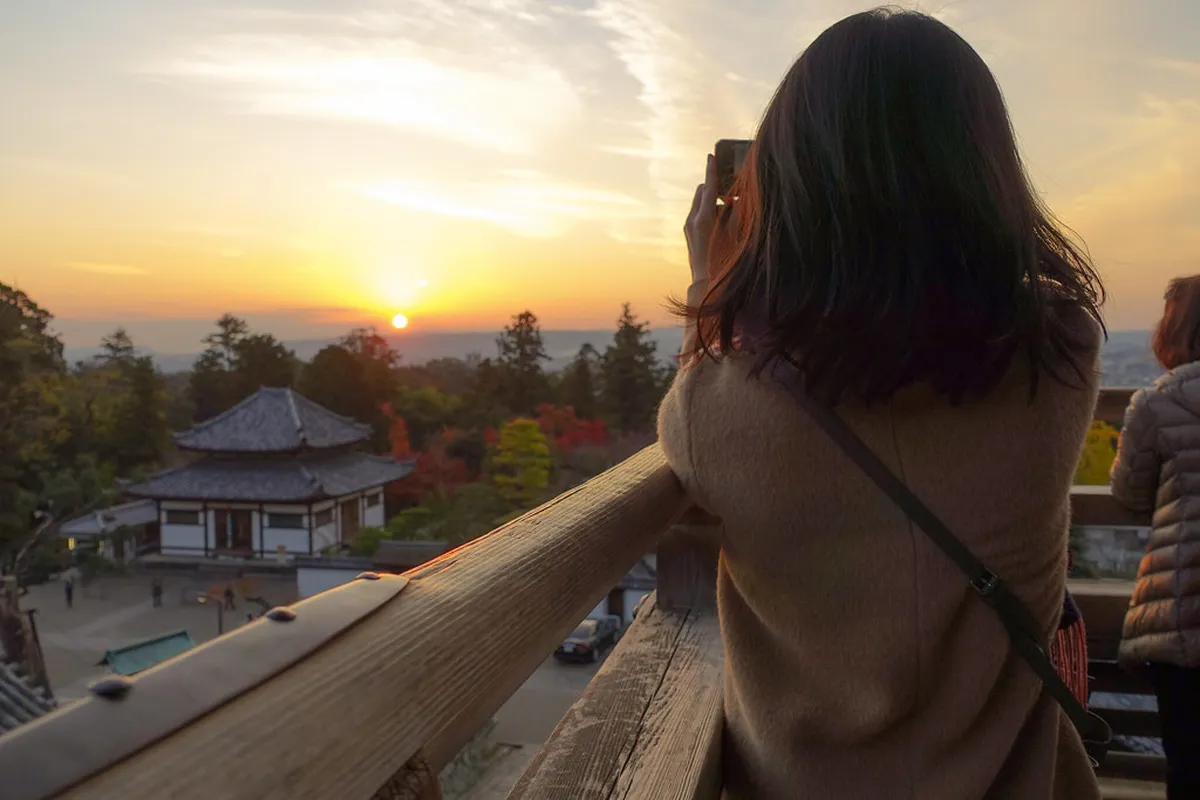
Arriving at sunset is the most popular strategy among photographers, but early morning has the advantage of near-total silence and soft golden light on the rooftops below. The stone steps lined with iron lanterns make the approach atmospheric at any hour. Just below the main hall, a small bell tower dating from the 12th century sits quietly off the path and is easy to miss if you are moving quickly.
Nigatsu-do becomes the focal point of the city every March during the Omizutori festival, when monks carry flaming torches along the very balcony you are standing on. The ceremony has run without interruption for over 1,260 years and watching it from the grounds below is free. See the festivals section further down this page for exact dates and positioning tips.
Kasugataisha Shrine Grounds
Kasugataisha is Nara's most important Shintō shrine, founded in 768 CE and a UNESCO World Heritage site associated with the powerful Fujiwara clan. The outer grounds and the entire forest approach are free to explore, and the walk through the ancient primeval forest is an experience that rivals any paid temple interior. Thousands of stone and bronze lanterns line the pathways and hang from the vermilion structures, creating one of Japan's most atmospheric corridors.
The shrine opens its gates from 06:30 in the morning, which means early risers can arrive before the tour groups and hear the priests' chanting drifting through the trees. Wild deer wander the lantern-lined path and occasionally peer around the stone columns, apparently unbothered by centuries of visitors. The inner sanctum charges ¥800 for entry, but the walkways, gardens, and outer halls are completely free.
Do not walk past the smaller sub-shrines scattered through the surrounding forest, many of which date to the Nara period and see almost no visitors. The Kasugayama Primeval Forest behind the shrine is also part of the UNESCO listing and features trail access at no cost. Explore these Best Things To Do in Nara to find your own favorite corner of this ancient forest.
Mount Wakakusa
Mount Wakakusa is Nara's signature grassy hill and offers panoramic views over the city, the park, and the surrounding mountains from its 342-metre summit. The official summit trail charges a ¥150 entry fee during the open season (March to November), but the lower slopes and the viewing areas around the base are free year-round. The AllTrails map marks several perimeter paths that do not cross the fee gate and still give excellent views of the green hillside.
Most visitors are content to photograph the hill from the park below, especially in autumn when the slopes turn golden before the grass is cut back. The summit itself is a wide open meadow where deer graze casually and the wind carries the sound of the city below. If you pay the fee, expect a 30-minute moderate climb on a well-marked trail with rest points along the way.
The most dramatic free spectacle on Wakakusa happens in late January when the entire hillside is set on fire during the Wakakusa Yamayaki festival. The burning is visible from across the city and is followed by a fireworks display — both completely free to watch from the park or from the surrounding streets. For planning details on this event, see the festivals section below.
Ukimido Pavilion
Ukimido Pavilion is one of the most photogenic and least crowded spots in Nara. The hexagonal wooden gazebo, built in 1916 and restored to preserve its cypress bark roof, sits in the middle of Sagi-ike Pond in a quieter section of the lower park. According to the Nara City facilities page, the structure is illuminated at night until 22:00, making it a worthwhile stop for evening visitors.
The pavilion is free to visit 24 hours a day and is reached by a short wooden footbridge over the pond. I recommend arriving before 08:00 when mist rises off the water and the deer drink quietly at the bank — the resulting reflection photograph requires almost no editing. In autumn, the surrounding maples turn crimson and frame the pavilion perfectly.
Finding the pavilion requires a deliberate detour south from the Nara National Museum into the wooded lower park. It takes about ten minutes on foot from the museum, along a gravel path that sees far fewer people than the main Tōdai-ji approach. That relative solitude is the real value here: this is the same Nara as the famous deer photos, just without the crowds.
Yoshikien Garden: Free for Foreign Tourists
Yoshikien is a hidden gem that many travelers skip because they assume all Japanese gardens have high entry fees. Show your passport at the gate and the staff wave you through for free — a Nara Prefecture initiative to encourage international tourism. The garden next door, Isuien, charges ¥1,200 for the same type of experience, so Yoshikien is an easy win for budget visitors.
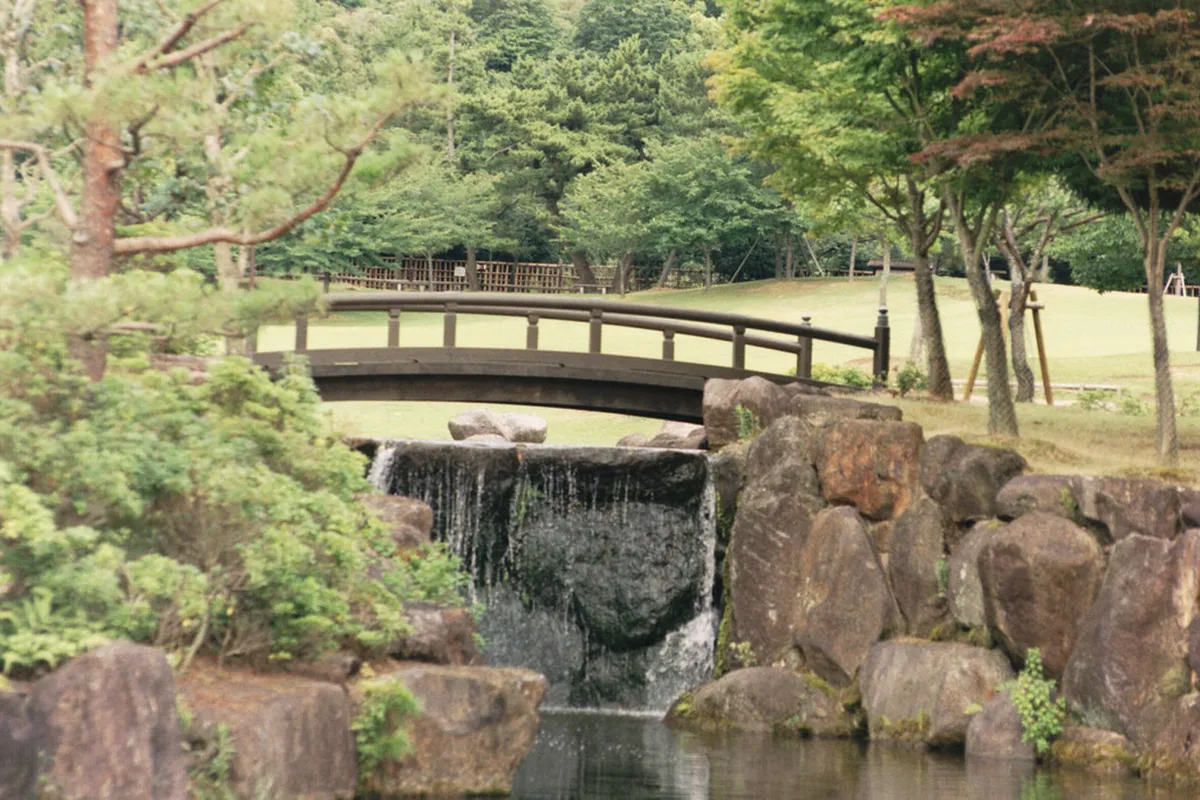
The garden divides into three sections: a pond garden, a moss garden, and a tea ceremony garden. The moss garden is particularly lush after a morning rain and glows an almost luminescent green. Opening hours are 09:00 to 17:00 daily (last entry 16:30), closed on Tuesdays from December through February.
I find Yoshikien notably more peaceful than the neighboring Isuien, partly because of the lower visitor numbers and partly because the layout draws you deeper into the garden before revealing the central pond. Spend a quiet thirty minutes here before heading to Kasugataisha — the transition from garden calm to forest path feels like entering another era. For seasonal bloom timing, see our nara weather and best time to visit guide.
Naramachi and the Lattice House
Naramachi is Nara's preserved merchant district and can be explored entirely on foot at no cost. The narrow lanes contain restored machiya townhouses, small workshops selling traditional crafts, and independent cafes that have not changed their menus in decades. The district sits south of Sarusawa-ike Pond and is a natural extension of a Kōfuku-ji visit.
The standout free site within Naramachi is the Koshi-no-Ie Lattice House (Naramachi Koshi-no-Ie), a fully reconstructed Edo-period merchant home open from 09:00 to 17:00, closed on Mondays. The characteristic "eel's bed" floor plan — long and narrow with multiple interior courtyards — shows how ordinary residents maximized space on expensive urban land. The hidden storage stairs and second-floor sleeping quarters are particularly worth exploring. Check out the surrounding naramachi old town streets for context on the wider district.
Look up as you walk through Naramachi and you will notice red cloth monkeys (Migawari Saru) hanging from the eaves of traditional houses. These talismans are meant to absorb illness and misfortune on behalf of the household. The tradition is unique to this district and is a detail that most visitors miss entirely.
Budget Breakdown: Free vs. Paid Nara Attractions
| Attraction | Type | Cost | Duration |
|---|---|---|---|
| Nara Park (grounds) | Free | ¥0 | 2-4 hours |
| Kasugataisha Outer Forest | Free | ¥0 | 1-2 hours |
| Nigatsu-do Balcony | Free | ¥0 | 30 minutes |
| Yoshikien Garden | Free (with passport) | ¥0 | 30-45 minutes |
| Todai-ji Great Buddha | Paid | ¥800 | 1-1.5 hours |
| Kasugataisha Inner Sanctum | Paid | ¥800 | 30 minutes |
Heijō Palace Site Historical Park
The Heijō Palace Site marks the location of the 8th-century imperial capital and is a UNESCO World Heritage site covering a vast open area northwest of the city center. The reconstructed Suzaku Gate stands as a massive monument to the city's former glory and is free to photograph. Inside the park, the Excavation Site Exhibition Hall displays actual ruins and artifacts at no charge.
The park is located about 20 minutes on foot or a short bus ride from Kintetsu-Nara Station, which makes it slightly off the main tourist loop but well worth the detour. According to the Nara Prefecture official site, the museum facilities close on Mondays. The park itself remains open and is a popular spot for locals to walk, cycle, and fly kites on weekends.
This is a fantastic site for families with children because there is ample open space and none of the "please do not touch" anxiety of the main park temples. A free bicycle loan service operates near the Suzaku Gate for visitors who want to cover the considerable distances between the reconstructed buildings. Visit in the late afternoon when the golden light hits the white walls of the palace buildings.
Nara's Fire Festivals: Two Free Spectacles Worth Timing Your Visit For
No SERP article gives this topic the practical treatment budget travelers actually need, so here it is. Nara hosts two fire events that are both free to attend and genuinely spectacular — the kind of experiences that cost hundreds of euros at cultural festivals elsewhere. Timing your visit around either one adds zero cost but enormous value.
Wakakusa Yamayaki takes place on the fourth Saturday of January and sees the entire grassy hillside of Mount Wakakusa set alight in a controlled burn. The origin of the festival is debated — one theory blames a boundary dispute between the monks of Tōdai-ji and Kōfuku-ji — but the spectacle is undeniable. Ceremonies begin around 17:30 at Tōdai-ji and Kasugataisha, with the fireworks display at approximately 17:50 and the mountain ignition shortly after. The best free viewing positions are anywhere along the eastern edge of Nara Park facing the mountain. Crowds form early; arrive by 16:30 for a good spot.
Omizutori Matsuri (1–14 March) is the older of the two, running uninterrupted for over 1,260 years. The public spectacle occurs on the Nigatsu-do balcony each evening, when monks run along the platform carrying large flaming torches and tip them over the edge, sending showers of embers down onto the crowd below. Embers that land on you are considered to confer good fortune. The torches appear at around 19:00 on most nights, and at 02:00 on the final night for the sacred water-drawing climax. Ground-level viewing below the balcony is free. A Nara Itinerary for First-Timers built around either festival needs no paid activities to be memorable.
Budget Food and the Kōfuku-ji Pagoda View
The best free food experience in Nara is the Nakatanidou mochi-pounding performance on the shopping street between Kintetsu-Nara Station and the park. Staff pound sticky rice at speed in a stone mortar while a partner shapes the mochi by hand between strikes, and the performance draws crowds even when no one is buying. Individual pieces cost around ¥180 and the yomogi-mochi (mugwort-flavored, deep green) is the one to try.
Eating well on a budget means knowing about Kakinoha Sushi, a Nara specialty where vinegared rice and fish are wrapped in persimmon leaves. The Kakinoha Sushi Honpo Tanaka branch near the station sells sets from around ¥900 — portable enough for a park picnic and genuinely representative of local culinary tradition. The persimmon leaf acts as a natural preservative and imparts a faint, pleasant tannin flavor to the rice.
For a free viewpoint that pairs well with a budget lunch, walk to the shore of Sarusawa-ike Pond in the late afternoon. The Kōfuku-ji five-story pagoda reflects in the water while turtles sun themselves on the rocks nearby. The pond is a free public space open 24 hours, and the combination of the pagoda silhouette and the water surface makes for one of Nara's most recognizable photographs — no entry fee required.
Nara National Research Institute for Cultural Properties
The Nara National Research Institute for Cultural Properties maintains a free exhibition gallery at its campus near the Heijō Palace Site. The displays cover archaeological discoveries from across the Nara region, including wooden tablets inscribed with official records from the 8th century and ceramics excavated from palace sites. It is open on weekdays from 09:00 to 16:30 and provides a scholarly but accessible complement to the open-air park nearby.
Most visitors to Heijō skip this building entirely, which means it is reliably quiet even during peak tourist season. The institute publishes research on active excavations happening in the region, and the exhibition is updated periodically as new finds emerge. This is a strong indoor option if rain interrupts the outdoor portions of your itinerary.
The combination of the research institute and the palace park creates a half-day loop that covers roughly 1,300 years of urban history without spending a yen. Finish at the Suzaku Gate reconstruction, rent the free bicycle if your legs are tired, and circle back through the residential streets between the palace and the park for a quieter view of everyday Nara.
Frequently Asked Questions
Which free things to do in Nara fit first-time visitors?
First-time visitors should prioritize Nara Park, the Nigatsu-do balcony, and the Kasugataisha forest path. These iconic spots are all free and located within walking distance of each other. They provide the classic Nara experience of deer, temples, and ancient history.
How much time should you plan for free things to do in Nara?
Plan for at least 4 to 6 hours to cover the main free attractions at a comfortable pace. If you include the Heijō Palace Site or a hike, a full day is better. This allows time for walking between sites and enjoying the scenery.
What should travelers avoid when planning free things to do in Nara?
Avoid visiting only the paid temples like Todai-ji's Great Buddha Hall if you are on a tight budget. Many travelers miss the free Yoshikien Garden or the Nigatsu-do views by focusing only on the main paid halls. Also, avoid carrying open food near the deer.
Nara proves that you don't need a large budget to experience the heart of Japanese culture and history. By focusing on the free UNESCO sites, public gardens, fire festivals, and the natural beauty of the park, you can have a world-class trip for very little money. I hope this guide helps you discover the same magic I found in Nara's quiet corners and ancient paths. For a complete overview of paid attractions worth considering, check our Nara attractions guide.
Remember to bring your passport for the free garden entry and wear your best walking shoes for the day. If you are planning the rest of your trip, our Nara Day Trip From Osaka: 10 Essential Planning Steps & Stops guide can help you with transport logistics. Enjoy your time in Nara and make sure to catch at least one sunset from the hills of the park.
Free: The Nara Essentials guide
Top things to do, where to stay, a perfect day plan, getting around, and the best time to go — a Nara mini-guide you can take offline.
You might also like



Continue reading
More guides you'll find useful