10 Best Things to Do in Kamakura on a Rainy Day (2026)
Plan things to do in kamakura on a rainy day with top picks, neighborhood context, and timing tips for a smooth trip even in wet weather.
On this page
A sudden downpour in Kamakura often transforms the city into something entirely different. Mist settles into the cedar valleys, temple moss glows an intense green, and the crowds that usually pack the main sites thin out considerably. Most tourists sheltering in Tokyo on a grey day have no idea what they are missing. This 2026 guide is built specifically for visitors who want to make the most of wet-weather Kamakura rather than wait it out.
Planning a Kamakura day trip itinerary from Tokyo is straightforward even when the forecast looks gloomy. The city's indoor sanctuaries — temples with covered corridors, cave shrines, hilltop museums — protect you from the elements without compromising the experience. Rain actually improves several specific sites here in ways that sunshine simply cannot replicate. This guide explains which spots those are, how to get between them efficiently, and what to eat along the way.
Why Kamakura Works in the Rain
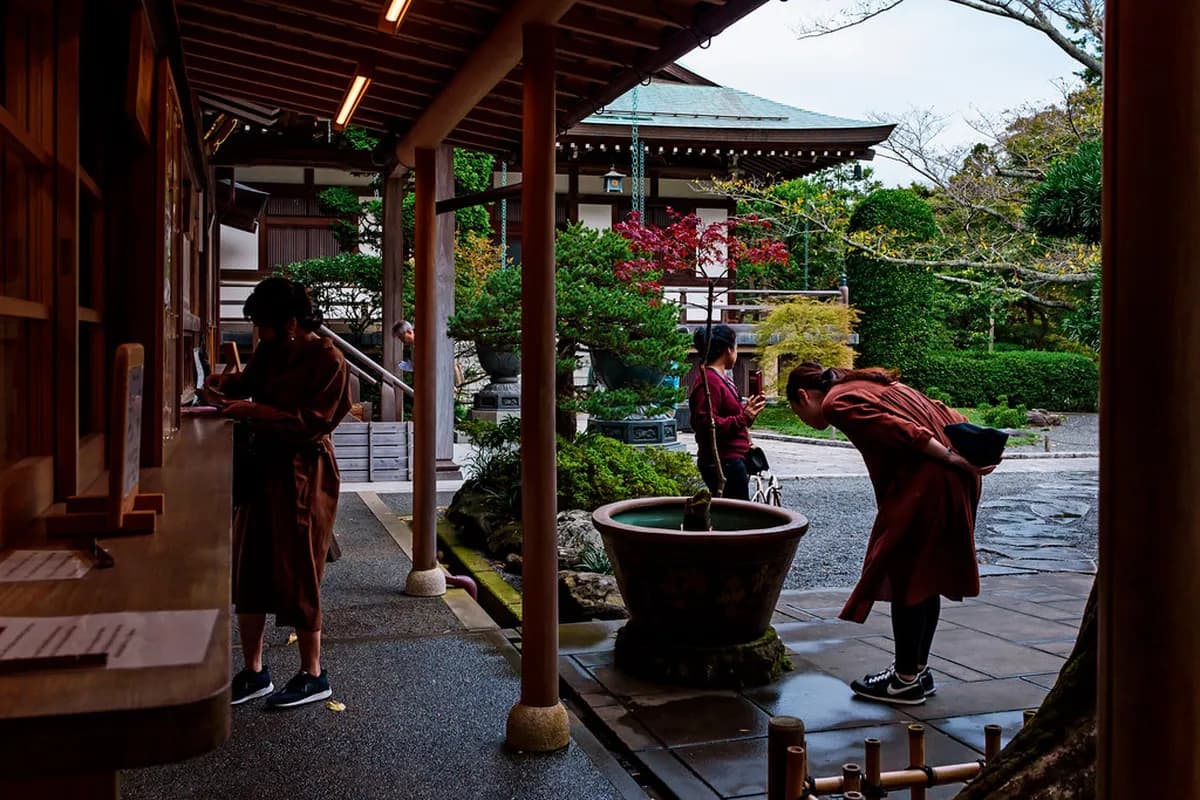
Kamakura was Japan's political capital during the Kamakura period (1185–1333), and the scale of its temple infrastructure reflects that status. The buildings are large, the covered walkways are long, and the grounds were designed for large numbers of pilgrims moving between structures in every season. Rain does not change the operating hours at any major site — almost every temple and shrine stays open on normal schedules regardless of weather intensity.
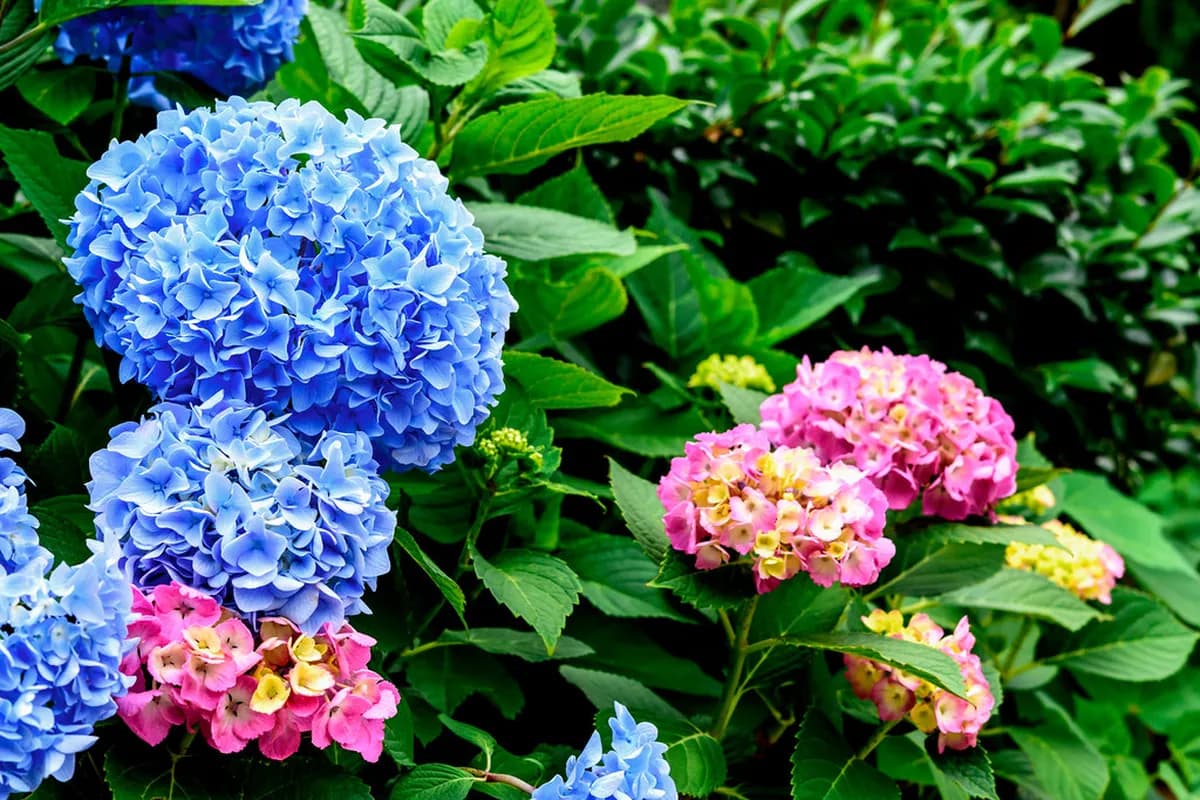
The city sits in Kanagawa Prefecture, about one hour south of Tokyo on the Shōnan Coast. June is tsuyu (rainy season), and the combination of rainfall and high humidity makes the temple gardens look their absolute best. Hydrangeas bloom across dozens of temple grounds from mid-June through early July, drawing visitors specifically for the wet conditions. Even outside June, the autumn months bring mist that makes the cedar forests of Engakuji and Tōkeiji look genuinely cinematic.
Temperature drops are common during storms, so a light waterproof jacket matters more than a bulky umbrella on narrow temple paths. Coastal wind near Hase can be strong enough to flip a compact travel umbrella. Sturdy footwear is essential if you plan to cross multiple neighborhoods — the stone steps at several sites become slippery when wet. Keep your IC card or Suica charged to minimize time spent at ticket machines in the rain.
June (tsuyu season) is Kamakura's rainiest month and the peak bloom time for hydrangeas across temple grounds. The Kamakura Museum of National Treasures (400 yen) offers climate-controlled indoor galleries with one of Japan's most concentrated Buddhist sculpture collections — an essential rainy-day anchor activity that keeps you dry while diving deep into cultural context.
Must-See Kamakura Attractions
The Great Buddha at Kotoku-in is the most iconic landmark in the city and holds up well in the rain. The bronze Amida Buddha stands 13 meters tall and has been outdoors for over 500 years. Admission is 300 yen (an extra 50 yen to enter the interior), and the site is open from 8:00 to 17:00 daily. The two drainage holes in the Buddha's lower back — visible from behind — are functional relics of the original interior drainage system and make for an unusual photo when rain streaks down the bronze.
Tsurugaoka Hachimangu Shrine is the most important Shinto shrine in Kamakura and the easiest to reach: a 10-minute walk east from Kamakura Station along the sakura-lined Wakamiya-oji boulevard. Entry to the main grounds is free, and the site stays open from 6:00 to 20:00. The main hall sits at the top of a stone staircase with a sweeping view of the misty city below. The attached Kamakura Museum of National Treasures (400 yen, open 9:00–16:30) provides a quality indoor backup if the rain intensifies while you are on-site.
Engakuji Temple sits right beside Kita-Kamakura Station — the first or last stop you make on the JR Yokosuka Line. The cedar forests surrounding the complex absorb sound, and the main temple corridors are broad enough to shelter large groups. Admission is 500 yen for adults and the grounds are open from 8:00 to 16:00. The large temple bell pavilion and the adjacent tea house are both covered and make a good first stop before the main crowds arrive.
Museums, Art, and Culture in Kamakura
The Kamakura Museum of National Treasures holds one of the most concentrated collections of Buddhist sculpture in Japan. Climate-controlled galleries mean you exit the humidity of a rainy afternoon into a cool, quiet space. The permanent collection includes wooden Bodhisattva figures from the Kamakura period that are rarely replicated in any other city. Budget 60 to 90 minutes and combine it with the Tsurugaoka Hachimangu grounds for a full half-day without going outdoors.
The Kamakura Museum of Literature sits in a Western-style villa that once belonged to the Maeda clan, surrounded by a short rose garden walk. Admission is typically 400 yen and the museum opens 9:00–16:30, closed Mondays. It focuses on the many writers who retreated to this coastal town — including Kawabata Yasunari, who won the Nobel Prize in Literature in 1968 — and provides quiet context that outdoor sightseeing misses entirely. You can find more indoor depth and cultural context like this scattered throughout our Kamakura culture guide.
The Kanagawa Prefectural Museum of Modern Art, Kamakura Annex (Kamakura Bekkan) is located right on the edge of the Tsurugaoka Hachimangu pond. The building is an early modernist landmark designed by Junzo Sakakura in 1951 and looks extraordinary reflected in grey water. Entry varies by exhibition but typically runs 250–600 yen. Rotating exhibitions draw on strong contemporary and mid-century Japanese art holdings, and the space is entirely indoors. Check the current program at the museum's official site before visiting.
Cultural workshops — including tea ceremony sessions in sheltered temple annexes — are available year-round in the city and are worth booking a day in advance. Many sessions run for 45 to 60 minutes and require no prior experience. These work well as a scheduled anchor activity that fills an hour while rain is at its heaviest, then you can walk out to smaller temples once the weather lightens.
Meigetsu-in: The Temple That Belongs in the Rain
Most first-time visitors skip Meigetsu-in because it does not appear on the main tourist maps. That is a significant mistake during tsuyu season. The temple is known across Japan as the "Temple of Hydrangeas" (ajisai-dera) and its inner garden contains thousands of blue and violet hydrangeas that bloom specifically during June — Kamakura's rainiest month. The rain does not just permit a visit here; it is the condition the garden was designed to be seen in.
The temple sits in the hills north of Kita-Kamakura Station, about a 10-minute walk from the platform. Standard admission is 500 yen, but during the June hydrangea season the fee rises to 800 yen and timed-entry controls manage the crowds. Opening hours are 9:00 to 17:00. The inner garden at the rear — normally closed — is opened specifically during the bloom period, and the view through the circular window in the main hall (the "moon window") looking out at rows of wet hydrangeas is widely considered one of the most photographed garden scenes in the Kanto region.
Outside of June, the temple gardens still contain maples, irises, and mossy stone paths that look best in overcast light. The approach path from Kita-Kamakura winds past bamboo groves and old stone walls — the kind of narrow residential lane that feels completely removed from a major tourist city. Arrive before 10:00 to avoid peak congestion on any visit, wet day or not. The return to Kita-Kamakura Station takes about 12 minutes on foot and you can chain the visit directly with Engakuji or Tōkeiji next door.
Parks, Gardens, and Outdoor Spots in Kamakura
Hokokuji Temple's bamboo grove is one of the most atmospheric spots in the city during a light rain. Over 2,000 bamboo stalks create a dense canopy that filters the sound of rain into a consistent, meditative hiss. Entry is 400 yen, and the tea house inside the grove serves matcha and sweets for an additional 600 yen (total 1,000 yen with entry). The grove is open until 16:00. Arriving right at the 9:00 opening means you may have the space largely to yourself before tour groups arrive.
Hasedera Temple combines several rain-friendly elements in one site: a covered cave complex dedicated to the goddess of health and beauty, a large wooden Kannon hall, a small museum, and a hillside restaurant with glass walls facing the coastline. Admission is 400 yen, and the temple is open 8:00–17:00. The cave system is the most reliably sheltered part of the complex — you can spend 20 minutes inside it without any exposure to rain. The restaurant's window seats offer an unobstructed view of grey Sagami Bay that many visitors find more compelling than the same scene in sunshine.
Zeniarai Benzaiten Ugafuku Shrine is accessed through a rock tunnel cut into a cliff face in the western hills. The tunnel and cave interior — where visitors wash coins in a spring believed to double their value — provide natural protection from rain while you perform the ritual. Entry is free and the shrine is open until 16:30. The walk from Kamakura Station takes about 20 minutes over uneven terrain, so a taxi (roughly 1,000 yen) is the better call during heavy downpours. You can find the full route and nearby sites in our Kamakura hidden gems guide.
Kamakura Trails and Outdoor Stops to Skip in Heavy Rain
Some of Kamakura's best-known outdoor routes turn unpleasant in a downpour. This list helps you decide what to trim from an itinerary built for dry weather.
Skip or shorten
- The Daibutsu Hiking Course links Kita-Kamakura with the Great Buddha through forested ridges. The dirt and root-covered sections become muddy and slippery, so take the train or bus instead.
- Yuigahama and Zaimokuza beaches offer little in wet, windy weather. Save them for a clear afternoon.
- Long hillside temple loops are hard work when the stone steps are slick. Pick one hillside temple and pair it with an indoor stop.
Still worth doing in light rain
- Covered halls and corridors at the larger temple complexes.
- Short garden paths where the hydrangeas and moss look their best.
- The bamboo grove at Hokokuji, as long as the rain is light and steady rather than driving.
A good rule is to keep your walking short on rainy days. Move between stops by Enoden or bus rather than on foot, and allow time to dry off in a cafe between sights. If the rain clears and you have energy to spare, the day trips from Kamakura offer more ideas for a second, drier half-day.
Family-Friendly and Budget-Friendly Options in Kamakura
Enoshima Aquarium is the definitive rainy-day backup for families. A short ride on the Enoden line from Kamakura Station brings you to this large, fully indoor facility. Adult tickets are 2,500 yen; children under 15 pay 1,250 yen. Opening hours are 9:00–17:00. The dolphin and penguin shows run on a fixed schedule that does not change for rain — check the official site for the day's times when you arrive. The aquarium covers several hours and requires no outdoor walking at any point, which makes it the most weather-proof single destination on this list.
Komachi-dori Street runs directly from Kamakura Station's East Exit to Tsurugaoka Hachimangu and is the city's main covered retail corridor. Access is free and most shops open between 10:00 and 18:00. Many stalls sell warm street food — whitebait (shirasu) croquettes, dango, and taiyaki shaped like the Great Buddha — that are genuinely satisfying on a cold day. The street also connects to the Tsurugaoka Hachimangu grounds, so you can move between indoor shopping and the shrine's covered halls without needing to navigate unfamiliar side roads.
For tight budgets, the combination of Tsurugaoka Hachimangu (free entry to the main grounds) plus Komachi-dori browsing plus one paid museum keeps the full day under 1,500 yen per person excluding transport. The cave shrine at Zeniarai Benzaiten is also free. Tōkeiji Temple near Kita-Kamakura is one of the quieter sites at just 200 yen admission and has a beautiful garden worth lingering in even on grey days.
What to Eat in Kamakura
Kamakura's coastal location makes fresh seafood the default choice. Shirasu-don — a rice bowl topped with raw or semi-dried whitebait — appears on nearly every menu near Hase Station and Yuigahama. Several spots along Komachi-dori sell warm whitebait croquettes for around 200–300 yen, which are an ideal rainy-day street snack. Dango (sweet rice dumplings) are another warm option widely available along the shopping streets.
Café Yoridokoro in Inamuragasaki — five stops from Kamakura Station on the Enoden Line — is worth the extra train ride for a proper sit-down meal. The café serves traditional teishoku sets: your choice of fish with fluffy egg-topped rice, miso soup, and pickles. It sits directly beside the Enoden tracks, so you can watch the vintage train pass while eating. Window seats need to be reserved in advance; walk-ins can usually find bench seating outside the window area. Hours are 7:00–17:00, closed Tuesdays.
For a dessert stop, m's terrace near Hase serves Great Buddha-shaped taiyaki for 280 yen. Eating on the terrace is comfortable even in light rain thanks to an overhang, and the area around the shop is far quieter than Komachi-dori. Matcha-flavored options dominate the dessert scene in Kamakura generally — small shops near both Engakuji and Hokokuji sell iced and hot matcha at reasonable prices for post-temple breaks.
Getting to Kamakura and Getting Around
From Tokyo, the JR Yokosuka Line connects Tokyo Station directly to Kamakura Station in about 56 minutes. The fare is 940 yen one-way. From Shinjuku, the JR Shōnan–Shinjuku Line takes approximately 60 minutes and costs 950 yen. A money-saving alternative: take the Tōkyū Tōyoko Line to Yokohama (150 yen from Shibuya), then switch to the JR Yokosuka Line to Kamakura (370 yen). That route cuts several hundred yen off the round trip. You can use the Kamakura transportation guide for the full breakdown of IC card, pass, and cash options.
The Enoshima-Kamakura Freepass covers the round trip from Shinjuku via Odakyu lines plus unlimited rides on the Enoden Line for 1,640 yen from Shinjuku (810 yen if joining at Fujisawa). It is the best-value option if you plan to cover multiple Enoden stops — Hase, Inamuragasaki, Kamakurakōkō-Mae — over the course of the day. JR Pass and Tokyo Wide Pass holders can reach Kamakura on JR lines at no additional cost but these passes are only worth it if you have multiple longer journeys already planned.
Within the city, the Enoden Line is the most useful tool for moving between Kita-Kamakura, Kamakura Station, and the Hase area temples. Trains run roughly every 10 to 15 minutes. Local Keikyu and Enoden buses fill the gaps for reaching Hokokuji Temple (12 minutes from Kamakura Station on a bus) and the western hills. The Kamakura Free Environment Bill pass (900 yen) covers unlimited bus and Enoden rides up to Hase Station and is worth buying if you plan to visit Hokokuji and Zeniarai Benzaiten in a single day.
Coastal wind near Hase Station (where Kotoku-in and Hasedera sit) can be strong enough during storms to flip a compact travel umbrella. Bring a sturdy, wide-diameter umbrella or better yet a lightweight waterproof jacket. Umbrella covers on temple grounds keep paths clearer for other visitors navigating wet stone stairs.
Typhoon and Heavy-Rain Disruptions in Kamakura
Ordinary rain does not stop Kamakura sightseeing, but a typhoon is a different matter. Typhoon season runs roughly from August through October, so autumn visitors should check conditions before leaving Tokyo.
What usually stops running
- Enoden trains between Kamakura and Enoshima follow the coast and slow down or pause in strong wind. They are the line most likely to be disrupted on the Hase side.
- JR Yokosuka and Shonan-Shinjuku lines are more resilient, but they can run late or cut back services during torrential rain.
- Temple grounds may close part or all of their paths after storm damage, even when the gates are officially open.
How to check before you go
- Look at the Japan Meteorological Agency warnings for Kanagawa Prefecture the evening before and again at breakfast.
- Check the operator's live status page for Enoden or JR East before you board.
- Choose indoor stops close to a station, such as the Kamakura Museum of National Treasures, rather than a long chain of hillside temples.
If a warning is active, postponing is the safer choice. Kamakura is an easy trip to rebook because it sits only about an hour from Tokyo. If you are already in the area when conditions worsen, the JR Yokosuka Line can take you towards Yokohama, where there are large covered options. Our Yokohama rainy day guide covers them.
Leave extra time for the return to Tokyo. Stations fill up quickly when services resume after a delay.
How to Plan a Smooth Kamakura Rainy Day
The most efficient itinerary for a rainy day starts in the north and works south. Arrive at Kita-Kamakura Station first — either by getting off one stop early on the JR Yokosuka Line — and walk Engakuji, Tōkeiji, and Meigetsu-in in sequence before 10:30. These three temples sit within a 15-minute walk of each other and cover the most atmospheric northern circuit with minimal exposure between covered buildings. Then take the JR or Enoden train to Kamakura Station and walk Tsurugaoka Hachimangu before lunch.
Spend early afternoon in the Hase area: Kotoku-in Great Buddha first, then Hasedera Temple (including the cave and the restaurant for lunch or a break), then walk Komachi-dori on the way back to Kamakura Station. This sequence keeps outdoor walking to a minimum and clusters the major paid sites together. If the rain is heavy when you arrive at Kotoku-in, take cover in the Hasedera restaurant with a coffee while you wait for a lighter break in the weather before approaching the Buddha.
Reserve Hokokuji bamboo grove and Zeniarai Benzaiten as afternoon optional additions if the weather eases. Both require short bus or taxi rides from Kamakura Station. If rain intensifies in the afternoon and you are traveling with children, the Enoshima Aquarium on the Enoden Line is a reliable full-afternoon fallback. Always check the last JR Yokosuka Line train back to Tokyo — from Kamakura Station, the last departures toward Tokyo are after 23:00, so missing the last train is not a realistic concern for most day trips.
Guided options take the planning burden off entirely. A full-day private tour of Kamakura's Zen temples and gardens typically runs around 7,000–8,000 yen per person and includes transport from Tokyo. These tours are particularly useful in rain because a local guide knows which temple corridors to use as shelters and can adjust the route based on actual conditions.
Keep planning your trip with our complete Kamakura attractions guide, and explore Kamakura's hidden gems and budget-friendly things to do next.
Explore things to do in other cities
Frequently Asked Questions
Is Kamakura still worth a day trip if it is raining?
Yes, Kamakura remains a top destination because many major temples have large sheltered areas. The mist creates a beautiful atmosphere that is perfect for photography and quiet reflection. You can find more timing tips in our guide on the best time to visit Kamakura.
What is the best way to stay dry while sightseeing?
The best strategy is to use the Enoden train to travel between hubs like Hase and Kamakura Station. Carry a sturdy umbrella and plan your route around indoor spots like the National Treasure Museum. Taxis are also a great affordable option for reaching hillside shrines.
Are the temples in Kamakura open during the rain?
Almost all temples and shrines in the city remain open during normal operating hours regardless of rain. Some outdoor gardens might have restricted access if paths become too muddy. Most main halls and museum buildings stay open to provide shelter for visitors.
Rain should not deter a Kamakura visit — for several specific sites and for tsuyu season generally, it improves the experience. Focus the day on the sheltered northern temple circuit, the Hase area's cave and covered halls, and the bamboo grove at Hokokuji. Keep Meigetsu-in on the itinerary if you visit in June: the hydrangea garden is the most compelling argument for choosing a wet day over a dry one. Pack a proper waterproof jacket, keep the Enoden pass charged, and treat the grey light as a feature rather than a problem.
Free: The Kamakura Essentials guide
Top things to do, where to stay, a perfect day plan, getting around, and the best time to go — a Kamakura mini-guide you can take offline.
You might also like


Continue reading
More guides you'll find useful