Sapporo Weather by Month: Complete Seasonal Guide to 6m Snow
Compare temperatures, snowfall and packing by month, including Sapporo’s roughly 6 metres of annual snow and the cooler summer window.
On this page
Sapporo sits in Hokkaido, Japan's northernmost main island, and its climate is unlike anywhere else in the country. Long, heavy winters bring world-class powder snow. Short summers stay cool and comfortable when the rest of Japan swelters. Understanding the Best Season to Visit Sapporo: 9 Essential Seasonal Insights starts with knowing exactly what each month delivers.
The city records about 6 metres of cumulative snowfall per year, according to the Japan Meteorological Agency. Average annual temperature is around 8°C. Summer highs rarely crack 30°C, while January nights routinely drop to -10°C. Those extremes shape every packing decision and every activity choice. For comprehensive Hokkaido travel planning, see the official Japan travel guide.
This guide covers all twelve months with temperature ranges, precipitation, snow depth, and what events are running. We also include what to pack and one insider timing tip that most weather guides miss.
Sapporo Monthly Weather at a Glance
The table below covers average daily highs and lows, total monthly precipitation, typical snow depth on the ground, and average sunshine hours. Temperatures are from JMA historical averages (1991–2020 baseline). Snow depth refers to the typical depth measured mid-month at the city centre station.
| Month | Avg High | Avg Low | Rain/Snow (mm) | Snow Depth (cm) | Sunshine (hrs) |
|---|---|---|---|---|---|
| January | -1°C / 30°F | -8°C / 18°F | 105 | 85 | 68 |
| February | 0°C / 32°F | -8°C / 18°F | 94 | 97 | 82 |
| March | 5°C / 41°F | -4°C / 25°F | 78 | 55 | 131 |
| April | 13°C / 55°F | 2°C / 36°F | 56 | 0 | 163 |
| May | 19°C / 66°F | 8°C / 46°F | 62 | 0 | 185 |
| June | 23°C / 73°F | 13°C / 55°F | 67 | 0 | 166 |
| July | 27°C / 81°F | 18°C / 64°F | 81 | 0 | 159 |
| August | 28°C / 82°F | 19°C / 66°F | 123 | 0 | 158 |
| September | 23°C / 73°F | 14°C / 57°F | 136 | 0 | 137 |
| October | 15°C / 59°F | 6°C / 43°F | 91 | 0 | 117 |
| November | 6°C / 43°F | -1°C / 30°F | 106 | 8 | 71 |
| December | -1°C / 30°F | -7°C / 19°F | 111 | 48 | 56 |
September is the wettest month on average, not August, which surprises many visitors. August has the deepest sunshine and the highest absolute temperatures. December and January have the least daily sunshine — under 70 hours per month — so days feel short and grey.
January and February: Deep Winter and the Snow Festival
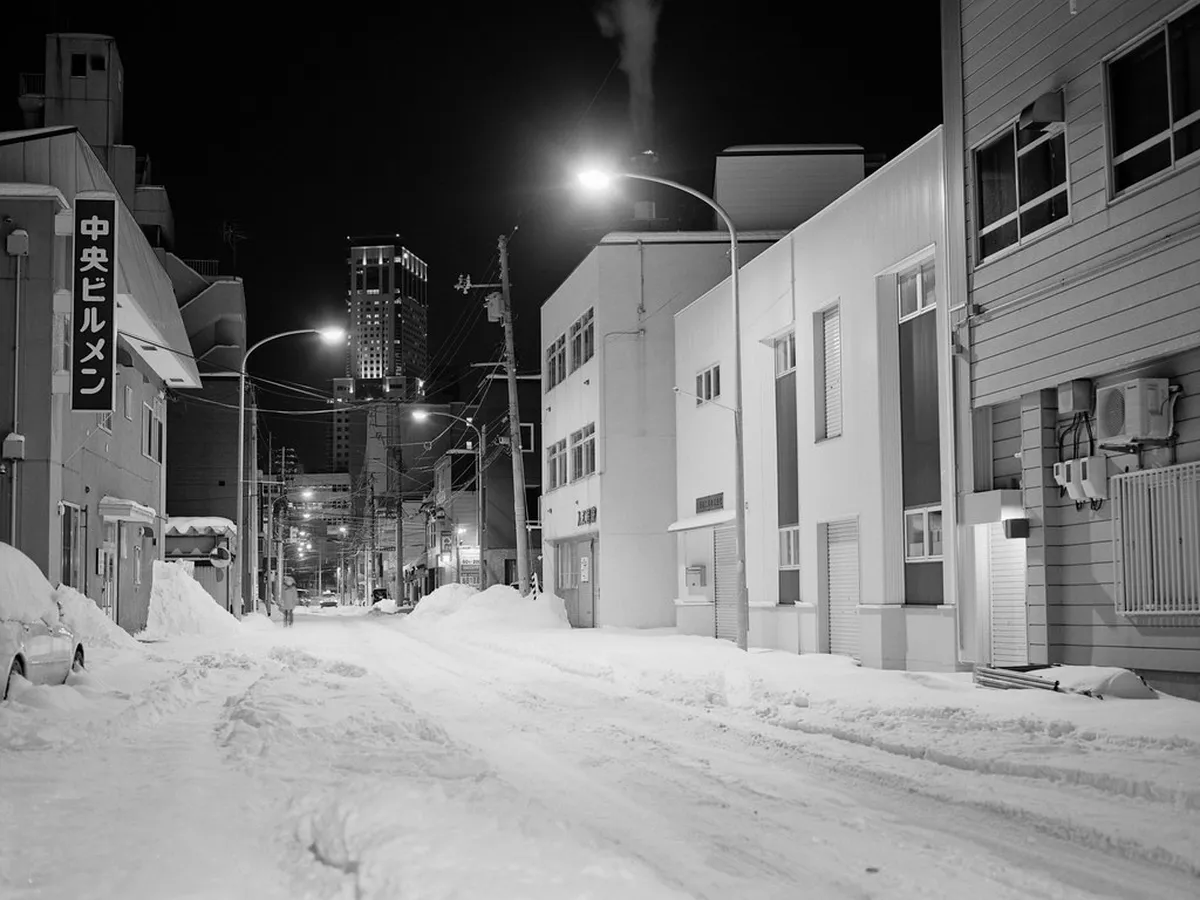
January is the coldest month, with overnight lows often reaching -10°C or below during cold snaps. Snow depth peaks in late January and through February. The powder is extraordinarily light and dry, the result of cold Siberian air crossing the Sea of Japan and picking up moisture before it freezes over the Hokkaido interior.
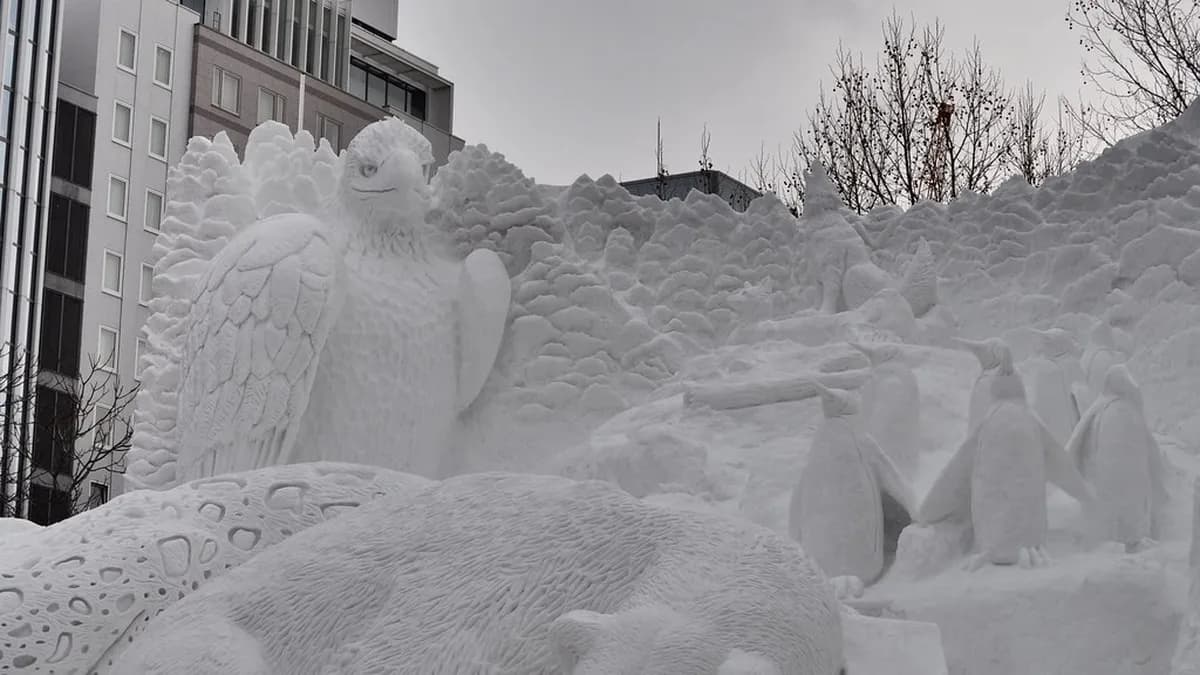
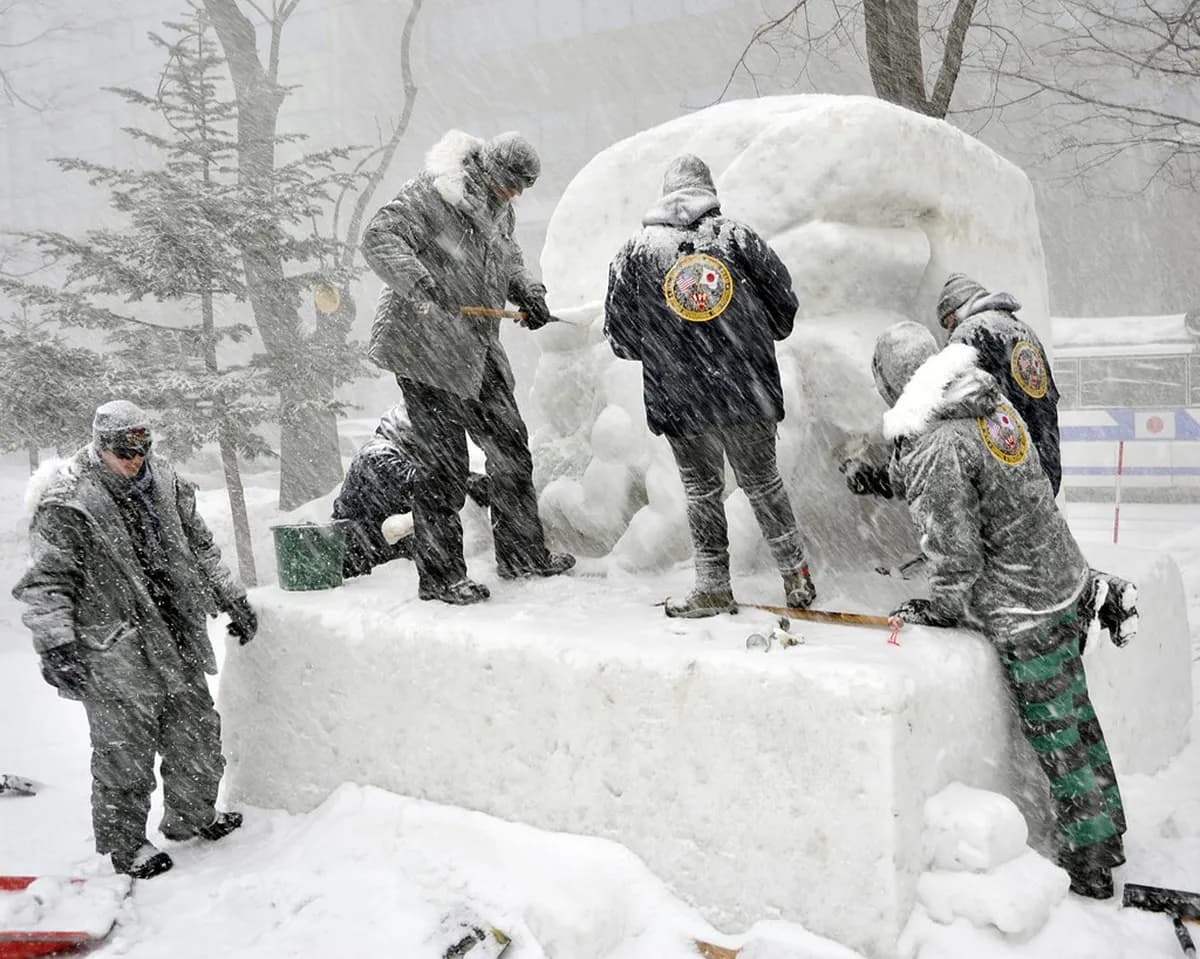
February is famous for the Sapporo Snow Festival (Yuki Matsuri), held over about a week starting the first Wednesday of February. In 2026 it runs 4–11 February across three sites: Odori Park, Susukino, and Tsu Dome. Massive snow sculptures — some reaching 15 metres — are lit up nightly. Book accommodation at least three months in advance; prices can triple versus non-festival weeks.
One timing detail that most guides skip: daytime temperatures during the Snow Festival week are typically 1–2°C warmer than surrounding weeks, because the crowds, floodlights, and compressed outdoor heating units raise the local ambient temperature slightly. It is still well below freezing, but the difference is noticeable when you are standing outside for hours. If you visit the week before the festival you will face the same cold with none of the spectacle.
Pack for serious cold: base layers (merino wool or synthetic), a mid-layer fleece, a down-filled waterproof outer jacket, thermal trousers, wool socks, and waterproof insulated boots with a grip sole rated to -20°C. Hand and toe warmers (kairo) cost around ¥100–200 per pack from any convenience store.
March and April: The Long Thaw
March is the transition month. Snow still covers the ground in early March — typically 55 cm at the city centre station. Daytime temperatures push above freezing for the first time since November. The melt is slow; you will still see grey snow piles along roadsides through late March. March is one of the cheapest months to visit because crowds disappear after the ski season.
April brings a rapid warm-up. The snow is gone from the city by mid-April in most years. Temperatures reach 10–15°C by day, though mornings stay close to 2°C. Hokkaido's mountains stay snow-covered through April, so backcountry skiing continues at resorts like Niseko and Furano. The city itself shifts into a fresh, quiet spring mode.
Cherry blossoms in Sapporo usually bloom in late April to early May — roughly three to four weeks later than Tokyo. Maruyama Park and the grounds of Hokkaido University are the most popular viewing spots. The combination of late snow retreat and early blossom window is short, sometimes just ten days, so check the JMA forecast before booking. Pack a waterproof windbreaker and a mid-layer sweater for April days.
May and June: The Sweet Spot for Most Travelers
May is arguably the best month to visit if you want mild weather, minimal crowds, and still-reasonable prices. Highs reach 19°C by late May. The lilacs bloom in mid-to-late May, turning Odori Park purple-scented. Lilac Festival (ライラック祭り) runs in mid-May in Odori Park — free entry, outdoor food stalls, live music in the evenings.
The 'Rira-bie' (Lilac Cold) is a local term for the cold snaps that interrupt May warmth just as the lilacs bloom. A front from the north can drop temperatures back to 8–10°C for two or three days. This is not dangerous, but it catches visitors off guard. Pack a light wool layer you can add and remove easily.
June has no rainy season equivalent to Tokyo's Tsuyu. Sapporo gets rainfall in June, but it is scattered rather than continuous. Sunshine averages 166 hours — the third sunniest month of the year. Wildflowers appear in the surrounding hills, and hiking trails at Mount Moiwa and Hokkaido University's botanical garden are in full bloom. June is the best month for photography: clear light, no crowds, no festival price premiums.
July and August: Warm, Humid-Free Summer
Summer in Sapporo feels genuinely comfortable in a way that no other major Japanese city can match in July and August. Highs reach 27–28°C but humidity stays low, typically 65–70% relative humidity versus Tokyo's 80–85%. Evenings cool to 18–19°C. You can sleep without air conditioning in most standard accommodation.
The Odori Beer Garden opens in late July and runs through mid-August. It occupies several blocks of Odori Park and hosts regional breweries alongside Hokkaido food vendors — fresh corn, soup curry, grilled lamb (jingisukan). Entry is free; expect crowds of 20,000–30,000 per evening on weekends. The Sapporo Summer Festival umbrella event runs from late July through mid-August alongside the beer garden.
August is also when top things to do in Sapporo outdoors peak. Day trips to Furano for lavender fields (peak July) and Biei's patchwork hills are most accessible in summer. August is the wettest month for rainfall (123 mm) and September even wetter, but rain falls in short bursts rather than all-day drizzle. Pack light breathable clothing and a compact umbrella or packable rain jacket.
September and October: Autumn Leaves and First Chills
September is crisp, colourful in the surrounding mountains, and the most underrated month for visiting Hokkaido. Daytime highs of 23°C make walking the city very comfortable. This is also the wettest month of the year at 136 mm average — more than August — driven by remnant low-pressure systems occasionally tracking from the Pacific. True typhoon landfall on Hokkaido is rare, but September storms can bring a day of heavy rain and strong wind. Check the Japan Meteorological Agency typhoon tracker before booking outdoor activities.
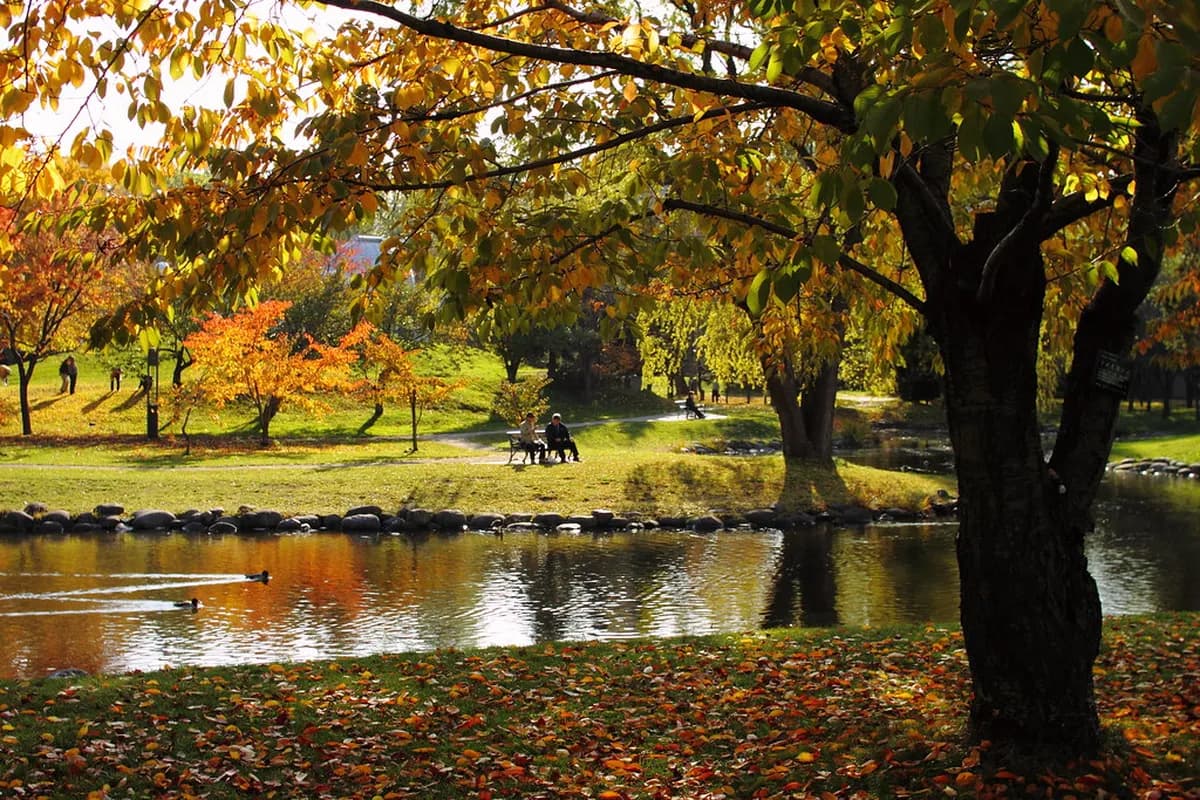
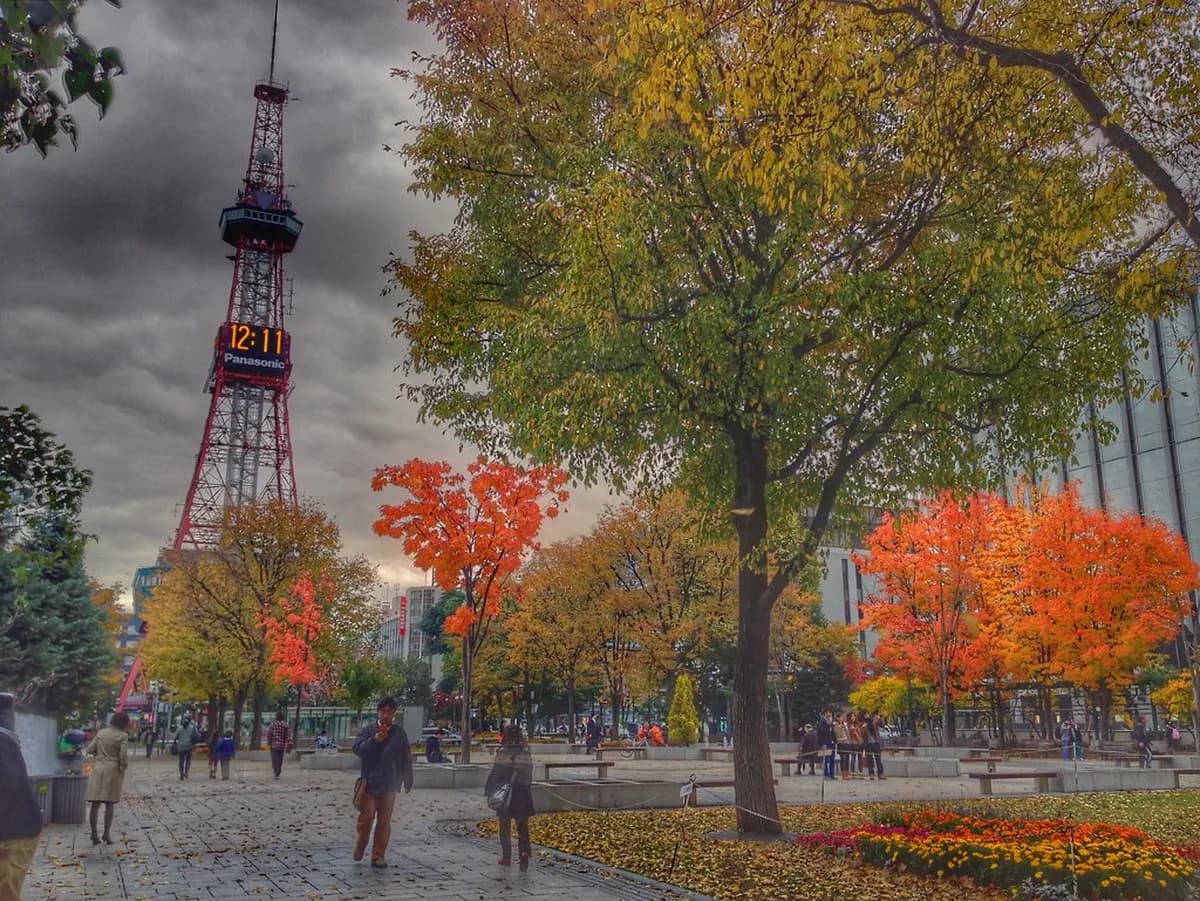
Autumn foliage in the mountains starts in late September at higher elevation, then descends into the city during October. Hokkaido University's gingko avenue turns solid gold in mid-to-late October. Jozankei Onsen, 30 minutes by bus from central Sapporo, is famous for its maple red against steam-rising river gorges — peak colour is typically around 15–20 October. October highs of 15°C are perfect coat weather, with lows dropping to 6°C by month's end.
Late October brings the first whisper of winter. Some mountain passes close. Sapporo Autumn Fest runs in Odori Park through October, featuring regional food and craft stalls. Pack a warm mid-layer and a waterproof outer layer for October; light gloves are useful from mid-October onward.
November and December: Winter Closes In
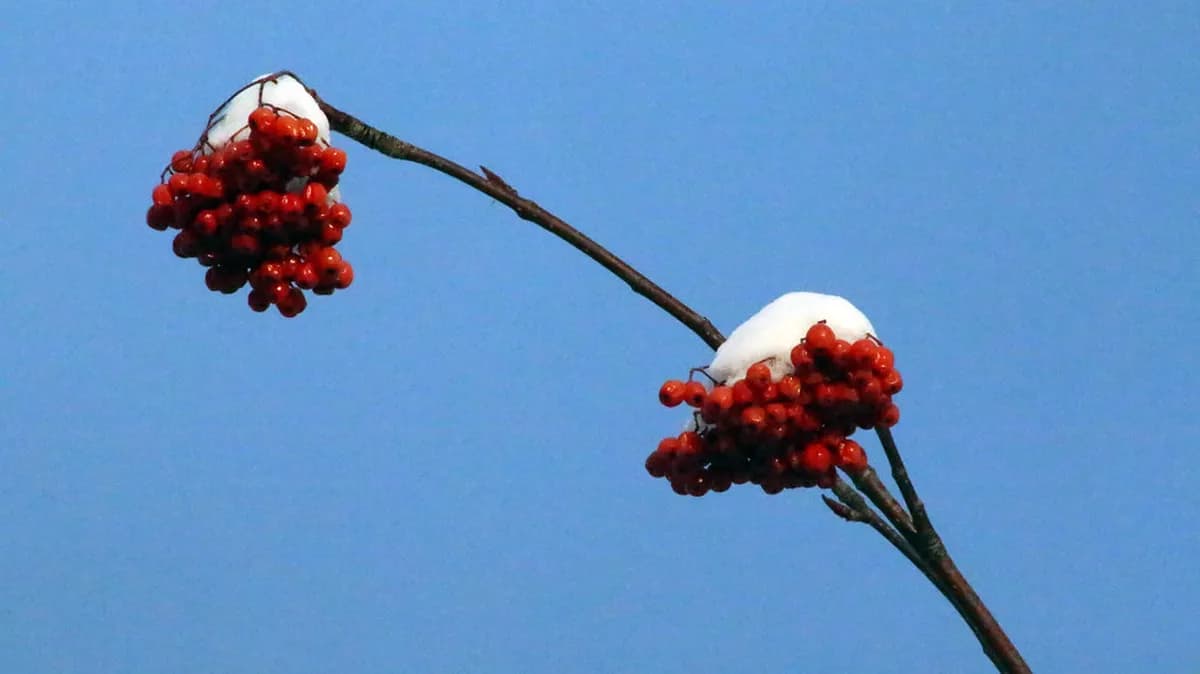
November is the transitional month when Sapporo quietly shifts to winter mode. First snowfall usually occurs in the second half of November. It rarely accumulates much — average depth is 8 cm by month's end — but roads become slippery and outdoor attractions close their summer operations. Sapporo Illumination lights (Sapporo White Illumination) start in late November, lighting up Odori Park with warm-white fairy lights through the end of the year.
December sees the full return of winter. Snow depth reaches around 48 cm by late December. Temperatures stay near or below 0°C throughout the day. Skiing at nearby Sapporo Teine and Kokusai resorts opens in early to mid-December. The White Illumination runs through Christmas. Pack your full winter kit from November onward: insulated boots, gloves, thermal layers, and a balaclava if you plan extended outdoor time.
Christmas and New Year see moderate tourist activity, mostly domestic Japanese travelers. Hotel prices rise but do not match the February Snow Festival peak. The city is atmospheric, with snow on every surface and low-angle winter light. Sapporo winter guide visitors arriving in December get the full snow experience without February's price surge.
Navigating Winter Without Going Outside
Sapporo has an underground pedestrian network — the Chika-Ho — that stretches roughly 4 kilometres connecting Odori Station to Sapporo Station and on to Susukino Station. This heated corridor is the practical spine of winter travel in the city. You can reach major hotels, department stores (Daimaru, Stellar Place), the Ramen Yokocho area, and dozens of restaurants without setting foot in snow or wind.
The Chika-Ho is genuinely useful for navigating blizzard days — and those do happen. When horizontal snow and -10°C wind chill hit the surface streets, the underground becomes standing-room only. Arrive before 08:00 or after 21:00 for comfortable walking. Maps are posted at every entrance and also available from the city's tourism app (Sapporo City Navigation).
Heated sidewalks (snow-melting systems) cover several major routes above ground as well, including parts of Kita 1-jo Street near the station. These are marked with signage and are reliable even during heavy snowfall. Combining the Chika-Ho corridors with these surface routes means you can plan most winter itineraries to minimise exposure time to under ten minutes at a stretch.
What to Pack by Season
Winter (December–March) requires the most preparation. Insulated waterproof boots with a lug sole rated to at least -15°C are non-negotiable. Slipping on packed ice is the most common visitor injury. Layer system: thermal base layer, fleece mid-layer, down or synthetic insulated outer jacket. Waterproof over-trousers are useful for Snow Festival visits. Kairo (disposable hand warmers) from any konbini cost around ¥100 for a single-day pack.
Spring (April–May) and autumn (September–October) require layering flexibility. Morning and evening temperatures can be 10°C colder than the afternoon high. A packable down jacket, a windproof outer layer, and comfortable waterproof shoes cover most scenarios. May visitors should include one warm layer specifically for the Rira-bie cold snap.
Summer (June–August) is the lightest packing season. T-shirts, light trousers or shorts, a compact umbrella, and one long-sleeve layer for cool evenings. Sunscreen is important — Sapporo's clear summer air offers less UV filtering than the humid south. A light waterproof jacket handles the August afternoon rain bursts.
Monthly Events Calendar
Knowing what is on helps you align your visit with the city's best atmosphere. The following events are recurring annual fixtures in 2026, though exact dates shift slightly each year.
- February (early): Sapporo Snow Festival (Yuki Matsuri) — Odori Park, Susukino, Tsu Dome; free entry to outdoor sites.
- Late April to early May: Cherry blossom season at Maruyama Park and Hokkaido University.
- Mid-May: Lilac Festival (ライラック祭り) in Odori Park — free outdoor event with food stalls.
- Late July to mid-August: Odori Beer Garden and Sapporo Summer Festival — free entry, food and drink vendors.
- October: Sapporo Autumn Fest in Odori Park — regional food from across Hokkaido.
- Late November to Christmas: White Illumination — Odori Park lit with fairy lights each evening.
- December to March: Ski season opens at Sapporo Teine, Kokusai, and nearby Niseko/Furano resorts.
The Sapporo Snow Festival guide in early February and the Beer Garden in late July–August are the two events that most directly affect hotel availability and pricing. Book at least two to three months ahead for both.
Sapporo vs. Tokyo: Key Differences
Sapporo runs 5–10°C colder than Tokyo year-round. January averages in Tokyo are around 5–10°C daytime; in Sapporo the daytime average is -1°C. Snow is negligible in Tokyo and totals 6 metres in Sapporo. Summer is the sharpest contrast: Tokyo hits 33–35°C with oppressive humidity in July and August, while Sapporo stays at 27–28°C with dry air.
Sapporo lacks Tokyo's June Tsuyu rainy season. While Tokyo gets 160 mm of rain in June and the humidity feels relentless, Sapporo in June averages 67 mm spread across ten to twelve days. This makes June one of the best months to be in Sapporo if you have already done the Tokyo rainy season before.
Packing for both cities on the same trip requires planning. A May trip that starts in Tokyo (15–22°C) and ends in Sapporo (8–19°C) means you need layers for both. If you are planning a broader Japan trip, use the a full Sapporo itinerary guide to build the northern leg around your chosen month. A dedicated 12 Best Day Trips from Sapporo: The Ultimate Guide plan also helps, since road and trail access depends heavily on the season.
Plan the rest of your trip with our Sapporo attractions hub.
Frequently Asked Questions
Does it snow in Sapporo in November?
Yes, the first snow usually falls in late November. It rarely stays on the ground for long during this month. Expect cold, wet conditions and temperatures near 5°C / 41°F.
What is the hottest month in Sapporo?
August is the hottest month in Sapporo. Average highs reach 26°C / 79°F. It is much more comfortable than the extreme heat found in Tokyo or Osaka.
When do cherry blossoms bloom in Sapporo?
Cherry blossoms typically bloom in early May. This is much later than the rest of Japan. It is the perfect time for a late-season spring trip.
Sapporo offers a distinct four-season experience that differs from the rest of Japan. From the snowy magic of winter to the mild breezes of summer, there is no bad time to visit. Just ensure you choose the months that match your favourite activities and weather comfort. If you need a place to stay, check out 8 Best Areas Where to Stay in Sapporo for the best neighbourhoods.
The city is a fantastic place to experience Japan's northern culture and climate. Pack your bags and get ready for an unforgettable Hokkaido adventure. This monthly guide gives you the data to plan the perfect trip to Sapporo, whatever season you choose.
Free: The Sapporo Essentials guide
Top things to do, where to stay, a perfect day plan, getting around, and the best time to go — a Sapporo mini-guide you can take offline.
You might also like
Continue reading
More guides you'll find useful