Kansai Airport to Kyoto Transfer Guide: 6 Best Travel Options
Plan your journey from KIX to Kyoto with our 2026 guide. Compare the JR Haruka Express, Limousine Bus, and private transfers for a stress-free trip.
On this page
Landing at Kansai International Airport (KIX) marks the beginning of your long-awaited journey into Japan's cultural heart. Navigating the transfer to Kyoto can feel overwhelming after a long flight across multiple time zones.
This comprehensive guide simplifies your arrival by comparing every major transport mode available for 2026 travelers. Whether you prioritize speed, budget, or comfort, we have analyzed the best routes for your specific needs.
Understanding these options ensures you reach your hotel efficiently without unnecessary stress or confusion at the station. Let us explore the most reliable ways to travel from the airport to the historic streets of Kyoto.
Overview of Kansai International Airport (KIX)
Kansai International Airport serves as the primary gateway for international visitors exploring the scenic Kansai region. Most major airlines land at Terminal 1, which houses the main railway station and bus pick-up points directly on the second floor of the arrivals building.
Low-cost carriers like Peach Aviation or Jeju Air typically arrive at the smaller and more remote Terminal 2. Travelers landing here must take a free shuttle bus (about 15 minutes) to Terminal 1 to access the train platforms and bus departure zones. This bus runs 24 hours, but the waiting time can add up if you arrive during off-peak hours.
Terminal 2's shuttle bus bay is small and not always clearly signed. Verify the bus direction before boarding to avoid ending up at the wrong terminal or facing a long detour.
The Aeroplaza building connects the terminals and offers various amenities for arriving passengers. You can find several Kansai Airport dining options here if you need a quick meal before heading into the city.
Familiarizing yourself with the airport layout helps you move quickly toward the transportation hubs. All train platforms and bus stops are on the second floor of the T1 building — follow the green JR signs or yellow Nankai signs as soon as you exit customs.
JR Haruka Express: The Fastest Direct Train to Kyoto
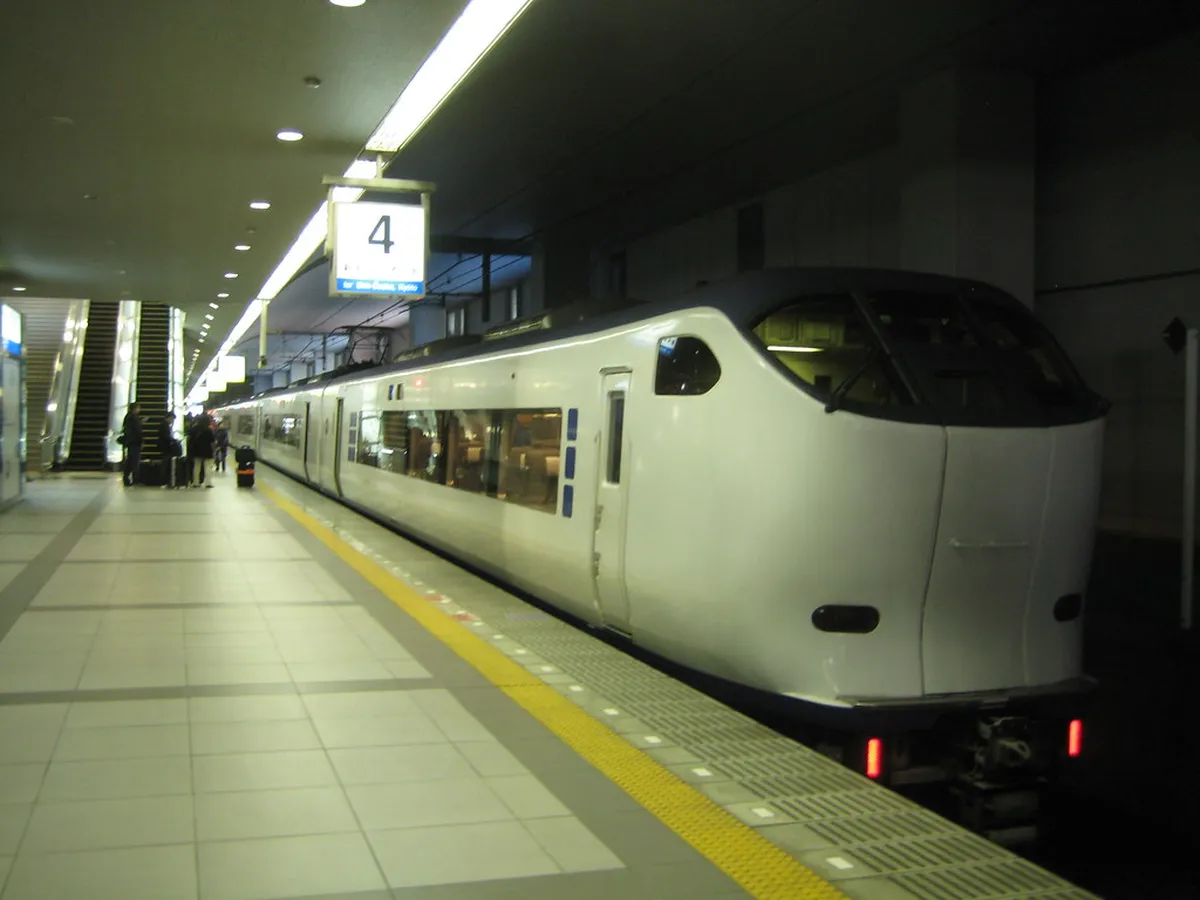
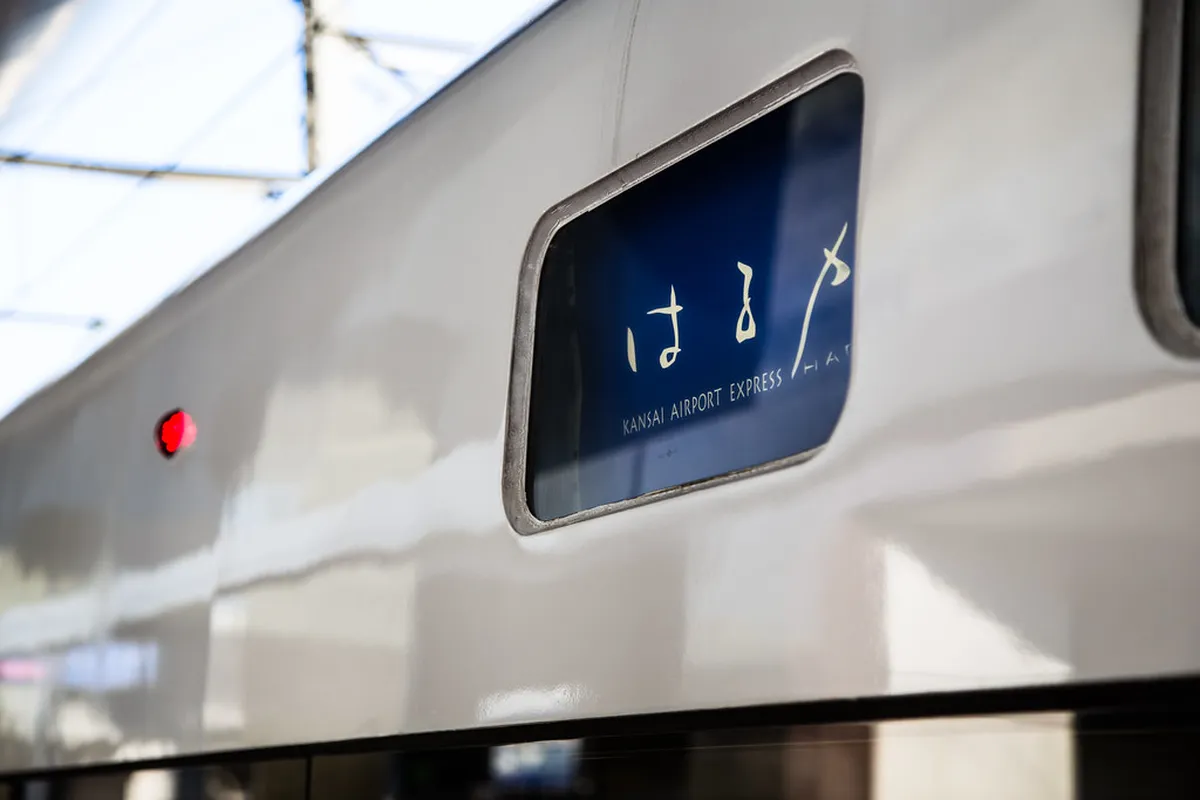
The JR Haruka Limited Express remains the most popular choice for travelers heading directly to central Kyoto. This train connects the airport to Kyoto Station in approximately 75 minutes without any transfers, running every 30 minutes from around 06:30 to 22:15.
The standard unreserved fare is approximately 3,600 yen one way. However, a lesser-known discount makes this option even more attractive: if you buy or top up an ICOCA card at the same time as your Haruka ticket, JR West offers a combined discounted fare of around 2,900 yen. That saving of roughly 700 yen per person adds up for a family. The ticket counter at KIX's JR station handles this in one transaction.
Combine your Haruka Express ticket purchase with an ICOCA card at the JR West ticket counter to save approximately 700 yen per ticket. This 2,900 yen combo fare is the single best value at the airport and often goes unnoticed by first-time visitors.
Travelers with a standard Japan Rail Pass can also board the Haruka at no extra charge for unreserved seats. Reserved seats add no cost on most JR Pass types; book them at the JR ticket counter to guarantee a seat during peak seasons like Golden Week or Obon.
This train is especially convenient if you have already planned a detailed Kyoto Itinerary: See Kyoto Perfectly starting near the main station. The spacious luggage racks above and beside the seats handle large suitcases without blocking the aisle.
- Journey time: approximately 75 minutes direct to Kyoto Station
- Standard fare: ~3,600 yen; discounted with ICOCA purchase: ~2,900 yen
- Frequency: every 30 minutes, first departure around 06:30, last around 22:15
- JR Pass: valid for unreserved and reserved seats (book at the counter)
Kansai Airport Express: The Cheaper JR Alternative
Few guides mention it, but there is a second JR option that skips the limited-express surcharge entirely. The Kansai Airport Express (a regular rapid service, not the Haruka) runs on the same JR tracks but makes more stops and does not carry the limited-express supplement fee.
From KIX you ride this train to Tennoji Station in Osaka (about 45–50 minutes), then transfer to the JR Nara Line or the Kintetsu Kyoto Line to reach Kyoto. Total travel time is roughly 90–100 minutes with the connection, and the combined fare comes in around 1,800–2,000 yen. If you hold a JR Pass, you still cover the first leg for free, but the Kintetsu segment is not JR and requires a separate ticket.
This route works well for travelers staying near Kyoto's southern side (near Tofukuji or Fushimi Inari) because the Kintetsu Kyoto Line drops you at Kyoto Station just like the Haruka. It is not the fastest, but it is a legitimate budget alternative for solo travelers with manageable luggage.
Nankai Line and Local Trains: The Budget Route via Osaka
Budget-conscious travelers can save money by using the Nankai Railway to reach Osaka and then transferring to a second train toward Kyoto. This approach is the cheapest path from KIX but requires at least two transfers and rewards light packers.
The Nankai Rapi:t is a premium express that runs every 30 minutes and costs 1,290 yen to Namba — it arrives faster (38 minutes) and guarantees a seat. The Nankai Airport Express is a slower alternative at 920 yen but does not require a reservation and runs more frequently. Neither is covered by the JR Pass.
From Namba Station you have two main onward options to Kyoto. The Hankyu Railway from Osaka-Umeda (about 10 minutes walk or a quick subway hop from Namba) reaches Kyoto-Kawaramachi in 44 minutes at 410 yen — ideal if you are staying in Gion or Shijo. Alternatively, the JR Shin-Osaka to Kyoto leg on a shinkansen or local Biwako Line takes about 15–30 minutes. Total end-to-end cost by the Nankai + Hankyu route is typically 1,600–1,800 yen.
This route is perfect for those who want to explore Kyoto neighborhoods like Arashiyama later, since the Hankyu line reaches the Arashiyama area directly. Expect the total travel time to be around two hours when including transfers and walking between stations. Use an ICOCA card to tap through every gate without buying individual tickets.
Kansai Airport Limousine Bus: Best for Heavy Luggage
The Limousine Bus offers a highly convenient alternative for those staying in specific neighborhoods like Sanjo, Kawaramachi, or near Kyoto Tower. Unlike the train, the bus stops at several major hotels and key landmarks throughout the city, which can save you an additional subway or taxi leg.
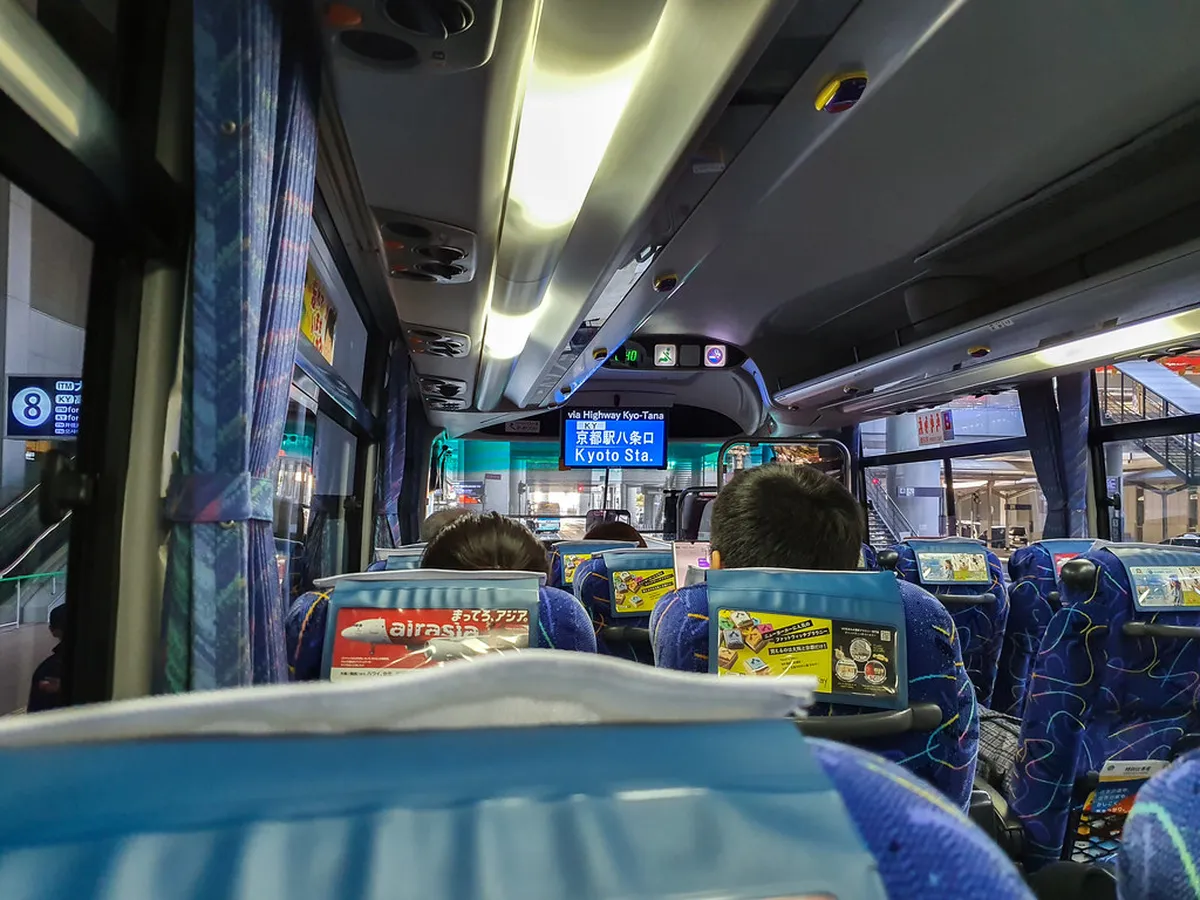
Choosing the Limousine Bus eliminates the need to navigate the busy subway system with heavy bags. The journey usually takes about 90 to 120 minutes depending on traffic; budget extra time during morning rush hours (08:00–09:30) or on weekends with heavy sightseeing traffic. The adult one-way fare is 2,800 yen.
This option is worth serious consideration if you are still planning Where To Stay In Kyoto: 9 Best Areas and Booking Tips and want near-door-to-door ease. Buses depart regularly from the ground floor of Terminal 1 (and with a shuttle connection from Terminal 2). You can purchase tickets at the automated vending machines located right outside the arrival hall exits or pre-book online to guarantee a seat during holiday periods.
One practical tip: the Limousine Bus is the only airport-to-city mode where your suitcase travels in the undercarriage hold, freeing you to sit comfortably without managing bags in an overhead rack. For travelers with multiple large cases, this alone makes it worthwhile.
- Journey time: 90–120 minutes depending on traffic
- Fare: 2,800 yen one way
- Key stops: Kyoto Station (Hachijoguchi exit), Kyoto Tower Hotel, Kawaramachi, Sanjo area
- Frequency: approximately every 30–60 minutes depending on route
Private Transfers: The Ultimate Door-to-Door Option
Private transfers provide the highest level of comfort and personalized service for families or small groups. A professional driver meets you in the arrival hall with a name sign and assists with all your luggage — no figuring out platforms or stops required.
This service is particularly valuable for those booking hotels in Kyoto that are located in traditional machiya streets or temple neighborhoods far from the main train station. Fixed-rate pricing means no metered surprises during heavy traffic.
The cost starts at around 20,000–25,000 yen for a sedan and scales with vehicle size. For a group of four sharing a minivan, the per-person cost becomes broadly comparable to two Limousine Bus tickets. Pre-booking online is essential — on-the-day taxi queues at KIX during busy periods can exceed 45 minutes.
While not every traveler needs this service, it is the right call for families with young children or elderly passengers who need a stress-free transition from a long-haul flight. The journey takes 90–110 minutes to central Kyoto and goes straight to your accommodation address.
ICOCA and IC Cards: What to Buy at KIX
Getting the right IC card at the airport sets you up for frictionless travel across every train, subway, and bus in Kyoto, Osaka, and Nara. ICOCA is JR West's IC card and is the default choice at KIX — available at the JR ticket machines inside the station for 2,000 yen (500 yen is a refundable deposit; 1,500 yen is preloaded credit).
If you already have a Suica or Pasmo from a previous Japan trip, those cards work equally well on all Kansai transit. IC cards are accepted on JR lines, the Kyoto City subway, and the Kyoto City Bus network — essentially every mode you will use once you are in the city.
One important limitation: IC cards do not cover the Haruka Express or the Nankai Rapi:t limited-express surcharge. You still need a separate Haruka ticket for that service. However, if you combine the Haruka ticket purchase with an ICOCA card top-up at the JR counter, you qualify for the 700 yen combined-fare discount described earlier.
The JR ticket counter and the green automated machines at KIX Station are both reliable; the machines have English interfaces. The Nankai counter on the opposite side of the same floor handles Nankai line tickets and Nankai-specific IC cards (Pitapa), but ICOCA works fine on Nankai trains too.
Arrival Logistics: Luggage, Connectivity, and First-Timer Mistakes
Managing your logistics immediately upon arrival ensures a smooth start to your vacation in Japan. If you have several large bags, consider using the Yamato Transport (Takkyubin) luggage delivery counter in the arrival hall. For around 1,500–2,500 yen per bag, your suitcase is delivered to your Kyoto hotel the next morning — letting you travel hands-free on any of the transit options above.

Staying connected is vital for navigating transit maps and checking real-time schedules. You can pick up a pocket Wi-Fi device or a data SIM card from Japan Wireless and similar providers at kiosks in the arrival hall. Most SIM cards activate within minutes and support eSIM delivery if you ordered before departure.
Two common first-timer mistakes are worth calling out. First, travelers from Terminal 2 sometimes join the wrong queue or board the shuttle bus without confirming the direction — T2's bus bay is small and not always clearly signed; verify before you board. Second, many visitors try to use their IC card for the Haruka Express ticket gate and get declined, because the Haruka requires a separate limited-express ticket. The gate lights red and holds up everyone behind you — buy the ticket first at the counter or machine.
Reviewing a Kyoto Itinerary: See Kyoto Perfectly before you leave the airport helps you make the right transit decision for your first day's plans. Taking five minutes at the airport to buy your card and confirm your route prevents common travel headaches for the rest of the trip.
Quick Comparison: Which Option Is Right for You
Every traveler arrives at KIX with different priorities, so here is a direct summary to help you decide quickly.
| Transfer Option | Duration | Cost (¥) | Best For |
|---|---|---|---|
| JR Haruka Express | 75 min | 3,600 (2,900 w/ ICOCA) | Speed and convenience |
| Kansai Airport Express | 90–100 min | 1,800–2,000 | Budget travelers with transfers |
| Nankai + Hankyu Lines | ~120 min | 1,600–1,800 | Light packers seeking lowest cost |
| Limousine Bus | 90–120 min | 2,800 | Heavy luggage, door-to-door stops |
| Private Transfer | 90–110 min | 20,000+ | Families, groups, ultimate comfort |
| Taxi | 90–120 min | ~15,000–20,000 | On-demand flexibility |
- Fastest route: JR Haruka Express — 75 minutes, 3,600 yen (or ~2,900 yen with ICOCA combo). No transfers.
- Best budget option: Nankai + Hankyu — roughly 1,600–1,800 yen total. Takes about 2 hours and suits light packers.
- Best for heavy luggage: Limousine Bus — 2,800 yen, 90–120 minutes, luggage stored below in hold, multiple city-center stops.
- Best for families or groups: Private transfer — 20,000+ yen per vehicle, door-to-door, no navigation required.
- JR Pass holders: Use the Haruka (free for unreserved seats) — this is the clear best value if your pass is already paid.
- Arriving very late (after 22:15): Haruka and Limousine Bus have stopped; pre-book a private transfer or plan to stay near the airport.
If you are unsure, the Haruka Express wins for most solo and duo travelers on their first visit. The combination fare with ICOCA is the single best value deal at the airport and most visitors miss it. Families with strollers or multiple bags should seriously weigh the Limousine Bus against a private van — the cost difference is smaller than it looks once you account for subway legs at the other end.
Once you arrive, our Kyoto attractions guide covers what to see first.
Frequently Asked Questions
How long does it take to get from Kansai Airport to Kyoto?
The fastest option is the JR Haruka Express, which takes about 75 minutes. The Limousine Bus takes between 90 and 120 minutes depending on traffic. Local train routes with transfers usually take around two hours. Review our transport guide for more details.
What is the cheapest way to get from KIX to Kyoto?
Taking the Nankai Line to Osaka-Namba and transferring to the Hankyu Railway is the most budget-friendly route. This typically costs around 1,600 to 1,800 yen. It is much cheaper than the 3,600 yen Haruka Express but requires more time and transfers.
Is the JR Pass valid on the Haruka Express?
Yes, the standard Japan Rail Pass covers the JR Haruka Express from KIX to Kyoto. You can use it for unreserved seats or book a reserved seat at no extra cost. This is a great way to maximize the value of your rail pass.
What should I do if I arrive at KIX late at night?
The last Haruka Express usually departs around 10:15 PM, while the last Limousine Bus leaves near midnight. If you arrive later, you may need to book a private transfer or stay at an airport hotel. Always check the latest schedules on official websites before arriving.
Choosing the right transfer from Kansai Airport to Kyoto depends entirely on your budget, group size, and final destination within the city. The JR Haruka Express offers the best balance of speed and comfort for most international travelers — and the ICOCA combo fare makes it even better value.
The Limousine Bus remains a superior choice for those carrying heavy luggage or staying in the heart of the shopping districts. Whichever option you pick, preparing your IC card and confirming your route at the airport ensures a pleasant arrival.
We hope this guide helps you start your exploration of Kyoto with confidence and ease. Enjoy the incredible temples, gardens, and food that await you in this historic Japanese city.
Free: The Kyoto Essentials guide
Top things to do, where to stay, a perfect day plan, getting around, and the best time to go — a Kyoto mini-guide you can take offline.
You might also like



Continue reading
More guides you'll find useful