10 Steps for a Perfect One Day In Kyoto Itinerary
Maximize your 24 hours with this one day in Kyoto itinerary. Includes 10 essential stops, 2026 cherry blossom dates, and Shinkansen tips from Tokyo.
On this page
Kyoto is the cultural heart of Japan and a must-see for every traveler. I designed this one day in kyoto itinerary for first-time visitors who are short on time. This guide helps you see the most iconic landmarks without feeling overwhelmed by the crowds. I have visited this city four times and know exactly how to beat the morning rush.
This article was last refreshed after my spring visit to ensure all details are current. If you visit on April 6, 2026, you will likely see the peak cherry blossom bloom. Planning for the 2026 season requires early booking for the best experience. We will focus on the eastern side of the city in the morning, then move west for the afternoon.
You can easily do this trip as a day visit from Tokyo or Osaka. I will show you how to navigate the trains and buses like a local. Prepare for a day filled with stunning temples, historic streets, and delicious food. Let's dive into the perfect plan for your twenty-four hours in Kyoto.
At a Glance: One Day in Kyoto Itinerary
This plan covers the eastern and western districts in a single day. You will visit Fushimi Inari at dawn, walk the Higashiyama slopes mid-morning, explore Nishiki Market at lunch, then finish at Arashiyama before dinner in Gion. It is fast-paced but achievable if you start before 7:00 AM. Walking is the best way to soak in the atmosphere of the old districts.
Most of the morning stops are close together near Higashiyama, which reduces transit time. You will experience a mix of spiritual sites, traditional shopping streets, and vibrant local culture. The evening ends in the famous Gion district where geisha sightings are possible. Keep your camera ready for the beautiful wooden architecture along the way.
- 06:30–08:00 — Fushimi Inari-taisha (torii gate hike, lower loop)
- 08:30–10:00 — Kiyomizu-dera temple and Otowa Waterfall
- 10:00–11:30 — Sannenzaka and Ninenzaka historic lanes
- 11:30–12:30 — Nishiki Market lunch and street food
- 13:00–15:30 — Arashiyama Bamboo Grove and Tenryu-ji garden
- 16:00–17:30 — Kodai-ji temple or Philosopher's Path stroll
- 18:00–21:00 — Gion walk and Pontocho dinner
Step 1: Fushimi Inari-taisha at Dawn (06:30–08:00)
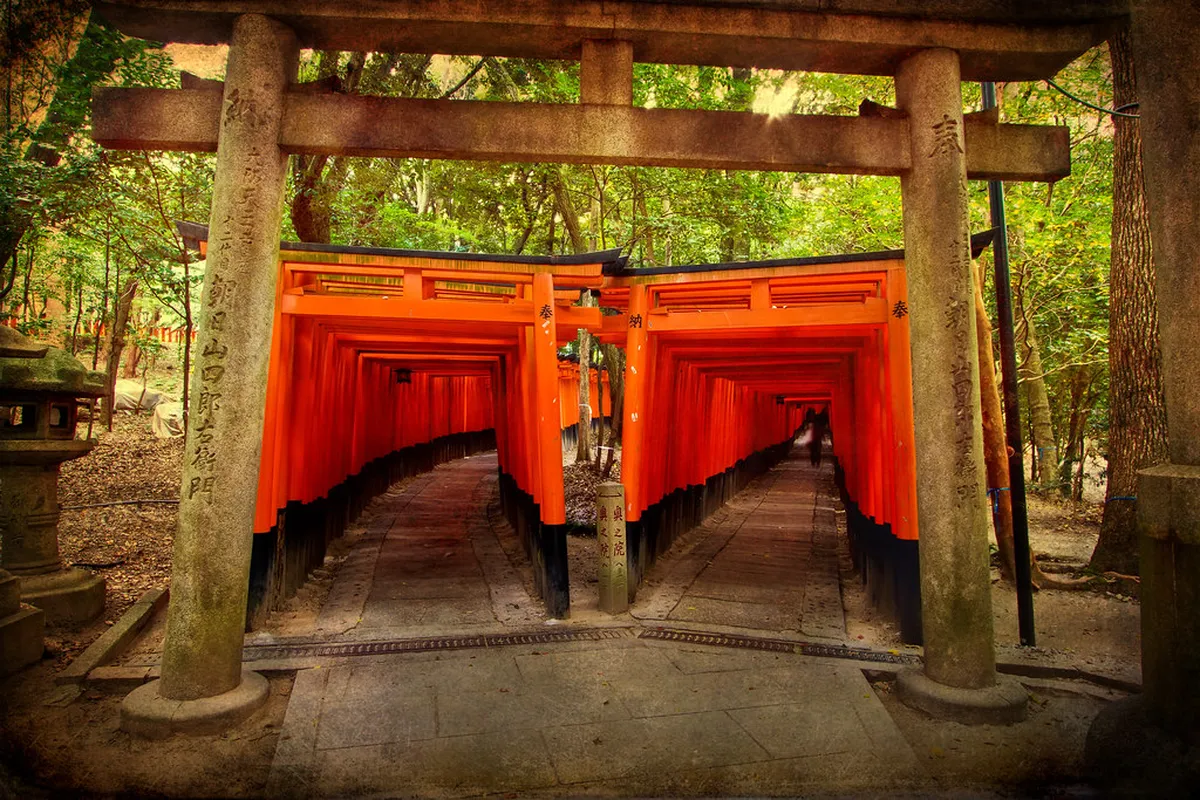
Arrive at Fushimi Inari-taisha by 06:30 to beat the crowds. The shrine is open 24 hours and has no entry fee. Walking the lower loop through the famous vermilion torii gates takes about 45 minutes and offers the best photo opportunities of the entire day. By 08:00 the first large tour groups will start arriving, so being early matters.
Take the JR Nara Line from Kyoto Station to Inari Station — the shrine is literally outside the station exit, a 2-minute walk. The journey takes about 5 minutes and costs ¥150. I recommend the lower Senbon Torii loop rather than the full mountain hike, which takes 2–3 hours and is not feasible in a one-day schedule.
The path winds through fox statues, mossy stone lanterns, and thousands of gates donated by businesses over centuries. Early morning light filters through the gates in a way that afternoon visits simply cannot replicate. Bring a light jacket — it is cool under the canopy even in summer.
Step 2: Kiyomizu-dera and Otowa Waterfall (08:30–10:00)
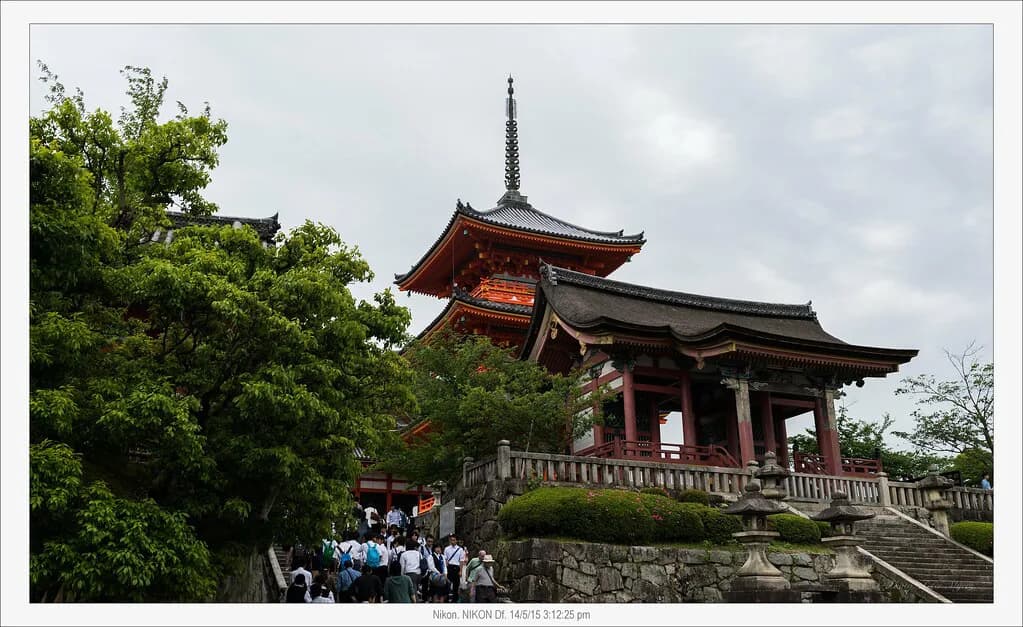
Take the JR Nara Line back toward Kyoto Station, then board bus 100 or 206 toward Higashiyama (about 20 minutes, ¥260). Kiyomizu-dera opens at 06:00 and admission is ¥500. The massive wooden stage, built without a single nail, gives panoramic views over the forested hills of eastern Kyoto.
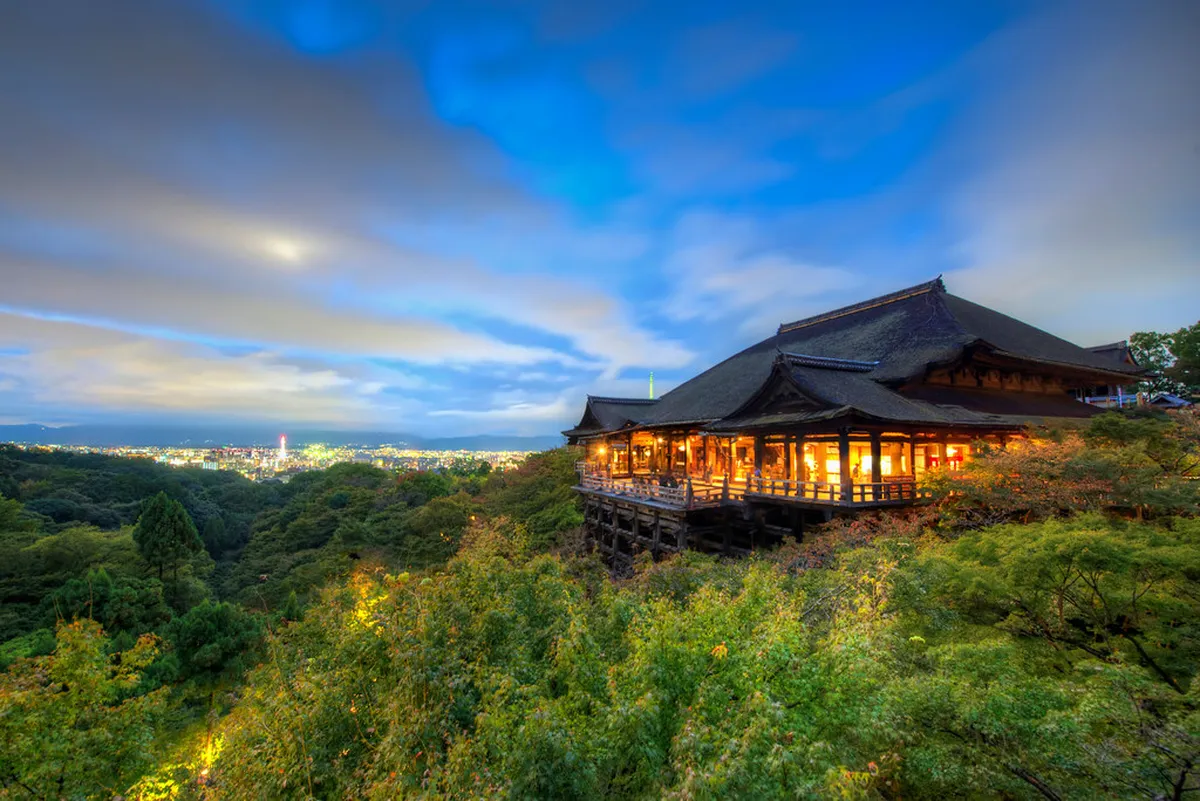
After exploring the main hall, descend to the Otowa Waterfall inside the temple complex. Three separate streams represent longevity, love success, and academic achievement — you can drink from one using the shared ladles (now sanitized). Local custom says drinking from all three is greedy, so choose wisely. This is a genuinely fun ritual that takes only five minutes but stays with you.
This is a UNESCO World Heritage site. The surrounding Jishu Shrine, dedicated to the god of love, sits just above the main hall and is free to enter. Couples test their luck by walking between two stones blindfolded — a tradition dating back centuries. Allow 90 minutes here to explore without rushing.
Step 3: Sannenzaka and Ninenzaka Historic Lanes (10:00–11:30)
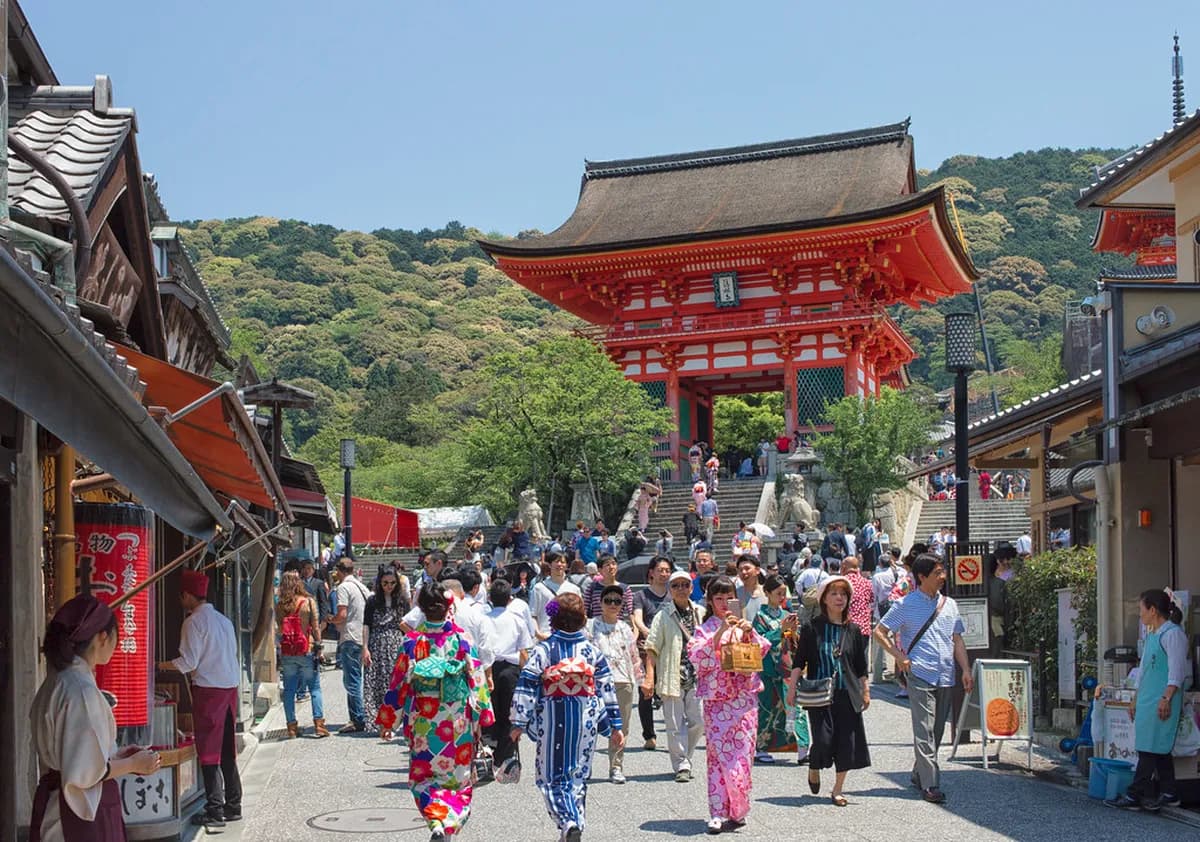
Walk downhill from Kiyomizu-dera directly into Sannenzaka (Three-Year Slope) and Ninenzaka (Two-Year Slope). These preserved Meiji-era stone lanes are lined with machiya townhouses now home to craft shops, ceramic studios, and matcha dessert stalls. Admission is free and the streets never close. This is the most photographed streetscape in Kyoto for good reason.
The local superstition is that stumbling on Sannenzaka's steps brings three years of misfortune. Whether or not you believe it, watch your footing on the wet stones after rain. Street food highlights include yatsuhashi (cinnamon rice-flour confection), matcha soft-serve ice cream, and tofu doughnuts. The best matcha soft-serve vendor is typically found just before the lane widens near the Hokan-ji pagoda.
For the full Kyoto food guide experience, try stopping at one of the tiny shops selling pickled vegetables. Kyoto-style tsukemono (pickles) are genuinely different from what you find elsewhere in Japan — milder, often sweeter, and made from locally grown kabu turnips. A small ¥300 tasting bag makes a great edible souvenir.
Step 4: Nishiki Market for Lunch (11:30–12:30)
Board bus 206 or 100 from Higashiyama toward downtown Kawaramachi (about 20 minutes). Nishiki Market is a narrow 400-meter covered arcade running parallel to Shijo Street. It has been Kyoto's working food market for over 400 years and is nicknamed "Kyoto's Kitchen." Entry is free and it is open daily, though individual stalls close around 18:00.
This is the best place in the city to graze through a genuine Kyoto lunch without sitting down at a restaurant. Look for yudofu (simmered tofu from Nishiki Daigo), fresh tamagoyaki rolled omelette on skewers, and seasonal vegetables tempura. A full street-food lunch from three or four stalls costs around ¥800–¥1,200 total. It is far faster than any sit-down restaurant and more representative of how Kyoto locals actually eat.
Do not buy knives or lacquerware here — the quality is tourist-grade and the prices inflate to match. The same products at identical prices in Arashiyama gift shops are often marginally better. Save your souvenir budget for the afternoon. Nishiki is genuinely excellent for food and terrible for almost everything else.
A full street-food lunch from three or four Nishiki stalls costs around ¥800–¥1,200 total, which is far faster than a sit-down restaurant and far more authentic to how locals eat.
Step 5: Arashiyama Bamboo Grove and Tenryu-ji (13:00–15:30)
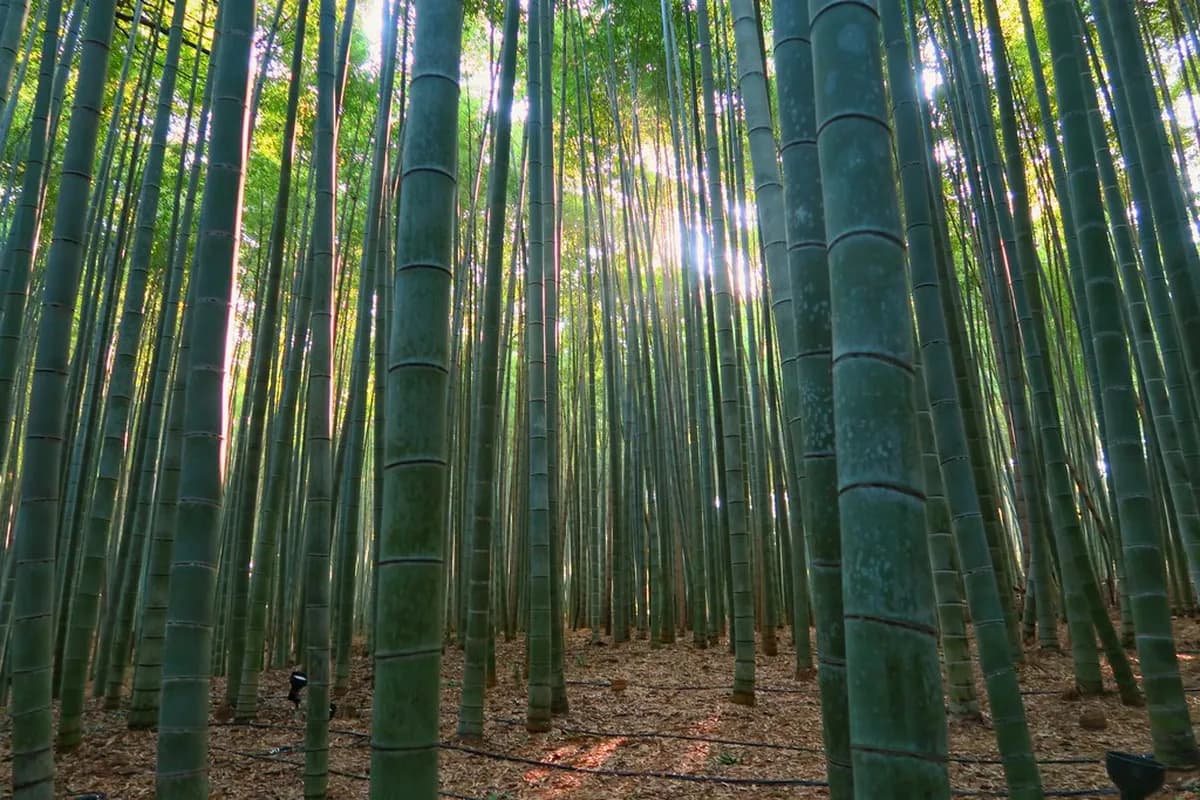
From downtown Kawaramachi, take the Hankyu Arashiyama Line to Arashiyama Station (about 25 minutes, ¥220). The Bamboo Grove is a 5-minute walk from the station and is free to walk through at any time. The towering green stalks create a cathedral-like corridor that photographs well even in flat midday light. Peak crowds hit between 10:00 and 14:00, but afternoon light after 13:00 is actually softer and more photogenic.
Directly adjacent to the grove is Tenryu-ji, a UNESCO World Heritage Zen temple with a National Treasure pond garden. Admission to the garden is ¥500 (the main hall costs ¥300 extra). The garden was designed in the 14th century and uses borrowed scenery — the Arashiyama mountains appear to blend seamlessly into the garden composition. Allow 45 minutes minimum.
After Tenryu-ji, walk down to the Oi River bank for views of the Togetsukyo Bridge. Rental rowboats are available here for ¥1,500 per 30 minutes if you want a brief break. The river area has several quality soba restaurants facing the water — this is where to stop for a proper seated meal if you skipped a sit-down lunch at Nishiki. Reservations are not required for most of these river-facing soba shops at this hour.
The Fushimi Inari vs Arashiyama Morning Decision
Most one-day itineraries pick either Fushimi Inari or Arashiyama as the early-morning anchor, then fit the other into the afternoon. The choice should depend on where you are coming from, not just personal preference. This is a practical routing decision that almost no published guide explains clearly.
If you arrive from Tokyo by Shinkansen, start with Fushimi Inari. Inari Station is only two stops south of Kyoto Station on the JR Nara Line — you can be hiking torii gates within 10 minutes of dropping your bags at the station lockers. Arashiyama is 30–40 minutes west by train, making it the logical afternoon choice when the bamboo grove has already warmed up.
If you arrive from Osaka, Arashiyama is the smarter morning opener. You can take the Hankyu Kyoto Line from Umeda directly to Hankyu Arashiyama Station in about 45 minutes, skipping Kyoto Station entirely and beating the tour-bus crowds. Then loop east through Higashiyama and Fushimi Inari in the afternoon. This routing avoids backtracking across the city and saves roughly 40 minutes of transit dead time compared to arriving in Kyoto and heading immediately west.
Step 6: Gion Evening Walk and Pontocho Dinner (18:00–21:00)
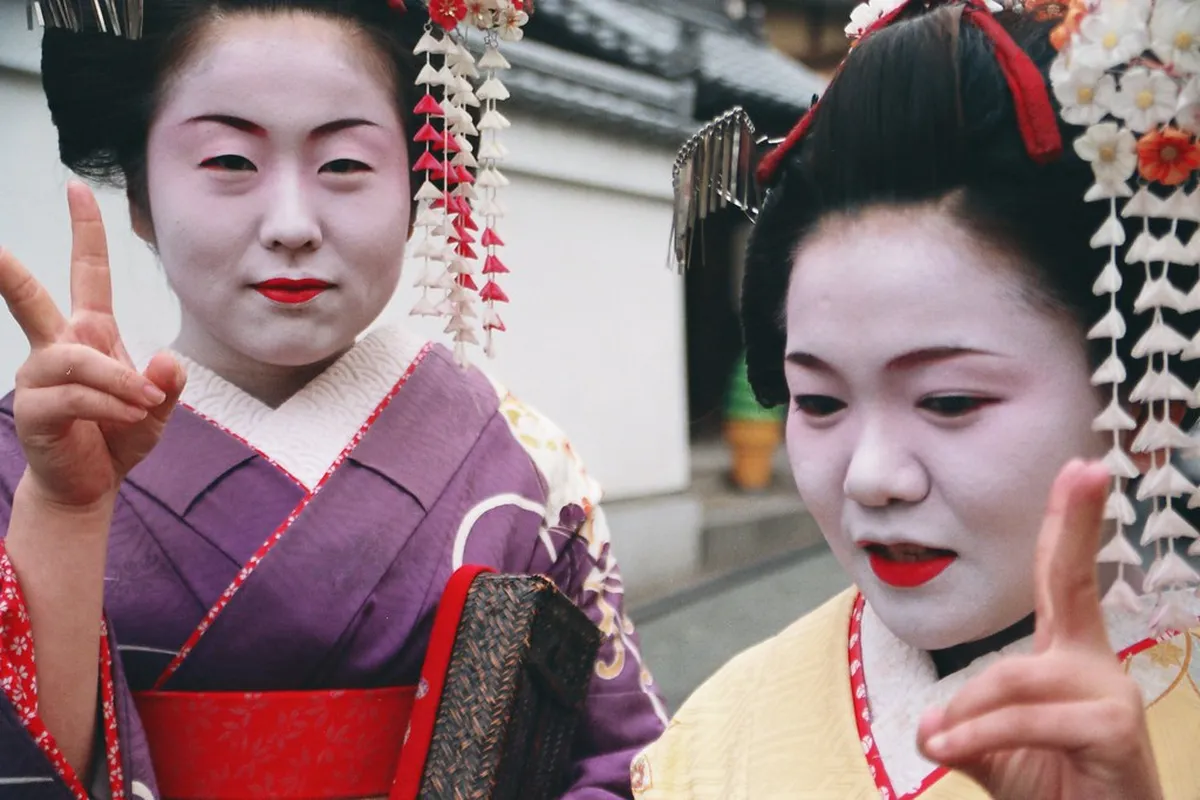
Return east by Hankyu or Keihan Line to the Kawaramachi/Shijo area (about 35 minutes from Arashiyama). Gion's main street, Hanamikoji-dori, is best explored on foot from Shijo Street heading south. The preserved machiya buildings now house traditional restaurants, ochaya teahouses, and high-end craft shops. The best geisha-spotting spots are the alleyways just off Hanamikoji around 17:30–18:30 when maiko leave for appointments.
A few important etiquette notes for Gion: do not block the narrow lanes to photograph passing maiko, do not reach out to touch them, and keep your voice down outside the ochaya. The Gion district residents issued formal photography restrictions in 2019 specifically because tourist behavior had become disruptive. Respectful observation is welcome; invasive pursuit is not.
Do not photograph or pursue maiko in the Gion lanes. Photography is restricted by local residents. Keep your voice low outside teahouses and respect the quiet atmosphere.
For dinner, Pontocho Alley runs parallel to Kamo River between Shijo and Sanjo streets. This narrow lane has roughly 80 restaurants in about 500 meters. Budget options include standing ramen bars at ¥1,000–¥1,500 per person; mid-range izakaya run ¥3,000–¥5,000; kaiseki tasting menus start around ¥12,000. I recommend booking a mid-range yudofu or kyo-ryori (Kyoto cuisine) restaurant a few days in advance rather than arriving without a reservation and settling for whatever has walk-in availability.
From Tokyo to Kyoto on the Bullet Train
Most travelers arrive via the Shinkansen, which is fast and very reliable. The journey from Tokyo takes about two hours and fifteen minutes on the Nozomi. I always book my tickets a few days early to ensure a window seat. The trains run frequently, but morning slots fill up during peak seasons.
Here is a pro tip: book Seat E in ordinary cars for Mt. Fuji views. This seat is on the right side when traveling from Tokyo to Kyoto. If the sky is clear, you will see the mountain about forty-five minutes into the journey. It is a highlight of the trip that many people accidentally miss.
When you arrive at Kyoto Station, look for the large bank of luggage lockers near the Shinkansen gates. Storing your bags allows you to start your itinerary immediately and hands-free. I found that lockers near the Shinkansen gates fill up by 10:00 AM on busy days. Try the basement levels or the lockers near the central gate if the main lockers are already full.
Use the Getting Around Kyoto Subway Bus Transport Guide 2026 to navigate the station layout on arrival. The bus terminal is located just outside the north exit. I recommend buying a daily bus pass (¥700/day in 2026) to save money on multiple rides. The station also has excellent food options for a quick bento breakfast before heading out.
Kyoto Transport, Costs, and Practical Tips
A realistic budget for this full-day itinerary runs about ¥5,000–¥8,000 per person, excluding dinner and souvenirs. The daily bus pass (¥700) covers unlimited rides on city buses and is worth buying if you plan three or more bus trips. The Kyoto subway day pass (¥800) adds unlimited subway rides but is less useful for this specific route since most stops require buses.
| Attraction | Admission | Hours | Time Needed |
|---|---|---|---|
| Fushimi Inari-taisha | Free | 24 hours | 45 min (lower loop) |
| Kiyomizu-dera | ¥500 | 06:00–18:00 | 90 min |
| Sannenzaka & Ninenzaka | Free | Always open | 90 min |
| Nishiki Market | Free | Until ~18:00 | 60 min |
| Tenryu-ji (garden) | ¥500 | 08:30–17:00 | 45 min |
| Arashiyama Bamboo Grove | Free | 24 hours | 30 min |
| Kodai-ji temple | ¥600 | 09:00–17:00 | 45 min |
The Kyoto bus pass is valid on all city buses and some Kyoto Bus routes. You can buy it at the bus information center just outside Kyoto Station's central exit, or from the bus driver for a slight premium. IC cards (Suica/ICOCA) work on all buses and trains and are worth loading with ¥2,000 as a backup. Avoid taxis unless you are short on time — they are expensive and often stuck in tourist traffic.
Admission cost summary: Fushimi Inari is free, Kiyomizu-dera is ¥500, Tenryu-ji garden is ¥500, Kodai-ji is ¥600, Nishiki Market is free. Budget an additional ¥1,000–¥2,000 for street food and snacks throughout the day. Comfortable walking shoes are essential — this route covers approximately 12–15 km on foot.
For the 2026 season, check the Gion Matsuri festival dates (July). The Yoiyama festive nights (July 14–16) are incredibly crowded and require careful crowd-management planning if your visit coincides. The Kyoto Events calendar is worth checking regardless of your travel month, as temporary temple closures for private ceremonies are common and rarely publicized far in advance.
Add an Extra Day to Your Stay
If you have more time, I highly recommend a Nara Day Trip from Kyoto: The Ultimate 1-Day Itinerary. Nara is home to friendly wild deer and the massive Great Buddha statue at Todai-ji. It is only a forty-five-minute train ride from Kyoto Station. I spent a full afternoon there and loved the peaceful park atmosphere.
You could also dedicate a second day to Kyoto's northwestern neighborhoods that this itinerary skips entirely. Kinkaku-ji (the Golden Pavilion), Ryoan-ji's famous rock garden, and Nijo Castle are all clustered in the northwest and easily combined into one morning loop. Admission costs ¥500–¥600 per site. None of these compete with eastern Kyoto's atmosphere, but they round out a comprehensive Kyoto experience.
You could also visit the newly renewed Toei Kyoto Studio Park in 2026. This film-set theme park offers a fun look at samurai and ninja history and is a great alternative if you are traveling with kids. The park features live shows and interactive exhibits. Check the schedule in advance as it changes seasonally.
Kyoto has enough magic to fill an entire week if you have the time. Each district has its own personality and hidden gems. I suggest staying at least three days to see both east and west properly. However, one day is a perfect and memorable introduction.
Where to Stay in Kyoto for Easy Access
Choosing Where To Stay In Kyoto: 9 Best Areas and Booking Tips depends on your travel style and budget. For a one-day trip staying over one night, Kyoto Station area is the most practical choice. You will be close to the Shinkansen, local trains, and the main bus hub. There are many modern hotels and budget options within walking distance here.
If you want a more traditional feel, look for a ryokan in Gion. Staying in a historic wooden building is an unforgettable Japanese experience. I loved waking up to the quiet streets of the old town. Keep in mind that gion ryokan accommodations typically require bookings three to six months ahead for peak seasons.
The Kawaramachi area is best for those who enjoy nightlife and easy access to Pontocho. It sits in the center of the city's restaurant district and is well connected by bus and the Hankyu Line. No matter where you stay, book as early as possible — Kyoto is one of the most visited destinations in the world and decent rooms at good prices go quickly.
For the wider city context, see our Kyoto attractions guide.
Frequently Asked Questions
Is one day enough for Kyoto?
One day is enough to see the major highlights like Fushimi Inari and Gion. However, you will need to start very early and move quickly. Most visitors prefer two or three days to see everything comfortably.
Can I do a Kyoto day trip from Tokyo?
Yes, you can visit Kyoto from Tokyo using the Shinkansen bullet train. The ride takes about 2.5 hours each way. I recommend taking the first train of the morning to maximize your time.
What is the best way to get around Kyoto in one day?
The best way to get around is a mix of walking and public transit. Use the subway or trains for long distances and buses for shorter hops. A daily bus pass is a cost-effective option for tourists.
Spending one day in Kyoto is a whirlwind experience that you will never forget. By following this itinerary, you can see the soul of Japan in twenty-four hours. I hope these tips help you navigate the city with ease and confidence. Remember to enjoy the small moments between the famous landmarks.
Kyoto is a city that rewards those who plan ahead and stay curious. Whether you are here for the temples or the food, it will inspire you. Safe travels on your journey through this ancient and beautiful city. I look forward to hearing about your favorite moments from your visit.
Free: The Kyoto Essentials guide
Top things to do, where to stay, a perfect day plan, getting around, and the best time to go — a Kyoto mini-guide you can take offline.
You might also like


Continue reading
More guides you'll find useful