9 Best Things to Do in Uji (2026)
Discover the 9 best things to do in Uji in 2026, from Byodo-in's Phoenix Hall and matcha tea houses to Ujigami Shrine and the Uji River, with prices, hours, and transit tips.
On this page
Sitting just 17 minutes south of Kyoto's best temples and shrines on the JR Nara Line, Uji is the most rewarding quick escape in the Kansai region. Two UNESCO World Heritage Sites sit within a single walkable riverside strip — something no larger Japanese city can claim at this density — and the town has been producing Japan's most celebrated green tea for over eight centuries. Our editors rank Uji among the finest easy excursions from Kyoto precisely because the payoff-to-effort ratio is so high: one train ride and three to five unhurried hours on foot deliver medieval temples, a national treasure, literary history, and some of the best matcha you will ever taste in Japan.
We refreshed this guide in June 2026 to confirm current Byodo-in ticket prices, Mimurotoji's hydrangea season dates, and the summer cormorant fishing schedule on the Uji River. The town is compact and almost entirely walkable from either JR Uji Station (west bank) or Keihan Uji Station (east bank). No rental car, no complicated bus connections — just follow the river path and let the sights arrive in natural order. Below we rank the nine best things to do in Uji, each with real costs, confirmed hours, and one practical tip to get the most from the stop. All prices are 2026 planning estimates — confirm the official site before you travel.
One honest note before you plan: Uji rewards slow visitors far more than rushed ones. Many travelers arrive, see Byodo-in in an hour, and leave without crossing the river to Ujigami Shrine or pausing for a bowl of thick matcha in one of the historic tea houses. Give the town a proper three to five hours and explore the full Uji sightseeing circuit — the layering of history, literature, and tea culture here is quietly extraordinary. Lace up comfortable shoes, arrive at opening to beat the crowds at Byodo-in, and let the rest of the day unfold at an easy pace along the riverbank.
The Byodo-in Phoenix Hall interior sells timed-entry tickets separately from the garden admission, and these often sell out within an hour of gate opening during cherry blossom season (late March–mid-April) and autumn foliage weekends (mid-November). Arrive at 8:30 am sharp or book via the official Byodo-in website to guarantee a slot. The garden exterior and the pond reflection are visible without the extra ticket, but the hall interior — gilded Buddha, original Heian craftsmanship — is worth planning around.
Key Takeaways
- Best overall: Byodo-in's Phoenix Hall, one of Japan's supreme medieval buildings and a UNESCO World Heritage national treasure.
- Best unique experience: a sit-down thick matcha and wagashi course at Nakamura Tokichi or Tsuen Tea on the historic tea street.
- Best free stop: Ujigami Shrine across the river — Japan's oldest surviving shrine building, UNESCO-listed, and free to enter.
- Best seasonal pick: Mimurotoji Temple in June for 10,000 hydrangeas, or November for the Koshoji riverside maple walk.
- Easiest access in the region: JR Nara Line from Kyoto Station, 17 minutes, roughly 240 yen — no reservation, no transfer.
9 Best Things to Do in Uji
Uji's sights cluster along both banks of the Uji River, with Byodo-in anchoring the west bank and Ujigami Shrine sitting five minutes' walk across the Uji Bridge on the east. Most visitors arrive at JR Uji Station, walk south to Byodo-in, cross to the shrine, then drift back along the tea street. That simple loop hits the first six items on this list without any transit. We have ordered these nine by impact, so the top entries carry the most weight for a tighter schedule — if you only have two hours, stops one through three alone make the trip worthwhile.
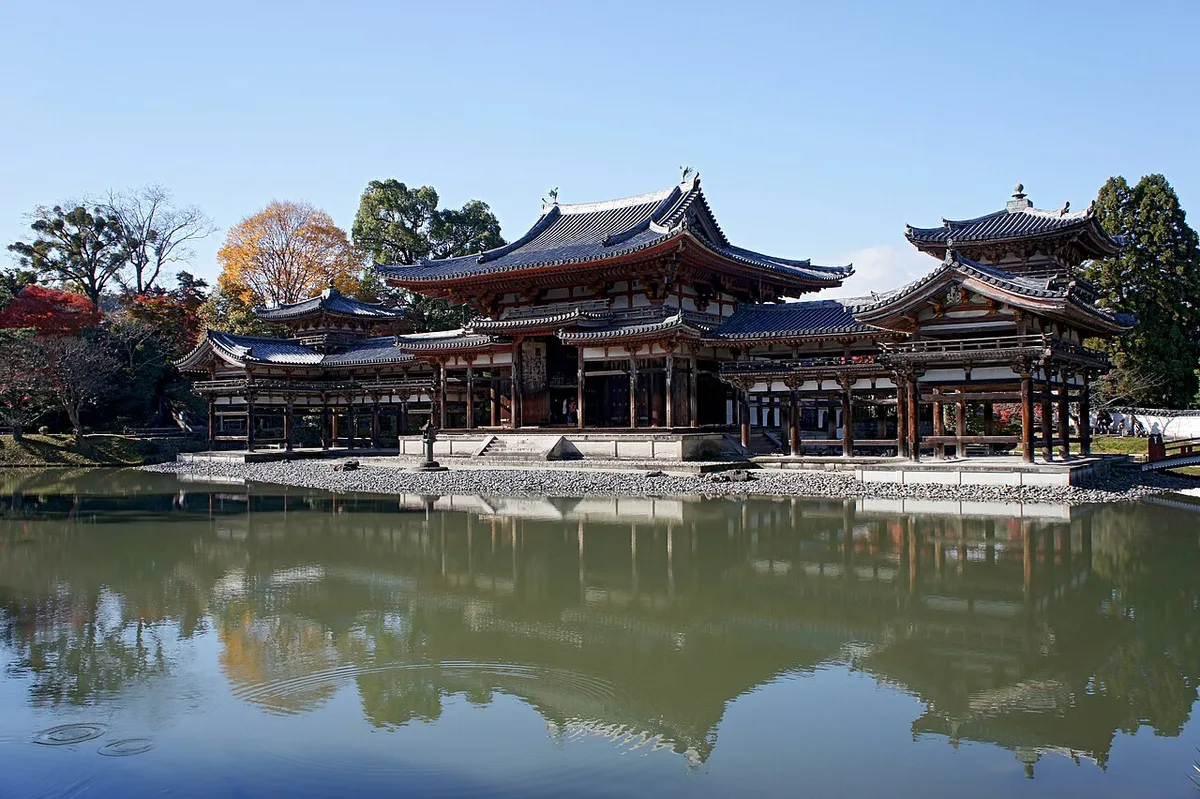
- Byodo-in & the Phoenix Hall (Hoodo)
- Built in 1053 by the Fujiwara regent Yorimichi, the Hoodo is one of the finest surviving examples of Heian-period architecture on earth — its image has appeared on Japan's 10-yen coin for decades and it holds UNESCO World Heritage status alongside Cultural Property National Treasure designation.
- Garden admission runs around 700 yen for adults; the Phoenix Hall interior requires a separate timed-entry ticket at roughly 300 yen, granting a guided look at the gilded Amida Buddha and original Heian decorations inside the hall.
- The temple opens at 8:30 am and closes at 5:30 pm daily; the Hoshokan treasury museum inside closes 15 minutes earlier.
- Arrive at the 8:30 am opening — by 10 am the garden fills fast and the pond reflection of the Phoenix Hall, best in still morning light, becomes harder to photograph without crowds.
- Uji matcha tasting at the historic tea houses
- Uji has produced Japan's most prized shade-grown green tea since the 13th century; the Byobugaura riverside lane holds historic merchants including Nakamura Tokichi (founded 1854) and Tsuen Tea, which traces its history back to 1160 and claims to be the oldest continuously operating tea house in Japan.
- A sit-down matcha and wagashi (traditional sweet) course runs roughly 1,000–1,500 yen at most houses; lighter drinks such as cold matcha latte or gyokuro start under 600 yen at street-side stalls.
- Most tea houses open from around 10 am and close by 5 or 6 pm; some close Mondays or Tuesdays, so check ahead for the specific house you want to visit.
- For the formal ceremony how-to and etiquette background, see our guide to participating in a Kyoto tea ceremony; the Uji tea houses are focused on tasting rather than ceremony performance, which suits travelers who want the flavour without the ritual.
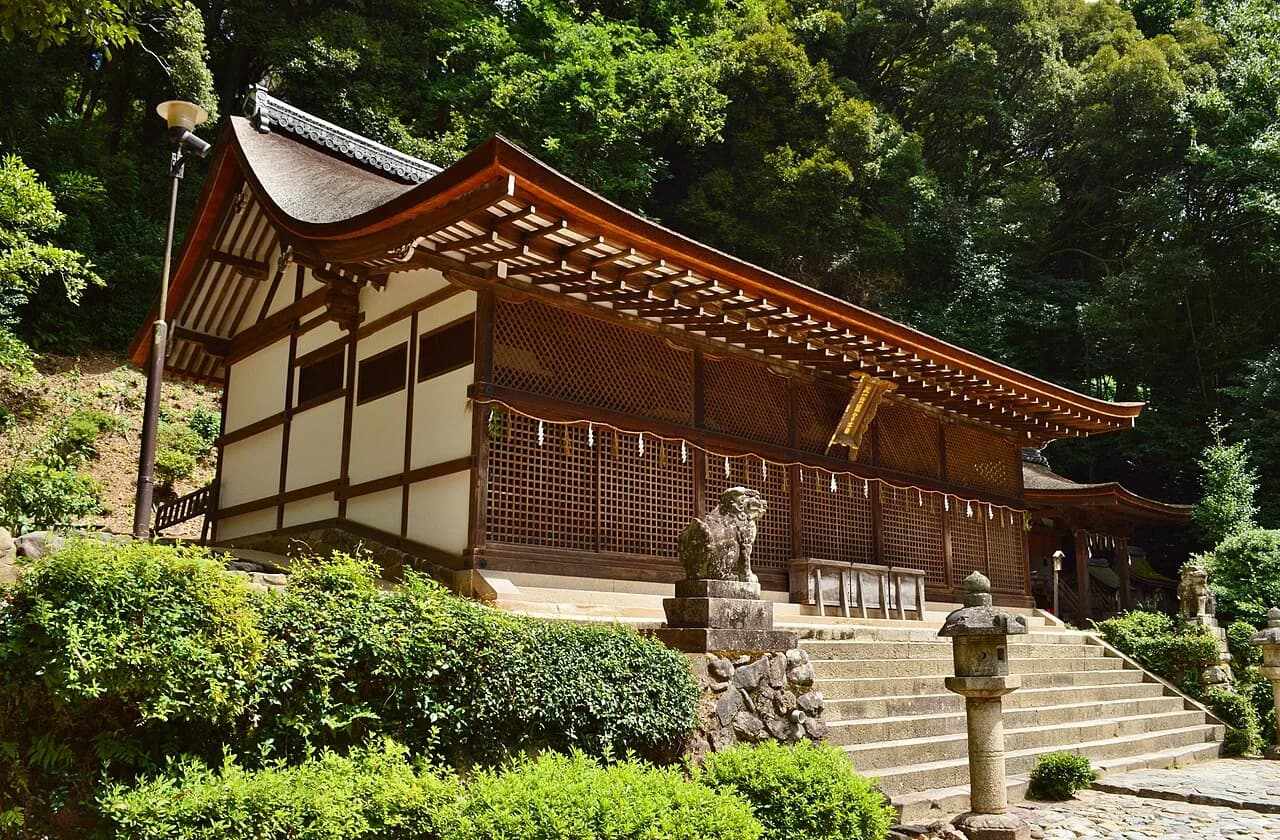
- Ujigami Shrine, Japan's oldest shrine
- Tucked into a forested hillside on the east bank of the Uji River, Ujigami holds the distinction of housing Japan's oldest surviving shrine building — the honden (main hall) dates to the late Heian period, around the late 10th or early 11th century, and the site is co-listed on UNESCO's World Heritage roster with Byodo-in.
- Entry is free, making it one of the best-value UNESCO stops in the entire Kansai region.
- The shrine is open from around 9 am to 4 pm daily; access is via a short forested path from the east end of the Uji Bridge.
- Pair it with the neighboring Uji Shrine, just two minutes' walk away, to complete the east-bank shrine circuit before crossing back to the tea street and Byodo-in.
- The Tale of Genji trail and museum
- Uji is the setting for the final ten chapters of Lady Murasaki Shikibu's 11th-century masterpiece — the "Uji Chapters" of The Tale of Genji — making the town a literary pilgrimage for millions of Japanese readers and a fascinating layer of depth for any visitor who has encountered the novel.
- The Tale of Genji Museum on the east bank explores the chapters through costumes, scale models, and a short film; adult admission is around 600 yen and the museum is open 9 am to 5 pm, closed Mondays.
- A bronze statue of Murasaki Shikibu stands at the west end of the Uji Bridge — a free landmark that doubles as the natural orientation point when you arrive from JR Uji Station.
- Follow the marked Genji trail signboards between sites to connect the novel's geography to the actual landscape you are moving through; it adds a quiet intellectual thread to what might otherwise be a temple circuit.
- Mimurotoji Temple — the flower temple
- Often called "the flower temple," Mimurotoji stages an extraordinary display of roughly 10,000 hydrangeas that peak in mid-June, followed by lotus in July and August, azalea in late April, and brilliant autumn maples from late October into November.
- Standard admission is around 500 yen; a seasonal surcharge brings the cost to roughly 1,000 yen during the hydrangea and autumn festivals, with the garden open from approximately 8 am to 4:30 pm.
- The temple is a 10-minute walk from Kintetsu Mimurodo Station, making it slightly off the main JR-to-Byodo-in loop — plan it as a first stop in the morning or a final detour if you have time.
- Visit on a weekday in peak season; weekend crowds during the hydrangea bloom can mean long waits at the garden entrance that eat significantly into your Uji time.
- Uji Bridge (Ujibashi) and the riverside promenade
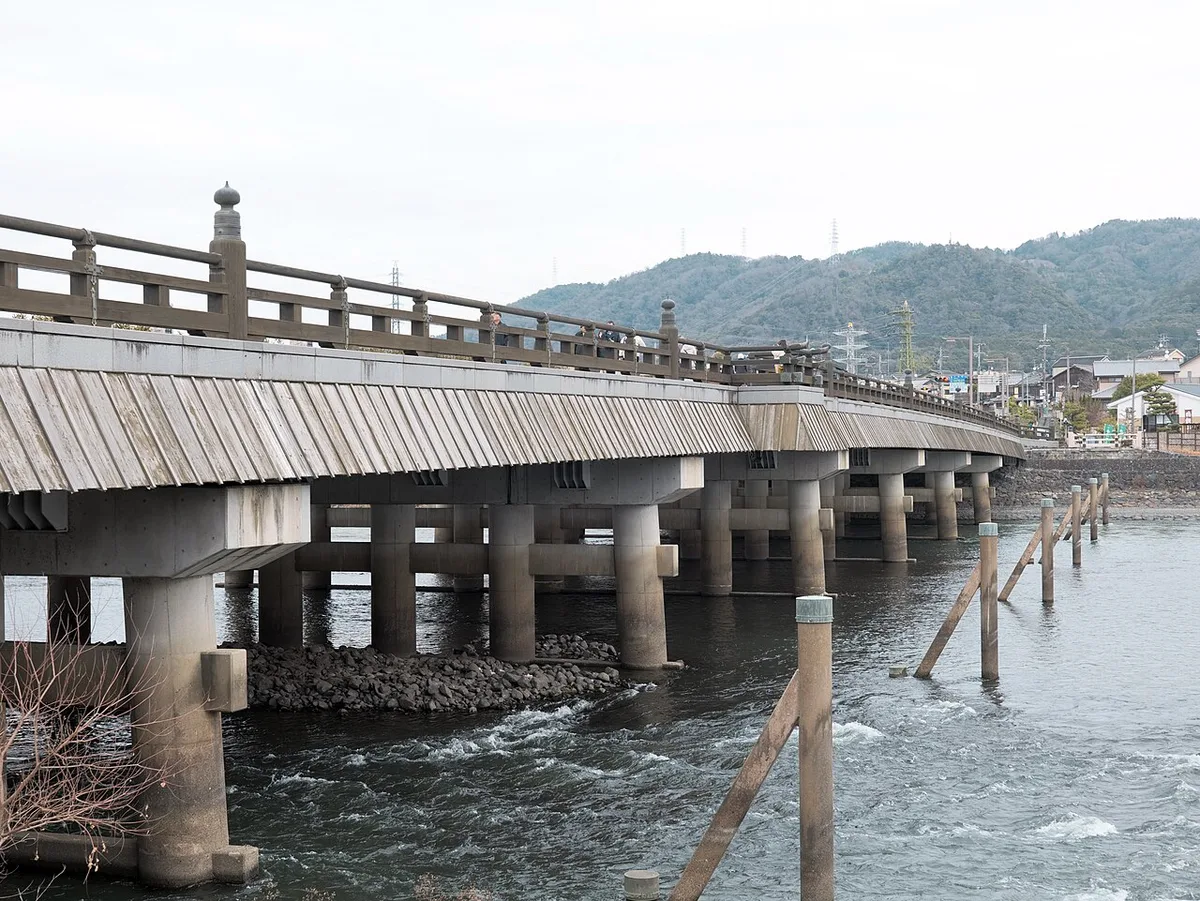
- The present Uji Bridge is the modern successor to one of Japan's "three famous ancient bridges" — the original featured in episodes of both The Tale of Genji and the Heike Monogatari, giving the crossing genuine historical weight beyond its practical function.
- Crossing is free and the views up and down the Uji River from the bridge deck are excellent, particularly in the soft light of early morning or the golden hour before dusk.
- The Murasaki Shikibu statue stands at the west end of the bridge and provides a natural first orientation point when arriving from JR Uji Station.
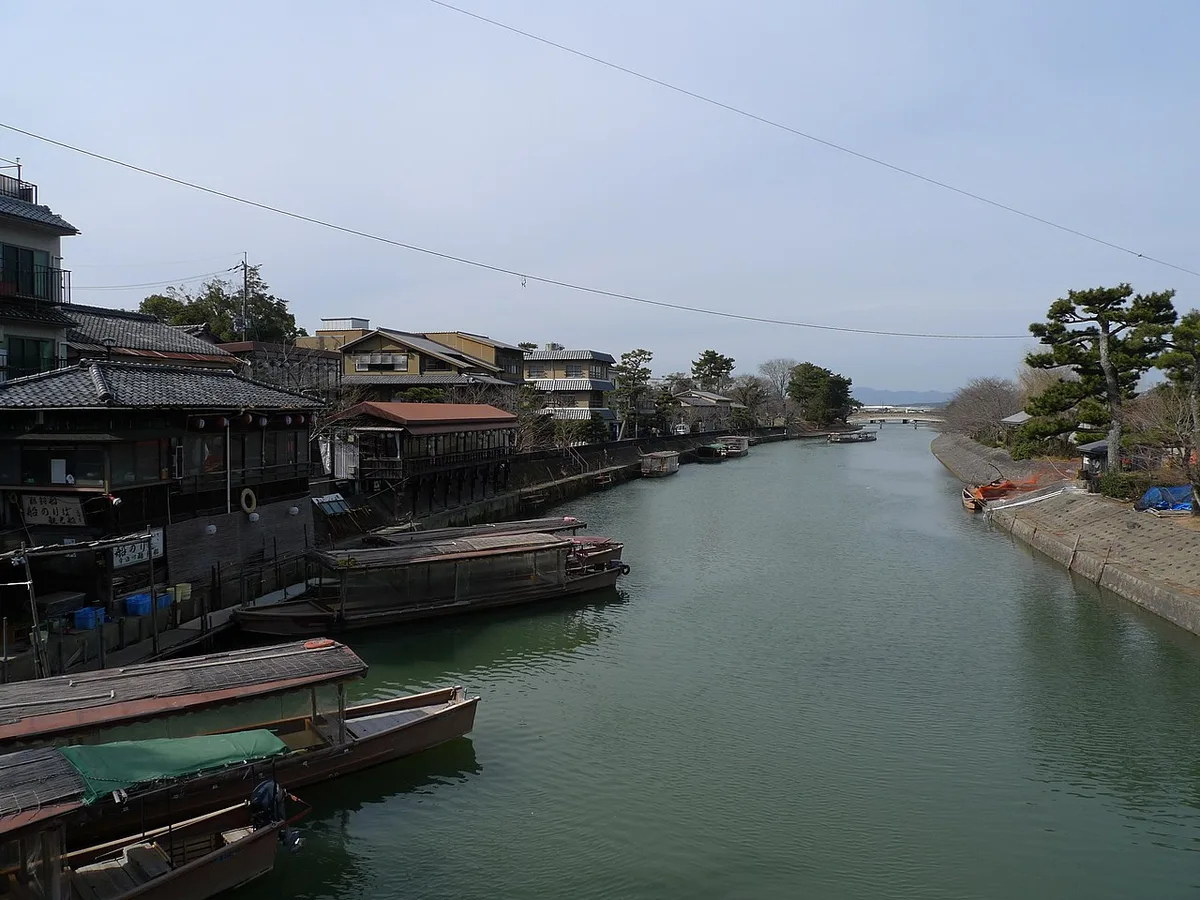
- Walk the riverside promenade in either direction for 15 to 20 minutes — the path passes old stone weirs, wooden boat launches, and some of the finest autumn foliage in southern Kyoto Prefecture.
- Byobugaura tea street and matcha sweets
- The narrow lane running south from the Uji Bridge toward Byodo-in is the beating commercial heart of Uji tea culture, lined with historic merchants, matcha soft-serve stalls, and cafes selling green-tea ice cream, parfait, noodles, cake, and even matcha beer.
- Budget roughly 500–1,000 yen for a soft-serve and a snack on the go; a full sit-down matcha course inside one of the lane's quieter interiors runs 1,000–1,500 yen and offers relief from the midday crowd outside.
- Most stalls open around 10 am and wind down by 5 or 6 pm; the lane is busiest between 11 am and 2 pm, so weave through early or late to enjoy it at a less pressured pace.
- The street doubles as the natural approach to Byodo-in's main gate, so a second pass on the way back lets you revisit any shop you missed on the way in.
- Koshoji Temple and the riverside maple walk
- Koshoji is a quiet Rinzai Zen temple on the west bank of the Uji River whose autumn foliage — a tunnel-like path of maples leading from the riverside track to the main gate — ranks among the most atmospheric seasonal scenes in Uji and sees far smaller crowds than comparable Kyoto spots in November.
- Admission is usually around 400 yen; the temple opens daily from approximately 9 am to 4:30 pm.
- Autumn colour typically peaks in mid-to-late November, roughly the same window as Kyoto's famous foliage but with a fraction of the foot traffic.
- Outside autumn the temple is peaceful and largely uncrowded — a good quiet counterpoint between the busier Byodo-in circuit and the matcha street, useful at any time of year for anyone who finds the main tourist strip overwhelming.
- Uji River boat and cormorant fishing in summer
- From June through September, traditional cormorant fishing (ukai) takes place on the Uji River after dark, a seasonal tradition that echoes the better-known Nagara River ukai in Gifu and draws a modest but dedicated crowd of visitors.
- Viewing options range from free spots on the riverside bank (first-come, first-served) to private viewing boat excursions arranged through local operators for roughly 3,000–5,000 yen per person.
- The fishing runs on summer evenings when weather allows — check the Uji Tourism Association or local operators for confirmed 2026 dates and availability before planning around it.
- This is a highly seasonal, book-ahead experience; outside summer, the Uji riverside is still lovely at dusk from the promenade, and the absence of the boat crowd makes the late-afternoon walk back toward the station genuinely tranquil.
| Attraction | Cost (per adult, 2026 estimate) | Hours | Time needed |
|---|---|---|---|
| Byodo-in garden + Phoenix Hall interior | ~700 yen + 300 yen (hall ticket) | 8:30 am–5:30 pm daily | 1–1.5 hours |
| Matcha tea house (sit-down course) | 1,000–1,500 yen | ~10 am–5 pm (varies; some closed Mon/Tue) | 30–60 min |
| Ujigami Shrine | Free | ~9 am–4 pm daily | 20–30 min |
| Tale of Genji Museum | ~600 yen | 9 am–5 pm (closed Mondays) | 30–45 min |
| Mimurotoji Temple | ~500–1,000 yen (seasonal) | 8 am–4:30 pm daily | 45–60 min |
| Koshoji Temple | ~400 yen | ~9 am–4:30 pm daily | 20–30 min |
| Uji River cormorant fishing (boat) | 3,000–5,000 yen (bank viewing: free) | Summer evenings only — seasonal | 1–2 hours |
How to Get to Uji From Kyoto
Getting to Uji is one of the most straightforward transit moves in the Kansai region. The JR Nara Line leaves from JR Kyoto Station — use the main Kyoto Station, not Karasuma Oike or Shijo — and runs directly to JR Uji Station in as little as 17 minutes on a rapid service, or around 28 to 30 minutes on a local. The one-way fare is roughly 240 yen and trains run frequently throughout the day without any reserved-seat requirement. An IC card (Suica, ICOCA) makes boarding seamless — just tap through.
A second option is the private Keihan railway: board at Sanjusangendo-mae or Tofukuji on the Keihan Main Line, change to the Keihan Uji Line, and ride to Keihan Uji Station. The journey takes around 25 minutes and costs a similar fare. Keihan Uji Station sits on the east bank of the river, slightly closer to Ujigami Shrine and the Tale of Genji Museum. JR Uji Station on the west bank puts you within a five-minute walk of Byodo-in's gate. Either station works; the two are a pleasant 10-minute riverside walk apart, so you can arrive at one and leave from the other without retracing your steps.
If you are building a wider Kyoto-area day that strings Uji with one or two other sites, our complete Uji transit guide covers IC card tips, day-pass compatibility, and the exact platform numbers at Kyoto Station. For the broader question of how Uji compares against Nara, Fushimi, Arashiyama, and other half-day options in travel time and logistical complexity, see our Kyoto area day-trip overview — Uji consistently ranks among the fastest and simplest on that list.
How Many Hours Do You Need in Uji?
Three to five hours covers a satisfying Uji visit. A tight three-hour pass handles Byodo-in (including the hall interior timed entry), a matcha stop on the tea street, and the Uji Bridge walk across to Ujigami Shrine. Five hours adds the Tale of Genji Museum, a longer tea-house course, and either Mimurotoji Temple (a separate leg to Kintetsu Mimurodo) or Koshoji Temple's maple walk in autumn. Most visitors from Kyoto find that a half-day is more than enough and that the town does not reward padding the itinerary beyond five hours unless you are returning for a second seasonal visit or lingering over a particularly good lunch near the river.
The one clear reason to extend into the evening is the Uji River cormorant fishing in summer. The ukai runs after dark, so catching it means a late finish — roughly 9 pm or later by the time the event ends and you board a train back to Kyoto. Build the afternoon around the temples and tea street, take a long tea break around 4 pm near Byobugaura, then reposition for the riverside viewing. If the summer ukai is on the agenda, it is worth reshaping the day around rather than squeezing in at the end of a tired afternoon.
For a step-by-step sequence with precise timing — where to start, when to cross the bridge, and how to handle the Byodo-in hall queue — see our Uji half-day itinerary. Travelers fitting Uji into a larger Kyoto day itinerary can find honest pacing comparisons in our Uji day-trip planning guide, which maps out how to combine Uji with one other Kyoto-side destination without a rushed finish.
Best Time to Visit Uji
Uji offers something worth seeing in every season, but three windows stand out. June is the most distinctive time of year: Mimurotoji Temple's extraordinary 10,000 hydrangeas peak in mid-June, making Uji the single best hydrangea destination in the greater Kyoto area. Rainy-season crowds are lighter than cherry blossom season and the temperatures are manageable before the July-August heat fully arrives. If you are debating a June Kyoto trip and have not yet built in Uji, this is the reason to do it. November brings the second great seasonal window — the maple foliage along Koshoji's riverside path and within Byodo-in's garden turns a vivid orange-red that rivals Kyoto's famous foliage spots with dramatically fewer tourists on weekdays.
April is beautiful but crowded. Cherry blossoms line the Uji River promenade and bloom inside Byodo-in's garden in late March to mid-April, but this is when Byodo-in's hall interior tickets sell out earliest in the day. Arrive at the 8:30 am opening during this period. Summer is hot and humid but unlocks the cormorant fishing after dark — well worth a sweaty afternoon for the right traveler. Winter is the quietest season: the town stays open and photogenic, the crowds thin dramatically, and Byodo-in's garden has a stark, contemplative quality on cold weekday mornings that is difficult to find in peak season.
One consistent piece of advice regardless of season: avoid arriving at Uji between 11 am and 1 pm on weekends. The Byodo-in queue and the Byobugaura tea street narrow fast in that window and the magic dims noticeably. For a full month-by-month breakdown of crowd levels, festival dates, and seasonal closures, see our dedicated guide to the best time to visit Uji — it covers the exact hydrangea and autumn foliage peak windows updated annually.
Uji Day Trip Budget
For a standard half-day from Kyoto without the evening cormorant fishing, budget roughly 2,500 to 4,000 yen per adult. That covers JR trains from Kyoto at around 480 yen return, Byodo-in garden and hall interior at roughly 1,000 yen, a sit-down matcha and wagashi course at 1,000–1,500 yen, Ujigami Shrine at no cost, and the Tale of Genji Museum at around 600 yen if time allows. Add Mimurotoji at 500–1,000 yen (seasonal) or Koshoji at 400 yen depending on your seasonal timing and the total moves toward the upper end of the range.
Adding the summer cormorant fishing boat changes the budget shape significantly: set aside at least 5,000–7,500 yen total when including a boat ticket, dinner near the river, and the late train back to Kyoto. Budget travelers can cut costs by skipping the Phoenix Hall interior ticket (the pond reflection from the garden path is free and genuinely impressive), eating matcha soft-serve on the Byobugaura street instead of a full tea-house course, and watching the ukai from the free riverside bank spots. Even at minimum spend, the combination of two free UNESCO sites and world-class tea at a few hundred yen per cup makes Uji one of the most extraordinary-value mornings anywhere in Japan.
Going deeper on this theme? Our What to Eat in Uji guide covers it in detail, with the practical planning this page leaves out.
Frequently Asked Questions
Is Uji worth a day trip from Kyoto?
Yes — Uji packs two UNESCO World Heritage Sites (Byodo-in and Ujigami Shrine) and Japan's most prestigious matcha culture into a walkable riverside town just 17 minutes from Kyoto by JR Nara Line. A half-day return trip costs under 500 yen in train fares and delivers more heritage per hour than almost any comparable Kansai excursion. We recommend it to nearly every visitor with a Kyoto base.
What is the single best thing to do in Uji?
Byodo-in's Phoenix Hall is the clear standout — an 11th-century Heian masterpiece that appears on Japan's 10-yen coin and holds UNESCO and National Treasure status. Arrive at the 8:30 am gate opening to see the hall reflected in the pond before the crowds arrive. Book the timed-entry hall interior ticket via the official site during cherry blossom season or November foliage weekends, as these sell out fast.
How much does it cost to enter Byodo-in in Uji?
Byodo-in garden admission is around 700 yen for adults (2026 estimate). Entering the Phoenix Hall interior requires a separate timed-entry ticket at roughly 300 yen extra, bringing the total to about 1,000 yen per adult. The hall interior is strongly recommended for first-time visitors — it houses the original gilded Amida Buddha and Heian-period decorations visible nowhere else.
When do the hydrangeas bloom at Mimurotoji Temple in Uji?
Mimurotoji Temple's 10,000 hydrangeas typically peak in mid-June, making it the finest hydrangea display in the greater Kyoto area. The seasonal festival runs from early to late June; weekday mornings see significantly lighter crowds than summer weekends. During the festival period, admission increases to around 1,000 yen from the standard 500 yen.
Uji earns its place as the most satisfying half-day from Kyoto by stacking genuinely world-class heritage — two UNESCO sites, a living eight-century tea culture, Japan's oldest literary novel woven into the geography, and a seasonal river fishing tradition — into a town you can walk end to end in under an hour. The Phoenix Hall alone justifies the 17-minute train ride, and the Byobugaura tea street makes the afternoon feel complete. Cross the Uji Bridge to Ujigami Shrine that most visitors miss, pause for a proper bowl of thick matcha rather than a soft-serve on the run, and give the riverside promenade the time it deserves.
Plan around the season, book the Byodo-in hall ticket before peak mornings sell out, and give yourself at least three hours rather than rushing a 90-minute loop — the layering of architecture, literature, and tea that Uji offers only reveals itself at a walking pace. These nine things to do in Uji will stay at the top of our Kyoto-area recommendations through 2026 and beyond. For the wider Kyoto picture and how to build a full multi-day Kansai plan, see our guides to Kyoto's top temples and sights and the full spread of day trips reachable from Kyoto.
For trip-planning details, see Uji on Wikipedia.
Explore More Uji Guides
Plan a half-day in Uji from Kyoto: the 10-yen-coin Phoenix Hall at Byodo-in, world-famous Uji matcha and historic tea houses, the Tale of Genji trail and Ujigami Shrine, the flower temple Mimurotoji, plus how to get there, when to go and a tight half-day itinerary.
Top Sights
- Byodo-in Temple and the Phoenix Hall: 2026 Guide
- Uji Matcha and the Best Tea Houses
- Ujigami Shrine: Japan's Oldest Shrine in Uji
- Mimurotoji Temple: Uji's Flower Temple
- The Tale of Genji Trail in Uji
Day Trips & Itineraries
Plan Your Trip
Free guide: Japan's Hidden Gems
12 under-the-radar places beyond Tokyo & Kyoto — with the best season to visit each and a local tip you won't find in the guidebooks.
You might also like


Continue reading
More guides you'll find useful