Uji Day Trip from Kyoto: 2026 Travel Guide
Everything you need to plan a Uji day trip from Kyoto — 17 minutes by JR Nara Line, two UNESCO World Heritage sites, renowned matcha culture, and a practical half-day vs full-day itinerary breakdown.
On this page
Among the day trips reachable from Kyoto, Uji is the one that consistently surprises visitors who assumed it would be an afterthought. It sits just 17 minutes south of Kyoto Station by JR Nara Line — no bullet train, no seat reservation, no complicated transfer — yet it delivers two UNESCO World Heritage sites, Japan's most storied matcha-growing district, and a riverside town small enough to walk end to end in 20 minutes.
Our editors have covered the full range of things to do in Uji separately. This guide focuses on the logistics: how to get there, how long to stay, what a half-day versus a full day actually buys you, and how to chain Uji intelligently with Fushimi Inari or Nara on the same rail line. All prices below are 2026 planning estimates — confirm amounts on official sites before you travel.
Uji is flat and compact — virtually every major sight is within a 15-minute walk of either JR Uji or Keihan Uji Station. You do not need a rental bike, taxi, or local bus once you arrive.
Key Takeaways
- The JR Nara Line from Kyoto Station reaches Uji in around 17 minutes on Rapid services for roughly ¥240 — your Suica or ICOCA card covers it with no queue at the ticket machine.
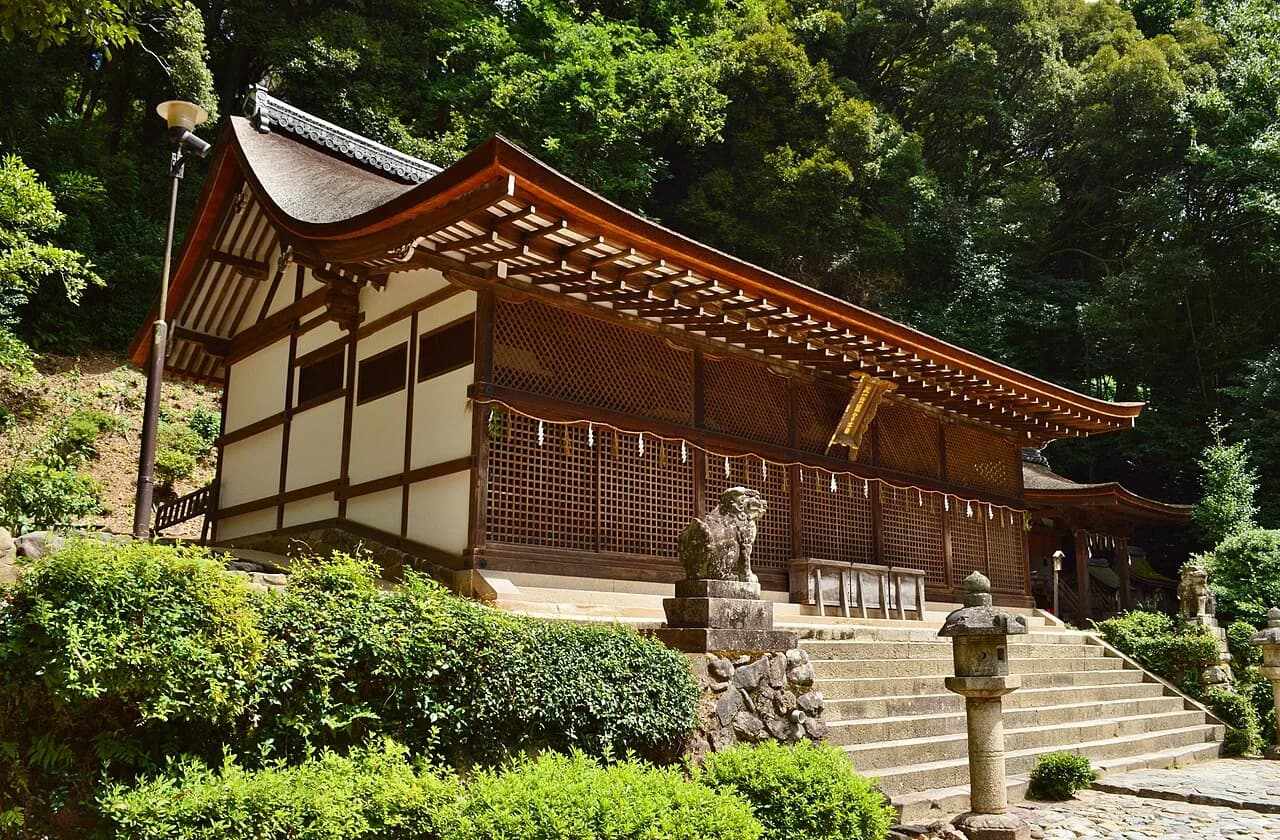
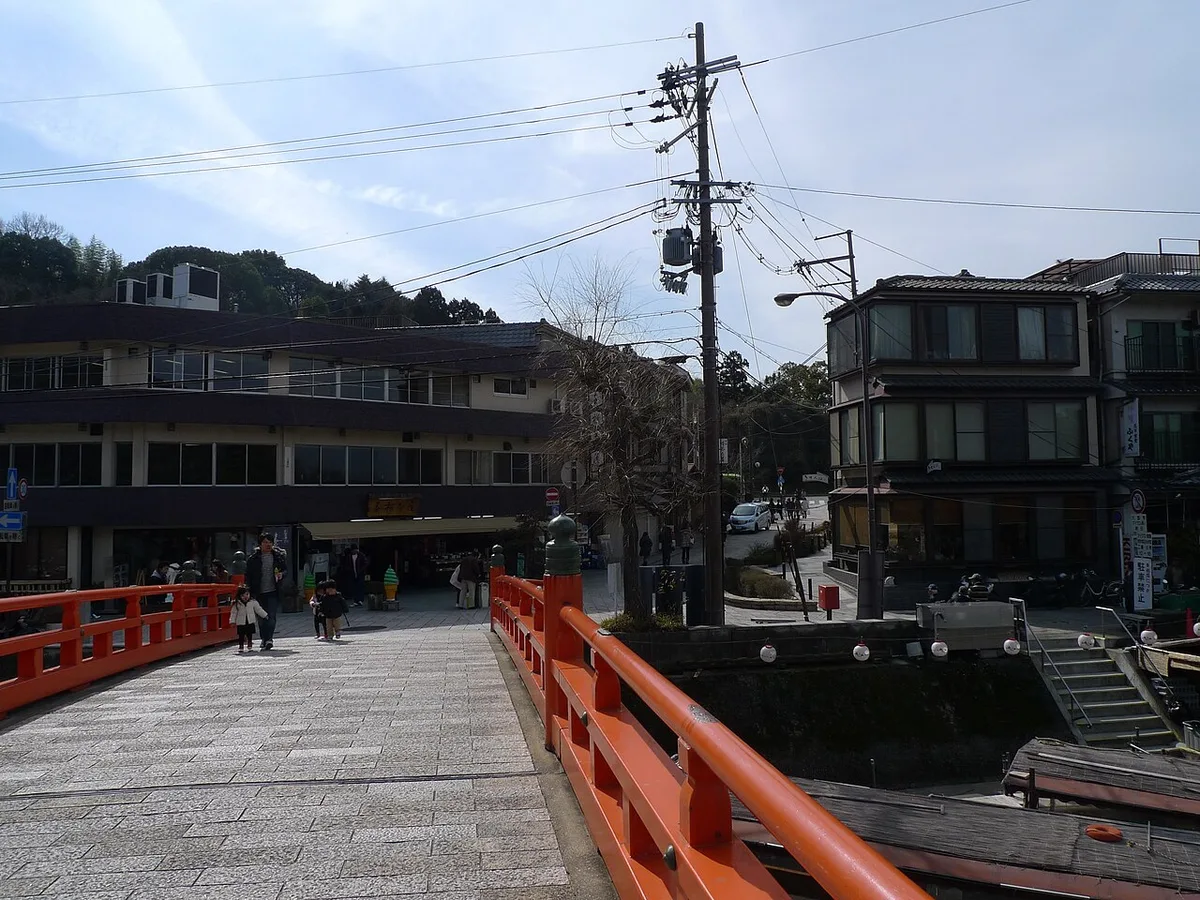
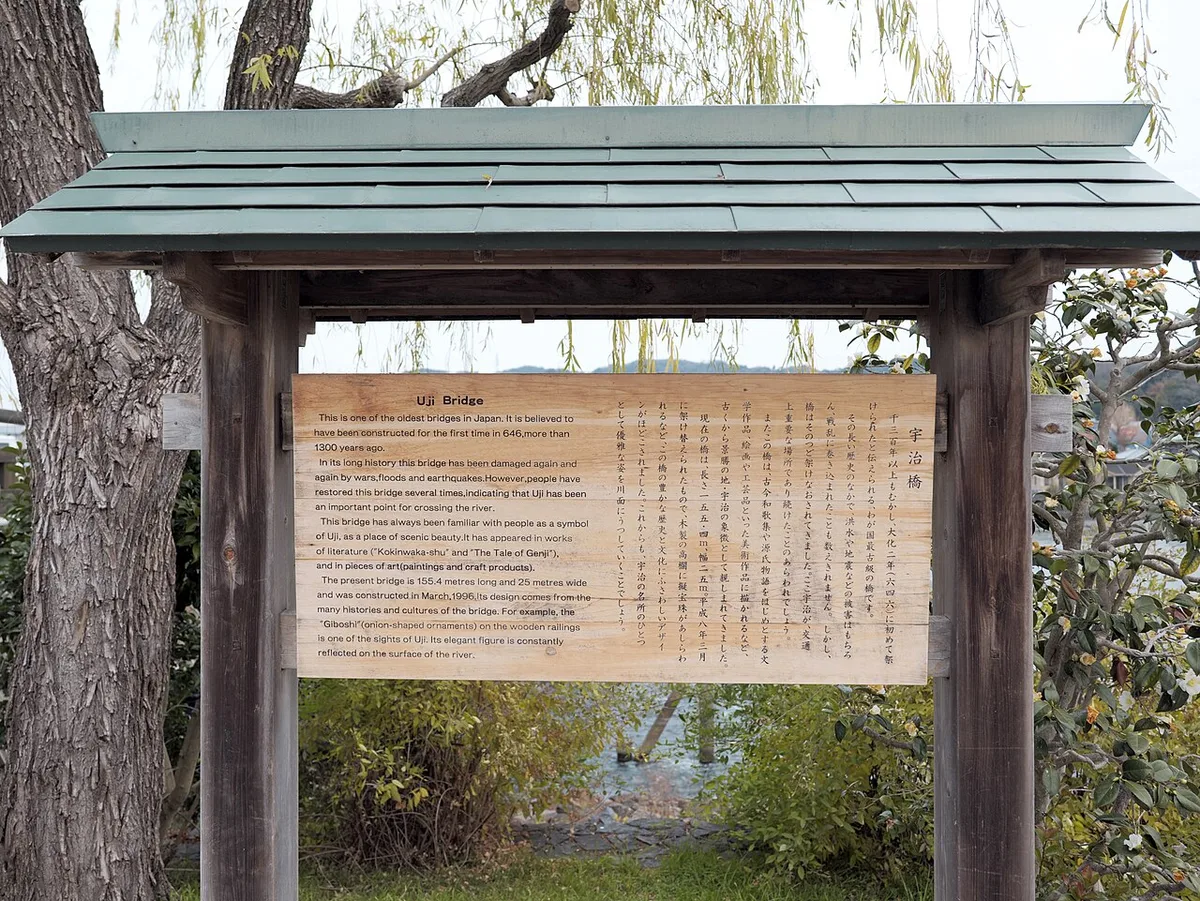
- Byodo-in's Phoenix Hall and Ujigami Shrine are both UNESCO World Heritage sites and sit on opposite banks of the Uji River, a 10-minute walk apart via Uji Bridge.
- A half day covers the essentials — Byodo-in, matcha, Uji Bridge; a full day adds Ujigami Shrine, the Genji Museum, and Mimurotoji Temple.
- Uji shares the JR Nara Line with Fushimi Inari, making a Fushimi → Uji combination day entirely practical with no backtracking to Kyoto between stops.
- The Phoenix Hall interior requires a timed-entry ticket that can sell out by mid-morning on busy weekends — factor in queue time or book ahead when that option is available.
Why Uji Is Kyoto's Easiest Day Trip
The case for Uji begins with friction, or the absence of it. From Kyoto Station, you board a southbound JR Nara Line train — no reserved seat, no platform change — and step off at JR Uji Station 17 minutes later. The ticket costs around ¥240. The main sights are a short, flat walk from the station. Compare this to Arashiyama (bus queues or a multi-step rail journey) or Osaka (90 minutes round-trip, a full day commitment), and you start to understand why Uji fits so naturally into a Kyoto itinerary as an add-on rather than a sacrifice of something else.
What makes the trip rewarding rather than just convenient is the quality and concentration of what's there. Byodo-in's Phoenix Hall is among the most architecturally precise surviving examples of Heian-period Buddhist design — the same image that appears on the reverse of the ¥10 coin. It earns its reputation in person. Across the river, the matcha-specialist shops along Uji's main shopping street offer a dimension of Japanese food culture that Kyoto's own central districts do well but that Uji, as the origin of much of Japan's finest ceremonial-grade tea, does with particular authority. For a full guide to which tea houses our editors recommend and what to order, see the Uji matcha and tea houses guide.
The scale is also right. Uji does not overwhelm in the way a full Nara or Osaka day can. You can do it justice in three focused hours and still feel you have seen it properly, or you can stretch to six or seven hours and find a quieter, more layered town that the majority of Kyoto visitors miss entirely.
Getting from Kyoto to Uji and Back
The most direct route is the JR Nara Line from Kyoto Station's south platforms (8 or 9). Miyakoji Rapid services — the fastest option — reach JR Uji Station in approximately 17 minutes. Local services stop at every intermediate station and take around 25 minutes. Both deposit you within a three-minute walk of the Uji River and the entrance to Byodo-in. Trains run frequently throughout the day, and return services continue until late evening, so there is no reason to rush back.
Keihan Railway offers a second option from the opposite end of central Kyoto. From Demachiyanagi or Gion-Shijo stations, the Keihan Uji Line runs to Keihan Uji Station in roughly 30 minutes. This suits visitors already in the Gion or Higashiyama area who would rather avoid backtracking to Kyoto Station. Keihan Uji Station deposits you closer to the Byodo-in approach on the east bank side. For a complete side-by-side comparison of both rail routes, fare tables, and the IC card setup, our Uji transport guide covers every option in step-by-step detail.
If you plan to continue onward to Nara rather than returning to Kyoto, note that the JR Nara Line continues south from Uji to Nara Station in a further 35–40 minutes. This makes an Uji-then-Nara sequence feasible as a single southbound journey, though the combined day is long if you want to do both places properly.
Half Day vs Full Day in Uji
The most useful planning question is how much time you want to give Uji. The sights stack naturally into a compact half-day core and a full-day extension, with the Uji River as the dividing geography: the west bank holds Byodo-in and the matcha street; the east bank adds Ujigami Shrine and the Genji Museum. Our Uji half-day itinerary walks through the optimised sequence in detail, but the table below gives the honest breakdown at a glance.
| What's included | Half day (3–4 hrs) | Full day (6–8 hrs) |
|---|---|---|
| Byodo-in Temple and Phoenix Hall | ✓ | ✓ |
| Matcha tasting at a riverside tea house | ✓ | ✓ |
| Uji Bridge stroll and river views | ✓ | ✓ |
| Ujigami Shrine, Japan's oldest shrine (east bank, 10-min walk from Byodo-in) | optional | ✓ |
| Uji City Genji Museum | ✗ | ✓ |
| Mimurotoji's hydrangea garden (hydrangea and wisteria seasons) | ✗ | ✓ |
| Recommended arrive-in-Uji time | 10:00–10:30 AM | 9:00–9:30 AM |
| Return to Kyoto by | 2:00–2:30 PM | 5:30–6:00 PM |
| Estimated spend, excluding train (2026 estimate) | ¥1,500–¥3,000 | ¥3,500–¥6,500 |
The half-day route concentrates on the west bank. Arrive at JR Uji Station, walk to Byodo-in — around 10 minutes — spend 45–60 minutes on the temple grounds including the Phoenix Hall interior (queue early), then cross Uji Bridge on foot to the matcha-shop street. Allow 30–45 minutes there for a sit-down matcha set and any shopping. That circuit is complete well before 2:00 PM, leaving the afternoon free for Kyoto itself or for continuing south to Nara.
A full day extends onto the east bank. Ujigami Shrine, Japan's oldest surviving Shinto shrine building, is free to enter and rewards a 30-minute visit. The Uji City Genji Museum brings the 11th-century novel to life in thoughtful visual and tactile exhibits — allow an hour. Mimurotoji Temple, about 2 km from the station and most easily reached by taxi in its blooming seasons, is genuinely spectacular during June's hydrangeas and late-April wisteria. If the season aligns, it alone justifies the extra half day.
Combining Uji with Fushimi Inari or Nara
One of Uji's structural advantages is its position on the JR Nara Line south of Kyoto. Fushimi Inari Taisha — one of Japan's most visited shrines — sits five stops north of Uji and two stops south of Kyoto Station. This rail alignment makes a single linear southbound day entirely practical: ride from Kyoto to Inari in the morning for the torii gate climb, then continue south two stops to Uji for Byodo-in and matcha in the afternoon. You return to Kyoto from Uji without retracing any journey. No IC card top-up, no transfers, no duplication.
The Fushimi sake district (centred around Fushimi Momoyama) is a walkable addition from Fushimi Inari Station and adds another sensory layer without requiring a second rail fare. This three-stop sequence — Fushimi Inari torii gates, Fushimi sake warehouses, Uji matcha and Byodo-in — appears in our guide to Kyoto day trips for exactly this logistical reason. It is ambitious as a single day but entirely feasible if you start before 9:00 AM and keep your Uji time to four hours or fewer.
What does not pair well with Uji is the opposite side of Kyoto's day-trip map: Arashiyama, Beppu, or central Osaka all require backtracking through the city and turn the day into a transit exercise. Treat the JR Nara Line south corridor as the spine of any Uji combination day, and keep the west-of-Kyoto destinations for a separate trip. If you are still weighing Uji against other options, the Kyoto attractions overview gives the context for how Uji fits alongside the city's own inner circuit.
Practical Tips for Visiting Uji in 2026
Byodo-in charges a garden entry fee of around ¥700 for adults, with a separate timed ticket of around ¥300 to enter the Phoenix Hall interior. The interior ticket queue can reach 30–60 minutes by mid-morning on busy weekends and during peak foliage and cherry blossom season — arriving at or before the 9:00 AM opening gives you the best chance of an immediate slot. The exterior pond reflection of the Phoenix Hall is outstanding in its own right and is visible without the interior ticket, so even if the wait is too long, the main impact of the visit remains.
Luggage: JR Uji Station had no coin lockers as of our last visit. Leave oversized bags in a locker at Kyoto Station before heading south — the town's flat layout means a daypack is all you need once you arrive.
Crowds follow a predictable pattern. Weekday mornings before 11:00 AM are notably quieter than weekend afternoons, particularly at Byodo-in. If your schedule allows, this is the single most effective crowd-avoidance strategy in Uji. For detailed seasonal timing — when the Uji River cherry trees peak, when Mimurotoji's wisteria is in full colour, and how autumn foliage tracks at Byodo-in — our best time to visit Uji guide covers the full year month by month.
One thing that genuinely distinguishes a Uji visit from a city sightseeing day is the pace. The town rewards slowing down: take the long way across the Genji Museum and historical trail along the east bank, linger over a second cup of matcha, and let the river do the work. Uji is small enough that you cannot miss anything by walking slowly.
Uji is the Kyoto day trip that rewards people who take it seriously. The 17-minute JR Nara Line ride from Kyoto Station is one of the best-value short journeys in the Kansai region — and what waits at the other end, from the Phoenix Hall at Byodo-in to the world's finest ceremonial matcha street, holds up to any comparison in the broader day-trip field. A half day is enough to leave Uji feeling you saw it properly; a full day reveals a quieter town that most visitors to the region never find.
If you are still comparing Uji against other escapes from Kyoto, our complete Kyoto day trips guide breaks down the full field across distance, effort, and what you actually get for each journey. And if you are building your Kyoto itinerary from scratch, the Kyoto attractions overview maps the city's inner circuit neighbourhood by neighbourhood so you can sequence both wisely.
Frequently Asked Questions
How long does the JR Nara Line take from Kyoto to Uji?
Miyakoji Rapid services on the JR Nara Line reach JR Uji Station from Kyoto Station in approximately 17 minutes. Local services stop at every intermediate station and take around 25 minutes. Both depart from Kyoto Station's south platforms and cost roughly ¥240 one-way in 2026 — a Suica or ICOCA card covers the fare.
Is half a day enough for a Uji trip from Kyoto?
Yes — three to four hours covers Byodo-in Temple, the Phoenix Hall interior (allow time for the timed-entry ticket queue on weekends), a matcha stop on the main street, and a walk across Uji Bridge. Arriving by 10:00 AM puts you back in Kyoto by early afternoon with time for the city's own sights.
Can I combine a Uji trip with Fushimi Inari in the same day?
Yes, and the logistics work cleanly. Both Fushimi Inari Taisha and Uji are on the JR Nara Line south of Kyoto, so you can ride south to Inari in the morning, then continue two more stops to Uji in the afternoon — returning to Kyoto from Uji at the end of the day with no backtracking. An early start of around 8:30–9:00 AM from Kyoto Station is advisable.
Do I need to book Byodo-in Temple tickets in advance?
Garden entry does not require advance booking — you pay at the gate. However, the Phoenix Hall interior uses a separate timed-entry ticket that can sell out by mid-morning on busy weekends and during cherry blossom or autumn foliage peaks. Check the official Byodo-in website before your visit for any online reservation options and to confirm current entry fees.
Free: The Kyoto Essentials guide
Top things to do, where to stay, a perfect day plan, getting around, and the best time to go — a Kyoto mini-guide you can take offline.
You might also like


Continue reading
More guides you'll find useful