

Best Time to Visit Uji, Japan (2026)
When to visit Uji in 2026: cherry blossom (early April), wisteria and azaleas (late April–May), 10,000 hydrangeas at Mimurotoji (June), cormorant fishing evenings (summer), and autumn maples (November). Month-by-month crowd guide included.
On this page
Uji sits just 15 minutes south of Kyoto by express train and runs through one of the most layered seasonal calendars in Kansai. From wisteria at Byodo-in to ten thousand hydrangeas at Mimurotoji, each month delivers a different spectacle — and a different crowd level. Knowing which window matches your priorities makes the difference between a quiet riverside walk and a queue stretching from the temple gate to the bridge.
For most visitors in 2026, late April is the headline window: the wisteria trellis at Byodo-in peaks, azaleas carpet Mimurotoji, and the new-tea (shincha) season is in full swing around the tea farms on the edge of town. But June's hydrangeas are a genuinely dramatic spectacle, November's maples offer autumn colour without the Golden Week crush, and summer evenings belong to ukai — traditional cormorant fishing on the Uji River that has run here for over a thousand years. This guide covers every season honestly so you can plan around what matters most to you.
We have compiled a month-by-month reference table at the end of this article — the fastest single check before you finalise your dates.
Whatever season you visit, arrive before 9:00 AM. Uji's main sights are compact and close together — an early start beats the coach-tour crowds by a comfortable two hours on any day of the week.
Key Takeaways
- Late April–early May is peak season: the wisteria at Byodo-in overlaps with azaleas at Mimurotoji and shincha tea-picking around the farms on the edge of town.
- June brings Uji's most visually dramatic spectacle — roughly ten thousand hydrangeas at Mimurotoji — but weekend crowds are at their most intense of the year.
- Summer evenings mean ukai: traditional cormorant fishing on the Uji River, running from late May through mid-October with spectator boat departures around 7:00 PM.
- November is the quieter choice for autumn colour — maples at Koshoji Temple's Koto Sakado approach and Mimurotoji rival spring blooms without the Golden Week rush.
- Weekday mornings outperform weekend afternoons in every season; Uji is a small city and feels packed when multiple tour groups arrive simultaneously.
Spring: Cherry Blossom, Wisteria, and Azaleas (Late April–May)
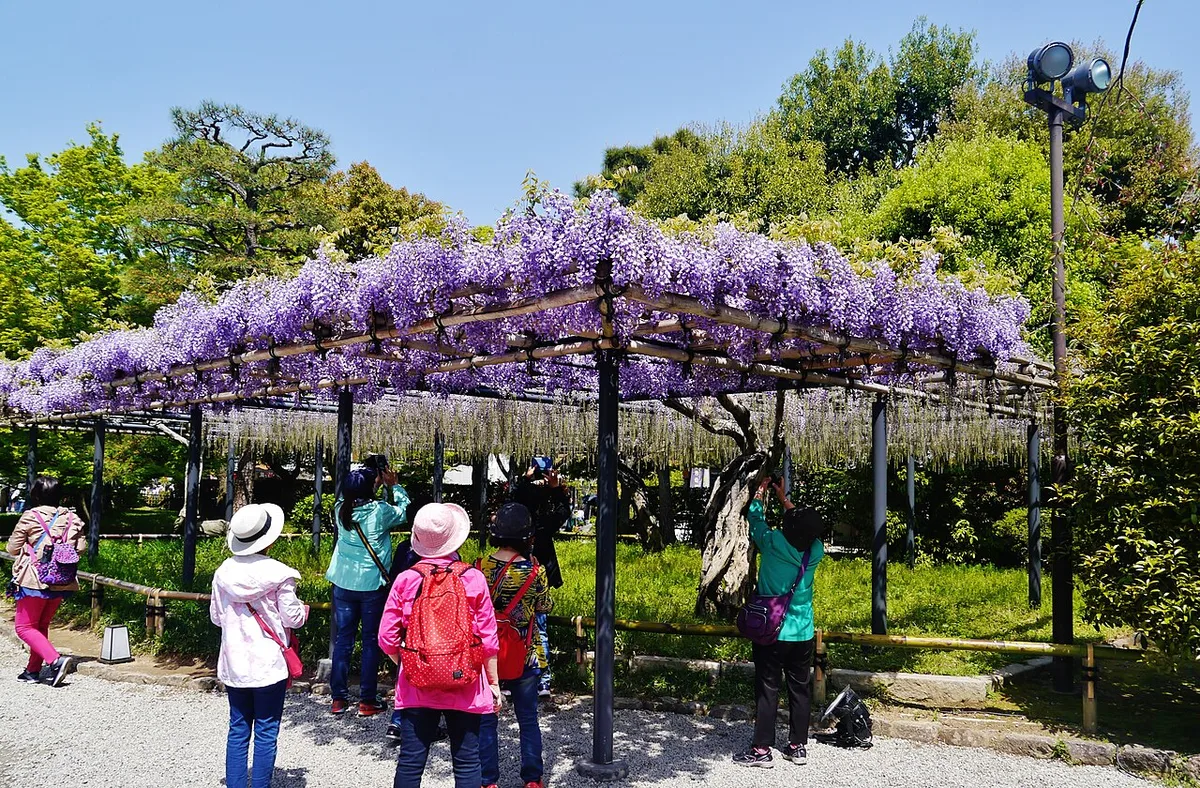
Spring is Uji's headline season, and the overlap of its key events in late April is hard to replicate at any other point in the calendar. In early April, cherry trees along the Uji River reach full bloom — a short, lovely window before the main Golden Week rush. By late April the wisteria trellis inside the Byodo-in estate comes into its own, with long cascades of purple and white framing the iconic Phoenix Hall across the pond. Our Byodo-in Phoenix Hall guide covers entry timings, what the garden looks like during the wisteria peak, and which approach to the pond gives the best angle for photos.
At the same time, Mimurotoji Temple fills with azaleas — tens of thousands of blooms across the hillside grounds. The two sights are only a short walk apart, and combining them on a single morning before noon is entirely realistic. Golden Week (late April through early May) is the busiest period of the year for both sites; weekday mornings before 9:00 AM are significantly calmer than weekend afternoons when tour buses arrive in the late morning.
Tea-picking season (shincha) runs through late April and May. Uji is Japan's most celebrated tea-growing district, and several farms outside the main tourist area offer hands-on picking sessions that book out early. Combining a morning at the temples with an afternoon circuit of the matcha cafes and tea-roasting shops along the riverfront is one of the most complete single-day experiences the city offers. Book farm picking sessions a few weeks in advance if your visit falls in May — they fill faster than most visitors expect.
Rainy Season: Uji's 10,000 Hydrangeas (June–Early July)
June is when Mimurotoji, the flower temple earns its national reputation. Around ten thousand hydrangeas — ranging from deep blue and indigo through purple and soft pink to ivory white — fill the hillside grounds from roughly the second week of June. The peak typically lands in the second and third weeks of the month and holds for two to three weeks before the blooms begin to fade. This is a genuinely large-scale spectacle that photographs do not fully convey; the density of colour across the terraced grounds is unlike anything we have encountered at other hydrangea venues in Kansai.
Weekend evenings during the peak feature ticketed light-up events that transform the temple grounds under warm illumination. They are worth attending if your schedule allows, but advance tickets sell out on weekends — check the temple's official announcements in late May for the release dates and booking window. Weekday mornings are the most crowd-friendly option and still deliver the full bloom at no additional cost beyond the standard entry fee.
The rainy season (tsuyu) runs concurrently, but showers in Uji tend to come in short bursts rather than all-day downpours. Hydrangeas look their best in overcast or lightly rainy conditions — soft grey light brings out the blue and purple tones more clearly than bright sunshine. Carry a compact umbrella and expect the temple grounds to feel lush rather than damp.
Summer: Lotus Ponds and Cormorant Fishing Evenings (July–August)
By July, Mimurotoji's hydrangeas give way to lotus — large, pale-pink blooms that open in the early morning and are largely closed by midday. Arriving before 8:00 AM is the practical rule for lotus viewing: the light is soft, the grounds are quiet, and the blooms are at their fullest. Midday visits in July and August in Uji are genuinely uncomfortable — daytime temperatures regularly reach 35°C with high humidity. A morning-only schedule, followed by lunch in one of the air-conditioned matcha cafes along the river, is the most sensible approach.
The evening reward in summer is ukai: trained cormorants catch sweetfish (ayu) by torchlight while spectators watch from small boats alongside the fishing vessels — a practice documented on this stretch of the Uji River for over a thousand years. The season runs from late May through mid-October, with departures typically beginning around 7:00 PM. Booking spectator boat seats in advance is strongly recommended in July and August, as departures fill quickly and the season does not operate during heavy rain or high water. The departure point is a short walk from Byodo-in, making it natural to pair an afternoon visit to the temple with an evening on the river.
September sees the heat begin to ease while ukai continues. October brings the tail end of the fishing season alongside the first hints of autumn colour — a pleasant shoulder-season combination that very few visitors consider when planning a Kansai itinerary.
Autumn: Maple Season on the Uji River (November)
Uji's autumn foliage does not attract the same volume of visitors as Kyoto's central parks, which is precisely what makes it worth considering as an alternative. The maples along the Uji River reach their best colour in November — usually the second or third week — and a walk along the riverbank feels unhurried compared to the same period in Arashiyama or Tofukuji. Temperatures in November run 10–18°C during the day, making it the most physically comfortable season for extended outdoor walking around the city.
The standout autumn sight in Uji is Koshoji Temple's maple-lined approach path, known as Koto Sakado. A tunnel of maples arches over the stone approach road at peak colour, creating a distinctly quiet counterpart to the busier temple precincts closer to the river. Both Koshoji and Mimurotoji have notable maple displays, so a single November morning can take in two genuinely different experiences without crossing the city. For anyone visiting Uji for the first time and weighing spring against autumn, the Uji half-day itinerary lays out a walking sequence that works well in either season and helps you judge how much you can realistically cover in a morning.
Winter and Off-Season: Quiet Uji (December–March)
January and February are the quietest months in Uji by a considerable margin. Visitor numbers drop sharply, accommodation is easier to book and meaningfully cheaper, and the streets around Byodo-in feel genuinely peaceful. The matcha cafes and tea shops along the riverfront remain open year-round, and the temple complex operates standard hours throughout winter. A low-key visit centred on tea culture — working through a flight of single-origin uji matcha at one of the riverside tea houses — is entirely satisfying in the colder months. Bring layers: morning temperatures in January can drop to 2–4°C, and the river path is exposed.
Plum blossom begins in late February at several spots around the region, signalling the first colour of the year well before the Golden Week crowds materialise. By early April, cherry trees along the Uji River bloom — a brief window before the wisteria and azalea peak takes over. This early-April shoulder period is one of the least crowded flower windows in Uji and pairs well with a quiet visit to Ujigami Shrine before the main tourist season begins.
If you are planning Uji as part of a broader Kansai day trip and want to work out the best train timing from Kyoto or combine it with additional stops, the Uji day trip from Kyoto guide covers the earliest morning trains, the most efficient return routes, and how to pair Uji with Fushimi Inari or Nara on the same day.

Month-by-Month Reference: What's On and Crowd Levels
Use the table below as a quick planning reference before you finalise your dates. Crowd levels reflect typical weekday conditions — weekends in every season add roughly one tier of intensity. A "Medium" weekday becomes a "High" Saturday; a "Very high" June weekend at Mimurotoji becomes genuinely difficult to navigate without an arrival before 9:00 AM.
| Month | What's on | Crowd level |
|---|---|---|
| January | Quiet streets, matcha cafes and tea shops open, off-peak accommodation pricing | Low |
| February | Plum blossom begins (late Feb); off-peak conditions throughout | Low |
| March | Plum blossom into early cherry; cool and comfortable for walking | Low–Medium |
| April (early) | Cherry blossom along the Uji River; shoulder-season crowds | Medium |
| April (late) | Wisteria (Byodo-in), azaleas (Mimurotoji), shincha tea-picking begins | High |
| May | Azaleas fading, shincha in full swing; ukai cormorant fishing begins late May | High (Golden Week) |
| June | ~10,000 hydrangeas at Mimurotoji; weekend evening light-up events | Very high (weekends) |
| July | Lotus ponds open (Mimurotoji, early morning only); ukai evenings; hot and humid | Medium–High |
| August | Ukai peak season; local summer festivals; very hot (35°C+) | Medium–High |
| September | Ukai continues; temperatures easing; noticeably fewer visitors | Medium |
| October | Early autumn colour beginning; ukai season ends mid-October | Medium |
| November | Maple peak: Koshoji (Koto Sakado approach), Mimurotoji, Uji River | High |
| December | Illuminations in early December; visitor numbers drop sharply after mid-month | Low–Medium |
All seasonal dates are 2026 planning estimates — confirm current opening hours, entry prices, and event schedules on official sites before your visit. Hydrangea and maple peaks shift by one to two weeks depending on year-on-year temperature variation.
Frequently Asked Questions
When is Uji most crowded?
The two busiest periods are Golden Week (late April–early May) and June weekends during the Mimurotoji hydrangea light-up season. Both draw very large numbers of day-trippers from Kyoto and Osaka. Weekday mornings before 9:00 AM are significantly calmer in every season. Late April weekends are high but manageable; June weekends at Mimurotoji are the most congested single window of the year.
What is the best month to see hydrangeas in Uji?
Mid to late June is typically the hydrangea peak at Mimurotoji Temple, where around ten thousand blooms cover the hillside grounds. The display holds for two to three weeks, so early July can also be reliable if June dates do not work. Arrive on a weekday morning to avoid the largest crowds; weekend evening light-up tickets sell out in advance and should be booked as soon as they are released in late May.
When does ukai cormorant fishing run on the Uji River?
Ukai on the Uji River runs from late May through mid-October, with evening spectator boat departures typically beginning around 7:00 PM. July and August are the peak months for the experience. Spectator boat seats should be booked in advance during summer, as departures fill quickly and the season does not operate during heavy rain or high-water conditions on the river.
Is Uji worth visiting in winter?
Yes — January and February offer the quietest and most affordable visit to Uji, with matcha cafes, Byodo-in, and the main riverside walk all accessible year-round. There are no major flower events, but the town is peaceful and uncrowded. Plum blossom begins in late February, and the cherry blossom window in early April is a genuinely underrated shoulder-season option before the Golden Week rush materialises.
Late April and November are the two windows we return to most often when recommending Uji to first-time visitors — one for the layered flower spectacle and new-tea season, the other for autumn colour in a setting that still feels manageable rather than overwhelming. Both are best experienced on weekday mornings, when Uji's compact layout rewards an early start and the main sights feel proportionate to the city. June's hydrangeas are a genuine third contender if crowds do not deter you and a weekday visit is possible.
Before you book, the full Uji sightseeing guide is worth reading to confirm which sights match your itinerary — entry hours, seasonal closures, and the layout of the river circuit all affect how much you can realistically fit into a single day. A well-timed Uji visit consistently outperforms what most Kyoto day-trippers expect from a 15-minute train ride south.
Free guide: Japan's Hidden Gems
12 under-the-radar places beyond Tokyo & Kyoto — with the best season to visit each and a local tip you won't find in the guidebooks.
You might also like


Continue reading
More guides you'll find useful


