

Mimurotoji Temple: Uji's Flower Temple (2026)
Visit Mimurotoji Temple in Uji — 10,000 hydrangeas peak mid-June to early July with weekend evening light-ups and a rare heart-shaped bloom. 2026 hours, admission, and access guide.
On this page
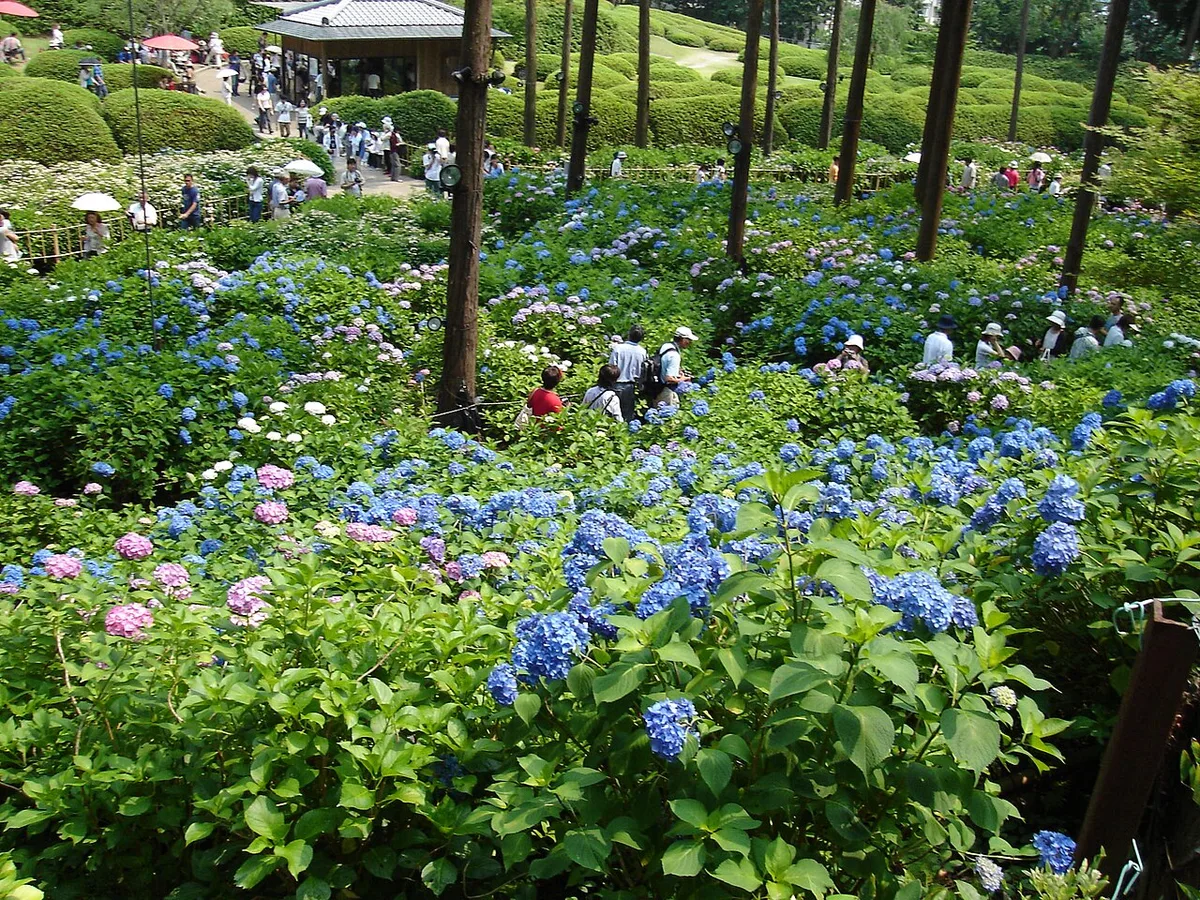
Perched on Uji's northeast edge, Mimurotoji Temple earns its title of hana no tera — flower temple — through four back-to-back seasons of colour. Around 20,000 azaleas light up the hillside in late April, 10,000 hydrangeas take over from mid-June to early July, lotus pots fill the grounds through August, and autumn maples flame in November. Few temples in Japan sustain year-round spectacle on this scale.
We rate Mimurotoji one of Uji's most rewarding detours, particularly during the hydrangea window. Weekend evening light-ups extend the experience past sunset, and a rare heart-shaped bloom hidden among the garden rows has become a quiet pilgrimage in its own right. Combine it with a broader look at what to see across Uji and you have a full day without doubling back.
This guide covers the full flower calendar, the lucky statues, temple access, and 2026 planning estimates. Last updated June 2026.
Mid-June to early July is the hydrangea peak — the temple's most crowded and most spectacular window. Arrive on a weekday morning to beat the crowds, or stay for the weekend evening light-ups when the garden quietens and the atmosphere shifts entirely.
Key Takeaways
- Around 10,000 hydrangeas bloom mid-June to early July, with weekend evening light-ups — the temple's signature draw.
- Look for the rare heart-shaped hydrangea bloom hidden in the hillside garden; the temple does not mark it on a map.
- Three lucky statues — a bull (nade-ushi), a rabbit, and a snake — are traditionally touched for good fortune.
- The three-storied pagoda frames the flower grounds beautifully and is the most photogenic architectural element.
- Admission runs around 1,000 yen in peak flower seasons; hours are approximately 8:30–16:30.
History and Background: The Making of a Flower Temple
Mimurotoji was founded in the 8th century as a Shingon-sect mountain temple under imperial patronage, and its reputation for cultivated beauty stretches back many centuries. The name appears in various spellings — Mimuroto-ji and Mimurotoji are both in common use, reflecting variations in historical transliteration. The temple sits on rising ground above the Uji River plain, which keeps it visually distinct from the riverfront sights and lends it a quieter, more contemplative atmosphere than many of the city's better-known landmarks.
The three-storied pagoda rising above the flower grounds is the temple's most photographed structure, and it rewards composition: hydrangeas or azaleas in the foreground, pagoda in the middle distance, open sky above. Unlike the formal pond-garden elegance of the Byodo-in Phoenix Hall a short distance away, Mimurotoji trades in layered greenery, steep garden paths, and the deliberate succession of seasonal plants that has made it a destination for flower enthusiasts across Japan.
The term hana no tera is not modern marketing — it reflects the temple's primary identity over generations. The garden plantings were expanded and refined over many decades, and visiting in any season reveals a site that understands time: each succession is intentional, and the grounds never feel barren between peaks. The overall atmosphere is unhurried and rewards slow exploration beyond the main flower areas.
Mimurotoji Flower Calendar: What Blooms When
The temple maintains four distinct flowering seasons across the calendar year. The table below gives the headline figures and the planning note most useful for timing a visit. All dates are approximate and can shift by a week or two depending on temperature — check the temple's official site closer to your trip for current conditions.
| Flower | Peak Period | Note |
|---|---|---|
| Azalea (tsutsuji) | Late April – early May | Around 20,000 plants; hillside ablaze in pink and red — spectacular before Golden Week crowds peak |
| Hydrangea (ajisai) | Mid-June – early July | Around 10,000 plants; weekend evening light-ups; rare heart-shaped bloom to seek out |
| Lotus | July – August | Potted displays across the grounds; early morning is best for open flowers before the heat |
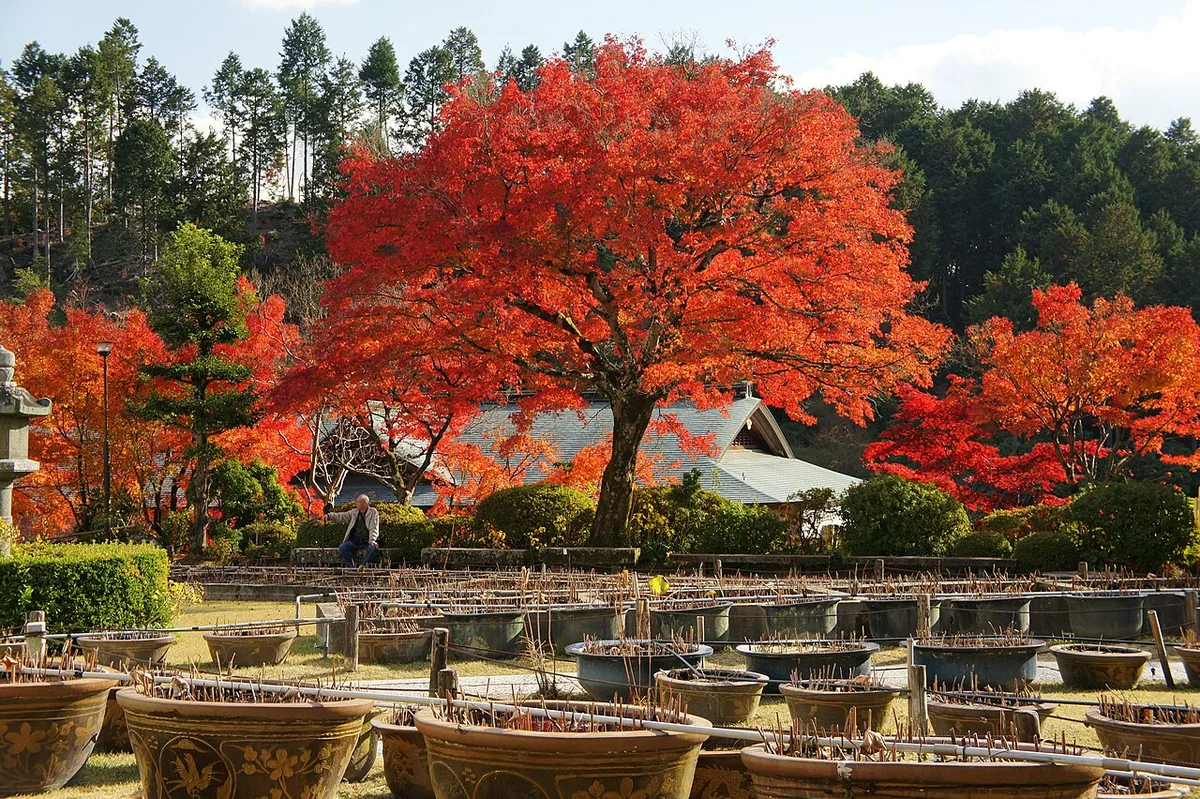
| Autumn Maples (momiji) | Mid–late November | Fiery red and gold; far less crowded than the sakura or hydrangea windows |
For advice on timing a Uji trip around seasonal peaks, our best time to visit Uji guide covers all the major windows — including how to layer Mimurotoji with riverfront sights when the hydrangea and lotus seasons overlap in late June and July.
Hydrangea Season: What to Expect Mid-June to Early July
The hydrangea season is Mimurotoji's biggest draw, and the numbers justify the reputation. Around 10,000 hydrangea plants cover the hillside garden in a density of colour that photographs struggle to reproduce faithfully. Blues, purples, and whites cascade down the slope in overlapping rows, and the garden path winds through at a pace slow enough to linger without feeling rushed by other visitors.
On Friday and Saturday evenings during peak bloom, the temple stages light-up events where the garden is illuminated after dark. The atmosphere shifts significantly from the daytime experience — crowds thin, the air cools, and the hydrangeas glow against the sky in warm uplighting. We consider this one of the stronger seasonal evening experiences in the Kyoto-Uji corridor, and it rarely appears on standard first-visit itineraries. Confirm the light-up schedule on the official site before planning a dedicated evening visit, as dates vary by year.
The heart-shaped bloom is the garden's most sought-after individual detail. It forms naturally from the arrangement of a specific hydrangea cluster, and the temple deliberately leaves it unmarked — part of the pleasure is the hunt. Most visitors who search carefully locate it within ten to fifteen minutes of entering the garden. The shape is clearest when the bloom is fully open, which typically means mid-June through the first week of July.
Weekday mornings before 10:00 AM offer the best combination of good light and manageable crowds. Note that the flower garden opens within the temple's standard hours but may have its own entry window — confirm the specific start time on the official site before planning an early-morning arrival.
Lucky Statues, the Pagoda, and What Else to See
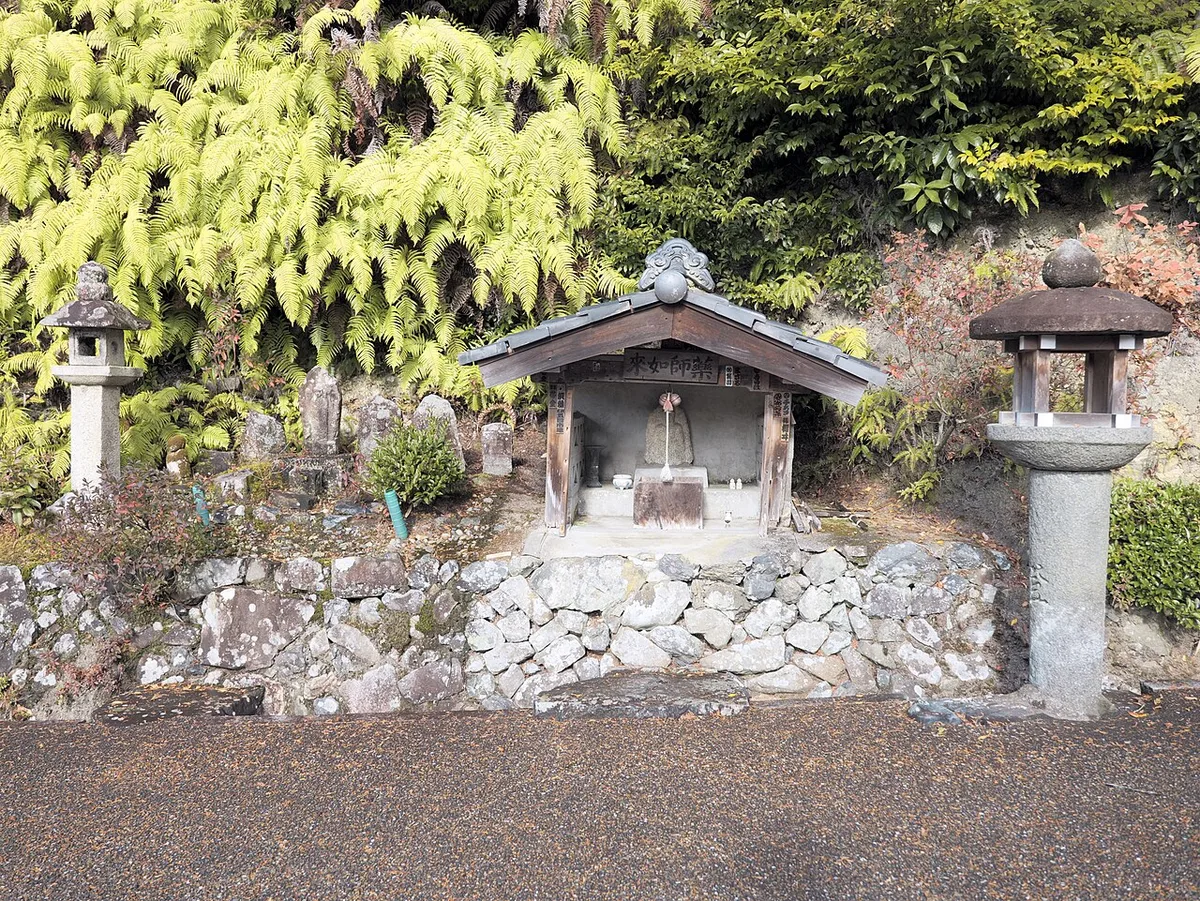
Beyond the flower grounds, three statues at Mimurotoji have long been touched by visitors seeking good fortune. The bull, known as the nade-ushi, is traditionally rubbed on the area corresponding to a physical ailment — the idea being that contact transfers relief. The rabbit and the snake each carry their own associated wishes. All three are accessible without a separate ticket as part of general grounds access.
The three-storied pagoda is the most architecturally prominent structure on the grounds and provides the best elevated backdrop for flower-season photography. It rises above the hydrangea garden in a way that makes layered foreground-and-pagoda compositions straightforward to frame. Arrive in early morning light for the most flattering angle and the fewest heads in shot.
The main hall and surrounding temple buildings offer a more meditative counterpoint to the garden. Shingon temples tend toward atmospheric interiors with layered incense and dedicated ritual spaces — this is a working temple, not a museum, so quiet and measured movement are appropriate. The grounds reward slow exploration well beyond the main flower areas, and the uphill paths reveal views back across the Uji plain that most flower-focused visitors walk straight past.
Getting to Mimurotoji: Access, Hours, and Admission
The temple sits roughly 15 minutes on foot from the Keihan Mimuro area, and the approach is mostly uphill. The incline is moderate — not a demanding climb — but in summer heat during the hydrangea season, the local bus is a practical alternative that cuts the walk to a few minutes. Bus connections from the station area run to the temple entrance and are clearly signposted for visitors.
From central Uji, the most straightforward route is the Kintetsu Kyoto Line or JR Nara Line to Uji Station, then a local bus or taxi toward the Mimuro area. Our getting to Uji guide covers all rail and bus options from Kyoto in detail, including which services access the Keihan network. The temple fits naturally into a northeast Uji circuit and connects well to the riverfront sights covered in our Uji day trip from Kyoto itinerary.
Admission is around 1,000 yen per adult in flower seasons — lower off-season — based on 2026 planning estimates; confirm the exact figure on the official site before visiting. Hours run approximately 8:30 to 16:30, with an earlier close in winter. The flower garden has a separate opening window from general temple grounds access, so it is worth checking both times if you are visiting specifically for the blooms.
Photography is permitted throughout the grounds and garden. The hillside paths are unpaved and uneven in places, which may be challenging for pushchairs and visitors with significant mobility limitations on the steeper sections — factor that in if you are planning the visit around garden access rather than the main hall areas.
Frequently Asked Questions
When is the best time to see hydrangeas at Mimurotoji Temple?
Hydrangeas at Mimurotoji typically peak from mid-June to early July. Weekend evening light-up events run throughout this window, offering a striking after-dark alternative to the daytime visit. Exact bloom dates shift by a week or two depending on the year's temperatures — check the temple's official site closer to your trip for current conditions.
How much does it cost to enter Mimurotoji Temple?
Admission is around 1,000 yen per adult during flower seasons, with a lower rate off-season — these are 2026 planning estimates, so confirm the exact price on the official site before your visit. The flower garden admission may be charged separately from general temple grounds entry depending on the season.
How do I get to Mimurotoji from Uji Station?
From Uji Station (Kintetsu or JR lines), take a local bus or taxi toward the Mimuro area, then follow the signposted uphill approach to the temple — roughly 15 minutes on foot. During the hydrangea and azalea seasons, buses run frequently and the route is well-marked. Explore all of Uji's main sights to plan how Mimurotoji fits your wider day.
Is the heart-shaped hydrangea hard to find at Mimurotoji?
The temple does not mark the heart-shaped bloom on a map, but most visitors who look carefully find it within ten to fifteen minutes of entering the garden. It forms naturally from the arrangement of one hydrangea cluster and is clearest when fully open — typically mid-June through the first week of July. Walking slowly through the central rows of the hillside garden gives you the best chance of spotting it.
Mimurotoji earns return visits across multiple seasons — the azalea hillside in late April and the hydrangea garden in June feel like different temples sharing the same address. For most visitors on a single Uji day, the hydrangea window or the autumn maple season will anchor the trip. Either way, the pagoda backdrop, the lucky statues, and the unhurried pace of the grounds make the temple memorable well beyond its flowers. Plan the broader day using our Uji day trip from Kyoto guide to slot Mimurotoji naturally alongside the riverfront sights.
The temple pairs especially well with the Byodo-in Phoenix Hall in a single morning — the two contrast sharply in character, with Byodo-in's formal reflective pond offsetting Mimurotoji's wild-feeling hillside. Allow around three to four hours total for both, factoring in the uphill walk to Mimurotoji and the lunchtime crowds near the riverside in summer.
For trip-planning details, see Mimuroto-ji on Wikipedia.
Free guide: Japan's Hidden Gems
12 under-the-radar places beyond Tokyo & Kyoto — with the best season to visit each and a local tip you won't find in the guidebooks.
You might also like


Continue reading
More guides you'll find useful


