
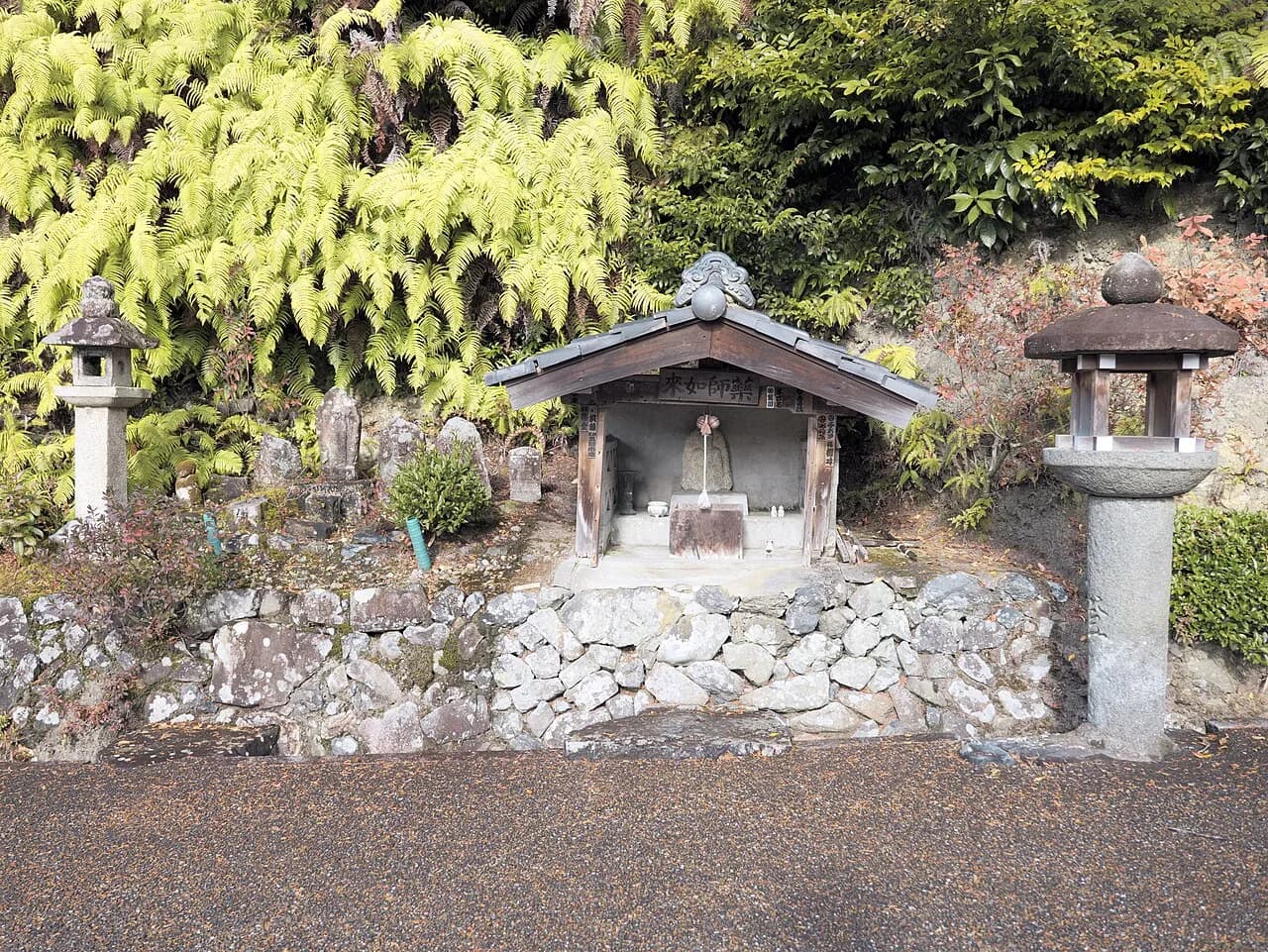
Mimuroto-ji earns its local title of hana no tera — the flower temple — through an extraordinary seasonal succession of blooms that transforms this Shingon-sect mountain temple on Uji's northeast edge into one of the Kansai region's most photographed gardens. Approximately 20,000 azalea plants blaze across the hillside in late spring; some 10,000 hydrangeas, lit up on weekend evenings, fill the grounds in early summer; lotus pots open at dawn through July and August; and maple foliage deepens to crimson in November.
Founded in the eighth century and listed as the tenth station on the ancient Saigoku Kannon Pilgrimage, the temple sits on a forested hillside reached by a steady 15-minute ascent from the nearest rail stop — a climb that prepares visitors for the serene enclosure of garden, pagoda, and main hall at the top.
Admission is charged and varies by season: around ¥1,000 for an adult ticket under normal conditions, with a seasonal premium during peak flower periods. This 2026 guide covers the full flower calendar, temple history, access from central Uji and Kyoto, and practical tips for each season's headline bloom.
Why Visit Mimurotoji? Uji's Flower Temple
Mimuroto-ji's reputation as the city's foremost flower-viewing destination rests on scale and variety. No other site in the Uji area sustains such a long bloom season, and no other temple in the wider Kyoto region matches the sheer density of hydrangeas concentrated within a single hillside garden. During the hydrangea season (mid-June to early July), the temple opens on Friday and Saturday evenings for illuminated viewing — the lit blooms against the dark sky create one of the most unusual and sought-after seasonal experiences in the Kansai. Hidden somewhere among the hydrangeas each year is a rare heart-shaped flowerhead that visitors hunt for and photograph as a token of luck.
Beyond the flowers, two further draws make Mimuroto-ji worth the climb regardless of season. A graceful three-storied pagoda rises above the main hall, framing beautifully against the garden at any time of year. In the precinct you will also find three fortune-associated statues: a bull (the nade-ushi, rubbed for health and good fortune), a rabbit, and a snake — each associated with different blessings and, collectively, a warm and tactile introduction to popular Shingon devotion.
For a wider survey of the city's sights before or after your visit, the guide on things to do in Uji maps the main attractions and walking routes between them.
History and Significance of Mimuroto-ji
Mimuroto-ji traces its origins to the Nara period (710–794), when the temple is said to have been established by imperial command after a golden standing image of Senju Kannon (Thousand-Armed Kannon) was discovered at a local waterfall. That founding association with a miraculous water-borne figure sets the tone for the temple's long spiritual character — Mimuroto-ji has always been a place of direct petition to Kannon, the bodhisattva of compassion, for healing, childbirth, and safe passage through life's transitions.
The Shingon sect, with which the temple is affiliated, reached Japan in the early ninth century through the monk Kukai (Kobo Daishi), who brought esoteric Buddhist teachings from Tang-dynasty China. Shingon temples are characteristically sited on elevated terrain, reflecting the sect's emphasis on spiritual discipline through proximity to mountains and forests — Mimuroto-ji's hillside position and its dense canopy of maples and cedars exemplify this tradition precisely.
The temple holds its place on the Saigoku Sanjusankasho (Saigoku Kannon Pilgrimage), a 33-temple circuit across western Japan that is one of the oldest pilgrimage routes in the country. Pilgrimage stamp books (nokyocho) can be stamped at the main hall, and groups of white-robed pilgrims completing the circuit are a common sight at the gate throughout the year.
Getting to Mimuroto-ji: Access from Uji and Kyoto
The most direct rail approach is via Mimuro Station on the Kintetsu Kyoto Line, a ten-minute ride from Kintetsu Kyoto Station. From Mimuro Station, the temple approach is signposted and takes roughly 15 minutes on foot, with a gradual uphill gradient. JR Uji Station (JR Nara Line, approximately 17 minutes from Kyoto) is also a feasible starting point — from there it is around 25 minutes on foot, or you can pick up a local bus from the station terminal toward Mimuroto-ji and alight near the temple steps.
Buses are infrequent, so check the timetable before relying on them; the Kintetsu option is more reliable for timing. Visitors arriving by car will find a small temple car park, but spaces fill quickly during peak flower seasons — arriving early on weekdays is strongly advisable in late April and mid-June.
Many visitors combine Mimuroto-ji with a walk to Byōdō-in, which lies roughly 20 minutes on foot toward the Uji River. Covering Mimuroto-ji first (uphill while energy is fresh) and then descending toward Byōdō-in and the riverside for the afternoon makes for a natural and very satisfying day itinerary.
Highlights of Mimuroto-ji: Flower Calendar, Pagoda, and Fortune Statues
Four bloom seasons structure the Mimuroto-ji year and each draws a distinct audience of visitors:
Late April–Early May (Azaleas): Approximately 20,000 azalea plants spread across the hillside behind the main hall, producing dense sweeps of pink, red, and white. This is the temple's busiest period, and weekend mornings at peak bloom can be very crowded. Aim for a weekday opening hour if possible.
Mid-June–Early July (Hydrangeas): Around 10,000 hydrangeas in blue, violet, and white fill the garden. On Friday and Saturday evenings during peak bloom, the temple opens after dark for illuminated viewing — lit against the night, the effect is striking and unlike anything available at Kyoto's more famous sites. Somewhere in the garden each year, a rare heart-shaped hydrangea head appears; finding it has become a popular ritual.
July–August (Lotus): Potted lotus plants are arranged through the precinct, opening their large pink and white blooms in the early morning. Arriving at the 08:30 opening gives the best chance of seeing the flowers fully open before midday heat closes them.
Mid–Late November (Autumn Maples): The hillside trees shift from orange through deep crimson across the second half of November. Crowds are considerably smaller than in spring and early summer, making this one of the more contemplative times to visit.
The three-storied pagoda is the temple's architectural centrepiece and frames well against the garden in any season. Before leaving, seek out the nade-ushi bull in the precinct — a smooth bronze figure rubbed by generations of visitors for health and luck — alongside the rabbit and snake statues nearby.
Planning Your Visit: Hours, Admission, and Tips
Mimuroto-ji is open 08:30–16:30 from April through October, and 08:30–16:00 from November through March. Last entry is 30 minutes before closing, so arriving with time to spare matters more here than at larger sites. During the hydrangea season, the temple opens on Friday and Saturday evenings for the illuminated viewing event — check the official site at mimurotoji.com for confirmed light-up dates and evening admission details, as these are announced annually and subject to change.
General adult admission is around ¥1,000, but rises during peak flower seasons — particularly the azalea and hydrangea periods. The official site lists current rates; verify before your 2026 visit as seasonal pricing is adjusted each year. The isAccessibleForFree flag is false: you cannot view the flower garden without purchasing a ticket.
The hillside terrain involves slopes and stone steps; comfortable shoes with grip are essential, especially on wet days. The temple has no café or restaurant on site, so carry water — particularly important in July and August when temperatures at this elevated position stay high even in the shade. For precise seasonal timing advice, when to visit Uji for the flowers covers bloom windows and what to realistically expect in each month. The detailed blog coverage in the full Mimurotoji visitor guide includes photography positioning tips and evening light-up queuing strategy.
Frequently Asked Questions
What is Mimuroto-ji famous for?
Mimuroto-ji is known as Uji's hana no tera (flower temple), celebrated for its four-season bloom calendar: approximately 20,000 azaleas in late April–early May, 10,000 hydrangeas in mid-June to early July (with weekend evening light-ups and a rare heart-shaped bloom), lotus in pots through July and August, and autumn maples in mid–late November. The temple is also the tenth station on the ancient Saigoku Kannon Pilgrimage and houses a graceful three-storied pagoda.
What are Mimuroto-ji's opening hours?
Mimuroto-ji is open 08:30–16:30 from April through October, and 08:30–16:00 from November through March. Last entry is 30 minutes before closing. During the hydrangea season (mid-June to early July), the temple additionally opens on Friday and Saturday evenings for illuminated viewing — confirm exact dates and evening hours on the official site at mimurotoji.com before your 2026 visit.
How much does it cost to enter Mimuroto-ji?
General adult admission is around ¥1,000, but the temple applies a seasonal premium during peak flower periods — particularly the azalea season (late April–early May) and the hydrangea season (mid-June–early July). Verify the current 2026 rate on the official site before visiting, as pricing is updated annually. Evening light-up events carry a separate admission charge.
How do I get to Mimuroto-ji from Kyoto?
The easiest route is the Kintetsu Kyoto Line from Kintetsu Kyoto Station to Mimuro Station (approximately 10 minutes), followed by a 15-minute uphill walk to the temple. Alternatively, take the JR Nara Line to JR Uji Station (approximately 17 minutes from Kyoto) and walk 25 minutes, or board a local bus from the station toward the temple. The Kintetsu approach is more convenient and avoids the longer walk from JR Uji.
When is the best time to see hydrangeas at Mimuroto-ji?
Mimuroto-ji's approximately 10,000 hydrangeas typically peak between mid-June and early July. Exact timing shifts slightly each year depending on temperature. For weekday morning visits, crowds are manageable even at peak; weekend mornings can be very busy. If you plan to attend the evening light-up events, these run on Fridays and Saturdays during the hydrangea period — check mimurotoji.com for confirmed 2026 dates.
What are the lucky statues at Mimuroto-ji?
Mimuroto-ji's precinct contains three fortune-associated animal statues: a bull (the nade-ushi), a rabbit, and a snake. Visitors rub or touch the statues as a popular devotional practice — the bull is associated with good health and success, while the rabbit and snake carry their own traditional blessings. They are easy to find in the main courtyard area and add a warm, interactive element to the visit beyond the garden.
Mimuroto-ji offers something genuinely rare: a reason to return in every season of the year. The azalea and hydrangea periods draw the largest crowds for good reason — the planting scale and the temple's atmospheric hillside setting combine into a garden experience that holds its own against any in eastern Kyoto. But the lotus in midsummer and the autumn maples reward quieter, more contemplative visits in ways that peak-season crowds cannot replicate.
Build Mimuroto-ji into a Uji day that also takes in the Ujigami Shrine — Japan's oldest surviving Shinto shrine, set in a forested grove near the Uji River — and the Phoenix Hall at Byōdō-in. For the full map of Uji's sites and walking connections between them, start at the Uji attractions hub.