

Best Time to Visit Amanohashidate (2026)
When to visit Amanohashidate in 2026: cherry blossom spring, beach summer, peak-foliage autumn, and quiet winter — with a crowd guide and the best time of day for the matanozoki view.
On this page
Amanohashidate — the sandbar pine forest stretching across Miyazu Bay in northern Kyoto Prefecture — rewards visitors differently depending on when they arrive. In late March the cherry trees along the sandbar and around Kasamatsu Park burst into bloom; in August the beach beside the pines fills with swimmers; in November the bay glitters under some of Japan's clearest autumn skies. Understanding which season matches your priorities is the single most useful thing you can do before booking a trip to one of Japan's Three Views. The full range of experiences available across the site is covered in our guide to the top attractions at Amanohashidate.
Each season comes with trade-offs. Spring draws the largest crowds outside of the summer holiday, so cherry blossom views from the Kasamatsu Park matanozoki platform can come with long chairlift queues. Autumn is widely regarded as the finest season — cooler temperatures, vivid foliage, and the clearest air of the year for the famous view — but it is also busy on foliage weekends. Winter is the quietest time of all, and though boat and chairlift schedules run reduced hours, a snowy day with white-dusted pines arching over the blue bay is genuinely extraordinary. Our guide to the matanozoki viewpoints goes into detail on how to read the conditions for that famous upside-down "dragon ascending to heaven" panorama.
This 2026 guide walks through each season in turn, adds a crowd calendar, and covers the best time of day to be at the viewpoints — so you can match Amanohashidate to your schedule rather than the other way around.
The matanozoki view at Kasamatsu Park depends on clear weather, not just season. Even in peak autumn or spring, an overcast or rainy day obscures the panorama entirely — build a flexible morning into your itinerary so you can wait for the clouds to clear before ascending.
Key Takeaways
- Autumn (October–November) is generally considered the finest season: the clearest air of the year for the matanozoki, vivid foliage at Nariai-ji and around the bay, and comfortable temperatures for the sandbar walk and cycle.
- Spring (late March to April) is a close second for beauty, with cherry blossoms lining the sandbar path and framing the Kasamatsu viewpoints — the most photogenic time, but also the busiest.
- The Amanohashidate Kaisuiyokujo beach opens in summer (July–August), making the sandbar a genuine beach destination; the long daylight hours also make it practical to combine a visit with an Ine day trip.
- Winter (December–February) offers the lowest prices and smallest crowds; some sightseeing-boat and chairlift services run reduced winter schedules, so check timetables before you travel.
- Weekday mornings are the calmest time of day in any season: the light is best for the viewpoints, the sandbar path is largely empty, and chairlift tickets are available without queuing.
Amanohashidate Through the Year: Season at a Glance
The table below summarises what each season offers and how busy the site typically becomes. Crowd levels are relative to Amanohashidate's own seasonal rhythm — the site is never as overwhelming as Kyoto city — but the difference between a quiet Tuesday in October and a cherry-blossom Saturday is real and worth planning around. Our Amanohashidate itinerary guide maps how each season shapes the most logical order for the day's sights.
| Season | What's On | Crowd Level |
|---|---|---|
| Spring (late Mar–Apr) | Cherry blossom along the sandbar and at Nariai-ji and Kasamatsu Park; mild cycling weather; viewpoints at their most photogenic | High (peak weekends very busy) |
| Summer (Jul–Aug) | Kaisuiyokujo beach open for swimming; lush green pines; long daylight for combining with an Ine trip; Obon holiday brings domestic crowds | High (peak during Obon) |
| Autumn (Oct–Nov) | Vivid foliage at Nariai-ji and the bay shores; clearest air for the matanozoki; comfortable walking and cycling temperatures | Medium–High (foliage weekends busy) |
| Winter (Dec–Feb) | Quietest and cheapest; occasional snow dusts the pines over the bay; some boat and chairlift services run reduced schedules | Low |
Spring (Late March to April): Cherry Blossoms and Cycling in Bloom
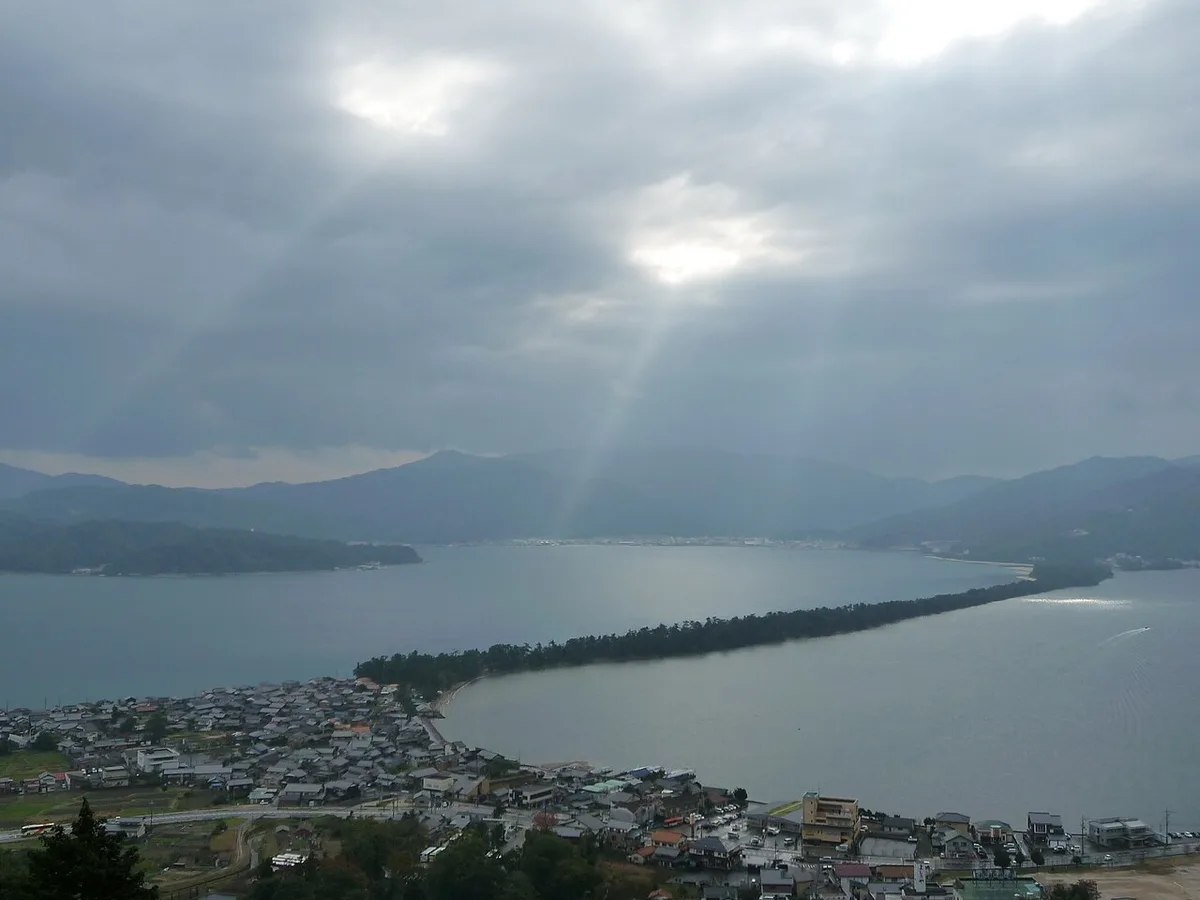
Spring is when Amanohashidate's sandbar is at its most theatrical. Cherry trees line the cycle and walking path along the full 3.6-kilometre length of the sandbar, and when they open in late March or early April the tunnel of pink and white blossom above the pine path makes for one of the more unusual cherry-blossom scenes in the Kinki region. The combination of flowering trees, ancient pines, and the blue water of Miyazu Bay on either side is unlike anything you will find in Kyoto city. Mild temperatures — typically 10–18°C — make this the best season for the sandbar walk and cycle, and the full crossing feels effortless rather than tiring.
The viewpoints at Kasamatsu Park and the Amanohashidate View Land on the opposite shore are particularly striking in spring, with blossom framing the sandbar in the valley below the platforms. That said, this is also the busiest time at the chairlift and ropeway — weekend queues can be long enough that a weekday visit makes a genuine difference to the experience. Nariai-ji temple at the top of the Kasamatsu ridge has its own cherry trees and is worth the extra few minutes beyond the main viewpoint. Accommodation across Miyazu and the surrounding bay books out on peak blossom weekends, so travelling a few days either side of the anticipated peak can be worth it if you want flexibility.
Summer (July to August): Beach Season and Long Days
Summer is the least expected season to visit Amanohashidate, but it offers something no other season does: a working beach. The Amanohashidate Kaisuiyokujo, a designated swimming area beside the sandbar, opens in July and remains active through August, giving visitors the unusual experience of swimming in the Sea of Japan with ancient pine trees rising behind them. The pines are at their lushest — a deep, waxy green against the intense blue of the bay — and the long daylight hours make it practical to combine the sandbar with a trip north to Ine's funaya boat houses, a fishing village whose wooden stilt structures are accessible in under an hour by bus or boat from Amanohashidate.
The trade-off is heat and congestion. July and August are humid in Kyoto Prefecture's coastal areas, and the Obon holiday period in mid-August brings the highest domestic visitor numbers of the year. The viewpoints are at their most crowded during this window. If summer is your only realistic option, an early morning weekday visit minimises both crowds and the midday heat — the pines provide generous shade on the sandbar path itself, but the viewpoint platforms are exposed and can become uncomfortable under a strong afternoon sun.
Autumn (October to November): Foliage, Views, and the Finest Season
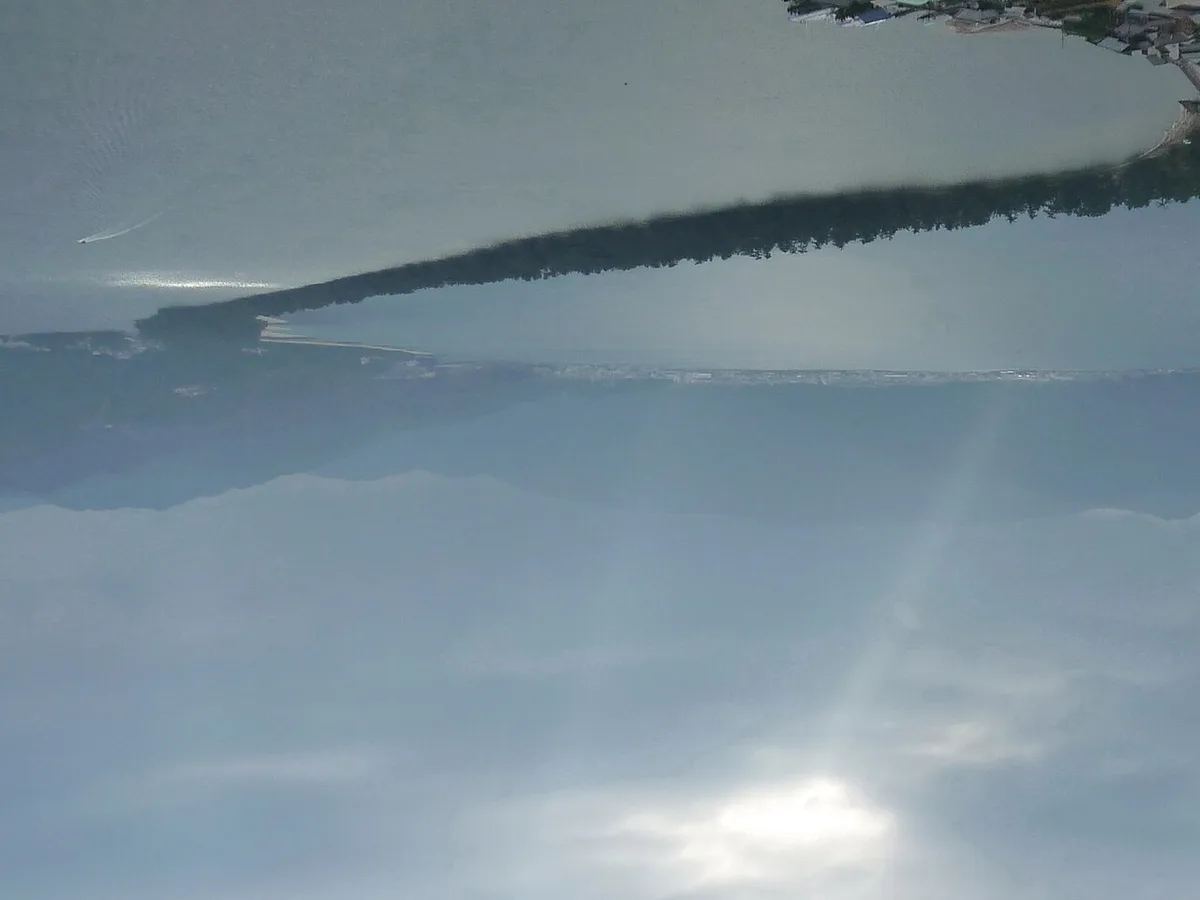
Most visitors who have been to Amanohashidate more than once nominate October and November as the finest time to go. The air is clearer than in any other season — the haze that flattens summer views is entirely gone — and that atmospheric clarity matters greatly for the matanozoki. The famous "upside-down dragon" silhouette of the sandbar, seen by leaning forward and looking backwards between your legs from the Kasamatsu platform, requires a certain depth and sharpness to the sky to read properly; autumn delivers it consistently. The full technique and the precise platform positioning are covered in our matanozoki viewpoints guide.
Autumn foliage at Nariai-ji and across the slopes above the bay adds warm reds and yellows to the scene from mid-October, peaking in early November most years. Temperatures drop into a comfortable 10–16°C range for walking and cycling, the sandbar path is dappled with seasonal colour, and chestnuts and persimmons at roadside stalls around Kasamatsu add a flavour to the visit that other months cannot match. Foliage-peak weekends are busy — not quite cherry-blossom levels, but noticeably more crowded than a standard autumn weekday — so if the viewpoints are central to your trip, aim for a Thursday or Friday for the most relaxed experience.
Winter (December to February): Quiet Pines and Low Prices
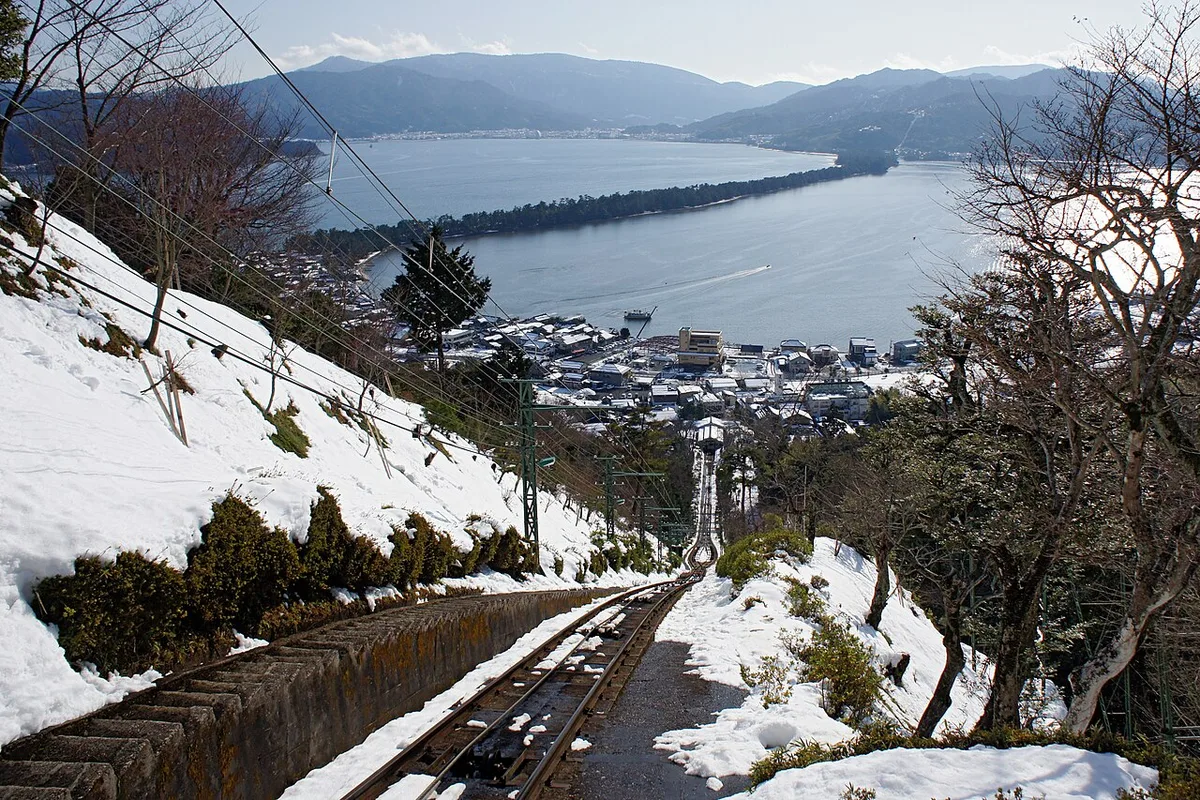
Winter is the least-visited season at Amanohashidate, and for some travellers that scarcity is the attraction. The path along the sandbar is largely deserted, accommodation rates are noticeably lower than in peak season, and the bay often lies completely still on cold grey mornings — a mood entirely different from the bustle of autumn foliage weekends. On the rare days when snow falls — Miyazu is not a heavy-snowfall area, so this is occasional rather than guaranteed — the sight of white-dusted pine branches over the blue-grey bay is spectacular. Winter photographs of the site circulate widely enough that many visitors first discover Amanohashidate through an image taken in these conditions.
The practical caveats are real. Some sightseeing-boat services between the northern and southern shores operate on reduced winter timetables, and the Kasamatsu Park chairlift may run shorter hours on cold or windy days. Chion-ji temple at the south end of the sandbar and Nariai-ji at the northern summit are accessible in any season, but check whether your preferred route options are running before you travel. For getting to the site during winter, our transport and access guide covers seasonal variations in ferry and bus connections from Kyoto and Osaka.
Crowds and the Best Time of Day
Amanohashidate's crowd pattern is predictable enough to plan around. Weekends during cherry blossom season (late March to mid-April) and the Obon holiday (mid-August) are the busiest periods of the year. Autumn foliage weekends in October and November are the next tier down. Outside these windows, weekday mornings — particularly Tuesdays through Thursdays in autumn and spring — are genuinely calm: you can walk the full sandbar, take the chairlift, and spend time at the Kasamatsu platform without the congestion that makes busy weekend visits feel rushed.
Time of day matters for the viewpoints specifically. Morning light is kinder to the sandbar's north–south orientation, and the bay surface is usually stiller before the afternoon breeze picks up. The matanozoki experience is also richer with fewer people on the narrow platform — a busy Saturday afternoon turns what should be a contemplative moment into a queuing exercise. If you are arriving on a weekend in peak season, aim to reach Kasamatsu Park before 9:30 AM. The View Land on the south shore, accessed by a separate ropeway, is less visited than the north-side Kasamatsu platform and can serve as a quieter alternative on days when the northern viewpoint is heavily crowded. For the most efficient day structure, our Amanohashidate day-trip guide from Kyoto maps a practical schedule covering both shores.
Frequently Asked Questions
What is the best month to visit Amanohashidate?
October and November are generally the finest months: autumn foliage colours the slopes above the bay, the air is at its clearest for the matanozoki view, and temperatures are comfortable for the sandbar walk and cycle. Late March to mid-April is the most spectacular for cherry blossom, though also the busiest. If you want beauty without the crowds, aim for mid-October on a weekday morning.
Is Amanohashidate crowded?
It depends on the season and day of the week. Cherry blossom season weekends and the Obon holiday (mid-August) are the busiest periods, with queues for the Kasamatsu chairlift. Autumn foliage weekends are moderately busy. Outside these peak windows, weekday mornings in spring or autumn are genuinely quiet — the sandbar path is largely empty and the viewpoints are accessible without waiting.
Is Amanohashidate worth visiting in winter?
Yes, for the right kind of traveller. Winter offers the smallest crowds, the lowest accommodation rates, and the most peaceful sandbar walk of any season. Some sightseeing-boat and chairlift services run reduced schedules, so check timetables before you go. On rare snowy days, white-dusted pines over the still blue bay make for remarkable photographs — though snowfall is occasional rather than guaranteed in Miyazu.
What is the best time of day for the matanozoki viewpoint?
Morning, before 10:00 AM, is consistently the best time: the light falls at a lower angle across the bay, the water is stiller before the afternoon breeze arrives, and the Kasamatsu platform has fewer visitors. On peak-season weekends, arriving before 9:30 AM makes a significant difference. The matanozoki also requires clear weather — cloud and rain obscure the view entirely, so build some flexibility into your schedule if the forecast is uncertain.
Can you swim at Amanohashidate?
Yes. The Amanohashidate Kaisuiyokujo beach, located beside the sandbar, opens for swimming in July and operates through August. It is the only period when swimming is officially designated and supervised at the site. Outside summer the bay is for looking at rather than swimming in — which is reason enough to visit in July or August if a beach element appeals to your trip.
Every season at Amanohashidate has something distinct to offer, which is what keeps it on Japan's list of three canonical views rather than being a one-time novelty. The consensus among repeat visitors is that autumn delivers the best overall package — clear skies for the matanozoki, comfortable temperatures for the full sandbar crossing, and foliage that turns the hillside temples into something painterly. Spring is the more dramatic choice if cherry blossom is a priority, and summer's beach access gives the sandbar a dimension no other season provides. Winter suits those who want Amanohashidate largely to themselves and are content to work around reduced transport schedules.
Whichever season you choose, a weekday morning visit avoids the worst of the crowds at the viewpoints and on the chairlift. For the full picture of what to see across the site, start with the Amanohashidate attractions overview, then build your day using the itinerary guide.
For general background, see Amanohashidate on Wikipedia.
Free guide: Japan's Hidden Gems
12 under-the-radar places beyond Tokyo & Kyoto — with the best season to visit each and a local tip you won't find in the guidebooks.
You might also like


Continue reading
More guides you'll find useful


