

How to Get to Amanohashidate from Kyoto & Osaka: ~2 Hours (2026)
Kyoto to Amanohashidate in about 2 hours: Limited Express Hashidate, Kyoto Tango Railway, buses, JR Pass coverage and 2026 fare estimates.
On this page
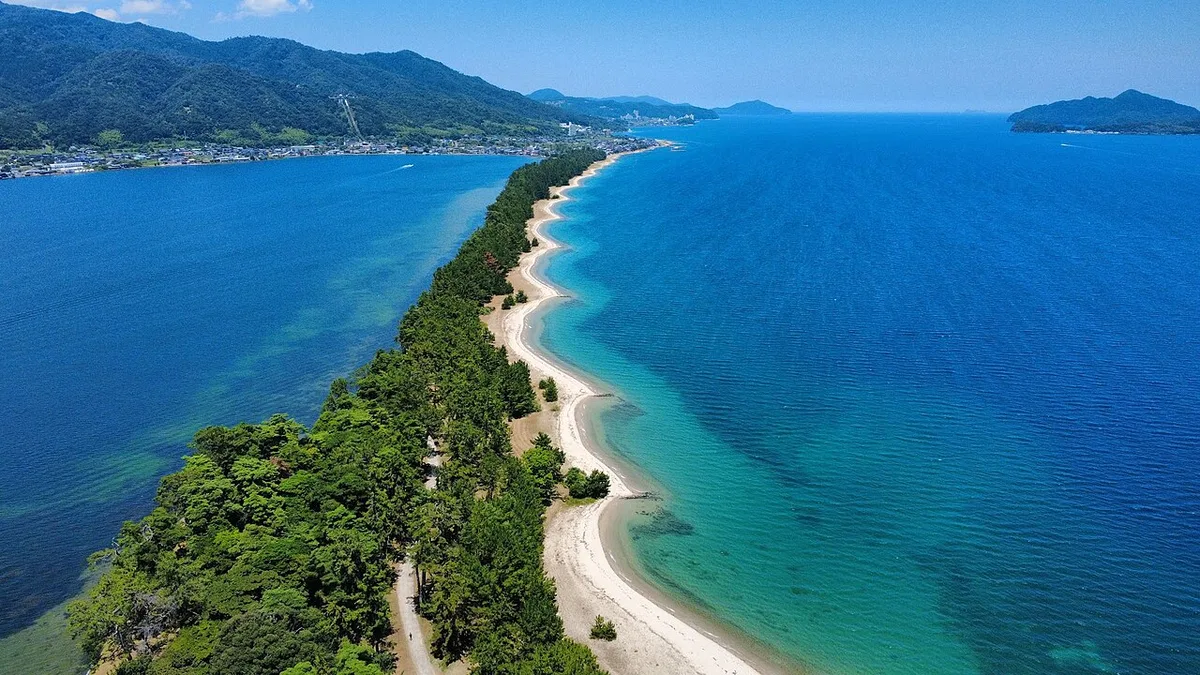
Amanohashidate is one of Japan's Three Views — a 3.6-kilometre pine-covered sandbar curving across Miyazu Bay in northern Kyoto Prefecture. It sits far enough from the Tokaido Shinkansen corridor to feel genuinely off the beaten track, yet remains reachable from Kyoto in roughly two hours by train. The key to getting there comfortably is understanding the handoff point: the JR network carries you as far as Fukuchiyama, and from there the privately-operated Kyoto Tango Railway takes over for a scenic coastal leg the rest of the way.
The most direct option from Kyoto is the Limited Express 'Hashidate' (はしだて), a through service that crosses from the JR network onto the Kyoto Tango Railway without requiring you to change trains yourself. From Osaka the journey involves one transfer at Fukuchiyama, adding roughly 30–60 minutes. Highway buses run direct from both cities and are generally cheaper, though the train offers a more comfortable and scenically rewarding ride.
This guide covers every viable 2026 route to Amanohashidate — journey times, estimated fares, JR Pass coverage, scenic sightseeing train options, and what you will find on arrival. For how to fit the sandbar, viewpoints, and temples into a single day, the full-day itinerary for the sandbar maps a logical circuit once you step off the train.
Seats on the Limited Express 'Hashidate' and the sightseeing trains of the Kyoto Tango Railway fill quickly on weekends and during peak foliage and cherry-blossom season. Book a reserved seat when you purchase your ticket rather than travelling unreserved.
Key Takeaways
- The Limited Express 'Hashidate' runs direct from Kyoto Station to Amanohashidate in roughly two hours (estimated ¥4,000–4,600 in 2026, including limited express surcharge).
- From Osaka, take the 'Kounotori' Limited Express to Fukuchiyama and transfer to the Kyoto Tango Railway — around 2 hours 30 minutes to 3 hours total (estimated ¥5,000–5,500).
- The Japan Rail Pass covers the JR sections to Fukuchiyama but does NOT cover the Kyoto Tango Railway, which is a separate private line — budget for that portion separately.
- Highway buses run direct from both Kyoto and Osaka in roughly 2–2.5 hours and are typically cheaper than the train.
- Amanohashidate Station sits at the southern tip of the sandbar, beside Chion-ji Temple and the View Land chairlift; the north end's Kasamatsu Park is reached by walking or cycling the sandbar or by sightseeing boat.
Getting to Amanohashidate from Kyoto
The fastest and most convenient option from Kyoto is the Limited Express 'Hashidate' (はしだて), operated as a through service across two networks: it begins on the JR San'in/Sagano Line, heading north from Kyoto Station via Sonobe and Ayabe to Fukuchiyama, then transitions onto the Kyoto Tango Railway's Miyazu Line for the coastal leg to Amanohashidate Station. The whole journey takes roughly two hours without any change of train. Estimated fares in 2026, including the limited express surcharge and reserved seat, run from around ¥4,000 to ¥4,600 — confirm current pricing at the ticket counter or on the JR West website before travelling.
Only a handful of 'Hashidate' services depart each day. On weekends and during cherry-blossom season (late March to early April) and autumn foliage peak (mid-October to mid-November), unreserved carriages fill quickly; Kyoto Tango Railway cars generally operate reserved-only. A reserved seat is strongly recommended whenever you travel.
If you are combining Amanohashidate with other northern Kyoto Prefecture destinations, the day trips from Kyoto guide maps compatible routes, and the dedicated Kyoto day-trip page covers how early to leave to reach the viewpoints before the midday crowds.
Getting to Amanohashidate from Osaka
From Osaka, the recommended route begins with the Limited Express 'Kounotori' (こうのとり), which departs from both Osaka Station and Shin-Osaka Station and runs north on the JR Fukuchiyama Line to Fukuchiyama. At Fukuchiyama, transfer to the Kyoto Tango Railway's 'Tango Relay' or limited express service for the final leg to Amanohashidate. Total journey time is approximately 2 hours 30 minutes to 3 hours depending on connection timing. Estimated combined fares for 2026 run from around ¥5,000 to ¥5,500, covering both limited express surcharges; confirm at the ticket counter as prices are subject to change.
The transfer at Fukuchiyama is generally straightforward — connection times usually run 10–20 minutes — but services on the Kyoto Tango Railway are infrequent, so a missed connection can mean a significant wait. Check the Kyoto Tango Railway timetable before you travel. Visitors building Amanohashidate into an Osaka itinerary should consult the Osaka attractions guide to decide whether to visit on an early or late day of their stay.
Scenic Sightseeing Trains and Highway Bus Options
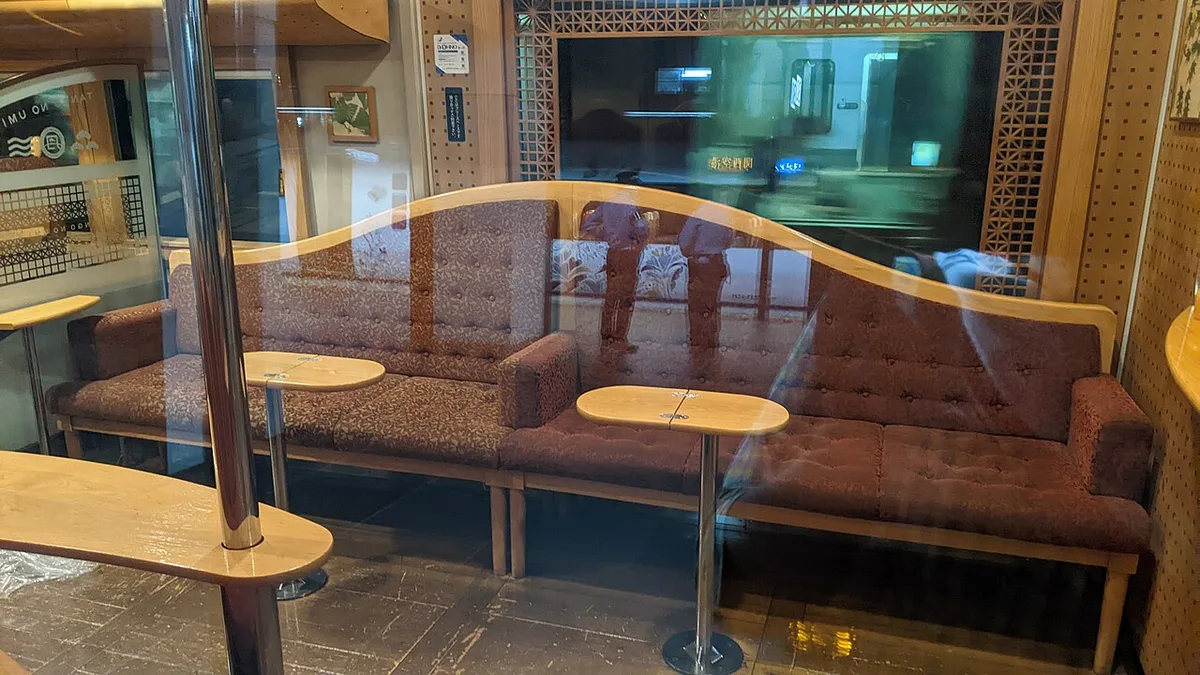
The Kyoto Tango Railway operates several special sightseeing services on the Miyazu Line that allow you to arrive in considerably more style. The 'Tango no Umi' (Sea of Tango) and 'Aomatsu' trains feature open-plan carriages with wide windows oriented towards the bay — a pleasant way to watch the coastline unfold on the approach to Amanohashidate. The 'Tango Akamatsu' runs on selected dates with a traditional wooden interior. The flagship experience is the 'Kuro-matsu' (Black Pine), a reservation-only dining train offering a local-produce multi-course meal served over the full Miyazu Line run; weekend seats sell out weeks in advance during peak season, so book as early as possible if this appeals.
For travellers prioritising cost over comfort, direct express highway buses run from Kyoto Station (Hachijo Exit) and from near Osaka Station to a stop close to Amanohashidate Station in roughly 2–2.5 hours. Bus fares are typically lower than equivalent train tickets, making them a sensible choice if you do not hold a JR Pass and want to minimise transport spending. Timetables and booking are handled through the individual bus operators' websites — check for 2026 seasonal schedules before your trip.
JR Pass Coverage and a Routes Summary
The Japan Rail Pass covers the JR-operated portions of the journey — from Kyoto or Osaka to Fukuchiyama — at no extra cost beyond the pass price. From Fukuchiyama onwards, however, the Kyoto Tango Railway is a separate private operator and is NOT covered by any version of the JR Pass. Pass holders must purchase the Kyoto Tango Railway leg at the ticket counter; when buying a through Limited Express ticket for the 'Hashidate', the total price bundles both the JR and private-line fares, so present your JR Pass and pay only the Kyoto Tango Railway component and the limited express surcharge.
The table below summarises the main 2026 route options. All fares are planning estimates — confirm current pricing when booking.
| From | Route | Journey Time | Est. Fare (2026) |
|---|---|---|---|
| Kyoto | Limited Express Hashidate (direct, no change) | ~2 hours | ~¥4,000–4,600 |
| Osaka | Limited Express Kounotori → transfer at Fukuchiyama → Kyoto Tango Railway | ~2h 30min – 3h | ~¥5,000–5,500 |
| Kyoto | Direct highway bus | ~2–2.5 hours | Typically cheaper than train — check operator |
| Osaka | Direct highway bus | ~2–2.5 hours | Typically cheaper than train — check operator |
Arriving at Amanohashidate Station: What's on Your Doorstep
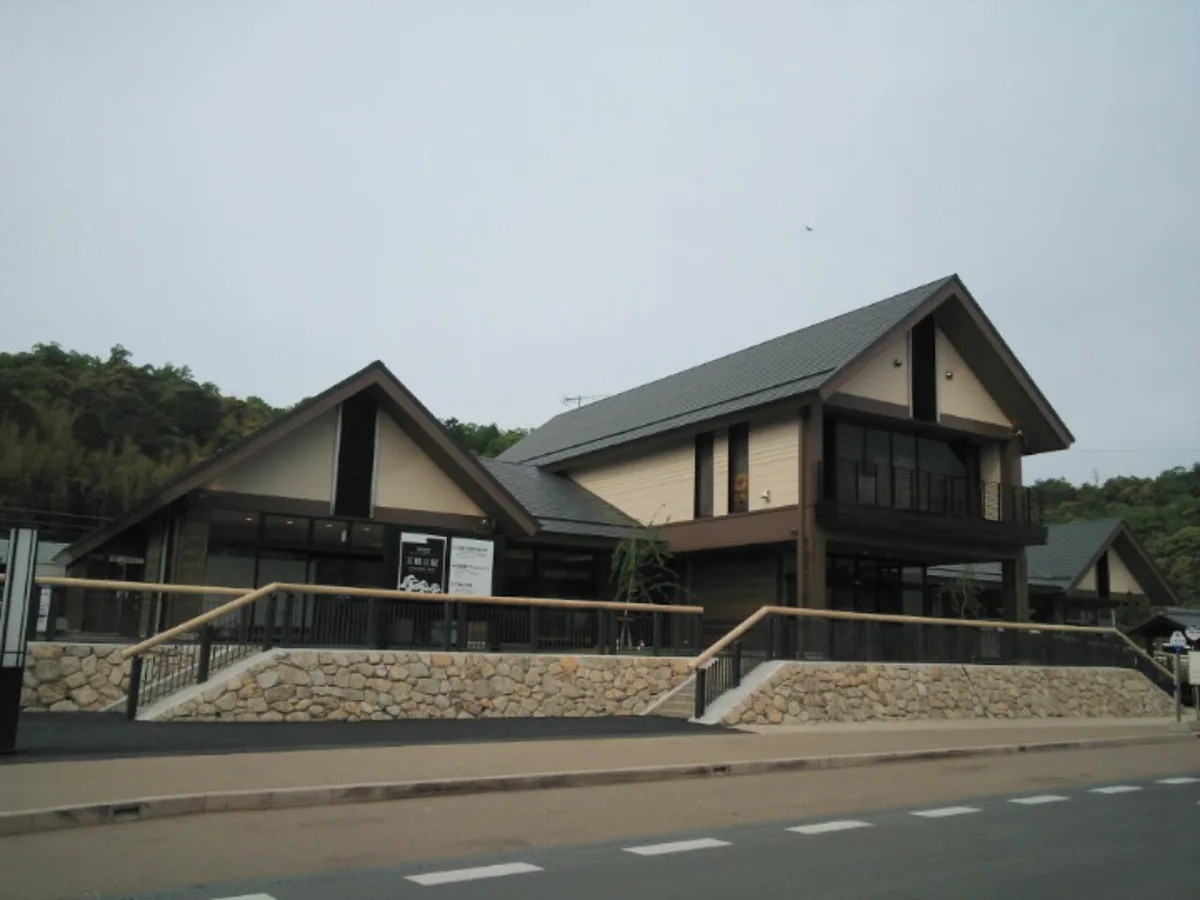
Amanohashidate Station sits at the southern tip of the sandbar. The station building faces the pine-lined entrance to the spit, with Chion-ji Temple directly across the plaza — its three-storey pagoda and small-boat harbour make for an immediate introduction to the area's atmosphere. The View Land Amanohashidate chairlift, which carries visitors up to the Monjudo viewpoint on the south ridge for the famous 'matanozoki' upside-down view, is a short walk from the station exit; the guide to the hilltop lookouts above the bay covers what to expect from both elevated vantage points.
The northern end of the bay — Kasamatsu Park and Nariai-ji Temple on the ridge above — is accessed by crossing the sandbar on foot (just over an hour) or by hire bicycle (around 40 minutes). Sightseeing boats also connect the two ends. The sandbar walk and cycle guide covers hire spots, what you will see along the pines, and how to manage the circuit without backtracking. Buses to Ine and the funaya boathouse village on the bay depart from near the station; the Ine boathouse village day trip details the schedule and what to see there. For a full rundown of sights across both ends of Amanohashidate, the what to see in Amanohashidate guide is the best starting point for trip planning.
Frequently Asked Questions
Is the Kyoto Tango Railway covered by the Japan Rail Pass?
No. The Kyoto Tango Railway is a private rail operator and is not covered by any version of the Japan Rail Pass. The JR Pass covers the JR portions of the journey — from Kyoto or Osaka to Fukuchiyama — but Pass holders must purchase the Kyoto Tango Railway leg (from Fukuchiyama to Amanohashidate) separately at the ticket counter, including the limited express surcharge for that portion.
How long does it take to get to Amanohashidate from Kyoto?
The Limited Express 'Hashidate' takes roughly two hours from Kyoto Station to Amanohashidate Station as a through service with no change of train. Highway buses cover the same route in approximately 2–2.5 hours depending on traffic. Only a few 'Hashidate' services run each day, so check the timetable in advance and book a reserved seat.
How do I get to Amanohashidate from Osaka?
Take the Limited Express 'Kounotori' from Osaka Station or Shin-Osaka Station north to Fukuchiyama, then transfer to the Kyoto Tango Railway for the remaining leg to Amanohashidate. Total journey time is approximately 2 hours 30 minutes to 3 hours. Direct highway buses from near Osaka Station are also available and typically run in around 2–2.5 hours at a lower fare.
Do I need to reserve a seat on the Limited Express Hashidate?
Yes, a reservation is strongly recommended. Unreserved carriages exist on some services but can fill quickly on weekends and during peak seasons (cherry blossom in late March to early April, autumn foliage from mid-October). Kyoto Tango Railway carriages on the through service operate on a reserved basis only. Purchase a reserved seat at the same time as your journey ticket to avoid the risk of standing.
What is the cheapest way to get to Amanohashidate from Kyoto?
Highway buses are generally the cheapest option, departing from Kyoto Station's Hachijo Exit and arriving near Amanohashidate Station in roughly 2–2.5 hours. Fares are typically lower than equivalent train tickets. If you hold a Japan Rail Pass, using it on the JR leg to Fukuchiyama and paying only the Kyoto Tango Railway fare significantly reduces the out-of-pocket cost compared to buying a full through ticket.
Getting to Amanohashidate requires slightly more planning than a Nara day trip, but the combination of a limited express and a private coastal railway makes the journey a worthwhile part of the experience. Leave Kyoto by 9 AM on a weekday with reserved seats booked and you will reach the sandbar before 11 AM with the full afternoon ahead of you. The seasonal timing and conditions guide covers which months offer the clearest skies for the matanozoki view and the most pleasant conditions for the sandbar walk. For broader context on fitting Amanohashidate into a Kansai trip, the Kyoto attractions guide maps how the destination sits alongside central Kyoto sights.
For live timetables and sightseeing train reservations on the Kyoto Tango Railway, the operator publishes current schedules at trains.willer.co.jp. JR West timetables and fare calculations are available at westjr.co.jp.
Free guide: Japan's Hidden Gems
12 under-the-radar places beyond Tokyo & Kyoto — with the best season to visit each and a local tip you won't find in the guidebooks.
You might also like


Continue reading
More guides you'll find useful


