

How to Get to Kinosaki Onsen from Kyoto and Osaka (2026)
How to get to Kinosaki Onsen from Kyoto and Osaka in 2026 — direct Limited Express train times, estimated fares, Japan Rail Pass tips, and what to expect when you arrive at the station.
On this page
Kinosaki Onsen sits at the northern edge of Hyogo Prefecture on the Sea of Japan coast — far enough from the Kansai cities to feel genuinely remote, yet close enough to reach on a single direct Limited Express without any seat changes. The journey from Kyoto takes under two and a half hours, making this one of the most accessible classic onsen towns in Japan for visitors based in the region. Planning the rest of your time there? Our guide to the best things to do in Kinosaki Onsen covers the sotoyu circuit, the ropeway, and the seasonal highlights worth building a trip around.
This 2026 guide covers every realistic approach — from Kyoto, from Osaka and Kobe, and from Tokyo — with journey times, fare estimates, Japan Rail Pass coverage, and practical seat-reservation advice. We also explain what to expect at the Kinosaki Onsen Station, which sits right at the entrance to the town and is the gateway to the seven public bathhouses.
If you are coming via Kyoto, our day trips from Kyoto guide puts this journey in context alongside other northern Kansai routes.
Both Limited Express services require a seat reservation on top of the base fare. Japan Rail Pass holders ride for free but must still reserve a seat — do this at a JR green window (midori no madoguchi) or via the JR app before travel, especially at weekends when carriages fill quickly.
Key Takeaways
- The JR Limited Express "Kinosaki" departs Kyoto Station and reaches Kinosaki Onsen in around 2 hours 20 minutes to 2 hours 40 minutes; reserved seats are estimated at ~¥4,500–5,000 in 2026.
- From Osaka and Shin-Osaka, the JR Limited Express "Kounotori" covers the journey in roughly 2 hours 40 minutes for approximately the same fare; both services are fully covered by the Japan Rail Pass.
- Reserve a seat before you travel — at a JR green window, via the JR app, or at a staffed ticket counter — as weekend and peak-season departures sell out quickly.
- Kinosaki Onsen Station sits at the east end of the town; all seven public bathhouses and most ryokan are within a flat 5–15 minute walk from the exit.
- Many ryokan offer a complimentary pick-up from the station — call ahead the day before your arrival to arrange it and avoid carrying heavy bags along the main street.
Getting to Kinosaki Onsen from Kyoto
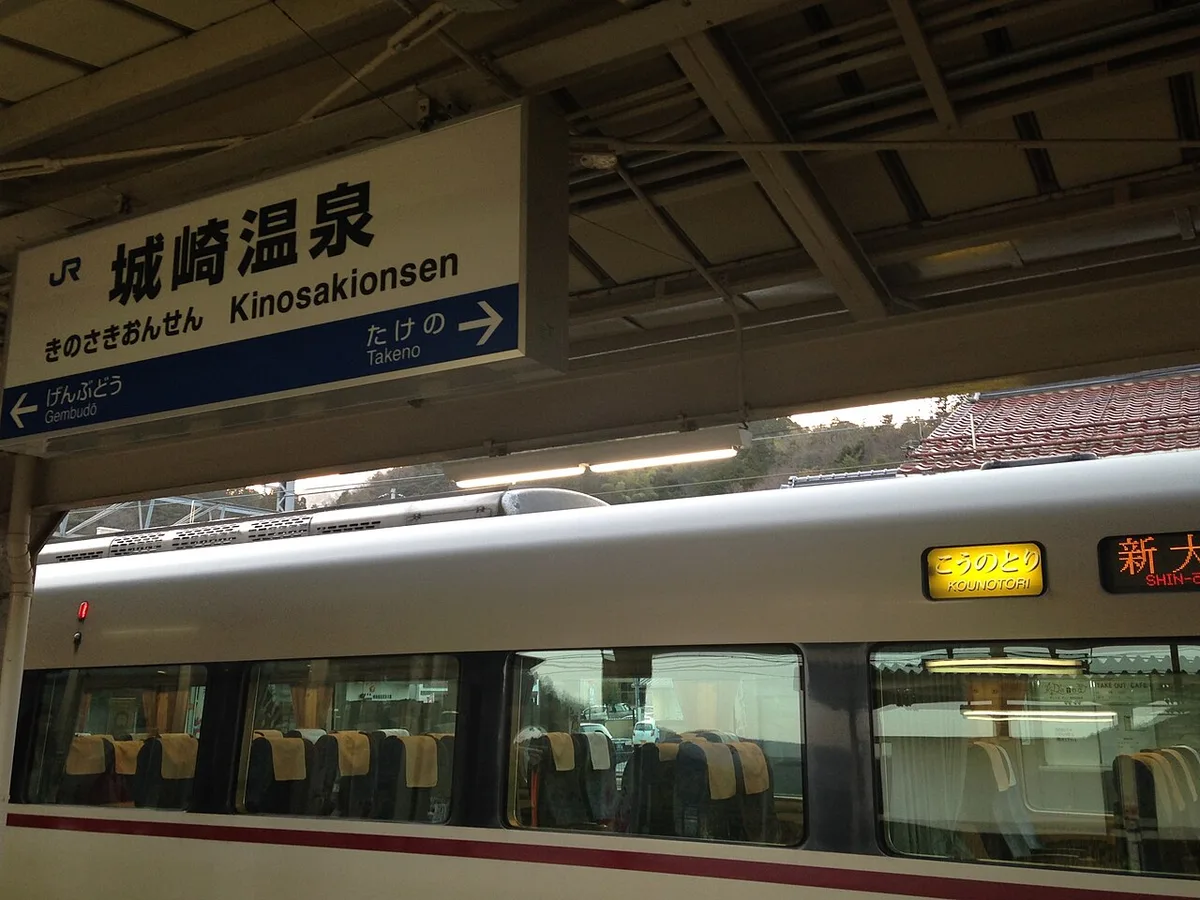
The standard route from Kyoto is the JR Limited Express "Kinosaki" (きのさき), which departs from Kyoto Station along the San'in Main Line. Most services run direct to Kinosaki Onsen Station without any change; a small number involve a quick same-platform connection at Fukuchiyama, which is clearly signposted and takes only a few minutes. Journey times range from around 2 hours 20 minutes to 2 hours 40 minutes, with reserved ordinary-class seats estimated at roughly ¥4,500–5,000 in 2026.
Several departures run each morning, and visitors aiming for a full day in town should target a departure no later than 9 AM. Travelling from the heart of Kyoto? Factor in an extra 15–30 minutes to reach Kyoto Station before boarding. The route table below gives 2026 planning estimates across all three main origins — confirm current fares on the JR West website or at any ticket counter before travel.
| From | Train | Journey time | Est. fare (2026, reserved) |
|---|---|---|---|
| Kyoto Station | JR Ltd Exp "Kinosaki" (きのさき) | ~2 hr 20 min – 2 hr 40 min | ~¥4,500–5,000 |
| Osaka / Shin-Osaka Station | JR Ltd Exp "Kounotori" (こうのとり) | ~2 hr 40 min | ~¥5,000 |
| Tokyo Station | Shinkansen → Kyoto → "Kinosaki" | ~5–6 hr total | ~¥15,000+ (varies by shinkansen class) |
All fares are 2026 planning estimates for reserved-seat ordinary class. Green Car (first class) seats are available on both Limited Express services at an additional premium; prices can change without notice.
Getting to Kinosaki Onsen from Osaka and Kobe
Visitors based in Osaka or Kobe board the JR Limited Express "Kounotori" (こうのとり). The name means "oriental stork" — a reference to the white stork that features in local legend along the Tajima coast. The service departs from Osaka Station and Shin-Osaka Station, with some trains also calling at Amagasaki, making them convenient for travellers in the western Osaka suburbs or Kobe direction. Journey time is around 2 hours 40 minutes, with fares estimated at roughly ¥5,000 for a reserved ordinary seat in 2026.
The route passes through Fukuchiyama, where it joins the same San'in Main Line section as the "Kinosaki" from Kyoto — there is no need to change trains from either Osaka or Shin-Osaka. Check the departure boards at Osaka Station for the correct platform, as several Limited Express services share the same track group.
Note that return services to Kyoto and Osaka thin out after early evening. Check the last departure back before you board in the morning, particularly if you are planning a day trip to Kinosaki Onsen. An overnight stay at a ryokan — which typically includes dinner, breakfast, and a yukata for the sotoyu circuit — remains the most rewarding way to experience the town, and our where to stay in Kinosaki Onsen guide covers options across different price points.
Coming from Tokyo: Shinkansen + Limited Express
Kinosaki Onsen is not on the shinkansen network, so visitors from Tokyo combine two legs: the bullet train to Kyoto or Shin-Osaka, followed by the relevant Limited Express. End-to-end journey time is roughly 5 to 6 hours, and total fares for reserved ordinary-class shinkansen plus Limited Express are typically ¥15,000 or above in 2026, depending on the shinkansen car class and timing. The Japan Rail Pass covers the full journey — shinkansen (excluding Nozomi and Mizuho services) plus both Limited Express trains — making it a compelling value proposition for anyone already holding a multi-day pass.
Reserve both legs at the same JR green window in one visit to secure a smooth connection. Visitors arriving at Shin-Osaka can either board the "Kounotori" there directly or travel one stop to Osaka Station on the JR Kyoto Line and board from the city-centre platform instead.
JR Pass, Regional Passes, and How to Buy Tickets
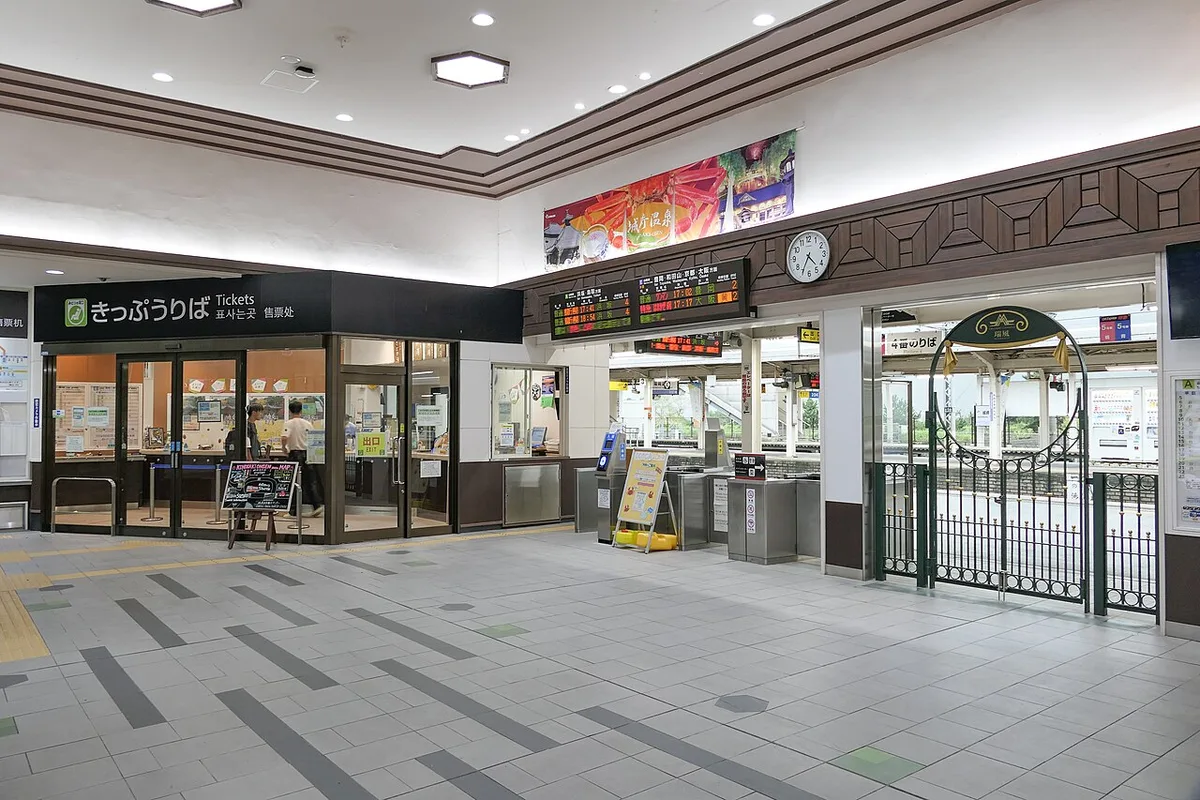
Both the "Kinosaki" and "Kounotori" are fully covered by the nationwide Japan Rail Pass and by certain regional passes, including the JR West San'in-Okayama Area Pass. JR Pass holders travel for free but must still reserve a seat — walk up to any JR green window with your pass and request a seat on the specific departure you want. Reservation is free with the pass; alternatively, reserve via the JR app or at ticket machines labelled for reserved seats.
Without a JR Pass, you need a base fare ticket plus a Limited Express ticket. The simplest approach is to purchase the through ticket from your departure station to Kinosaki Onsen Station in one transaction at a JR ticket counter or machine. ICOCA and Suica IC cards work on local JR legs but cannot substitute for a Limited Express ticket, so there is no benefit to splitting the purchase. Our Kinosaki Onsen itinerary guide shows how to fit the train timings around a realistic one- or two-night schedule.
On Arrival at Kinosaki Onsen Station
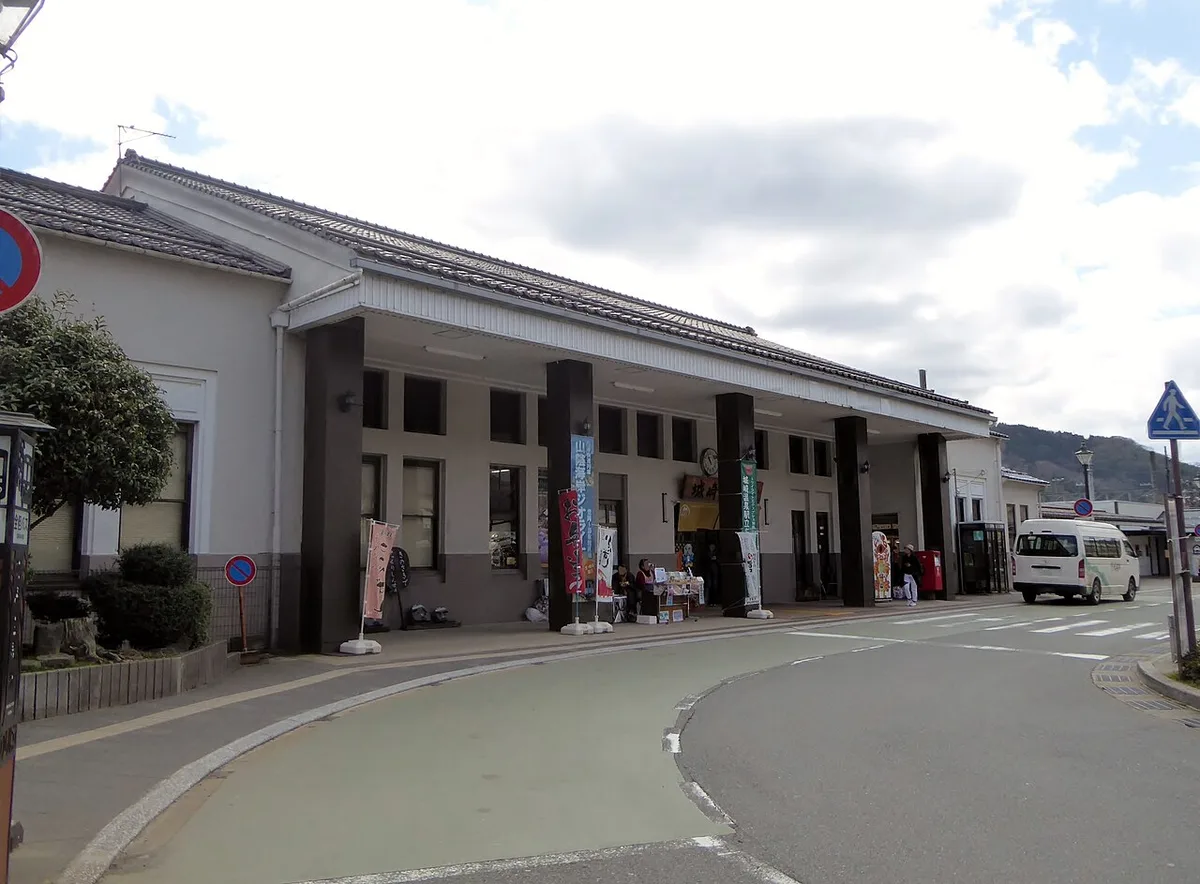
the Kinosaki Onsen Station sits at the east end of the town, which means the entire main street fans out directly from the exit. The willow-lined Otani River canal, the stone lanterns, and the entrances to all seven sotoyu public bathhouses are within a flat 5 to 15 minute walk. The Satono-yu bathhouse is located right beside the station — a convenient first stop if you arrive in the evening and want to wash off the journey before ryokan check-in. Our guide to the seven sotoyu bathhouses covers which baths suit different preferences and the most logical order to visit them.
The station has coin lockers and a left-luggage service — useful for day-trippers who prefer to walk unencumbered. A tourist information centre is also at the station and can supply English-language maps of the sotoyu circuit. If your ryokan offers a complimentary pick-up, the standard meeting point is the station forecourt; call ahead the previous day to confirm the arrangement rather than assuming it runs on arrival.
Frequently Asked Questions
How long does it take to get to Kinosaki Onsen from Kyoto?
The JR Limited Express "Kinosaki" runs direct from Kyoto Station to Kinosaki Onsen Station in approximately 2 hours 20 minutes to 2 hours 40 minutes, depending on the departure. Most services are direct; a small number require a brief same-platform connection at Fukuchiyama. Reserved ordinary-class seats are estimated at around ¥4,500–5,000 for 2026.
Is Kinosaki Onsen covered by the Japan Rail Pass?
Yes. Both the JR Limited Express "Kinosaki" (from Kyoto) and "Kounotori" (from Osaka and Shin-Osaka) are fully covered by the nationwide Japan Rail Pass and some regional passes such as the JR West San'in-Okayama Area Pass. JR Pass holders still need to reserve a seat at no extra charge — do this at any JR green window (midori no madoguchi) or via the JR app.
What is the train from Osaka to Kinosaki Onsen called?
The JR Limited Express "Kounotori" (こうのとり) runs from Osaka Station and Shin-Osaka Station direct to Kinosaki Onsen in approximately 2 hours 40 minutes. "Kounotori" means oriental stork, a bird tied to local legend along the Tajima coast. Fares are estimated at around ¥5,000 reserved for 2026 — confirm at any JR ticket counter before travel.
Can I do a day trip to Kinosaki Onsen from Kyoto?
A day trip is possible but leaves roughly 5–6 hours in town once travel time is accounted for, and return Limited Expresses thin out after early evening. Check the last service back before you depart in the morning. An overnight stay at a ryokan — including dinner, breakfast, and a yukata for the sotoyu circuit — is the far more rewarding option for visitors who have travelled this far from the Kansai cities.
What is at Kinosaki Onsen Station when you arrive?
The station opens directly onto the main sotoyu street. All seven public bathhouses are within a flat 5–15 minute walk; the Satono-yu bathhouse is immediately beside the station exit. Coin lockers, a left-luggage counter, and a tourist information centre are all at the station. Many ryokan offer a complimentary pick-up from the station forecourt — arrange it in advance rather than on arrival.
Kinosaki Onsen is one of the most rewarding destinations reachable from Kyoto or Osaka on a single Limited Express, and the journey itself — through mountain valleys and river gorges along the San'in coast — is already part of the experience. The "Kinosaki" and "Kounotori" services are well-timed, direct, and fully covered by the Japan Rail Pass; the main practical step is remembering to reserve a seat before the carriages fill at weekends. Step off the train and you are already on the bathhouse street, with the willow-lined canal and stone lanterns ahead.
Once you arrive, the Kinosaki Onsen itinerary guide maps an evening-and-morning circuit of the seven baths, and our the best time to visit Kinosaki Onsen guide covers the seasonal highlights — winter crab season from November, cherry blossom along the river in April, and autumn colours in October. For full access notes and visitor-flow details, see the Kinosaki Onsen Station attraction page.
For trip-planning details, see Kinosaki Onsen on Wikipedia.
Free guide: Japan's Hidden Gems
12 under-the-radar places beyond Tokyo & Kyoto — with the best season to visit each and a local tip you won't find in the guidebooks.
You might also like


Continue reading
More guides you'll find useful


