Kinosaki Onsen Day Trip vs Overnight from Kyoto (2026)
Kinosaki Onsen day trip from Kyoto: is it feasible or is overnight the smarter call? Compare travel time, what fits in a day, the evening vibe only ryokan guests see, and how to fold Kinosaki into a San'in coast loop.
On this page
Kinosaki Onsen sits about two hours and twenty minutes north of Kyoto by direct Limited Express — far enough to feel like a genuine escape, close enough to return the same day without a painfully early start. The seven public bathhouses, the willow-lined canal, and a wooden ropeway up to Onsendera mountain are all reachable in a single visit, and on paper the day-trip logistics stack up. The honest answer, though, is that Kinosaki is one of the places in Japan where the timetable misses the point.
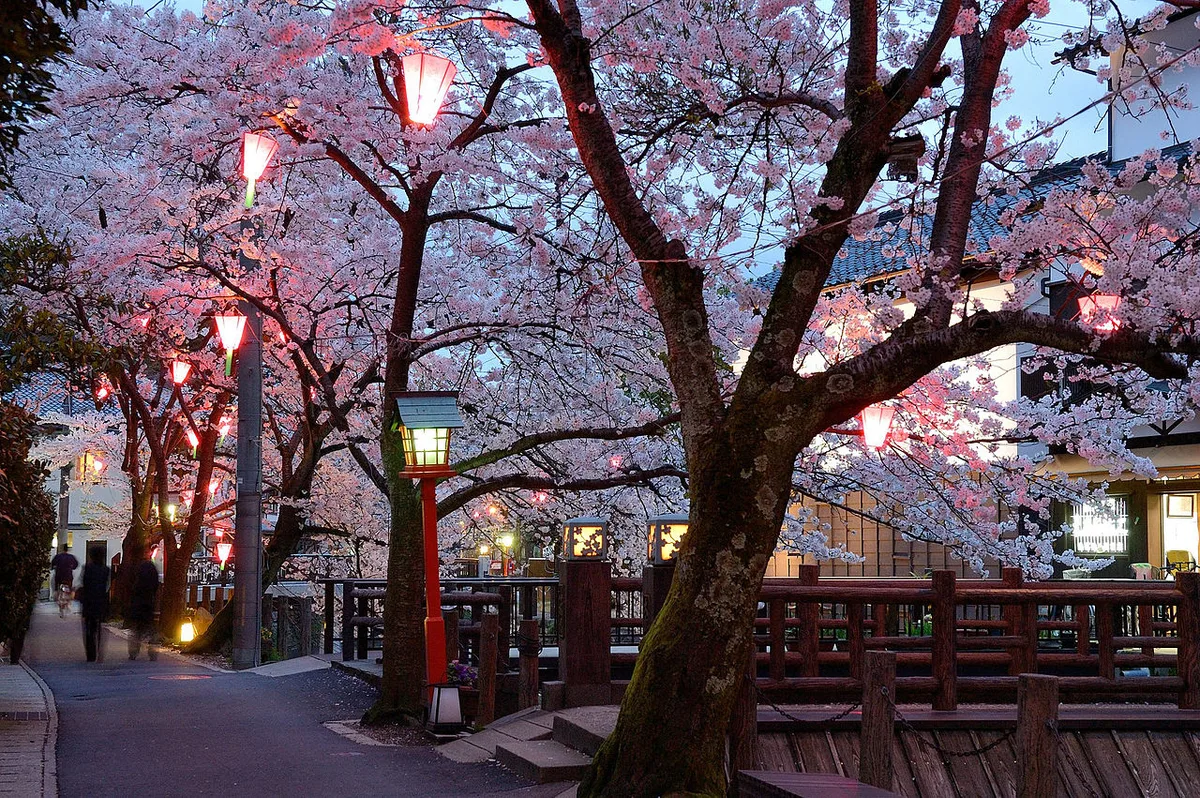
The town is built around the evening. When day visitors board the last Limited Express back to Kyoto, the willows light up, the stone-flagged paths fill with ryokan guests in yukata and geta sandals, and the bathhouses hit their warmest, most atmospheric peak. A kaiseki dinner at the inn and a sunrise soak before breakfast complete a rhythm the architecture of the place has been tuned to over centuries. You can day-trip Kinosaki. You probably will not feel you have seen it.
This guide gives you the honest comparison — what fits into a day, what only overnight guests experience, how the costs stack up, and how to fold Kinosaki into a wider Sea-of-Japan loop if you are planning a multi-day route from Kyoto or Osaka.
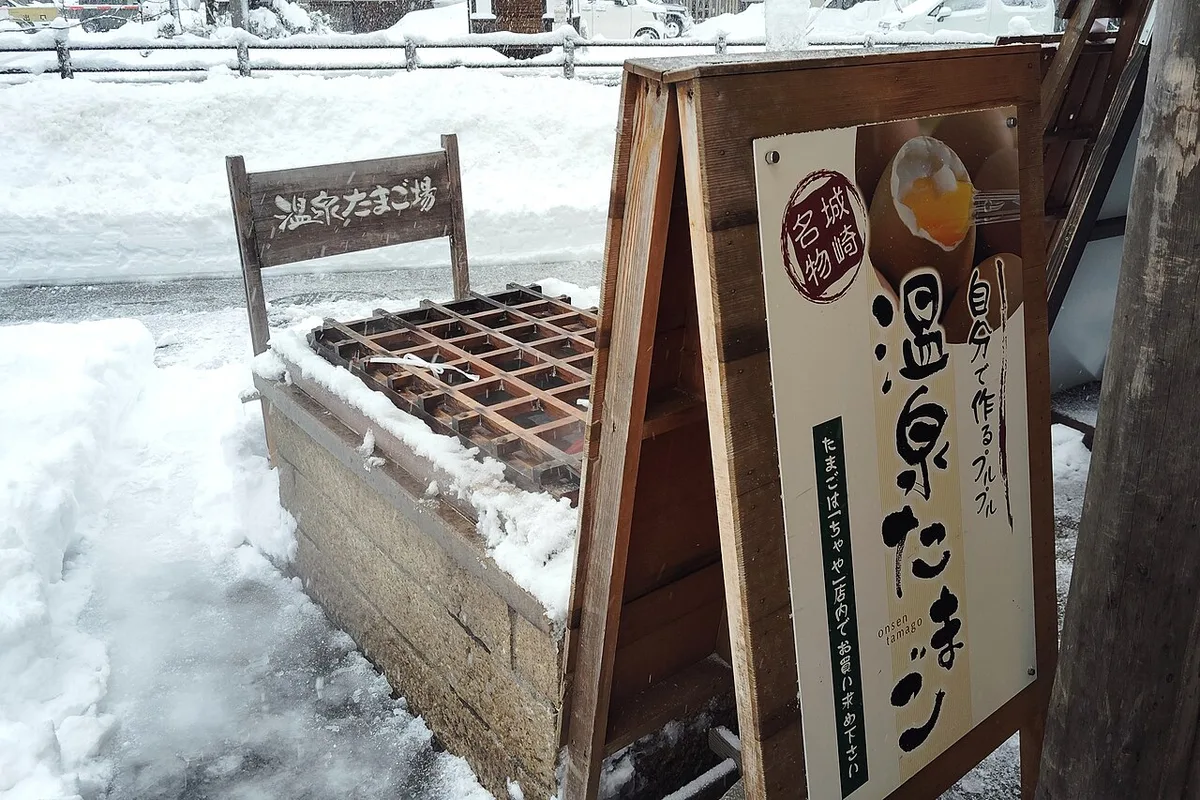
Day visitors can buy a one-day Yumepa bath pass on arrival and use all seven sotoyu during opening hours. Ryokan guests typically receive the pass complimentary, bundled into the room rate — so the bath entry cost disappears into the accommodation price rather than appearing as a separate charge on top.
Key Takeaways
- Kinosaki Onsen is roughly 2h20 from Kyoto Station by direct Limited Express — a day trip is feasible, with return trains running into the early evening so there is no urgent last-train pressure during daylight hours.
- The seven sotoyu each have a distinct character — from the cave bath at Kono-yu to the rooftop pools at Goshono-yu — and a day visitor can realistically reach four or five at an unhurried pace.
- The defining Kinosaki experience is the evening: lit willows, yukata-clad guests clacking between bathhouses in geta, and a multi-course kaiseki dinner. Day visitors miss all of it.
- Ryokan rates typically include the Yumepa pass and both dinner and breakfast — once meals and bath entry are subtracted from a day-trip budget, the cost gap between options narrows considerably.
- Kinosaki pairs naturally with Amanohashidate or the Genbudo basalt caves as part of a two-to-three-day San'in coast loop from Kyoto.
Can You Day-Trip Kinosaki Onsen from Kyoto?
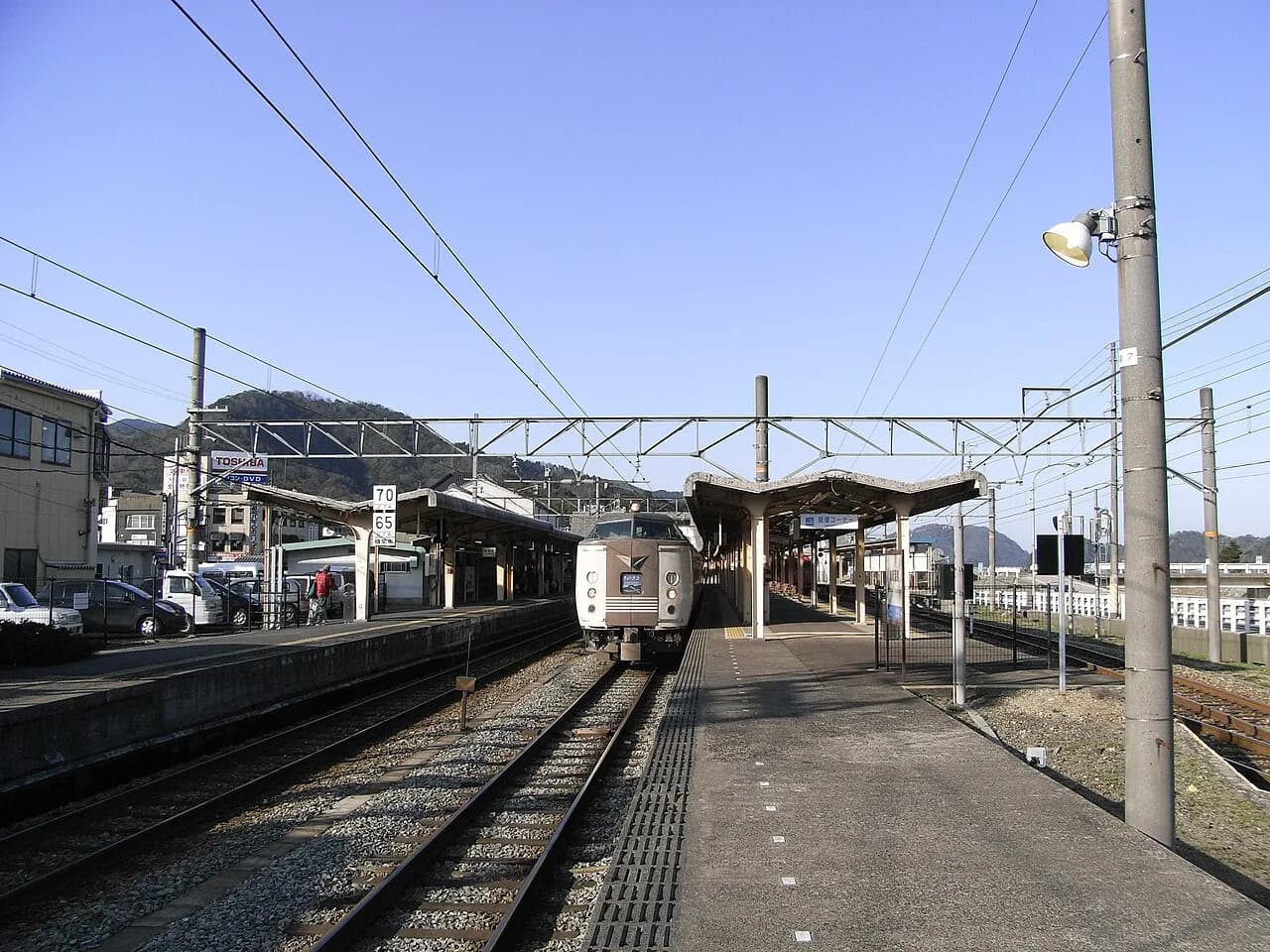
Yes — and it is more comfortable than the travel time suggests. The direct Kounotori or Kinosaki Marine Express Limited Express from Kyoto Station reaches Kinosaki Onsen in approximately two hours and twenty minutes (2026 planning estimate; confirm timetables on the JR West website before travelling). Reserved seats are available and strongly recommended on weekends and during the peak winter crab season. Note that IC cards do not cover the full route — buy a through-ticket at the station or use a JR Kansai Wide Pass if you hold one. The full logistics, including current fare estimates and options from Osaka, are in our complete Kinosaki transport breakdown.
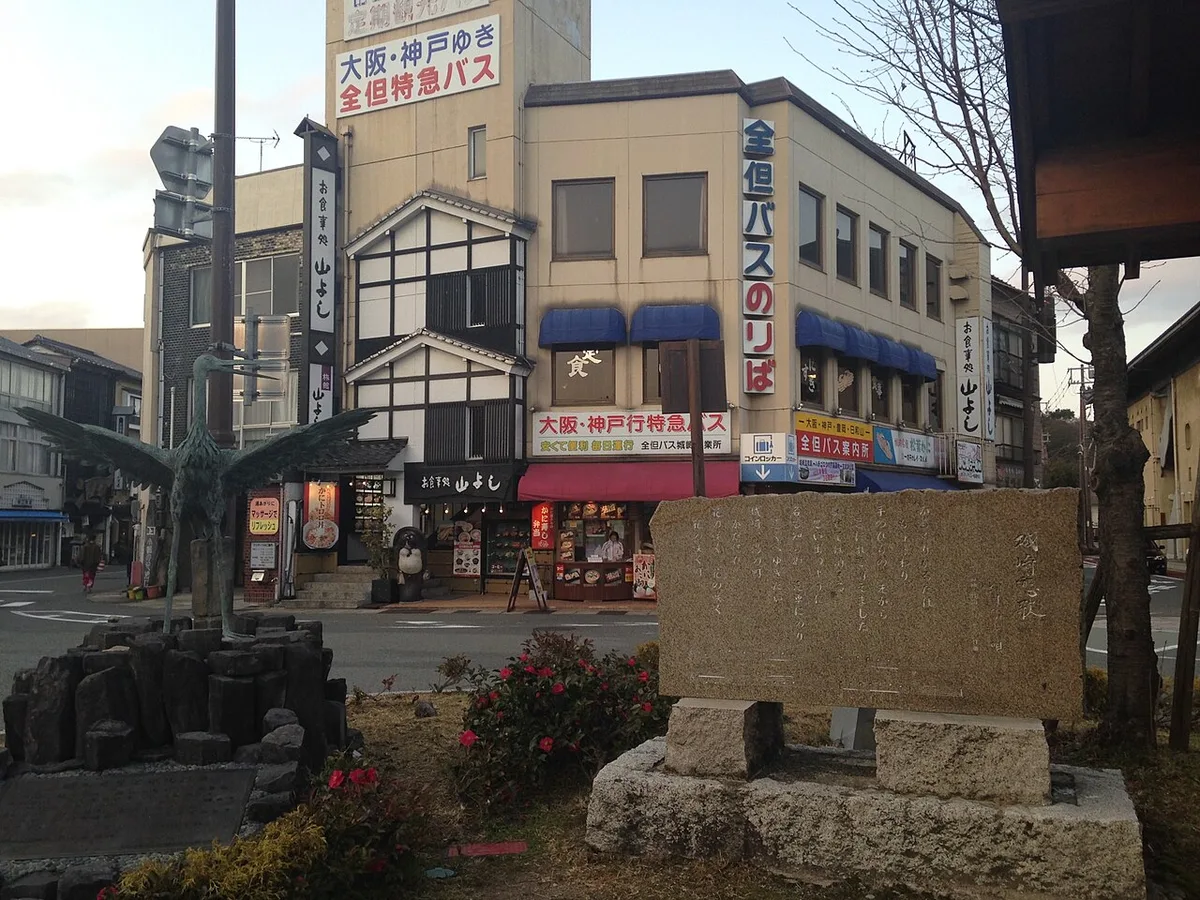
Arriving around 10 AM gives you a usable six or seven hours before the comfortable return departures in the early evening. A one-day Yumepa pass lets you enter as many of the seven public bathhouses as time permits — four or five is realistic at a relaxed pace. The ropeway up to Onsendera temple takes around twenty minutes return and rewards with views across the rooftops toward the mouth of the Maruyama River. Lunch at one of the crab restaurants on the main street is a well-established day-trip ritual: Tajima crab — marketed as Matsuba crab in winter — is the area's signature dish, and most restaurants offer single-set portions at lunch rather than the elaborate multi-course formats reserved for evening kaiseki.
The willow canal and the main shopping street are compact enough to walk end-to-end in under thirty minutes; the appeal is in lingering, not covering ground. For a structured route, our day-by-day Kinosaki plan maps the most logical circuit for both eight-hour day visitors and those staying two nights.
Why an Overnight Stay Changes Everything
Kinosaki is an onsen town first — not a sightseeing town that happens to have hot springs. The street architecture, the inn layout, the restaurant menus, and the daily rhythm all presuppose guests who stay at least one night. Most of what makes the place memorable happens after the last day-tripper leaves.
Ryokan guests receive a yukata and geta sandals with their room. The Yumepa bath pass is typically included. Dinner — a multi-course kaiseki meal of seasonal mountain and seafood dishes, usually served in your room or a private dining space — starts around 6 or 7 PM, precisely when the street lanterns come on under the willows. The combination of warm light, the sound of wooden clogs on stone, and steam drifting from the bathhouse doorways is the image that defines Kinosaki in the Japanese imagination. It is genuinely that atmospheric, and it is genuinely unavailable to anyone who caught the 17:00 express home.
The second lever is the morning. Onsen towns have a dawn quality that no afternoon arrival captures: nearly empty baths, a breakfast of grilled fish and tofu and miso soup served before the tour coaches arrive, and a quieter version of the street that feels wholly different from the afternoon peak. Our ryokan selection guide covers the full range from budget-friendly inns to the premium riverside properties. And if you want to blend in with evening street-walkers rather than stand out in Western clothes, our yukata and geta etiquette guide covers the fitting conventions and bathhouse etiquette so you are dressed for the occasion.
Day Trip vs Overnight: What Fits
The table below compares what a typical day visitor and an overnight ryokan guest can realistically experience. Cost figures are 2026 planning estimates — confirm current rates at time of booking, as these change seasonally.
| Experience | Day Trip | Overnight Stay |
|---|---|---|
| Seven sotoyu baths | 4–5 (day Yumepa pass ~¥1,300 est.) | All 7, including dawn and pre-dinner; Yumepa often included in room rate |
| Kaiseki dinner | Not available to day visitors (full kaiseki is an in-house ryokan service) | Included in most room rates; seasonal Tajima seafood and mountain dishes |
| Evening willow stroll | Partial — must leave by ~18:00–19:00 for a comfortable return train | Full — peak atmosphere runs 19:00–21:00 |
| Yukata and geta | Rentals available on the street (~¥1,500 est.) but limited time to enjoy them | Provided by the ryokan; worn all evening and between bathhouses |
| Ropeway to Onsendera | Yes — 20 min return, easily fits into the afternoon | Yes — best at dawn or dusk when the valley light is softer |
| Morning soak | No — you would need to have stayed the night | Yes — a core part of the ryokan experience |
| Typical cost per person | ~¥8,000–12,000 (return train, bath pass, crab lunch, yukata rental) | ~¥20,000–35,000 room with two meals; train return extra |
| Overall vibe | Scenic and relaxing — but surface-level compared with what the town offers after dark | Immersive — the town works exactly as intended |
The cost gap narrows once you factor ryokan dinner and breakfast into the equation. A ¥25,000-per-person room rate that includes two meals, bath access, and yukata is not dramatically more expensive than a day trip once crab lunch, a yukata rental, and the bath pass are added up. For seasonal context and individual sight details, our complete Kinosaki visitor overview covers what is worth prioritising at different times of year.
Combining Kinosaki in a San'in Coast Loop
If you can allocate two or three days to the Sea of Japan coast, Kinosaki anchors a natural loop. Genbudo Park — a set of hexagonal basalt cave formations around fifteen minutes from Kinosaki Onsen by train — makes a half-day add-on before or after the onsen town without requiring an extra night. Kinosaki Marine World, an aquarium on the coast five minutes away, suits families or anyone wanting contrast with the traditional street atmosphere.
Further west, Amanohashidate — Japan's famous sandbar "bridge to heaven" and one of the country's three canonical scenic views — is about an hour by limited express. A two-night itinerary with a night in Kinosaki followed by a night near Amanohashidate makes a coherent west-to-east or east-to-west arc before looping back to Kyoto. Our guide to longer Sea-of-Japan excursions from Kyoto puts the San'in option alongside other multi-day routes and helps you judge how it fits into a broader Japan trip. Travellers coming from the south will find the same route achievable from Osaka with roughly one additional hour of train time — Osaka's major city sights pair naturally with a Kinosaki overnight as a joint Kansai-coast itinerary.
Frequently Asked Questions
How long does it take to get from Kyoto to Kinosaki Onsen?
The direct Limited Express (Kounotori or Kinosaki Marine Express) from Kyoto Station takes approximately 2 hours 20 minutes to Kinosaki Onsen Station (2026 planning estimate — confirm timetables on the JR West website). Reserved seats are recommended, especially on weekends and during the winter crab season from November to March. IC cards do not cover the full fare; purchase a through-ticket at the station or use a JR Kansai Wide Pass if applicable.
Is a day trip to Kinosaki Onsen worth it?
A day trip is feasible and enjoyable — you can bathe in four or five of the seven sotoyu, ride the ropeway up to Onsendera, and have a crab lunch on the main street. However, the town's most memorable hours are in the evening, when lit willows, yukata-clad guests, and kaiseki dinners create an atmosphere that day visitors inevitably miss. If your schedule allows even one night, it meaningfully changes the quality of the visit.
What is the Yumepa bath pass at Kinosaki Onsen?
The Yumepa pass grants entry to all seven of Kinosaki's public sotoyu bathhouses for the day. Day visitors can buy it on arrival (~¥1,300 per adult, 2026 planning estimate — confirm current pricing at the bathhouses or tourist information on arrival). Ryokan guests typically receive the Yumepa pass included in their accommodation rate, so no separate purchase is needed.
Can I combine Kinosaki Onsen with Amanohashidate?
Yes. Amanohashidate is approximately one hour west of Kinosaki Onsen by limited express along the San'in coast. A two-night loop — one night in Kinosaki and one near Amanohashidate — is a practical and rewarding circuit from Kyoto that covers an atmospheric onsen town and one of Japan's three canonical scenic views in a single trip.
Are there good crab restaurants open to day visitors in Kinosaki Onsen?
Yes — several restaurants on the main street serve Matsuba crab (Tajima crab) lunch sets that do not require an advance reservation. Single-crab sets and crab tempura rice bowls are the practical day-visitor options. Note that the elaborate multi-course kaiseki crab menus are primarily reserved for ryokan guests dining in-house in the evening, so the lunch crab options, while excellent, are a more casual format.
Kinosaki Onsen is one of those places where the logistics say "a day trip is fine" and the experience says "stay the night." The seven sotoyu, the ropeway, a crab lunch, and the willow canal walk are all reachable in eight hours — but the town's soul is an evening thing, and the ryokan-kaiseki-yukata rhythm is precisely what distinguishes an onsen town from merely scenic countryside with hot springs. For most travellers making the two-hour journey from Kyoto, one overnight stay is the more satisfying use of the train ticket.
For further planning, the full Kinosaki Onsen visitor guide covers seasonal highlights and individual sight details, and our best time to visit Kinosaki page maps the winter crab season window, the spring cherry-blossom timing along the canal, and the summer yukata festival dates. The Kyoto city highlights guide puts Kinosaki in context as one of the most rewarding extended excursions available from the city, alongside other day and overnight options across the Kansai region.
For general background, see Kinosaki Onsen on Wikipedia.
Free: The Kyoto Essentials guide
Top things to do, where to stay, a perfect day plan, getting around, and the best time to go — a Kyoto mini-guide you can take offline.
You might also like


Continue reading
More guides you'll find useful