
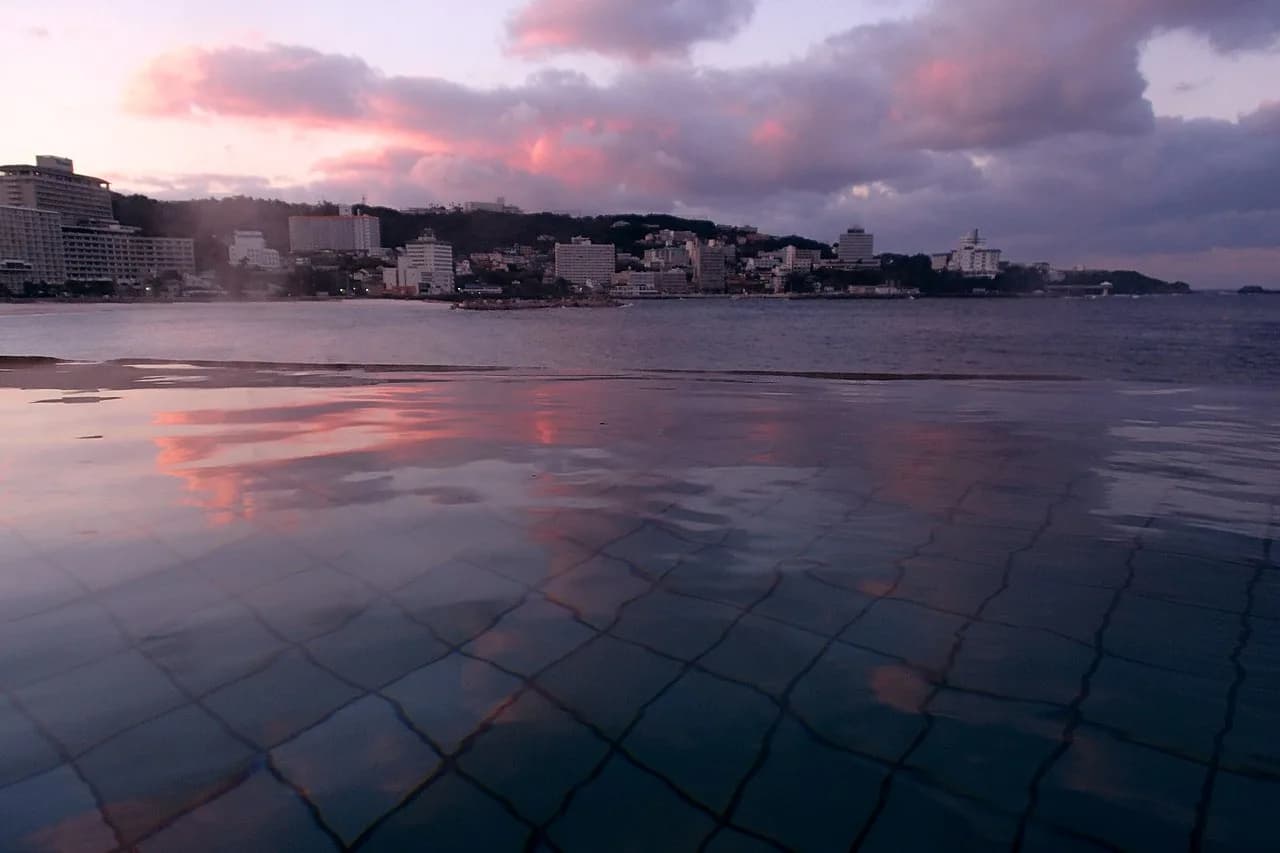
Shirahama Onsen: Japan's Ancient Hot-Spring Town (2026)
Guide to Shirahama Onsen in 2026: the ancient seaside Saki-no-yu bath, free foot baths along the promenade, day-use ryokan access, water quality, and planning estimates for prices and hours.
On this page
Long before Shirahama became known for its white-sand beach, it was known for its water. Shirahama Onsen is traditionally counted among Japan's three oldest hot springs, with visits recorded in the 7th- and 8th-century chronicles Nihon Shoki and Man'yoshu — early emperors are said to have travelled here to bathe. That pedigree still shapes the town: ryokan and hotels are built around baths fed by the same springs that drew imperial visitors 1,300 years ago, sitting alongside a famous white-sand beach.
Many properties operate indoor and outdoor rotenburo baths, several with ocean views, and free foot baths along the seafront promenade keep the tradition accessible even for day visitors. This 2026 guide covers the town's onsen character, the signature seaside bath at Saki-no-yu, day-trip versus overnight access, and practical notes on water, prices, and hours.
Saki-no-yu's bathing schedule is tide-dependent — the rock pools sit close enough to the shore that high surf can close the bath for the day. Check current conditions locally first.
Key Takeaways
- Shirahama Onsen ranks among Japan's three oldest hot springs, referenced in the 7th–8th century chronicles Nihon Shoki and Man'yoshu.
- Most ryokan and hotels operate their own indoor and outdoor baths, several with ocean views, rather than relying on separate bathhouses.
- Saki-no-yu is the signature bath — an open-air, tide-dependent rock pool — alongside public bathhouses like Shirasuna-yu and Kanayama-onsen.
- Day-use onsen access (higaeri-nyuyoku) is widely offered, typically ¥700–1,500 (2026 estimate).
- Shirahama's water is a simple/saline chloride type, gentle on skin, piped by several properties into rooftop or oceanfront outdoor baths.
One of Japan's Three Ancient Hot Springs
Shirahama's onsen history is unusually well documented. References to bathing here appear in the Nihon Shoki and the Man'yoshu, placing organised visits as far back as the 7th and 8th centuries — a pedigree that puts Shirahama alongside Dogo Onsen and Arima Onsen as one of the three hot springs most cited as Japan's oldest. Court chronicles record emperors making the journey here to bathe, a detail still repeated in local ryokan lore.
The springs that drew imperial visitors a millennium ago still fill baths at ryokan today, alongside the town's other attractions — a reason to build in an overnight stay.
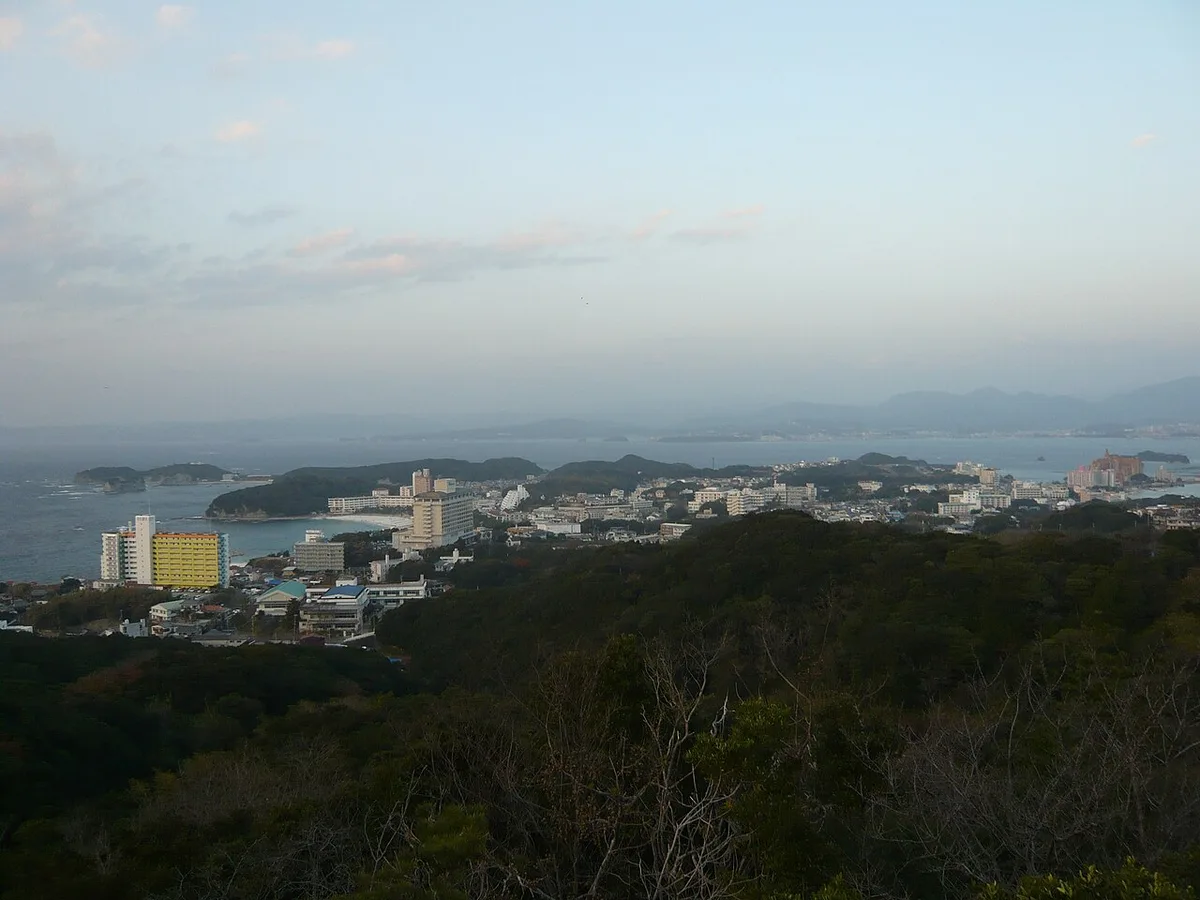
The Town: Where Onsen Meets Beach Resort
Shirahama is unusual among Japan's historic onsen towns in that it developed as a full beach resort rather than a bathing-only destination. It's built around its stretch of white sand and a cluster of ryokan and hotels, many operating their own indoor and outdoor rotenburo baths rather than relying on separate public bathhouses. Several larger hotels face their outdoor baths directly out to sea, so an evening soak doubles as sunset-watching.
That dual identity — ancient hot spring plus modern beach resort — distinguishes Shirahama from onsen towns further inland. A typical stay pairs a morning at the beach with an evening bath, extended across a full multi-day Shirahama itinerary.
Signature Baths: Saki-no-yu and the Public Bathhouses
The bath most associated with Shirahama's ancient reputation is Saki-no-yu, an open-air rock bath at the shoreline with unobstructed sea views, kept close to how the spring would have looked centuries ago. Access is tide-dependent — surf can close the bath for the day, so it rewards checking conditions locally.
Other public bathhouses worth knowing include Shirasuna-yu and Kanayama-onsen, both a more conventional soak than the exposed coastal rock pools. Free foot baths are also dotted along the seafront promenade for sampling the water without a full session.
Day-Trip or Overnight: Higaeri-Nyuyoku Access
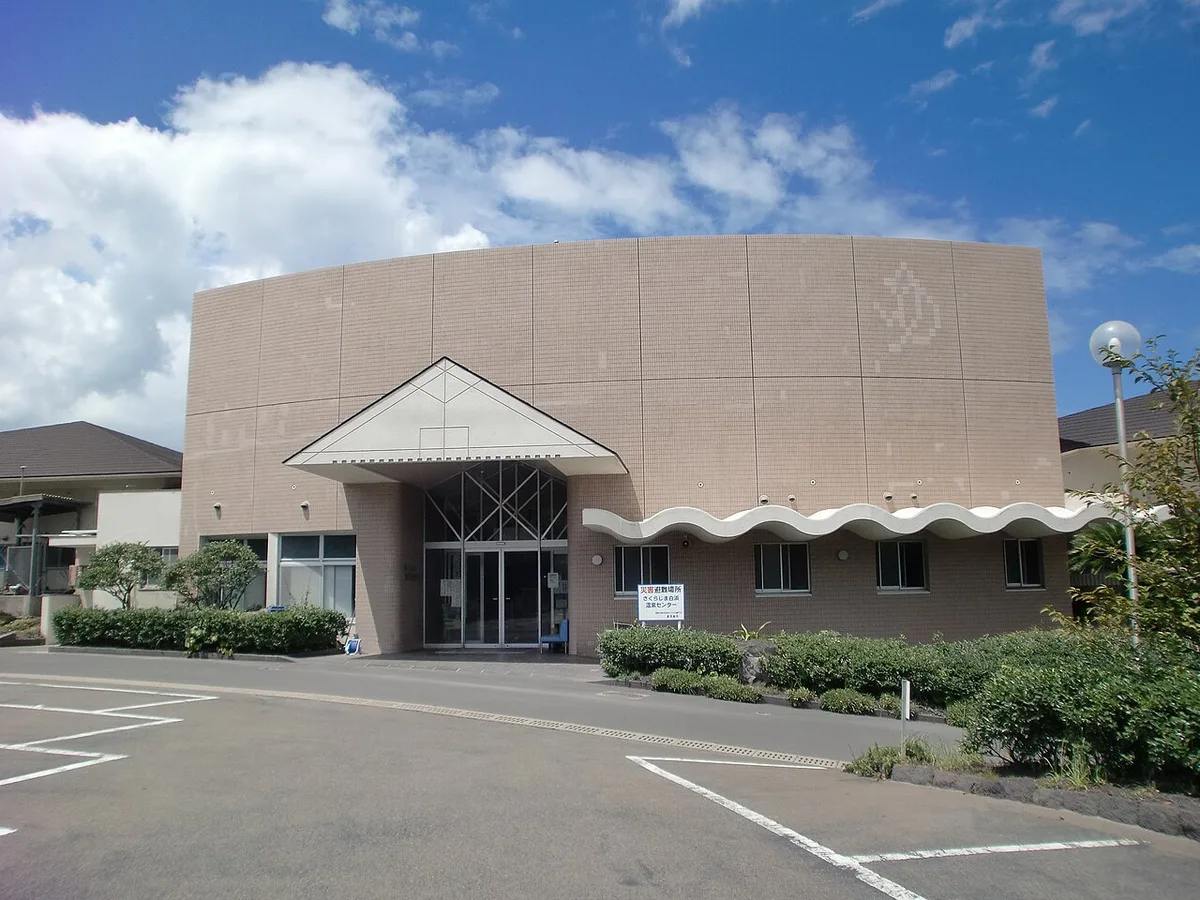
Not every visitor stays overnight, and Shirahama's ryokan and hotels accommodate that with widespread higaeri-nyuyoku — day-use onsen access for guests not staying the night. That makes it easy to combine a beach day with a bath: spend the afternoon on the sand, then pay a day-use fee at a nearby property for an hour or two before heading onward.
Policies and hours vary by property, so confirm with your chosen hotel, especially in peak beach season when slots can fill. Travellers arriving from Osaka or Kyoto for a single day will find the route and travel-time guide useful for fitting a day-use stop into the schedule.
The Water, Prices, and Practical 2026 Notes
Shirahama's spring water is a simple/saline chloride type — often described locally as gentle on the skin, which is why several hotels pipe it into rooftop or oceanfront outdoor baths. It carries none of the strong sulphur smell of some other onsen regions, making it approachable for first-time bathers.
As 2026 planning estimates, day-use onsen access (higaeri-nyuyoku) typically runs ¥700–1,500 depending on the property — confirm current pricing with the hotel, as rates can change seasonally. Free foot baths along the promenade remain the simplest no-cost option. Standard etiquette applies: shower before entering any communal tub, keep towels out of the water, and tie back long hair.
Frequently Asked Questions
Why is Shirahama Onsen considered one of Japan's oldest hot springs?
Shirahama Onsen is referenced in the 7th- and 8th-century chronicles Nihon Shoki and Man'yoshu, with records of early emperors travelling here to bathe — placing it among Japan's three oldest hot springs.
Can day visitors use Shirahama's onsen without staying overnight?
Yes. Many ryokan and hotels offer higaeri-nyuyoku, day-use onsen access for visitors not staying overnight, typically priced around ¥700–1,500 (2026 estimate) depending on the property. Free foot baths along the seafront promenade are also available at no cost.
What makes Saki-no-yu different from Shirahama's other baths?
Saki-no-yu is an open-air rock bath at the shoreline, kept deliberately close to its historic, unimproved appearance rather than modernised like most hotel baths. Because the pools sit close to the water, access is tide-dependent — high surf can close the bath for the day.
What type of water is in Shirahama's hot springs?
Shirahama's spring water is a simple/saline chloride type, described locally as gentle on the skin and without the strong sulphur odour of some other onsen regions. Several hotels pipe it into rooftop or oceanfront outdoor baths.
Few onsen towns in Japan pair a documented thousand-year bathing history with a genuine beach-resort setting the way Shirahama does. Whether you soak in an ocean-facing rotenburo, seek out the tide-dependent pools at Saki-no-yu, or dip your feet at a free promenade foot bath, the springs here are the same ones that drew imperial visitors 1,300 years ago.
Pair the baths with Shirahama's beach and the town's other sights on the full Shirahama attractions guide, and check the Shirahama itinerary for sequencing a multi-day visit. For reference, see Shirahama on Wikipedia.
Free guide: Japan's Hidden Gems
12 under-the-radar places beyond Tokyo & Kyoto — with the best season to visit each and a local tip you won't find in the guidebooks.
You might also like


Continue reading
More guides you'll find useful


