

Adventure World Shirahama: Pandas + Safari Guide (2026)
Guide to Adventure World in Shirahama for 2026: giant panda viewing, the drive-through safari zone, dolphin and orca shows, ticket prices, opening hours, and tips for planning a full day at Japan's biggest panda park.
On this page
Adventure World is the single biggest reason most visitors come to Shirahama at all. Part zoo, part drive-through safari park, part marine-life aquarium, it has spent decades building the largest giant panda population anywhere in Japan through a long-running breeding partnership with China — and that panda program, more than any other single attraction on the Kii Peninsula, is what pulls families off the Osaka–Kyoto tourist track and onto a train bound for the coast.
Beyond the pandas, Adventure World is genuinely large: a safari zone where giraffes and lions wander close enough to view from a bus or your own car, marine stadiums built for dolphin and orca shows, and a compact amusement-ride area that keeps younger children entertained between animal encounters. It is easily a full-day outing, and for many travelers it is the anchor around which the rest of a Shirahama itinerary gets built.
This 2026 guide covers what to expect from the panda enclosures, the safari zone, the marine shows, and the practical details — tickets, hours, and how to plan your day — needed to get the most out of a visit.
Panda numbers and names at Adventure World change over time as cubs are born and older pandas are transferred as part of the international breeding program. Treat any specific panda names you read online as a snapshot in time, and check the official Adventure World site for the current lineup before your visit.
Key Takeaways
- Adventure World holds Japan's largest giant panda population, maintained through a decades-long breeding partnership with China — this is the park's defining attraction and the main reason travelers detour to Shirahama.
- The safari zone lets visitors view giraffes, lions, and other savanna animals up close via a guided safari bus or, on certain routes, a self-drive car option.
- Marine stadiums host dolphin and orca/killer-whale performances alongside a broader marine-life exhibition area.
- A one-day pass runs roughly ¥5,300–5,800 per adult as a 2026 estimate — this is a full paid theme park, not a municipal zoo, so budget accordingly.
- Plan for a full day: between the panda enclosures, the safari zone, marine shows, and the smaller amusement-ride area, most visitors need six or more hours to see everything at an unhurried pace.
Giant Pandas: Adventure World's Signature Attraction
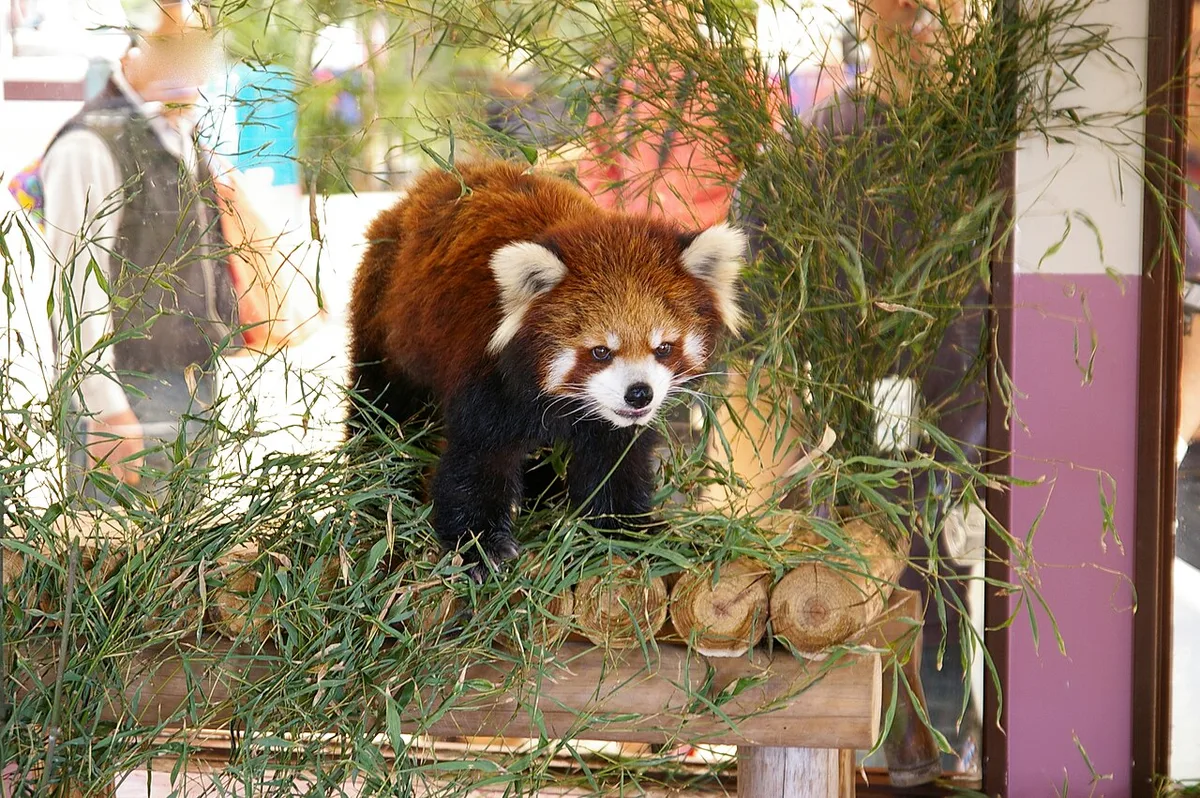
Adventure World's panda program is the reason the park has an international reputation far beyond what its coastal Wakayama location would otherwise suggest. Through a long-running cooperative breeding agreement with Chinese wildlife authorities, the park has produced more captive-born giant panda cubs than any other facility in Japan, and its panda enclosures are built and staffed specifically to support that program — spacious outdoor yards, dedicated nursery viewing areas for cubs, and keeper talks that explain the breeding and rearing process in detail.
Because the resident panda population shifts as cubs grow, get named, and are sometimes transferred internationally as part of the broader conservation program, it is worth checking the official Adventure World website shortly before your visit for the current lineup and feeding-time schedule rather than relying on older trip reports. What stays consistent year to year is the quality of the viewing experience itself: unhurried sightlines into naturalistic enclosures, feeding sessions scheduled through the day, and — depending on the season — supervised photo opportunities that are a separate paid add-on to general admission.
Arriving close to opening time is the most reliable way to see the pandas at their most active, since giant pandas tend to feed and move around more in the cooler morning hours before settling into the shade as the day warms up.
The Safari Zone: Giraffes, Lions, and Close-Up Savanna Animals
Adventure World's safari zone is built around the idea of watching African savanna animals from a vehicle rather than from behind a fence line, and it is the park's second major draw after the pandas. A guided safari bus loops through open enclosures where giraffes, lions, and other grazing and predator species roam with far more space than a conventional zoo layout allows, and keepers narrate the route with feeding demonstrations and background on each species.
The pacing here rewards patience — animals move at their own speed, and the bus adjusts its stops depending on where the giraffes or lion pride happen to be that day. Families traveling with young children generally find this section as memorable as the panda enclosures, since the close-up scale of a giraffe leaning toward the vehicle window is hard to replicate anywhere else on a Japan itinerary. Combined with the coastal scenery around Shirahama, it is a strong complement to the more traditional sightseeing at spots like Sandanbeki Cliffs or Engetsu Island later in the same trip.
Marine Shows and the Rest of the Park
Adventure World's marine stadiums round out the animal-focused half of the visit with scheduled dolphin and orca (killer whale) performances, run several times daily in purpose-built show pools. These sit alongside a broader marine-life exhibition area covering smaller aquatic species, giving the park a genuine aquarium dimension on top of the zoo and safari sections. Show times are typically posted at the park entrance and on the park map handed out with admission, and arriving 15–20 minutes early secures a better seat, particularly for the splash-zone rows that are popular with kids.
Beyond the animal attractions, Adventure World runs a small amusement-ride area aimed at younger children, along with seasonal events that rotate through the year — illuminations in winter, special feeding events tied to school holidays, and similar programming. None of this is the main reason to visit, but it fills the gaps between the bigger draws and helps justify treating Adventure World as a genuine full-day outing rather than a half-day stop.
Tickets, Hours, and Planning Your Visit
Adventure World operates as a paid theme park rather than a municipal zoo, and pricing reflects the scale of the panda program, safari zone, and marine shows combined. A one-day pass runs approximately ¥5,300–5,800 per adult as a 2026 estimate, with reduced pricing typically available for children and seniors — always confirm current pricing on the official site before your trip, since theme-park admission is one of the more frequently adjusted line items on any Japan travel budget.
Opening hours run roughly 9:30 to 17:00 as a 2026 estimate, with seasonal variation — some periods extend hours for evening illuminations or shorten them in the off-season. Parking is large and generally inexpensive relative to the ticket price, and the park is a manageable distance from central Shirahama for those arriving by car or taxi; see the guide to getting to Shirahama from Osaka and Kyoto for train and driving options into the area.
Because Adventure World genuinely takes a full day to see properly — pandas, safari zone, marine shows, and the smaller ride area — most visitors build their Shirahama trip around it rather than treating it as one stop among several. If you are visiting in shoulder season to avoid the busiest crowds, the best time to visit Shirahama guide has month-by-month notes on weather and visitor volume that apply directly to planning an Adventure World day.
Frequently Asked Questions
How many pandas live at Adventure World?
Adventure World maintains Japan's largest giant panda population through a long-running breeding partnership with China, and the exact number of resident pandas changes over time as cubs are born and individuals are transferred between facilities as part of the international conservation program. Rather than relying on a specific figure from an older trip report, check the official Adventure World website shortly before your visit for the current panda lineup and feeding-time schedule.
How much does a one-day pass to Adventure World cost?
A one-day pass runs approximately ¥5,300–5,800 per adult as a 2026 estimate, with typically lower pricing for children and seniors. Because Adventure World is a full paid theme park rather than a municipal zoo, always confirm current pricing on the official site before your visit, since admission rates are adjusted periodically.
What is included in the safari zone at Adventure World?
The safari zone is a drive-through section where visitors view giraffes, lions, and other African savanna animals from a guided safari bus (with self-drive options available on certain routes), with keepers narrating feeding demonstrations along the way. It sits alongside marine stadiums for dolphin and orca shows and a general zoo area, making Adventure World a combined zoo, safari park, and aquarium rather than a single-format attraction.
How much time should I plan for a visit to Adventure World?
Plan for a full day. Between the giant panda enclosures, the safari zone, scheduled dolphin and orca shows, and the smaller amusement-ride area, most visitors need six or more hours to cover the park at an unhurried pace. Arriving close to opening time (around 9:30 as a 2026 estimate) gives the best chance of seeing the pandas active before they settle into the shade later in the day.
Adventure World is the attraction that puts Shirahama on the map for most Japan-based and international travelers, and it earns that reputation on scale alone: a genuine giant panda breeding program, a drive-through safari zone with close-up giraffe and lion encounters, and marine stadiums running dolphin and orca shows throughout the day. Few single attractions in Japan pack this much variety into one paid admission, which is exactly why most visitors plan an entire day around it rather than squeezing it into a half-day stop.
Pair a full day at Adventure World with the coastal sights and onsen culture that make up the rest of Shirahama's attractions, and build both into a broader Shirahama itinerary that balances the theme-park energy of the pandas and safari zone with a slower afternoon at the beach or in an onsen.
For background on the park's history and conservation programs, see Adventure World on Wikipedia.
Free guide: Japan's Hidden Gems
12 under-the-radar places beyond Tokyo & Kyoto — with the best season to visit each and a local tip you won't find in the guidebooks.
You might also like


Continue reading
More guides you'll find useful


