
Welcome to Miyajima Island, home to enchanting landscapes and profound spiritual sites.
Among its treasures is Senjokaku, also known as the Hall of a Thousand Tatami Mats.
This guide offers a comprehensive look at Senjokaku (Toyokuni Shrine), ensuring a memorable visit.
Discover its unique history, architectural wonders, and practical tips for your journey.
Introduction to Senjokaku (Toyokuni Shrine)
Senjokaku, or the Hall of a Thousand Tatami Mats, stands proudly on Miyajima Island.
Its official name is Toyokuni Shrine, honoring Toyotomi Hideyoshi, a powerful 16th-century feudal lord.
He commissioned its construction in 1587 as a Buddhist scripture library.
The spacious hall offers panoramic views of the Seto Inland Sea.
This iconic structure is a must-see for anyone exploring Miyajima Island.
It provides a peaceful contrast to the bustling main shrine areas.
The Unfinished Beauty: Why Senjokaku Remains Unique
Senjokaku holds a unique place among Japanese historical sites due to its unfinished state.
Construction halted abruptly after Toyotomi Hideyoshi's death in 1598.
His successor, Ankokuji Ekei, continued some work, but the hall was never fully completed.
This gives Senjokaku its distinctive open-air, rustic charm.
The exposed wooden beams and unpainted ceilings tell a story of interrupted ambition.
It stands as a powerful reminder of history's unexpected turns.
This incompleteness offers a raw, authentic glimpse into its past.
Many visitors find this aspect adds to its profound beauty.
Architectural Highlights and What to See
Senjokaku's architecture is both grand and understated, defined by its massive scale and simple design.
The name 'Hall of a Thousand Tatami Mats' refers to its immense size.
It could theoretically accommodate one thousand tatami mats on its floor.
Look for the enormous wooden pillars supporting the roof, each a testament to ancient craftsmanship.
The open-sided structure allows refreshing breezes and stunning natural light to fill the hall.
Its elevated position provides magnificent views of the Great Torii Gate and the Seto Inland Sea.
Inside, you might spot remnants of votive paintings and historical inscriptions.
These offer glimpses into the lives of those who visited centuries ago.
Practical Visitor Information: Hours, Admission, and Goshuin
Planning your visit to Senjokaku (Toyokuni Shrine) is straightforward.
The hall is generally open daily from 8:30 AM to 4:30 PM.
Admission costs a small fee, typically around 100 JPY per person.
This modest fee contributes to the maintenance of this important historical site.
Visitors can also obtain a Goshuin, a special seal or stamp unique to Japanese temples and shrines.
The Goshuin office is usually located near the entrance, offering a beautiful souvenir.
Always check official sources for the most current operating hours and admission prices, especially during holidays.
You can find up-to-date information on the Miyajima tourism website, often linked from official shrine pages.
- Operating Hours
- Generally: 8:30 AM - 4:30 PM
- Seasonal: May vary slightly
- Verify: Check official Miyajima site
- Admission Fee
- Cost: Approximately 100 JPY
- Payment: Cash often preferred
- Children: Usually free or reduced
- Goshuin
- Available: Near entrance booth
- Cost: Typically 300-500 JPY
- Souvenir: Unique calligraphy and seal
Getting There: Access to Senjokaku
Reaching Senjokaku (Toyokuni Shrine) on Miyajima Island is quite easy.
After arriving at the Miyajima Ferry Terminal, head towards the main shrine area.
Senjokaku is located on a small hill, just a short walk up from Itsukushima Shrine.
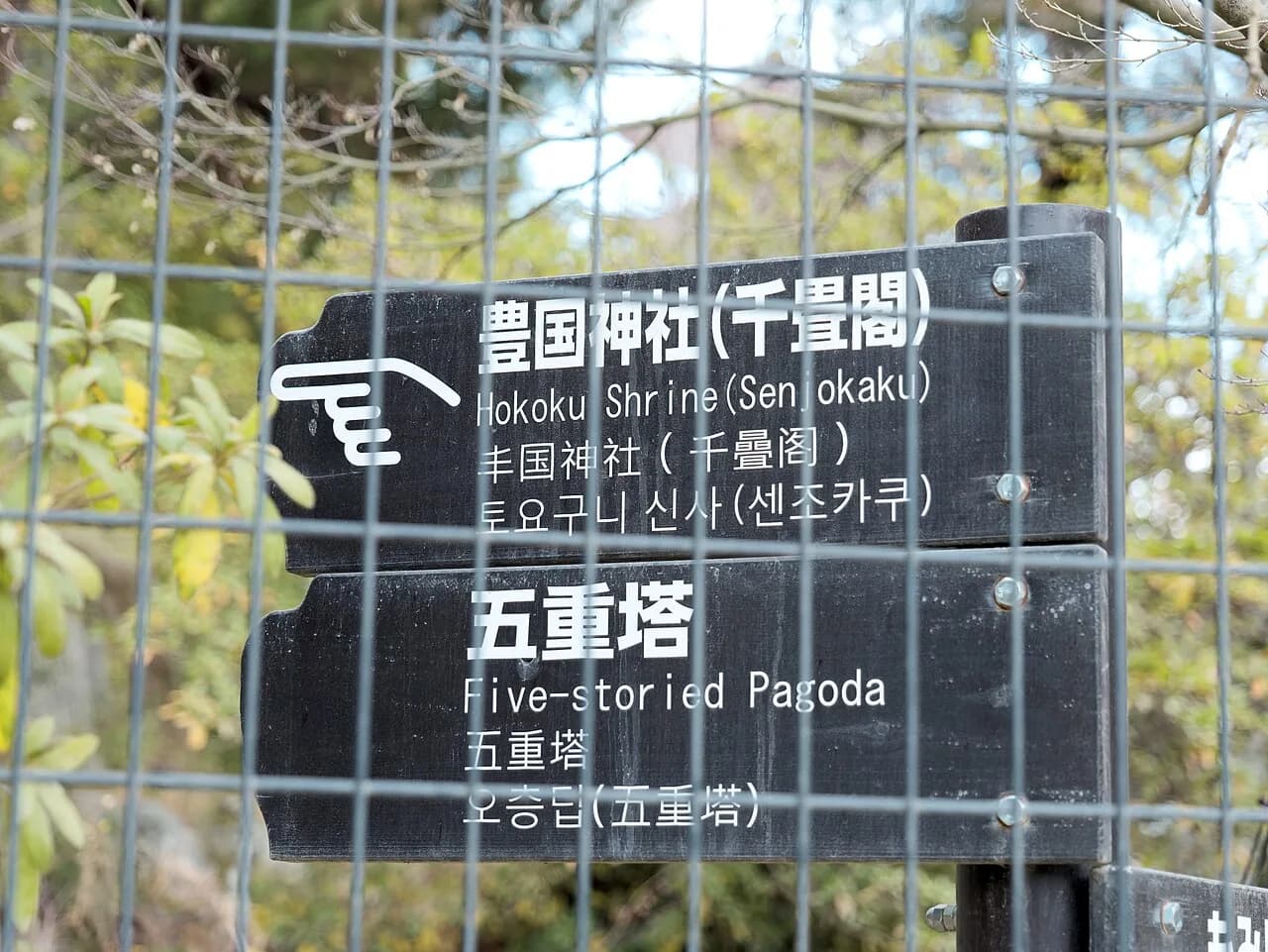
Follow the signs pointing towards the Five-Storied Pagoda, as they are adjacent.
The path is well-marked and relatively gentle, suitable for most visitors.
It takes about 10-15 minutes to walk from the ferry terminal.
The scenic route passes through charming streets and offers glimpses of deer.
This makes the journey itself part of the enjoyable experience.
Photography Tips, Etiquette, and Avoiding Crowds
Senjokaku provides fantastic photography opportunities with its open structure and stunning views.
Try capturing the hall's interior with the Seto Inland Sea as a backdrop.
Early mornings or late afternoons offer the best light and fewer crowds.
This golden hour lighting enhances the wooden textures and vibrant scenery.
Always be mindful of other visitors and avoid blocking pathways for photos.
Respect the quiet atmosphere; keep voices low and mobile phone usage discreet.
To avoid peak crowds, plan your visit for weekdays or outside of major Japanese holidays.
Arriving right at opening time or just before closing can provide a more serene experience.
Cultural Significance: Blessings of Career Success
Toyokuni Shrine, encompassing Senjokaku, holds a special cultural significance.
It is dedicated to Toyotomi Hideyoshi, a figure revered for his leadership and military prowess.
Visitors often come here to pray for blessings related to career success and advancement.
This makes it a meaningful stop for those seeking good fortune in their professional lives.
While specific rituals are not always obvious, visitors can offer a small prayer or contemplation.
The tranquil setting encourages quiet reflection on personal goals.
The shrine's history is intertwined with ambition and achievement.
This connection reinforces its reputation for bestowing career blessings.
Visiting with Children and Accessibility
Senjokaku is generally welcoming for families with children, offering open spaces for exploration.
The lack of restrictive barriers means kids can move freely, supervised, within the hall.
Stroller access can be managed, though the final approach involves a gentle slope.
There are no specific ramps for wheelchairs directly into the main hall, which is slightly elevated.
However, the surrounding grounds are relatively flat and accessible.
Visitors with disabilities may find the views from outside the hall still rewarding.
Consider contacting the Miyajima Tourist Information Center for the most current accessibility details.
They can provide tailored advice for specific needs and conditions.
Beyond Senjokaku: Nearby Attractions and Miyajima Exploration
Your visit to Senjokaku is just one part of the rich Miyajima experience.
Directly adjacent is the stunning Five-Storied Pagoda, a vibrant red landmark.
Itsukushima Shrine, with its iconic floating torii gate, is also a short walk away.
Explore the charming shopping streets leading up to these sites.
Consider hiking or taking the ropeway up Mount Misen for breathtaking panoramic views.
The Daisho-in Temple, another significant spiritual site, is also easily accessible.
Each nearby attraction offers a unique glimpse into Miyajima's history and culture.
This allows for a full day or even a multi-day exploration of the island.
Frequently Asked Questions
What is the history behind Senjokaku's unfinished state?
Senjokaku was commissioned by Toyotomi Hideyoshi in 1587 but remained unfinished after his death in 1598. His successor continued some work, but the hall was never fully completed, leaving its distinctive open design.
What are the must-see architectural details at Senjokaku?
Focus on the massive wooden pillars and the exposed beams that reveal its construction. The open-sided structure provides expansive views of the Seto Inland Sea and the nearby Five-Storied Pagoda. Look for historical votive paintings and inscriptions within the hall.
How much does it cost to enter Senjokaku (Toyokuni Shrine)?
Admission to Senjokaku typically costs around 100 JPY per person. This small fee supports the maintenance of the historic site. Prices are subject to change, so verify on official Miyajima tourism websites before your visit.
Are there specific photography rules or etiquette at Senjokaku?
While photography is generally allowed, maintain respect for the sacred space and other visitors. Avoid tripods that block pathways and keep noise levels low. Early morning or late afternoon visits often yield the best photos with fewer crowds.
What blessings are associated with Toyokuni Shrine?
Toyokuni Shrine is primarily associated with blessings for career success and advancement. Visitors often come to pray for good fortune in their professional lives, honoring Toyotomi Hideyoshi's legacy of leadership and ambition.
Senjokaku (Toyokuni Shrine) offers a unique and serene experience on Miyajima Island.
Its unfinished beauty and panoramic views provide a memorable contrast to other bustling sites.
This comprehensive senjokaku (toyokuni shrine) visitor guide aims to enhance your journey.
Embrace the tranquility, soak in the history, and enjoy its distinct charm.
For official details, visit the Senjokaku (Toyokuni Shrine) on Wikipedia.

