14 Best Things to Do in Miyajima (2026)
Discover the 14 best things to do in Miyajima in 2026: the floating torii gate at Itsukushima Shrine, the cable car and hiking routes up Mt Misen, Daisho-in Temple, the island's famous deer, oysters, momiji manju, and the night illumination that transforms the shrine after the ferries stop running.
On this page
Miyajima — formally Itsukushima — is the small, forested island in Hiroshima Bay best known for the vermilion torii gate that appears to float on the sea at high tide. It is one of Japan's most-photographed sights and, for most visitors, a half-day add-on to Hiroshima. That undersells it: the island holds a UNESCO World Heritage shrine complex, a cable car up a genuinely wild mountain, a resident population of sacred deer that wander the streets unbothered, and a food culture built around oysters and maple-shaped cakes sold the length of the main shopping street.
This 2026 guide ranks the 14 best things to do on Miyajima, from the floating torii itself to the quieter island-wide experiences — the night illumination after the day-trip crowds leave, the sake breweries, the traditional shamoji-carving workshops. Each entry links to a full, dedicated guide with current prices, hours, and practical tips. Planning sections on where to stay, a full island overview, and a sample day trip from Hiroshima follow the list below.
Miyajima is a genuine day-trip magnet, and Itsukushima Shrine's approach can be crowded from mid-morning through late afternoon. Staying overnight — even one night — lets you see the torii gate illuminated after the last ferries back to Hiroshima have left, when the crowds thin to almost nothing.
Key Takeaways
- Itsukushima Shrine's floating torii gate is the signature sight — check tide tables before visiting, since the "floating" effect only happens near high tide.
- Mt Misen has a cable car most of the way up plus real hiking trails to the summit, with views across the Seto Inland Sea.
- Miyajima's deer roam freely and are legally protected — feeding rules exist for a reason, and ignoring them is the most common visitor mistake.
- The island empties out dramatically once the last ferry departs — an overnight stay is the difference between a crowded photo and a genuinely quiet one.
- Miyajima pairs naturally with Hiroshima as a single day, but a full visit covering the shrine, Mt Misen, and Omotesando street food realistically needs 5-6 hours.
Best Things to Do in Miyajima
The list below is ranked by overall impact on a Miyajima visit. The first few form the practical core of any trip; later entries reward a longer stay or a repeat visit.
-
See the floating torii gate at Itsukushima Shrine
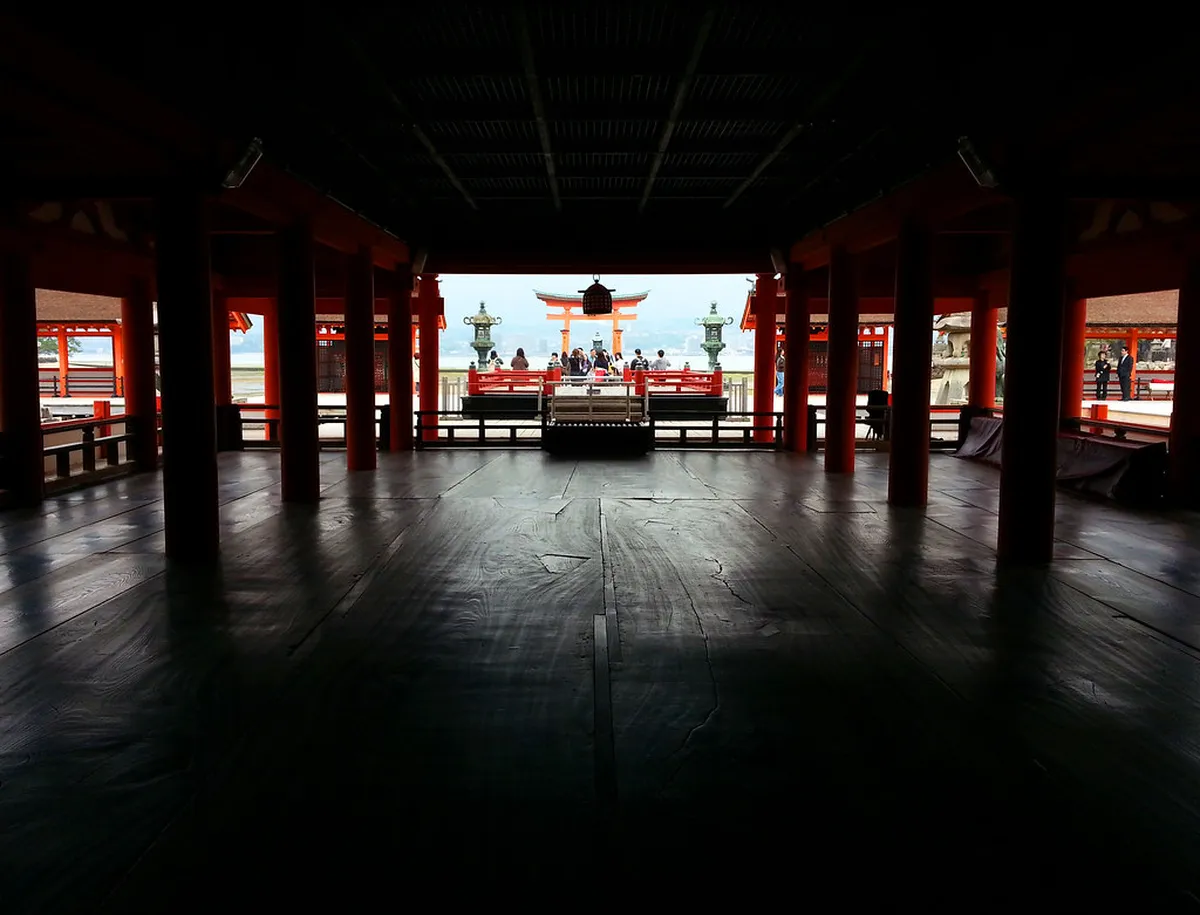
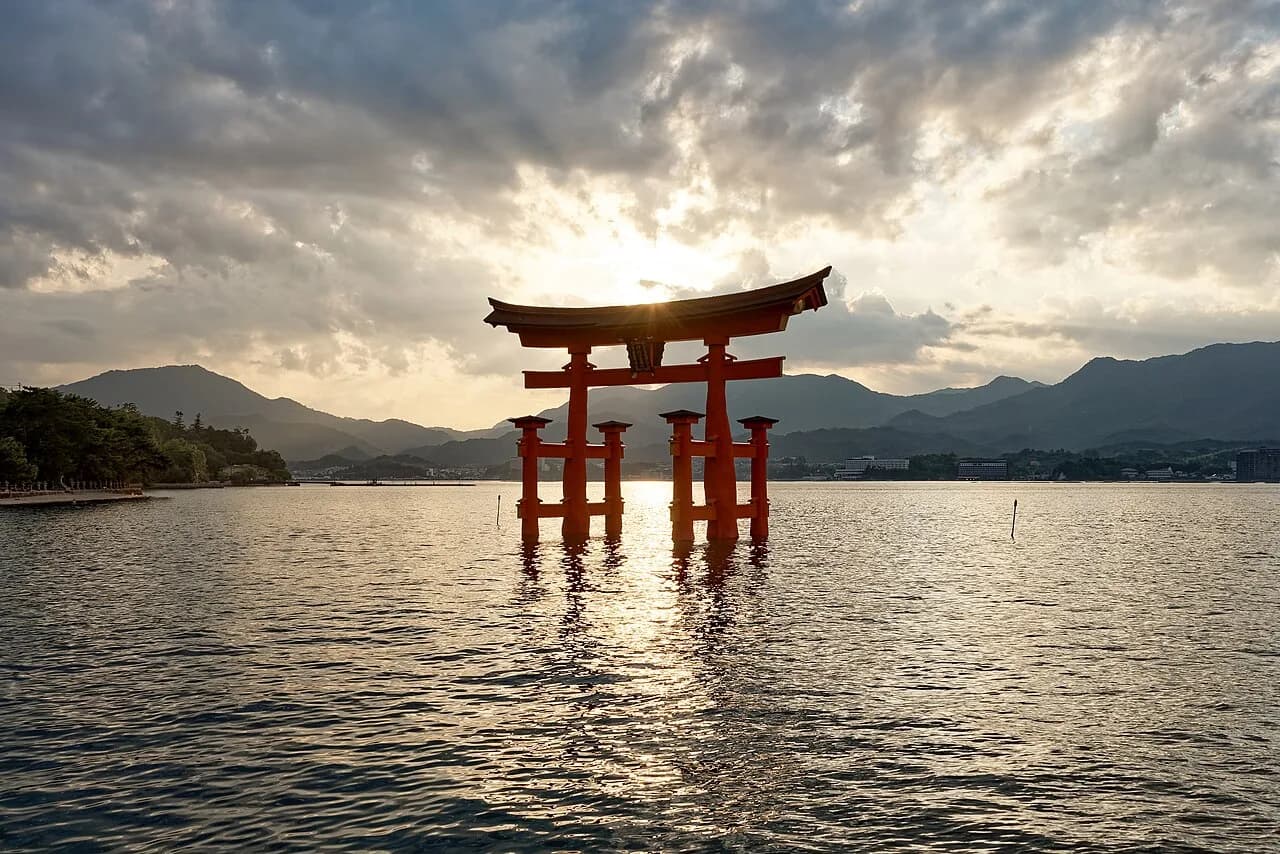
The vermilion torii standing in the sea off Itsukushima Shrine is Miyajima's defining image and one of Japan's three officially designated "scenic views" (Nihon Sankei). The gate only appears to float at high tide; at low tide, visitors can walk out across the exposed sand to its base. Our Itsukushima Shrine guide has tide tables, ferry timing, and the best photo spots for both tide states. -
Ride the cable car — or hike — up Mt Misen
Mt Misen is Miyajima's sacred mountain, reachable by a two-stage ropeway most of the way up, with a genuine hiking trail covering the final stretch to the 535-metre summit. The observation platform looks out across the Seto Inland Sea toward Hiroshima. Our Mt Misen guide covers the cable car schedule, ticket prices, and the three main hiking routes up for those skipping the ropeway. -
Visit Daisho-in Temple
A short walk from Itsukushima Shrine, Daisho-in is Miyajima's most atmospheric temple — a hillside complex with hundreds of small Rakan statues, prayer wheels lining the entrance stairway, and a genuinely quiet, contemplative feel that contrasts with the shrine's crowds. Full visiting details are in our Daisho-in Temple guide. -
Meet Miyajima's sacred deer — carefully
Miyajima's deer are considered messengers of the gods and roam freely through the town and shrine grounds, protected by law and unbothered by crowds. They will, however, eat paper, food wrappers, and anything else left within reach. Our Miyajima deer guide covers the feeding rules, what NOT to carry loosely, and how to photograph them safely. -
Walk Momijidani Park in autumn foliage season
Momijidani ("Maple Valley") Park, at the base of the Mt Misen ropeway, is Miyajima's autumn foliage centerpiece — a landscaped valley of maple trees that turns deep red and gold through November. It is a pleasant walk year-round, but the autumn window is when it draws its own crowds. See our Momijidani Park autumn guide for peak-color timing. -
Stop by Miyajima Aquarium
A compact aquarium focused on the marine life of the Seto Inland Sea, with a sea lion show and a family-friendly pace that makes it a good counterpoint to a morning of temples and hiking. Details on hours and tickets are in our Miyajima Aquarium guide. -
See the torii gate lit up at night
Once the last day-trip ferries leave, Itsukushima Shrine and the torii gate are illuminated after dark, and the crowds that fill the approach by day thin out almost completely. It is arguably the best version of Miyajima, and it requires staying overnight. Our night illumination guide covers lighting times and where to view from. -
Eat your way down Omotesando shopping street
The main pedestrian street between the ferry terminal and the shrine is lined with food stalls, souvenir shops, and grill counters — the easiest place on the island to snack through an afternoon. Our Omotesando guide maps the street and its standout stalls. -
Eat fresh-grilled oysters
Hiroshima Bay is one of Japan's major oyster-farming regions, and Miyajima's grill stalls and restaurants serve them raw, grilled, and fried, often shell-to-mouth at street-side counters. Our Miyajima oysters guide ranks the best places to eat them. -
Try momiji manju, the maple-leaf cake
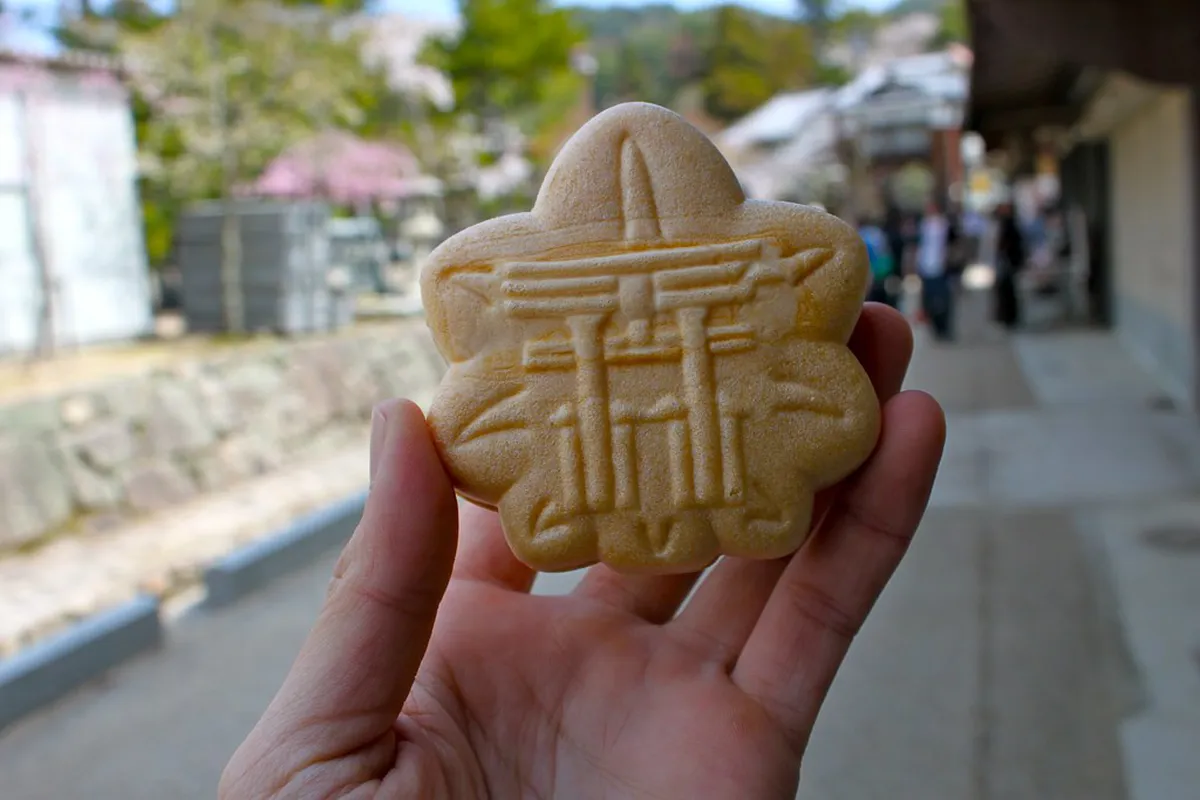
Momiji manju — small maple-leaf-shaped cakes filled with sweet red bean paste, custard, or chocolate — originated on Miyajima and are sold fresh (some cooked to order in shopfront griddles) all along Omotesando. Our momiji manju guide covers where to get them hot off the griddle. -
Tour a Miyajima sake brewery
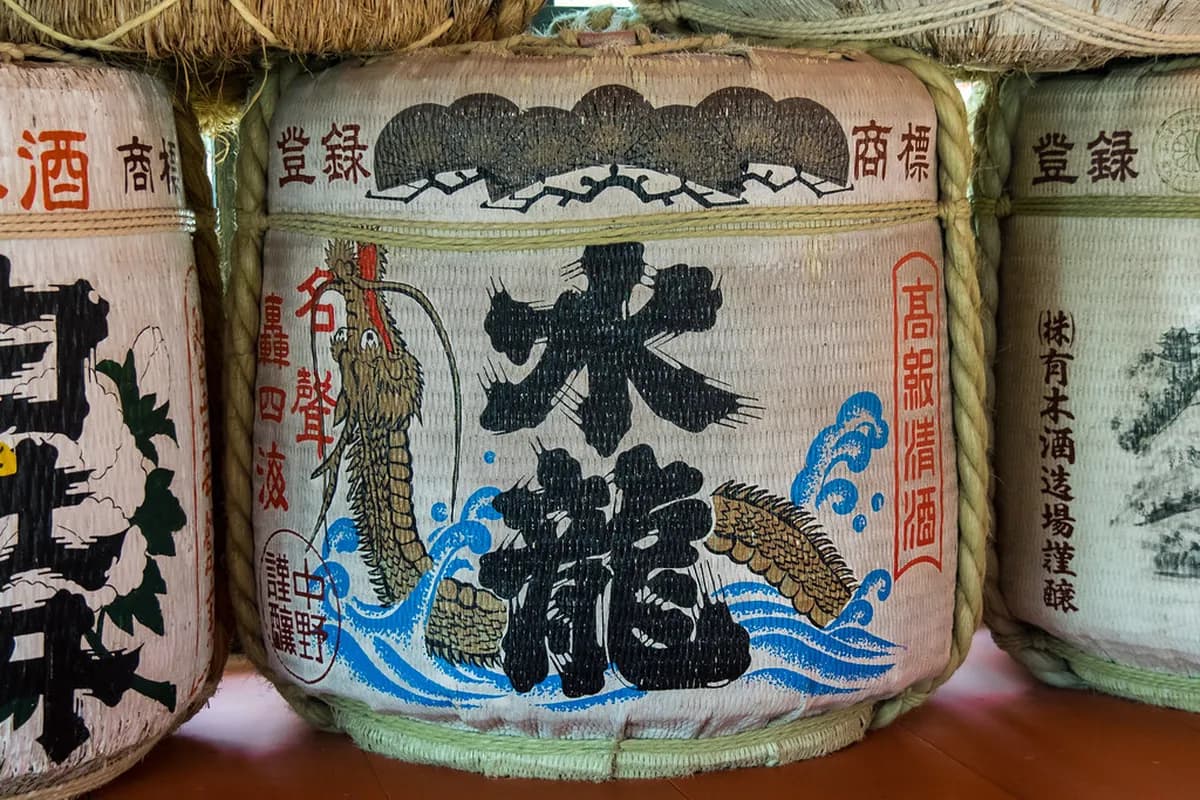
Hiroshima Prefecture is a respected sake-producing region, and a handful of breweries on and near Miyajima offer tastings and tours. Our sake brewery guide covers which are open to visitors and what a tasting costs. -
Soak in a Miyajima onsen
Several ryokan and a public bathhouse on the island offer hot-spring bathing, a relaxing way to close out a day of walking and hiking. Our Miyajima onsen guide covers day-use access for visitors not staying overnight. -
Try a traditional craft workshop
Miyajima is the historic home of the shamoji, the wooden rice paddle now sold as a good-luck souvenir across Japan, and several workshops let visitors carve or paint their own. Our traditional crafts guide covers the shamoji workshops and other local craft experiences. -
Kayak to the island
For a different arrival than the standard ferry, guided kayak tours cross to Miyajima from the mainland, timed around the tides. Our Miyajima kayak guide covers tour operators, tide planning, and routes.
Two often-overlooked sights near the Five-Storied Pagoda are worth adding to your itinerary: Senjokaku (Toyokuni Shrine), the massive unfinished wooden pavilion built by Toyotomi Hideyoshi, and the adjacent Five-Storied Pagoda, originally constructed in 1407.
Where to Stay on Miyajima
Staying overnight on Miyajima — rather than day-tripping from Hiroshima — is what makes the night illumination and the early-morning quiet possible. Ryokan on the island range from simple inns to high-end properties with private onsen baths. Our where to stay in Miyajima guide ranks the best options by area and budget.
The Complete Island Guide
For a single reference covering ferry access, getting around the island on foot, opening hours across the main sights, and general planning notes, see our Miyajima complete visitor guide.
Miyajima as a Day Trip from Hiroshima
Most visitors see Miyajima as a half-day or full-day add-on to a Hiroshima trip, combining the ferry crossing with the Peace Memorial Park on the same day or the day before. Our Miyajima day trip from Hiroshima guide covers timing and logistics, and our 1-day Hiroshima and Miyajima itinerary and 2-day Hiroshima and Miyajima itinerary lay out complete combined routes for travelers building a longer Hiroshima-area trip.
Browse the Miyajima attraction directory for individual visitor guides, access details, and practical tips.
Frequently Asked Questions
Is Miyajima worth an overnight stay, or is a day trip enough?
A day trip covers the essentials — the floating torii gate, Itsukushima Shrine, and a walk down Omotesando — comfortably in an afternoon. An overnight stay adds the torii gate's night illumination and the early-morning quiet before the first ferries arrive, which most repeat visitors consider the better version of the island. If time allows only one visit, a well-timed day trip around high tide is still worthwhile.
Do I need to check the tide before visiting Itsukushima Shrine?
Yes — the torii gate's famous "floating" appearance only happens near high tide. At low tide, the sea recedes far enough to walk out to the gate's base instead, which is a completely different (and also worthwhile) experience. Check a tide table for the day of your visit and decide which effect you'd rather see; our Itsukushima Shrine guide links to current tide tables.
Can you feed the deer on Miyajima?
Deliberately feeding the deer is discouraged and, in some areas, prohibited — Miyajima stopped an official feeding program some years ago to protect both visitor safety and the deer's health. They will still approach visitors and may try to take food, paper, or maps directly from hands or bags, so the practical advice is less about feeding them and more about not carrying loose paper or food where they can reach it.
How do you get to Miyajima from Hiroshima?
The standard route is JR or tram to Miyajimaguchi, then a short ferry crossing (roughly 10 minutes) to the island — JR Pass holders can use the JR-operated ferry at no extra cost. A direct sightseeing ferry also runs from near Hiroshima Peace Memorial Park on select routes, useful for combining both sights in one day without doubling back through Miyajimaguchi.
How long does it take to hike Mt Misen?
Hiking to the summit from the base takes roughly 1.5–2.5 hours one-way depending on the route, or the ropeway covers most of the elevation gain with about a 30-minute walk remaining to the summit from the upper cable car station. Combining a ropeway ride up with a hike down (or vice versa) is a common way to see more of the mountain without committing to a full round-trip hike.
Miyajima rewards exactly the amount of time you give it. A rushed afternoon still delivers the torii gate and a plate of grilled oysters; a full day adds Mt Misen and Daisho-in; an overnight stay adds the illuminated shrine after the crowds leave and the quiet of the island before the first ferry. Whichever version fits the trip, the island is one of the most reliably rewarding day trips — or overnight stays — in the whole Hiroshima region.
For the wider Hiroshima context, see our Hiroshima attractions guide, and for a combined route covering both destinations, our 1-day and 2-day Hiroshima and Miyajima itineraries. If Miyajima is one stop on a longer trip, our Japan travel guide and Shinkansen guide cover the rest of the country-wide planning.
Explore More Miyajima Guides
Plan a Miyajima visit around the floating torii gate at Itsukushima Shrine, the cable car and hiking trails up Mt Misen, the island's sacred deer, and a food trail of oysters and momiji manju along Omotesando — plus where to stay for the night illumination once the day-trip crowds leave.
Sights & Nature
- How to Visit Itsukushima Shrine: Floating Torii Gate & Tide Times
- Visiting Mt Misen: Cable Car and Hiking Routes
- Daisho-in Temple Miyajima Visitor Guide
- Miyajima Autumn Foliage: Momijidani Park Guide
- Miyajima Deer Guide: Feeding Rules and Safety
- Miyajima Aquarium Visitor Guide
- Miyajima Night Light-Up and Illumination Guide
Food & Shopping
- Miyajima Omotesando Shopping Street and Street Food
- Best Miyajima Oysters: Where to Eat Guide
- Miyajima Momiji Manju Maple Leaf Cake Guide
- Miyajima Sake Brewery Tasting Guide
Experiences & Plan Your Trip
Free guide: Japan's Hidden Gems
12 under-the-radar places beyond Tokyo & Kyoto — with the best season to visit each and a local tip you won't find in the guidebooks.
You might also like


Continue reading
More guides you'll find useful