
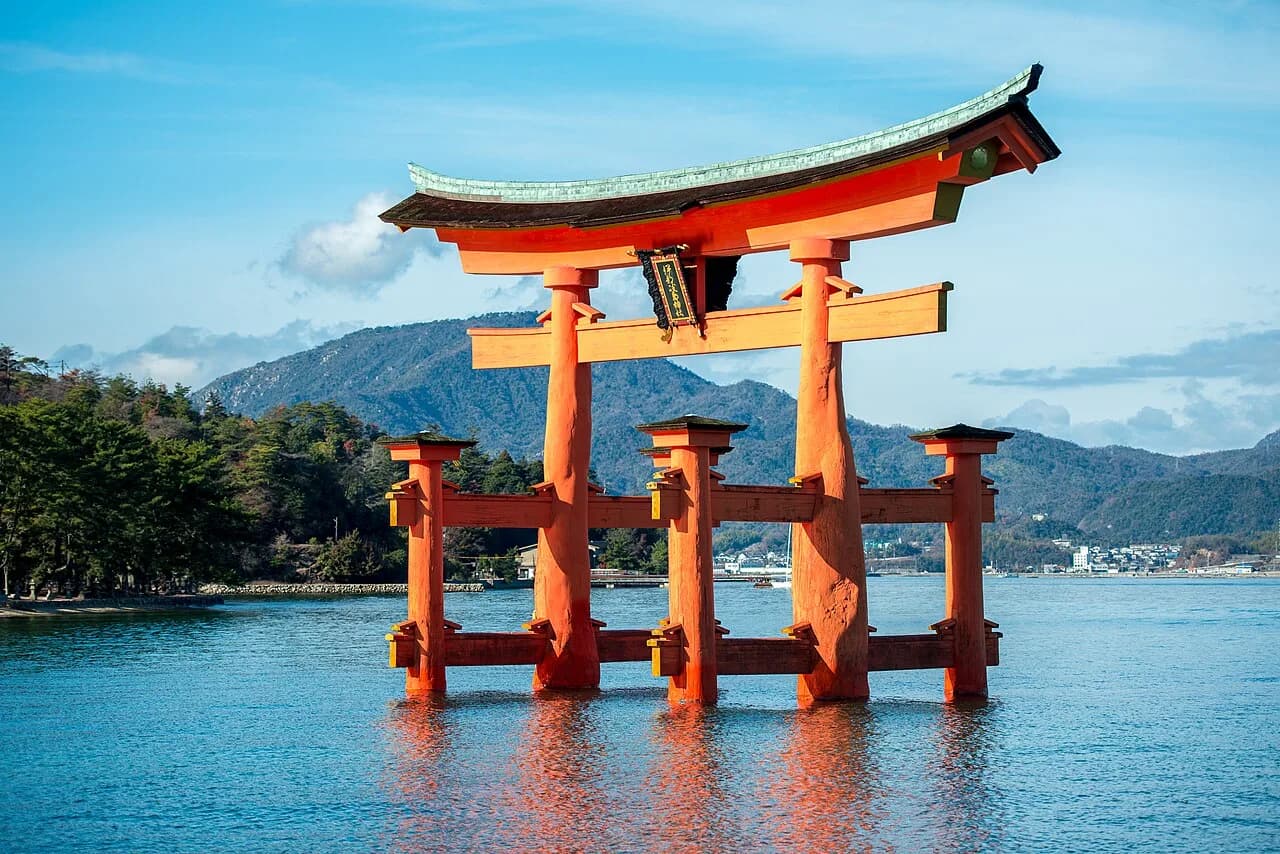
Itsukushima Shrine stands as a breathtaking UNESCO World Heritage site near Hiroshima, Japan. This iconic shrine on Miyajima Island is famous for its 'floating' torii gate.
Planning your visit to Itsukushima Shrine ensures you experience its unique beauty and cultural depth. This comprehensive guide covers everything from history to practical tips.
You will find essential information on transportation, key highlights, and recommended itineraries. Prepare for an unforgettable journey to one of Japan's most sacred and picturesque locations.
Understanding the tides and local attractions will enhance your exploration of this special island. Our Itsukushima Shrine visitor guide aims to make your trip smooth and memorable.
Itsukushima Shrine: Basic Information & History
Itsukushima Shrine is an ancient Shinto shrine on Miyajima Island, near Hiroshima. Its distinctive architecture appears to float on the sea during high tide. This UNESCO World Heritage site dates back to the 6th century. The current shrine complex was largely established by Taira no Kiyomori in the 12th century. He was a powerful political figure of the late Heian period.
The shrine is dedicated to the three daughters of Susanoo-no-Mikoto, the Shinto god of seas and storms. These deities are goddesses of the sea and safe navigation. Their veneration highlights the island's historical importance as a maritime gateway. The shrine's design reflects a deep connection to nature and the ocean. Its location symbolizes the sacred boundary between the spiritual and human worlds. This unique setting draws millions of visitors each year.
Miyajima Island itself is considered a sacred place. Ordinary people were historically forbidden from living there permanently. Even today, births and deaths are not supposed to occur on the island. This tradition ensures the island's purity and spiritual significance. Visitors can feel a sense of reverence walking through its grounds. The entire island is truly a natural and cultural treasure.
The shrine's structures, including its iconic Great Torii Gate, blend seamlessly with the natural landscape. Its unique pier-like construction protects it from tidal changes. This design allows the buildings to stand over the water. The entire complex showcases traditional Japanese artistry and engineering. It offers a stunning example of harmony between human creation and the environment.
The Charm of Itsukushima Shrine: Key Features & Highlights
The Great Torii Gate is undoubtedly the most famous feature of Itsukushima Shrine. This majestic vermilion gate stands independently in the sea. It appears to float at high tide, creating a truly iconic image of Japan. Visitors can walk right up to its base during low tide. The gate symbolizes the entrance to the sacred realm. It is an unforgettable sight for any traveler.
The main shrine complex consists of several interconnected buildings, including the Honden (main hall) and Haiden (worship hall). These structures are built over the water on pillars. Wooden walkways connect the various halls, offering a unique architectural experience. The open design allows visitors to appreciate the surrounding natural beauty. Each part contributes to the shrine's ethereal atmosphere.
Look for the unique stage for Bugaku dances and Noh theater performances. These traditional arts were historically performed for the gods. The stage extends over the water, adding to the shrine's dramatic setting. Visitors can imagine ancient rituals taking place here. This area provides a glimpse into Japan's rich cultural heritage.
Tide times dramatically influence the viewing experience of the Great Torii Gate. At high tide, the gate appears to float majestically on the water. Low tide allows visitors to walk on the seabed directly to the gate's base. Checking tide schedules is crucial for planning your visit. You can find up-to-date tide information on the Miyajima Tourist Association website. This planning ensures you witness your preferred view of the gate.
Beyond the Great Torii, explore the Marodo-jinja Shrine and the Soribashi Bridge. These smaller, yet significant, structures are part of the main complex. They offer additional architectural details and historical insights. Take time to appreciate the intricate craftsmanship. Each element contributes to the shrine's overall spiritual ambiance.
Getting to Itsukushima Shrine: Transportation Guide
Reaching Miyajima Island, home to Itsukushima Shrine, primarily involves a ferry ride. Most visitors travel from Hiroshima city to the island. Several convenient options are available for this journey. Choosing the right method depends on your budget, time constraints, and travel passes.
The most common route involves taking a train or tram to Miyajimaguchi Station, then a ferry. This combination offers both efficiency and scenic views. The entire trip provides a pleasant introduction to the island. Plan for about an hour of travel time from central Hiroshima.
The JR Sanyo Line train offers the fastest land route to Miyajimaguchi. JR Pass holders can use this train for free. From Miyajimaguchi, the JR ferry also accepts the JR Pass. This makes it a very economical option for many international travelers.
Alternatively, the Hiroshima Electric Railway (Hiroden) tram offers a slower but more scenic journey. The tram travels directly from central Hiroshima to Miyajimaguchi. It provides a leisurely way to see the city. This option is ideal for those not in a hurry.
Once at Miyajimaguchi, two ferry companies operate services to Miyajima Island. The JR Miyajima Ferry and the Matsudai Kisen Ferry both take about 10 minutes. Ferries depart frequently throughout the day. The JR ferry route passes closer to the Great Torii Gate, offering excellent photo opportunities.
For direct access, high-speed boats depart from Hiroshima Peace Memorial Park. These boats offer a faster, though more expensive, option. They eliminate the need for train or tram transfers. Check schedules and fares in advance for this direct service. You can find detailed access information on the Miyajima official access page.
- JR Train + JR Ferry
- Time: 45-60 minutes
- Cost: ¥420 (train) + ¥180 (ferry)
- Passes: Covered by JR Pass
- Convenience: Fast and efficient
- Hiroden Tram + Ferry
- Time: 70-90 minutes
- Cost: ¥280 (tram) + ¥180 (ferry)
- Passes: Not covered by JR Pass
- Convenience: Scenic, direct from city center
- High-Speed Boat (Peace Park)
- Time: 25-30 minutes
- Cost: ~¥2,200 one-way
- Passes: Not covered by JR Pass
- Convenience: Direct, quickest option
Must-See Attractions and Areas to Explore
Miyajima Island offers more than just Itsukushima Shrine. Its natural beauty and other cultural sites invite further exploration. Plan to spend a full day or even an overnight stay to truly experience everything. The island provides a serene escape from city life.
Mount Misen, the highest peak on Miyajima, offers breathtaking panoramic views. You can reach the summit via a scenic ropeway, followed by a short hike. The views include the Seto Inland Sea and Hiroshima city. Explore Daisho-in Temple on your way down; it is a significant Buddhist temple at the base of the mountain. This temple houses many unique statues and halls, providing a serene spiritual experience. Discover more about Mount Misen's trails and views.
Senjokaku, or the 'Pavilion of 1,000 Mats,' is an open-sided hall offering great views of the shrine and torii gate. Next to it stands the beautiful Five-Storied Pagoda. These structures create a picturesque backdrop to the shrine complex. The pavilion provides a peaceful spot to relax and take in the scenery. You can learn more about Senjokaku and its history here.
Miyajima's friendly wild deer roam freely around the island, especially near the ferry terminal and shrine. They are accustomed to humans but remember not to feed them. Observe them respectfully and enjoy their presence. These deer add to the island's charming and natural atmosphere.
The Omotesando shopping street, leading from the ferry terminal to the shrine, is bustling with activity. Here you can find local delicacies and unique souvenirs. Try Momiji Manju, a maple-leaf-shaped cake, often filled with sweet bean paste. Other local treats include grilled oysters and anago-meshi (conger eel rice). Pick up some traditional crafts like carved wooden spatulas as souvenirs.
Explore the peaceful Daisho-in Temple, located at the foot of Mount Misen. This temple is one of the most important Buddhist temples on Miyajima. It features numerous halls, statues, and unique prayer wheels. The temple grounds offer a tranquil escape and stunning views. It provides a wonderful contrast to the Shinto shrine. Discover the spiritual depth of Daisho-in Temple.
Planning Your Visit: Essential Tips for Itsukushima Shrine
Understanding Miyajima's tide times is paramount for your visit. The Great Torii Gate's appearance changes dramatically between high and low tide. Plan your arrival to match your preferred viewing experience. The Miyajima Tourist Association website provides daily tide schedules. Check these resources before you depart.
High tide typically offers the iconic 'floating' gate view, perfect for photos. Low tide allows you to walk across the seabed to the gate's base. Both experiences are unique and worthwhile. Many visitors aim to see both by staying for several hours or overnight. Aim for a full tidal cycle to capture both perspectives.
The best time to visit Miyajima generally falls during spring (March-May) and autumn (October-November). These seasons offer pleasant weather and vibrant scenery. Cherry blossoms in spring and colorful foliage in autumn enhance the island's beauty. Avoid national holidays and weekends if possible to minimize crowds.
Summer (July-August) can be hot and humid, with larger crowds, while winter (December-February) is colder but offers a tranquil atmosphere. Consider your comfort level and preference for crowd sizes. Visiting in the shoulder seasons often provides a good balance. Always check the weather forecast before your trip.
Wear comfortable walking shoes, as you will explore various terrains, including stone paths and temple stairs. Dress respectfully when visiting religious sites, covering shoulders and knees. Carry water, especially during warmer months. Sun protection is also advisable during sunny days.
Miyajima Island is generally accessible, but some areas may have stairs. The main paths around the shrine are relatively flat. Ferries are wheelchair accessible, and some facilities offer ramps. For specific accessibility needs, it is wise to contact the Miyajima Tourist Association in advance. They can provide detailed guidance and support.
Sample Itineraries: One Day in Miyajima & Beyond
A day trip to Miyajima Island allows you to experience its main highlights effectively. Start your day early to make the most of your time. This island offers a perfect blend of natural beauty and cultural heritage. Careful planning ensures you see everything on your list.
**Morning (8:00 AM - 12:00 PM):** Arrive on Miyajima via ferry from Miyajimaguchi. Head straight to Itsukushima Shrine and the Great Torii Gate. Aim to see the gate at your preferred tide level, either high or low. Explore the shrine complex and its unique architecture. Afterward, stroll through the peaceful Daisho-in Temple.
**Lunch (12:00 PM - 1:00 PM):** Enjoy local delicacies on Omotesando shopping street. Try some fresh grilled oysters or anago-meshi (conger eel rice). Many small restaurants offer delicious regional cuisine. This street is also perfect for picking up souvenirs.
**Afternoon (1:00 PM - 5:00 PM):** Take the Miyajima Ropeway up Mount Misen for stunning panoramic views. Hike to the summit if time and energy allow. Alternatively, explore Senjokaku and the Five-Storied Pagoda near the shrine. These spots offer different perspectives of the island's beauty. Learn more about planning your Miyajima adventure.
**Combined Itinerary: Miyajima & Hiroshima World Heritage (Full Day):** Begin your day early in Hiroshima. Visit the Hiroshima Peace Memorial Park and Museum first. Allow 2-3 hours for this somber but important experience. Then, take a train and ferry to Miyajima Island. This combined itinerary offers a powerful historical and cultural journey.
Upon arrival in Miyajima around midday, have lunch and then proceed to Itsukushima Shrine. Allocate 2-3 hours for the shrine and Great Torii Gate. Afterward, you might have time for a quick visit to Daisho-in Temple or the Omotesando street. This itinerary is ambitious but rewarding for those with limited time. Plan your transportation carefully to maximize your experience.
Nearby Attractions and Things to Do
While Itsukushima Shrine and Miyajima Island are captivating, the surrounding Hiroshima area offers many other attractions. Extending your trip to explore these sites provides a deeper understanding of the region. Hiroshima city itself holds significant historical importance. Combine your visit to Miyajima with these other notable destinations.
The Hiroshima Peace Memorial Park and Museum serve as a poignant reminder of the atomic bombing in 1945. This site is a powerful symbol of peace and hope. It offers a crucial historical perspective for visitors. Allocate sufficient time for reflection and learning here.
Explore Hiroshima Castle, a beautiful reconstruction of the original castle destroyed by the atomic bomb. The castle museum offers insights into Hiroshima's feudal past. Its grounds are lovely for a stroll, especially during cherry blossom season. The castle provides a glimpse into Japan's rich samurai history.
Shukkei-en Garden is a traditional Japanese landscape garden located in Hiroshima city. Its miniature landscapes mimic various natural formations. The garden offers a peaceful oasis for relaxation and contemplation. It is a perfect spot to unwind after exploring historical sites.
For those interested in unique cultural experiences, visit the Mazda Museum in Hiroshima. This museum offers a fascinating look into the history and technology of the Mazda car company. Reservations are required for tours. It provides an interesting contrast to the ancient temples and shrines. Consider this if you have extra time in Hiroshima.
Frequently Asked Questions (FAQ)
Frequently Asked Questions
Which Itsukushima Shrine visitor guide options fit first-time visitors?
First-time visitors should prioritize a comprehensive guide covering history, key features, and transportation. Look for details on tide times and recommended itineraries. A good guide will also suggest other Miyajima attractions to enhance your visit.
How much time should you plan for Itsukushima Shrine?
Plan at least 3-4 hours to explore Itsukushima Shrine and its immediate surroundings. This allows time to appreciate the shrine's architecture and the Great Torii Gate. If you wish to see both high and low tide, consider a full day or an overnight stay on Miyajima Island.
What should travelers avoid when planning Itsukushima Shrine visitor guide?
Avoid visiting during major Japanese holidays without advance booking, as crowds will be significant. Do not forget to check tide times if you have a specific view of the Great Torii Gate in mind. Also, avoid feeding the wild deer, despite their friendly nature.
Is Itsukushima Shrine worth including on a short itinerary?
Yes, Itsukushima Shrine is absolutely worth including even on a short itinerary due to its unique beauty and cultural significance. A half-day visit from Hiroshima is feasible if you focus only on the shrine and the Great Torii Gate. It offers a truly iconic Japanese experience.
How do tide times affect visiting Itsukushima Shrine?
Tide times significantly impact the visual experience of the Great Torii Gate. At high tide, the gate appears to float on the water, creating a magical scene. At low tide, you can walk on the seabed directly to the gate's base. Plan your visit to witness your preferred view.
Itsukushima Shrine on Miyajima Island offers an unparalleled travel experience in Japan. Its 'floating' torii gate and serene architecture create a truly magical atmosphere.
This guide has provided essential tips, transportation details, and sample itineraries to help you plan your journey. Remember to check tide times for the best viewing opportunities.
From exploring ancient temples to savoring local delicacies, Miyajima promises a memorable adventure. We hope this Itsukushima Shrine visitor guide assists you in crafting your perfect trip.
Embrace the unique charm and spiritual ambiance of this UNESCO World Heritage site. Your visit to Miyajima will undoubtedly be a highlight of your Japanese travels.
For the latest official information, see the Itsukushima Shrine official site and Itsukushima Shrine on Wikipedia.

