
Tomogashima Island: Wakayama's Abandoned Fort Isle (2026)
Guide to Tomogashima Island in 2026: the overgrown Meiji-era fort ruins that inspired comparisons to Studio Ghibli's Castle in the Sky, the fort loop and wild deer, ferry times from Kada Port, and 2026 planning estimates for tickets and timing.
On this page
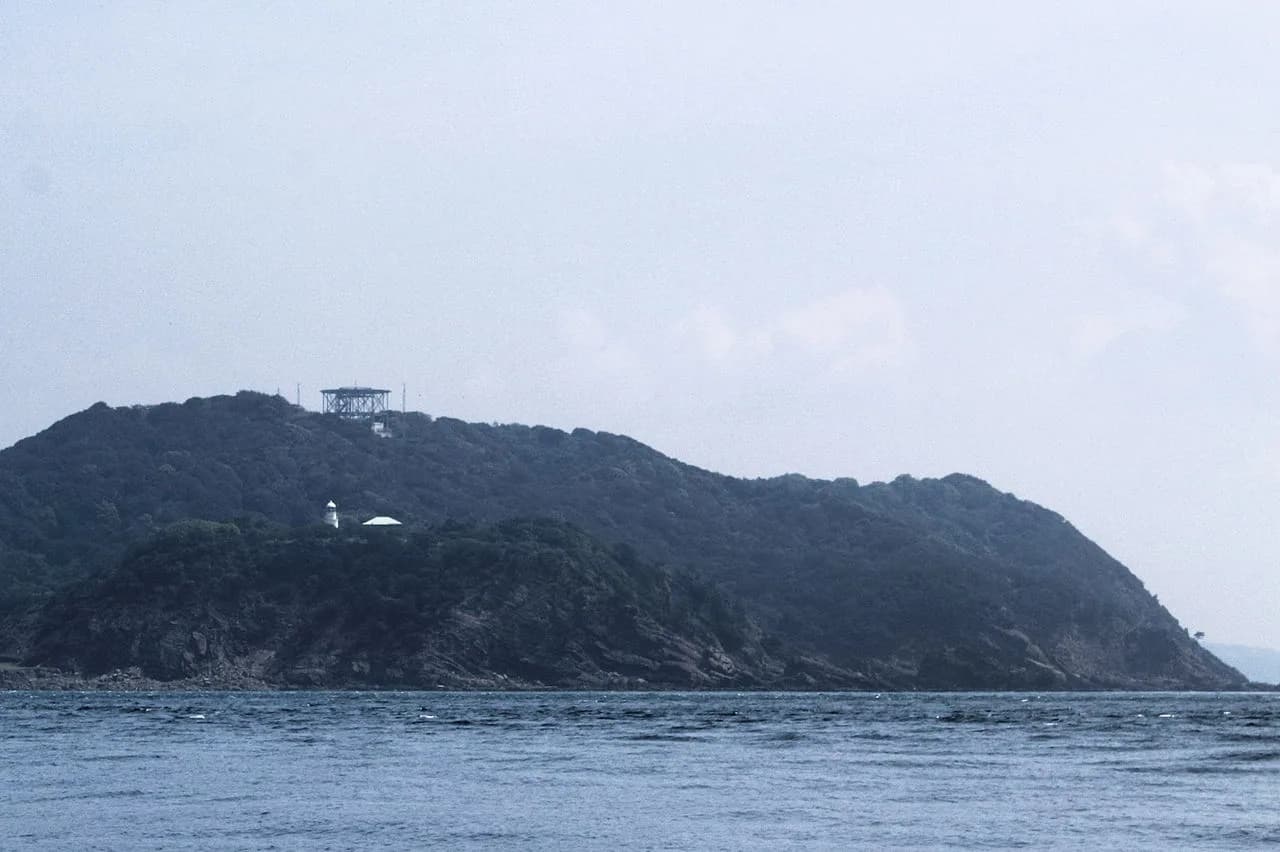
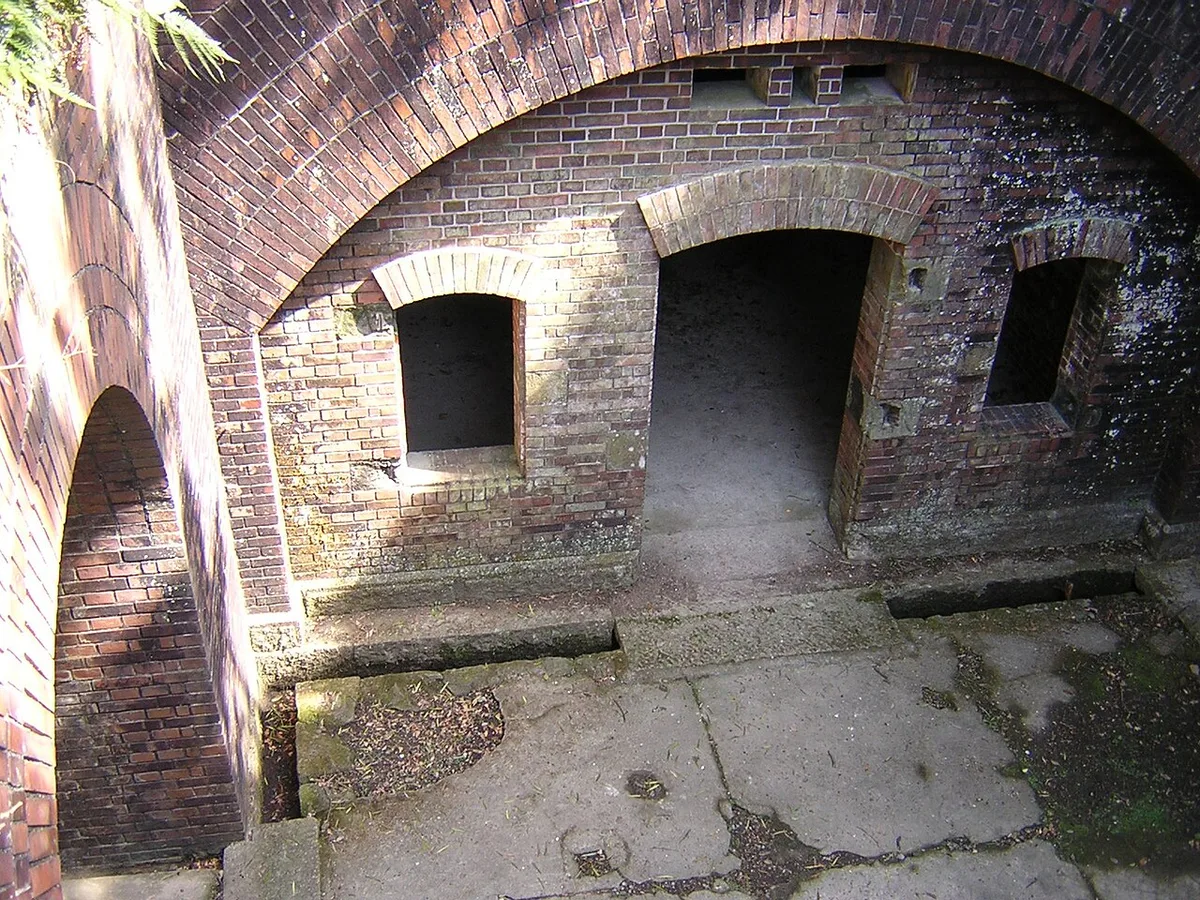
A short ferry ride out into Wakayama Bay sits a cluster of small, largely uninhabited islands known collectively as Tomogashima. Built up as a military fortress guarding the Kii Channel during the Meiji and Taisho eras, the island's red-brick ammunition depots and gun batteries were abandoned after the Second World War and left to the forest. Decades of banyan-fig roots and jungle overgrowth have since swallowed the brickwork, and the result — vaulted tunnels and crumbling walls half-consumed by tree roots — has become one of Wakayama's most photographed curiosities, regularly compared online to the floating fortress in Studio Ghibli's Castle in the Sky (Laputa).
Unlike the more polished stops on a typical Wakayama one-day itinerary, Tomogashima rewards visitors who don't mind unpaved trails, a real ferry schedule to plan around, and the absence of convenience stores once you're on the island. This 2026 guide covers the ruins, the walking loop, how to get there from Kada Port, and the practical details worth checking before you commit to a crossing.
Tomogashima has no overnight accommodation and only limited facilities, so the return ferry schedule effectively sets your visit length. Confirm the last departure before you set off, especially outside weekends and holidays when sailings are less frequent.
Key Takeaways
- Tomogashima's abandoned Meiji/Taisho-era fort ruins — reclaimed by banyan-fig roots and jungle growth — have earned comparisons to the floating fortress in Studio Ghibli's Castle in the Sky, making the island a popular photo pilgrimage.
- Daisan Housaidai (the Third Fort) is the single most photogenic ruin on the island and the highlight of the walking loop.
- A small wild deer population roams the island freely, adding an unexpected note to the fort-loop walk.
- Ferries run from Kada Port, about 30-40 minutes from JR Wakayama Station by car or bus, with a crossing of roughly 20 minutes.
- There is no overnight stay on Tomogashima — check the return ferry schedule carefully before you cross, since sailings thin out on weekdays.
The Ruins of Tomogashima: A Real-Life Laputa
Tomogashima's fortifications were built in stages from the late 1800s through the early twentieth century to defend the entrance to Osaka Bay via the Kii Channel, part of a coastal artillery network that once ringed the region. After the fortress lost its strategic purpose following the war, the batteries and ammunition depots were left in place rather than demolished, and the island's dense subtropical vegetation moved in over the following decades. Today the red-brick vaults, arched tunnels, and gun emplacements sit half-dissolved into the forest, with fig roots wrapping over doorways and ceilings the way they do at Cambodia's Ta Prohm — a resemblance that has driven much of Tomogashima's recent popularity among photographers and day-trippers exploring beyond the standard Wakayama attractions list.
The comparison to Castle in the Sky is now so common in Japanese travel media that it functions almost as a second name for the island. Whether or not the resemblance was ever intentional on Studio Ghibli's part, it has given Tomogashima a distinct identity that separates it from Japan's many other coastal fort ruins — this is less a history-first stop and more an atmosphere-first one, best visited slowly and with a camera.
What to See: The Fort Loop, Lighthouse, and Wild Deer
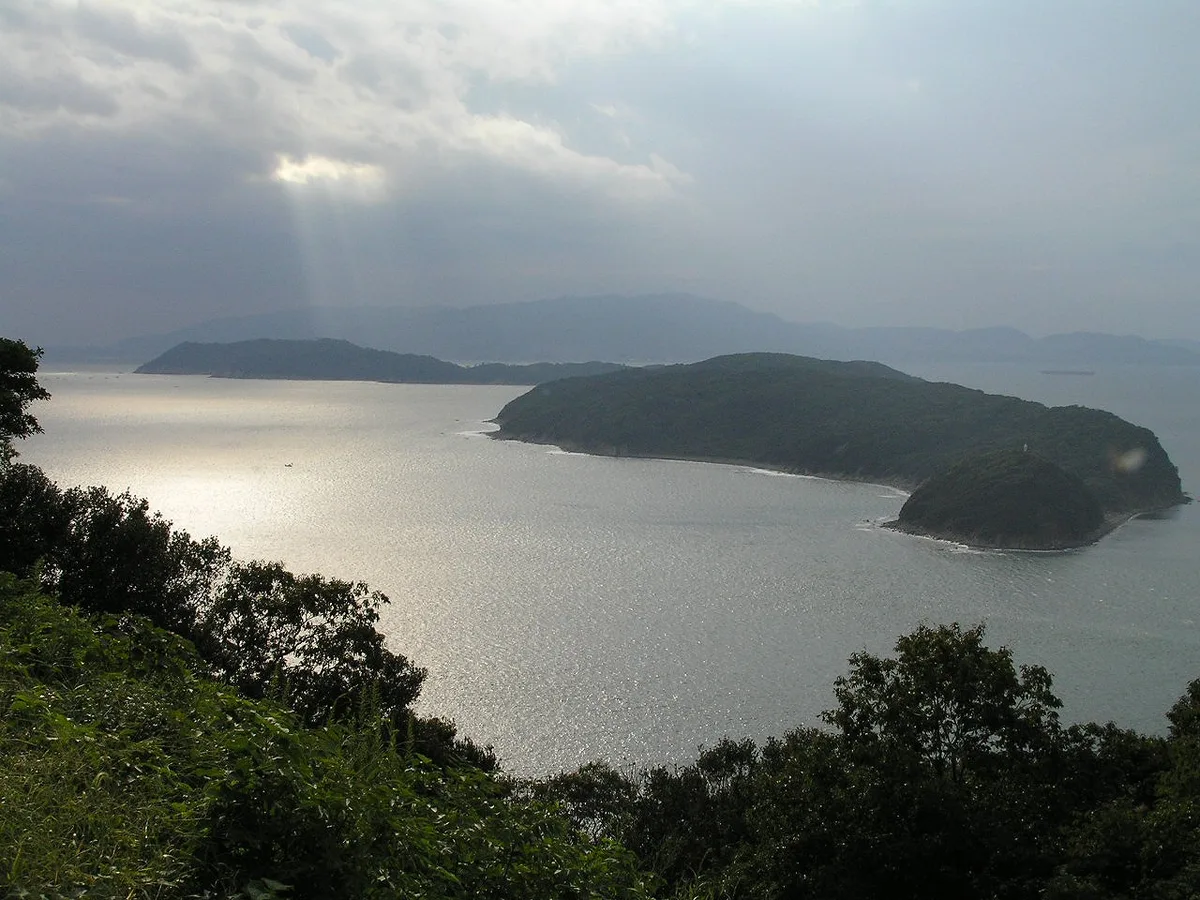
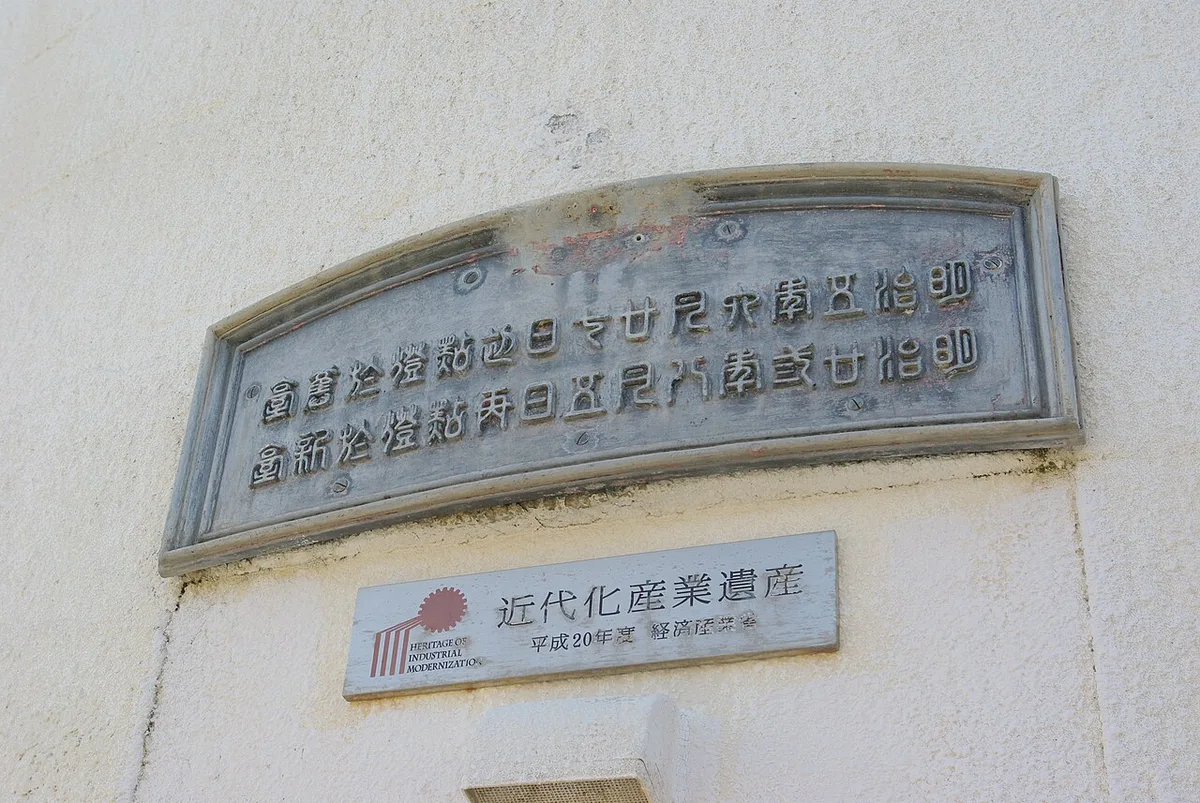
A signposted walking loop connects the island's main points of interest, taking in the old forts, a lighthouse, and several coastal viewpoints over the Kii Channel. The undisputed highlight is Daisan Housaidai, the Third Fort — the most overgrown and photogenic of the ruined batteries, where root systems have fully colonised the brick vaulting and light filters down through gaps in the canopy above collapsed sections of the roof. Most visitor itineraries build the loop around reaching this fort, with the other batteries and the lighthouse filled in along the way.
Tomogashima is also home to a small population of wild deer, descendants of animals introduced to the island generations ago, that now roam freely among the ruins and along the trail. They're generally unbothered by walkers, and spotting them weaving between the old fortifications adds an unusual, slightly surreal note to what is already an atmospheric walk. The full loop, forts included, comfortably fills the 3-4 hours most visitors budget for the island — pair it with a look at the best time to visit Wakayama if you're weighing the trip against seasonal humidity and typhoon timing, since the trail is fully exposed and unshaded in places.
Getting There: The Ferry from Kada Port
Tomogashima is reached exclusively by passenger ferry from Kada Port, a small harbour town roughly 30-40 minutes from JR Wakayama Station by car or local bus. The crossing itself takes about 20 minutes, threading between the smaller islets before arriving at the main pier. For visitors coming from further afield, the guide to getting to Wakayama from Osaka and Kyoto covers the rail connections that feed into Wakayama Station before the onward hop to Kada.
Ferry departures are limited on weekdays and more frequent on weekends and public holidays, so it's worth checking the current timetable before setting out rather than assuming an hourly service. Because Tomogashima has no accommodation and no way off the island outside the ferry schedule, missing the last return sailing is a genuine planning risk rather than a minor inconvenience — build in buffer time and confirm the day's final departure at the Kada Port ticket counter before you board the outbound boat.
Planning Your Visit: Tickets, Timing, and What to Bring
Round-trip ferry tickets run at roughly 2,000 yen for adults as a 2026 planning estimate; confirm current pricing at the Kada Port counter, since island ferry fares are adjusted periodically. Budget 3-4 hours on Tomogashima to comfortably walk the fort loop, reach the lighthouse, and stop for photos at the coastal viewpoints without rushing.
Because the trail is unpaved and uneven in sections — a legacy of a century-old military site rather than a maintained park path — real walking shoes are essential; sandals or fashion sneakers make the fort-loop sections around collapsed masonry needlessly difficult. Shops are sparse to non-existent on parts of the island, so bring your own water and snacks rather than counting on finding a vending machine partway round the loop. A wide-brimmed hat or sun protection is worth packing too, since much of the trail runs along exposed clifftop sections with little shade. If you're building a broader Wakayama City stop around the crossing, the Wakayama Castle guide makes a natural pairing back on the mainland once the ferry returns.
Frequently Asked Questions
Why is Tomogashima Island compared to Castle in the Sky?
Tomogashima's abandoned Meiji and Taisho-era military ruins — red-brick ammunition depots and gun batteries reclaimed by banyan-fig roots and dense jungle overgrowth — visually echo the overgrown floating fortress in Studio Ghibli's Castle in the Sky (Laputa). The comparison has spread widely through Japanese travel media and social photography, making the island a popular pilgrimage stop for fans of the film's aesthetic even though the ruins predate it by decades.
How do you get to Tomogashima Island?
Tomogashima is reached by passenger ferry from Kada Port, which is about 30-40 minutes from JR Wakayama Station by car or local bus. The ferry crossing itself takes roughly 20 minutes. Departures are limited on weekdays and more frequent on weekends and holidays, so check the timetable at the Kada Port ticket counter before setting out.
Can you stay overnight on Tomogashima Island?
No. Tomogashima has no accommodation, so visits are strictly day trips bounded by the ferry schedule. Because sailings are limited outside weekends and holidays, it's worth confirming the last return departure before boarding the outbound ferry rather than assuming a frequent service.
What should you wear and bring to Tomogashima Island?
Wear real walking shoes rather than sandals, since the fort-loop trail is unpaved and uneven around the old ruins. Bring your own water, as shops are sparse on parts of the island, and pack sun protection for the exposed clifftop sections of the walk. Plan for 3-4 hours to comfortably cover the fort loop, lighthouse, and coastal viewpoints.
Tomogashima rewards the small amount of planning it demands. The overgrown fort ruins — quietly dramatic, half-swallowed by root systems, and roamed by a handful of wild deer — offer an experience unlike anything else on Wakayama's mainland circuit, and the short ferry crossing from Kada Port keeps it within easy reach of a single day trip. Build in buffer time for the return sailing, wear shoes that can handle uneven brick and unpaved trail, and the island delivers one of the more atmospheric half-days available anywhere in the prefecture.
Pair the crossing with a look at Wakayama's other attractions for a fuller picture of what the city and coast offer beyond Tomogashima, or slot it into a wider one-day Wakayama itinerary if you're routing the trip from Osaka or Kyoto.
For background on the island's fortification history, see Tomogashima on Wikipedia.
Free guide: Japan's Hidden Gems
12 under-the-radar places beyond Tokyo & Kyoto — with the best season to visit each and a local tip you won't find in the guidebooks.
You might also like


Continue reading
More guides you'll find useful


