Wakayama Castle: Complete Visitor Guide (2026)
Guide to Wakayama Castle in 2026: the Toyotomi-to-Kishu-Tokugawa history, Momijidani Garden and the Ohashi-rouka corridor bridge, cherry blossom season, the samurai photo experience, and 2026 admission and hours estimates.
On this page
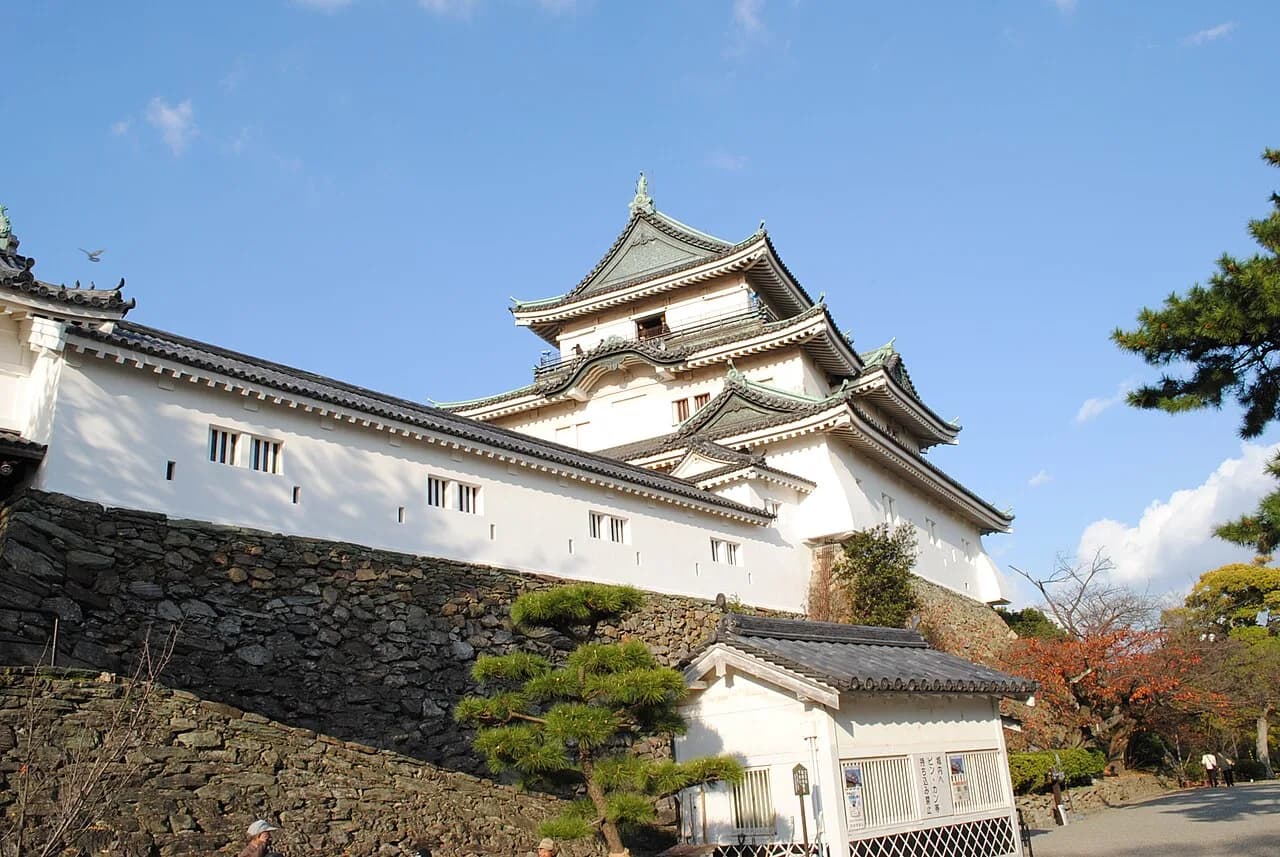
Wakayama Castle sits on a low hill at the heart of the city, its white-walled keep visible from much of the surrounding streetscape and a natural anchor for anyone building a one-day itinerary around Wakayama. Built in 1585 by Toyotomi Hidenaga, the half-brother of Toyotomi Hideyoshi, the castle later became the seat of the Kishu-Tokugawa clan — one of the three branch houses of the Tokugawa family, and the line that produced Tokugawa Yoshimune, one of the most consequential shoguns of the Edo period. That dual heritage, Toyotomi origins layered under two and a half centuries of Tokugawa rule, gives the site more historical weight than its modest size might suggest.
The original keep did not survive the twentieth century: it burned in the air raids of 1945, and the structure visitors climb today is a ferro-concrete reconstruction completed in 1958, faithful to the historical silhouette on the outside and fitted out as a museum of armor, swords, and Kishu-Tokugawa artifacts on the inside. Around its base, Momijidani Garden and the connected Ohashi-rouka corridor bridge, plus a well-known cherry blossom season each spring, round out a visit that comfortably fills two to three hours.
This 2026 guide covers the castle's history, its garden and grounds, cherry blossom timing, the samurai costume experience near the entrance, and practical details on admission, hours, and getting there from JR Wakayama Station. It also links out to the broader Wakayama attractions guide for planning the rest of a visit to the city.
A combination ticket covering both the castle keep and Momijidani Garden is typically available at the ticket office and works out cheaper than paying for each separately — ask at the entrance, since availability and exact pricing are confirmed on arrival.
Key Takeaways
- Wakayama Castle was built in 1585 by Toyotomi Hidenaga and later became the seat of the Kishu-Tokugawa clan, one of the three Tokugawa branch houses that produced shogun Tokugawa Yoshimune.
- The current keep is a 1958 ferro-concrete reconstruction — the 1585 original burned in the 1945 air raids — housing a museum of armor, swords, and Kishu-Tokugawa artifacts.
- Momijidani Garden, an Edo-period landscaped garden at the castle base, connects to the keep grounds via the distinctive roofed Ohashi-rouka corridor bridge.
- Around 600 cherry trees make the castle grounds one of the Kansai region's better-known hanami spots in late March and early April, with night illumination during peak bloom.
- Keep admission runs roughly ¥410 for adults (2026 estimate), with hours of approximately 9:00–17:00 and last entry at 16:30 — the castle is about a 10-minute walk from JR Wakayama Station.
A Castle Built by the Toyotomi, Ruled by the Tokugawa
Wakayama Castle's history begins in 1585, when Toyotomi Hidenaga — half-brother of the unifier Toyotomi Hideyoshi — built the fortress to secure the Kii Peninsula for the Toyotomi regime following its campaign against the region's fortified temple communities. The choice of site was strategic rather than scenic: a low hill overlooking the Kinokawa River delta, positioned to control both land routes and the approach from the sea.
Following the fall of the Toyotomi and the establishment of Tokugawa rule, the castle passed to the Kishu-Tokugawa clan, one of the go-sanke — the three branch houses of the Tokugawa family permitted to provide a shogun if the main line failed to produce an heir. That arrangement mattered in practice: Tokugawa Yoshimune, the eighth shogun and one of the more reform-minded rulers of the Edo period, came from this very lineage, giving Wakayama Castle a direct line to national history rather than a purely regional one. For nearly two hundred and seventy years, the Kishu-Tokugawa governed the domain from this hill, steadily expanding and reinforcing the castle complex.
That long continuity ended abruptly in 1945, when Allied air raids destroyed the original keep along with much of central Wakayama City. The structure that stands today is a 1958 ferro-concrete reconstruction, built to the historical exterior profile but internally configured as a museum. Inside, displays of samurai armor, swords, and artifacts connected to the Kishu-Tokugawa clan trace the castle's four centuries from Toyotomi fortress to Tokugawa domain seat to postwar landmark — a useful complement to Kimiidera Temple for visitors building out a fuller picture of Wakayama's Edo-period heritage.

Momijidani Garden and the Ohashi-rouka Corridor
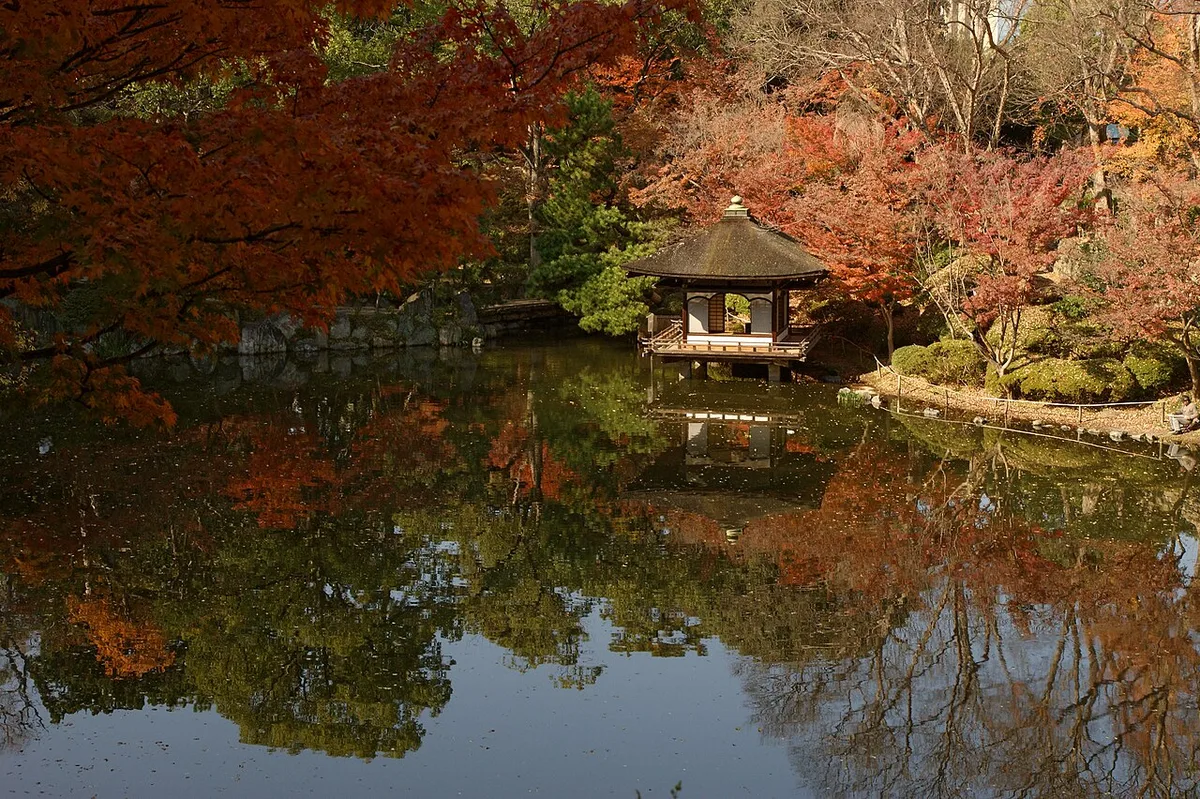
At the base of the castle hill, Momijidani Garden preserves an Edo-period landscaped garden built for the Kishu-Tokugawa lords' private enjoyment. Ponds, stone arrangements, and seasonal plantings give it a quieter, more contemplative pace than the keep above, and it rewards a slower fifteen-to-twenty-minute walk rather than a quick pass-through.
The garden's most distinctive architectural feature is the Ohashi-rouka, a roofed wooden corridor bridge that connects the garden directly to the castle's inner grounds. Unlike an open bridge, the Ohashi-rouka is enclosed on both sides — originally built so that the lord's family could move between the garden and the castle without being seen from outside, a detail that speaks to the layered privacy considerations of Edo-period elite architecture. Walking its length today is one of the more memorable small experiences on the grounds, distinct from anything at comparable castle sites elsewhere in Kansai.
Most visitors pair Momijidani Garden with the keep on a single ticket, and the combination is generally the better value if both are on the itinerary. Visitors staying near the coast can extend the day toward Wakayama Marina City, a short trip from the castle grounds and a natural second stop after the historical core of the morning.
Cherry Blossoms and the Samurai Experience
Wakayama Castle's grounds hold roughly 600 cherry trees, making it one of the more concentrated hanami spots in the Kansai region during peak bloom, typically late March through early April. During the season the castle grounds stay open into the evening with illumination lighting the keep and surrounding blossoms — a noticeably different atmosphere from the daytime visit, and one worth timing deliberately. Because bloom dates shift year to year, checking the best time to visit Wakayama guide before booking travel around cherry blossom season is worth the extra step.
Near the castle entrance, a samurai costume experience lets visitors rent armor and period dress for photographs against the keep backdrop — a popular add-on for families and a low-effort way to bring the castle's Toyotomi-to-Tokugawa history into a keepsake photo rather than just a plaque read in passing. It runs on a walk-up basis at the entrance area, with rental typically charged per session.

Visitor Information: Tickets, Hours, and Getting There
The table below summarizes the practical details for planning a visit; treat all prices and hours as 2026 estimates and confirm current figures on arrival or via the official Wakayama City tourism channels.
| Item | 2026 Estimate |
|---|---|
| Keep admission (adult) | ~¥410 |
| Momijidani Garden + keep combination ticket | Available at ticket office; confirm current price on arrival |
| Opening hours | ~9:00–17:00 daily, last entry 16:30 |
| Samurai costume experience | Walk-up, near main entrance, priced per session |
| From JR Wakayama Station | ~10-minute walk |
| Cherry blossom season | Late March–early April, night illumination |
Wakayama Castle is close enough to JR Wakayama Station to reach on foot, which makes it a convenient first or last stop for travelers connecting from Osaka or Kyoto — see the guide on getting to Wakayama for train and route options. For a full sense of how the castle fits alongside the rest of the city's sights, from the Kuroshio Market tuna show to the coastal attractions further out, the broader Wakayama attractions guide lays out a complete itinerary framework.
Frequently Asked Questions
Who built Wakayama Castle and when?
Wakayama Castle was built in 1585 by Toyotomi Hidenaga, the half-brother of Toyotomi Hideyoshi, to secure the Kii Peninsula for the Toyotomi regime. After the Tokugawa shogunate was established, the castle became the seat of the Kishu-Tokugawa clan, one of the three branch houses of the Tokugawa family — a lineage that later produced shogun Tokugawa Yoshimune.
Is the current Wakayama Castle keep original?
No. The original keep burned during the air raids of 1945, and the structure standing today is a ferro-concrete reconstruction completed in 1958. It follows the historical exterior profile and houses a museum of armor, swords, and artifacts connected to the Kishu-Tokugawa clan.
What is the Ohashi-rouka at Wakayama Castle?
The Ohashi-rouka is a roofed wooden corridor bridge connecting Momijidani Garden to the castle's inner grounds. Enclosed on both sides, it was originally built so the lord's family could move between the garden and the castle privately. It is a distinctive architectural feature not found at most comparable Kansai castle sites.
When is the best time to see cherry blossoms at Wakayama Castle?
Wakayama Castle's roughly 600 cherry trees typically bloom in late March through early April, and the grounds stay open into the evening with illumination during peak bloom. Exact timing shifts year to year with weather, so checking current forecasts closer to a planned visit is recommended before booking travel around the season.
Wakayama Castle packs an unusual amount of layered history into a compact, walkable site: a Toyotomi-era fortress that became a Tokugawa domain seat, a garden and corridor bridge built for private court life, and a postwar reconstruction that keeps the story accessible in museum form. Add cherry blossom season or the samurai photo experience, and a visit stretches naturally into two to three hours without feeling padded.
Because the castle sits an easy walk from JR Wakayama Station, it pairs well with almost any other stop in the city, whether that is the one-day Wakayama itinerary for a full day plan or a shorter half-day combined with the coastal sights. For the complete picture of what else the city offers, the Wakayama attractions guide is the place to start.
For reference information on the castle's history, see Wakayama Castle on Wikipedia.
Free guide: Japan's Hidden Gems
12 under-the-radar places beyond Tokyo & Kyoto — with the best season to visit each and a local tip you won't find in the guidebooks.
You might also like


Continue reading
More guides you'll find useful