Where to Stay in Kinosaki Onsen: Best Ryokan (2026)
Where to stay in Kinosaki Onsen in 2026: ryokan areas, price tiers from minshuku to premium, what's included in your stay, and booking tips for crab season and winter weekends.
On this page
In Kinosaki Onsen, the accommodation is the attraction. The town — a short willow-lined strip of hot-spring bathhouses and traditional inns along the Otani River in northern Hyogo — is built around a single idea: you check in, change into a yukata and wooden geta, and spend the evening wandering between the seven public sotoyu baths with your yukata swishing on the cobblestones. The ryokan makes all of this possible. Everything else in Kinosaki follows from where you sleep.
The good news is that the town is remarkably compact. The full length of the main street from Kinosaki Onsen Station to the ropeway base is barely a kilometre, so no matter which ryokan you book, the bathhouses, shops, and riverbank are never more than a 10–15 minute walk away. The differences between accommodations come down to tier, style, and what your dinner table looks like — whether that means a simple family-cooked meal or a multi-course kaiseki heavy with local snow crab.
This 2026 guide covers what a ryokan night in Kinosaki includes, how to choose your area, what different price tiers actually deliver, and when to book to avoid missing out. For the full picture of things to do once you are here, see our Kinosaki Onsen travel guide.
Every ryokan and minshuku in Kinosaki Onsen provides guests with a "Yumepa" pass — a colour-coded card that grants free entry to all seven public sotoyu bathhouses for the full duration of your stay. This is included as standard regardless of accommodation tier and cannot be purchased separately by day visitors.
Key Takeaways
- The Yumepa bath pass — included free with every overnight stay — covers all seven sotoyu baths and is the single biggest reason an overnight visit delivers far more than a day trip.
- All ryokan include a multi-course kaiseki dinner and Japanese breakfast; dinner menus range from standard kaiseki to Tajima-beef and snow-crab courses depending on tier and season.
- Three loosely distinct areas suit different priorities: the Otani River corridor (most atmospheric), near the station (convenient for arrivals), and the quieter north-west near Kono-yu.
- Crab-course winter plans carry the highest per-person rates — ¥30,000 to ¥60,000+ — and are the first to sell out on winter weekends and over the New Year break.
- Reserve at least two to three months ahead for crab season (November–March), Golden Week, and New Year; shoulder-season weekdays are generally more available with shorter lead times.
What a Ryokan Night in Kinosaki Onsen Includes
The standard Kinosaki ryokan package is more generous than many first-time visitors expect. Check-in typically runs from early afternoon; by the time you reach your tatami room, a folded yukata and a pair of wooden geta sandals are already waiting. Both are yours to wear for the entire stay — not just indoors, but outside on the street. The yukata-and-geta-on-cobblestones aesthetic that defines Kinosaki's visual identity is not a performance for photographers; it is simply what everyone wears after dark.
The Yumepa pass — provided by the inn at check-in — is your ticket to all seven public sotoyu bathhouses for the length of your stay, day or night. It is the single most important inclusion in any Kinosaki booking and is one of the main reasons a ryokan night here delivers such strong value compared with simply visiting for the day. Day visitors can purchase individual sotoyu entry tickets, but they cannot obtain the Yumepa pass; it is exclusive to overnight guests. Our guide to the seven sotoyu bathhouses covers what each one looks like, the bathing styles on offer, and the best order to visit them across an evening.
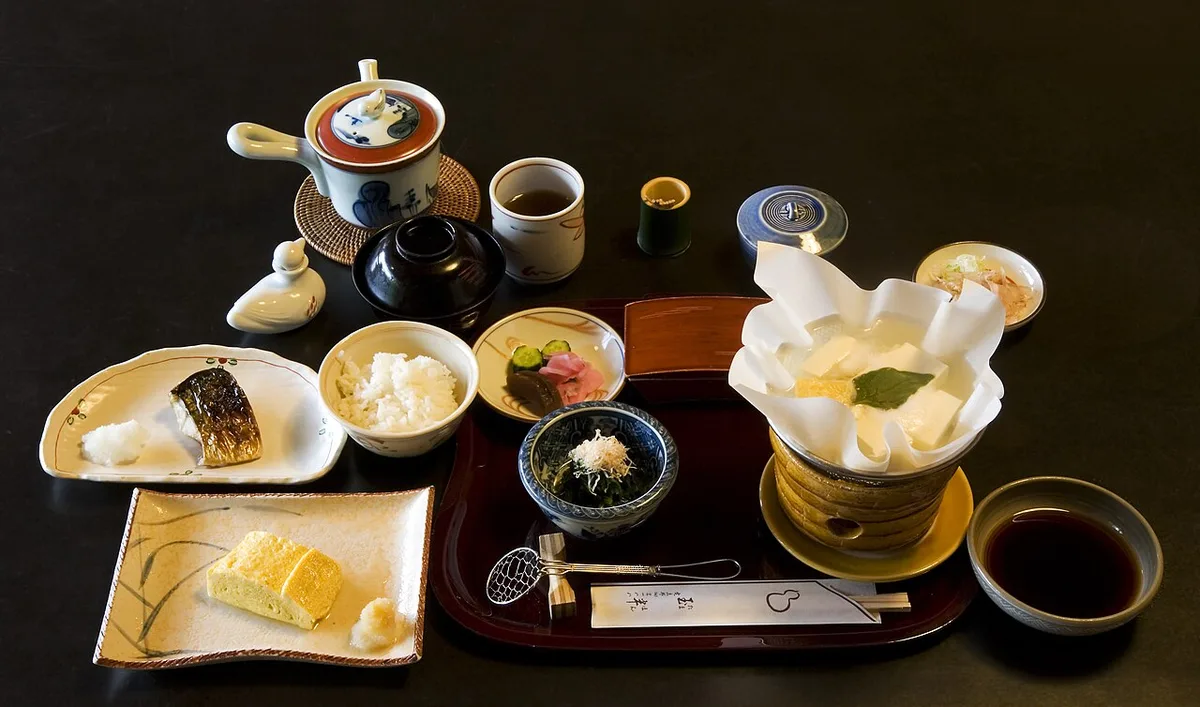
Beyond the pass, every stay includes a multi-course kaiseki dinner served in your room or in the dining hall (policies vary by inn) and a Japanese breakfast the following morning. Many ryokan also have their own in-house baths — indoor and sometimes outdoor rotenburo — available to guests in addition to the seven public baths. Rooms at mid-range and premium inns frequently include a private in-room or family bath that guests can reserve for exclusive use at set times. Whether private bathing matters is one of the key questions to settle before booking.
Choosing Your Area: Where in Kinosaki to Stay
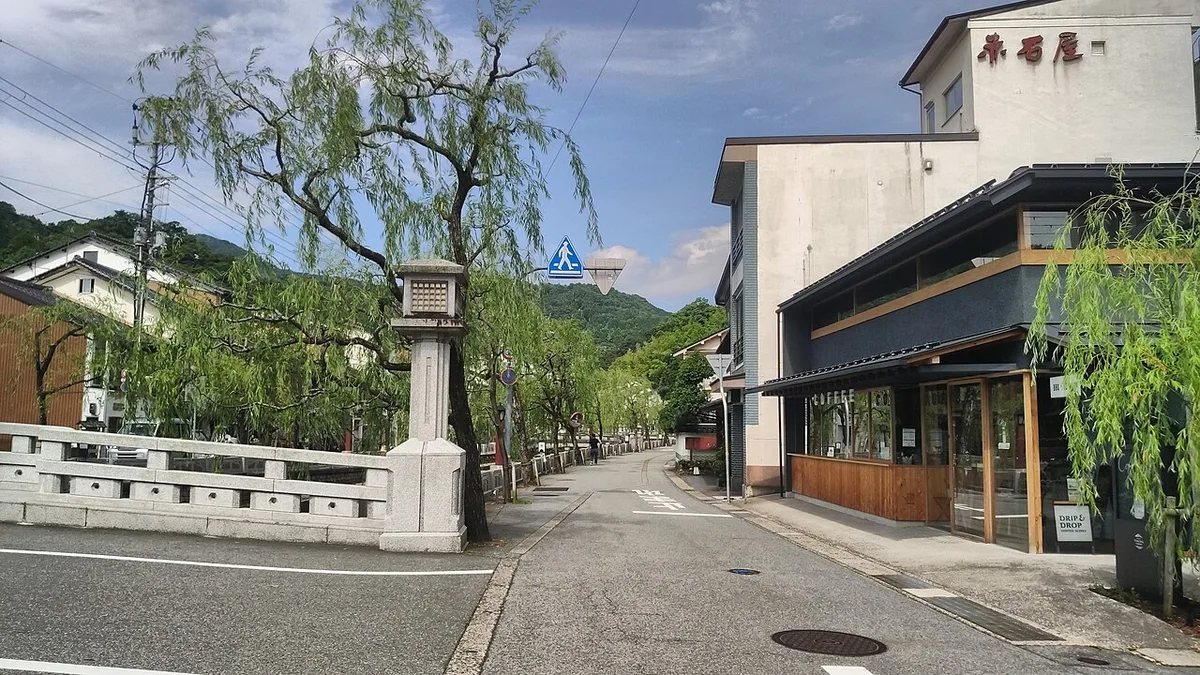
The town is small enough that "location" is less a question of distance and more a question of atmosphere. That said, three loosely distinct pockets each offer a slightly different feel, and matching one to your priorities makes the stay more comfortable.
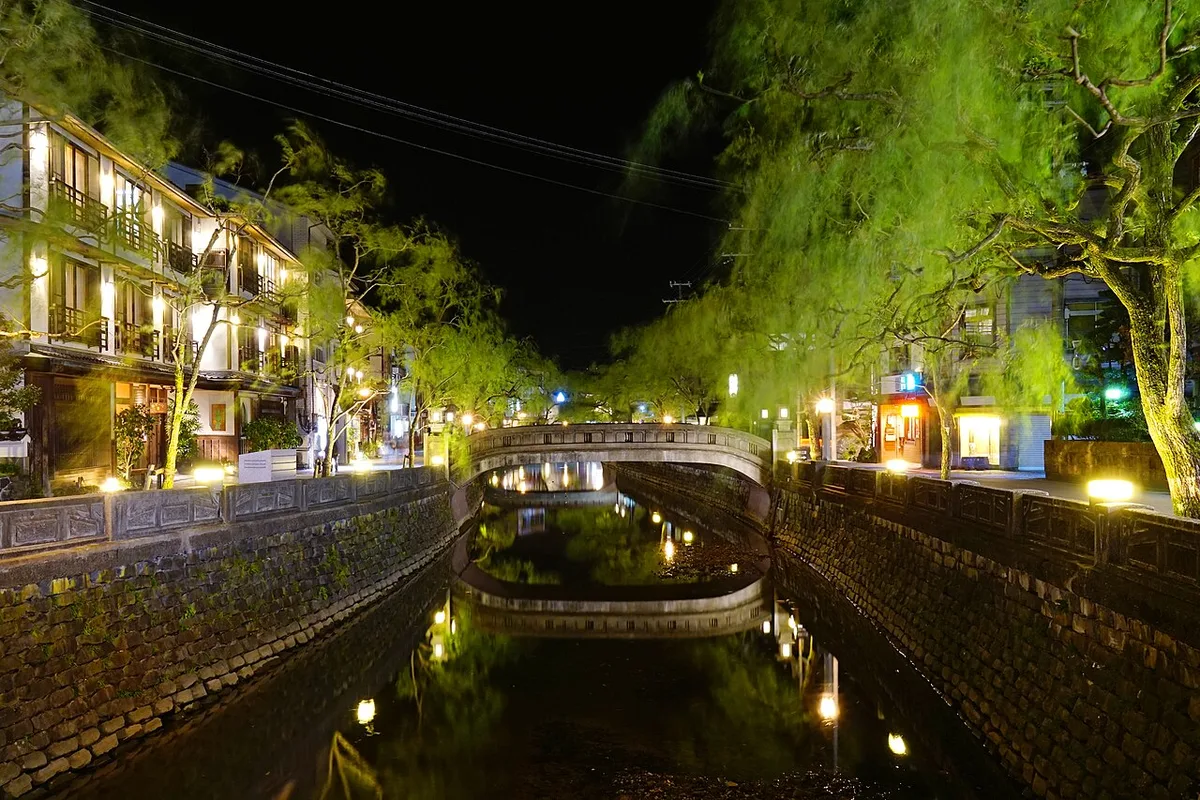
The Otani River corridor — the willow-lined main street running alongside the canal — is where the majority of Kinosaki's ryokan sit, and for most visitors it is the natural choice. You are within easy walking distance of every sotoyu bath, the souvenir shops, and the riverside lantern light that defines Kinosaki evenings. The concentration of atmosphere here is the highest in the town, and the sound of wooden geta on stone paths is constant after dark.
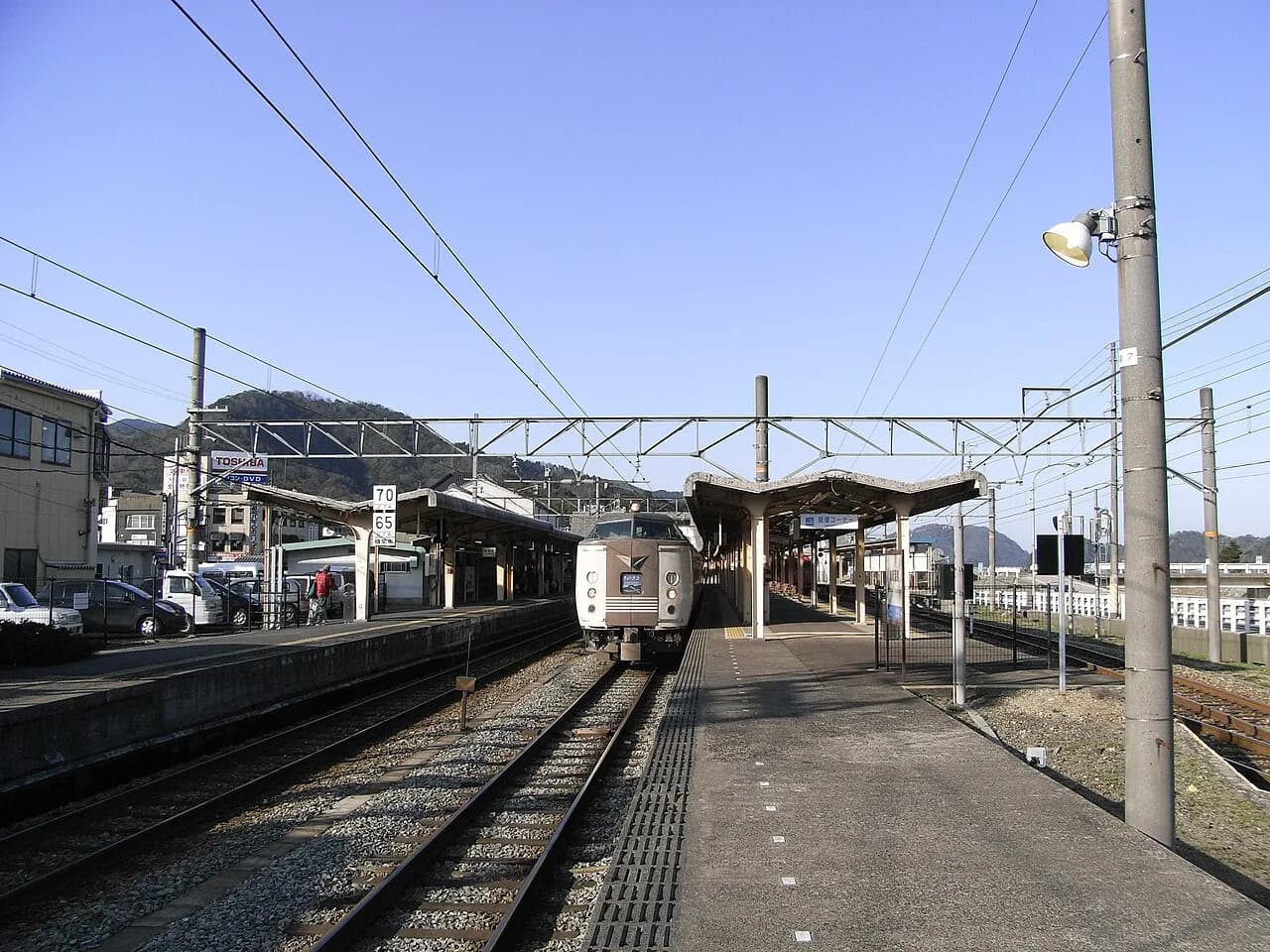
The area near Kinosaki Onsen Station suits travellers arriving late or departing early, or anyone who finds reaching their inn immediately after a long journey a genuine comfort. Satono-yu — the largest and most architecturally striking of the seven bathhouses — is directly outside the station building, so staying nearby means beginning the sotoyu circuit in impressive fashion.
The north-west end of town, near Kono-yu and the base of the Mount Daishi ropeway, is the quietest part of the main street. Ryokan here tend to appeal to guests who want a slightly more removed experience; if you plan to ride the Mount Daishi ropeway early for hilltop valley views before the crowds, staying in this pocket makes it easy to do so without walking the full length of town first.
Ryokan Price Tiers and What to Expect
All figures below are 2026 planning estimates per person per night, with dinner and breakfast included, based on double occupancy. Rates vary considerably by season, day of week, and dinner plan. Always confirm current pricing directly with the ryokan or via a booking platform before committing — crab-season and New Year plans carry significant surcharges over the base rate shown here.
| Type / Tier | What to Expect | Est. Price (per person, 2026) |
|---|---|---|
| Minshuku & simpler ryokan | Family-run guesthouses; tatami rooms; shared or basic private baths; home-style cooking alongside or instead of full kaiseki; warm and unpretentious atmosphere | ~¥12,000–¥18,000 |
| Mid-range ryokan | Dedicated in-house baths; private bath options commonly available; refined kaiseki dinner served in room or private dining area; attentive service; solid choice for a first visit | ~¥18,000–¥28,000 |
| Premium ryokan | In-room or exclusively bookable private rotenburo; highest-grade local kaiseki; Tajima-beef and crab upgrades available; larger rooms with refined décor and more attentive service ratio | ~¥30,000–¥60,000+ |
| Winter crab-course plans (any tier) | Standard room rate upgraded with a snow-crab multi-course dinner; local Matsuba crab served raw, grilled, steamed, and in broth; the most sought-after plan from November through March | Typically ¥10,000–¥30,000+ above standard rate |
The crab-course dinner is a defining Kinosaki experience from November through March. Local Matsuba crab — the regional name for male snow crab landed on the Sea of Japan coast — arrives on the table in multiple preparations across the course of the meal. If your visit falls in the crab season, upgrading to a crab plan is widely considered worth the premium. Our guide to dining on winter crab in Kinosaki covers the season dates, what a full crab course involves, and how to read the menu options when booking.
Long-Established Ryokan Worth Researching
Kinosaki has several ryokan that have operated for generations and built strong reputations as the town's most recognisable inns. The names below give orientation and a starting point for your research — always verify current rates, availability, and service details directly with each property or via a booking platform, as these change and any listing can go stale.
Nishimuraya Honkan is consistently cited among the finest traditional ryokan in the Tajima region. A long-established riverside property with its own garden baths, it represents the upper end of the Kinosaki experience and books out well in advance in any season. Its sister property, Nishimuraya Hotel Shogetsutei, offers a more hotel-style format within the same well-regarded family group — suitable for travellers who want the Nishimuraya service standard with a slightly more familiar room arrangement.
Tsukimotoya and Mikiya are two further riverside houses with long histories in the town; both are regularly recommended in Japanese travel publications and appeal to guests seeking an intimate, family-scale atmosphere in the mid-to-premium range. These properties and others lining the Otani River are best compared using a Japanese booking platform such as Jalan or Rakuten Travel, where photos, verified guest reviews, and real-time bath-type filters make side-by-side selection straightforward.
Booking Tips and Seasonal Considerations
Kinosaki is a popular domestic destination year-round, and availability tightens sharply during the key windows. The general rule: if your dates fall within crab season (November to March), over a Japanese public holiday, or across the New Year break, book at least two to three months ahead. Premium riverside ryokan during winter weekends can fill four to six months out at peak crab-season demand.
When confirming your reservation, clarify three things: what the dinner menu consists of (standard kaiseki, a Tajima-beef course, or a crab plan), what the bathing arrangements are (shared in-house baths, a reservable private bath, or an in-room tub), and the exact check-in and check-out times. Some ryokan offer a family or private bath that can be booked for exclusive use at no extra charge or for a modest fee — worth requesting in advance, particularly for couples or families travelling with young children who prefer privacy.
Shoulder-season weekdays — late April to early June and mid-October — offer the best combination of availability and reasonable rates. Autumn foliage along the Otani River in October and November is a draw in itself and worth timing a visit around. If you are building a multi-day Kinosaki itinerary, two nights is the minimum that allows a relaxed run through all seven sotoyu baths, some daytime exploration, and a leisurely breakfast before checking out. One night is feasible but tends to feel rushed once dinner, bathing, and sleep take their share of the hours.
Getting to the town from Kyoto or Osaka is straightforward by limited express on the JR San'in Main Line. Our guide to reaching Kinosaki Onsen by train covers journey times, the IC card limitations on the final local section, and luggage forwarding options that let you travel light on the day of arrival.
Frequently Asked Questions
What does a Kinosaki Onsen ryokan stay include?
Every ryokan stay in Kinosaki Onsen includes a tatami room, a yukata and wooden geta sandals to wear around town, a multi-course kaiseki dinner, a Japanese breakfast, and the "Yumepa" pass — a card granting free entry to all seven public sotoyu bathhouses for the entire length of your stay. Many inns also have their own in-house baths and some offer private or in-room onsen options at mid-range and premium tiers.
How much does a ryokan in Kinosaki Onsen cost in 2026?
Rates vary widely by tier and season. As 2026 planning estimates per person per night with dinner and breakfast included: simpler ryokan and minshuku run roughly ¥12,000–¥18,000; mid-range ryokan ¥18,000–¥28,000; premium properties ¥30,000–¥60,000 or more. Winter crab-course plans add substantially to any tier's standard rate. Always confirm current pricing directly with the inn or via a booking platform before committing.
Which area of Kinosaki Onsen is best to stay in?
The Otani River corridor (the willow-lined main street) puts you closest to the most bathhouses and to the evening atmosphere most visitors come for — it is the default choice for first-time visitors. Near the station suits late arrivals; the quieter north-west end near Kono-yu suits those who prefer more seclusion and plan to use the ropeway. The whole town is under a 15-minute walk end to end, so no area is inconvenient.
When should I book a Kinosaki Onsen ryokan?
Book two to three months ahead as a minimum for crab season (November–March), winter weekends, Golden Week, and the New Year holiday period. Premium riverside ryokan during peak crab weekends can fill four to six months in advance. Shoulder-season weekdays in late spring and mid-autumn are generally easier to book with shorter lead times.
Do all Kinosaki Onsen ryokan have their own baths?
Not all do. Simpler minshuku may rely on guests using the seven public sotoyu baths (covered by the Yumepa pass) rather than offering in-house onsen. Mid-range and premium ryokan generally have their own indoor and sometimes outdoor rotenburo baths; many offer reservable private or family baths. If in-house bathing is important to you, confirm the bathing arrangements before booking.
Choosing a ryokan in Kinosaki Onsen is less about finding "the best" property in an absolute sense and more about matching a tier and dinner plan to your budget and priorities. The Yumepa pass makes every overnight stay genuinely good value — the right to wander freely between seven architecturally distinct bathhouses after dark, in a yukata and geta, is an experience that cannot be replicated on a day trip. Whether you opt for a simple minshuku at ¥12,000 per person or a riverside premium inn at three times that, the fundamental rhythm of the stay — bath, dinner, bath again, sleep — remains the same.
For the fuller picture of what to do between bathhouse visits, our Kinosaki Onsen travel guide covers the sotoyu circuit, the temple walk, and the ropeway viewpoint. If you are planning a winter trip around the snow-crab season, our Kinosaki crab-season guide explains what the full dinner course involves, how the local Matsuba crab is sourced, and how to choose between the plans on offer when booking.
For trip-planning details, see Kinosaki Onsen on Wikipedia.
Free guide: Japan's Hidden Gems
12 under-the-radar places beyond Tokyo & Kyoto — with the best season to visit each and a local tip you won't find in the guidebooks.
You might also like


Continue reading
More guides you'll find useful