

Amanohashidate Itinerary: One Day (2026)
Plan your one-day Amanohashidate itinerary for 2026: timed south-to-north loop covering Chion-ji Temple, View Land matanozoki, the 3.6 km pine sandbar, Kasamatsu Park, and the sightseeing boat back.
On this page
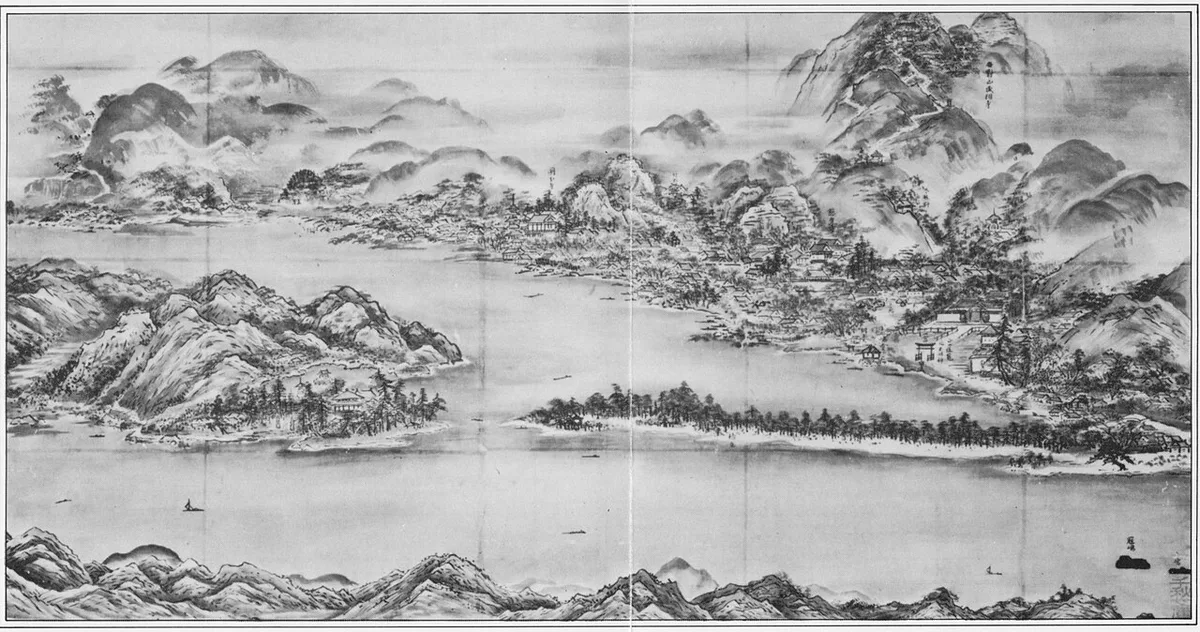
Amanohashidate — literally "Bridge in Heaven" — is one of Japan's celebrated Nihon Sankei, or three views, alongside Matsushima Bay and Miyajima Island. The site earns its reputation: a 3.6-kilometre pine-covered sandbar stretches across the mouth of Miyazu Bay in northern Kyoto Prefecture, and the traditional way to appreciate it is to bend forward, look between your legs, and watch the bar seem to rise from the water like a dragon climbing into the sky. That technique is called matanozoki, and there are two viewpoints — one at each end of the sandbar — each worth visiting in a single day.
The full loop is more satisfying than an out-and-back: ride the chairlift at the south end first, cross the sandbar by bike or on foot to the north, take the cablecar up to Kasamatsu Park for the classic panoramic angle, and return across the bay by sightseeing boat. Done in order, every element of the landscape reveals itself from a different vantage, and you never double back on yourself. Our full Amanohashidate attractions guide covers what lies at each stop in more detail.
This 2026 itinerary is timed for a day trip departing Kyoto by the first convenient morning limited express — arriving around 10:30 AM and catching the return around 16:30. If you are starting from Osaka, build in an extra 30–40 minutes each way. Train options, IC card guidance, and return timings are covered at the end of this article and in the Amanohashidate transport guide.
The Amanohashidate loop works south to north: View Land chairlift first, then cross the sandbar, then Kasamatsu Park, then the sightseeing boat back across Miyazu Bay. Doing it in reverse is possible but less convenient for catching the return train from the south end station.
Key Takeaways
- Amanohashidate is one of Japan's Nihon Sankei ("three views") — ranked alongside Matsushima and Miyajima for scenic grandeur and cultural resonance.
- The matanozoki technique — bending forward and looking between your legs — makes the sandbar appear to float through the sky like a flying dragon; both the south and north viewpoints have dedicated platforms for it.
- Bike rental near Amanohashidate Station costs around ¥1,000 for two hours (2026 estimate) and cuts the sandbar crossing to about 20 minutes — far more enjoyable than walking in summer heat.
- The south-to-north loop (View Land → sandbar → Kasamatsu Park → sightseeing boat) covers every highlight without retracing your steps.
- Chion-ji Temple, a five-minute walk from the station, is free to enter and a quieter opening stop before the viewpoints fill with visitors mid-morning.
One Day, South to North: The Full Loop
The following times assume a 10:30 AM arrival at Amanohashidate Station on a weekday or quieter weekend. Adjust by 15–20 minutes if arriving later in the morning. All admission prices are 2026 planning estimates — confirm on-site before purchasing, as these can change without notice.
-
~10:30 — Arrive at Amanohashidate Station. Collect a map from the tourist information board outside the station and orient yourself to the waterfront, which is a five-minute walk north. If you plan to cycle the sandbar — strongly recommended — note the rental shops near the south end entrance; most open from around 9:00 AM. Picking up your bike now and locking it near the View Land entrance lets you keep momentum after lunch.
-
10:45 — Chion-ji Temple. The temple sits immediately beside the station and makes a natural first stop before the viewpoint crowds build. Chion-ji is the sanctuary of Monju Bosatsu, the bodhisattva of wisdom, and draws students and exam-takers year-round. Pass through the wisdom ring at the entrance before praying at the main hall, and look out for the fan omikuji — fortune slips written on folding fans — which make an unusual souvenir. Entry to the grounds is free. Full details on both this temple and the hilltop sanctuary are in the Chion-ji and Nariai-ji guide.
-
11:15 — Amanohashidate View Land (south viewpoint). A short walk from Chion-ji leads to View Land, an amusement park whose chairlift (or monorail) ascends the hillside south of the bay. The ride takes about five minutes and deposits you at a ridge with a panoramic deck overlooking the full length of the sandbar and Miyazu Bay beyond. This is the first matanozoki opportunity: step onto the platform, bend forward, look between your legs, and watch the bar transform into a dragon in flight. Chairlift admission is approximately ¥850 per adult return (2026 estimate). Allow 30–40 minutes on the ridge. The matanozoki viewpoints guide explains what makes each platform different and which light conditions suit each angle best.
-
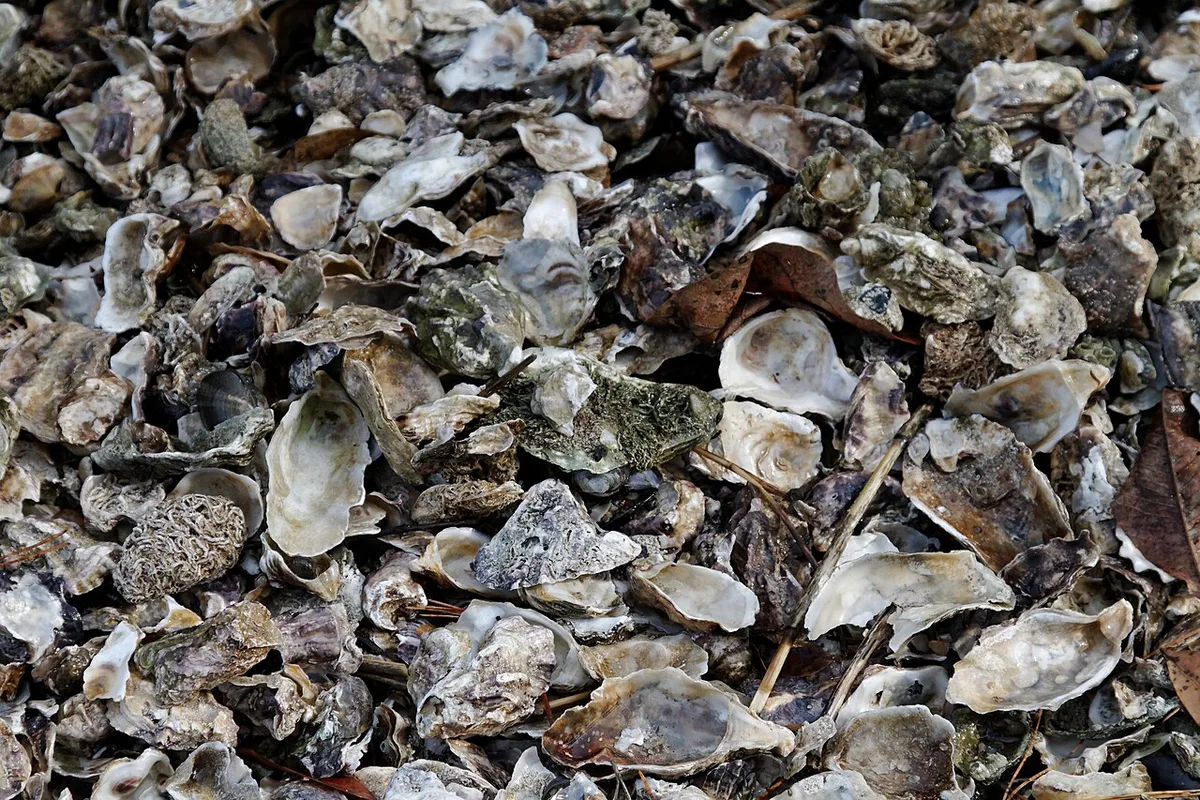
12:30 — Lunch near the station. Return to the station precinct for lunch. The area around the south end of the sandbar has several restaurants serving Tango Peninsula specialities — grilled oysters, clam chowder, and kaisen-don (rice topped with fresh seafood) from Miyazu Bay. Most places open from around 11:00 AM; expect to spend ¥1,200–¥2,000 per person for a sit-down meal (2026 estimate). Collect your rental bike after eating if you have not already done so.
-
13:15 — Cross the sandbar by bike or on foot. The 3.6 km pine sandbar is the centrepiece of the day. The path runs from the south entrance near View Land to the north end at Kasamatsu Park, flanked on both sides by several thousand Aleppo pines — many of them centuries old, contorted into dramatic shapes by coastal winds. Cycling takes roughly 20 minutes at a relaxed pace; walking takes 45–55 minutes. The path is flat, well-maintained, and pedestrian-only (no motorcycles or cars), so it feels genuinely peaceful. Stalls along the way sell drinks and snacks in summer. Bikes can be returned at the north end, where a second rental shop operates.
-
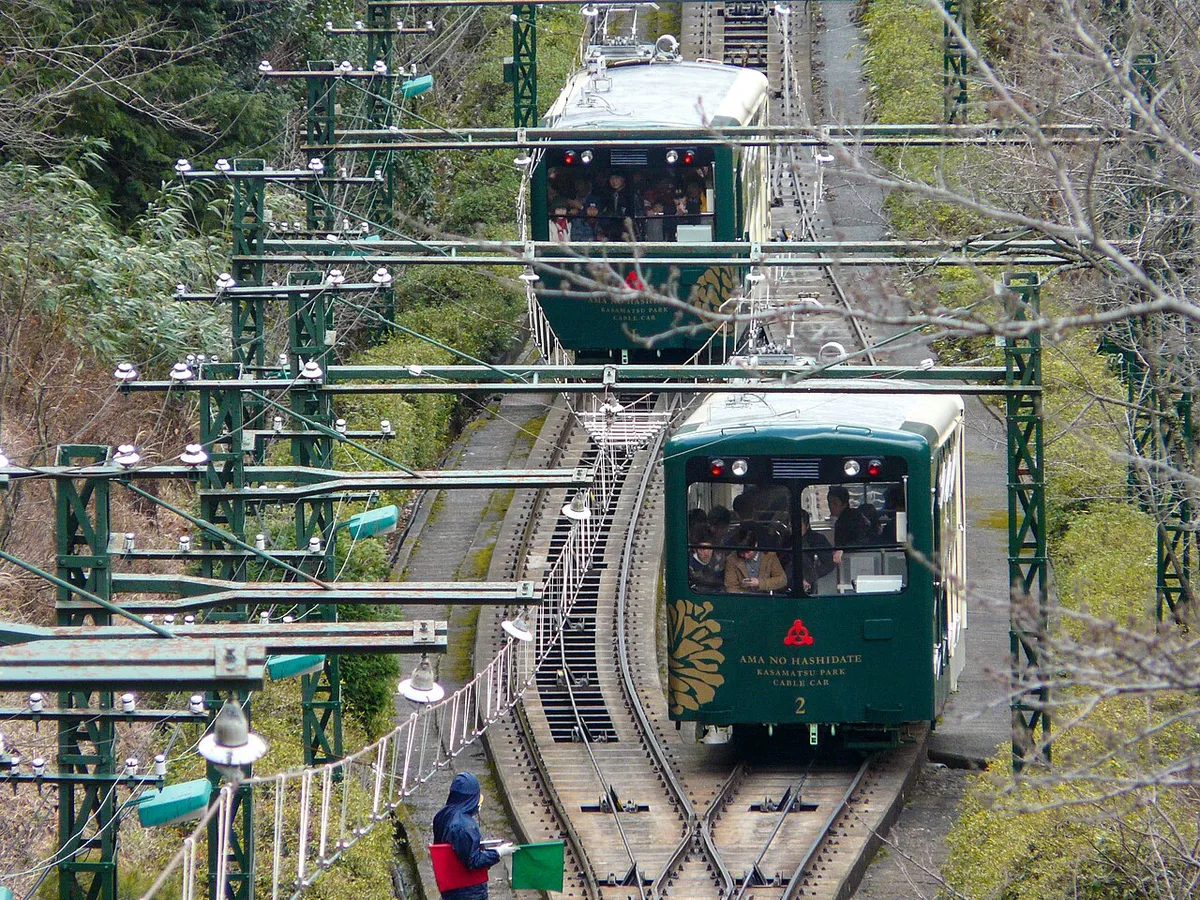
14:00 — Kasamatsu Park (north viewpoint). At the north end of the sandbar, a cablecar or chairlift (approximately ¥700 return, 2026 estimate) ascends to Kasamatsu Park on the hillside above Ichinomiya. The view here is widely considered the more dramatic of the two matanozoki platforms: the entire sandbar and the full sweep of Miyazu Bay are visible end to end, with the southern hills framing the far shore. Step up to the matanozoki platform for the second flying-dragon view of the day and notice how the perspective changes when you can see both ends of the bar at once. From Kasamatsu Park, a short bus service continues up to Nariai-ji Temple — the 28th stop on the Saigoku Kannon Pilgrimage — where a hilltop panorama deck extends the vistas further north. Allow 20 minutes return for the bus and temple visit if you choose to add it.
-
15:30 — Sightseeing boat back across Miyazu Bay. The sightseeing boat from the north end pier (near the base of the Kasamatsu cablecar) crosses Miyazu Bay back to the south end in approximately 12 minutes. Cost is around ¥750 per adult (2026 estimate). The view from the water — looking back at the sandbar from the middle of the bay — is the one perspective neither hillside can provide, and it finishes the loop elegantly. Boats run on a fixed schedule; check departure times at the north pier before descending from Kasamatsu. Current service intervals are in the sandbar and boat guide.
-
~16:30 — Train back to Kyoto or Osaka. Allow 15 minutes to walk from the south pier to Amanohashidate Station. The Kyoto Tango Railway departs for Fukuchiyama, where you connect to the JR Hashidate or Kinosaki limited express back to Kyoto. The last convenient express for Kyoto typically departs Amanohashidate around 16:30–17:00; evening services are infrequent, so check timetables in advance at the transport guide.
Longer Version: Adding Ine no Funaya
The Ine no Funaya fishing village — a cluster of 230 traditional boat-houses built directly over the water of Ine Bay, about 25 kilometres north of Amanohashidate — is one of the most atmospheric spots on the Tango Peninsula and is technically reachable by bus on a long day from Kyoto. In practice, the bus from Amanohashidate to Ine takes approximately one hour each way, which means adding Ine to the south-to-north loop above leaves very little time at either destination.
The two realistic options are: treat Ine as a separate day trip from a base in Kinosaki Onsen or Miyazu, or book an overnight in Amanohashidate and visit Ine the following morning before catching the late-morning express home. The overnight version is significantly richer — a relaxed afternoon at Kasamatsu, dinner with local crab and Tango oysters, and a quiet early visit to Ine before the tour buses arrive. The Ine guide covers bus schedules, sightseeing boat hire over the funaya, and what makes the boat-houses worth the detour. For broader trip-planning context — day trip versus overnight, and how Amanohashidate fits alongside other northern Kyoto Prefecture destinations — see our Amanohashidate day-trip planning guide.
Getting There: Train Timings and Practical Notes
The straightforward route from Kyoto is the Hashidate limited express (特急はしだて), which runs direct from Kyoto Station to Amanohashidate Station in approximately two hours. Departures from Kyoto typically begin around 8:30–9:00 AM; to arrive by 10:30 AM for this itinerary, aim for the 8:28 departure. The return express back to Kyoto runs until around 17:00–18:00 from Amanohashidate. From Osaka, take the Thunderbird limited express to Fukuchiyama, then transfer to the Hashidate — total journey time approximately 2.5–3 hours.
The Kyoto Tango Railway section (Fukuchiyama to Amanohashidate) is not covered by standard JR Passes — you will need to pay this segment separately, typically around ¥1,500–¥2,000 per adult one-way (2026 planning estimate). IC cards are accepted on most services. Full fare breakdowns, seat reservation guidance, and seasonal timetable notes are in the dedicated transport guide. For how Amanohashidate sits alongside other excursions from the city, our day trips from Kyoto overview maps journey times and access routes for the full range of destinations.
During peak seasons — cherry blossom (late March–early April), Golden Week (late April–early May), and autumn foliage (November) — the limited express fills quickly on reserved carriages. Book seats through JR's Eki-net or at any staffed JR ticket office in advance. The best time to visit Amanohashidate guide covers seasonal crowd patterns and what each month looks like on the sandbar and at the viewpoints.
Frequently Asked Questions
Can I do Amanohashidate as a day trip from Kyoto?
Yes, comfortably. The Hashidate limited express from Kyoto Station takes about two hours with no transfer, and the last return express leaves Amanohashidate in the early evening. Depart Kyoto around 08:30 to arrive by 10:30 AM, complete the south-to-north loop by 16:00, and catch the 16:30–17:00 return express. Full transport logistics, including the JR Pass caveat for the Kyoto Tango Railway leg, are in our Amanohashidate transport guide.
Should I walk or cycle the Amanohashidate sandbar?
Cycling is almost always the better choice. The 3.6 km sandbar takes about 20 minutes by bike versus 45–55 minutes on foot, and the bike rental shops near the station charge around ¥1,000 for a two-hour slot (2026 estimate). In summer, the exposed path can be warm; cycling keeps you moving in the sea breeze. You can return the bike at the north end rental shop rather than riding back. Full details are in our sandbar walk and cycle guide.
What is matanozoki and where is the best spot?
Matanozoki means "looking through your legs." At Amanohashidate, bending forward and viewing the sandbar upside-down makes it look as if it is floating in the sky — hence the nickname "flying dragon view." Both View Land (south end) and Kasamatsu Park (north end) have dedicated platforms for the technique. The north viewpoint at Kasamatsu Park is generally considered more dramatic, as the full length of the sandbar and the entire bay are visible from end to end. Our viewpoints and matanozoki guide compares both platforms in detail.
How much does the Amanohashidate loop cost in 2026?
Budget approximately ¥3,000–¥4,000 per adult for the main experiences (2026 planning estimates): View Land chairlift ~¥850 return, bike rental ~¥1,000 for two hours, Kasamatsu cablecar ~¥700 return, sightseeing boat ~¥750. Entry to Chion-ji Temple grounds is free. Add ¥5,000–¥8,000 for return train fares from Kyoto (the Kyoto Tango Railway leg is not covered by standard JR Passes). Confirm all admission prices on-site before purchasing.
Is Ine no Funaya worth adding to a one-day Amanohashidate visit?
Not on a standard day trip — the bus from Amanohashidate to Ine takes about one hour each way, leaving very little time at either location if you also want to see the sandbar and both viewpoints. Ine is best experienced with an overnight stay in Amanohashidate (sandbar loop on day one, Ine early on day two) or as a dedicated day trip from a base at Kinosaki Onsen. Our Ine no Funaya guide covers transport, sightseeing boat hire, and the best vantage points over the historic boat-houses.
Amanohashidate rewards the south-to-north loop more than any other approach. Starting at Chion-ji, ascending to the first matanozoki view, crossing the pine sandbar at your own pace, taking in the wider panorama from Kasamatsu Park, and drifting back across Miyazu Bay by boat — each element builds on the last, and the landscape looks genuinely different from every vantage point. At roughly ¥3,000–¥4,000 all-in for the main experiences (excluding trains and lunch), it is one of the better-value scenic days in the Kyoto region, and one of the few that feels complete without a car.
For the individual stops in more depth — Chion-ji and Nariai-ji, the matanozoki platforms, and the sightseeing boat service — browse the full Amanohashidate attractions guide. For trip-level planning including overnight options and seasonal timing, the best time to visit guide maps what each season looks like on the sandbar and at the viewpoints.
For background on Amanohashidate's history and geography, see Amanohashidate on Wikipedia.
Free guide: Japan's Hidden Gems
12 under-the-radar places beyond Tokyo & Kyoto — with the best season to visit each and a local tip you won't find in the guidebooks.
You might also like


Continue reading
More guides you'll find useful


