

Uji Matcha and the Best Tea Houses (2026)
Discover the best matcha tea houses in Uji in 2026 — Tsuen Tea, Nakamura Tokichi, and Itoh Kyuemon — with ordering tips, price estimates, and advice on buying stone-ground matcha to take home.
On this page
No town in Japan takes tea more seriously than Uji. Just 18 minutes south of Kyoto by train, this riverside city has been producing Japan's finest matcha and gyokuro since the Muromachi era, and its historic tea houses are among the best places in the world to taste them. Whether you're planning a full day in Uji or fitting in a matcha stop between temples, the tea-house circuit here is genuinely worth going out of your way for.
This guide covers three essential tea houses — Tsuen Tea, Nakamura Tokichi, and Itoh Kyuemon — what to order at each, how to buy stone-ground matcha to take home, and how to slot the circuit into a half-day. We skip the formal tea-ceremony how-to deliberately: that's a different practice with its own etiquette, and our our Kyoto tea ceremony guide covers it properly. What we focus on here is the accessible part — sitting down, ordering something delicious, and leaving with something worth unpacking at home.
All prices below are 2026 planning estimates; confirm current figures on each shop's official site before you visit.
Nakamura Tokichi queues peak after 11 AM on weekends. Arrive at opening, take your number ticket, then walk to Uji Bridge and Tsuen Tea while you wait — the numbered-ticket system makes multi-stop touring nearly effortless.
Key Takeaways
- Tsuen Tea (founded 1160) is widely regarded as the oldest tea retailer in Japan — its Edo-era wooden shop beside Uji Bridge is unmissable.
- Nakamura Tokichi's nama-cha jelly parfait is the defining Uji matcha dish; expect a queue and plan your visit around the ticket system.
- Itoh Kyuemon near JR Uji Station is the fastest stop — shorter waits and a standout stone-ground soft-serve.
- All three shops sell retail tins of stone-ground matcha; buying directly from Uji producers is the surest guarantee of genuine quality and freshness.
- The tea-house circuit pairs naturally with Byodo-in Phoenix Hall, which sits minutes from Nakamura Tokichi on the same riverside promenade.
How Uji Became Japan's Most Prestigious Tea Region
Uji's rise as a tea centre began during the Kamakura period (1185–1333), when Buddhist monks returning from China brought tencha cultivation techniques to the region. By the Muromachi era (1336–1573), Uji matcha — stone-ground from shade-grown tencha leaves — had become the preferred gift of the imperial court and the samurai elite. The region's microclimate, with its morning river mists off the Uji River and fertile loam soils, proved ideal for cultivating high-grade leaves, and the industry has never really left.
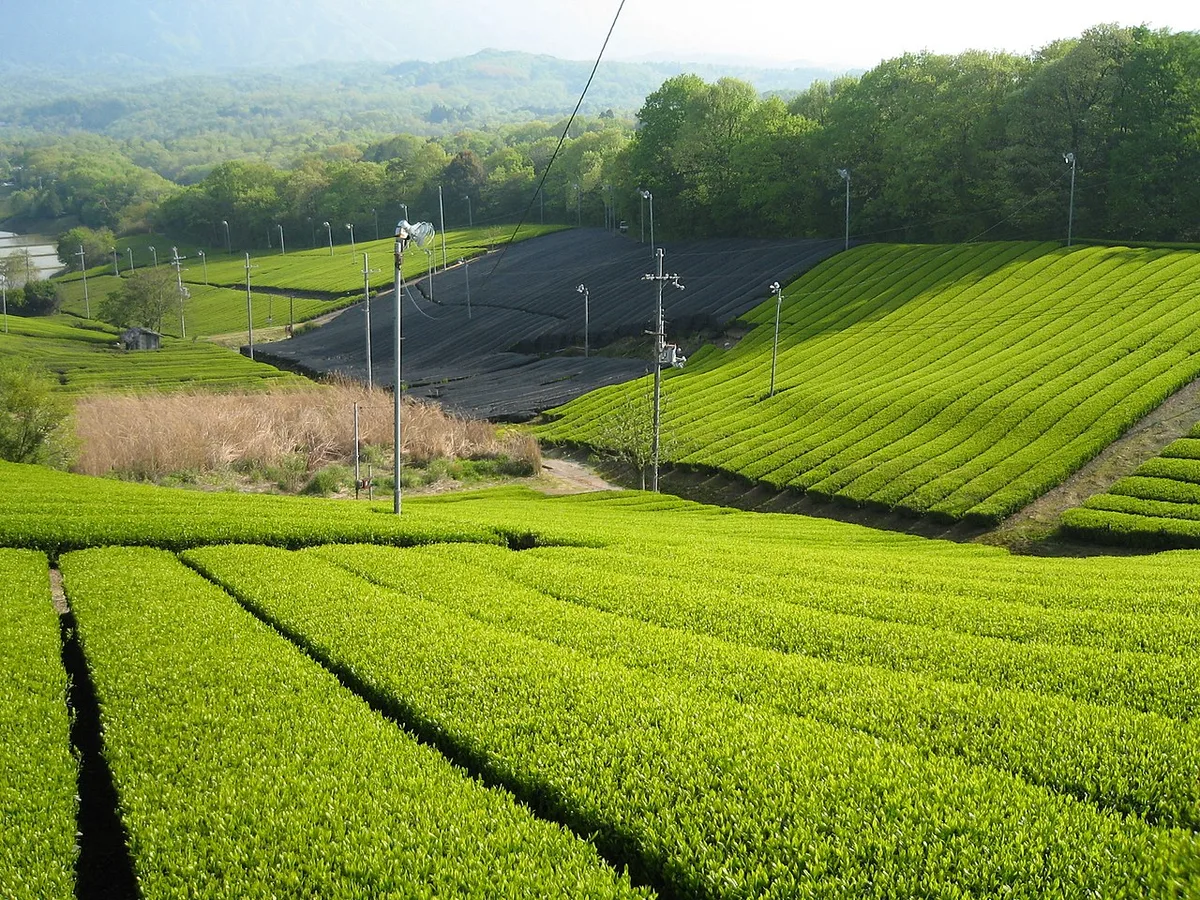
Gyokuro, the prized whole-leaf green tea shaded under black netting for around three weeks before harvest, also traces its origins to Uji. The shading process increases chlorophyll and the amino acid theanine, producing the distinctive umami sweetness that separates Uji teas from blends made elsewhere. Today, rows of tea bushes under shade canopies still cover the hillsides around the city, much as they have for centuries. That continuity is a large part of what makes a morning here feel different from ordering a matcha latte back home — you are drinking something produced in this specific valley, more or less the same way, for hundreds of years.
The Best Tea Houses in Uji: Quick Comparison
Three tea houses dominate the Uji matcha circuit. The table below gives you a fast orientation; detailed notes on each follow.
| Tea House | Founded | Known for | Area | Queue level |
|---|---|---|---|---|
| Tsuen Tea (通円) | 1160 | Oldest tea shop in Japan; Edo-era wooden building; whisked matcha and gyokuro | Beside Uji Bridge | Moderate |
| Nakamura Tokichi Honten | 1854 | Nama-cha jelly parfait; matcha soba; numbered-ticket queuing system | Byobugaura, near Byodo-in | Long at peak hours |
| Itoh Kyuemon | Meiji era | Matcha parfaits; stone-ground soft-serve; retail matcha tins | Near JR Uji Station | Shorter than Tokichi |
Tsuen Tea (通円) — founded 1160
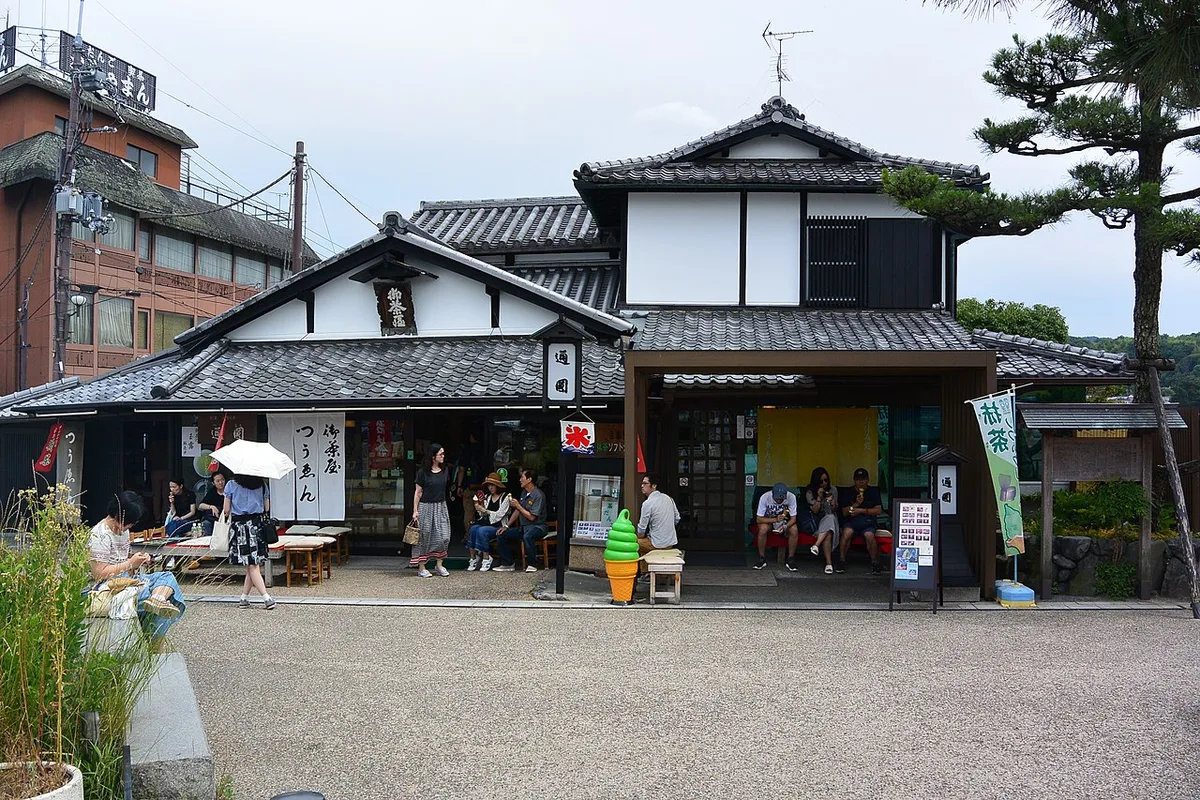
If you stand on the western end of Uji Bridge and look toward the riverbank, you'll see a compact wooden building that has occupied roughly the same spot since the Heian period. Tsuen Tea is cited as the oldest continuously operating tea retailer in Japan, with records going back to 1160 — making it older than many European nations. The current structure is Edo-era, and the interior still carries the smell of aged timber and loose leaf.
The menu here leans traditional: whisked matcha served with a small seasonal sweet, cold matcha drinks in summer, and an excellent retail selection of loose teas and matcha tins. Tsuen is not the place for towering parfaits, but it is the right place for a quiet, considered cup with a view of the river. Budget roughly ¥800–¥1,200 for a drink and sweet (2026 estimate).
Nakamura Tokichi Honten — established 1854
Nakamura Tokichi Honten sits on the Byobugaura promenade a short walk from Byodo-in, and it is consistently the most photographed tea-house interior in Uji. The flagship item is the nama-cha jelly parfait — layers of soft matcha jelly, anko (sweet red bean paste), warabimochi, and matcha ice cream served in a tall glass. They also do matcha soba, a subtly green-tinged cold noodle that makes a fine savoury anchor before a sweet course.
Queue management works by numbered ticket: collect your number at the entrance, note the estimated wait time, and roam freely until called. On busy weekend mornings, waits can reach 60–90 minutes — but the system means you're not standing in a static line. Use the window to visit Byodo-in or walk the Byobugaura promenade. Budget around ¥1,500–¥2,200 per person for a parfait and drink (2026 estimate).
Itoh Kyuemon — near JR Uji
Itoh Kyuemon is the most accessible of the three, just a few minutes on foot from JR Uji Station. Its matcha parfaits rival Nakamura Tokichi's in presentation but typically attract shorter waits — useful when your schedule is tight. The soft-serve is a consistent crowd-pleaser: a dark-green swirl made from stone-ground Uji matcha that holds its shape even in summer heat. Sweets and drinks run roughly ¥700–¥1,600 (2026 estimate). The retail shop stocks a well-curated range of matcha tins, including ceremonial-grade powder sold by the gramme.
What to Order: Sweets, Soba, and Tasting Sessions
The Uji tea-house menu rewards a bit of advance planning. Here is what our editors consistently order and why.
- Matcha parfait — the signature Uji dessert, found at Nakamura Tokichi and Itoh Kyuemon. The best versions layer at least four or five textures: jelly, ice cream, bean paste, mochi, and granola. Order one between two people if you want appetite left for the soba course.
- Matcha soft-serve — lighter, faster, and cheaper than a parfait. Itoh Kyuemon's single-origin version is reliably excellent and makes a good standalone stop if you're en route to the Tale of Genji literary trail along the river.
- Matcha soba — on the menu at Nakamura Tokichi. It is more delicate in flavour than it sounds and works well as a savoury course before moving to sweets.
- Tea-grinding and matcha-tasting sessions — several tea houses and dedicated tea studios in Uji offer 30–60 minute sessions where you grind tencha on a stone mill and whisk your own matcha. These are practical tasting experiences, not a formal ceremony. For the ceremony procedure and etiquette, our a proper Kyoto tea ceremony has the full how-to. Book ahead when possible, as capacity is limited.
- Gyokuro tasting — Tsuen Tea is the best place for this. Brewed at around 60°C to preserve sweetness and umami, a proper gyokuro sitting takes patience but is one of the most distinctively Japanese flavour experiences you can have without a special booking.
Buying Stone-Ground Matcha to Take Home
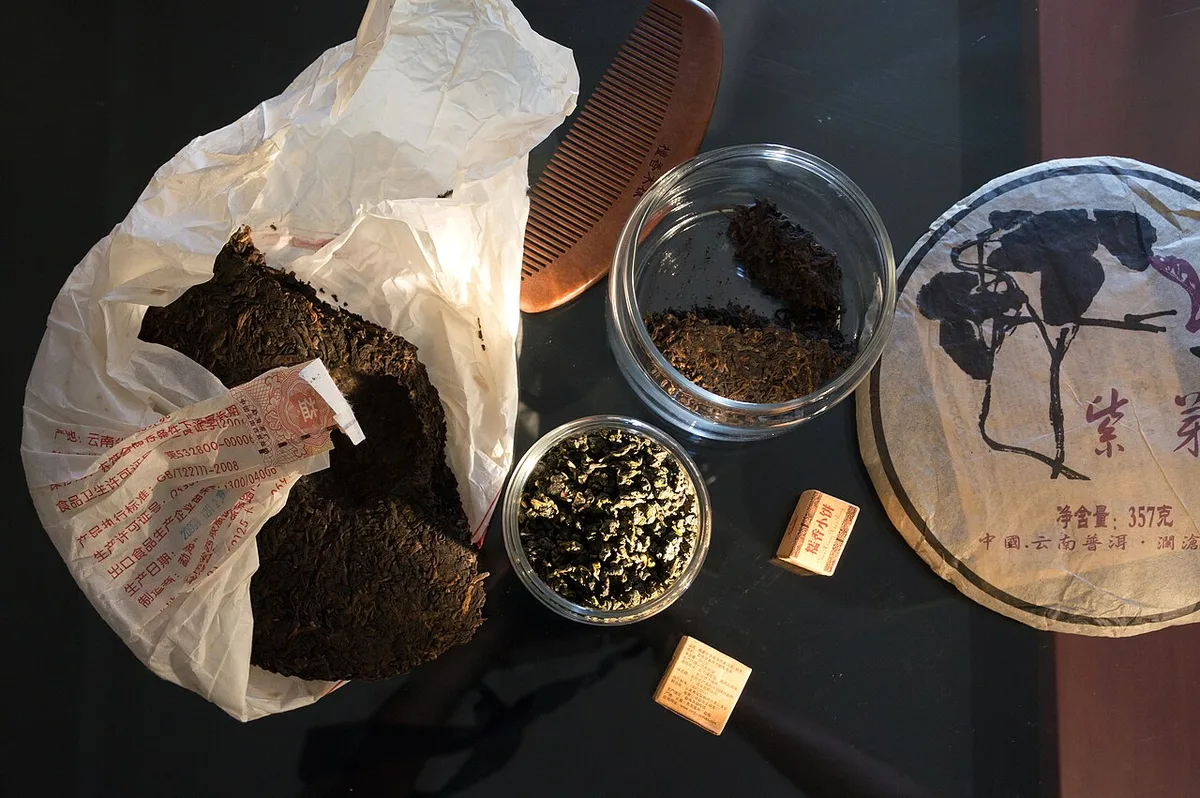
All three houses sell retail matcha, and buying directly from Uji producers is the surest way to get genuine stone-ground tencha powder rather than cheaper blends. Here is what to look for on the shelves.
Grade and intended use. Packaging typically indicates culinary grade (suited to baking, lattes, and smoothies) versus ceremonial grade (suited to whisking with a chasen). If you plan to whisk at home, spend up to the ceremonial tier — the colour, aroma, and flavour difference is meaningful. Prices span roughly ¥800 for an entry-level 30g tin to ¥4,000 or more for a premium 40g ceremonial tin (2026 estimates).
Tin size. Stone-ground matcha oxidises relatively quickly once opened. A 20g or 30g tin is a practical starting point unless you drink matcha daily. All shops carry gift-sized tins as well as larger professional formats, and the staff at each house are accustomed to helping visitors pick an appropriate grade.
What to skip. The matcha Kit Kats and chocolates near each cash register are fine souvenirs but are generally made with flavouring rather than Uji stone-ground powder. If the Uji provenance matters to you, a sealed tin of leaf is the more honest choice. For a complete sequence of how to fit the tea-house circuit into your Uji visit, our Uji half-day itinerary maps the most logical walking order from the station through the sights.
Planning Your Uji Matcha Day
Uji fits naturally into a Kyoto trip as a focused half-day excursion. From Kyoto Station, the JR Nara Line reaches JR Uji in about 18 minutes (around ¥240). The Keihan line from Sanjo to Keihan Uji takes roughly 30 minutes. Our day trips from Kyoto guide has the full transport breakdown alongside other routes worth considering when building your itinerary.
An arrival order that works. Begin at Itoh Kyuemon, which is steps from JR Uji Station and opens early with shorter queues. From there walk the 10–15 minutes along the river to Nakamura Tokichi, collect your number ticket immediately, then use the wait time to visit Byodo-in Phoenix Hall — the entrance is a two-minute walk from the Tokichi queue. After your seating at Nakamura Tokichi, cross to the other side of Uji Bridge for Tsuen Tea, where a quieter, more traditional closing cup rounds out the circuit before the return train.
Timing and crowd management. Weekday mornings from opening until around 11 AM are markedly quieter than weekend afternoons. Cherry-blossom season (late March to mid-April) and autumn foliage (mid-November) bring the biggest crowds — factor in 90 minutes of queue time at Nakamura Tokichi on those dates. Mid-week visits in June, September, or early December are very manageable. For the best light and the fewest other visitors, aim for a Tuesday or Wednesday morning start.
Frequently Asked Questions
Which is the best tea house in Uji for first-time visitors?
Nakamura Tokichi Honten is the most iconic choice for first-timers — its nama-cha jelly parfait is the dish that defines the Uji matcha experience. For a quieter and more traditional sitting, Tsuen Tea beside Uji Bridge (founded 1160) is ideal. If your schedule is tight, Itoh Kyuemon near JR Uji Station has shorter queues and an excellent stone-ground soft-serve.
How long is the wait at Nakamura Tokichi Honten?
On busy weekend mornings and during cherry-blossom or autumn-foliage season, waits at Nakamura Tokichi can reach 60–90 minutes. The shop issues numbered tickets so you are free to explore Byobugaura or Byodo-in while you wait rather than standing in a static queue. Weekday mornings before 11 AM are typically far faster.
Is Tsuen Tea really the oldest tea shop in Japan?
Tsuen Tea's founding is recorded as 1160, making it widely cited as the oldest continuously operating tea retailer in Japan. The current building is Edo-era rather than Heian, but the lineage of the business and its location beside Uji Bridge give it a historical significance that is hard to overstate. It is one of the most compelling stops on the Uji tea circuit for that reason alone.
Can I grind and whisk my own matcha in Uji?
Yes — several tea houses and dedicated studios in Uji offer stone-grinding and matcha-whisking sessions, typically 30–60 minutes long. These are hands-on tasting experiences rather than formal tea ceremonies. For the ceremony procedure and etiquette, a dedicated guide covers those steps in full. Sessions have limited capacity, so booking ahead is recommended.
Uji is one of those rare places where a centuries-old craft is still practiced at the highest level — openly, accessibly, and without a reservation required for most of it. A morning here, moving from a soft-serve at Itoh Kyuemon to a jelly parfait at Nakamura Tokichi to a quiet gyokuro at Tsuen Tea, is one of the most authentically Japanese half-days we know of outside Kyoto itself. And it pairs so naturally with Byodo-in Phoenix Hall next door that there's almost no reason to separate the two experiences into different days.
For a fully sequenced plan that weaves the tea-house circuit, the Phoenix Hall, and the Uji riverside walk into a single logical route, our Uji half-day itinerary does exactly that. If you're deciding between Uji and other excursions from the city, the day trips from Kyoto guide covers six other rewarding options alongside Uji at various distances and travel times.
For trip-planning details, see Uji tea on Wikipedia.
Free guide: Japan's Hidden Gems
12 under-the-radar places beyond Tokyo & Kyoto — with the best season to visit each and a local tip you won't find in the guidebooks.
You might also like


Continue reading
More guides you'll find useful


