10 Best Ryokan in Kyoto 2026: The Ultimate Guide
Discover the best ryokan in Kyoto for 2026. From luxury stays like Tawaraya to hidden gems in Gion, learn about costs, etiquette, and how to book in advance.
On this page
Kyoto's traditional inns offer a window into a vanished world of refined aesthetics and meticulous service. Staying in a ryokan is not simply a hotel choice — it is a total cultural immersion, from the seasonal kaiseki meals to the futon laid out on tatami mats by your personal room attendant. This guide was refreshed in June 2026 to reflect current pricing, the 2026 travel outlook, and updated booking strategies. Finding the right Where To Stay In Kyoto: 9 Best Areas and Booking Tips option can be daunting given the city's vast accommodation history.
The 2026 travel season is particularly competitive due to the World Expo in nearby Osaka, which runs through October. Demand for Kyoto ryokans during cherry blossom (late March to mid-April) and autumn foliage (November) is at its highest in years. Book well ahead or expect to find your preferred inn fully committed. Refer to our 10 Best Kyoto Neighborhoods to Stay: 2026 Area Guide to understand which district best suits your travel style before committing to a booking.
Book 6–9 months in advance for luxury and mid-range ryokans. Popular properties open booking exactly six months before arrival, and top rooms often fill within hours. Set a calendar reminder to secure your preferred location early.
What is a Ryokan? Understanding the Essence of Japanese Hospitality
A ryokan is a traditional Japanese inn that dates back to the Edo period. Unlike Western hotels, the focus is on the room itself and the seasonal meals provided. You will sleep on a futon laid out on tatami mats by your dedicated room attendant. The experience is deeply rooted in the concept of 'omotenashi,' which means wholehearted, anticipatory hospitality — staff address your needs before you voice them.
How do you pronounce ryokan correctly when speaking to a taxi driver or local? The word is pronounced 'ree-oh-kan' with a short 'o' and a soft 'n' at the end. Avoid saying 'rye-oh-kan,' as this causes confusion in practice. Practicing the correct pronunciation helps you connect with staff and communicate clearly with taxi drivers.
The distinction between a ryokan and an onsen is also important for first-time visitors. A ryokan is the accommodation; an onsen refers specifically to a natural hot spring bath. Many Kyoto inns have beautiful baths, but they may use heated tap water rather than natural mineral springs. Always check the property listing before booking if natural thermal water is important to you. Our 15 Best Food Experiences in Kyoto: A Local Dining Guide explains the complex kaiseki meals you will encounter during a traditional stay.
Booking a Night at Tawaraya: Japan's Finest Stay
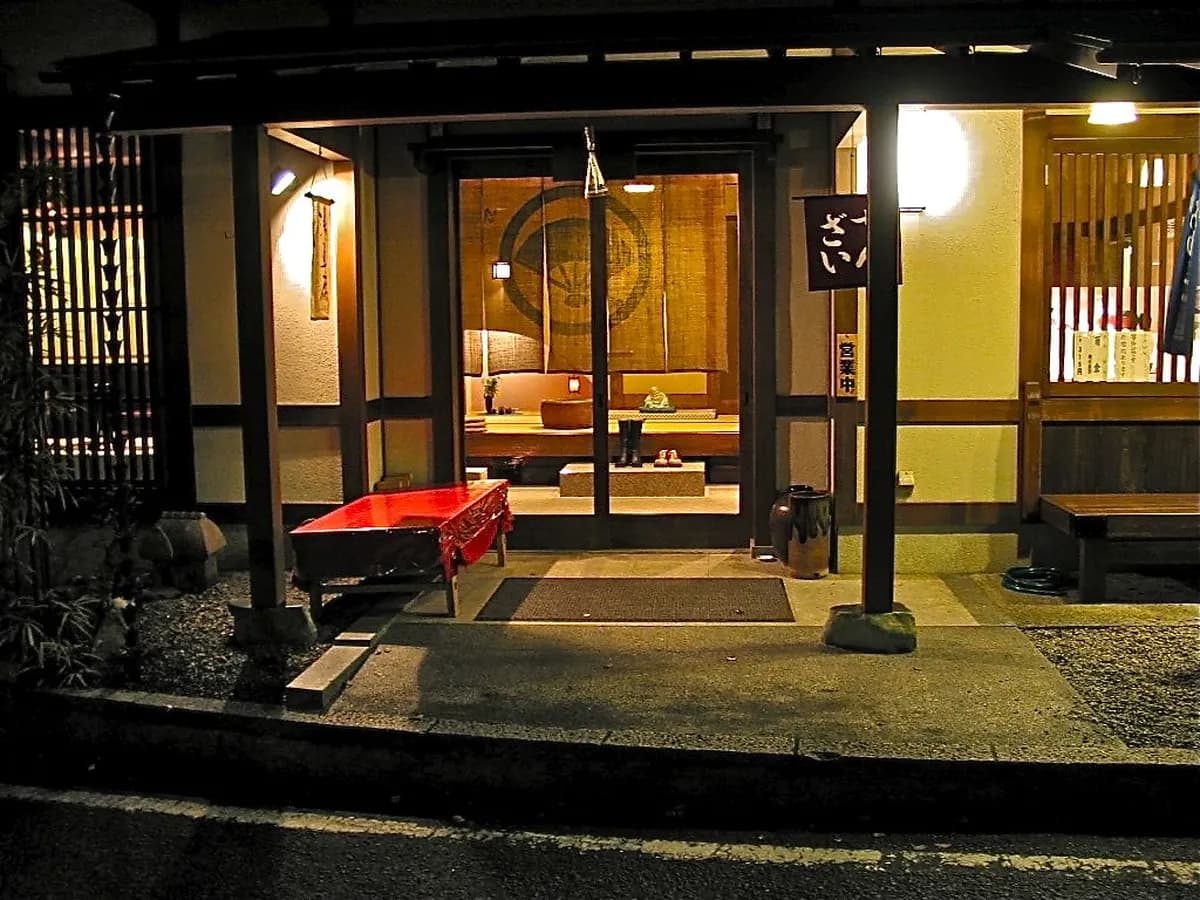
Almost everyone who has stayed at Tawaraya agrees it is the finest ryokan not just in Kyoto, but in all of Japan. The inn sits on Fuya-cho street in Nakagyo-ku and has 18 rooms, each with a poetic name carved on a wooden plaque. Guests arrive to find staff waiting outside — no check-in counter, no queue, just an immediate escort to their room. The genkan (entry hall) is cleverly hidden from the street, so entering feels like stepping into a private world outside of time.
Booking Tawaraya is not possible online. The inn does not use any reservation platform. To secure a room, you must call or fax the inn directly, or engage a reputable Kyoto travel agent who has an existing relationship with the property. Some guests contact the inn by email if the official channel is unclear, but phone and fax remain the primary methods. Read the TripAdvisor Tawaraya reviews for guest accounts of their booking experiences.
Rates at Tawaraya are quoted per person and include dinner and breakfast. With two meals and double occupancy, expect to pay roughly ¥50,000 to ¥100,000 per person — approximately $450 to $900 per person at current exchange rates. A couple can therefore expect to pay between $900 and $1,800 for one night. For context, a room at the Ritz-Carlton Kyoto costs around $1,200 and includes no meals; a full kaiseki dinner at a respected Kyoto restaurant adds another $180 per person on top. Framed that way, Tawaraya is less extreme than it first appears. Is it worth it? If you can afford it comfortably, if you are at ease sleeping on a futon, and if traditional Japanese aesthetics genuinely move you, the answer is yes. The critical caveat is that word 'comfortably' — anxiety about the cost will ruin the atmosphere.
What do critics say? On TripAdvisor, Tawaraya consistently earns five stars. Negative reviews fall into two clear groups: travelers who would struggle in any ryokan format (floor sleeping, communal baths), and those who find the inn 'old.' The second complaint misunderstands wabi-sabi: the gentle patina of age is the highest mark of beauty here. Nothing is worn or neglected — every surface is maintained to perfection.
What If Tawaraya Is Fully Booked or Too Difficult To Book?
Tawaraya's no-online-booking policy stops many travelers in their tracks. If the phone-and-fax process feels too daunting, Hiiragiya Ryokan — located directly across the street — offers an equally storied experience. Founded in 1818, Hiiragiya has hosted writers and royalty for over two centuries. Rooms in the historic old wing recreate a genuine Meiji-era atmosphere, and the property accepts online reservations through major booking platforms. Rates fall between ¥80,000 and ¥130,000 per night for two people with meals.
For the Arashiyama experience, Hoshinoya Kyoto is a strong alternative at a premium price. Guests arrive via private wooden boat from near Togetsukyo Bridge — the boat departs every 15 minutes from the Hoshinoya dock near Hankyu Arashiyama Station. The forested canyon setting is unlike anything in central Kyoto, and the property blends contemporary comfort with traditional design. Rates start around ¥100,000 per night for two people during peak season.
Gion Hatanaka is worth considering if cultural performance matters to you. The inn sits adjacent to Yasaka Shrine and hosts authentic maiko and geiko evening performances for guests. Book the 'Kyoto Cuisine and Maiko Evening' package well in advance, as these slots are limited. Rates typically run ¥50,000 to ¥90,000 per night per adult including the cultural show. These are the top 25 Best Things To Do in Kyoto for travelers who want to combine luxury lodging with traditional arts.
The Hidden Gem Ryokan in the Oldest Part of Kyoto
Ishibekoji Muan sits on Ishibei-koji Lane in the Kodai-ji neighborhood of Higashiyama — a narrow, pedestrian-only stone path that many regard as the most beautiful lane in Kyoto. The inn is a private sanctuary entirely sheltered from street noise. Typical rates run ¥40,000 to ¥70,000 per night for two people, making it mid-range relative to Tawaraya but with a sense of seclusion that even more expensive properties cannot replicate.
There is an important practical trade-off: the pedestrian-only lane is not accessible by vehicle of any kind. Rolling a large suitcase over cobblestones is stressful, disruptive to other pedestrians, and subtly at odds with the inn's quiet atmosphere. Use a luggage forwarding service (takkyubin) to ship heavy bags ahead from your previous hotel or from the station. Japan's door-to-door delivery services cost roughly ¥1,500 to ¥2,000 per bag and ensure your belongings are waiting at the front desk when you arrive. This is not a convenience luxury — it is genuinely the recommended approach for the lane.
Luggage forwarding (takkyubin) to ryokans on pedestrian-only lanes costs ¥1,500–¥2,000 per bag. Ship heavy luggage ahead rather than dragging wheeled cases over cobblestones. Front desk staff will receive your bags and store them until check-in.
Nearby on the same lane, Ryokan Inakatei offers a similar atmosphere at comparable rates. Both properties benefit from their proximity to Kodai-ji Temple and the Ninen-zaka stone steps. The front desk at Ishibekoji Muan is staffed from 08:00 to 21:00 daily, so inform the inn in advance if you expect a late arrival.
10 Best Ryokan in Kyoto 2026: From Luxury to Budget
Selecting the right inn requires balancing budget with the level of traditional immersion you desire. Kyoto offers everything from centuries-old family estates to modern interpretations of the classic ryokan format. Most high-end stays include a lavish kaiseki dinner showcasing seasonal ingredients from the surrounding mountains. We recommend integrating a ryokan stay into your Kyoto Itinerary: See Kyoto Perfectly for at least one night. The following properties represent a range of price tiers, neighborhoods, and experiences.
- Tawaraya Ryokan (Luxury — Nakagyo-ku): Japan's most celebrated inn, 18 rooms, no online booking. ¥50,000–¥100,000 per person with two meals. Private hinoki cypress bathtub, garden view, impeccable kaiseki. Check-in from 15:00, check-out by 10:00. Phone/fax reservations only.
- Hiiragiya Ryokan (Luxury — Nakagyo-ku): Founded 1818, directly opposite Tawaraya. Old wing rooms have authentic Meiji-era atmosphere. ¥80,000–¥130,000 per night for two. Online booking available. Request the old wing specifically when reserving.
- Gion Hatanaka (Luxury — Gion): Famous for authentic maiko and geiko evening performances adjacent to Yasaka Shrine. ¥50,000–¥90,000 per adult including cultural show. Take bus 206 from Kyoto Station to the Gion stop.
- Ishibekoji Muan (Mid-range — Higashiyama): Pedestrian-only stone lane, unmatched seclusion, mid-range price. ¥40,000–¥70,000 per night for two. No wheeled luggage access — use takkyubin forwarding. Front desk: 08:00–21:00.
- Hoshinoya Kyoto (Luxury — Arashiyama): Arrive by private wooden boat from Togetsukyo Bridge. Forest canyon setting, modern-traditional design. Rates from ¥100,000 per night for two during peak foliage season. Boats depart every 15 minutes from the dock near Hankyu Arashiyama Station.
- Nazuna Kyoto Gosho (Luxury — Central Kyoto): Modern luxury ryokan themed around Japanese wagashi sweets and tea culture near the Imperial Palace. ¥60,000–¥110,000 per night for a suite. Karasuma Subway Line to Marutamachi Station. Private open-air bath in most rooms.
- Seikoro Ryokan (Mid-range — Higashiyama): Unique blend of traditional Japanese wood and Art Deco Western elements near Sanjusangendo Temple. ¥45,000–¥85,000 per night with breakfast. Five-minute walk from Kiyomizu-Gojo Station on the Keihan Line. Check out the communal wooden bath, covered in our 10 Best Kyoto Onsen and Public Bath Experiences.
- Ryokan Kuraya (Mid-range — Nishijin): Beautifully restored machiya townhouse in the quiet Nishijin weaving district. ¥25,000–¥45,000 per night. Self-check-in available for late arrivals. Rent a bicycle nearby to explore local temples and craft shops.
- Ryokan Kanade (Mid-range — Okazaki): Rooftop garden, modern amenities, good value near Okazaki park and museums. ¥20,000–¥40,000 per night. Check-in from 15:00 until midnight. Rooftop terrace has a clear view of the Daimonji bonfire during the summer Obon festival.
- Momoyama Ryokan (Budget — Fushimi): Small family-run inn near Fushimi Inari Shrine's thousand torii gates. ¥15,000–¥30,000 per night. Short walk from Momoyama-Goryo-mae Station on the Kintetsu Line. Ask hosts for local sake recommendations — the Fushimi district is Kyoto's historic sake-brewing heartland.
| Ryokan | Neighborhood | Tier | Price (per night, 2 people) | Key Feature |
|---|---|---|---|---|
| Tawaraya | Nakagyo-ku | Luxury | ¥50,000–¥100,000 | Japan's most celebrated inn, direct booking only |
| Hiiragiya | Nakagyo-ku | Luxury | ¥80,000–¥130,000 | Founded 1818, opposite Tawaraya, online booking |
| Gion Hatanaka | Gion | Luxury | ¥50,000–¥90,000 | Maiko/geiko evening performances |
| Hoshinoya Kyoto | Arashiyama | Luxury | ¥100,000+ | Private boat arrival, forest canyon setting |
| Ishibekoji Muan | Higashiyama | Mid-range | ¥40,000–¥70,000 | Pedestrian-only stone lane, peak seclusion |
| Seikoro Ryokan | Higashiyama | Mid-range | ¥45,000–¥85,000 | Traditional + Art Deco blend, near Sanjusangendo |
| Ryokan Kuraya | Nishijin | Mid-range | ¥25,000–¥45,000 | Restored machiya townhouse, weaving district |
| Momoyama Ryokan | Fushimi | Budget | ¥15,000–¥30,000 | Family-run near Fushimi Inari, sake-brewing district |
A quick comparison across the top five properties: Tawaraya and Hiiragiya are the only two inns where you pay for pure historical prestige without modern amenity upgrades. Hoshinoya and Nazuna Gosho add contemporary design and private bath access. Ishibekoji Muan and Seikoro occupy the sweet spot for travelers who want character and location without the full luxury price. Check 8 Best Areas and Hotels in Kyoto 2026 if you need a broader accommodation view including Western-style properties alongside ryokans.
How Much Does a Ryokan Cost? (2026 Price Expectations)
The most important thing Western travelers miss: ryokan rates are almost always quoted per person, not per room. A rate of ¥30,000 per person sounds moderate until you realize that two people together are paying ¥60,000, and that this typically covers dinner and breakfast for both. Always multiply by the number of guests before comparing to a hotel rate. Dinner and breakfast at a mid-range ryokan are generally included, and skipping them requires a specific request when booking.
In broad terms for 2026: budget ryokans run ¥8,000–¥15,000 per person without meals or ¥15,000–¥25,000 with meals. Mid-range properties cost ¥20,000–¥40,000 per person with meals. Luxury inns like Tawaraya and Hiiragiya start at ¥50,000 per person. The World Expo running in Osaka through October 2026 is pushing Kyoto ryokan prices roughly 15–20% above their 2024 equivalents, particularly on weekends and during national holidays.
Solo travelers face an additional charge. Most ryokans add a single-supplement surcharge — typically 20–30% of the double-occupancy rate — because the kaiseki dinner and room preparation costs are fixed regardless of guest count. This is standard across the industry and not a price-gouging tactic. Budget solo travelers should specifically search for ryokans that advertise single-room rates or small double rooms occupied by one guest, which reduces the surcharge. If you are traveling on a tighter budget, consider a 'room only' plan without meals to reduce costs by up to 40%, but be aware that skipping the kaiseki dinner means missing the centerpiece of the traditional ryokan experience.
How Long to Stay in a Ryokan in Kyoto?
One to two nights is the standard recommendation, and it is the right one. The first night covers the core experience: arrival, room exploration, the multi-course kaiseki dinner, the morning bath, and the traditional Japanese breakfast. The second night allows you to relax fully into the rhythm rather than spending the whole time consciously noting details. Beyond two nights, many guests find the elaborate multi-course meals begin to feel overwhelming — a three-night stay often ends with a craving for a simple bowl of ramen or a salad.
If your budget allows only one ryokan night, spend it at the inn with the best seasonal timing relative to your travel dates. Cherry blossom season (late March to mid-April) and autumn foliage (early to late November) are when ryokan garden views are at their peak. Booking a garden-view room for those windows justifies the cost far more than the same room in January's off-peak grey skies. One targeted night will leave a stronger memory than two nights in the wrong season.
A common strategic mistake is booking a ryokan for the first night of a multi-city Japan trip. Arriving jet-lagged and struggling with formal meal timing and etiquette will reduce the experience. Give yourself two or three days in Kyoto at hotels first, then switch to the ryokan when you have found your rhythm. This small adjustment makes a significant difference to how much you absorb and enjoy.
Ryokan Etiquette and Cultural Customs: What Every Guest Should Know
Entering a ryokan requires you to remove your outdoor shoes at the 'genkan' or entrance. You will be given slippers for walking on the wooden hallways. Never wear slippers on the tatami mats — walk in socks or barefoot only on the tatami surface. This preserves the delicate straw mats and shows respect for traditional architecture. Most ryokans provide separate toilet slippers next to the bathroom door; use them only in the toilet room, then switch back to hallway slippers.
The 'yukata' is a light cotton kimono provided for guests. Always wrap the left side over the right side — the opposite arrangement is reserved for funerals and will draw quietly concerned looks from staff. You can wear your yukata to the communal bath and to dinner in most inns. It is the standard relaxed dress of a ryokan stay; do not feel self-conscious about wearing it in the corridors.
Your room attendant, 'Nakai-san,' will visit your room at several specific points during the evening. She will serve your dinner, clear the table after each course, and later return to lay out your futon bedding. The timing of these visits is agreed upon at check-in or shortly after. Be present in your room at the agreed meal time — arriving late means the first courses sit waiting rather than arriving fresh. Tipping is not practiced in Japanese hospitality culture. The correct expression of appreciation is a sincere 'arigatou gozaimashita' at departure.
The Solo Traveler Ryokan Reality
Solo travelers face structural challenges in the ryokan system that no booking website makes obvious. The single-supplement charge exists because the kaiseki dinner and full room preparation — futon, yukata, bath preparation — require the same staff effort whether one or two people occupy the room. At luxury properties, this surcharge can be ¥10,000–¥20,000 above the per-person rate. Budget this explicitly rather than being surprised at checkout.
More significantly: some of Kyoto's most celebrated inns do not accept solo bookings at all, particularly during peak season. Tawaraya has historically required a minimum of two guests for many of its room categories. If you are traveling alone and want the full luxury experience, Hiiragiya and Seikoro are more reliably solo-friendly. Contact the property directly before booking to confirm availability for single occupancy.
The practical workaround for budget-conscious solo travelers is the mid-range machiya ryokan in quieter districts. Ryokan Kuraya in Nishijin and Ryokan Izuyasu near Kyoto Station both accept solo bookings without punishing surcharges. The experience is still genuinely traditional — tatami, futon, and a morning Japanese breakfast — without the full kaiseki format that prices solo stays into the luxury tier.
Book Your Kyoto Ryokan in Advance: Practical Strategies
For the 2026 season, book at least six to nine months in advance for any property in the luxury or premium mid-range tier. The most popular inns open their booking calendars exactly six months before the arrival date. Set a calendar reminder on that precise day — by the end of that first day, the most desirable rooms are often committed. Cherry blossom and autumn foliage windows fill fastest.
For properties that do not have online booking — Tawaraya being the primary example — use a Kyoto specialist travel agent or the inn's direct contact line. Some older inns still rely on fax for formal reservations. This is not an obstacle designed to frustrate you; it is simply how these properties have operated for generations. A reputable agent can place the fax or make the call on your behalf for a modest service fee.
Location matters beyond aesthetics. Staying in Gion puts you within walking distance of Yasaka Shrine, Ninen-zaka, and the Higashiyama temple corridor. Arashiyama properties require a 30-minute train ride or taxi to central Kyoto. If you plan to cover the city's main sights, a central Gion or Nakagyo-ku address reduces daily transit time significantly. Check the nearest subway or bus connection before booking — not all properties are equally accessible by public transport after late evening services thin out.
Check Hotel Availability and Booking Resources
For properties with online booking, Booking.com and Agoda are the most reliable platforms for Kyoto ryokans. Both show real-time availability, allow free cancellation on most listings, and display room-type breakdowns clearly. Search specifically for 'Japanese room' or 'washitsu' room types when filtering — some inns offer both Western and Japanese room configurations at different price points.
For Tawaraya and a small number of other exclusive inns, direct contact is the only method. Japan Travel Consulting (run by InsideKyoto's Chris Rowthorn) and similar Kyoto-specialist agencies can facilitate bookings for properties that do not accept international direct reservations. This service is especially useful if you are not comfortable calling in Japanese.
Review platforms including TripAdvisor remain useful for reading recent guest accounts of specific properties — pay attention to reviews from the past 12 months, as service quality and pricing can shift. For mid-range properties, a Booking.com score above 8.5 combined with more than 200 reviews is a reasonable quality signal. Always confirm the cancellation policy before completing any ryokan reservation, as many traditional inns charge 50–100% of the rate for late cancellations during peak seasons.
For the broader city picture, pair this with our Kyoto attractions guide.
Frequently Asked Questions
How do you pronounce ryokan?
The word is pronounced 'ree-oh-kan' with a short 'o' sound. Emphasize the first syllable slightly to sound more like a local resident. Avoid dragging out the 'y' sound to ensure taxi drivers understand your destination.
What is the difference between a ryokan and an onsen?
A ryokan is a traditional Japanese inn, while an onsen is a hot spring bath. Many ryokans have baths, but they are only true onsens if they use natural mineral water. Check the property details to see if they offer natural thermal springs.
How much does a night at Tawaraya cost?
A night at Tawaraya typically costs between $900 and $1,500 for two people. This price includes a world-class kaiseki dinner and a traditional breakfast. Prices may rise in 2026 due to increased tourism demand in Kyoto.
Staying in a Kyoto ryokan in 2026 is a bucket-list experience that requires careful planning and respect for tradition. By choosing the right inn, booking well in advance, and following local etiquette — especially the yukata wrapping and Nakai-san meal timing — you will absorb the full force of what makes these properties exceptional. The blend of seasonal kaiseki, historic architecture, and quiet service is unique to this ancient capital. Start your booking process as early as possible to secure your preferred property and room type before the 2026 season fills.
Free: The Kyoto Essentials guide
Top things to do, where to stay, a perfect day plan, getting around, and the best time to go — a Kyoto mini-guide you can take offline.
You might also like

Continue reading
More guides you'll find useful