10 Best Kyoto Neighborhoods to Stay: 2026 Area Guide
Discover the best areas to stay in Kyoto with our area-by-area guide. Compare Downtown, Gion, and Kyoto Station with expert tips and peak season advice.
On this page
I have visited Kyoto four times over the last decade, exploring every corner from the crowded Gion streets to the quiet northern temples. Finding the right base is essential because the city is surprisingly spread out and relies heavily on a mix of buses and subways. This guide breaks down the best districts based on my most recent return trip in late 2025. Updated January 2026, this review ensures you have the latest pricing and transit info for your upcoming Japanese adventure.
Choosing Where To Stay In Kyoto: 9 Best Areas and Booking Tips depends largely on whether you prioritize traditional charm or modern convenience. Downtown offers the best access to nightlife and dining, while Higashiyama provides that classic "Old Japan" feeling many travelers seek. I once stayed in a cramped business hotel near the station and later a sprawling machiya near Nijo Castle. The difference in daily experience was massive, affecting everything from my morning coffee to my evening temple walks.
While many first-timers default to Kyoto Station for convenience, repeat visitors quickly learn that the neighborhood you choose shapes your entire trip. The city's geography — a flat central basin ringed by forested mountains — means that east-side and west-side attractions require very different transit strategies. Getting this decision right before you book saves time, money, and a lot of sweaty afternoon bus rides. Let's break down the ten neighborhoods that deliver the best balance of location, logistics, and local atmosphere in 2026.
How Kyoto Is Laid Out and Why It Matters for Accommodation
Kyoto follows an ancient grid pattern inherited from the Tang-dynasty Chinese capital of Chang'an. Numbered streets run east-west (Ichijo, Nijo, Sanjo, Shijo, Gojo...) while named avenues run north-south (Karasuma, Kawaramachi, Higashioji). This grid is genuinely useful: once you learn that Shijo is the main commercial street and Karasuma runs down the center, you can orient yourself almost anywhere without a map.
Two subway lines do the heavy lifting. The Karasuma Line runs north-south from Kokusaikaikan down to Takeda, passing through Kyoto Station (Kyoto-eki) and the Imperial Palace area. The Tozai Line runs east-west from Uzumasa Tenjingawa to Rokujizo, giving direct access to Nijo Castle, Keage (for Nanzenji and Heian Shrine), and Misasagi. Buses fill the gaps but get gridlocked during peak tourist season — minimizing your bus dependency is worth paying a little more in accommodation.
The Kamo River divides the city east from west. West of the river you have the commercial downtown, Nijo Castle, and Arashiyama beyond. East of the river are Gion, the Higashiyama temple corridor, and the foot of the Higashiyama mountain range. Knowing which side of the river your priority sights fall on will point you toward the right neighborhood before you open a single booking site.
Kyoto's Karasuma and Tozai subway lines provide direct east-west and north-south connections. Minimizing bus dependency by choosing accommodation near a subway station saves time during peak-season gridlock.
Quick Summary: The Best Areas to Stay in Kyoto by Traveler Type
Downtown Kyoto, centered around Shijo and Kawaramachi, is the best all-around pick for first-time visitors. It sits at the intersection of the Hankyu and Keihan train lines, is walking distance to Gion and Pontocho, and has the widest range of hotels at every price point. Families with young children will also appreciate the flat, wide pavements and the density of convenience stores and pharmacies.
Couples on a honeymoon or romantic trip typically get the most from Gion or Southern Higashiyama. Waking up in a machiya inn and walking stone-paved lanes before the day-trippers arrive is the quintessential Kyoto experience. Budget solo travelers and hostel-goers tend to cluster near Kyoto Station, where competition between accommodation providers keeps prices lowest.
Repeat visitors and photography enthusiasts are well-served by Fushimi or Northern Higashiyama. Both are quieter, more residential, and closer to sights that reward very early-morning visits. Consider checking out this 15 Best Food Experiences in Kyoto: A Local Dining Guide regardless of which area you choose, since dining options vary significantly between neighborhoods.
| Neighborhood | Price Range (¥) | Best For | Key Advantage | Main Limitation |
|---|---|---|---|---|
| Downtown Kyoto | ¥15,000–¥35,000 | First-timers, families | Flat terrain, best transit access | Noise until midnight |
| Gion | ¥25,000–¥80,000+ | Couples, photographers | Classic architecture, geisha sightings | Steep eastern hills, high prices |
| Southern Higashiyama | ¥22,000–¥45,000 | Temple seekers, early birds | Reach major sites before crowds | Hilly terrain, difficult luggage access |
| Kyoto Station Area | ¥14,000–¥28,000 | Business travelers, budget seekers | Maximum transit efficiency | Modern/corporate atmosphere |
| Fushimi | ¥10,000–¥22,000 | Inari shrine focus, photography | Early-morning Inari hike advantage | Fewer accommodation options |
| Central Kyoto | ¥13,000–¥28,000 | Cultural immersion, quiet pace | Authentic residential feel | Less tourist infrastructure |
| Northern Higashiyama | ¥11,000–¥22,000 | Contemplative travelers, firefly seekers | Philosopher's Path, fewer tour groups | Requires bus or transfer to station |
| Okazaki | ¥16,000–¥32,000 | Museum goers, culture enthusiasts | Museums, gardens, less crowded | Less historic atmosphere |
| Pontocho | ¥18,000–¥38,000 | Fine dining, riverside romance | Kawayuka season, walkable to Gion | Requires proximity accommodation |
| Kamigyo Ward | ¥8,000–¥16,000 | Budget travelers, weaving enthusiasts | Best value, local sento bathhouses | Most residential, fewer tourist services |
10 Best Kyoto Neighborhoods for Your 2026 Trip
The following ten areas cover the full spectrum of Kyoto's distinct living zones. Prices quoted are typical rates for a standard double room at mid-range accommodation during the regular (non-peak) season. Peak-season rates during cherry blossom (late March–early April) and autumn foliage (mid-November) can be two to three times higher. Each neighborhood has been assessed for walkability, transit connections, noise level, and hill steepness — factors that rarely appear in generic hotel-booking guides but matter enormously on the ground.
- Downtown Kyoto (Kawaramachi and Shijo)
The commercial heart of Kyoto is built around the intersection of Shijo Street and Kawaramachi Avenue. The Hankyu Kyoto Line terminates at Kawaramachi Station, and the Keihan Line runs parallel along the Kamo River. Both lines give direct access to Osaka in 40–50 minutes without transferring. Hotels here run ¥15,000–¥35,000 (roughly $100–$230) per night for a decent double, with business hotels on the lower end and boutique properties on the higher.
The neighborhood is almost completely flat, which makes it the single most accessible area for travelers with heavy luggage, mobility difficulties, or young children in prams. Nishiki Market — Kyoto's famous covered food market stretching five blocks between Teramachi and Takakura — sits two minutes' walk from Shijo Station. The main drawback is noise: Kawaramachi gets genuinely loud until midnight on weekends, so request a higher floor or courtyard-facing room.
- Gion (The Historic Geisha Quarter)
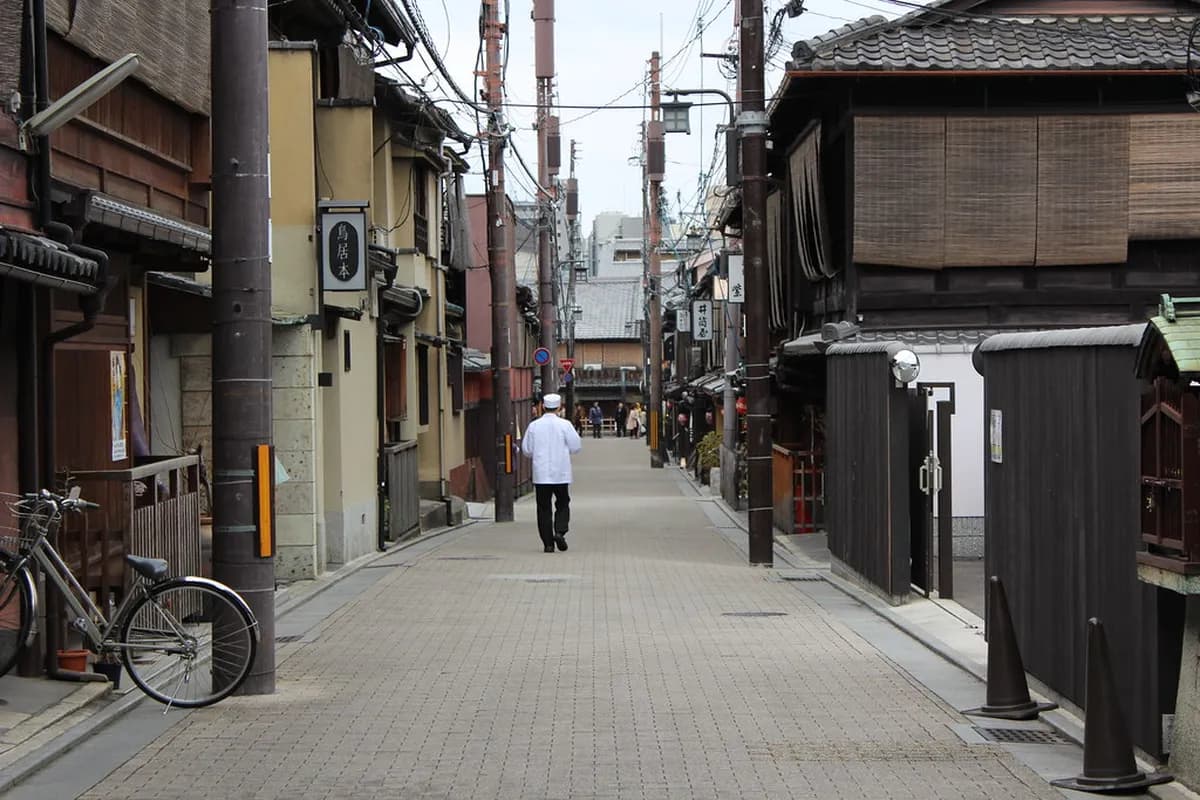
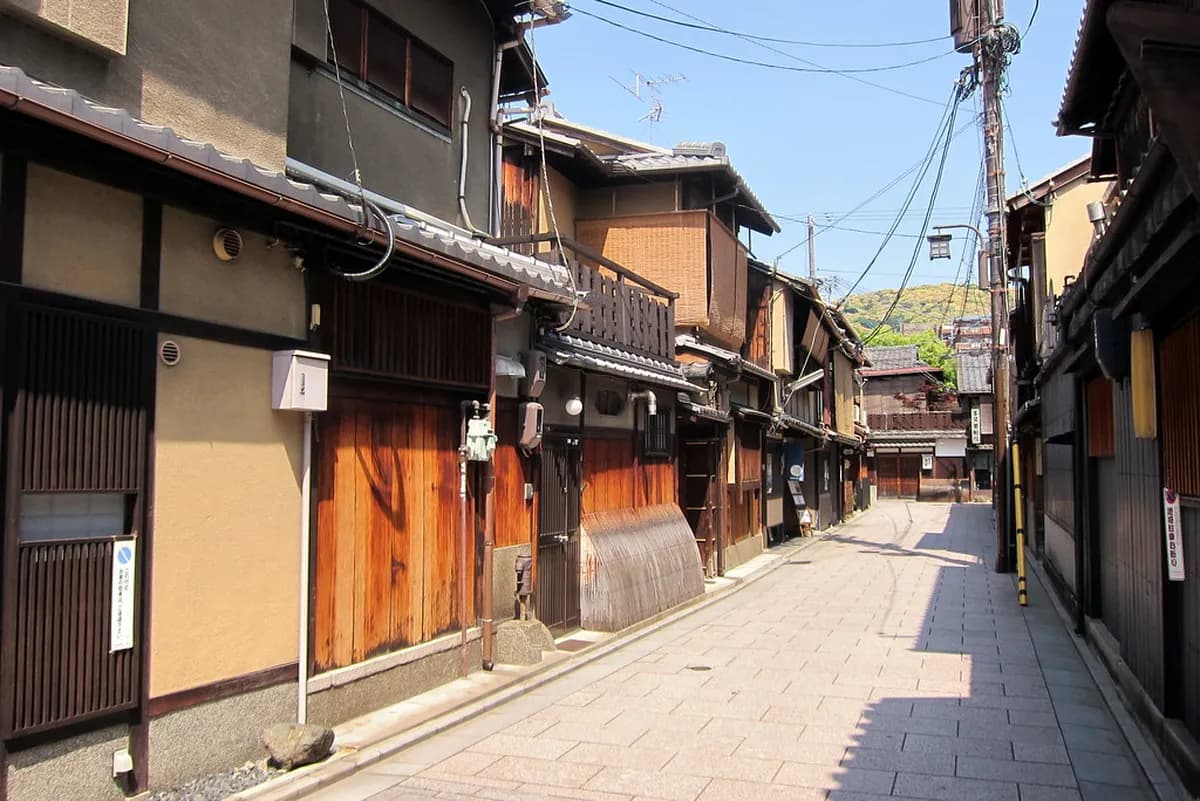
Gion occupies the streets east of Kawaramachi, south of Sanjo, and west of Higashioji. The most atmospheric lanes — Hanamikoji and Shinbashi — are preserved as traditional streetscapes under Kyoto's landscape ordinances, meaning no modern signage or vending machines. This makes Gion the strongest candidate for travelers who want the "classic Kyoto" postcard image as their daily backdrop. Boutique inns and machiya rentals range from ¥25,000 to ¥80,000+ per night.
Gion Shijo Station on the Keihan Line puts you downtown in two stops and in Osaka Namba in about 45 minutes. The area is mostly flat west of Higashioji, but the streets climbing toward Kiyomizu-dera involve real gradient. Stay west of the Higashioji arterial road if you want flat walking; east of it the hills begin. Evening is the best time to wander — geiko and maiko travel between engagements between 17:00 and 21:00, and the lantern-lit streets have a quality that no photograph fully captures.
- Southern Higashiyama (Temple and Craft District)
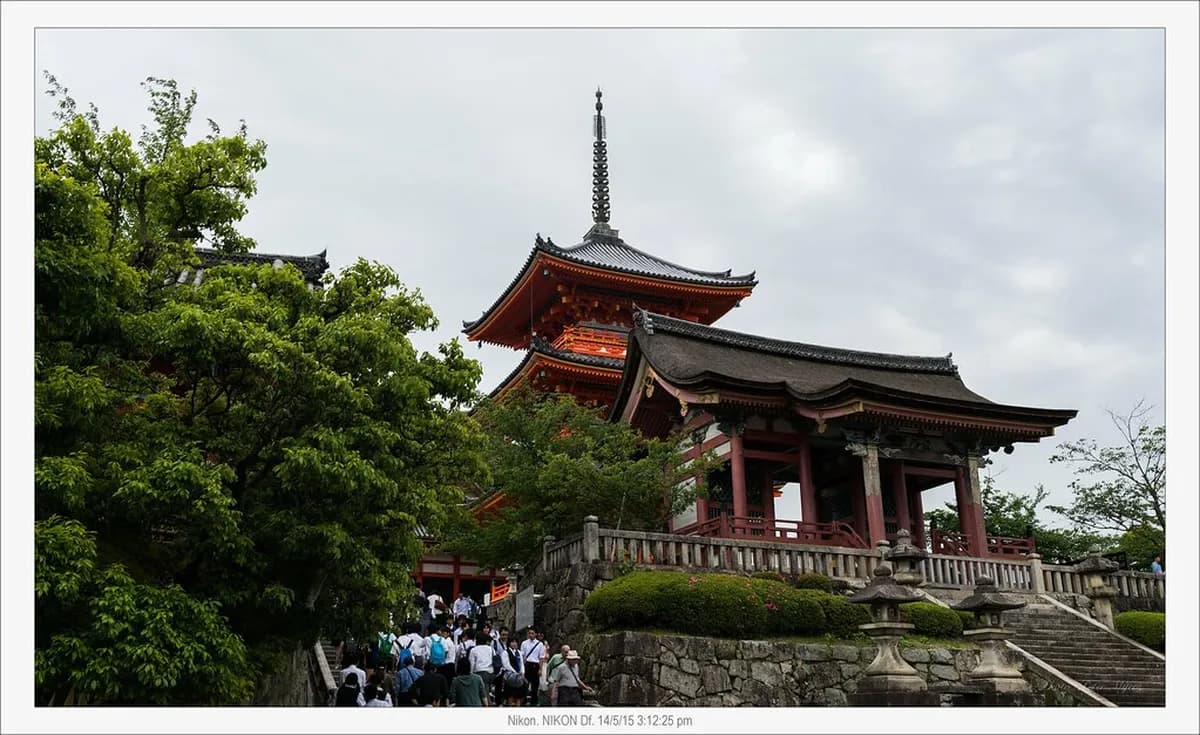
Southern Higashiyama runs along the base of the Higashiyama mountains from Gojo in the south to Sanjo in the north. The main pedestrian artery — Ninenzaka and Sannenzaka — links Fushimi Inari's northern edge to Kiyomizu-dera, the Yasaka Pagoda, and Kodai-ji temple. Staying here means you can reach all of these before 08:00, well ahead of the tour-group arrivals. Traditional inns run ¥22,000–¥45,000, and most shops close by 18:00 after which the lanes go beautifully quiet.
The terrain is hilly — this is non-negotiable. The streets gaining altitude toward Kiyomizu-dera are steep, with uneven stone steps. Wheeled luggage is a real problem; most accommodation here requires a short carry up steps from the nearest driveable access point. This neighborhood rewards travelers who pack light and walk slowly. The nearest subway is Gojo Station on the Karasuma Line, about a 12-minute walk west. Consult this public transport guide to plan bus alternatives for this area.
- Kyoto Station Area (The Modern Transit Hub)
The area within 10 minutes' walk of Kyoto Station is the most logistically efficient base in the city. The station connects the JR Shinkansen, JR Nara Line, Kintetsu Limited Express to Nara and Nagoya, the Karasuma subway, and dozens of city bus routes. You can reach Fushimi Inari in 5 minutes by JR, Nara in 35 minutes, and be on a Shinkansen to Tokyo in under 20 minutes. Mid-range hotels run ¥14,000–¥28,000 per night, and the station's Isetan department store and underground Porta mall handle most shopping needs without stepping outside.
The neighborhood looks modern and commercial because it is — this is not a district for evening strolls among historic townhouses. The Toji temple pagoda and Nishi Honganji are both walkable, but the overall streetscape is dominated by hotels, convenience stores, and taxi queues. That said, the free rooftop observation deck at the station building (11th floor, accessed from the east side) gives a remarkable panorama of the city and the Higashiyama ridge. Check out the Hotel Granvia Kyoto for direct station access and comfortable rooms in the station building itself.
- Fushimi (The Southern Sake District)
Fushimi is the most underrated neighborhood for overnight stays in Kyoto. Located south of the city center, it is home to Fushimi Inari Taisha — the famous shrine with thousands of vermilion torii gates — and the historic Fushimi Momoyama sake-brewing district along the Fushimiko canal. Staying in Fushimi means you can hike the full Inari mountain loop (about 4 km, 2–3 hours) starting at 06:00 before any coach tour has left their hotel. This is the single biggest timing advantage of any accommodation choice in Kyoto.
The neighborhood is served by JR Inari Station (one stop from Kyoto Station on the JR Nara Line) and Fushimi Inari Station on the Keihan line. Accommodation options are fewer than in central Kyoto, with prices running ¥10,000–¥22,000 for guesthouses and small hotels. The canal area around Teradaya — where the famous Teradaya inn saw a samurai battle in 1862 — has a handful of excellent traditional restaurants and sake bars that become very local after 19:00. This district suits travelers whose primary Kyoto goal is Fushimi Inari and who want to skip the downtown premium.
- Central Kyoto (Nijo Castle and Imperial Palace Area)
The central corridor between Nijo Castle and the Imperial Palace combines genuine historical weight with everyday residential Kyoto. Nijo-jo Station on the Tozai subway line provides east-west access, while Marutamachi on the Karasuma Line connects north to the palace district. Streets here are wide, flat, and quiet by Kyoto standards. Hotels and guesthouses run ¥13,000–¥28,000 per night, and several good machiya rental agencies concentrate their listings in this ward.
The Imperial Palace Park is open daily free of charge and covers roughly 65 hectares — a rare open green space in a city of dense temple compounds. The park is popular with morning joggers, lunchtime office workers, and elderly locals walking dogs. Nijo Castle (adult admission ¥1,030) is a 5-minute walk west and is the best-preserved example of early-Edo-period palace architecture remaining in Japan. This area suits travelers who want cultural immersion without tourist-district prices.
- Northern Higashiyama (The Philosopher's Path Area)
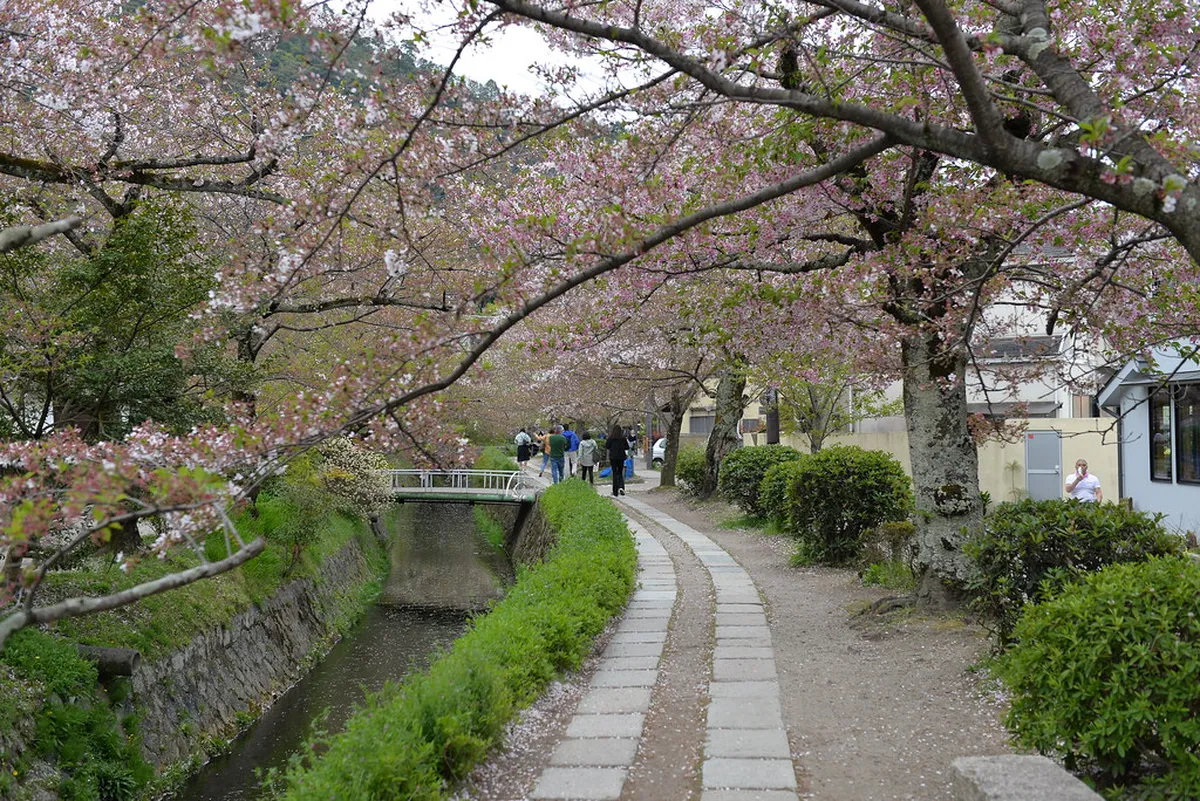
Northern Higashiyama stretches from Nanzenji in the south to Ginkakuji (Silver Pavilion) in the north, linked by the 2-kilometer Philosopher's Path along a cherry-tree-lined canal. This is Kyoto's most contemplative district — the streets are narrow, residential, and largely car-free. Small inns and guesthouses run ¥11,000–¥22,000 per night. The nearest subway access is Keage Station on the Tozai Line, which drops you at Nanzenji's western gate.
The area rewards slower travel. Eikan-do, Honen-in, and Anraku-ji are clustered along this corridor and rarely see the same volume of tour groups as Kiyomizu-dera. The Philosopher's Path in early June has fireflies after dark — a rarely advertised but genuinely spectacular experience that costs nothing. The main limitation is that reaching Kyoto Station requires a bus or a 20-minute subway journey with a transfer.
- Okazaki (The Museum and Culture District)
Okazaki sits at the point where the Biwa Canal enters the city from the east, just south of Heian Shrine's famous 24-meter orange torii gate. The neighborhood holds the Kyoto National Museum of Modern Art, the Municipal Museum of Art, the Okazaki Library, and the city zoo, giving it a more cultured, campus-like atmosphere than the temple corridors. Hotels in Okazaki run ¥16,000–¥32,000 per night, and the area is significantly less congested than Southern Higashiyama.
Heian Shrine's inner garden (¥600 adult admission) is one of Kyoto's finest stroll gardens and is best visited in late April when the late-blooming weeping cherry trees are at peak. The Keage incline — a historic funicular railway preserved in a park setting — is five minutes' walk south and excellent for photos. Visit the Kyoto City Zoo if you are traveling with children for a relaxed afternoon activity.
- Pontocho and the Kamo Riverbank
Pontocho is a single narrow alley running parallel to the Kamo River between Sanjo and Shijo, lined on both sides with restaurants that extend into riverside terraces (kawayuka) in summer. No hotels sit directly in the alley, but the streets immediately to the west and east put you within a 3-minute walk. Accommodation nearby runs ¥18,000–¥38,000 per night. The combination of Pontocho dining, Kamo River evening walks, and the Gion Shijo or Sanjo-Keihan subway stations makes this micro-zone one of the most enjoyable bases in the city.
Kawayuka season runs from May through late September, when most restaurants deploy their elevated wooden platforms over the river. Reservation windows for the best tables often open 6–8 weeks in advance. If you are visiting during this period, securing a kawayuka dinner should be one of your first bookings after you confirm accommodation. The riverside path north from Sanjo to Imadegawa is a pleasant 20-minute walk with excellent mountain views and a steady stream of cyclists and joggers.
- Kamigyo Ward (The Textile and Local District)
Kamigyo, the northernmost central ward, runs from Marutamachi up to the old Daitokuji temple complex. This is the most genuinely residential area on this list — most guests here are either visiting the Nishijin weaving district (Japan's historic silk-weaving heartland) or looking for budget accommodation away from tourist pricing. Small guesthouses and older hotels run ¥8,000–¥16,000 per night, making it the best-value location with subway access. Imadegawa Station on the Karasuma Line connects south to downtown in 8 minutes.
The Nishijin Textile Center on Horikawa Street gives daily kimono shows and has a permanent exhibition on traditional Nishijin-ori weaving techniques — free admission for the exhibition hall. Public sento (bathhouses) are more plentiful here than in any other central neighborhood; a visit costs around ¥500 and is a genuine local experience rather than a tourist-oriented onsen. Daitokuji temple compound to the north is best visited in early morning and contains 24 sub-temples, several with famous dry-landscape gardens open to the public.
Is Kyoto Station the Best Area for You?
Many travelers wonder if staying near the main train station will feel too corporate or disconnected from the city's soul. While the immediate surroundings are modern, the logistical benefits of being at the transport nexus are hard to overstate. You can easily access the JR lines for a Kyoto Itinerary: See Kyoto Perfectly that includes trips to Fushimi Inari or Uji. The station itself is an architectural marvel with an observation deck that is free to the public every day.
The downside is that you will need to take a short subway or bus ride to reach the heart of the historic districts. Walking from the station to Gion takes about 30 to 40 minutes, which can be taxing in the humid summer heat. However, the sheer variety of food in the underground malls means you will never go hungry after a long day of sightseeing. It is the most efficient base for those who value time and ease of movement above all else.
If you prefer a more romantic or "old-world" setting, the station area might feel a bit sterile for your tastes. The buildings are mostly concrete and glass, lacking the low-slung wooden charm of the eastern hills. This area is best for families or business travelers who need reliable amenities and spacious Western-style rooms. You can find great deals at Booking.com Kyoto Hotels if you book at least three months in advance.
Practical Differences Between Neighborhoods: Hills, Noise, and Luggage
One aspect almost no accommodation guide covers honestly is how physically demanding some Kyoto neighborhoods are. Southern Higashiyama and Gion east of Higashioji-dori involve genuine hill-climbing. If you are traveling with a large suitcase, have knee or mobility issues, or are visiting with elderly family members, the stone-stepped lanes near Kiyomizu-dera can be genuinely difficult. Many inns in this area require guests to carry bags up 20–40 stone steps from the nearest vehicle access point. Call ahead and ask the property directly before booking.
Noise levels also vary dramatically. Downtown Kawaramachi stays audible until around midnight on Friday and Saturday nights, with bar-goers on Kiyamachi Street (one block west of Kawaramachi) generating consistent street noise. Gion's Hanamikoji and Shimbashi are much quieter — no izakayas operate here — but the narrow lanes mean even small groups of tourists sound loud from a ground-floor room. Fushimi and Kamigyo are the quietest overnight areas on this list by a significant margin.
Southern Higashiyama and Gion east of Higashioji-dori involve real hill-climbing. Stone-stepped lanes near Kiyomizu-dera can require carrying large suitcases up 20–40 steps from vehicle access. Call properties ahead if you travel with mobility restrictions or large luggage.
Early check-in and late check-out access varies by neighborhood type. Large international hotels near Kyoto Station typically allow luggage storage from 07:00 and often accommodate early check-in if a room is available. Smaller machiya and ryokan properties, common in Gion and Higashiyama, usually operate strict check-in windows (15:00–18:00) and may not have dedicated luggage storage. If your Shinkansen arrives at 08:00, planning to drop bags and head straight out is much easier near the station than in a boutique Gion inn. Coin lockers at Kyoto Station itself can bridge this gap for a ¥400–¥700 daily fee.
Types of Accommodation: Ryokans, Hotels, and Machiyas
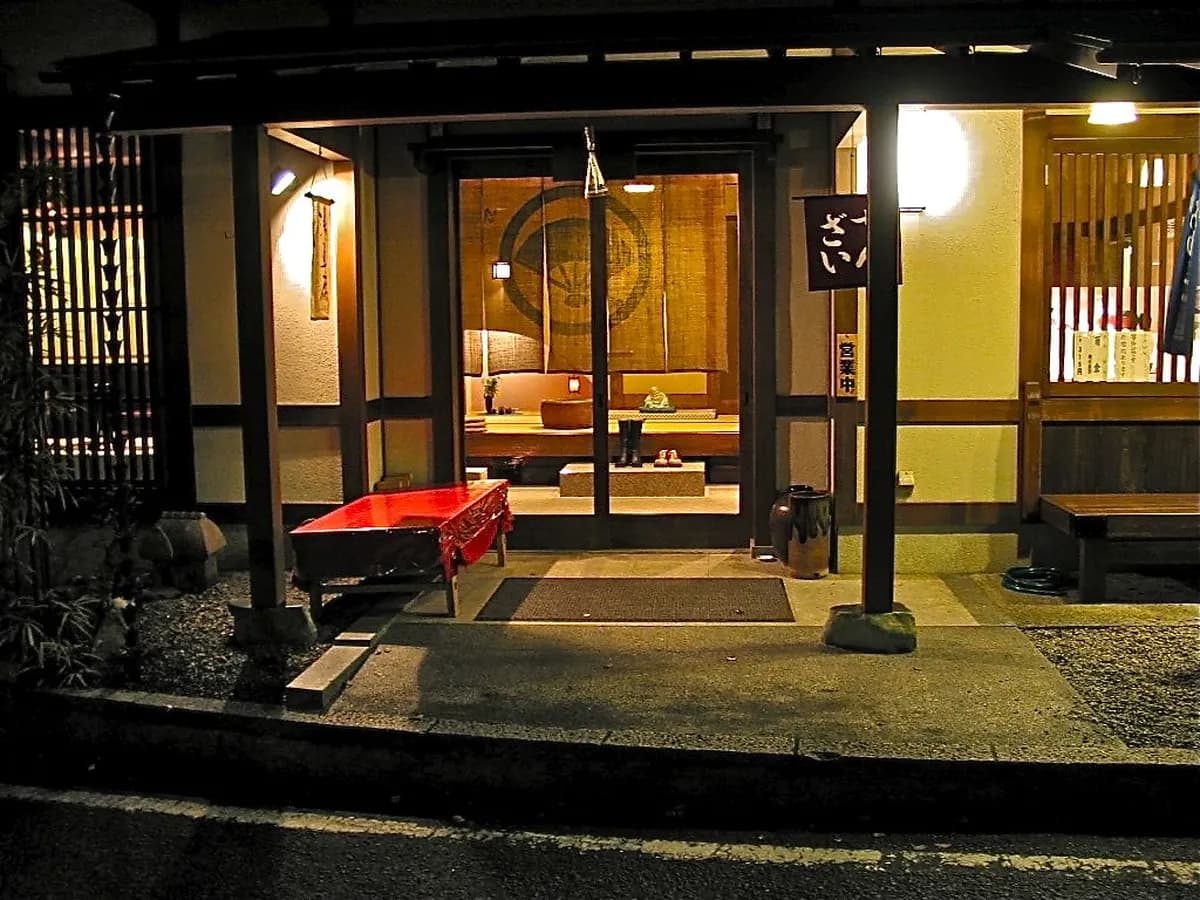
Kyoto offers a diverse range of lodging that goes far beyond the standard hotel room found in other major cities. Ryokans are traditional inns where you sleep on futons atop tatami mats and enjoy communal or private hot spring baths. These stays usually include a high-end breakfast and dinner (a package known as ippaku nishoku), making them more of a full-service experience than just a bed. They are perfect for travelers seeking a deep immersion into Japanese culture and hospitality. See our guide to the best ryokans in Kyoto for curated options across different budgets.
Machiyas are restored historical townhouses that allow you to live like a local in a private, multi-room home. These are excellent for families or groups who want more space and the ability to cook simple meals in a full kitchen. Keep in mind that older townhouses can be drafty in winter and may have steep, narrow stairs that are difficult for some guests. Most machiya rentals are located in Central Kyoto or the quiet lanes of the Kamigyo ward.
Western-style hotels are plentiful and range from budget "business hotels" to five-star international luxury brands. Business hotels offer tiny but impeccably clean rooms for ¥8,000–¥14,000 per night, making them the best option for solo travelers watching costs. For a luxury experience, the The Thousand Kyoto offers a high-end retreat right next to the station with excellent restaurant options.
Peak Season Planning: Booking for Sakura and Autumn
Kyoto experiences two massive surges in tourism every year: the cherry blossom season and the autumn foliage peak. During late March and early April, the city is awash in pink petals, but hotel prices can triple or quadruple compared to off-season rates. Book accommodation at least six months in advance if you plan to visit during these weeks — ideally nine to twelve months ahead for anything in Gion or Higashiyama. Many of the most popular ryokans sell out within days of opening their reservation calendars, which typically happens in October for the following spring.
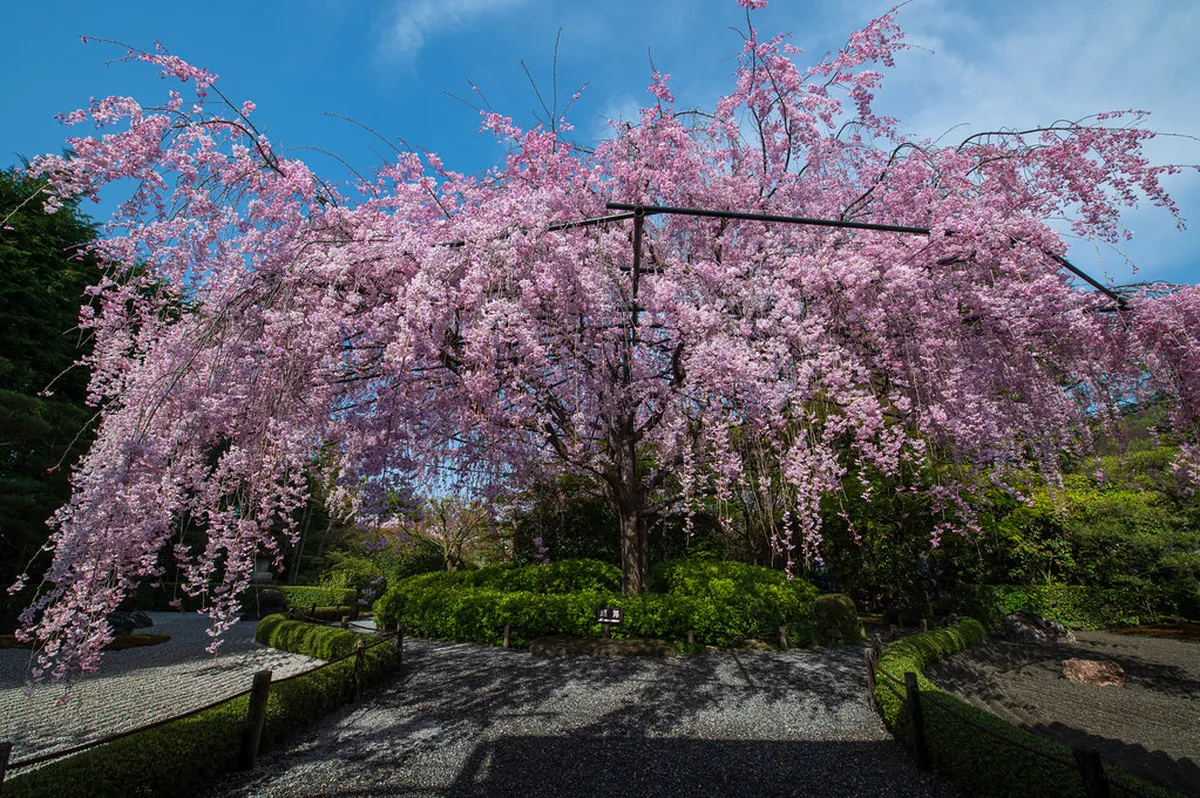
The autumn colors in November are equally spectacular and draw massive crowds to the temple gardens in Higashiyama. The weather is generally more stable than in spring, making it a favorite time for photographers and hikers. Expect long queues for buses and popular restaurants, so choosing a central neighborhood becomes even more important during this period. Staying in Fushimi or Kamigyo during peak foliage season is a practical way to secure a lower price while still reaching the main sights via subway.
If you are looking for a quieter experience, consider visiting in the shoulder months of May or September. The weather remains pleasant, the crowds are significantly thinner, and hotel rates return to normal levels. Winter is excellent for budget travelers — many illuminated temple gardens stage paid light-up events in December, and the same temples look stunning under snow in January and February. Always check the official event calendars for the Gion Matsuri festival (throughout July, with main processions on July 17 and 24) since accommodation near Shijo fills months ahead for this period.
Which Kyoto Neighborhood Works Best for Day Trips?
Kyoto functions naturally as a base for day trips to Nara, Osaka, and the Arashiyama bamboo grove. Your neighborhood choice affects how efficient each of these excursions is. For day trips to Nara, Kyoto Station is by far the best starting point: the JR Nara Line takes 35 minutes (rapid service) and runs every 15–20 minutes. The Kintetsu Limited Express is slightly faster at 30 minutes and more comfortable, also departing from Kyoto Station. See our full Nara Day Trip from Kyoto: The Ultimate 1-Day Itinerary guide for timing and ticket details.
For Osaka day trips, Downtown Kyoto (Kawaramachi or Shijo) is marginally better than the station. The Hankyu Limited Express from Kawaramachi to Osaka Umeda takes 40 minutes and is often less crowded than the JR Shinkaisoku from Kyoto Station. If your Osaka goal is Namba or Dotonbori, the Keihan Line from Gion-Shijo to Namba takes 50 minutes. For day trips to other destinations from Kyoto, Central Kyoto's position on the Karasuma subway line gives quick station access without requiring a separate train.
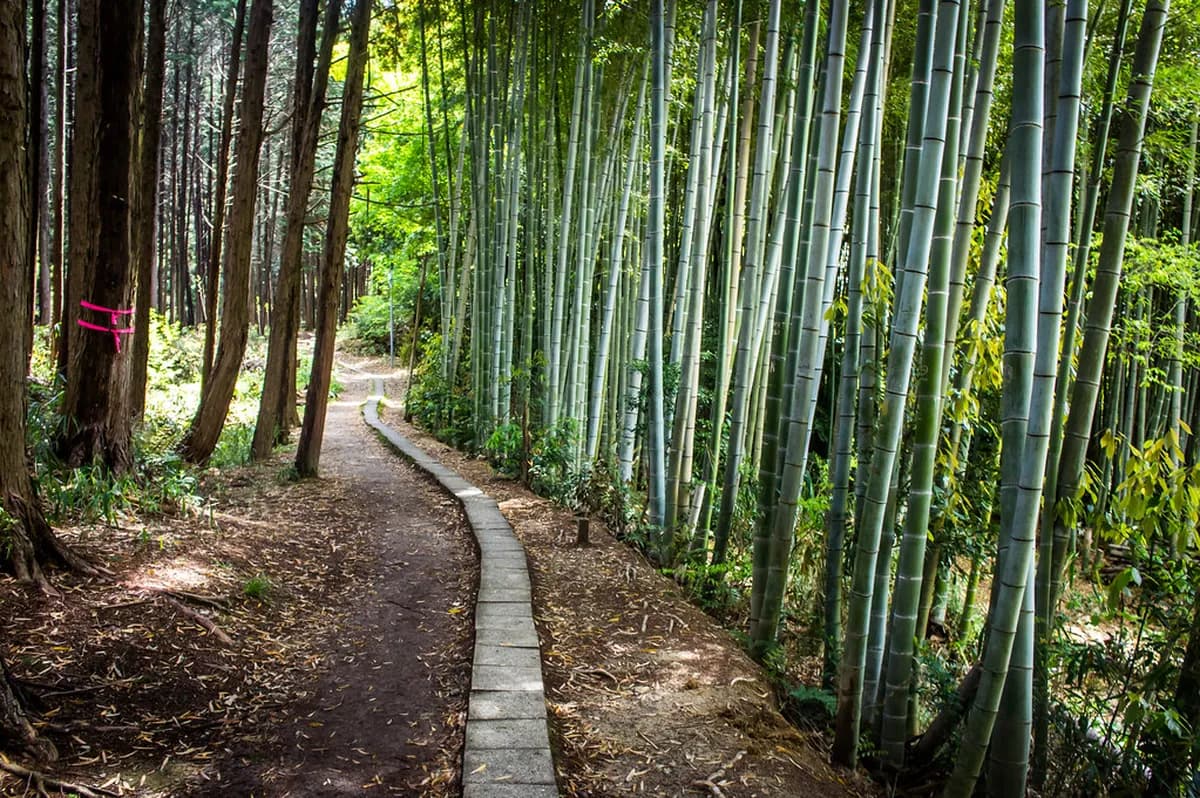
Arashiyama is commonly treated as a half-day trip from any central Kyoto base. The Sagano Line from Kyoto Station to Saga-Arashiyama takes 15 minutes; the Hankyu-Arashiyama Line from Katsura (one transfer from Kawaramachi) takes 25 minutes. Staying in Arashiyama overnight is a valid choice for visitors who want to walk the bamboo grove at dawn — most guidebooks dismiss this option, but several small inns operate in the village and the early morning atmosphere is genuinely rare. That said, options for dinner and evening entertainment are limited once the day-trippers depart, so research what your chosen property provides before committing.
Frequently Asked Questions
Where is the best place to stay in Kyoto for the first time?
Downtown Kyoto near Shijo and Kawaramachi is the best choice for first-timers. It offers the best mix of transport, dining, and shopping. You can easily walk to Gion or take a quick subway to other major districts.
Is it better to stay near Kyoto Station or Gion?
Choose Kyoto Station for transit ease and modern amenities. Select Gion if you prefer a traditional atmosphere and don't mind higher prices. Both are well-connected, but Gion feels more like historic Japan.
How many days should I stay in Kyoto?
Plan for at least three to four days to see the main highlights without rushing. This allows time for the eastern temples, the western bamboo groves, and a day trip to Nara. Five days is ideal for a relaxed pace.
Kyoto is a city of layers, and your choice of neighborhood will define which layer you experience most deeply. Whether you choose the bustling streets of Downtown or the quiet temple lanes of Higashiyama, the city's magic is always nearby. Take the time to consider your priorities — be it food, history, transit ease, or early-morning temple access — before making your final reservation.
Remember that no matter where you stay, the efficient public transport system makes the entire city accessible within 30–40 minutes. Book early, pack comfortable shoes (especially if you choose Higashiyama), and prepare to be enchanted by the timeless beauty of Japan's ancient capital. This 2026 guide should help you find the perfect home base for one of the world's great city experiences.
Free: The Kyoto Essentials guide
Top things to do, where to stay, a perfect day plan, getting around, and the best time to go — a Kyoto mini-guide you can take offline.
You might also like
Continue reading
More guides you'll find useful