10 Best Luxury Hotels in Kyoto 2026: Top Openings and Elite Stays
Discover the best luxury hotels in Kyoto for 2026, including the Imperial Hotel opening, Six Senses, and expert tips for booking the cherry blossom season.
On this page
The stone-paved streets of Higashiyama have always attracted discerning travelers, but 2026 marks a genuine turning point for Kyoto's luxury hospitality scene. Several world-class properties are opening or completing major expansions this year, redefining what elite accommodation looks like in Japan's ancient capital. This guide covers the strongest options across every style of luxury stay — from modern branded hotels to traditional ryokan retreats.
Kyoto is shifting deliberately toward high-value, sustainable tourism to protect its heritage sites. Choosing a luxury property here means supporting architectural preservation while gaining access to experiences unavailable to day visitors: private garden walks, after-hours temple entry, and concierge-arranged kaiseki dinners at chef's tables. Whether you prefer a modern suite in Gion or a secluded forest pavilion in the northern hills, 2026 offers an exceptional range of options.
Prices cited below are in Japanese yen (¥) with approximate USD equivalents at the 2026 mid-market rate of roughly ¥150 to $1. Peak season — late March to early April cherry blossom and mid-November autumn foliage — commands a 60–100% premium over off-peak rates. Book at least six to nine months in advance for those windows.
Peak season rates—late March through early April and mid-November—carry a 60–100% premium. Book at least 6–9 months ahead if cherry blossom or autumn foliage is your target. The Imperial Hotel Kyoto will fill its spring 2026 calendar within hours of opening.
The Imperial Hotel Kyoto: A 2026 Landmark Opening
The Imperial Hotel Kyoto is the most significant addition to the city's accommodation scene in decades, occupying the historic Yasaka Kaikan building on the edge of the Gion district. Architects spent years meticulously revitalizing the 1936 structure while preserving its iconic roofline and traditional tile work. The property launches with only 60 rooms, maintaining an atmosphere of exclusive intimacy that larger hotels cannot replicate.
Sustainability is central to the project: original roof tiles and structural timber have been retained wherever structurally sound. This commitment to heritage preservation reflects Kyoto's broader vision for Kyoto Culture: Top Experiences and responsible tourism. The hotel bridges the legendary service standard of the Tokyo Imperial flagship with the distinctive traditions of Gion.
Guests have direct access to the geiko district's atmospheric evening alleys and refined dining that honors seasonal ingredients. The spring 2026 opening aligns perfectly with cherry blossom season, making it the most sought-after reservation in the country this year. Nightly rates begin at approximately ¥180,000 (around $1,200) and rise steeply for suites. Reservations are available through the Imperial Hotel official site; expect limited availability from the moment bookings open.
10 Best Luxury Hotels in Kyoto 2026
| Hotel | District | Nightly Rate (¥) | Key Feature |
|---|---|---|---|
| Imperial Hotel Kyoto (Spring 2026) | Gion | ¥180,000–¥525,000 | 60 ultra-luxury rooms; historic Yasaka Kaikan building |
| Six Senses Kyoto | Higashiyama | ¥135,000–¥330,000 | Holistic wellness; Alchemy Bar spa; organic garden |
| Banyan Tree Higashiyama | Higashiyama | ¥165,000–¥420,000 | Hilltop views; private ofuro baths; Noh stage |
| Aman Kyoto | Takagamine | ¥300,000+ (peak) | Forest retreat at Kitayama mountains; austere design |
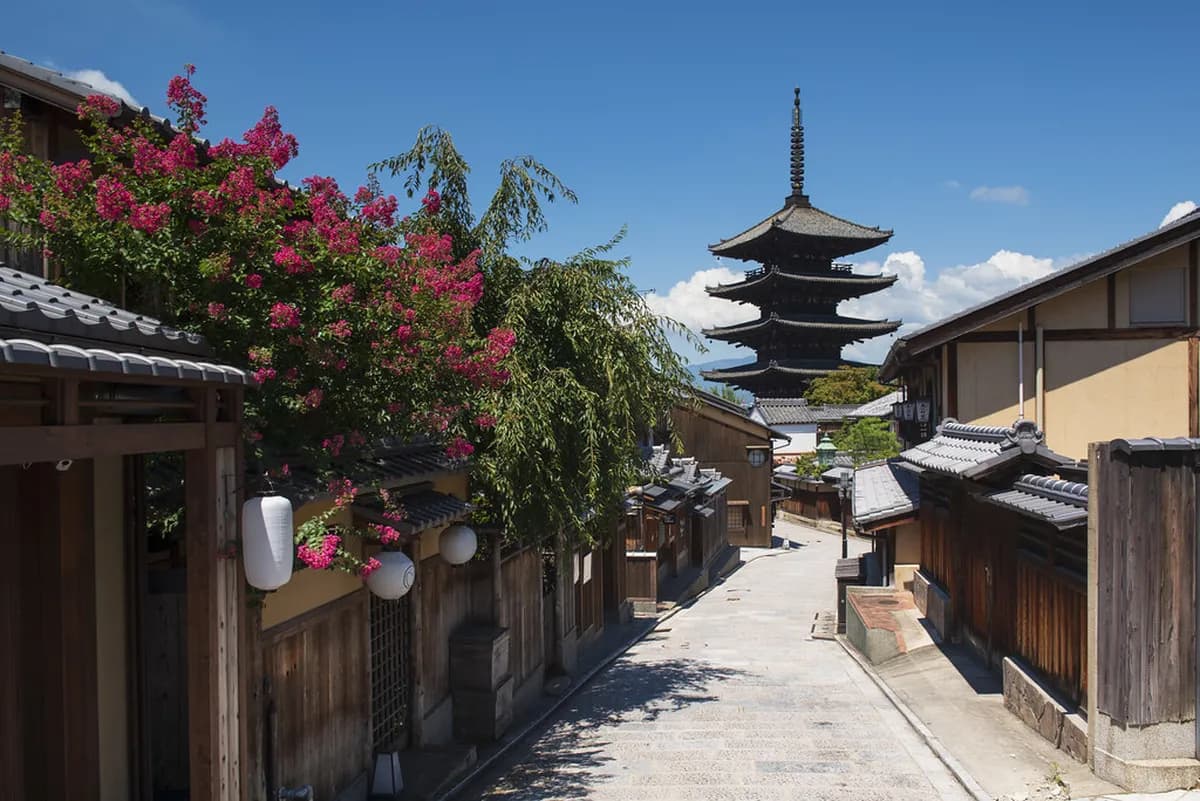
| Park Hyatt Kyoto | Sannen-zaka | ¥195,000–¥450,000 | Yasaka Pagoda views; Michelin-recognized Yasaka restaurant |
| The Ritz-Carlton, Kyoto | Kamogawa River (Sanjo) | ¥142,500–¥360,000 | Riverside elegance; complimentary morning cycling tour |
| Four Seasons Hotel Kyoto | Sanjusangen-do Temple District | ¥150,000–¥390,000 | 800-year-old Shakusui-en pond garden; tea house |
| Hoshinoya Kyoto | Arashiyama (Oi River) | ¥127,500–¥285,000 | Boat access; kaiseki dinner + breakfast included; 2-night minimum |
| Hotel The Mitsui Kyoto | Nijo Castle District (Oike-dori) | ¥165,000–¥375,000 | Historic Mitsui estate; natural mineral onsen; private onsen suites |
| Regent Kyoto (2026 opening) | Northern Hills | ¥135,000–¥315,000 | New Regent debut in Japan; Nishijin textile heritage |
The luxury landscape in Kyoto now stretches well beyond the city center, with acclaimed properties in the forest districts of Arashiyama and Takagamine alongside the historic lanes of Higashiyama. You will find global brands and independent boutiques that cater to every aesthetic preference. Many of these properties offer curated Top Kyoto Experiences such as private tea ceremonies and sunrise temple tours that ordinary visitors cannot access.
Each entry below includes practical logistics — pricing in yen, check-in times, and neighborhood context — to help you plan your arrival and daily explorations. Staying at these properties provides a tranquil base while keeping you close to the major Kyoto: Top 21 Landmarks You Must Visit in 2026.
- The Imperial Hotel Kyoto (Opening Spring 2026)
- This landmark property opens in Spring 2026 within the historic Yasaka Kaikan building in Gion.
- It offers 60 ultra-luxury rooms blending traditional Japanese craftsmanship with the Imperial's legendary service standards.
- Nightly rates start from approximately ¥180,000 (~$1,200) to ¥525,000 (~$3,500); check-in at 15:00, check-out at 12:00.
- Located in Gion, reachable by 15-minute taxi from Kyoto Station or a 10-minute walk from Gion-Shijo Station (Keihan Line).
- Book at least six months ahead; cherry blossom dates fill within days of the reservation calendar opening.
- Six Senses Kyoto: A Sanctuary of Wellness
- Located in the Higashiyama district near Sanjusangen-do Temple, this hotel focuses on holistic health and sustainable luxury.
- The property features an extensive spa with Alchemy Bar treatments and an organic garden supplying the on-site restaurant.
- Rooms range from approximately ¥135,000 (~$900) to ¥330,000 (~$2,200) per night; check-in at 15:00.
- The signature wellness screening on arrival produces a personalized health plan that shapes your spa bookings throughout the stay.
- Best suited for travelers who prioritize restorative calm over proximity to nightlife.
- Banyan Tree Higashiyama Kyoto: Hilltop Serenity
- This hilltop escape offers panoramic views of the Kyoto basin and features the only Noh stage inside a Kyoto hotel.
- Each room includes a private natural-wood ofuro bath for a traditional soaking experience.
- Nightly rates average ¥165,000 (~$1,100) to ¥420,000 (~$2,800) depending on season and room category.
- A short walk from Kiyomizu-dera makes early-morning temple visits — before the crowds arrive at 08:00 — easy from here.
- Request a room on the upper floors for a city view that includes the Yasaka Pagoda.
- Aman Kyoto: The Ultimate Forest Retreat
- Set within a hidden garden at the foot of the Kitayama mountains, Aman Kyoto is the city's most secluded luxury stay.
- Minimalist pavilions are surrounded by moss-covered stone paths and ancient maple trees; the aesthetic is deliberately austere.
- Prices frequently exceed ¥300,000 (~$2,000) per night during peak foliage; this is among the highest in the city.
- Located in Takagamine, roughly 30 minutes by taxi from Kyoto Station — the remoteness is a feature, not a flaw.
- The forest bathing deck at dawn offers one of the most genuinely meditative hotel experiences available anywhere in Japan.
- Park Hyatt Kyoto: Luxury in Sannen-zaka
- This hotel integrates seamlessly with the historic architecture of the Sannen-zaka hillside near Kiyomizu-dera.
- The fourth-floor bar frames the Yasaka Pagoda in its window — one of the most iconic cocktail-hour views in Kyoto.
- Expect to pay ¥195,000 (~$1,300) to ¥450,000 (~$3,000) per night; check-in from 15:00.
- The central Higashiyama location makes it easy to walk the 10 Best Kyoto Neighborhoods to Stay: 2026 Area Guide routes before breakfast.
- Book a table at the Michelin-recognized Yasaka restaurant for teppanyaki with a direct view of the pagoda.
- The Ritz-Carlton, Kyoto: Riverside Elegance
- Situated on the banks of the Kamogawa River near Sanjo, this property delivers a refined urban resort experience.
- The interior design incorporates delicate wood carvings and a curated collection of local contemporary art.
- Rates typically range from ¥142,500 (~$950) to ¥360,000 (~$2,400); check-out at 12:00.
- Conveniently positioned near the Pontocho dining alley and the downtown Kawaramachi shopping district.
- The complimentary morning cycling tour along the riverbanks departs at 07:00 and returns before peak crowds arrive.
- Four Seasons Hotel Kyoto: A Modern Masterpiece
- Built around an 800-year-old Shakusui-en pond garden, this hotel's lobby glass walls offer a direct view of the seasonal changes outside.
- The garden was once the private retreat of the Ikeda noble family and has been preserved in its original form.
- Nightly costs range from ¥150,000 (~$1,000) to ¥390,000 (~$2,600); check-in available from 15:00.
- Located in the temple district near Sanjusangen-do, it forms an excellent base for a Kyoto Itinerary: See Kyoto Perfectly focused on cultural immersion.
- The pond-side tea house offers afternoon matcha and seasonal wagashi sweets — a calm counterpoint to busy temple days.
- Hoshinoya Kyoto: A Traditional Boat-Access Escape
- Reaching this retreat requires a private boat ride up the Oi River in Arashiyama — check-in by water is a genuine experience in itself.
- It offers a contemporary take on the 10 Best Ryokan in Kyoto 2026: The Ultimate Guide experience, with full kaiseki dinner and breakfast included in the rate.
- Prices range from ¥127,500 (~$850) to ¥285,000 (~$1,900) per night; a two-night minimum stay is commonly required.
- The remote riverside setting is ideal for travelers seeking distance from the city's main tourist corridors.
- Temple bells from Tenryu-ji echo across the water at dusk; there is no better way to end a Kyoto evening.
- Hotel The Mitsui Kyoto: Heritage and Hot Springs
- Built on the former site of the Mitsui clan's aristocratic estate, the hotel's Kajiimiya Gate has stood for over 300 years.
- The in-house thermal spring onsen uses genuine natural mineral water drawn from beneath the property.
- Standard rates range from ¥165,000 (~$1,100) to ¥375,000 (~$2,500) per night; check-in at 15:00.
- Located directly opposite Nijo Castle, one of Kyoto's UNESCO World Heritage Sites, on the central Oike-dori avenue.
- The private onsen suite — bookable in two-hour slots — is recommended for couples who want hot spring access without sharing a communal bath.
- Regent Kyoto: A New Era of Luxury
- The Regent brand returns to Japan in 2026 with a Kyoto property that emphasizes the tranquility of the northern hills and landscaped gardens.
- The design draws on Kyoto's textile heritage with handwoven Nishijin fabric used as interior accents throughout the public areas.
- Preliminary nightly rates are estimated from ¥135,000 (~$900) to ¥315,000 (~$2,100) with standard hotel hours.
- The quieter northern location offers a useful alternative to the more tourist-saturated southern and central districts.
- Check the official Regent site for soft-opening rates if you are traveling in the first half of 2026.
Luxury Ryokan vs Modern Hotel: Which Is Right for You
This is the most important decision a first-time Kyoto luxury traveler will make, and most hotel comparison guides gloss over the practical differences. A luxury ryokan — such as Hoshinoya Kyoto, Tawaraya, or Hiiragiya — includes kaiseki dinner and Japanese breakfast in the room rate. That means a quoted price of ¥100,000 per person often covers a ¥30,000+ multi-course dinner prepared by a Kyoto-trained chef, a private or semi-private onsen soak, yukata robes, and a tatami sleeping arrangement. On a per-experience basis, the value is significant. A modern luxury hotel at the same nightly rate charges separately for every meal.
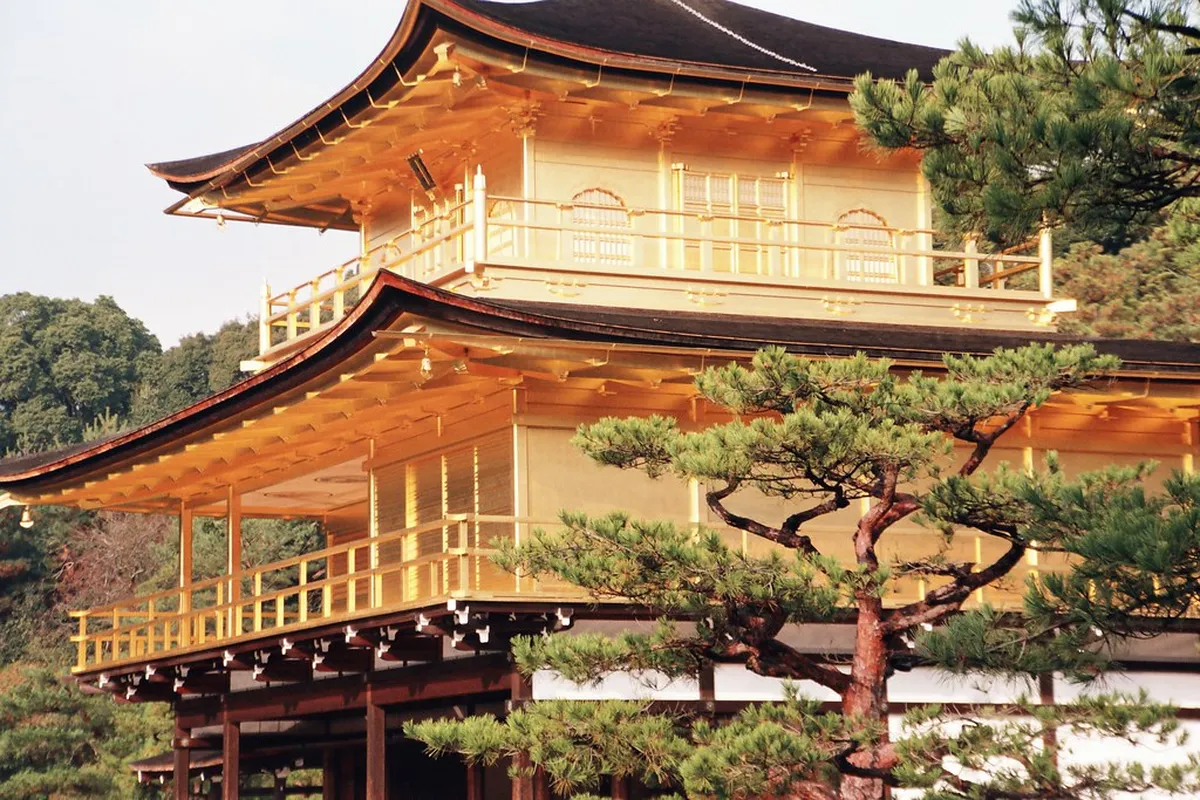
The trade-off is format. Ryokan rooms are designed around the Japanese floor-level lifestyle: futon bedding laid out by staff, low tables, and tatami mats. Guests with mobility concerns, back pain, or who simply prefer a Western bed will find modern hotel rooms more comfortable. Noise transfer can also be greater in older ryokan structures than in purpose-built hotels with soundproofed corridors.
A practical approach for a week-long stay: book two to three nights at a ryokan in Arashiyama or the eastern hills, then shift to a modern hotel for the remainder. This structure lets you experience the full cultural immersion — the kaiseki ritual, the onsen rhythm, the morning rice porridge — without committing every night to the tatami format. Both Hoshinoya Kyoto and Tawaraya accept advance reservations through their own sites or through a specialist Japan travel agent who can navigate the Japanese-language-only booking windows.
Machiya Townhouse Hotels: Kyoto's Most Distinctive Luxury Format
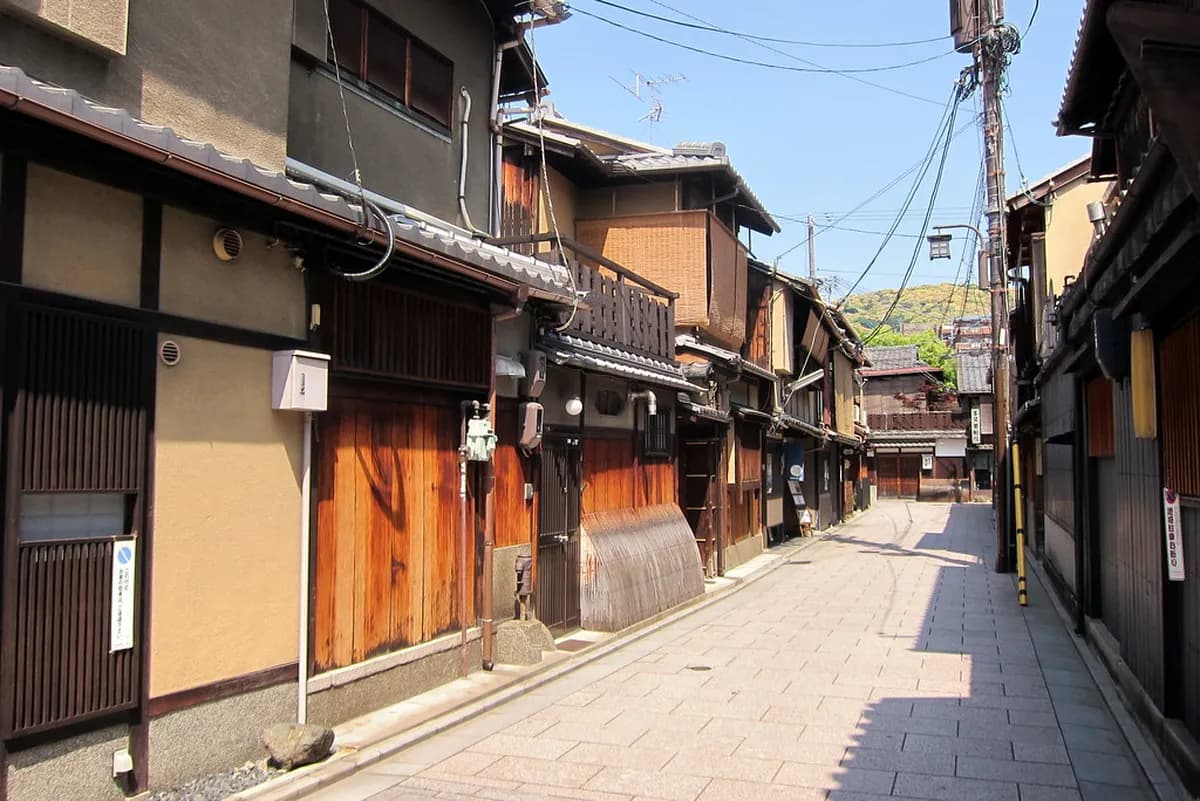
One format that almost no international luxury guide covers properly is the machiya conversion: a Kyoto townhouse, typically a century-old merchant residence with a narrow street frontage and a long interior running back to a private garden, that has been renovated into a sole-occupancy guesthouse. These properties are booked as entire structures for one party, sleeping four to eight guests, and the experience is categorically different from a hotel room. You have a full traditional kitchen, a private garden with a stone lantern and stepping-stone path, a private onsen or hinoki bathtub, and complete privacy.
Pricing for a machiya rental in central Gion or Nishiki typically runs ¥120,000 to ¥350,000 per night for the whole property — which, split across a family or small group of four, is often cheaper per person than a standard room at the Park Hyatt or Ritz-Carlton. The practical caveat is service: machiya rentals usually include a daily caretaker visit for cleaning but no concierge, no room service, and no staffed front desk. You will need to arrange your own restaurant reservations and transport. For independent travelers who find hotel lobbies and guest-services scripts alienating, this is the most satisfying way to stay in Kyoto.
Reputable machiya rental platforms include Kyoto Machiya (kyotomachiya.com) and several curated boutique operators who list through Mr and Mrs Smith. Inspect photos carefully for the age and condition of the tatami mats, the onsen type (outdoor garden tub versus indoor hinoki), and whether the property has air conditioning in every room — older machiya can be genuinely cold in January or humid in August.
Is it Better to Stay in Gion or Higashiyama for Luxury?
Gion is the cultural heart of the city and offers unparalleled access to traditional tea houses and the ochaya where geiko and maiko entertain private guests. Choosing a luxury hotel here means waking up within walking distance of Hanamikoji-dori and the lantern-lit alleys of Shimbashi. The downside is foot traffic: Gion draws the largest share of Kyoto's day-trippers, and the narrow lanes can feel crowded between 10:00 and 16:00.
Higashiyama provides a more expansive and tranquil environment, with many properties set in private gardens that back onto the wooded hillside. This district is ideal for travelers who want proximity to major temples — Kiyomizu-dera, Chion-in, and Shoren-in — while maintaining a sense of retreat. You should also review our Where To Stay In Kyoto: 9 Best Areas and Booking Tips guide for a deeper neighborhood comparison, including the quieter Fushimi and Arashiyama options.
A practical split: stay in Gion if evening atmosphere matters most to you (the streets are most beautiful after 19:00 when day-trippers have left). Stay in Higashiyama or near Kiyomizu-dera if early morning temple walks before 08:00 are your priority. Either district delivers a superior luxury experience compared to hotels clustered around Kyoto Station, which offer convenience at the cost of atmosphere.
Dining at Kyoto's Luxury Hotels: What to Expect
Hotel dining in Kyoto operates at a level that justifies eating in rather than venturing out several nights per week. The Four Seasons maintains a Michelin-recognized Japanese restaurant; Park Hyatt's Yasaka is a genuine teppanyaki destination with pagoda views. Aman Kyoto's restaurant sources vegetables from a private farm in Kyotango and offers an omakase format that changes weekly. The Ritz-Carlton's The Bar is one of the best cocktail programs in the city, using Japanese spirits and seasonal botanicals to construct drinks that read like a calendar of local ingredients.
At ryokan properties, the kaiseki dinner is not optional — it is structurally built into the stay. Arrive hungry. A full Kyoto kaiseki at a property like Hoshinoya moves through eight to twelve courses over ninety minutes, beginning with seasonal appetizers (sakizuke) and moving through clear broth (owan), sashimi, a simmered dish (nimono), grilled course, and rice. The sequence follows the formal kaiseki structure codified by the tea ceremony tradition. It is one of the most rehearsed dining formats in the world and worth experiencing at least once during any Kyoto visit.
If you want to dine outside the hotel, your concierge is the right starting point for Michelin reservations in Kyoto — especially for the handful of one and two-star Japanese restaurants that do not accept bookings from overseas phones. Restaurants in the Kikunoi, Kichisen, and Hyotei category routinely refuse same-week requests without a hotel concierge introduction. Build that relationship on the first day of your stay.
Planning Your 2026 Kyoto Luxury Stay
The 2026 cherry blossom season is expected to be one of the most competitive booking periods in Japan for a generation. You should consult the Best Time to Visit Kyoto: Monthly & Seasonal Guide data to align your booking with peak bloom dates, which typically fall between late March and the first week of April. Most luxury hotels open their reservation calendars six to eleven months in advance; the Imperial Hotel Kyoto is expected to fill its spring dates within hours of opening.
Transport logistics are smoother in 2026 than in previous years. The Sanin Line and several Kyoto City Bus routes now support contactless payment via international Visa and Mastercard — you can tap in and out without buying an IC card at the station. From Kyoto Station, taxis to Gion take 10 to 15 minutes (approximately ¥1,500); to Arashiyama, budget 25 to 35 minutes (approximately ¥3,000). For Aman Kyoto in Takagamine, allow 30 to 40 minutes and a fare around ¥3,500 to ¥4,500 from the station.
To avoid the heaviest crowds at heritage sites, schedule your sightseeing for before 08:30 or after 16:30. Many luxury hotels can arrange private after-hours access to certain temple gardens — Ryoan-ji's rock garden before sunrise, for instance — for an additional fee. This exclusive access is the most effective way to experience the city's beauty without the pressure of overtourism that has defined recent peak seasons.
What to Know Before Booking: Practical Considerations
While many guides focus on headline nightly rates, the true cost of a Kyoto luxury stay involves several additional line items. Ryokan prices are typically quoted per person with two meals included; modern hotel rates are usually per room, room-only. Before comparing prices across property types, confirm what the rate covers. A ¥100,000 per-person ryokan rate that includes a ¥30,000 kaiseki dinner and a ¥15,000 breakfast is structurally different from a ¥100,000 hotel room that covers only the bed.
Service charges and consumption tax (currently 10% in Japan) are added to the room rate at checkout in most hotels. Some properties — particularly those targeting international guests — include tax in the published rate; others add it separately. Ask explicitly when booking. For ryokan, a separate "bath tax" (nyuyokuzei) of ¥150 per person per night is levied by Kyoto City for onsen properties.
Cancellation policies at Kyoto luxury properties are stricter than most international chains. Cherry blossom and autumn foliage bookings routinely carry 30- to 60-day no-refund windows. Read the policy before confirming, and consider booking through an amex Platinum or similar card that carries travel cancellation protection. Staying near the Kamogawa River or in a district well away from Nishiki Market also avoids the areas most likely to be affected by crowd-management restrictions the city has trialed during peak periods.
Kyoto luxury hotel cancellation policies for cherry blossom and autumn foliage stays typically impose 30–60 day no-refund windows. Confirm the full cancellation terms before booking, and consider premium travel-protection insurance or a card benefit like Amex Platinum's travel cancellation coverage.
For the full city overview, see our Kyoto attractions guide.
Frequently Asked Questions
When does the Imperial Hotel Kyoto open in 2026?
The Imperial Hotel Kyoto is scheduled to open in Spring 2026. It will be located in the historic Yasaka Kaikan building in Gion. Travelers should monitor the Imperial Hotel Official site for reservation openings starting in late 2025.
What are the best new luxury hotels in Kyoto for 2026?
The top new luxury hotels include the Imperial Hotel Kyoto, Six Senses Kyoto, and Banyan Tree Higashiyama. These properties offer a mix of historical preservation and modern wellness. They are expected to be the most popular choices for the 2026 season.
How far in advance should I book a Kyoto luxury hotel for 2026?
You should book your luxury hotel at least 6 to 9 months in advance for 2026. This is especially important if you plan to visit during the cherry blossom or autumn foliage seasons. Many elite properties reach full capacity shortly after their calendars open.
Kyoto's luxury hotel scene in 2026 offers a genuine range — from the historic gravitas of the new Imperial Hotel to the forest seclusion of Aman Kyoto to the sole-occupancy privacy of a machiya townhouse conversion. The opening of the Imperial Hotel marks a new chapter for the Gion district and for Kyoto's standing as a global luxury destination. By choosing a property that connects you to the city's heritage and natural cycles, you ensure a trip that rewards depth over convenience.
Book early, clarify what your rate includes, and invest time in your concierge relationship on arrival day. We recommend checking InsideKyoto Itineraries to structure your daily sightseeing around your hotel's location and the particular temples that suit early-morning visits. Your 2026 Kyoto stay can be as distinctive as the city itself — it simply requires choosing the right property for how you actually want to experience Japan.
Free: The Kyoto Essentials guide
Top things to do, where to stay, a perfect day plan, getting around, and the best time to go — a Kyoto mini-guide you can take offline.
You might also like
Continue reading
More guides you'll find useful